When the discriminant of a quadratic equation is a perfect square (such as 9a²), the roots are real, rational, and distinct. This is because a perfect square is always non-negative (greater than or equal to zero), ensuring real roots, and since it is not zero (unless a=0), the roots are distinct. Additionally, since the square root of a perfect square is rational, the roots are rational numbers.
Install our extension to search inside any video instantly.
School Topper District Topper | Toughest Quadratic Question | Class 10 Maths
Added:Kids, a good question is on your screen.
If the discriminant of this quantity is 9a² then find the root of the root. It says that its discriminant is 9a². So what will be the nature of the root? This is a very amazing and lovely question, my child.
Use your brain. So look, discriminate defines what the nature of the root is? Now the discriminate is my 9a². You look at 9a². Can I write 9a² like this? 3a That's a very good question, child. I can write its square. This means 9a² is a perfect quantity. Perfect square. So pay attention son, when we find the root, then -b is a root plus a minus discriminant / 2. d is our perfect square. So when I undercut this, the ration number will come out.
Irshal will not come. Isn't it? So look at the options. Well, d is our perfect square and is also positive. Look carefully, son.
This is a quantity, it will always be greater than 0. The whole square of 3a will always be greater and equal than 0. Why would it happen?
Because a perfect square number is never negative. So I have presented two quantities of this number before you. The whole square of 3a is, firstly, a perfect square quantity, i.e., 9a², and secondly, it will never be negative because a square number is never negative. So d will never be negative. So the routes are real.
Reals also have to be found and since it is a perfect square, the square root will also be found.
So reals have to come and rations have to come too. Let's check the options. It is not real and equal, sir. They will not be real and equal.
If d were zero, if d were zero, see if it is not equal to zero, then this quantity would always have been positive. If d were zero, both roots would be equal. If d is zero then both roots are real but not equal. There is a ration, yes it is distinct. It is different.
Absolutely correct. Equal is equal and repeated. It is not repeated. This is also wrong. There is no imagery at all, why?
Related Videos

Solving a 'Harvard' University entrance exam question
AsadInternationalAcademy
125 views•2026-06-14
Algorithms for Generalized Signed Distance and Winding Numbers (PhD thesis)
NicoleZFeng
269 views•2026-06-15

Notes 6.3 Rectangle, Rhombus, Square
matthewmills6952
1K views•2026-06-18

Does the math actually hold up? Let's break down the logic.
rawXopinion
1K views•2026-06-15

NYT Hard Sudoku Walkthrough | June 17, 2026
Rangsk
2K views•2026-06-17
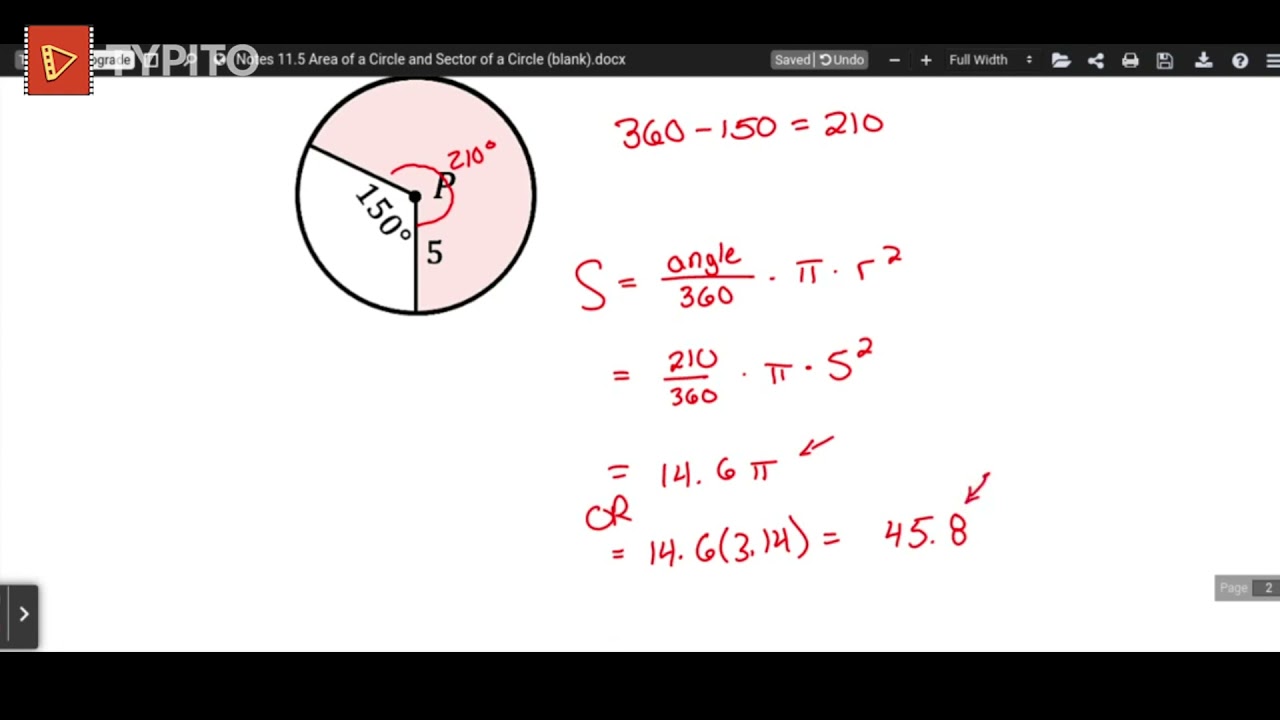
Notes 11.5 Area of a Circle and Sector of a Circle
matthewmills6952
251 views•2026-06-18

Notes 4.2 Isosceles and Equilateral Triangles
matthewmills6952
444 views•2026-06-18
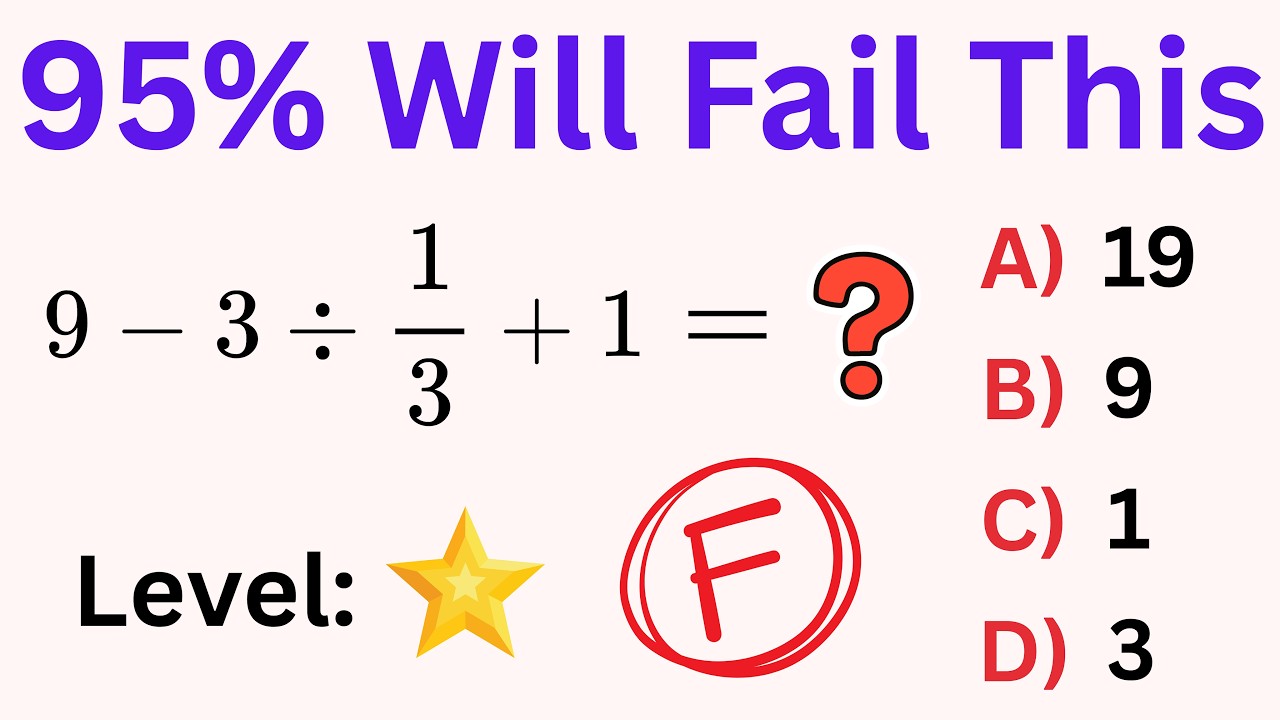
Can You Solve This?
brain_station_videos
1K views•2026-06-15



