Four fuzzy matching algorithms serve different purposes: Levenshtein distance is best for small variations; Jaro-Winkler distance gives higher weight to matching characters at the beginning and catches typos at the end; trigrams and n-grams break strings into subgroups for fast processing, making it ideal for large datasets; and Soundex/phonetic methods encode words based on pronunciation, which is simple and fast but limited to English-like names and short quotes.
Installieren Sie unsere Erweiterung an, um sofort in jedem Video zu suchen
4 Ways to Choose a Fuzzy Match AlgorithmHinzugefügt:
Why does no one talk about this? Fuzzy matching algorithms. Which should I use?
First, Levenshtein distance. Use this algorithm when you have a small variation. Number two, Jaro-Winkler distance. It works the same way, but it assigns the high weights to the characters that match in the beginning and catches the typos in the end. Number three, trigrams and n-grams. This algorithm breaks the strings into subgroups and thus it is so fast. It might be the best solution when you're working with a large data set. Number four, Soundex and phonetic methods. This method encodes words based on pronunciation. It is simple and fast, but it is limited to English like names and short quotes.
Ähnliche Videos

resume fixed instantly 😭 Comment “app”andI’ll sendyou the link #parakeetaipartnership #resumetips
Ritcareer
686 views•2026-05-31

Re: 🗣️📍theprophedu📍2026 GST 103 CLASS (E-EXAM REVISION)
theprophedu
636 views•2026-06-04
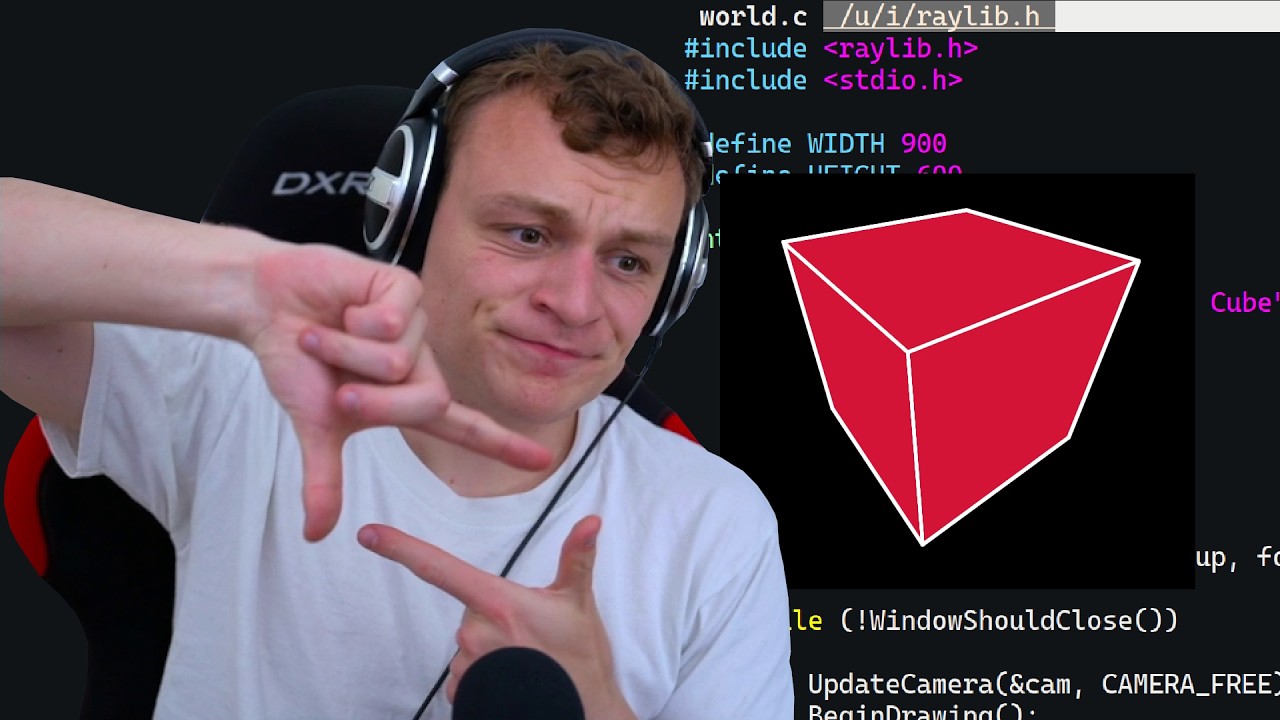
3D Basics in C
HirschDaniel
2K views•2026-06-05

Search Algorithms Explained in 60 Seconds! 🤖💨
samarthtuliofficial
218 views•2026-06-01
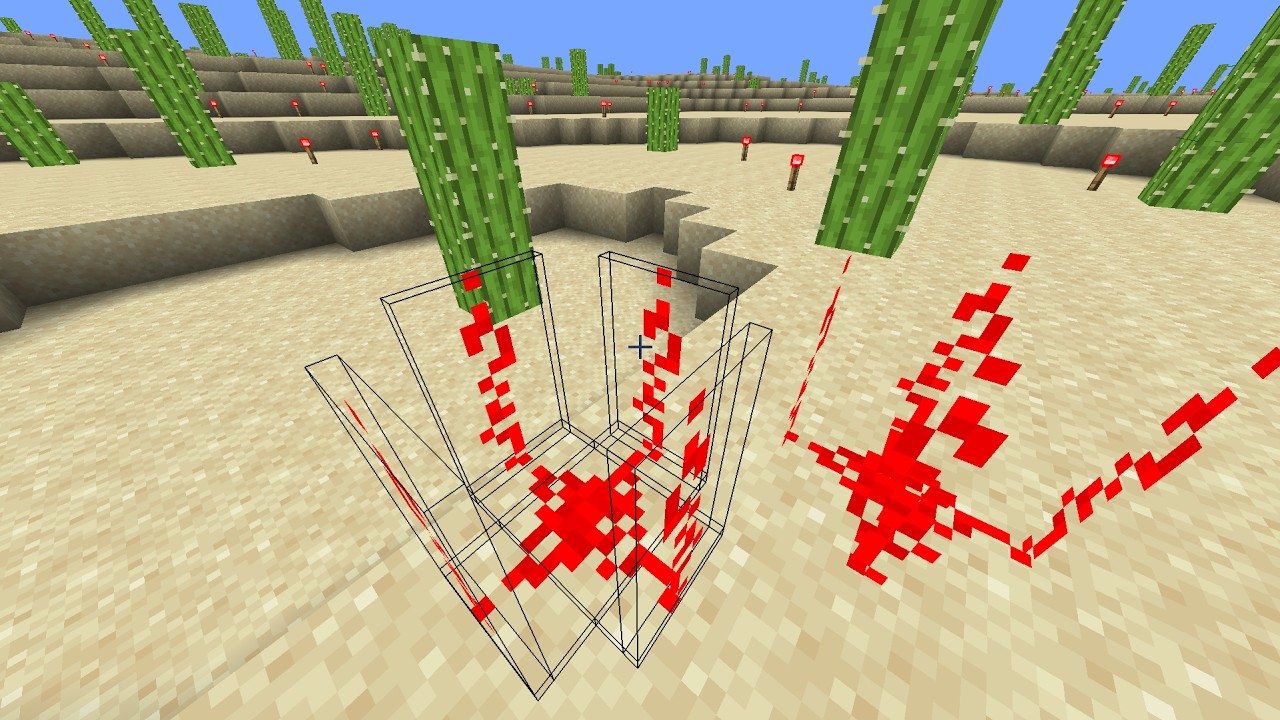
Making Minecraft Clone with C++ & Raylib
PecaCSLive
686 views•2026-06-04

People of Game of Thrones using JavaScript DOM
AltCampus
296 views•2026-05-30

Instagram accounts got PWNed
EricParker
13K views•2026-06-03

So What's Odin Lang Even Good For
TechOverTea
131 views•2026-06-01