After stroke, holding objects like water bottles, eggs, or cups during arm exercises helps reduce spasticity and improve arm movement by preventing the natural fight-or-flight response that causes fingers to tighten; this technique works by providing a physical constraint that forces the hand to remain open while performing overhead movements, allowing patients to practice natural movements without conscious thought about their limitations.
Install our extension to search inside any video instantly.
The most effective method for better arm movement POST STROKE
Added:See, today is Tuesday. Talk to me Tuesday. Um, and today's talk to me Tuesday, we going to talk to y'all about how to get better movement in our arm. Um, postreovery. And yesterday we did some arm rotation, arm movement to show you how to kind of get past that scapular wall of not getting that movement. And then when you say for instance go to drive your arm up over your head why you have that wall and ways to try to counteract against that with to continuing to advance through straightening the elbow and all of the above. And we're going to continue that today with other ways because some things that work for some people may not work for you and you may need a little more detail. So, we're going to jump right into it. And I did have a water bottle on my hand because I'm going to tell y'all different things that actually help you to get past your head when you begin to do things on a more trying to say normal I guess the word I want to say is normal basis or without thought. So say for instance if we okay since the stroke affected us and one side of our body was affected so I'm left side affected. So naturally coming out of it, it's like okay, yes, my left side was paralyzed. So reality shows that I couldn't move my hand, couldn't move my arm while I leave above. So we know that's the reality.
But then I had to take the thought process out of that to say, hey, I'm an expert at lifting weights. I'm an expert at doing anything with body movement. So when I took the thought process of, hey, I know y'all said I'm paralyzed. I know y'all said this happened after the stroke. It paralyzed one side of my body. And I focus on I'm an expert on lifting weights. I was able to get past that and say, "Hey." Because if you have not known, the first time my hand opened up was when I begged them to take me into a gym and my hand reacted to a one pound weight. opened up my hand, grabbed that weight, and after that it was it was up like it was stuck because I couldn't get that hand on because you know that vice grip that happens after we get something in our hand. So that was a process of now learning how to open up the hand. But so that's what I mean when I say to get outside of our thoughts, get outside of our head with doing things that become more natural to us. So things that become more natural to us. I'm a hand talker. So, when I do things like this, trying to move my hand um and trying to talk to y'all with this, I'm not thinking about the tone or the spasticity that may be in my hands, my finger, but I'm not thinking about the fact that my arm may not have full rotation over my head. I'm just doing things that become more natural to me or if you're hairdresser, things like that, or like me, also a chef. So, that was another part that I was able to get outside of my head. I kept I was getting frustrated with waiting and asking for somebody to hey can you cook me some food because hey one side of my body doesn't work now I don't have the ability to cook. It was just like wait cooking my food doesn't have to be perfect. I still have the ability. I still have one side of my hand and I can figure out how to use this hand that didn't quite have the full function to it. And I began I remember one of the videos that I have on here. I began I was making some um ground turkey patties or something like that and I was slapping the ground beef the ground turkey in my hand to pat it and the thing was with not having that full rotation in the hand. What I did was got outside of my head slapping it in the hand. I needed to get back in this. I'm talking y'all. And then I began to do this and this is without full rotation and full mobility in the arms. So, I was able to jump back into the things that naturally come easy to me with cooking, lifting weights, and things, things like that. So, what naturally comes easy to y'all. So, that's what I want to talk to y'all about today. But with understanding and figuring those things out will help us get to the next level of, hey, my hand may not move normally like this. Maybe it move like this.
Maybe it can move across my body. Things like that that we're not thinking about it. So, that's why I was thinking about starting with uh the water bottle of my hand. Say for instance, you go for a water bottle. Yes, it's frustrating to open a water bottle or something that squeezes like this because when you don't have full filling in this hand, you may be dealing with a sit well, you're likely dealing with a situation you can't tell if you're squeezing it too hard. You can't see you squeezing at all. You put in this hand, you may try to twist it open because this is your stronger side, but in that twisting open, you may be squeezing too tight. So all those things like kind of just help you to say identify with something that I do on a regular basis. Drinking some water, drink some tea, things like that.
So I want us to focus on that. That's why I thought about this with this in our hand. So, it could be um put a remote in this hand. Put a remote in this hand because um that could be something that we're not thinking about. We're putting a remote in our hand. We grab the remote in this hand and say, "Hey, we're going to turn the TV, put it in this hand."
Even though you may not be able to fully function with the fingers to um use the keys to turn the TV on and off, but guess what? You may even be able to because without thought, guys, that's something that we do to get outside of our brain. And another one I want to give y'all an example with is um I can relate to um say for instance during the daytime I would go to try to grab the door handle or something with my infected hand and I would have more of a struggle than at night time or in the middle of the night that I get up and actually go to the bathroom in the middle of the night. My brain isn't hesitating to say, "Hey, can I open this door?" My brain is like, "Hey, you got to get up, go to the bathroom. It's 2 o'clock in the morning. Get up, go to the bathroom, get back in bed." So my hand would react to it opening the door.
I'm opening the door with no problem because my focus was I'm going to the bathroom versus during the daytime.
You're you're pro likely uh second guessing yourself. You're likely telling yourself you can't do it.
Hey, because it doesn't work. You don't have full function. So that thought comes in, hey, let me open the door.
You're likely not even going to do uh grasp the door with your affected hand.
You're going to grasp it with the hand that we know that does. But these are things I want y'all to challenge yourself to do at night time. It's a natural thought. Get up and go to the bathroom. So I would boom open that door and but I I'll think about it the next day or think about after I did like child I open that door with no thought.
But when I get to the daytime I go to open the door my hand slipping and I can't open it a million times. So it's our thought process guys. So on talk to me Tuesday, I want us to work on rechange or changing or shifting the way we think and shifting the way we think to help us to maneuver and do things better. So with that being said, let's put a bottle. Let's put something in our hand because we're going to get the move. Or I want you to maybe even become a um hand talker when you hand uh hand uh talker and something like that to just get you to doing things that are out of the ordinary but make it ordinary movement for you so we don't think so much. And then you notice after a while like yo my hand is moving a lot better than it normally does. So with that being said, we're going to continue on.
Oh no, actually I'm going to keep this.
We're going to continue on from yesterday. I was showing y'all some movements when you go to actually yeah.
Okay, now I know I want to when you go to put your hand overhead now a lot of times you may notice that you get to this point and your arms start shaking as the spasticity and tone. But also one key thing about that your fist um your fingers are tightening up a lot more. So something like putting a bottle in your hand and if this was a full water bottle you wouldn't have that squeeze. So putting a water bottle or something in your hand or even one of those stress balls in your hand. This right here when you go to do something to this extent of lifting it instead of that hand gripping as this. This is now presenting your hand in this motion which is an open motion. So now we are working a double we're working to get the extension in our arm and we're working also to keep that hand open. So again, if we're working with if you're trying to work to get the hand open, let's work on let's try to get you to put things in your hand more often. So after you um massage the hands, massage the fingers, bring blood flow to the hands, you can get your hand open a lot easier. Let's put a ball. Let's put something in that hand.
And then begin to do these arm movements and things like this is going to help you a lot better because now the hand is more relaxed versus that tightness that comes because it's natural fighter or flight. That tightness comes with natural spasticity or tone kicking in that fight or flight mode. I say, "Hey, what are you doing?" The fingers tighten up. But hey, what are you doing? The fingers tighten up with a ball or with a a full water bottle in my hand. It can't tighten up. So now I'm able to do this movement here with my hand open. And the more you do that, guess what? The easier it becomes. So instead of so much ficity and tone in the hand, now you get to a point that the hand is open and doing things like that. And that actually helps us get better movement in our arm, better move in our function, our hands, things like that. So, I want you to think about that when we're doing these exercises, when we're doing activities to um uh what is it? Work hard, whatever. I can't think of a phrase that I want to say, but anyways, let's challenge oursel to do more. Instead of just taking the hand over arm over our head, we're going to put something in a hand. So, now we're killing two birds with one stone.
Getting that hand open and working on extension. working on extension of the arm, the elbow, all of the above. So, yes, I got this water bottle in my hand.
Put a ball or something in here and we're going to continue the movements.
Yesterday, I was showing you the movements with nothing in hand. And like you had um if you were doing that, you had um we're dealing with some tight stresses ear fisted um hand contractions. So, now we're going to do how we were doing yesterday, but now we have this object in our hand. So, it's working to keep our head more relaxed as we go to lift up overhead.
And at the same time, those key points that I say tell your body to relax, that helps at the same time. We go for I'm not going to do all the ones I did yesterday, you can go back and look at that video again. I want to take you with as I was ending off yesterday telling you, one of my favorite is the reach and grab. that reach and grab because it becomes a natural movement for us because that reach and grab say for instance if you had a a table in front of you I love doing this with the table or like when you got a TV table in front of you you go to reach your arm out to grab a cup you bring it back so I love to do my reach and grab with things that you have like a handle like a teacup or something I would say ceramic because understanding that we don't have food filling at hand so you go to grab a cup I don't want you to drop a glass cup and break it so that's why I like to say ceramic or something that's not going to break or what everybody has now is the the Stanley or the version of the Stanley that you ain't got to pay $100 for. So, that right there will help you something with a wider handle that you can put your hand in. So, that reach and grab becomes a natural movement. That's why I like the reach and grab because you extend that hand out and you bring it forward. So, with the extending the hand out and bring it forward naturally with the fibers, because we're dealing with that scapular wall, we extend forward, bring out would be the position we want with the elbows in. Naturally, you're likely dealing with go forward and bring out this way because that scapular wall. But that's why I want y'all to start paying attention to that scapular wall brings you out here. But if you look at our non-affected side, this reach out, I mean uh uh grab and reach is driving the elbow in. So if you start off this way, you'll see how my wrist is um my fingers are pointed downward, but I want it upward this way.
We have to work on that elbow extension.
So now another thing I like to have something like a water bottle in your hand. You're working double to say, "Hey, naturally my hand would go this way." But the challenge is, do you want to spill that water on yourself? You want to spill that water over your head?
Or say, for instance, if I was to go to take this overhead, I wouldn't want you to just do it like this. I would want you to focus on, hey, if I put this water bottle or Kool-Aid, whatever you want to say, overhead, I'mma risk pouring this on my body if I don't focus on, hey, keeping it straight. So this are things like that. So it comes in to thinking about different ways to challenge us. So I want you to challenge yourself. So a ball may not be the best of challenge. Oh, you know what? I got one even better for y'all. Put a um put a um a egg in your hand. This is just things like that that I want you to think of. Put a egg in your hand. And I'm not talking about or you can even do a boiled egg. A boiled egg. But I really want to challenge y'all. So put a raw egg in your hand.
a a hardboard but not cooked. So, put an egg in your hand in a sense because guess what? That's going to help you to say, "Hey, yes, I'm working to contract and extend that arm, but I'm also going to work to make sure I tell myself to relax because with the egg in your hand that's not boiled, guys, what's going to happen if you continue to tense up?
You're going to crack that sucker and then you're going to have yolk all over you." So, I love to think, that's how I think about things when I'm challenging you to do stuff. So, a water in your hand, you take it up over your head, you squeeze it enough, guess what? That water is gonna spill on you. Or if you have a um teacup or coffee or standing cup in your hand, well, with a handle, I love to challenge you to say when you take it up over your head, don't let the arm just go like this. No, take it up over your head and pay attention because this is the upright way. And the upright way is going to make sure that I'm not spilling it on myself. So, that right there, guys, gives you another visual to say, "Hey, let me not just throw it up over my head." And that becomes a natural move. That becomes a natural movement because you're taking it up over here. Like say for in you advising a child or something, advising a child, hold that cup the right way. Hold that plate the right way. Hold that cup and that plate the right way. Yes. Even though it may be a challenge to them, if they know that it's going to spill, if they know they're going to lose the product or lose the value of that with the spilling, guess what? It may be a challenge to them, but they're going to really focus and say, "Hey, I'm going to get this over my head." Relax, relax, relax, Tracy. Relax, relax, relax, Tracy. To make sure I get it up straight. Relax, relax, relax. Plate, cup, anything. A boil, egg. So, that's why I want us to, that's why I want our focal point to be today is take it up a notch and challenge yourself with our fight orflight mode being naturally to and tone and spasticity. We tighten up. That is our natural reaction fight or flight mode. We want to try to reverse that fight orflight mode and to help it calm down. And that's what's telling oursel to stay relaxed. So stay relaxed. How we going to challenge you?
I'mma ask you to use a blue water um bottle, but put something with some color in it to make sure a cold water.
You be like, "Okay, it'll drop." Put some Kool-Aid or some something in here that you're going to be like, "Yo, if this spill on me, I'm going to have a problem." So therefore, we're working to help us advance, but we're challenging oursel a little more to say, "Hey, I'm really going to focus on that." Because what happens is we know this is hard, but your focal point says hard. But then at the same time now my mental capacity goes, "Yeah, this is hard, but baby, I'm about to make this happen because I'm not about to spill this red Kool-Aid, this red stuff on my hair, or I'm not about to crack this egg and have this yolk all over my hair down and hate to get my hair." So things like that I want us to think about, guys. So, and when we think about that, guess what? It allows us to get past this. And then before we know, we like, "Yo, child, I took my hand up over my head with that whole egg and I pulled it back and I pulled it back and I'm taking it across my body."
That right there, guys, takes us to another level because we got outside of our head to say it didn't work. Guess what? I guarantee you that level and that extension that you have is going to be a lot more calm. So, think about that. When we don't have those things in our hand, how we can can we master to get that to stay calm? We're telling ourselves and telling our body to relax, but a lot of times we have to be challenged to get outside of that to get outside of our head. So, ch I challenge y'all today on talk to me Tuesday. Talk to me y'all. Let me know how this works for y'all. When y'all do this, let me know what challenge you did. You going to put the um the uncooked egg in your hand. You going to put the red Kool-Aid in a cup. You going to put you're going to um extend your arm with an open glass with some substance in it that may spill to challenge yourself. And I and and I really want to know how it helps you to um take your recovery to the next level in working on something like an extension. But that's my time y'all to make sure y'all can go ahead and replay this. And we going to keep it pushing and I will see y'all tomorrow.
Let me know what challenge y'all use.
Okay.
Related Videos

0:19
Medicine
How Strong Are Breast Implants? Watch This Demo at LPH
londonprivatehospital
967 views•2026-04-20
4:16
Medicine
What is an Office Hysteroscopy? | Fertility Testing Explained at DIRM
DelawareInfertility
17K views•2019-05-06
13:25
Medicine
Pharmacological Management of Stroke Antiplatelet-Acute and Secondary Prevention
Learningin10
8K views•2019-03-04

3:25
Medicine
PMG - Pediatric Pain Management
EASTtraumasurgery
3K views•2019-07-01
20:29
Medicine
Anemia Symptoms And Treatment for Chronic Kidney Disease (CKD) patients
DADVICETV
27K views•2019-08-07
12:30
Medicine
Prostate Cancers and Mimics - Diagnosis
Pathologyminitutorials
3K views•2019-11-20

11:55
Medicine
Vitamin A for Vaccines & Viruses (including Measles!)
DrDavidMD
691 views•2025-03-11
4:10
Medicine
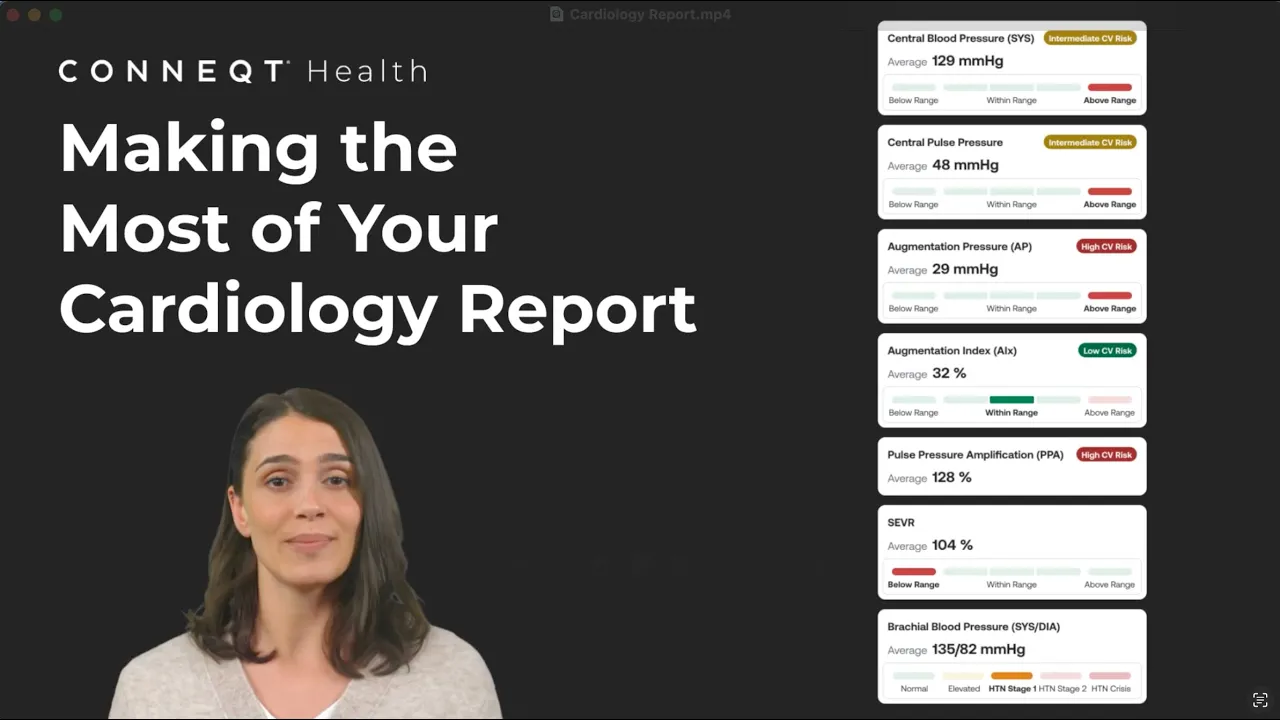
Making the Most of Your Cardiology Report | CONNEQT Cardiovascular Health Resources
conneqthealth
774 views•2025-03-04
Trending

5:41
Business
YouTube Disabled Our Comments Again (Are Any Humans Left at YouTube?)
SpecialBooksbySpecialKids
39K views•2026-07-21

5:07
Philosophy
One Must Imagine Sisyphus Happy
vlogbrothers
61K views•2026-07-21

12:30
Business
The Downfall of OnePlus!
techwiser
65K views•2026-07-21

30:21
History
The REAL History Behind The Odyssey Will BLOW Your Mind! It's NOT a Myth!
metatronyt
20K views•2026-07-21