This synthesis masterfully shifts the focus from individual pathology to systemic failure, exposing how capitalist structures weaponize the human conscience against itself. It is a necessary reminder that some psychological wounds are actually political indictments that no amount of personal resilience can heal.
Install our extension to search inside any video instantly.
S4A Livestream , Part 2: Moral Injury vs PTSD vs Burnout + Chat/Discussion
Added:Okay, so we're streaming again.
Can you believe it? Uh, so basically this is just live stream 133 part two because I haven't streamed in a while.
Well, we streamed yesterday, but I mean before that. Uh, hadn't streamed in a while. We spent four hours chatting.
This is going to be a much less chat intensive portion of the stream.
And uh yeah, I'm still kind of getting warmed up though, like full of nervous energy.
I think what I'm really nervous about is is my voice going to last through all this [ __ ] reading I pulled.
And uh I don't know. I can tell you though that there's not going to be as much chat today cuz I got so much reading to get through. But I will uh come back to the chat. Basically, this material has already been introduced.
It's everything that I ran through yesterday. Although I I guess to refresh myself and just for the sake of anybody who wasn't here yesterday who is listening live, I'm doing a piece about moral injury to kick things off because I think that that's a helpful framing considering uh all of the traumatizing [ __ ] that people have been through. Um including me. I mean, for me, I was really affected by all the [ __ ] happening this winter.
Um, the ICE occupations and everything that [ __ ] me up. I mean, I I have not really been the same since that. We're in a bad place. I mean, a really bad place. And I don't know if the left really has what we need to have at this point.
um hoping for some kind of improvement in conditions that people can build off of, but it's not looking great to me.
And I came out of this winter really shaken. So, um yeah, starting off with some moral injury stuff. If you don't know [clears throat] what that is, we'll I mean, that's the whole point of the thing. We'll read about it. Uh then we're going to talk about the economy.
Uh then talking about the AI bubble.
really all within the realm of the economy and the private credit bubble because the private credit bubble is what is funding um AI. And so unlike 2008 where the crisis was kind of like more directly in the banking system, they've put it into the shadow banking system.
However, the banks do have exposure to that too. So it's kind of how they got around the regulations, but it's probably still going to bite them in the ass. Uh, so yeah, the private credit bubble, data center spending, AI stuff.
Uh, Richard Dawkins, I did after yesterday's discussion go out and um pull a thing about that. Basically, I'm going to record until all of the stuff is done or my voice gives out, whichever comes first. So, that's the plan. All right. Troskiest origin of DSA. I mean, it's kind of funny if DSA was like um what's his name? Michael Harrington was like a Troskyist because I mean they were like flat out banning uh dual member Troskyist. So did I talk about the PSL split? Uh will be talking about it. Is it a full-on split or is it I knew a guy had resigned. I didn't know there was like a split.
Yes. Uh excellent tip there, Atlas. Trim the tracking part off of your links.
By the way, yeah, any YouTube link after the question mark, that's all tracking.
Where it says SI equals, trim all that off. That's um that's just to track where it came from.
Yeah, people people are dieh hard on PSL being Marxist Leninist. They are Marcist. They split from WWP, Workers World Party, which is Marcist, and they declared that there was no ideological difference, just organizational differences.
Why is it that every communist like mini party everyone's like it's better than doing nothing? Is it though? I mean honestly is it? There's a lot of groups where I would rather be doing nothing than be involved with that group. And it's I mean the option is not do nothing or be in that group ever really. Um, you can always find something else to do, but I don't know. That's such like if you catch yourself saying about the group you're in, it's better than nothing. You need to take a hard look at what you're doing.
The old tale I heard was that PSL couldn't agree on who would lead after Marcy died or workers world party couldn't uh agree on who would lead after Marcy died. And that caused the San Francisco branch of WWP to break off and then form the kernel which would become PSL. Not great.
Uh let me scroll up. Somebody asked about the Spotify. I've had a lot of questions about the Spotify and the Spotify did get taken down and then I just immediately made a new channel and started re-uploading stuff. But the Spotify uploads take a real long time. I was debating just doing audio uploads instead of video to just get it back up there. And I might do that actually now that I say that sounds like not a bad idea. Um, I've been uploading the new stuff since then, you know, since it went down and I like, so when I'm re-upload or when I'm uploading for the first time to Substack and YouTube and Patreon and all that, I upload the new stuff to Spotify. I've only been able as far as the back catalog to get the basic ML study guide stuff up back onto Spotify. But yeah, it got taken down. Um I logged in one day and there was just nothing there and I emailed support or like chatted with them or whatever. And at first they were really helpful and they're like we're going to find out what happened blah blah blah. And then they were like it was taken down for potentially potentially infringing content. And there was no warning. They wouldn't tell me what the potentially infringing content was or how it was potentially infringing.
Nothing. And they actually kept cutting off the chat with me. I think that happened three times. And I was just like, "Fuck it. I just Anyway, but they absolutely would not tell me." me. They were flatout refusing to tell me why it was pulled uh beyond quote potentially infringing content. I would get into things with the chat people and they'd be like, "Okay, yeah, we'll we'll fix it up. We'll figure it out." And then they just be like, "This chat is overdone."
And they would they would end the chat.
So, they would not tell me what the problem was anyway. I just started re-uploading. So, that's that's what happened with that. Not a fun story, but it is what it is. And honestly, the Substack has been growing kind of in place of the Spotify, but whatever.
Spotify sucks anyway. The guy, the CEO of Spotify is investing in autonomous weapon systems, like AIdriven weapons.
You don't want to be supporting Spotify anyway. I mean, I know there's people there, so I'm uploading it. It's not like the people who run YouTube are great or anything, but uh yeah, that was I mean I had been uploading there for like 3 years and um you know had over 10,000 subscribers on Spotify and just poof, they just pulled it. No warning, nothing. There was no individual video that was taken down. It was just literally 300 videos up there and then like none. Probably actually more than 300. I haven't even wanted to talk about it because it's like just doing the work, getting it back up there as time allows.
Oh yeah, and on the tracking trim the question mark. Of course, the equal sign, the question mark, everything back to the numbers and letters after watch.
Would you recommend I leave the PSL or join another party like the Green Party?
Just see what is going on in your area.
Do the best thing, but I you know, it's it's up to you. I just uh I can't really recommend PSL based on everything I've heard and and known about it. I mean, I've heard more than I directly know about it. Let me put it that way. But I met three plus people in my local branch that watched your video. Why not the PSL? And still decided to join anyway. You mean they didn't just do what I told them or agreed with my opinion? Uh I think the party is going through changes right now. Thank you for all the resources.
Yeah, I mean if you want to organize in a party that has like an objectively incorrect line about one of the most important questions in the international communist movement, go go for it. Join PSL. Um otherwise, you know, I would not do that.
I mean, I'm coming more and more to the position that the right deviation in the Chinese Communist Party is creating an obstacle which is basically making the entire international communist movement back up and like there's no more progress. It's sort of just like a big roadblock.
The whole of Europe with the digital ID to protect Israel and accelerate fascism. Well, I mean, Israel is fascist. So, yeah, protecting Israel is protecting fascism, but yeah. All right, that is enough chat. So, what I'm going to do is uh 88 viewers here who are here. Just like keys on a piano, we are going to get into the articles between each section. I will come back to the chat. Please, let me say this extra loud.
Please, please do not clutter up the chat. Okay, we want to keep the discussion in the chat on topic more or less focused because I have so many articles I want to get through so many. And I do uh one of the benefits of doing this live is I can get all of your input and we can have a back and forth off of that and I'll think of things, you know, you'll help me think of things that would not make it into the recording otherwise. So that's, you know, your contribution to this thing, but help me help you help me, I guess. Don't clutter up the chat. Okay, that said, let me take a sip. So, okay. Does anyone know any good South American Mexican communist? That would be a great example of not cluttering up the chat. We need to stay on topic today. Or hey, what's your take on Cuba's reform? Shut up.
[laughter] We're just not talking about that right now. All right, that's what I was just saying. Don't clutter up the chat with off-topic things. This is not a chat stream today. All right, thank you. I mean, otherwise, thank you for the question. It's just we're trying to stay on topic today and I'm particularly vehement about that right now because we chatted for four hours yesterday and I didn't get to any of the articles. All right. All right. So, here we go. So, as I was saying yesterday, we're going to do the articles now. Uh there is so much going on in the world. Going to do some current events. It is impossible to cover everything. This is not primarily a journalism channel. You know, mostly we're focused on the foundations of history and theory, making more communists, and then you all with those foundations can go out, make the parties, make the organizations, do the other projects that get into all that kind of stuff. Um, we do talk about some current events and I try to help facilitate those discussions where possible. It's just not the main focus of the channel. But we're going to try to catch up over major what I think are some key trends of the last few months.
Um, if something is omitted here, it does not mean I necessarily don't think it's important or don't care about it or that you shouldn't care about it and then you should leave angry comments like, "Hey, why don't you cover that?
You think it's not important, you know, and then you go make a Reddit post and start like uh trying to sharpen the pitchforks." Look, I'm a lone rando. I read the news that I can. I cover what I can if I you know and I just I can't cover everyone's pet topic. There might even be a topic I think is important but I I if I can't do justice to a topic I a lot of times we'll just leave it to other people to cover. Or also if a lot of people are already covering a topic, I don't necessarily see a need for me to do it too because you're already getting it from 50 sources. Are you just collecting takes like baseball cards? Is this like the Pokemon of opinions? Like, oh yeah, I got from all my favorite YouTube channels, but S4A didn't. I better go type angry comments and get him to, oh, you need to do this.
I need to collect your opinion on it.
No, you don't. what we need is a functioning movement. Uh you don't need to just collect streamer takes. So anyway, if I don't cover something, it doesn't mean I necessarily don't think it's important. I'm leaning into, you know, my particular take on things.
Uh I lean a lot into the economic crisis. I don't necessarily see as many other socialist communist channels covering that kind of stuff. I do watch a lot of econ and finance channels though and there is something big brewing as far as a big crash and recession coming. That to me is something that I'm genuinely into and I can bring more of that in. So that's one of my focuses. So you know everybody it's like a potluck. It's like a potluck of streaming. Everybody sort of brings what you know they're sort of good at making. If you're, you know, not everybody that comes to a potluck needs to like bring every kind of dish, especially if you're not especially skilled at making it, but people should bring what is like up their alley and that's their particular contribution.
It's like kind of [sighs] I don't like that it occurs to me that I have to say stuff like that, but this is how people are online. And uh we need to be a lot more self-regulating in that category. I mean, we people who use the internet in general. Just stop being like such a [ __ ] monster. There's so many ju people doing just things they should not be doing out there. Anyway, lengthy disclaimer about covering current events aside. Um, we are going to talk about some of the things as I was saying to the chat at the start of this part of this stream, continuing yesterday's stream. Uh, I was I have been really affected and I haven't been quite myself at least in my capacity as like a video maker, talker, podcaster, whatever it is I'm doing here since the ICE stuff in January. If you uh recall in January, which is just a few, you know, five months ago, I was reposting a lot of video uh shot on the ground in Minneapolis and other places from the ICE occupations. That [ __ ] honestly scared the hell out of me. And I think that I think it scared a lot of people other people too. And what we were talking about yesterday was they're not even death squads yet in the sense that ICE isn't going out there specifically to kill people, but they were killing people as part of the rest of what they were doing. And I think it's a matter of time before they go out just to kill people or that's at least 50% of the mission. So we're we're in dire straits and there's horrible stuff going on. And then, you know, the genocide in Gaza starting in late 2023, a lot of people are really at the end of their rope with witnessing all this stuff. And so, the first thing I want to talk about, the concept of moral injury is along those lines. So, let's go ahead and get into that. This is from the THC Chan School of Public Health at Harvard.
Uh, article by Maya Brownstein, September 17, 2025. So, uh, just last fall, moral injury officially recognized as a mental health condition. I think you will quickly understand why I'm covering this as we get into it and why I'm kind of using it as the framing for the start of today's stream and just sort of the state of things in 2026. So moral injury, psychological harm incurred from committing, witnessing, or being subject to actions that violate one's moral code, has been officially recognized by the American Psychiatric Association, or APA, thanks to research led by Harvard Thchan School of Public Health. The APA included moral problem in the newest version of its diagnostic and statistical manual of mental disorders or DSM which is the handbook for classifying and diagnosing mental health conditions used by US mental health care providers. Now I want to be clear here. We're not getting into the territory of like tick- tock self diagnosis. The point of this is not oh you may have an undiagnosed mental health condition. Not the point. The concept of moral injury existed prior to its becoming like a formal diagnosis uh which can be used by mental health providers like for insurance purposes and stuff like that and billing but just showing that the concept of moral injury has become um I guess important enough and on enough people's radars that it's now getting elevated to the this sort of official recognition. Now, I mean, what they're going to do with that from there is um, you know, kind of up to the system, but I'm sharing this with you because I think it it is an important concept. We talk about alienation, we talk about burnout, talk about even PTSD. Moral injury is kind of its own thing, as will be explained uh, in these two articles that we'll be looking at.
In a September 16 Psychology Today article, Tyler Vanderwheel, John L. lobe and Francis Leeman Loe, professor of epidemiology and director of the human flourishing program at Harvard and Jennifer Woreram, a research associate at HFH, described their research on moral injury and subsequent work with the APA. So quoting, "Over the past several years, HFH has been trying to develop a more unified approach to moral injury and to moral distress that would be applicable to perpetrators, witnesses, and victims." They wrote, "After months of synthesis of prior work, we defined moral distress as distress that arises because personal experience disrupts or threatens a one's sense of the goodness of oneself, of others, of institutions, or of what are understood to be higher powers, or b one's beliefs or intuitions about right and wrong or good and evil. When that distress became sufficiently persistent, it would constitute moral injury." Now you tell me how many normies out there like people without lots of prior exposure to information about injustices in the world in the last few years let's say even from the pandemic because I I would say that the pandemic also showed a lot of people that you know over a million people can die from a disease in the US they won't be mourned business will just try to tread right over them and the whole refrain of like trying to get back to normal this whole cult of normaly um without dealing with anything real. You know that's super prevalent and that if something bad happened to them they would be forgotten. They would not be remembered and society would just be trying to pave over their existence um to you know just get back to quote unquote business as usual. So there's that um you know and a lot of people got long CO I got long CO a lot of people suffered some kind of lasting injury from those infections. society. I mean, the capitalist society and government and institutions of capitalists don't really give a [ __ ] and um you know there's there's there continue to be lasting problems extending from that nobody's doing anything about. So, has this shaken people's belief in the goodness of institutions? Absolutely.
Then we get into something like the genocide. Has this shaken people's you know concept of what they thought was right and wrong as laid down by the society or even by their own conscience and that you know people with actual power in the society don't seem to be following that kind of moral code. So this is moral distress that lasting over years turns into moral injury and it leads to a kind of specific experience that is going to be run down particularly in the next article. So Vanderwheel and Woreram introduced this definition and the research behind it in a March 4th Frontiers in Psychology study. The study sparked collaboration with the APA to ensure that moral injury was incorporated into the DSM. So like these are the days we're living in, the days where moral injury becomes this kind of like widely recognized condition because [ __ ] so many people are experiencing it. quote, "Our hope is that inclusion in the DSM opens important opportunities for awareness and treatment of moral trauma, moral distress, and moral injury." Vanderwill and Woreram wrote in the Psychology Today article, quote, "If we are to truly provide person- centered care, the very real possibility of moral distress and moral injury needs to be acknowledged. The present recognition within psychiatry is a step forward in this regard." And let me tell you, I think that's the end of that article.
Let me tell you about some of the limitations that I see there. So they're talking about person- centered treatment and you know sort of psychiatric or clinical treatment of moral trauma, moral distress and moral injury. Well, the problem is that people's psychological emotional experiences you know your your experience as your inner experience as a person is partly biological, it's partly psychological and it's partly social. Um we are really microcosms of the world around us. We are you know we have some genetic predispositions all of us but we are largely shaped by the society that we live in. Um you know you look inside the individual you see the society that shaped that individual. And so when we're talking about moral distress, moral injury, we're talking mostly about the effects of people interacting with social systems. That's mostly what this is about. somebody's moral code coming into tension, maybe complete contradiction with the events that they're either asked or forced to participate in, things that they're witnessing cuz remember witnesses to violence are victims of violence and so on. So, we're talking about groups of people yet we're talking about treatment that's individual. That's a huge problem because you can't treat on an individual basis something that is caused on a social basis. So within psychology and clinical practice there's discussion of a biocschosocial model that incorporates biology, psychology and the social environment society. The thing is that under the dictatorship of capital, under the overall class rule of capital and capitalism, the people who run the society are interested in exploitation and oppression for profit. So they don't really want macrolevel change, which is actually where the moral distress is emanating from. So this idea that you can treat I mean there's certain things that an individual can do to try to self-regulate and reregulate experiencing things like this. There's meditation, there's reflection, but ultimately if you're thorough in that, it's probably going to lead you back into some kind of mission for social change. And again, you know, people like me are here to point you in the direction of class consciousness and uh class struggle and specifically social change that is anti- capitalist because capitalism is where this is coming from.
It's it's I mean we're living in the advanced stage of capitalism, the final stage called imperialism. We have an audio book on the channel by Lenin uh imperialism, the highest age of capitalism. That's a whole book. If you want the short version, look at imperialism and the split in socialism.
You'll get a condensed version of that.
So the moral injury is actually coming from society. And there's some things you can do, you know, deep breathing and things like that to elicit a calming response within yourself, which can be helpful, no doubt, to just getting some kind of just mental and emotional clarity, grounding yourself, so you're not just running around like a chicken with your head cut off, which can happen when people get really stressed out, really disregulated, um, traumatized. People can kind of spin out. you know, grounding yourself on a personal level is good. Um, and something even like, you know, journaling or whatever to articulate the moral harm that and moral distress that you're experiencing is important actually for really clarifying your thoughts.
But as the saying goes, let this radicalize you. That needs to steer you into the struggle for social change against the people who are running this society which is based on you know atrocities that are that are as you're witnessing them more and more uh is is causing this moral injury. So the next article is going to get into the specifics of how moral injury is distinct from other terms like burnout or PTSD or things like that. So this is from simply psychology. The title is what is moral injury? How it differs from PTSD and burnout. Moral injury occurs when someone acts or fails to act in ways that violate their deepest moral beliefs. Learn what it is, who experiences it, how it differs from PTSD and burnout. And this is like sort of staff uh writing dated March 27, 2026.
Uh and it says AI assisted draft reviewed by our editorial team. So, we will um go through this carefully because we know AI can make mistakes that hopefully their editorial team uh caught most of those, you know, and weren't just lazily putting out machine um written slop, but I actually did notice an error as I was screenshotting this. So, we'll discuss that. Anyway, moral injury is one of the most important and underrecognized concepts in contemporary mental health. It describes the deep psychological wound that results when a person acts or witnesses others acting in ways that fundamentally violate their moral beliefs. And by the way, why does witnessing violence or atrocities or whatever affect people so much? So you have things in your nervous system called mirror neurons. You can look this up.
It's a real thing. Um basically we have you I mean you know the saying monkey see monkey do. We have these uh nerve cells, neurons in our nervous system that are programmed to just basically imitate what we see um through our brain and nervous system. You know, we collect data from the environment, sensory data.
And then these mirror neurons immediately say, "Oh, what would that be like to do or feel or experience?" And this is part of how we acquire new behaviors and understand other people's behavior is through this automatic response. When we witness violence, we immediately go because you're imagining what it's like.
And it's it's an involuntary thing. So anyway, like I said, witnesses to violence are are victims of violence.
And we have that innate desire to rush over and help people because your first thought subconsciously is like, "Oo, that could be me over there." You know, you know what it would feel like on some level. Anyway, it is moral injury is the injury of the conscience, the damage done when someone is forced to betray what they know to be right. Though the term originates in military contexts, moral injury now appears in research on healthare workers, teachers, lawyers, social workers, journalists, and countless others whose work confronts them with ethical conflicts they cannot resolve. And let me comment by saying as the class war intensifies and draws us all in and we witness the effects of inequality and poverty and we watch people or we ourselves are forced to make choices between the [ __ ] end of the stick and the even shittier end of the stick. These these are moral injuries because you you can't pick an answer. You can't pick a reality. You can't pick a behavioral choice that within your conscience you deem to be good. You know, this is people talk about lesser evilism. This is the repeated effect I would say of lesser evilism, not just in politics but in in all areas of life over and over.
when you're asked to just suck it up and witness atrocities, you know, terrible things committed by people with power over and over and over again, it builds up on you. And yes, there are frontline people whose work revolves around um making ethical choices, healthcare workers, teachers, lawyers, social workers, journalists, etc. But this is this is pulling everybody in and especially as we have you know live televised or live at least streamed genocides. This is involving all of us and and you see that you want to do something. Absolutely. That's that's sort of pretty basic. You know, you want to stop a genocide. It's [ __ ] up.
And you see this even in Israel and people make fun sometimes of the stories of the the people in Israel like, oh, they're doing a genocide and they feel bad about it. I think you're missing the point of that is that carrying out a genocide, yeah, they're trying to get the land. They're trying to benefit materially and they're acting as a vassel of global capitalists, imperialists. The point is that most people participating in these things or being asked to cheer for these things, even if they're benefiting in some way, it is still hurting them. It is still actually killing them on some level. You know, I guess there's some truly soulless people who like really don't mind. People maybe just love [ __ ] hurting people or violating their boundaries. Doesn't bother them, doesn't keep them up at night. I mean that said, these aren't the most stable people in the first place usually, but um for most people, you can try to tune it out. You can try to rationalize it that, oh, we're the good side, they're the bad side, we're the humans, they're the animals. On some level, though, it's still [ __ ] killing you. And as far as opportunities for radicalizing people and pulling them to the side of opposition, you should absolutely take advantage of, oh, you feel bad because you're doing a genocide. Yeah, let me help you. um get to the oh you're doing a genocide. You know, if you stop doing that, you stop supporting it, you start opposing it, you're going to not have those feelings. Okay. Anyway, understanding moral injury is essential for anyone trying to make sense of a kind of suffering that looks like depression or PTSD, but is actually something distinct. And I think that there are a lot of people going like, "How do I fix this thing that's wrong with me?" Or just even being able to name it, you know, being helpful.
Anyway, so defining moral injury, the concept was formally developed by psychiatrist Jonathan Shea, who observed in his work with Vietnam veterans, that what haunted many of them, and of course not Vietnam veterans from Vietnam, but the invading soldiers, that what haunted many of them was not simply the terror of combat, but the sense that what they had done or been ordered to do was something deeply wrong. He described moral injury as a quote betrayal of what's right by someone who holds legitimate authority.
This definition was later expanded by psychologists Brett Litz and colleagues whose 2009 paper in clinical psychology review provided the most widely cited framework. They define moral injury as arising from perpetrating this quote failing to prevent bearing witness to or learning about acts that transgress deeply held moral beliefs. Let me ask you people who are studying history and class struggle and socialism.
Have you learned about acts that transgress deeply held moral beliefs?
Absolutely. And I think that people get disturbed by that to a level. Go on Twitter. You will find deeply disturbed behavior everywhere. Um even from people on the quote right side. And I think that this is a symptom of people suffering moral injury and just acting out kind of blindly. We do need to be more strategic in the ways like do we need to fight atrocity? Absolutely. We need to be strategic because I think that when we talk about deviations from a proletarian line, we talk about ultralleft deviations which are born of petty bourgeoa radicalism and then right deviations which are born of petty bourgeois liberalism.
Right deviations are too consiliatory toward the oppressor, too consiliatory toward capitalism. It's kind of if you can't beat them, join them or, you know, just sort of a softening towards fighting it, a lessening of struggle.
Ultralft deviations, on the other hand, try to do too much at once. It is, as Stalin was explaining in the last text that we did, the 16th Congress speech, uh, in describing the left opposition, meaning ultralleft opposition. It's born in petty bourgeoa radicalism because the petty bourgeoa as a class are being ruined. And so they want to do socialism quote in one go. They they just want to rip the band-aid off and just get it all over with at once. But that's actually too fast or like by definition an an ultralleft deviation or ultralleft course of action align is one that gets ahead of the struggle. It gets ahead of what can actually be accomplished because it's trying to do too much at once because it's not grounded. It's motivated by this desire to just get it over with really really quickly. And so they're jumping the gun and getting ahead of the struggle. I think that the ultralleftism that I see is often linked to a kind of moral injury. I mean, we talk about in in I see a lot of the time, which I think uh these criticisms are mostly really in the right place, criticizing moralism.
Like there's people who go out there and there's a lot of people who listen to um sort of anti-war, anti- genocide stuff that is criticized as being moralist, like talking about which violence is legitimate and you know what's morally justified, what isn't. And of course there is a moralistic angle to socialist revolution, but it's it cannot be what primarily guides the strategy and tactics. Of course, we're res we want to end the exploitation and the oppression and the suffering that comes out of that, absolutely. But if you're just sort of acting in blind pain, it's not going to be effective and it's going to result in ultralleft deviations that are going to screw up the movement. So, I think it's important to understand moral injury and get everybody kind of on a page with that because there's a lot of unproductive stuff that can come from people who are coming from a place of severe moral injury and they do need like kind of reggrounding and they need that to be addressed. As I was saying before, what I was seeing over the winter with the ICE occupations, definite moral injury. You're seeing people shot dead in the street and you're going, "That could be me. that could be one of my friends or family and or maybe it was uh in which case you you know then have additional harm. We're getting into very very fraught times and I think that it's important for us to help and support our comrades and have these discussions about moral injury.
Are we suffering from this? and um not minimizing it, actually talking about it until we have discussed it to a point where we can put it behind us and then do some sober strategizing and development of tactics. But as long as that moral injury is still looming large and needs attention, you're not going to be able to focus on the other stuff. So again, it shouldn't it should be discussed until it can be put to bed and you know, sort of at least temporarily resolved. should not be suppressed. Not like, oh, oh, you're having moral injury, just like suck it up. I mean, that doesn't help. Anyway, let's let's keep going. Three types of morally injurious events are typically distinguished. So, these are kind of like the three typical categories.
Doesn't mean they're the only categories. The first is perpetrationbased. This is having committed an act one believes to be wrong. Um, following an order that led to harm, making a decision with devastating unintended consequences, or participating in a system that causes suffering. There are definitely people who get radicalized and join the movement for socialism out of I had a job, I was asked to do XYZ, whether it was economic harm to people, whether it was military harm to people, whatever. And it crosses a line for them where they're like, I can't believe I did that. I feel like a horrible person and I need to make right, you know, and so they want to join the movement to make it right because they can't be a party to that anymore. Again, this is why we need to be grounded. And that's totally valid. By the way, anybody who's thinking about what is right and what is wrong and what leads to a future that's a better future and what doesn't, that's absolutely valid.
But you can't just act from that place is my point. It needs to be addressed and then subsumed, you know, sort of put to rest and then focus on the material strategies and tactics. Anyway, the second forum is betrayal-based. This is uh a result of being betrayed by authority figures or institutions that should have upheld moral standards. So this so just being ordered to do something wrong by a superior or watching leadership fail in a morally critical moment. Hey, has anybody experienced that who used to be a liberal who used to be a Democrat voter?
Do you think that a lot of the spin out we see among liberals on like Blue Sky or wherever else going when are the Democrats going to do XYZ? and they know damn well that they're never going to do it, but they're still, you know, they're still caught in this moment of betrayal.
And, you know, we did a lot on the Bernie Sanders playlist. Um, I think a lot of people and people talk sometimes about all the weird spin-offs of the Bernie Sanders movement that there were some of them kind of reactionary and I think some of that is people who got really [ __ ] up by this sense of betrayal. you know, Bernie the betrayer and that moral injury is like still clouding them. So again, that's why I'm putting this out there so that people can maybe reflect and maybe clear it up and then re-enter the struggle with like a a clear and you know, you're coming from a place where you're less wounded because if you're wounded by that, you're welcome in the struggle, but being that wounded is going to impair your ability to contribute as effectively and as fully as you otherwise would be able to. Then the third form is witnessing based observing acts of moral violation committed by others without being able to intervene.
Everybody who's watching a genocide unfold on social media falls into this category.
And again then then the the next step is often you turn to your elected officials or people in authority and you're like why don't you do something and then boom you add on to your witness-based moral injury a betrayalbased moral injury. But anyway, so a lot of people are going to have multiple forms of moral injury. So these aren't, you know, mutually exclusive by any means.
What moral injury feels like. Okay, so this is a guide to have you felt any of these things. Moral injury is not primarily fear-based as PTSD often is.
PTSD being post-traumatic stress disorder. So you have a traumatizing event where you fear for your life or you witness uh somebody else fearing for their life. Some people include extreme emotional distress as trauma. There's different categories of things that people do or don't consider trauma uh clinically or not clinically.
But and then that's something that you have lasting effects for months and months and months following that experience. It's like your nervous system just keeps replaying it because it was so traumatizing. It was so threatening to you that it like you're it becomes like the sun that you as a planet start revolving around mentally and emotionally. You're like, "What if that ever happens again?" It's that fear of what if that happens again and this time I don't I'm not so lucky or whatever. But moral injury is a little different from that because it's not just like a fear-based thing where your life is in danger or something like that or your your basic dignity is in danger.
Moral injury is rooted in guilt, shame and moral disorientation.
And this is also I would say distinct from like something like anomi which is a sense of normlessness. If you go through a big job change or you become unemployed or you're in some radically new situation where you don't know what the norms are, what's expected of you, that's a kind of alienation. This is really specifically moral disorientation.
People experiencing moral injury commonly report guilt. So this especially I would say on the perpetration thing, I did something wrong and I am responsible. Now not everybody who perpetrates injustice feels that, but some do. And some sometimes, you know, people through a lapse or through they were ordered to or whatever, they do something they don't think is going to be that bad, maybe even necessarily. Uh but then they do it and they're like, "Oh my god." The horror at that point washes over them.
They couldn't see it ahead of time. And you know, this is again why I think we do need to come back some uh somewhat from moralizing as like a primary stance because it's really easy to point fingers. And okay, granted, there's some things that it's easier to point the finger at than others. Like there's some things where it's like what? You didn't think that you couldn't see the harm that was going to cause. You didn't think you were going to feel bad about that. There are other things though where people like legitimately just don't get it. They think it's a game.
They think it's a joke. uh until it's too late and it's like but then they have a true true sense of remorse immediately on realizing what they did anyway. So that sense of doing something wrong and feeling responsible. Then there's shame. I'm a bad person. What I did reflects who I fundamentally am. So that's like a level beyond guilt where it starts to seep into your identity.
And so you feel ashamed about who you are.
moral confusion is another uh uncertainty about right and wrong difficulty trusting one's own ethical judgment another if you're experiencing that look out you know moral injury maybe reading more about moral injury might help you process your experience and get back to a place where you're more centered which is what this is all about and why I'm sharing this you know the struggle is not just about who fires the most bullets I mean we do have to help each other heal in the struggle you know you're going to be in battles that you're going to survive, but you're going to take damage in the battle. And the damage isn't all visible. You know, as we fight the class war, the damage is not all visible. A lot of it is mental and emotional. And we got to help each other heal. Um, and not, you know, not pressure it of like, we'll get over this cuz you got to get back to the struggle. I see that in organizations sometimes. No, we got to help each other heal. And it's not always easy. You know, some people heal faster than others and from different things. And people need to stop making such like a game out of this or stop making it into such like a a point-based, you know, thing or ego-based thing.
People experiencing moral injury can often also experience a loss of meaning, a collapse in the frameworks and institutions through which life once made sense. So, in other words, you had your belief system about what was good and what was bad and the way that the world was supposed to work. And basically, the world, as far as you could tell from what you were filtering through your lens and tuning out, the world pretty much worked the way that you were told it would and and that you would expect it to. And the things that were good, you know, happened more often than the things that were bad. and when bad things happened, you know, there was a clear reason for it, etc. But when you're experiencing moral injury, especially from betrayal, um, and sometimes witnessing, sometimes people witness things they just didn't think happened. Like maybe you heard about it happening to other people somewhere else over there somewhere. And I don't just mean internationally, but I mean it just a general sense of like that happens to other people, not to me or someone I know. If you think like that, and this isn't a judgment, it's just as you reflect on yourself when you're just taking um stock of yourself mentally. If you ever catch yourself uh with a blind spot, which is what I'm saying it is, of like, oh well, that would never happen to me, that happens to other people.
What that probably means is that is something that if it ever happened to you, you would not be prepared to cope with it. Or that happened to somebody close to you, you would not be prepared to cope with it. So um you know we often use cope as an insult like you know copium or whatever. Coping is a healthy thing. Uh I mean when we say copium it's like you know dysfunctional or diluted attempt at coping that you know it's like dysfunctional coping that isn't you're not really facing reality at that point. But you're when you're really coping, you're coming to terms with reality on a healthy basis and you are adjusting your worldview to be better prepared for the reality that whatever it was is part of reality that was initially difficult for you to accept.
Um but yeah, uh experiencing moral injury can result in a collapse of what you thought how you thought things were and it can result in that period of like I was talking about anomi before a sense of normallessness like I don't know what's normal. I don't know what to expect. I don't know what is expected of me. So again signs you may be experiencing moral injury.
spiritual distress, alienation from religious or philosophical beliefs, a sense of being cut off from the sacred or the transcendent. So, I'm an atheist.
This is a materialist uh outfit. We're Marxist here. That said, everybody has a sense of like expansiveness. Let's say that we're all part of something that is even if you don't believe in anything beyond this world, this world itself is awe inspiring and we have a sense of connection to something that is in some sense pretty great. If you didn't feel that, you probably wouldn't care about anything.
There's some sense that just being alive is a good thing, is inherently beautiful, that there's a lot of potential of life. When I think of things like this, I just I think of the potential of life. You know, if you just have a moment of reflecting on how great life can be. When I hear spiritual distress, I think of a disconnection from that sense that life can be beautiful.
And if you witness enough [ __ ] you can definitely get cut off from that sense.
It can just seem like life is pure pain.
That's all there is. But if you're experiencing that, it's probably because you got knocked around pretty hard. The good news is there is coming back from that but it does have to be addressed.
Also self- condemnation, harsh internal criticism, self-punishment and sometimes suicidal ideiation. So this is not normal self-criticism.
This is being unduly harsh on yourself to like basically an abusive point. This is where you are coming down so hard on yourself it's not constructive. you're just tearing yourself down as a punishment for something. And so I would imagine especially for people who are, you know, in the perpetrator category, they may go through this period of toxic berating themsel um in a way that isn't leading to any insight or healing or anything else. They're just literally beating themsel up. And then of course the ideation mentioned at the end that is, you know, sort of the ultimate beating oneself up. Uh if you're locked in that, it's a sign that you probably need external help. Uh and there are help lines that you can call even to just start the conversation. So in the US, you can dial 988. There's other ones for LGBTQ youth, 8664887386.
There are definitely free hotlines that you can access if you need to start talking to somebody today. And they're again they're free so you don't need money but that can happen with people who are really in the throws of you know not knowing uh which end is up morally speaking because of things that they've been through and and again I think that this does affect people who care the most but again you can come back from it. The last one mentioned here is social withdrawal. Diff difficulty connecting with others who have not shared that experience. And I think that this is something you can experience in organizations sometimes is people get drawn to organizations and may stay in them. Let me say this. I've met some great people in left organizations. I've also met some really angry people in left organizations.
uh like an anger that is toxic that that exceeds the anger that is wind beneath your wings to go right or wrong or fight an injustice. There's people who get so mired in the anger and it uh just it starts turning toxic and destructive.
Anger can be a very positive motivator to go do something that needs to be done. You get righteously angry. I need to go do something. the anger as an emotion, the purpose of it is to, you know, be like a little uh red bull to like get you to go do that. You know, it's built into your biochemistry. But too much of that, you know, it gets weird and it starts interfering with your life. What I was saying about organizations is there can be sometimes people who uh are in organizations who have had you know traumatic experiences or experiencing moral injury or whatever and it becomes I don't want to say a support group because a support group would actually be constructive. Um, but it becomes a place for people to just seek out other people who are suffering and not necessarily recovering, but to find other people who are just suffering from some of these very again negative and destructive experiences that we should be helping comrades try to get out of. And our organization should have infrastructure to help comrades deal with this as we struggle. as I wouldn't mind seeing more of this actually, you know, sort of a department for this within organizations or at least referring people to resources because it can be very hard and you can get people sometimes who just start feeding off of that toxicity and they're not getting better and they're actually not even it's not even helping them fight injustice in the struggle. They're just getting toxic. You know, it's not helpful. And so if you have difficulty connecting with other people who haven't shared that particular experience, you might be drawn to stay in these groups even even if it's not the best thing for you.
So in other words, I think that that leads it's kind of indicative of like another identity issue where this experience you've had has you feel like at least temporarily stained you to where it's hard for you to even talk to people who haven't had that experience because you feel like it's so fundamental now to the way that you see the world. There's I think maybe maybe a positive form of that, but there's also a negative form. And I know I've struggled with like friends and family who have a less radical perspective because they just had an easier time.
They haven't witnessed as much [ __ ] They haven't gone through as much [ __ ] and they just legitimately don't get it.
You know, they they they wish me well.
They they wish and I've seen this in other people too. They might wish whoever is suffering from this well, but they don't understand it. And it it can be hard to relate to people like that. And it can be hard to explain it to people even if you haven't processed it yourself cuz in a sense you haven't even explained it to yourself yet. You know when you're walking around with unprocessed moral injury or incompletely processed moral injury, you haven't completely processed it yourself. You haven't completely explained it to yourself. How are you going to explain it to other people? You know, and that's where somebody like with experience in this might be able to recognize what you're going through and help you find the words, help you make sense of it.
And again, I'd like to see more of that in organizations.
Let's move on to the next screen. How moral injury differs from PTSD.
Um, so this is key. I do see a lot of people on social media who say that they have some kind of PTSD or chronic PTSD or something. You might have multiple things going on.
Let's get into this. Moral injury and PTSD are related but distinct. The differences are clinically important.
PTSD is primarily a fear-based condition. It arises when a threatening experience overwhelms the nervous system's capacity to cope, resulting in intrusive memories. Hyper arousal, that means, you know, when you get upset and your heart starts racing and your blood starts flowing and, you know, the adrenaline kicks in and all that kind of stuff. That's like hyper arousal. like you're kind of on a hair trigger.
Avoidance and emotional numbing. So avoidance and emotional numbing.
Avoidance can be partly in response to, well, I know I'm going to get triggered, so I'm going to avoid everything. And emotional numbing, same thing. It's a response to I don't want to be constantly triggered all the time. So you start from the inside turning your emotions off. The core question in PTSD is am I safe? Again, it's fear-based and it's a response oftentimes to physical or emotional survival.
Moral injury is primarily a meaning and conscience-based condition. The core questions in moral injury are, am I a good person? Did I do the right thing?
Can I forgive myself or be forgiven? And you know what? People might say, oh, being a good person, who cares? No.
Actually, your sense of yourself as a good person who most of the time does the right thing and can forgive yourself or be forgiven by others who are important to you and even the society at large is actually pretty important. When that's out of whack, it can take up a huge amount of mental emotional real estate. And if it gets severe enough, if you really think you're a bad person genuinely, it can result in total personal crisis. Anyway, continuing, it is less about threat and more about transgression and about what the transgression says about who you are, who one is. PTSD and moral injury can and often do co-occur. A soldier who survived an ambush in which comrades died may experience both PTSD, fear-based trauma from the event itself, and moral injury, guilt about surviving, sometimes called survivors guilt, or about decisions made in the chaos.
Um, so you might have, you know, in the thick of things decided to do XYZ because it's the best you could come up with, but in hindsight it's plaguing you that you didn't do something different.
But treating only the PTSD while ignoring the moral injury is likely to produce incomplete recovery.
And I can I'm sure hear some commenters already being like, "Well, they just, you know, made this stuff up to like help imperialist soldiers go back into combat." You know, whatever this was developed for, people other than imperialist soldiers experience these things. Even, you know, the most immediate example, a revolutionary soldier will experience some of these things. Even fighting a war for a just cause, you may do [ __ ] up things in the course of it that is like, you know, you can't you feel like it's you no longer feel like a good person anymore.
Even though the cause was good or whatever, you know, for the glory of socialism, you might still feel like a particular action within that, you just can't sweep away. And and it needs to be dealt with if you are going to really get unfrozen, unfreeze that part of your mind and be completely living in the present again and and reclaiming your full potential. You have to come to terms with that grief and that sense of that not in your conscience that was formed by that course of events. You know, it's just something you got to resolve. So also how moral injury differs from burnout. And so there's a lot of people especially in helping professions that get burnout. Um there's like a drive to just keep helping and helping and helping people even though it's taking this huge toll on you. But this is different from that. So burnout is the result of chronic resource depletion. In other words, too much demand on too few resources over too long a time. It manifests as exhaustion, cynicism, and reduced efficacy. what I was saying about reclaiming your potential. I meant in a general sense, but also even in a specific sense, you're going to become less effective because you're just worn thin. You know, it's like being spread too thin chronically. You start cutting corners just to try to get by and just overall it's it's wearing you down. The core experience of burnout is the sense of I have nothing left to give. You're just tapped out. You're drained. How many times do you hear people these days say, "I'm drained." Because that's what this society is doing to us. Because what is it about? Chronic resource depletion.
People are being asked to work, to participate in relationships, to raise children, to engage in social obligations with not enough resources to support that participation. And so people try to participate anyway. They put it off as long as they can, dropping out of stuff, but they're trying to do it with not enough resources. And the experience is burnout. Now again, this this requires a structural fix and ultimately requires the end of capitalism uh to get the resources that we need on a consistent and reliable basis. In the short term, we absolutely do have to talk about it, talk about the burnout until and and make strategies with comrades, with people you're organizing with so you can still engage in the struggle effectively without your life falling completely a apart. And you know what else can happen? People do this long enough, they get sick.
First, it'll be mental, it'll be stress, but eventually, you know, mental and emotional stress can have physical effects and often does because one of the things about stress, it raises levels of a hormone in your body called cortisol. If that is getting activated on an hourly basis, it's going to cause reduced well all kind all kinds of problems. It's going to interfere with sleep. Sleep is vital for your body to replenish itself and to and to heal. You do a lot of self-healing while you're asleep. It interferes with digestion. It changes the way your blood flows through your body. And so the the and it can reduce immune function. So chronic stress can cause illnesses. It also causes you to gain weight. So we see an epidemic in this country, people being overweight and obese. Part of that is the diet. it's full of a lot of empty calories or low nutrient density per calorie, you know, small amount of vitamins and minerals in relation to macro calories, you know, particularly carbohydrates and fat. So again, that kind of empty calorie thing where you're consuming calories but it's not really nourishing you. You know, it's it's in a sense people called it calorie poisoning in the sense you're not getting the the micronutrients that you need, the vitamins, the minerals, the plant substances that, you know, aren't aren't quite a vitamin uh necessarily, but are helpful for your body. Anti-inflammatory and antioxidant compounds that come from fruits and vegetables, whole grains, nuts, seeds, and legumes. So, stress can actually make you sick and kill you, you know, uh put strain on your heart.
People get heart attacks. That's one of the most common chronic health problems in the United States and and in advanced economies in general. So there's a lot of problems here resulting from burnout.
It's huge topic and we need to support each other better on it. Yes, we need to know the history and the theory and all that. We also need to help each other survive, you know, this the struggle. So anyway, moral injury can coour with burnout. Indeed, it often drives burnout in professional settings, but it is distinct. Someone with pure burnout has run out of energy. Someone with moral injury has run out of a sense of moral integrity. The burnout sufferer may recover their energy with rest. The morally injured person may not because the wound is not one of depletion, but of meaning. You get that? I want to read that again. The pure burnout sufferer may recover their energy with rest, like physical rest.
the morally injured person may not because the wound is not one of just physical depletion but of meaning.
And so that's that's like a much deeper level wound. It's not necessarily bigger because both of them can harm you in like equally profound ways, but it's not as simple as just getting more sleep.
You have like a sense of there's like a tear in the moral fabric of your universe that needs to be fixed. Sleep is not going to just do that on its own.
And in fact, you know, if you're experiencing chronic nightmares, things like that, some of that can, you know, be PTSD or or whatever can also be moral injury that you're just really stuck and and not working out fully on your own.
This distinction between burnout and moral injury matters practically.
Burnout interventions, things like self-care, workload reduction, organizational change, may be insufficient or even beside the point for moral injury, which typically requires approaches that directly address guilt, shame, and meaning, things we were talking about before. And then they have an article there on uh treating moral injury.
Who is vulnerable to moral injury? Well, anyone can experience moral injury. It's particularly common in military personnel and veterans, healthcare workers, teachers and educators, first responders, emergency workers, and social workers, lawyers and judges working within a system they perceive as unjust. Again, if you perceive the system as just, it's not going to bother you. You're not going to get moral injury from it. But if you're trying to work within a system that you consider unjust, moral injury, again, it's about like confronting injustice repeatedly.
If you're a communist, I mean, by definition, this is what you're doing.
You've probably experienced some level of this. And again, I'm trying to promote a broader conversation about it.
I think we would all benefit. I think the movement's going to do better in the end from from this conversation.
Journalists covering atrocities and corporate employees asked to implement policies they find ethically repugnant.
Now, again, there's like an ultralleft thing which is like, well, just quit.
You know, that's not necessarily really a a solution or a good solution at least. Sometimes it's not a solution at all. It's I mean not a solution at all in the sense of somebody else is going to do that. Uh too these systems need to be confronted. That said there's a limit probably to how much an individual uh can confront the system. This is why we need organizations. This is why we need systemic change. But sometimes it makes actually more sense uh for a person to stay in the role depending on what the role is. But yeah, so these these are people who are kind of like in roles most likely to confront injustices, things that are happening on the sort of moral frontier of a society or that people who have a lot of agency to do things that the average person can't or just is never asked to confront. But again, if you're a communist, nobody aside from maybe me is asking you to be a communist. Uh but you're going to be confronting this stuff and you're going to feel a sense of duty about it. You know, Lenin is asking you to do it.
Marks marks and angles are asking you to do it uh as become a conscious agent of history and of your class. Absolutely.
But it's not as immediate, you know, in of being ordered to do it in other ways necessarily. Anyway, the common thread is a gap between moral conviction and forced or compelled action. the experience of being unable to act as one's conscience demands or of having acted in a way one now cannot justify even if you could or thought you could at the time.
I I want people to think, you know, again, don't do knee-jerk uh takes on this. I want you to think more deeply about this. And there's a last screen I actually skipped over. They they had an ad for a um online therapy service that I would not recommend at all. Skipped over that, but anyway. So there's a little sort of recap as a frequently asked question. Can you have both PTSD and moral injury? Yes. And it's common particularly in veterans, first responders, and healthcare workers where there's a you have both uh the impact of a severe fear based experience and then also this moral quandry as well. Um, and so when people are coming back, they say treatment, when people are coming back from that, whether you're in formal treatment or not, um, coming back from that has to address both of those things. Does moral injury always involve doing something wrong? Not in the objective sense. A person can experience moral injury even when their actions were by any reasonable external measure justifiable or necessary. What matters in causing moral injury is the person's own perception that they violated their moral code. And this objective experience can be just as damaging as an objectively wrongful well I mean in that sense uh we might have social agreements on what is uh wrongful but I mean objective I'm not I'm not as sure about but anyway uh can moral injury heal yes though healing from moral injury is typically more complex than recovering from other forms of distress like we were saying before in contrast to burnout. burnout, you know, take a month-long vacation, maybe uh switch to a desk job or something like, you know, you're more likely to recover from burnout. Um the moral injury requires treating things that are harder to see, that are more invisible, and it can be done. It's just um you need to when you're recovering from it be uh yourself aware of those invisible things and also be if you're discussing them with people uh people who are respectful of that. I was going to say sensitive to um yeah sensitive to but I mean just in general respectful of you have a problem that I can't see. It's not a physical problem but it is hurting you nonetheless and that's real. Just because you can't see it does not mean it's not real. And um they have to be resolved. And this is where you know the language of art and writing and conversation and things come into play because this is how we shape meaning in part. So untangling a crisis of meaning involves working with the mind and the mind is a slippery you know the mind is it's not as simple as um tearing down a brick wall. It's just you know there use the right amount of force boom you got it. Uh these are invisible things and you're talking about the language of the mind. So there's sort of interpretation and you you got to kind of tune into that. All right. But anyway, that's um I wanted to bring this to people, like I said, because I think that pretty much anybody who is learning about what's going on and and interested in in becoming a communist or really any any progressive person of goodwill is going to be as things are so so crazy, the more likely it is you've been experiencing things like this and um may need some help with Let's go into the chat and um I'll scroll up a bit here. Just catch up with the chat there. Uh I might take a break for a while after that. Um or I might get into Well, the next segment's really long, so I think I might take a break first. But let's go through the chat.
I hate to think moral injury becomes legal defense against harm to minorities. Let's not jump to the absolute most cynical take. You know, again, that's not really the spirit in which this is being offered for discussion. Loss of meaning checks out.
Moral injury is so prevalent in capitalist societies that this becomes a normal mode of being. Yeah. And I want to um stress that in Marxism, we talk about alienation from one's labor. That is in the sense of you sell your labor power to a capitalist who basically rents it for the day while or night while you're working. um for the the portion of time that you're on shift, you are renting out your labor power to the capitalist to use as they see fit.
So you're alienated or made alien, separated from your own labor power.
You're being used like a tool.
Alienation from your labor has effects in and of itself, you know, of a sense of loss of empowerment and other I mean there's various writings on the topic of alien, you know, sort of meditations on alienation. What does it mean? What does it do to people? How does it manifest?
Um, you know, there's like a lot of discussion in in uh music or or art talking about people's feelings of alienation. It's not always directly from the capitalist system, although it's oftenimes connected back to that in some way.
But yeah, loss of meaning because again, this is we're living in the dictatorship of capital. We don't have our hands on the levers of power. This isn't proletarian democracy. So the people who really shape decisions and and the laws of the society are doing so in the interest of capital. They're doing so in the interest of perpetuating a system of the exploitation of labor for profit and the oppression of anybody who would oppose that.
So, of course, there's crazy [ __ ] going on all the time. That's awful. You know, how does less than 1% of the population put down the other 99%.
I mean, they do what they can through the media and through confusing people and, you know, misdirecting people, but a lot of it's just [ __ ] brute force, you know? A lot of it is just brute force.
or the threat of force.
Damn, I feel like you're speaking directly to me. E4. Look, you know, I've been looking around this movement for a while. For a while and before I was doing the channel, too. I've seen a lot of people who seem to be very obviously struggling and and I have as well. It's why I ended up here. you know, struggling with moral injury, um, of being asked to do things that were profoundly, you know, I profoundly disagreed with, witnessing things I profoundly disagreed with, and then eventually, you know, realizing, uh, that the people in power weren't going to do a [ __ ] thing about it. In fact, they, no matter how much of, you know, the good guy costumes they put on, they were there to perpetuate the system, which did terrible things. And if we're gonna have a world free of that, we need an entirely new system.
So, this is definitely how, you know, I ended up here, but I do think that there's a lot of people who I've only somewhat processed the moral injury part, and I think that we can speed that up, but yeah, I see a lot of it for sure. Do you think that the grassroots organizing in Minnesota was what pushed out ICE? One of my comrades, uh, parents and uncles were just picked up by ICE two days ago, and I want to know what the best, uh, strategic and tactical next steps would be. How can we harness this moral injury to mobilize local agency? Um, what I'm trying to discuss with the moral injury thing is like less of having like a specific application in the immediate moment. In other words, I think that promoting more awareness, understanding, and discussion of moral injury is going to lead to a restoration of people's capacity and clear-headedness and and even take it beyond where it's ever been for people who maybe experienced this and they've maybe processed 25% of it. So, they're really not sure of what to do or where it's all going to shake out. What I'm saying is we can help guide that process or just facilitate and accelerate that process of people kind of going, "Okay, there's a name for what I'm experiencing. It's called moral injury. This is the general framework. These are the steps to recovery like in the speediest way possible um without skipping anything that are going to lead to like a complete reintegration of my potential uh involving this new awareness of this terrible thing that I've really just struggled even knowing about. That's kind of the whole point here is moral injury. like struggling with even knowing that this is part of the world can be part of it and that the world is like failing you morally or that the so I mean I say world I mean social systems are failing you morally uh the world I mean we might refer to like the natural world I'm talking about the and you know nature is crazy like you know nature's out to survive human society is what we're talking about humans have the intelligence to and the flexibility and versatility to make different kinds of societies as we make technology ology and so we can correct these injustices through social progress and the struggle for socialism and the struggle against capitalism and and to end class society which is this like root cause of exploitation. So as far as like applying it specifically to like you know the struggle against ICE I'm saying activists in general should bolster their understanding of moral injury, how it's affecting them. Do they know any comrades who are particularly struggling with it? And just include this as a layer of our overall practice.
Um, but yeah, I mean there there's always a sort of moral appeal of like this this isn't right what they're doing and and so on, but I'm I'm not talking about it so much as like an immediate like tactical thing. I'm I'm looking at it as a way to restore all of our potential or or increase our potential by reducing the disease burden that people are actually struggling with, which is impairing your ability to do the best work that you could do, you know, and and just to live your life more fully.
Even even if the struggle was over tomorrow, you'd still be carrying these kinds of wounds with you. So, um, it'll help in the struggle, it'll help after the struggle, it'll help if aliens abduct you and take you onto a spaceship far, far away from capitalism on Earth.
Um, just understanding that this is a response of the human nervous system to these kinds of events, you know, and that it causes suffering. Suffering in turn takes up a big chunk of your energy and you can get that energy back to apply as you wish, you know, and and to continue your growth as a person, which is, you know, we talk about uh socialism being the continuation of the development of advanced society. That there really is no future for advanced industrial industrialized society under capitalism. But advanced industrialized society can continue in a non-destructive, non-exploitative, non-opressive way under socialism. So it is all about development in that sense that this is continued historical development, continued historical progress. That's what this is all about.
It's about human potential, the potential of human society as the sum product of all of us as individuals uh working together and and collaborating.
And so this is on an individual level reclaiming that potential in much the same way that on a societal level the struggle for socialism is reclaiming our potential from the capitalist parasites who are usurping the the wealth we create and really misdirecting our resources you know to make them to enrich themselves at the expense of historical and social progress and development. So it's all about development in that sense of achieving higher levels of wisdom, knowledge, understanding and enjoyment of life.
We all go through a process of of development. Um look at developmental psychology. It's fascinating. Even if you haven't studied any psychology, pick up a text on developmental psychology.
Actually there's a Soviet psychologist Vagotsski Vy G O Tsky um is fairly well known in capitalist countries uh in educational psychology.
He wrote a lot about psychology of art and about the development of people in general. I mean, kind of in line with um you know, Markx's made illusions to the potential of people when they're not being run down in a capitalist factory 14 hours a day, what can we become?
And you know, again, it's like uh if you're carrying around this big disease burden of moral injury, you have less potential to expand, develop, understand the world, and and enjoy your life and to enjoy relationships with other people. It's all about expanding that potential because what is this about?
Quality of life. You know, work getting more, working less. Um, that's what technology is about. But see, under capitalism, most of those benefits are going to the capitalists disproportionately. We're trying to liberate this potential. We're trying to have good dignified lives for everybody.
And uh so quality of life, addressing suffering like this is absolutely part of that.
And yeah, as far as like ICE being pushed out or not, um you know, they they did withdraw, they switched strategies as we were talking about before, they're currently in the process of renting offices around the country. I would fully expect another offensive. I don't think ICE gave up by any means. In fact, I'm very concerned about what's coming this winter um that I was talking about before that they were not primarily acting as death squads in this past winter, although they did kill people in the process. And so far, I think nothing's really come of that as far as like punishment for that injustice. We're just talking about injustice.
Um my concern is that they're going to be more actively death squads the next time around, and I do expect there to be a next time. I'm deeply concerned about it and I think the left needs to step it up rapidly because we've seen liberals are just not going to do [ __ ] barely anything.
But yeah, uh the organizing in Minneapolis was mostly spontaneous. We have to form Soviets out of the existing radical unions and protest groups and political party. It's all got to come together in sustained councils. That's what Soviet means means council. In the revolution of 1905 in Russia, which is the beginning of like the Russian bourgeoa revolution, um or at least a major escalation of it, the Soviets formed out of these people coming together and trying to make strategies and tactics for the protests in the in the revolution and different actions that they were going to take. And um it can't just be on the spontaneous basis. People can't just rely on that coming together at the drop of a hat. there have to be sustained organizations. Now, that does make you a target for fascist police state crackdowns as they, you know, can identify the resistance, but that's that's where you got to up your strategies and tactics to not get caught and things like that. I mean, people have to realize we're in a war and I think we're coming out of the tail end of a long quote unquote peaceful period.
Lenin wrote a lot about the failures of the European socialist movement would be Marxist movement that became more like social democratic than revolutionary about how um they had mostly experienced like constitutional peaceime organizing. They hadn't really tried to organize under heavily persecutory conditions as the Russian party had done.
So I think that the US is coming out of this long period of constitutional illusions about freedom of speech and your right to protest. People need to get it through their heads that like there's heavy persecution coming down and if we're going to resist what they're doing. But yeah, pe people just have to get it together that this struggle is escalating and you probably don't have uh a lot of the legally protected freedoms we maybe once did and have to get wise to how to organize on a more underground basis like now. This article is targeting me hard. I hate myself for not being more present to help my fellow humans. I do think about it sometimes. Uh or it says it. I'm not sure what you if it is a um abbreviation or not. I think that that can be very hard. It can put you in a sense where you want to do more to help. And the reality is we as individuals can only do so much. Um that's why we have to organize because organized we are much much stronger and more capable. So that's that's why organizing is so important. Um, especially if you're feeling that pull, don't let it lead you in an ultralleft individualist and intellectualist direction of like, I will fix it all like that. No, that's not realistic. We do have to get organized and we have to lay out a materially supported step-by-step program for for fixing this. And you know what? This is kind of the secret of the whole article and everything uh in in relation to the struggle against capitalism and you know against oppression and exploitation that that comes out of it is we can't even if everybody got this concept like right now uh which is of course not realistic but even if everybody like was on the exact same page mentally hypothetically the steps it would take to implement meant the confrontation with capitalism, its end and the building of socialism and repelling the efforts to restore capitalism etc will take time. And you know what that means? It means more people are going to suffer in the process. It means more people are going to even if we did the most we could possibly do starting right this very second, more people are going to get hurt before it's all over. Maybe me, maybe you, maybe the person you care about the most, maybe somebody you've just seen at the supermarket a few times, but people who are part of our world and we have some kind of connection to them. And it's going to hurt. It's going to hurt knowing that.
It's going to hurt witnessing it.
It's important that we're able to weather that suffering and not have it make us jump the gun. That's what I was talking about. the ultralleft moralism of the desire to like just get it all over with now. It's not realistic. You just can't do it. I would love it if we could just like flip a switch. It's all over. No one will suffer again. We're building socialism starting right now.
It's just not how it's going to work.
So, you have to prepare yourself and your comrades for the reality. More people are going to keep getting hurt even if we started working at 100% maximum effectiveness right this second.
So that's where things like this come in of um understanding what moral injury is and all the other problems and just supporting each other in that that even if we're doing our best, we're still going to get hurt. And the thing is that the getting hurt will slow us down and set us back somewhat. The idea is to keep it to a minimum and that means having healthy discussions about these things on a regular basis. doing routine emotional, mental maintenance and looking out for each other in this regard at on an organizational basis to make sure that nobody ends up breaking unnecessarily from moral injury, from PTSD, from burnout, from compassion fatigue, from all these things that can suck you under the wheels and then maybe take you out of the struggle for like years, you know, not to mention give you a really really bad time in the process.
So that that's the point is that knowing about these things and supporting each other in dealing with them and recovering from them when they when they overwhelm us, which you have to expect is going to overwhelm you at times. But if you have good comrades in your organizations who can support you getting your whatever the issue is, whether it's burnout or PTSD or a moral injury or whatever, you need people to help you get that resolved. That'll keep your that'll shorten your recovery time as much as possible, but again, not sweep it under the rug, but just, you know, you go through the recovery, but just without unnecessary excess time, then we're getting closer to 100% effectiveness as as a movement because as human beings, we have these experiences.
You know, I I had very big emotional responses to what was going on this winter. It freaked me the [ __ ] out, made me very sad.
It took me a while to come back from that. But I think that for time for me I think that for me and just speaking for me although I'm sure some people will you know find something relatable in this. There have been times where I didn't even know how much I was hurting.
You know I was working on activist topics related to injustice. I didn't even realize how much it was building up on me cuz I I really just was not tuned into my feelings enough. And then one day it just started coming up and I was like where all these feelings come from?
And I as I went through them I started realizing oh my god I've been carrying this stuff around for like years and years. It's just been building up on me.
I through that experience um gained the insight that I you know need to be a lot more proactive on an ongoing basis so that it doesn't build up on you and then wind up you know deranging you um wind up disturbing you wind up taking you off course um and I think that anybody in the movement needs to be have a basic attitude of being supportive toward other people in the difficulties that this work um brings up and it should be something that people are, you know, more knowledgeable and comfortable um about talking about.
Uh next comment, I feel so helpless against capitalism and imperialism with the genocides in Palestine and Sudan, ICE, the fascist enabling and complacency by social democrats and liberals, climate emergency, and more.
Absolutely. And that's honestly just a great step is just saying I feel helpless because like I was saying for years I think it was building up on me where it was like oh I'll just go do something. Sometimes you do just have to stop and like take stock of how you're feeling and it's actually going to help you. It it's actually ends up being even though you're taking a pause in the short term there like in the moment you're taking a pause to do that reflection and introspection.
It's important to take the pause rather than just having kind of like a workaholic approach to like um oh, I'm just gonna just stay active so I don't have to feel any of this stuff. No, that's how you head toward an emotional breakdown. Actually, uh workcoholism is when you just substitute external activity for an appropriate amount of introspection on stuff that's bothering you. like when you're using activity as an escape from your unpleasant inner experience, mental emotional experience. So, we need to, you know, have decent the term self-care gets thrown around a lot. Um, a lot of it is pretty superficial, but I'm talking about like a deeper level of support for ourselves and for others.
Um, but just it starts with just acknowledging the helplessness. How does that feel? What does the helplessness feel like? Um, you know, can you can you put that into words? Where does it come from? Uh, what are other times that you felt something similar? How did you resolve that? Um, what does the helplessness make you want to do? What does it make you think about? You know, like interrogating or exploring, questioning yourself gently and again compassionately because those are inbuilt instinctive feelings that are just part of the hardware you were born with. You have feelings as a human being. you have feelings and doing this kind of work, it's going to, you know, stimulate your nervous system to generate emotions. That's not bad, that's not weak, that's not sick.
Although, if you ignore them, they can turn into a sickness. The emotions are information for you about how you are being affected by your environment. So tuning out your emotions is actually tuning out a really important source of information.
And there's a lot you can get out of it, which isn't, it doesn't start out strictly intellectual, but by working through the emotion, a lot of times when you get down to the bottom of that emotion, you just let yourself feel it.
And that's a learned skill. It's not, especially if you came up maybe in a repressive culture, like a stoic culture, household, uh, conservative school, whatever, where you got the message, whether it was overt or covert, if the message was transmitted to you, we don't talk about emotions, it's not okay to feel emotions. If you grew up for one reason or another feeling it wasn't safe to feel your emotions, probably your emotions are building up on you and you're tuning them out because you're afraid u because you were taught to be afraid of of emotions in one way or another. Maybe you were around somebody whose emotions were very unsafe and made you feel unsafe. Maybe you were threatened. uh you know uh you're not allowed to show this emotion because it makes you weak or you have to be strong for this and that. That's a fundamentally wrong message about strength. It makes you weaker if you let emotions build up on you and tune them out. Emotions are a source of information and at the core of your emotions, if you let yourself feel them, there's a truth in there that you need to know. That's that's what your emotion is trying to tell you. Your emotion is trying to bring you to some realization you don't currently have. It's it's down in there somewhere, but it hasn't made its way fully up to your consciousness.
And if you repress your emotion because it's unpleasant, because it's painful, because it's sad, whatever, um, no doubt nobody wants to feel that. But like if you just paper over it with activity or anger or whatever, um you're never going to get that kernel of information that's contained in the emotion that your nervous system is trying to give you. So yeah, just even starting by acknowledging that you feel helpless looking at those things is an is an important part of reggrounding yourself and reorienting yourself to action because you're it's a source of information. Well, I feel helpless. How can I feel more empowered? What would make me feel more empowered? And then you do that thing and then because you work through the helplessness feeling, you're getting a real solution that resolved that. And that's that is going to make you stronger. And again, we can by working with people we trust, of course, um in organizations and feeling safe. Sharing emotions with people is important and a a prerequisite to this, but um it's it's going to result in a stronger movement that is not running from our feelings into kind of ultralleft jumping the gun activity to just make it all go away. We can't make it all go away. We got to feel that stuff and we got to help each other feel it. We got to help each other bear our emotions. But you know what? Your humanity is in those emotions. You cut off your emotions, you're cutting off part of your humanity. And our strength, I think, in fighting capital on top of, you know, the sort of strategy and tactics, the strikes and whatever. But I mean, how do you endure that as a person? What are you drawing from?
You're drawing from your humanity?
You're fighting for a world where the average person has dignity and and a good life and they're not asked to compromise their humanity in in those ways. Connecting with your feelings, it can deepen that sense of humanity. and and you know what you're drawing from then instead of it just being this kind of you know intellect driven uh you know kind of more insecure brittle fragile thing. So anyway, that's very important. Just acknowledging a feeling of helplessness and then starting to think about what would make me feel less helpless. How would I feel more supported and empowered um to face these things that are threatening me, you know, like that and threatening us all. I don't know if it's stud been studied as a treatment for moral injury, but I recommend EMDR to anyone who can access or afford it. Yeah, my understanding is that there is some success in using EMDR for PTSD. I really don't know about moral injury. I literally had to take a break from my studies because university professors, what the [ __ ] All this education, is it even worth anything if all these people can let a genocide happen and not even say a word? So yeah, you're talking about authority figures, university professors, people who are knowledgeoriented authorities and authorities within the school system who as as you say, you know, they have the education to understand what is a genocide and yet one's happening right in front of all of us and they're not speaking up. That's betrayal. That is betrayal. That can absolutely lead to moral injury. Um, I've I've experienced that too in the uh actually I was talking about being a social major.
That's one of the reasons I went towards sociology because it was one of the only departments where I could find any professors who were really willing to get into topics like this objectively and not shy away from it, you know, who understood power dynamics, who understood capitalism.
um you know I took courses in a lot of other things but that was where I ended up you know writing my final papers and all that because I was like so I don't know so concerned with um so interested so invested in uh so desperate to do something about capitalism war you know all all these horrible things that keep unfolding and I'm like where can I um you know expand on that where can I deepen um my knowledge of what to do about this and everything else. Yeah. Being in that situation where you're teachers, people are supposed to sort of teach you the stuff you need to know and whatever.
Just blatantly ignoring a genocide.
That's absolutely betrayal that can lead to moral injury.
Um [clears throat] easy gymnastics for justifying why you are a good person or important. Yes. The thing is this is so easy for a subjectivity that is actually very problematic. Well, that's why you have to you know, surround yourself with people who are going to compassionately encourage you to be objective about yourself and not just flatter yourself.
You know, introspection has to be honest, not brutally honest, but compassionately honest. And and that also I've talked about meditation on this channel before, too. One of the things that I really liked about the kind of active meditations that have been helpful for me, I've talked about things like Tai Chi, Chiang, things that are kind of they're not necessarily just sitting still, which a lot of people have a hard time doing and I have a hard time doing sometimes, but things that are like moving meditations. So, you're standing there and maybe moving your arms or twisting your torso while you're focusing on your breath and maybe visualizing something. what happens for me and why I found that so useful and why I continue to talk it up um and promote that as a positive thing that could probably help a lot of people uh have a better relationship with themsel and more self-nowledge and more self-compassion is that in the course of doing that your mind knows like okay let me put it to you this way a lot of the insights that would help you right now you already know on some level, but your ego cannot handle them.
Like your sense of who you are can't really handle them. It's too painful.
But what I found with if you get into the right kind of meditative exercises, your mind, your subconscious mind will trickle out to you what you can handle.
Thereby, even if it's a little bit at a time, if it's the most you can handle, then that is the fastest possible path to you having more self-nowledge.
And um you know enough of that strung together 6 months of it a year 2 years 5 years of it can totally radically transform you and raise your consciousness. And that was part of how I wound up developing class consciousness was first I worked through my personal problems, then I worked through my microlevel, you know, friends and family problems, then my relationship with my community, then you start going into your relationship with your country, your relationship with uh the class struggle and so on. Your consciousness keeps expanding.
So for me, I mean that's that's what it meant. It wasn't like a metaphysical thing. It was literally I cultivated my ability to just hold these things in my head without it killing me. You know what I mean? Because you're trickling it out to yourself as much as you can handle at a time. And I'm talking about things that are just deeply personal. Like, oh, this person isn't a real friend, but I wasn't letting myself see it before. Or, you know, my relative is actually slowly killing themsself, and I wasn't really letting myself see it before. But, you know, because it was just too hard. it was just too hard emotionally and then you got to come up what are you going to do about it you know and not letting yourself see it as a way of avoiding the question of what am I going to do about it but that's what this is all about in the end is becoming an agent of well history ultimately you know of being somebody who can look at capitalism and say oh I know what to do about that and I'm prepared on a personal level to do my part you know uh and contribute to organized activity you know there but you do kind of I think have to work your way up or it can at least help anyway so yeah can people delude themselves of course of course absolutely but that's why objective self-reflection that is gentle I mean like appropriately gentle is important so that you keep growing that you give yourself as much objectivity as you can handle without giving yourself a crisis you know or I mean like a um overwhelming yourself and and causing a crisis. Sometimes even in the course of uh trickling things out to yourself, sometimes you hit a bottleneck where you're like, I'm really afraid to do something about that or I'm really afraid to talk to this person or I'm really afraid to participate in a demonstration or whatever, but it causes a crisis for you until you resolve it by doing something about it. Um so yeah, I mean objectivity is important for sure.
Anyway, seems like you have a This was the same person that was talking about life being a horror, and it seems like you have a very uh pessimistic view of of human experience, but it really doesn't have to be that way. Anyway, continuing, imagine a world where the bourgeoisi subjectively didn't justify their objectively abhorentt position.
Yeah, but again, that that is somewhat anti-materialist in that um people do have the capacity for self-d delusion.
We're incorporating that into the blueprint of the better world that we're trying to build. Accounting for the fact that you can't just rely on people not lying to themselves. People will lie to themselves. We can make a society that teaches people from an early age how not to lie to yourself, how to be honest with yourself, how to have a good relationship with yourself and then not give and give material incentives for that and not give material incentives for lying to yourself. C capitalism absolutely gives you strong material mo uh motivations and um incentives to to engage in terrible behavior and then justify it to yourself.
You know, if if the capitalists had to experience all the pain they're inflicting other people, yeah, they might think twice. It's like that scene from The Crow where he's like um all the pain. You've inflicted a lifetime of pain, you know, and he like psychically magically projects all the pain into the villain. Yeah. I mean, but that, you know, that's a comic book fantasy. We can't actually do that. Um we can build a world where people are taught at an early age and incentivized to, you know, be honest and and um introspect objectively and and to support each other in that. And we can start now in our organizations.
How do you stop it? I struggle uh and I stress myself out all the time. So again, I'm going with Okay, let me say this again, which I qualify every single time. If you learn uh and there's exercises for Taichi and Chiang on YouTube, tons of them. Tons of them.
You're standing or sitting and doing movements and you can find these exercises. Just just look up different videos. Just try them out till you find one you like. Those can help reeregulate your your body physiologically. Deep breathing calms your heart rate. It calms your thinking. It calms your body chemistry and enables clearer thinking.
Um, and if you do it over time, it can really add up to a lot of benefits. Um, so kind of on an immediate level, um, I think that there are exercises you can do. Uh there's actually an old book called the relaxation response. A lot of people have heard of the fight orflight response. Okay. So that's and which has now been upgraded to fight, flight or freeze.
In response to danger, adrenaline gets released. So your adrenal glands sit on top of your kidneys and they participate in this process which has helped us to and and all animal life basically. Well actually not all but like all you know mamlian life for sure. um to have this response where your system gets flooded with this chemical that's like forget everything else, respond to danger. Your eyes dilate, letting in more light. You freeze momentarily to just take in as much information about the uh environmentbased threat that you're facing and then you get this, you know, burst of energy. You can't feel pain.
This is like, you know, the thing about parents lifting up, you know, a car that in a car accident is like on top of their kid or something. They'd never be able to do that normally, but the adrenaline and the altered state of consciousness allows it. So, we have this physiological response which allows us to do these like great feats of survival. We also have a response that if you engage in these other uh quieting activities like like that fight, flight or freeze um happens in response to you know survival shocks basically. On the other side of that, if you engage in deep breathing and maybe slow movement in sync with the deep breathing and you can free form this too, although I do recommend learning some structured exercises as well and a visualization that goes with that even if it's like if you hold your hands out in front of your chest uh like put them together like palm to palm in front of you and you inhale about to shoulder width slowly as you move your hands out to shoulder width.
And then as you exhale, bring your hands back together. And then as you do that, imagine like a glowing ball in between your hands. And actually, as you bring your hands back together, imagine that the ball is a little bigger and your hands can't fully close because the ball's sort of repelling them. Keep doing that for five or 10 minutes. Tell me if you're not more relaxed. Tell tell me if you're not more clear-headed. So there was this book the relaxation response that found that meditative type activities like that actually provoke sort of the opposite of the fight orflight response. They provoke a relaxation type response. It reduces blood pressure and all this other stuff that can be a physiological start. Now obviously this is something you want to kind of practice like in a safe place in private or if you're like out alone in a park somewhere or something like that.
Like you probably can't just do it in the office bathroom or something like that. Um, but practice it in your off time and see if it doesn't give you some more resiliency. That's what I started noticing was when I started practicing that, I knew it was working because I the next time I was in a really stressful situation. I just didn't fly off the handle as much. Like it just didn't trigger me as badly. And I was like, "Oh, I think these I think these things are working." because then I didn't have a terrible day because I didn't have a complete you know bad response to whatever thing that was pissing me off and you can build on that and again like I said for years it it just can add up. So um selfmastery if we are materialists we want to understand our own biology in in in enough practical terms to uh facilitate you know our own experience and especially as it relates to the struggle anyway.
How do you stop it? That that can be the start and then from from that place you can maybe engage in more constructive um introspection without getting as you know you might be a it can expand your emotional threshold for um considering difficult topics. You'll still have a limit for considering emotionally stressful topics and looking at injustice. You'll still have a limit, but you can kind of expand your capacity for it and pull yourself back from like being so frazzled.
Yeah, exposure therapy can be good for like phobias and PTSD, although again, moral injury is is more complex. We're talking more about Yeah.
the kind of physiological like fear-based um reeregulation there. But again, you know, if you're if your physiology is all out of whack and you're like, you know, you're just sort of like a like a maniac, like just, you know, it's going to be very hard to uh once the fear kicks in, it can be really hard to be honest with yourself, you know, because you're like, I might not make it out of here. I'll just say and do anything. I'll believe anything if I just get out of the situation. And it's like well that that for again was where some of those calming exercises came into play where uh you know then you're just engaging less in that kind of panicked thinking and you can reach some kind of higher and more introspective um insightful conclusions.
Thank you S4A reaffirming I need to go to therapy. Let me say also there's a lot of bad therapists out there. A lot of people have very bad experiences in therapy. A lot of the overarching ideology that therapists um are pushing is a very individualistic, very sort of liberal-minded approach to therapy. They don't have very much. Again, I mentioned biocschosocial.
For psychiatrists, a lot of it's biobiobiio. It's all they do is here's a pill, it'll change your brain chemistry.
Okay. Well, what if my problem is social or, you know, or it's it's it's a past thing. I have a neurosis. it's psychological, you know, and it's like, well, you know, they get paid to push the pills and then, you know, a lot of psychologists or other clinical people, what they have you in the office with them or they have you on a telealth call, they're going to address mostly you as an individual. Um, but this whole idea of like if your problem is coming from work and from your land leech and from other situations in your life that are related to class-based exploitation, oppression, maybe you're experiencing sexual harassment or some other kind of um, you know, prejudice. There's so many different kinds of things that you can experience that are social in nature and cause you mental emotional harm um that a therapist can talk with you about, but they're not going to they're not going to be able to address with you that on a social level, which involves a struggle for social change. That's why I'm saying I think our organizations need to be looking beyond things like elections.
And it's like how do we start, you know, without becoming cults either because that can become very controlling when you start policing people's emotions.
Not what I'm promoting whatsoever, but promoting more understanding about how can our organization help people reclaim their potential from mental emotional stress, which we all go through. And it's not just burnout. It's not just, oh, I made too many phone calls today or I hung up too many flyers or whatever.
It's like the moral injury, man. How does, you know, it's building up on me.
you need to make time to address that and to help people get back to a point where they feel like they can participate without being on the verge of a breakdown or crisis, you know. So anyway, about therapy, the whole therapy field pretty much is so, you know, these are mostly unless they're at an agency, which are still businesses, these are like individual business people. um they're trying to you know many of them I mean there's ethical therapists as well who have real concern for their clients but they're chasing billable hours you know it's like getting butts and seats kind of thing same as like a restaurant or something um and so you know there's a lot of people who are not that satisfied with their experiences in therapy in capitalism because a lot of the sources of their suffering aren't necessarily addressable by individual therapy. Some some are and therapists can even help people come up with strategies to um address some of the at least microlevel, you know, closer to you, friends and family uh social problems.
But it comes to like macro even like meo and macro social stuff, things that are [clears throat] more distant from you in society but still affecting you. There's not a hell of a lot individual therapy can do. So, it it all kind of depends on what's causing the problem. Sometimes, you know, even talking to somebody for a few sessions might help you reach an insight that could help, you know, resolve a moral injury. Um, it it all depends. It depends on you. It depends on the therapist, depends on their approach, depends on the nature of the problem of, you know, of what it it requires to be resolved. But again, like I said, depends on you too. um what is going to be effective for you. Um the therapist may or may not really be able to speak your language. You know, it might take you multiple tries to find one that works. And you know, again, then there's then there's the whole cost factor which makes it u difficult to access for people. So anyway, there there's a lot there. U therapy definitely can be helpful sometimes for people, but it can also be frustrating.
I'd say like an equal amount of time if not more so because of just the nature of the field. Um it's not as socially it's not nearly as socially conscious as it should be.
Let's see.
Yes, it did discuss moral injury suffered by witnesses. Yeah, I'm curious on how moral injury factors into colonizer colonized relationships from a Fenanian perspective. Not sure how people here feel about his work, but I wanted to bring that up. It it relates to any kind of injustice. I mean, do atrocities occur during colonization?
Absolutely. Colonization is still ongoing in the United States. The United States is still policing and pushing the frontiers of the territory that it has stolen from the people who are already living here and forced, you know, it's trying to take force them off of even more land um and take more for itself, for assimilation into the system.
So yeah, there's um historical atrocities, there's ongoing atrocities um in in the United States and we don't see it as much because again that land that is reservation land or something has been shrunk down so small that you know a lot of people go their whole lives without interacting with any aspect of that struggle. They don't see it. It's invisible to them. They think it's over. But those borders, those frontiers are still there and they're still being actively fought over and people are still being oppressed over it.
So I mean moral injury can apply to any kind of injustice. When we're talking about capitalism, we're talking about a manyheaded hydra of effects of, you know, the exploitation, alienation, and oppression. So sure, it's applicable to that as well.
In fact, I cited the example of that there was a story um about people in Israel right now having like mental crises because of what Israel is doing and they might even support it if you pulled them. It's like they're blind to what it's even [ __ ] it's killing them and they're not even looking at it, you know? Yeah, they're getting the land. It's like the um it's benefiting the system, but the people as individuals are like dying because of it. And I think it's actually in the interest of anti-opression forces to try to point that out and play off of that and be like, "Look, this is killing you. You should stop supporting this. You know, join the other side."
Now again, there's huge social pressure on people within a fascist project, whether it's the United States or whether Israel, but especially Israel, because it's such um the United States is so much bigger. I mean, Israel is like the size of like New Jersey basically. Um, and most of the people live in Tel Aviv. So, it's like really condensed into a small area where you have so much pressure to conform to support that project that like trying to go against that is it's hard in the United States and we have, I think, a much freer than people have in Israel.
I'm not trying to say that um, you know, oh, every Israeli deep down really just wants it all to end. I don't think that. I mean, I think a lot of them have genuinely been convinced of the horrible things that the system has brought them up to think for sure, but it's also objectively bad for them and they don't really have much space to even think about that. So, that's one of the ways that the system is so effective at getting conformity out of them.
This is definitely an interesting concept as I felt some of these things from social happenings and interpersonal situations. It's definitely something I could imagine being for sure an issue amongst folks in the fields mentioned.
Yeah.
And yeah, I mean on a on a micro level um if you grow up in a violent household, moral injury from seeing parents abusing you and your siblings absolutely because that's that's betrayal. It's also or if abusive parents if you're like maybe an older child trying to pull you into uh the sort of abusive treatment of younger siblings is older uh children are often pulled into like semi-parental roles and if you have parents who abuse their authority um that may be what you're expected to do as well and there might be consequences for you questioning that or standing up against that in the family. So definitely moral injury on the micro level can can occur at any level where your conscience is involved.
Can we somehow use peaceful protests to our advantage? Because right now I perceive them as nothing more than an outlet for frustration without having any influence. Um yes. I mean general strike, you know, there was a general strike that got a lot of media attention and spread. It spread news of the struggle against ICE going on in Minneapolis to a much broader audience.
Seeing how many people turned out for the general strike protest, day of inaction, you know, the day of not working, day of boycott, um it got that actually got covered in the media. Uh there's enough anti-ICE, you know, sympathetic elements in the media that that actually did get coverage. A lot of other things don't get coverage. um at least sympathetic coverage at all no matter what you do.
Um yes, but peaceful you know those kinds of protests can't be the only thing that we're doing. We need other forms of direct action as well. So it has to be a whole range of things like I was saying before that that the idea of people just relying on their constitutional free speech and whatever people I think really need to update that understanding fairly quickly. And Lenin again criticized European socialists, uh, the the Kowskyites and a lot of the Second International during World War I. They were relying way too much on legal forms of struggle for socialism, which Lenin was like, "These people don't know what it's like when they make your party illegal and you have to carry on the struggle." you know, like we Russians know it, but these, you know, these other countries, they don't know what it's like to have your party uh your socialist movement persecuted this much, and they become coddled. They they've um they become weakened by these bourgeoa illusions.
But the bourgeoisi, the capitalist class can easily substitute the more liberal democratic, you know, democratic in quotes because capitalist democracy, but uh they can easily substitute those more permissive forms of government for more tyrannical, fascistic, terroristic forms of government. We're seeing that in the US now. And people have got to, you know, I mean, it's like you see all the liberals in the Statue of Liberty costumes and stuff, and it's like, look, the time for this was 20, 30 years ago.
You got to update your uh playbook here.
You got to update your strategy and tactics and get organized for a struggle that is going to have to be carried out increasingly on an illegal basis because they're going to make things like they're going to make free speech illegal. What are you going to do when they do that? when they make basic free speech illegal as we're seeing as we'll cover later in the Prairie Land case there somebody got a 30-year sentence for moving a box of Zen.
Are you prepared to struggle under those conditions? Cuz those conditions are coming in. You might not think you did anything wrong, but it's going to be illegal in fascist America.
Uh we don't even have to kill. Good to hear you are vegan though. Hell yeah, comrade. Well, when you're killing a plant, you're still killing a plant.
Now, if you're talking about being futarian, that's where, okay, so a futarian is a person who just eats like plant products, things that you can take from the plant without killing it. Um, which which I mean in a technical sense includes like beans and grains, although usually the whole plant is harvested.
Those are annuals uh often [clears throat] anyway, so the plant is dying in the process of producing that seed. Um, I mean, it gets to be more challenging. there's a lot of vegetables that you know you're killing the whole plant to eat. Whatever. I mean the point is that uh also I mean if you live in a cold place it can be pretty hard to be um under any but the absolute most modern conditions be very hard to uh be a futarian. But definitely for me becoming vegetarian and vegan was about just reducing the amount of suffering that I was involving myself in just going about my normal biological functions. Like I have to eat. Can't help that. But um I can do so while causing like the least amount of you know suffering.
So that that was good some of the idea.
And then I I did find out a lot more about the um health benefits of it. There's a lot of health benefits to eating a lot more fruits and vegetables. Also, you can juice fruits and vegetables um to get even more of them in your diet. Uh and then, you know, of course, the whole grains, nuts, seeds, and legumes. Um tons of really healthpromoting substances in all of those uh plants.
Whereas in [clears throat] animal products, they tend to be a lot more pro-inflammatory compounds and it's just harder to uh anyway, I I have been a strict vegetarian for a long time.
Have absolutely no regrets. Absolutely prefer it to uh eating, you know, being an omnivore or whatever.
Uh, and you know, honestly, all of that for me came out of a period of sort of moral injury where I was just like, I need a total reset and I need to do things differently. And that was one of the steps I took to build a a new relationship with the world. Uh, you know, here I am years later, uh, helping teach about communism.
I think that peaceful protests can be effective when they actually have a call to action attached and not just a liberal public grievance party all no kings. Big problem for me with no kings, it's the ones I've seen were just Democratic party rallies. They were Kla Harris rallies that were too embarrassed to even mention Kla Harris's name. And so they're basically like ad campaigns for the next Democratic Party slate of failures. And they weren't attached so much to a movement, an independent movement. It was Democratic party [ __ ] And we know what the Democrats do.
They're controlled opposition.
I don't even think they were trying to win against Trump. You know, they ran Joe Biden who was basically like literally dying during during the debates. the part where they he said in the debate uh we finally he like stammered for several minutes and then was like we finally beat Medicare and then Trump just leaned into the mic and was like I don't know what he just said and I don't think he knows either. Done.
Done. Like look look I I hate Trump but he just absolutely slayed him in that moment. Like it was over at that point.
You know, it's funny. Actually, there's an article I pulled, which we're not going to get to today probably, but in talking about politics, there's some article from 2023, I think, where there were they were still expecting to have a primary in the Democratic party. They look they they weren't running to win against Trump. They weren't. Tells me the capitalist class wanted a big crackdown. They gave people a bit of a reprieve under Joe Biden as they did right-wing things more quietly. And then they brought back Trump. uh they just weren't running to win, you know, and but they sure as hell will block the left from getting off the ground. That's what people need to realize. Like the Democratic Party is there to obstruct and co-opt.
They their job as shout out to uh Gal of Fran Jedi on Blue Sky. Their job is not to fight fascism. Their job is to prevent you from fighting fascism.
They're there to obstruct opposition.
They are not there to be opposition.
They are phony opposition that blocks real opposition. People need to know this. And so is it possible if you have a strong enough independent movement to get involved with something like a no kings have a strong presence there and end up you know come away at the end of the rally leading it like to have one like that in the course of the speakers of the day that the socialist and communist independent workingclass organizers and speakers clearly like won the day and that the liberal speakers were just embarrassing. And that people come out of that going, I want to hear more from the socialists because they made a hell of a lot more sense than the Democrats. Yes, that is possible. Right now, my biggest frustration, my biggest source of frustration is, and we'll talk about this when we get into the like whole excitement over the Mandani gang uh primary wins is trying to pry people away from the Democratic party. Look, we need organization. Trying to organize within the Democratic party is you're you're they can just crush that organization at any moment. You need independent organization. You need to organize outside of that party.
And trying to pry people away from the clutches of the Democratic Party, which is there to co-opt and mislead you and obstruct you. I I don't know what it's going to take for people to see this because we've had so many examples at this point. You know, the whole thing, we're talking about this yesterday of like uh you know, Lenin saying in 1920 in uh quote left-wing communism and infantile disorder or ultralleft communism and infantile disorder that like the the British should for the time being vote for the Labor Party uh because they didn't have a Communist Party organized yet cuz it was 1920.
It's 2026. We should have that [ __ ] party organized. shouldn't be relying on voting for the Labor Party just to show people how bad they are. To Lenin, that was like, well, do something. And if the most we can do right now is like vote for them uh just to show people how bad they are and how much of a betrayer you going to be, then do that. But like also set up your Communist Party and start running them as soon as you can. He wasn't like just do that indefinitely. Just keep voting labor forever. That was not the point. Point is, it was 1920. the common turn was new and the UK didn't even have a [ __ ] communist party yet. That was that was why he said that. Okay, if I recall correctly, that is the correct context. I think left-wing communism and infantile disorder has some kind of record for being being misqued the most often, which is why I'm like more familiar with that passage because I'm I've gone through, you know, pe liberals abusing that passage so many times. But correct me if I'm wrong, that is the context was like, hey, you don't have a communist party yet. At least vote for the terrible sock dems, at least to show people how much they suck, but then also set up a communist party. Well, it's 2026. There's no excuse not to have set up the Communist Party and be running that and all that kind of stuff. So, it's what I was saying yesterday is like that ends up often times being an excuse for opportunists to lead people in a consiliatory direction toward liberal politics instead of becoming class independent, which is so [ __ ] overdue at this point. And it it just drives me right up a wall like watching people run back into the arms of the Democratic party over and over and over seemingly no matter what they do. That to me is like if we can't overcome that, hang it up. Literally give Trump the crown right now because the Democratic party cannot sustain wins against the Republican party. They don't want to crush the Republican party. They are the Washington Generals against the Harlem Globe Troters. They're literally like there to lose. They're there for the Globe Troters to run circles around them. That's their function. And it's not funny anymore. We have to stop this.
And so anyway, the point of no kings, the only time you can really get involved in that liberal stuff is if you're pretty confident that the proletarian leadership can end up being leadership, you know, and and uh leading people away from the liberals and reducing the influence of the liberals.
I'm not seeing that in No King so far.
And it's because a lot of the groups that champion involvement in that kind of stuff are opportunists. They're not doing that to like gain more influence over it. They're doing it because they're just sidling up alongside and trying to make a left liberal coalition.
And they're fine with that. They don't actually they're not striving for independence really.
Uh so R.J. says, "Take care of yourself first. Then if you feel guilt about not having done what you could in the past, use it for motivation for the future.
That's growth. It's okay to realize this and try to be better." Absolutely. And I think what you're describing there is the benefits of guilt. I mean, guilt uh and shame can serve really constructive purposes. Like I was talking about the constructive purposes of anger can motivate you to like I need to do something. I'm angry. You know, it gives you that rush of energy. Guilt and shame, it's like kind of the same thing.
It's like you need to stop and question yourself. It's in it's inhibitory. You know, you feel guilty about something, you need to do it. What we're really talking about with uh some of this stuff is a more toxic thing where it gets embedded like a toxic guilt, a toxic shame where people can't move past it.
What you're describing is the healthy approach of like understanding guilt, your own guilt is trying to tell you you should do if you're ever faced with a situation like that, you should do something differently and maybe I'll should you should, you know, try to make reparations for whatever that thing you're feeling guilty about is at least apologize for it, you know, sincerely. I I got to tell you, apology goes I think another thing the US struggles with in my view is um difficulty apologizing. You get so many people doubling down and tripling down it just winds up escalating [ __ ] Apologize.
Just say you're sorry. And when somebody apologizes to you, I mean there's times where okay, what they did was like you need more. But if somebody apologizes to you, at least acknowledge it. You know what I mean? at least start with that.
Um, I think we get so hung up on people and again I think that this comes out of people being so unsatisfied with their lives, feeling like they encounter so much injustice, so much belittlement, so much mistreatment day in and day out. um whether it's as a worker, whether it's as a persecuted um a person of any persecuted status whatsoever, like historically oppressed person, people encounter so much bad treatment in life that you know it it it builds up. We wind up having this just attitude that like everything sucks and um you know it can put people into a bad kind of nihilistic headspace. I do think people just making the effort to like sincerely apologize to other people is like way lacking. I'm not saying it would solve every single problem, but it would help. It would help. You know, just people again, I was talking before about emotions and showing humanity.
We're living in a society where our basic humanity is under threat. Talking about Israel before, talk about a society where basic humanity is like severely lacking.
And societies like that implode. They self-destruct. If you want to survive a society like that where that is attacking humanity, preserving humanity is one of the most radical things you can do. And letting that guide the rest of your struggle.
Being a human being to other people. Now there there's times you got to pull away because people are just being dangerous.
But you know, letting other people know you're a human being, they're a human being. and you have that basic connection that you recognize that you acknowledge that in them can go a long way. And I think what we're seeing today amongst all the other things that we're seeing is a society like starved of that of people just starved of like basic solidarity. I was talking about compassion before. Solidarity of like you go through this problem, I go through this problem. I'm not going to mock you for having this problem because we all have this problem.
you know, and oh, did I do something to you that was unpleasant? I'm sorry. I'm not trying to cause you excess pain on top of all the other [ __ ] you're dealing with, you know, cuz the burdens people carry around a lot of times they're invisible.
If somebody is acting out in a nonmocking way, you know, are you having a hard time? I'm sorry you're having a hard time.
You'd be surprised sometimes how much that can how much people are starving to hear that. You know, I think a lot of Americans walk around, it's an inhuman system. We're treated inhumanely. It filters down. People start treating each other inhumane. I mean, victims of it.
People without power, victims of it, start treating each other inhumanely.
You just start expecting inhumanity from everybody. And uh it you know it ends up we need we need humanity. We need basic basic compassion and solidarity from other people. Otherwise you start to feel like the world's a horrible place. You get paranoid, selfish. You get kind of a bunker mentality. Kind of like you know I think it's why survivalism is so popular in a way. This kind of idea of I have to be totally self-sufficient. I have to be totally reliant. You know I have to just look out for myself because nobody's going to have my back. I don't know. I think we can start showing in little ways even to strangers as the struggle builds, hey, I'll have your back. That's what picket lines are about. That's what protests in some sense are about. It's a demonstration of like, I will stand up for your rights, you know, let's let's stand up for each other's rights. And this is why being actually good allies, not obnoxious um you know, white knight moral crusader allies, but like actually supportive allies is important because it's like look, I'll stand up for your rights even if it doesn't affect me, you know, will you reciprocate too? And it's like I can be part of the solution. We can all be part of the solution for each other.
That's really important. I I do think like any ways that you can get some humanity back into your interactions with people, even with strangers, even little things, it can really help. You know, sometimes people do that stuff too to like mask their other shitty behavior. Obviously, that's not what I'm talking about. I'm talking about like reaching deep down in there and just being like, "Look, this world is [ __ ] up. This society is [ __ ] up.
It asks me to do inhumane things and I'm not going to go along with it." You know, it it can kind of start on that level of just like, you know, I don't even know how to do it better, but I'm just not going to do the thing that that sucks. I'm not going to do the thing that sucks.
I might go through a period of not knowing what to do, but I'm just going to start by not doing the thing that sucks and then I will get a better idea eventually.
But yeah, look for that humanity. It's important.
There was a shooting in Montreal on Monday. some incel quote Marxist tried to target Pornhub headquarters. See, that's what I'm talking about. You know, the that is not the source of the problem. Anyway, killed one cop uh and and when I say it's not the source of the problem, you can go online, find these [ __ ] incelss, these like, you know, 25year-old guys that never had a real relationship. This is due to capitalism. I mean, you can trace it back to capitalism in basically any kind of way, you know, no matter who it is.
it it all roads lead back to capitalism in this regard, but they're like, "Oh, yeah, it's pornography. It's like that's what's uh it's at the moral rot at the center of society." Chris Hedges does this [ __ ] too. No, that actually isn't the problem. That that isn't the problem. And like blowing up Pornhub headquarters not going to fix a [ __ ] thing. It's really not. Okay. Uh not a Marxist approach for sure. Killed one cop. Dude seemed really angry, distressed, and wrote an incoherent manifesto before his death. You mean like every other incel? Don't be an incel. Like dying as an incel is just you've never really lived if you die an incel.
Sometimes I go to church when it's not busy to reflect on that helplessness and cry just because it's a quiet place. Not that I'm religious. Yeah. Actually, I think that kind of started for me way back in the day. I was starting to face some like problems in my life and I was like out driving. I that's what I would kind of do was like I would like drive around because I could like be alone, listen to music, whatever. And I I wound up driving to Yeah. It was like a quiet place and I I kind of did have a release and then I realized a bunch of stuff that was bothering me that was kind of it was just all pent up and incoherent.
It's like you got to kind of let out the emotions just to get the clarity because it's like, you know, it's it's all wrapped up in there. It's kind of like you got to dump the emotions out on the table, siv them out, you know, it's like panning for gold and then you're like, "Oh, that's what was in there. That's that's what was doing that."
But yeah, people do need um places to where it's safe to introspect. Um like I was talking about, you know, a quiet place to do some medit meditation exercises. You need a quiet place to do that. If you try to do that in a real stressful place, you're not going to be able to like, you know, go within, you know, retreat. Um, you need to go to a place where you feel like physically secure and uh, you know, also social socially secure. People aren't going to be like staring at you or whatever. A bedroom, even a bathroom if you have to, you know, take a few minutes to just wherever you can get some some like alone time, you know? Yeah. People still believe in fully automated luxury gay space communism. I have not heard anyone reference that in the longest time. Wow.
Some comrades I work with get burnt out quickly, so I make sure they take time away. I've been organizing for 20 years.
I know that things can get rough.
Absolutely. Especially if you're in a small organization. Um, you know, there's a lot that needs to be done.
More on like the burnout, the resource depletion thing that can happen in small organizations a lot. A lot.
I so completely understand your pull towards sociology. I'm in physics and it has become extremely difficult for me to talk to my professors and peers because of their disconnect to the world. It's only because of my love for astrophysics that I'm still w willing to finish this degree at least. I know what you mean because you're living through a major crisis of capitalism, major social upheaval. You want to engage with that.
you feel like your peers and especially the authority figures are withdrawing from it, living in their little bubble of like math and you know that stuff. Uh we all have a duty. I mean Einstein's a good example of somebody who had social consciousness and was engaged with uh social topics as well. Be more like Einstein, you know.
All right. Thanks for being on top of the troll there, people.
There's an article by Greg McDougall on ricochet indigenous people fighting to live through community and activism.
Specifically points out the failures of therapy to address trauma related to colonialism, racism, structural violence, etc. on indigenous people.
Thank you for that recommendation, Greg McDougall. Indigenous people fighting to live through community and activism.
That's what I'm talking about. Like if your problems weren't caused on an individual level, it's pretty hard to solve them on an individual level. A lot of problems just need social um change.
You know, you might experience it on an individual level. It has it affects you as you know, an individual. You feel it, but the cause is not individual.
There's an interesting interview on psychic militancy with two black where they discuss non-violence versus violence. Here's the link. Thank you.
Lenin also never advocated for diluting your message for the party either. Yeah, that whole the Labor Party 1920 situation.
All right, some people bailing on the stream here. I'm just catching up with the chat then. I'm actually going to take a break and come back later. Huh?
Meal break. I think an effective anarchist communist coalition is far more likely than a leftist liberal coalition. And I don't even agree with anarchism. different problems with anarchism. Um, you know what? I'll just leave that alone.
Okay, I have caught up with the chat. Go me. Now, we've just gotten through the very first topic. What I'm going to do, I'm not even going to uh stop the stream. I am going to mute and just put up I got to go get some food. So, I've probably got be gone for like a half an hour.
Uh, let me see. I actually made something specifically for this.
There we go. All right. I'm going to mute. I'll be back soonish.
Okay.
Related Videos

0:39
Psychology
Inside Ronaldo’s Team Meeting
RonoSphereCR7
1K views•2026-04-17

7:25
Psychology
You Are Not So Smart: Chapter 4 Hindsight Bias, What is it?
TheBey8nD8
230 views•2019-09-15

49:35
Psychology
Sigmund Freud's Mind - Master Your Inner World (Your Unconcious Mind)
Ngaslife
1K views•2025-01-25

11:29
Psychology
What affects your mood?
RandyPaterson
602 views•2019-05-16

3:45
Psychology
Can you outsmart this logical fallacy? - Alex Gendler
TEDEd
2164K views•2019-11-25

1:02:21
Psychology
Understanding the Relationship between Fear of Falling and Mobility in Older Adults
fallpreventioncommunityofp3788
823 views•2019-04-08
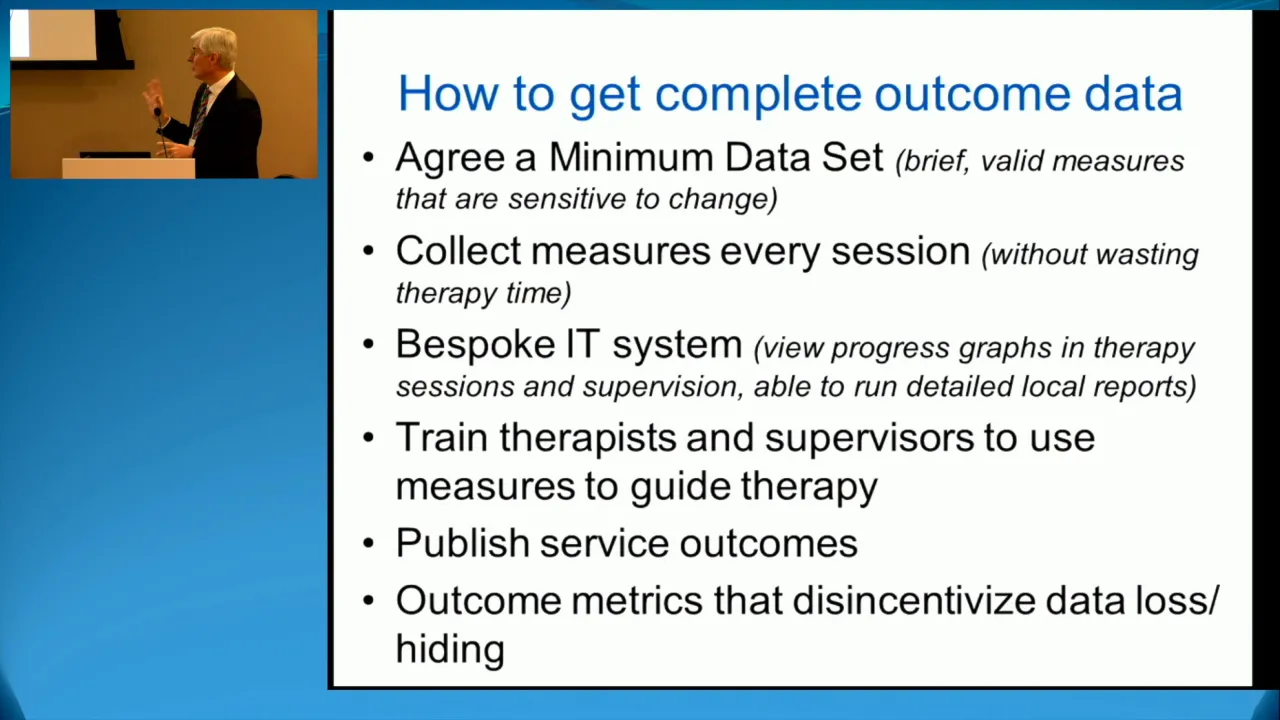
54:04
Psychology
Measurement-based Care in Psychotherapy Workshop - Future of Psychotherapy Conference 2019
UofTPsych
243 views•2019-04-25

51:52
Psychology
Dr. Carol Tavris — Mistakes Were Made (But Not by Me)
skepticmagazine
14K views•2019-05-02
Trending

13:25
Business
Playstation NO DISC/NO BUY Fight Is Over...
DavidJaffeGames
4K views•2026-07-23

22:40
Business
Steam and Xbox Just Dropped The Hammer On PlayStation
OhNoItsAlexx
9K views•2026-07-23

16:52
Anthropology
Americans Confused in Australia for 17 Minutes Straight
IWrocker
17K views•2026-07-23

20:36
Business
SuperBike Factory Has Gone... What's Next for the Motorcycle Industry?
thatbikersimon
11K views•2026-07-22