In relationships, silence often communicates more powerfully than words because it forces others to confront the reality of their behavior and the consequences of their choices, while constant explanations and emotional appeals often allow people to avoid taking responsibility for their actions.
Install our extension to search inside any video instantly.
THEY WILL FEEL YOUR SILENCE MORE THAN THEY EVER FELT YOUR WORDS | CARL JUNG
Added:Ladies and gentlemen, there comes a moment when the most powerful thing you can say is absolutely nothing. There comes a moment when another explanation will not make them understand. Another apology will not make them value you.
Another emotional confession will not make them care. And another desperate attempt to save the connection will only teach them that they can continue hurting you without ever losing access to your heart.
And when that moment arrives, your silence becomes louder than every word you have ever spoken.
They may have ignored your voice. They may have dismissed your feelings. They may have misunderstood your intentions, questioned your loyalty, minimized your pain, and treated your presence as though it were ordinary.
But when your voice disappears, when your energy is withdrawn, when your constant availability is no longer guaranteed, something begins to happen inside them.
They begin to hear you in your absence.
They begin to remember the conversations they once avoided. They begin to replay the warnings they once dismissed. They begin to recognize the tenderness they once overlooked. They begin to feel the emotional space you occupied, not because you are standing before them demanding recognition, but because you are no longer there to protect them from the consequences of losing you. Your words could be argued with. Your silence cannot.
Your words could be interrupted, twisted, questioned, or forgotten. Your silence enters a deeper place. It reaches beyond the conscious mind, beyond pride, beyond excuses, and beyond the carefully constructed stories people tell themselves to avoid responsibility.
Silence speaks directly to the unconscious. It appears in quiet rooms.
It returns during sleepless nights. It rises in the middle of ordinary moments when they instinctively reach for the person who was always there only to realize that the emotional door is no longer open. It is felt when something happens and they have no one to tell. It is felt when they meet new people but cannot reproduce the depth they once experienced with you. It is felt when the world becomes noisy. Yet none of that noise contains the comfort of your voice. This is why they will feel your silence more than they ever felt your words. Not because silence is cruel, but because human beings often understand value through absence. We become accustomed to what remains available. We normalize what continues to forgive us.
We underestimate what continues to return. The familiar is easily taken for granted because the mind begins to assume that what has always been present will always remain. Your care becomes expected. Your patience becomes expected. Your forgiveness becomes expected. Your understanding becomes expected. And slowly, without even realizing it, they stop seeing your love as a gift and begin treating it as an obligation. They no longer ask what it costs you to remain gentle. They no longer consider how much strength it takes for you to keep choosing peace.
They do not see the nights you spend analyzing their behavior, wondering how to communicate more clearly, questioning whether you are asking for too much and blaming yourself for the emotional distance they created. They only see that you are still there. And because you are still there, they assume that everything must be acceptable.
But your presence was never proof that you were not hurting. Your presence was proof that you were still hoping. You stayed because some part of you believed that your words would eventually reach them. You believed that if you found the perfect sentence, the perfect tone, the perfect time, or the perfect explanation, they would finally understand what their behavior was doing to you. You tried speaking softly. You tried speaking honestly. You tried speaking emotionally. You tried speaking logically. You tried explaining your needs without accusation. You tried offering patience without resentment.
You tried giving them time to grow. You tried seeing their wounds, understanding their fears, and excusing their inability to meet you with the same emotional maturity you offered them. But the painful truth is that some people do not misunderstand you because you have explained yourself poorly. They misunderstand you because understanding you would require them to change.
To understand your pain, they would have to confront their behavior. To understand your boundaries, they would have to surrender some control.
To understand your silence, they would have to admit that your words were not empty complaints. They were warnings.
They were invitations. They were opportunities to repair what was slowly breaking.
You did not become silent without first trying to speak.
This is what they will eventually realize.
Your silence did not appear suddenly. It was built from every conversation in which you felt unheard. It was shaped by every moment you were forced to explain the same wound. It grew through every broken promise, every delayed apology, every careless action, and every occasion on which they made you feel unreasonable for reacting to the pain they caused. Silence is often the final language of a heart that has exhausted every other way of communicating. It is what remains when words have been stripped of their power through constant dismissal. It is not always anger.
Sometimes silence is grief. Sometimes silence is exhaustion. Sometimes silence is the moment a person finally accepts that nothing they say will change the relationship because the other person is committed to remaining exactly as they are. And this acceptance can be devastating.
There is a particular kind of pain in realizing that someone heard your words but never allowed themselves to feel them. They listened only long enough to defend themselves. They waited for pauses so they could respond. They searched your sentences for weaknesses, contradictions, and emotional reactions they could use against you.
They did not listen to understand your soul. They listened to protect their ego. The ego does not enjoy responsibility. It prefers projection.
It prefers to place its own darkness onto another person and then punish that person for carrying it. Someone who refuses to confront their selfishness may call you demanding.
Someone who refuses to confront their emotional distance may call you sensitive. Someone who refuses to confront their inconsistency may call you insecure.
Someone who benefits from your lack of boundaries may call you cruel the moment you finally establish one. This is the nature of projection.
People frequently place upon you what they are unwilling to recognize within themselves. They create an image of you that protects them from the truth about who they have been. As long as you remain close, you may feel compelled to fight that image. You may explain that you are not heartless, not ungrateful, not dramatic, not difficult, and not impossible to love. But the more you defend yourself against a false image, the more energy you surrender to the person who created it.
At some point, you must stop arguing with someone's projection of you. You must understand that not every false story requires your correction. Not every accusation deserves your emotional labor. Not every misunderstanding is accidental. Some people misunderstand you intentionally because the distorted version of you is easier for them to live with than the truth. The truth may be that you love them deeply. The truth may be that you forgave more than they deserved.
The truth may be that you remained loyal while feeling profoundly alone.
The truth may be that you kept the connection alive long after they stopped contributing to it. The truth may be that losing you was not an act of fate.
It was the result of choices they repeatedly made while believing there would never be consequences.
Your silence becomes powerful because it stops protecting them from that truth.
When you withdraw from an unhealthy dynamic, the other person can no longer use your reactions to distract themselves from their behavior. They cannot provoke you and then focus on your anger. They cannot hurt you and then make the conversation about your tone. They cannot neglect you and then accuse you of expecting too much. Your silence removes the stage on which the cycle was performed. Without your participation, the pattern becomes visible. Without your emotional reaction, they are left with their own actions. Without your constant explanations, they must sit with the questions they avoided. Why did you stop reaching out? Why did your warmth disappear? Why did someone who once fought so hard for the relationship suddenly stop fighting? Why did the person who always had more to say finally become quiet?
These questions may not arise immediately.
Pride can delay awareness. Distraction can postpone reflection. Some people will initially pretend that your silence does not affect them. They may appear relieved. They may become louder, more social, more performative, and more determined to show everyone that they have moved on.
Do not be deceived by appearances.
The persona is the mask presented to the world. It is the carefully managed identity designed to gain approval, avoid shame, and hide vulnerability.
A person may appear untouched while privately struggling with the emotional consequences of your absence. They may laugh more loudly because they are afraid of what they will hear in quietness.
They may seek immediate replacements because they cannot tolerate emptiness.
They may display happiness because admitting pain would require admitting your significance.
But what is pushed away does not disappear.
It enters the shadow.
The shadow holds what the conscious personality refuses to acknowledge.
Regret, guilt, longing, jealousy, fear, dependency, and grief. These hidden emotions do not remain silent forever.
They surface through dreams, memories, comparisons, impulsive behavior, sudden sadness, and an unexplained urge to return to what was lost. This is not magic. It is psychology.
When a meaningful emotional bond is broken, the psyche continues processing what consciousness tries to deny. A person may insist that you meant nothing while unconsciously searching for you in everyone they meet.
They may compare new conversations to yours.
They may notice that others do not understand their moods the way you did.
They may discover that attention is easy to find, but genuine care is rare. They may receive compliments and still miss the honesty you gave them. They may be surrounded by people and still feel the emptiness of the one person whose presence made them feel seen.
This is when your silence becomes undeniable.
It is no longer simply the absence of messages. It becomes the absence of emotional safety. It becomes the absence of your patience, your humor, your concern, your forgiveness, your warmth, and the particular way your soul responded to theirs.
Every person has a psychological presence. You do not merely enter a room with your body. You enter it with an atmosphere. You carry patterns of attention, emotional energy, memory, and meaning.
Some people bring anxiety, some bring competition, some bring instability, some bring peace.
Perhaps you were the person who brought peace into their life. But because your peace arrived consistently, they stopped noticing it. They only noticed your questions, your needs, your occasional frustration, and the moments when your pain became inconvenient.
They forgot how much chaos you absorbed without complaint. They forgot how often your calmness prevented conflict. They forgot how many times you chose understanding when you could have chosen retaliation.
They forgot that the relationship felt safe, not because they created safety, but because you kept bringing it. Once you withdraw that energy, the emotional climate changes. They begin to experience the consequences of their own inner world without your presence regulating it. Their restlessness becomes louder. Their emptiness becomes harder to escape. Their unresolved wounds no longer have your affection to soften them. And perhaps for the first time, they understand that you were not the source of their discomfort. You were often the person helping them survive it. But understand this clearly, your silence must not become a performance designed to control their reaction.
There is a difference between sacred silence and manipulative silence.
Manipulative silence says, "I will disappear so that you panic and chase me." Sacred silence says, "I will step away because remaining here is destroying my relationship with myself."
Manipulative silence keeps watching the door, waiting for someone to return.
Sacred silence closes the door gently and begins walking toward a new life.
Manipulative silence is still centered on the other person. Sacred silence is centered on healing. You must ask yourself why you are becoming quiet. Are you withdrawing to punish them? Or are you withdrawing to protect your peace?
Are you hoping they will suffer? Or are you finally accepting that you cannot force emotional maturity upon someone who does not desire it? Are you using silence as a weapon or are you using it as a boundary? The distinction matters because silence without inner transformation becomes another form of attachment. You may stop sending messages while continuing to have endless conversations with them inside your mind. You may remove yourself physically while remaining psychologically imprisoned by what they think, what they feel, and whether they regret losing you. That is not freedom.
True silence is not merely the absence of communication with another person. It is the end of the argument within yourself. It is the moment you stop trying to persuade yourself that disrespect is love. It is the moment you stop negotiating with the evidence. It is the moment you no longer need them to confirm that your pain was real. You know what you experienced. You know how many times you tried. You know what the relationship required from you. You know what it repeatedly failed to give. You no longer need a confession from the person who hurt you in order to begin healing. You no longer need them to admit that they were wrong. You no longer need them to validate the version of events you live through.
Their inability to acknowledge your reality does not make it unreal. This realization is the beginning of individuation.
Individuation is the process through which you become psychologically whole.
It requires you to separate from the identities, expectations and emotional roles imposed upon you by others.
Perhaps you became the rescuer. Perhaps you became the forgiving one. Perhaps you became the person who always understood, waited, and gave another chance. Perhaps you believed your value came from being needed. Perhaps you confuse self-sacrifice with loyalty and emotional exhaustion with love. Your silence creates the space in which these patterns can finally be examined.
Why were you willing to accept so little for so long? Why did you feel responsible for repairing what another person repeatedly damaged? Why did you abandon your own needs to avoid being abandoned by them? Why did you believe that asking for respect made you difficult?
These questions are not meant to blame you. They are meant to return your power. There is strength in recognizing that your suffering did not begin only with what someone else did. It was prolonged by the part of you that continued hoping they would become who you needed them to be. Hope can be beautiful, but unconscious hope can become a prison.
You do not always remain because the relationship is good. Sometimes you remain because leaving would force you to confront an old wound. Perhaps their distance activates the part of you that has always feared rejection. Perhaps winning their love feels like proving that you were worthy all along. And so you fight harder. You become more accommodating. You try to be easier to love. You reduce your needs, silence your intuition, and accept behavior that contradicts your dignity. All because some wounded part of you believes that being chosen by this person will heal what was broken long before they arrived. But another person cannot permanently heal what you continue refusing to face within yourself.
This is why your silence must become a return to the self. Do not merely withdraw from them. Return to yourself.
Return to the interests you neglected.
Return to the friendships you ignored while trying to preserve the relationship.
Return to your body, your rest, your creativity, your faith, your ambition, and your private inner world. Return to the person you were before you began measuring your worth through someone else's attention.
At first, this return may feel empty.
You may miss the intensity. You may mistake chaos for connection because your nervous system became accustomed to uncertainty. You may feel tempted to break the silence not because the relationship has changed but because the discomfort of detachment feels unfamiliar. Do not interpret discomfort as a sign that you made the wrong decision.
Healing often feels uncomfortable because the psyche is releasing a familiar pattern. The mind prefers familiar pain to unfamiliar peace.
Familiar pain can be predicted. You know the cycle. You know how disappointment begins. how the argument unfolds, how the apology sounds, and how temporary closeness returns before the pattern repeats. Peace is different. Peace offers no dramatic highs and lows. Peace does not force you to prove yourself.
Peace does not make you question where you stand. And when you have spent a long time surviving emotional confusion, peace can initially feel like boredom or emptiness.
Remain with it.
Allow your nervous system to understand that calmness is not abandonment. Allow your heart to discover that love does not need to be earned through suffering.
Allow your mind to experience days in which you do not analyze someone's tone, decode their behavior, or search for hidden meaning in their silence.
Your own silence will become a sanctuary.
At first they may feel your silence as loss but eventually you will feel your silence as liberation.
You will realize how much energy was consumed by explaining, defending, waiting, hoping, forgiving, and preparing yourself for the next disappointment.
You will notice that your mind is clearer. Your body is lighter. Your intuition becomes easier to hear. You begin to see that the relationship was not only taking your time, it was taking your attention. And attention is one of the most valuable forms of life.
Whatever receives your attention receives your psychological energy. When your attention is trapped in another person's behavior, your energy cannot fully serve your own development. You may be physically present in your life while psychologically living inside someone else's choices. Will they call?
Will they change? Do they miss me? Did they ever love me? Are they happier without me? These questions can consume entire months and years. But silence invites a better set of questions.
Who am I becoming?
What have I learned? What part of myself needs compassion?
What dreams did I postpone?
What boundaries will define my future?
What kind of love reflects the person I am now becoming?
This shift is essential.
The goal is not to remain emotionally connected through resentment. Hatred can bind you as strongly as love. The person you constantly condemn still occupies your mind. The event you endlessly replay still controls your emotional state. Freedom requires more than distance. It requires integration.
Integration means accepting the truth of what happened without allowing it to determine your entire identity. You do not deny the pain. You learn from it.
You do not romanticize the relationship.
You understand its purpose. You do not remain the wounded person forever. You allow the wound to become wisdom. Every painful relationship reveals something.
It reveals your unhealed attachments.
It reveals your fear of loneliness. It reveals the compromises you make when you do not fully trust your own worth.
It reveals how easily love can become self-abandonment when it is not guided by consciousness.
Do not waste the lesson by focusing only on whether they regret losing you.
Their regret is not your healing. Their suffering is not your victory. Their return is not proof of your value.
You were valuable before they recognized it, while they ignored it, and after they lost access to it.
Your value does not rise when someone misses you. It does not fall when someone fails to appreciate you. Value is not granted by another person's awareness. A diamond does not become less valuable because someone mistook it for glass. But you must also stop placing yourself in the hands of people determined to misunderstand your worth.
Self-respect is not merely believing that you deserve better. It is behaving as though you believe it. It is leaving situations that repeatedly violate your dignity. It is refusing access to people who only return when they are lonely. It is recognizing that apologies without change behavior are not transformation.
They are attempts to reset the cycle.
Someone may feel your silence and come back. They may arrive with emotional messages, sudden promises, memories, confessions, and claims that they finally understand what you meant to them.
Be careful. Missing your presence does not automatically mean they are capable of honoring it. A person can regret losing the comfort you provided without developing the maturity required to protect your heart. They can miss your forgiveness without being ready to stop betraying your trust. They can miss your attention without learning how to reciprocate it. They can miss the way you love them while remaining incapable of loving you in the way you need. Do not confuse longing with growth. Growth is visible in action. Growth accepts responsibility without excuses. Growth respects boundaries even when those boundaries are painful. Growth does not demand immediate access simply because regret has appeared. Growth understands that trust is rebuilt through consistency, not emotion.
If someone returns, do not listen only to the intensity of their words. Observe the structure of their character.
Have they faced the shadow that damaged the relationship? Have they examined their patterns? Have they changed how they respond to discomfort, accountability, intimacy, and conflict?
Or are they merely experiencing withdrawal from the emotional benefits you once provided?
You are not obligated to reopen a door simply because someone finally knocks with urgency. Sometimes the lesson of silence is not reconciliation. Sometimes the lesson is finality. Some connections are meant to awaken you, not accompany you forever. Some people enter your life to reveal the places where you still betray yourself. They expose the wound, activate the pattern, and force you toward consciousness. This does not mean the love was false.
A connection can be real and still be unhealthy. You can love someone and still recognize that closeness with them destroys your peace. You can understand their trauma and still refuse to become its victim. You can forgive them and still decide that they no longer belong in your life.
Forgiveness does not always require reunion.
Sometimes forgiveness is simply the refusal to continue carrying poison within yourself.
You release the fantasy that the past could have been different. You accept that both of you acted from the level of consciousness available at the time. You stop demanding that yesterday change before you allow tomorrow to begin.
And in that acceptance, your silence becomes clean. It is no longer filled with hidden demands. It is no longer waiting to be rewarded. It is no longer asking, "Do you miss me yet?" It simply says, "I am no longer available for what diminishes me." This is one of the most difficult statements a person can make because it requires the death of an old identity.
The version of you who tolerated the pain must be released.
The version of you who believed love required endless proving must be released.
The version of you who kept returning because loneliness felt frightening must be released. Psychological transformation often feels like death because an old self is disappearing. You may grieve the person you were, the future you imagined, and the relationship you believed could exist.
Let yourself grieve. Grief is not weakness. It is the psyche's way of reorganizing after loss. You are not only grieving the person. You are grieving your hopes, your effort, your memories, and the version of yourself that lived inside that bond. But do not build a permanent home inside grief. Let it move through you.
Cry without shame.
Write the words you will never send.
Feel the anger without allowing it to rule your actions. Admit the truth without editing it to protect the person who harmed you.
Then slowly, deliberately begin creating meaning from what happened.
Meaning transforms suffering.
Pain without meaning becomes bitterness.
Pain with meaning becomes wisdom.
Perhaps the meaning is that you learn to trust your intuition. Perhaps you learned that confusion is often a warning, not a challenge to love harder.
Perhaps you learned that consistency matters more than chemistry.
Perhaps you learned that being desired is not the same as being respected.
Perhaps you learned that emotional intensity can imitate intimacy.
Perhaps you learned that the right relationship will not require you to disappear in order to keep it alive.
These lessons become part of your consciousness. They shape your future boundaries and deepen your understanding of yourself. And then something extraordinary happens. You no longer need them to feel your silence. You no longer imagine their regret every day.
You no longer build your healing around the possibility that they will finally recognize what they lost.
Whether they understand or not becomes irrelevant.
This is true detachment.
Detachment is not indifference. It is the return of emotional authority to the self. You may still care, but you are no longer controlled. You may still remember, but the memory no longer dictates your future. You may still feel tenderness for what existed, but you no longer confuse tenderness with permission to return.
Your silence becomes complete when it no longer depends upon being noticed.
Ironically, that is often when it is felt most deeply.
When you are no longer energetically reaching backward, something changes.
The other person may sense that the bond has truly shifted. Before, even without communication, part of you may have remained available. You were silent but waiting, distant but emotionally present, hurt but still hoping.
Now the hope has changed direction.
You no longer hope they become different. You hope you continue becoming whole.
You no longer wait for their message.
You listen for your own inner voice. You no longer imagine a future built upon their potential.
You begin building one upon your reality.
This is the silence they cannot ignore because it is not a temporary reaction.
It is transformation.
They may have been familiar with your anger. Anger still showed investment.
They may have been familiar with your tears. Tears still revealed attachment.
They may have been familiar with your explanations. Explanations still offered another opportunity. But your peaceful withdrawal is different. It tells them that something has ended inside you. Not love perhaps, not memory, but availability.
The cycle has lost access to you. And yes, they may feel that loss more deeply than they ever felt your words. They may finally understand the value of what you offered. They may recognize that your loyalty was rare. They may see that your patience was not weakness and that your willingness to communicate was not desperation. They may realize that each conversation they avoided was an opportunity they will never receive again in the same form. But by the time they understand, you may no longer need to be understood by them. This is one of life's strange truths. People often gain clarity only after the person who begged to be understood has stopped explaining.
Why?
Because your words once allowed them to believe that you would remain. Every explanation was evidence of continued investment. Every argument proved that you were still emotionally present.
Silence removes that reassurance.
It makes the consequence real.
Loss is no longer theoretical.
The person they assumed would always return is now walking in another direction. Do not walk away arrogantly.
Do not turn your healing into superiority.
You are not better because you left and they are not worthless because they failed to love you correctly. Every human being carries unconscious wounds, defensive patterns and undeveloped parts of the personality.
Compassion allows you to recognize their humanity. Wisdom allows you to protect yourself from their behavior.
You can hold both truths. You can understand why someone became emotionally unavailable while refusing to accept emotional neglect.
You can recognize their fear of intimacy while refusing to let that fear become your prison.
You can see the wounded child inside them while remembering that your responsibility is not to sacrifice the adult within you.
Compassion without boundaries becomes self-destruction.
Boundaries without compassion can become bitterness. The mature path holds empathy and self-respect together.
Perhaps one day they will face themselves. Perhaps your silence will become the mirror that your words could never be. Perhaps they will finally confront the pattern that cost them a meaningful relationship. But their awakening is not your assignment.
You are not required to remain nearby while someone slowly learns the lessons your pain has already paid for. Let life teach them. Let consequences speak. Let absence reveal what your constant presence concealed.
and let your silence protect the new life forming within you. There is a season for speaking and a season for becoming quiet. Speaking is necessary when truth has not yet been expressed.
Silence should never be used to avoid healthy communication.
A mature person does not disappear at the first sign of discomfort. They speak clearly, listen honestly, and give the relationship a fair opportunity to grow.
But once truth has been spoken repeatedly, silence may become the only honest response left.
Do not keep explaining what someone has already decided not to understand.
Do not keep offering clarity to those who benefit from confusion.
Do not keep presenting your heart as evidence in a trial where the verdict was chosen before you entered the room.
At some point, dignity requires withdrawal.
You may fear that silence makes you cold. It does not. Coldness is the absence of feeling.
Your silence may be full of feeling. It may contain love, sadness, disappointment, and a deep desire for peace. You are not becoming heartless.
You are learning that a heart must have boundaries if it is to remain capable of love.
A heart without boundaries does not remain endlessly open. It eventually becomes exhausted, resentful, and afraid. Protecting your heart is not closing it forever. It is choosing more carefully who is allowed to enter.
The future version of you will understand why this silence was necessary. That person will look back and see that what felt like an ending was actually a recovery. You were recovering your voice. Not through more speech, but by refusing to waste it where it carried no value. You were recovering your time, your standards, your intuition, your emotional energy, your capacity to dream beyond the limits of a painful connection. One day you will sit in a quiet room and realize that the silence no longer hurts. It feels peaceful.
You will remember the person without feeling compelled to contact them. You will think of the past without needing to rewrite it. You will acknowledge the love without denying the damage. And you will be grateful that the version of you who was terrified to leave eventually found the courage to become still.
Stillness is not emptiness.
Stillness is where the unconscious reveals what noise has hidden. In stillness, you discover which desires are truly yours and which were shaped by fear. In stillness, you meet the shadow.
You confront your dependency, your longing for validation, your fear of rejection, and the places where you compromised yourself.
This meeting may be uncomfortable, but it is sacred. You cannot become whole by rejecting the parts of yourself that kept you trapped. You must understand them. Do not hate the part of you that stayed too long. That part was trying to protect you from loneliness. Do not hate the part that kept hoping.
That part remembered the beauty and wanted to believe it could return. Do not hate the part that begged to be understood.
That part had spent too much of life feeling unseen.
Bring these parts into consciousness.
Speak to them with compassion.
Tell them that you are here now, that they no longer need to chase unavailable love and that you will not abandon yourself again.
This is how silence becomes healing. It allows you to hear the neglected voices within you. The inner child who needs safety. The wounded self who needs validation. The shadow who needs integration.
The future self who needs courage.
When you listen to these inner voices, you stop demanding that another person rescue you from your own depths. You become your own witness, your own protector, your own place of return. And from this inner stability, love changes.
You no longer seek someone who keeps you in emotional suspense. You no longer confuse unpredictability with passion.
You no longer find yourself attracted only to those who make you prove your worth. You become capable of choosing mutuality, consistency, respect, and emotional presence. This may feel less dramatic, but it will be far more real.
The person who is right for your healing will not require you to lose your voice.
They will not force you to become silent in order to be valued. They will hear the first honest conversation.
They will care about your discomfort before it becomes despair. They will not see your boundaries as threats. They will recognize them as the structure that allows trust to grow. and you will be ready to receive such love because your silence taught you the cost of accepting less.
Ladies and gentlemen, never underestimate what happens when a person who has always explained themselves finally becomes silent. The world may think nothing is happening. But internally, an entire identity is being rebuilt. Attachments are being examined.
Illusions are being broken. Energy is returning. consciousness is expanding.
The individual is separating from the role they once performed and stepping toward the person they were always capable of becoming. This is not revenge. This is rebirth. You do not need to announce it. You do not need to post messages designed to make someone jealous. You do not need to demonstrate that you are happier. Real transformation does not beg to be witnessed. A tree does not make a speech before it grows new leaves. It simply responds to the season. Let your growth be quiet. Let your discipline be quiet.
Let your healing be quiet. Let your new standards be quiet.
People will notice the results eventually, but the results are not for them. They are for the person you see when you look into the mirror. You have spent enough time asking whether they understand your value. Ask whether you understand it. You have spent enough time wondering whether they miss your presence. Ask whether you have returned to your own presence. You have spent enough time hoping your silence teaches them a lesson. Ask what your silence is teaching you.
Perhaps it is teaching you that peace was never found in winning the argument.
Perhaps it is teaching you that closure is not something another person gives.
Perhaps it is teaching you that loneliness is survivable while self- betrayal slowly destroys the spirit.
Perhaps it is teaching you that you can love deeply without remaining where love is not honored. Perhaps it is teaching you that losing someone else is sometimes the price of finding yourself.
And when you find yourself, do not abandon that self again.
Do not betray your intuition to preserve temporary closeness.
Do not reduce your standards because someone offers attention.
Do not ignore patterns because apologies sound beautiful. Do not exchange inner peace for the excitement of being wanted by someone who cannot love responsibly.
Your silence should not be a pause before repeating the same cycle. It should be a doorway into a different life. Walk through it consciously.
There may be days when you miss them.
Missing someone does not mean you must return. There may be days when you remember only the good moments. Memory often softens pain and highlights beauty. Remind yourself of the whole truth, not only the parts that tempt you backward.
There may be nights when your strength feels weak. Strength is not the absence of longing. It is the ability to honor your decision even while longing is present.
Give yourself patience.
Detachment is not a single moment. It is a series of choices. You choose not to send the message. You choose not to check whether they are thinking of you.
You choose not to enter conversations that reopen wounds without creating change. You choose to invest your energy in what nourishes your future. Every choice strengthens the person you are becoming.
Eventually, the silence that once required discipline becomes natural. You no longer have to stop yourself from reaching out because the desire has lost its power. You understand too clearly what returning would cost. And by then, they may be feeling everything you once tried to explain. They may feel your value. They may feel your loyalty. They may feel the warmth that disappeared.
They may feel the weight of every moment they assumed you would stay. But you will no longer be standing in the same emotional place.
You will have become someone who does not need another person's regret in order to validate the decision to leave.
This is your victory.
Not that they suffer, not that they chase you, not that they compare everyone to you. Your victory is that you are free.
Free from the need to be understood by those committed to misunderstanding you.
Free from the need to earn love through endurance.
Free from the fantasy that another person's transformation is necessary for your peace.
Free from the version of yourself that remains silent about your needs while speaking endlessly about theirs. Your final silence is not the disappearance of your voice. It is the moment your voice finally turns inward and says, "I will listen to myself now."
Listen.
Listen to the exhaustion you once ignored. Listen to the intuition that warned you. Listen to the dreams that waited patiently while you made another person the center of your life. Listen to the quiet dignity within you that always knew you deserved reciprocity.
That voice does not need to shout.
Truth rarely does. Truth can remain silent because it does not require argument to exist. You know what happened. You know what you gave. You know what you lost. And now most importantly, you know what you must never lose again. Yourself.
So let them feel your silence. Let them encounter the empty space where your endless explanations used to be. Let them remember your words when life finally gives those words meaning. Let them discover in their own time that your presence was not ordinary and your patience was not infinite. But do not stand still waiting for that discovery.
Move forward. Build, heal, create.
Love yourself with the loyalty you once gave so freely to others. become so deeply connected to your own soul that no one's inability to value you can separate you from your value again and one day perhaps they will speak your name with regret. Perhaps they will remember the person who tried to reach them before silence became necessary.
Perhaps they will finally feel every word they once refused to understand.
But you will be far beyond the need to hear their confession. Your silence will have completed its deepest purpose. It will not merely have taught them what they lost. It will have taught you what you must protect. And that is why, ladies and gentlemen, they will feel your silence more than they ever felt your words.
Your words asked them to understand you.
Your silence forced them to experience life without you. Your words showed them your pain. Your silence showed them your value. Your words gave them opportunities. Your silence revealed that those opportunities were never endless. And while they are learning the meaning of your absence, you will be learning the power of your own presence.
You will no longer chase. You will no longer beg. You will no longer explain your soul to people who only listen through the filter of their ego. You will stand quietly in the truth of who you are. Not bitter, not cruel, not empty, whole. And in that wholeness, you will discover that the silence you once feared was never the end of your story.
It was the first sound of your freedom.
Related Videos

0:39
Psychology
Inside Ronaldo’s Team Meeting
RonoSphereCR7
1K views•2026-04-17

7:25
Psychology
You Are Not So Smart: Chapter 4 Hindsight Bias, What is it?
TheBey8nD8
230 views•2019-09-15
49:35
Psychology
Sigmund Freud's Mind - Master Your Inner World (Your Unconcious Mind)
Ngaslife
1K views•2025-01-25

11:29
Psychology
What affects your mood?
RandyPaterson
602 views•2019-05-16

3:45
Psychology
Can you outsmart this logical fallacy? - Alex Gendler
TEDEd
2164K views•2019-11-25

1:02:21
Psychology
Understanding the Relationship between Fear of Falling and Mobility in Older Adults
fallpreventioncommunityofp3788
823 views•2019-04-08
54:04
Psychology
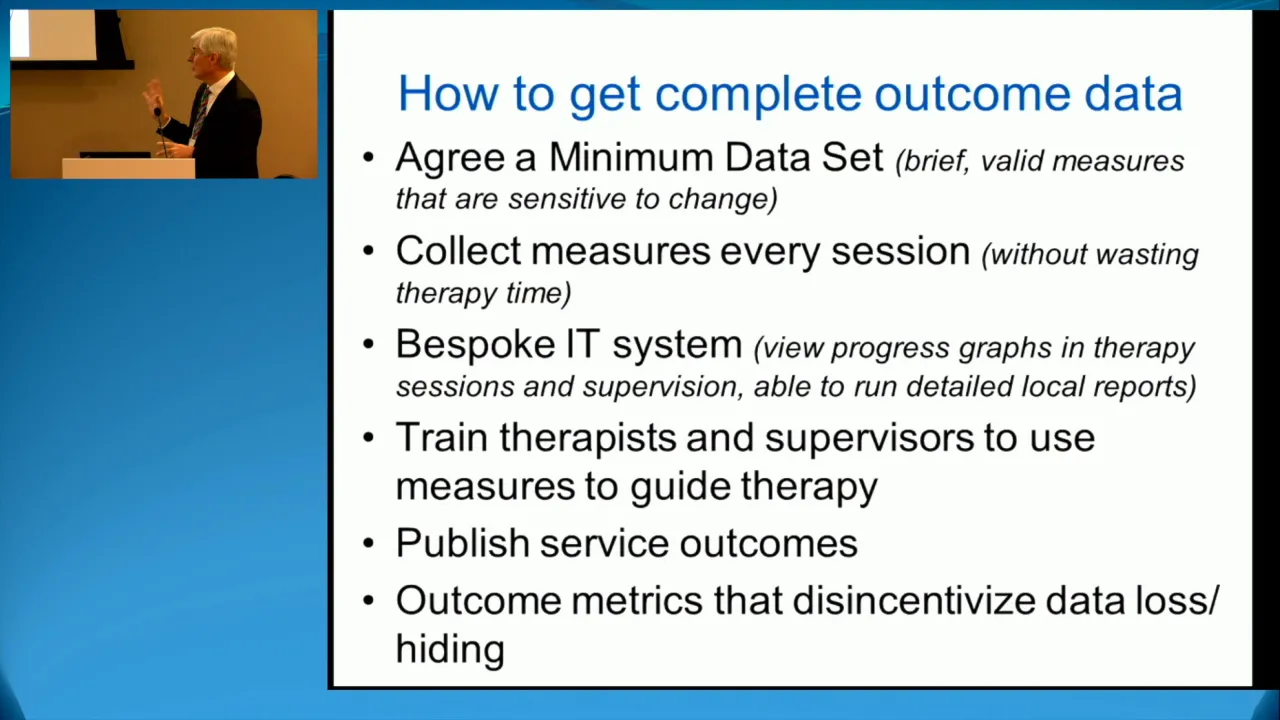
Measurement-based Care in Psychotherapy Workshop - Future of Psychotherapy Conference 2019
UofTPsych
243 views•2019-04-25

51:52
Psychology
Dr. Carol Tavris — Mistakes Were Made (But Not by Me)
skepticmagazine
14K views•2019-05-02
Trending

9:05
Artificial Intelligence
2.4 BILLION Records Got Leaked...
DeepHumor
15K views•2026-07-22

13:25
Business
Playstation NO DISC/NO BUY Fight Is Over...
DavidJaffeGames
4K views•2026-07-23

19:32
Business
Should I buy a Sawmill?
essentialcraftsman
29K views•2026-07-22

16:52
Anthropology
Americans Confused in Australia for 17 Minutes Straight
IWrocker
17K views•2026-07-23