The universe begins with tiny dust grains that clump together to form stars, which then create planets orbiting around them; stars shine for millions to billions of years before ending as explosions or gentle fades that seed new stars, while mysterious dark matter holds galaxies together as the universe expands.
Install our extension to search inside any video instantly.
Swift Cosmos A Friendly Five Step Space PrimerAdded:
A gentle narrator guides viewers through the cosmos, starting with tiny dust grains that clump to form stars.
Planets orbit these newborn suns, each world shaped by temperature, gravity, and time, revealing how diverse life- friendly zones arise.
Stars shine for millions to billions of years, then end as dazzling explosions or gentle fades that seed new stars. The universe expands, galaxies drift, and mysterious dark matter holds galaxies together. While scientists decode light to learn its history, this short tour adds up to a big idea that curiosity can illuminate planets, stars, and the vast, quiet universe.
Related Videos

Spiral Galaxy NGC 3370 from Hubble | NASA APOD 2025-11-05 #Shorts
galaxygallery
938 views•2026-05-30

SOMETHING inside the SUN is CHANGING
RaysAstrophotography
1K views•2026-06-03

There May Be A Giant Hole In The Universe... And We Might Be Inside It | The Cosmic Ledger Entry 015
TheCosmicLedger
145 views•2026-05-31

Captured the Blue Moon (with a twist) 🌙✨ #space #bluemoon #telescope
realAstroExplorer
674 views•2026-06-01

The Map We Sent to the Stars in 1977 — Why Scientists Now Regret It
TheAncientRecord7
183 views•2026-06-03

Is this a copy of our galaxy? Discover Galaxy M81!
UniverseDocumentaries-cc4mb
995 views•2026-05-31

10 Planet Where a Black Hole Replaces the Sun
cosmicexplorer-EN
147 views•2026-06-02
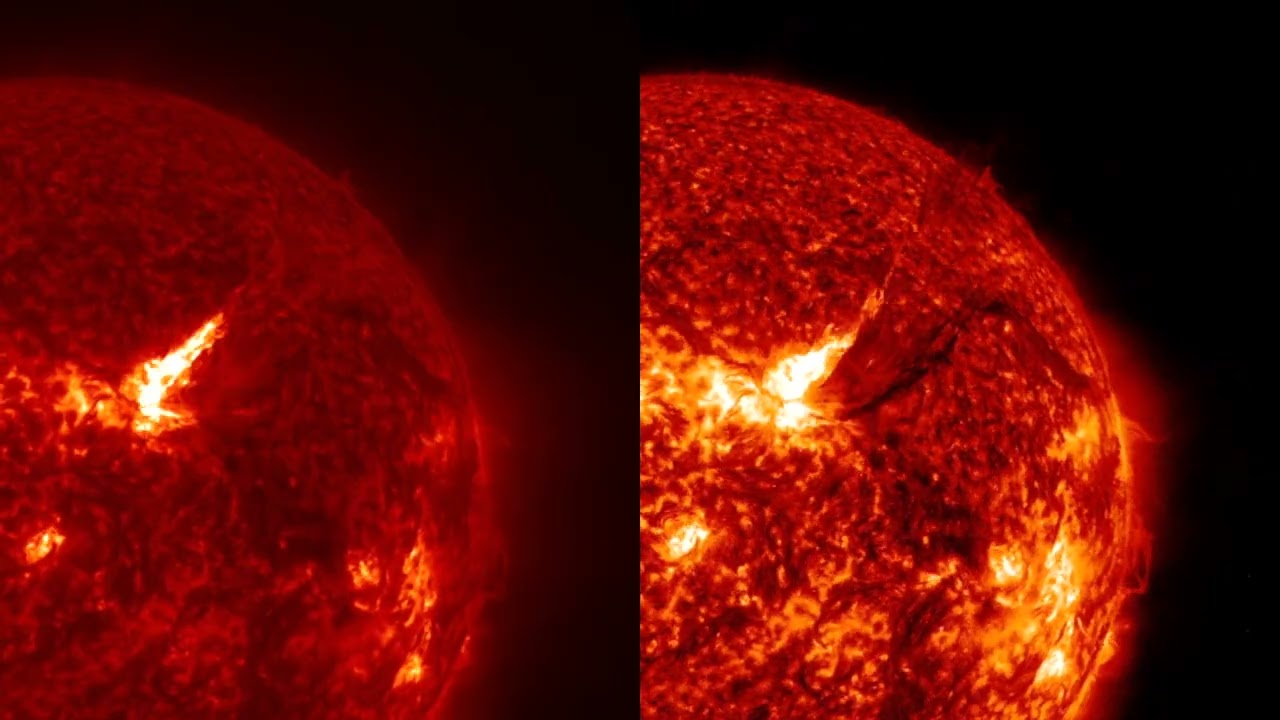
Solar Flares and CMEs at Earth - More Likely | S0 News June.3.2026
SpaceWeatherNewsS0s
2K views•2026-06-03



