When a narcissist reaches out after a period of silence, they are typically not returning because they have changed or realized your worth, but rather because they want to regain access to your emotional energy, attention, and validation; their return is often transactional and designed to test whether you are still emotionally available, so the healthiest response is to maintain emotional distance through silence or neutral communication, as this removes the emotional reaction they seek and protects your boundaries.
Install our extension to search inside any video instantly.
When a Narcissist Reaches Out After Silence, Do THIS Instead | Dr. Ramani
Added:Picture this for a moment. After weeks, maybe even months of complete silence, your phone suddenly lights up. One small message appears on the screen. One short line. One very familiar name. This is the same person who once left you emotionally drained, confused, and worn out, and now they suddenly seem to want a way back into your world again. Before you reply, before your feelings rush in and take over, there is something important you need to understand. This message is not random. Their return is not an accident. And the way you respond right now can change everything that happens next. So, stay with me, because this part matters. If you have ever dealt with someone who disappears and then comes back acting like nothing happened, you need to see this clearly.
Understanding this moment can save you from months, even years of extra confusion and pain. When a person like this reaches out after a long silence, the first truth you need to hold on to is simple.
They are usually not coming back because they suddenly realized your worth. They are not reaching out because they now have deep insight, real regret, or a healthy new mindset. And they are definitely not returning because they changed overnight into a more honest or self-aware person. In most cases, a person like this comes back because they want something. What they often want is your emotional energy. That can mean your attention, your praise, your care, your sympathy, your curiosity, your reaction, or even just the comfort of knowing they can still get to you whenever they want. Their silence was not about giving you peace, and their return is not proof of growth. Their behavior is still being guided by their needs, not by true care for your well-being.
People like this often move through the same emotional cycle again and again.
The silence is only one part of that cycle. When the attention they were getting somewhere else starts to fade, when life feels boring, when they lose control in another area, or when another source of validation stops working for them, they often look back into the past. They go back to people they once affected. Not because they miss those people in a deep and healthy way, but because they want to check who is still available.
That is why the message can feel so strange when it lands.
It often shows up at a very odd time.
Sometimes it comes the moment you are finally healing. Sometimes it appears right when your mind is no longer focused on them. At times it can almost feel like they somehow sensed that you were moving on. In a way they are often very alert to changes in your attention, not in a loving way, in a self-serving way.
They do not usually return because they miss you as a full person.
They come back because they miss what they used to receive from you.
They miss the easy access. They miss the steady validation. They miss the feeling of influence they once had over your emotions. And this is the key point.
Their return is often transactional.
They are testing whether that old access is still there. If you answer warmly, they get something. If you answer angrily, they still get something. Even a cool or casual reply can tell them the door is not fully closed. To a person like this, your attention has value.
Your reaction is like a kind of fuel.
That is why they often come back right when they feel they are losing that fuel. And once you see this pattern, a lot of their timing starts to make sense.
Their silence fits the same pattern, too.
When they disappear, it is often because their focus moved somewhere else. Maybe a new source of attention felt more exciting for a while. Maybe they got distracted by the chaos in their own life. Or maybe they use silence on purpose to create uncertainty in you and regain a sense of control.
No matter the reason, the silence usually serves them in some way. And once it stops serving them, they come back. The timing is rarely random. They may reach out when they think you are emotionally soft, around important dates, or right when your confidence is starting to come back.
People like this often feel threatened when they sense they are losing influence over someone they once had easy access to. So, when they return, it is often driven by self-interest, not emotional responsibility. This is where many people get confused because the message itself may not look harmful at all. In fact, it may sound gentle, kind, soft, or even sorry. But what matters is not only the words on the screen. What matters is what sits underneath them.
When someone like this contacts you after a long silence, the message is rarely casual. Very often, it is intentional. It is shaped to pull a reaction from you. They are watching from a distance. They want to know if you still care. They want to know if their presence still affects you. They want to see if you are still emotionally reachable. Even a simple "Hey" can be a test. A "How are you?" can be a way to see if you will reopen the conversation and carry the emotional weight for them.
A memory from the past can be used to see whether old feelings still wake up in you.
A message saying they needed to talk can be designed to see if you will still put their needs ahead of your own boundaries.
Very little in these moments is truly accidental. Over time, they often learn your emotional patterns very well. They remember what softened you before. They remember what made you feel guilty. They remember what kept you in the connection far longer than was healthy for you.
They remember what made you explain yourself, chase closure, or re-engage after distance. The message becomes a tool, and the goal is not always full reconnection. Sometimes the real goal is much smaller, but still powerful. They want information. They want to know if you still think about them. They want to know if their silence hurts you. They want to know whether access still exists. Even your hesitation tells them something. A quick answer may signal emotional openness. A long emotional message may show deep attachment is still there. Even an angry response can tell them they still have a strong place in your inner world. Every reaction sends data.
That is why these messages often carry hidden emotional layers.
On the surface, the words may look simple. Underneath, they may be trying to pull you back into an old role. They may bring up shared memories. They may mirror your style of talking. They may suddenly sound warm, caring, or reflective, but that does not always mean emotional depth. Many times it means familiarity is being used as a trigger. And here is the part many people miss.
The silence often ends only when they need something again.
They need attention. They need reassurance. They need access. The message is just step one in seeing if that access still exists. What matters most to them is not the health of your emotions. What matters most is whether they can still affect them. Once you really see that, the whole situation starts to look very different. When a person like this reaches out after a long silence, your first response becomes very important. They often watch emotional reactions closely. They notice timing. They notice tone. They notice hesitation. They notice vulnerability.
Your first reply can reveal far more than you think. Whether it is long or short, emotional or neutral, instant or delayed, it is often being read and measured by them. If you answer right away, they may assume you are still fully available. If you answer with anger, they may still read that as strong emotional involvement. If you answer with sadness or openness, they may see an opportunity to guide the conversation where they want it to go.
Even a neutral reply can give more away than you intended if it includes explanation, emotion, or openness. This is why they often choose their timing carefully. They understand the shock of an unexpected return. They know people often react before they think.
They know old memories, loneliness, pain, confusion, and hope can move faster than boundaries. They are often counting on your emotional reflexes to answer before your clear mind gets a chance to speak. And when your reaction shows that they still affect your inner state, they may feel stronger right away. It tells them that emotional access may still be open. This is one point you need to understand fully. They often respond more to your behavior than to your words. A person can say, "I'm done." But if their actions still show deep emotional reactivity, that sends the opposite message. Your first reaction often becomes the guide for what they do next. If you sound hurt, they may turn soft and sympathetic. If you sound angry, they may act misunderstood. If you sound hopeful, they may become suddenly affectionate.
If you sound guilty, they may increase pressure. So, yes, your raw reaction matters a lot. That is exactly why emotional calm becomes so powerful. A steady, controlled response interrupts the pattern they expected. A delayed reply, a plain tone, or no reply at all can create uncertainty for them. And uncertainty is often hard for a person like this to handle because it weakens their feeling of influence. A calm or minimal response removes the emotional reaction they were hoping to pull from you. It breaks the script. It interrupts the cycle. And the moment that happens, their confidence in their access to you begins to drop. Now, here is something else worth noticing. When people like this return, they rarely start with open aggression. They usually come in through warmth, familiarity, nostalgia, or emotional softness. They may sound thoughtful. They may sound reflective.
They may sound vulnerable. They may say they are stressed, lonely, confused, overwhelmed, or having a hard time. But these styles often serve the same purpose. They lower your guard.
Their softness can make you forget the harm caused by their distance.
Their vulnerability can activate your empathy.
And empathy is something they often know how to trigger when it benefits them.
Sometimes what looks like honesty is really strategy. That matters because emotional distance often gives you clarity. When enough time passes, the noise fades. Your mind gets clearer.
Your emotions settle. Your confidence starts to return. And often, right around that time, they sense the shift.
They feel the distance growing. They notice the reduced hold. And once they sense that, they may quickly change how they communicate. Suddenly, they seem softer, wiser, more open, more understanding. That can create intense confusion in you.
You may wonder if they finally changed.
You may start asking yourself whether this time could be different. Be careful there. Temporary softness is often confused with true change. But real change is steady over time.
If better behavior only appears when access to you is at risk, that is not deep growth. That is pressure management.
Their warmth often rises when they fear losing access. Their vulnerability may appear when they need reassurance. Their emotional openness may grow the moment they sense your distance. That is why their message can feel so personal. It can feel like they know exactly what to say. In many cases, they do. They remember what softened your boundaries before.
They remember what made you forgive quickly. They remember what kept you emotionally connected during hard moments. They remember the words that once created hope inside you. And they may use that memory with precision, not to heal, to re-enter.
The main goal behind that warmth is often not healthy connection, it is re-engagement. That is why so many people get pulled back into painful cycles. They mistake a brief period of softness for lasting transformation. But patterns tell the truth in the long run.
And when you decide not to respond at all, a very different process begins.
Your silence breaks the expected emotional loop. A person who depends on reactions loses their map. Positive reactions help them. Negative reactions help them, too.
Your anger, your sadness, your explanations, your longing, your emotional effort, all of it gives them something they can read and use. Silence removes that. And when there is no feedback, uncertainty grows. That can create real discomfort for them because the loop they expected is no longer working. Choosing silence is not about punishing them, it is about removing access. In many situations, silence becomes the strongest boundary because it gives nothing back to the cycle. It says everything without saying a word.
It shows that your emotional energy is no longer available to that connection.
It shows that your peace does not depend on whether they stay or leave. And for a person who wants influence, that can be deeply unsettling.
At the same time, your silence protects your own clarity. This is huge, so do not miss it. Even the smallest interaction can reopen old confusion.
One text can lead to another. One polite answer can turn into a full emotional conversation. One moment of contact can pull you back into a cycle that once took so much out of you. Silence stops that cycle before it starts again. It gives you room to observe instead of react. It lets your body settle. It protects your nervous system from being thrown back into turbulence. It creates space where your clarity can return without interference. And maybe most important of all, silence is a boundary that needs no long explanation. You do not owe emotional access to someone who repeatedly disturbed your peace.
What makes silence so powerful is that it reveals a lot without direct conflict. A healthy person may see your silence as a sign of distance, closure, or disinterest, and they will respect it and move on. But a person with manipulative patterns often reads silence very differently. They may feel it as a loss of control. And because of that, they may increase the messages, shift tone, or intensify their attempts to get a response. That reaction tells you far more than their first message did.
If their intention were truly respectful, they would respect your distance.
If they keep pushing after silence, that often points to self-interest, not real understanding. Silence exposes motive.
Quickly, it lets you see the truth without a dramatic confrontation. It may feel uncomfortable at first. It It even feel unnatural, especially if you are used to explaining yourself, but long-term silence often supports healing far better than emotional engagement.
Real recovery usually needs distance from repeated disturbance. Silence creates that distance, and that distance is not empty. It is protective. It is stabilizing. It is how many people slowly begin to feel like themselves again.
Of course, there are situations where total silence is not possible. Some people share children.
Some work together. Some have family ties or practical responsibilities that cannot be avoided. In those cases, emotional neutrality becomes one of the strongest forms of self-protection.
Emotional neutrality means you respond without emotional intensity, without vulnerability, without anger, and without storytelling that reopens the bond. People with manipulative patterns often listen less to your actual words and more to your emotional energy. They watch your tone, your urgency, your openness, your availability. When you communicate in a neutral, simple, steady way, you give them very little to work with.
And that changes the whole dynamic.
Neutrality is not coldness. It is not revenge. It is not about teaching them a lesson. It is about keeping yourself stable. Think of it this way. If the topic is practical, keep it practical.
If the answer can be short, keep it short. No extra emotion, no deep explanation, no revisiting old pain, no trying to make them understand your heart. When you stop feeding the emotional layer, you begin to protect your inner balance. And yes, that can feel strange if you are someone who naturally explains, comforts, or tries to create understanding, but not every situation becomes healthier through more honesty and more emotional openness.
With some people, that only gives them more material. So, if silence is not possible, simplicity matters, distance matters, a calm tone matters. You do not need to perform healing for them. You do not need to prove strength. You do not need to convince them of what they did.
Your job is not to educate someone who keeps using your emotions as a doorway.
Your job is to keep that doorway guarded, and when you do that consistently, something important happens. The emotional grip weakens.
Their ability to pull you into old roles starts to fade. Slowly, your center returns.
Here is the deeper truth underneath all of this. The moment they reach out after silence, it can feel like the story is reopening. It can feel dramatic, personal, charged. It can wake up old hope, old pain, old questions. That is why so many people get pulled back in before they even realize what is happening. But, that moment is not just about them. It is also about you. It is a test of what has changed inside you.
Not whether you still care, not whether you are kind, not whether you can understand their pain. It is a test of whether your boundaries now matter more than your emotional reflexes. That is the shift, and once that shift begins, everything looks different. You start to see that not every message deserves a response. Not every apology means repair. Not every soft tone means safety. Not every return means love.
Sometimes, a message is just a probe, a check, a quiet attempt to see whether the old door is still unlocked.
And if you want a new outcome, you cannot always use the old reaction.
Sometimes, the strongest thing you can do is pause, breathe, put the phone down, let the wave pass, let your clear mind speak before your wounded heart does. This next part is important, so stay with me.
You are allowed to protect your peace even if they call you cold. You are allowed to stop explaining even if they act confused. You are allowed to choose distance even if they suddenly seem softer than ever before because temporary softness does not erase repeated harm. A late message does not undo the pattern and access to you is not something anyone should be able to reclaim just because they showed up again. That is not connection. That is convenience. Real care looks different.
Real care respects boundaries, shows consistency, and does not disappear only to return when it wants something again.
So, if this ever happens to you, slow the moment down. Do not let the surprise decide for you. Do not let history answer for you. Notice what is happening underneath the message, not just inside the words. Ask yourself what the pattern has already shown you. Ask yourself what contact has cost you before. Ask yourself whether this return brings peace or simply reactivates confusion and then choose from clarity, not from shock.
Sometimes that choice will be silence.
Sometimes it will be a very neutral reply.
Sometimes it will be no emotional entry at all. Whatever form it takes, let it protect your peace first because that is the part many people forget. Your healing matters more than their access.
Your stability matters more than their sudden need to reconnect. Your quiet matters more than their curiosity about whether they can still reach you and if they truly respected you, they would not need to test the door this way in the first place. That alone says a lot.
So, remember this.
Their message may be short, but the pattern behind it is usually not.
Their return may look gentle, but the motive underneath may still be about control, attention, or reassurance. And your response does not have to follow the old script. That is where your power is, right there. In the pause, in the boundary, in the refusal to hand over your inner peace just because a familiar name flashed on the screen again. If this hits close to home, take that in for a second. Really let it land because once you start seeing the pattern clearly, it becomes much harder to be pulled by it. And that clarity, that calm, steady clarity, it changes everything.
Related Videos

0:39
Psychology
Inside Ronaldo’s Team Meeting
RonoSphereCR7
1K views•2026-04-17

7:25
Psychology
You Are Not So Smart: Chapter 4 Hindsight Bias, What is it?
TheBey8nD8
230 views•2019-09-15

49:35
Psychology
Sigmund Freud's Mind - Master Your Inner World (Your Unconcious Mind)
Ngaslife
1K views•2025-01-25

11:29
Psychology
What affects your mood?
RandyPaterson
602 views•2019-05-16

3:45
Psychology
Can you outsmart this logical fallacy? - Alex Gendler
TEDEd
2164K views•2019-11-25

1:02:21
Psychology
Understanding the Relationship between Fear of Falling and Mobility in Older Adults
fallpreventioncommunityofp3788
823 views•2019-04-08
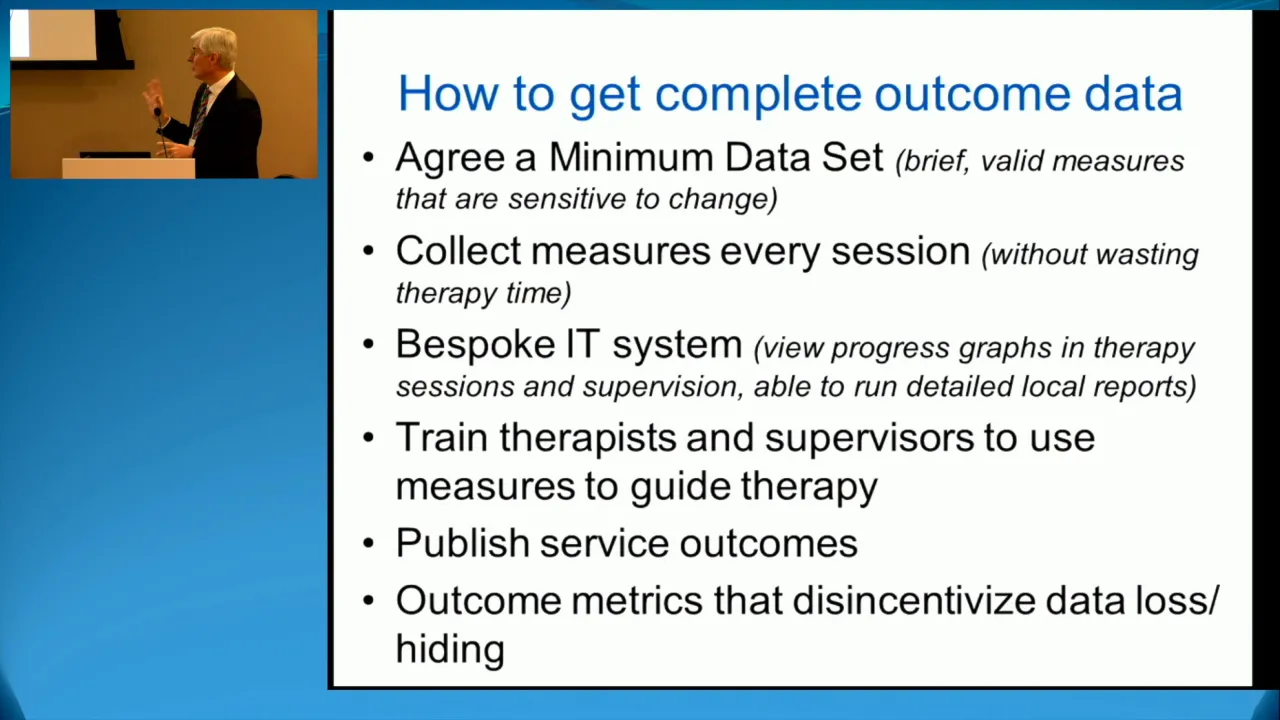
54:04
Psychology
Measurement-based Care in Psychotherapy Workshop - Future of Psychotherapy Conference 2019
UofTPsych
243 views•2019-04-25

51:52
Psychology
Dr. Carol Tavris — Mistakes Were Made (But Not by Me)
skepticmagazine
14K views•2019-05-02
Trending

13:38
Law
WOW! Judge TURNS THE TABLES on Trump in His OWN $10B LAWSUIT!!!
MeidasTouch
197K views•2026-07-23

13:25
Business
Playstation NO DISC/NO BUY Fight Is Over...
DavidJaffeGames
4K views•2026-07-23

22:40
Business
Steam and Xbox Just Dropped The Hammer On PlayStation
OhNoItsAlexx
9K views•2026-07-23

16:52
Anthropology
Americans Confused in Australia for 17 Minutes Straight
IWrocker
17K views•2026-07-23