Deep Vein Thrombosis (DVT) is a blood clot that typically forms in the deep veins of the legs or arms, while Pulmonary Embolism (PE) occurs when a DVT breaks loose and travels to the lungs; both conditions share the same underlying clot but differ in location and severity, with DVT symptoms including leg swelling, redness, and heaviness, and PE symptoms including shortness of breath and potential oxygen saturation drops, and risk factors include female gender, May-Thurner syndrome, obesity, smoking, cancer history, and family history of blood clots, with modern treatments now including percutaneous clot extraction and blood thinners as recognized cardiovascular diseases.
Install our extension to search inside any video instantly.
Weekly Wellness: Pulmonary Embolism & Deep Vein Thrombosis Care | Sponsored
Added:that one.
>> Today we're talking about two serious and often connected vascular conditions, deep vein thrombosis or DVT and pulmonary embolism known as PE. Now these conditions involve blood clots that can become life-threatening if not detected and treated quickly. And joining us today Dr. Dustin Harman, he's an interventional cardiologist and the medical director of Trinity Health's venous thromboembolic disease program.
He's going to explain all about it, who's at risk, how we treat it. Good morning, thank you for being here.
>> Good morning, thank you for having me.
>> Let's take them DVT and PE separately and how they're connected.
>> Okay. Uh just to break it down. So DVT is a blood clot, most often starts in the legs. Can uh occur in the arms as well and that's just a clot in the deep veins. When it embolizes or mobilizes I should say and it goes to the lung, then it becomes a PE. So it's the same clot, it's just a different location.
>> And symptoms, what are people feeling when this is happening?
>> So in the leg most commonly it's going to be something swelling, uh redness, um dilated veins, heaviness, a lot of fatigue where it feels like they're carrying something heavy. When it involves a lung it's usually shortness of breath. Uh their oxygen saturation may drop. They may have trouble breathing, their blood pressure may drop. That's when it becomes very serious.
>> Yeah and we did mention this can be life-threatening. So who is at risk for developing these types of conditions?
>> So the biggest people at risk uh population very under treated is definitely females. Um they can have anatomical variants called May-Thurner syndrome. There's also people that uh obesity, smoking, smoking you know, gets you everywhere. And then people uh that have a history of cancer or even a family history of blood clots can can uh have an issue with this.
>> So family history does play a role here and so do obviously the lifestyle choices as well and there's a gender uh consideration here as well. Treatments, okay. Obviously Trinity Health got some.
What what are we offering?
>> So what we can offer uh with the recent guideline change in 2026 the American Heart Association American College of Cardiology really identified this as a cardiovascular disease. So, what used to be years ago when I graduated medical school, hey, anticoagulation meaning blood thinners, see you later. It's no longer the case. Now we have ways to actually extract these percutaneously, not open surgery, but kind of through a needle poke and also blood thinners. But at Trinity we're we're doing this PE DVT clinic where we want to know why. We're going to work it out. We're going to figure it out and we're going to talk to hematology and see what we can do to prevent it.
>> Absolutely. Amazing treatments and being able to go in there and actually take the blood clot out. And of course this clinic is going to help find out the why. So, hopefully we can prevent in the future. If you're experiencing symptoms, maybe you've got concerns about your risk. Don't wait. You want to learn more? It's pretty simple. You can get all of the information you're looking for right now online. Just go to trinityhealthmichigan.org/dvt for more information.
Related Videos

0:19
Medicine
How Strong Are Breast Implants? Watch This Demo at LPH
londonprivatehospital
967 views•2026-04-20
4:16
Medicine
What is an Office Hysteroscopy? | Fertility Testing Explained at DIRM
DelawareInfertility
17K views•2019-05-06
13:25
Medicine
Pharmacological Management of Stroke Antiplatelet-Acute and Secondary Prevention
Learningin10
8K views•2019-03-04

3:25
Medicine
PMG - Pediatric Pain Management
EASTtraumasurgery
3K views•2019-07-01
20:29
Medicine
Anemia Symptoms And Treatment for Chronic Kidney Disease (CKD) patients
DADVICETV
27K views•2019-08-07
12:30
Medicine
Prostate Cancers and Mimics - Diagnosis
Pathologyminitutorials
3K views•2019-11-20

11:55
Medicine
Vitamin A for Vaccines & Viruses (including Measles!)
DrDavidMD
691 views•2025-03-11
4:10
Medicine
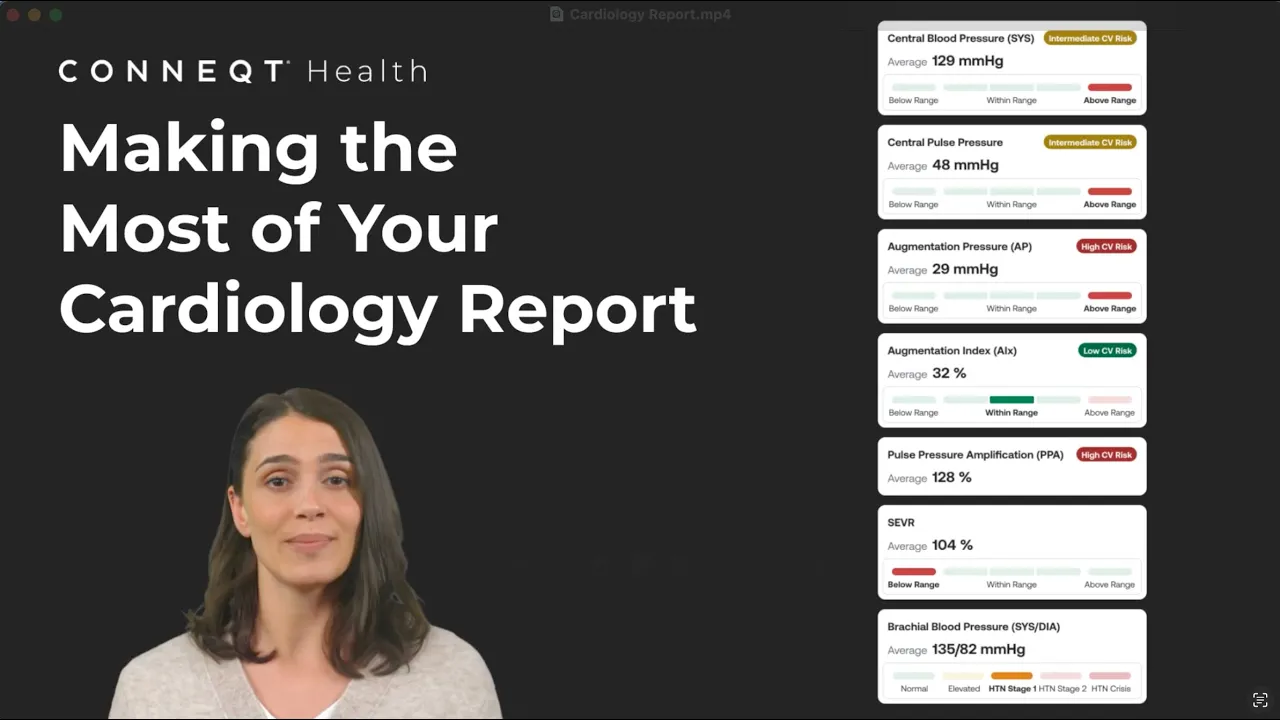
Making the Most of Your Cardiology Report | CONNEQT Cardiovascular Health Resources
conneqthealth
774 views•2025-03-04
Trending

13:38
Law
WOW! Judge TURNS THE TABLES on Trump in His OWN $10B LAWSUIT!!!
MeidasTouch
197K views•2026-07-23

13:25
Business
Playstation NO DISC/NO BUY Fight Is Over...
DavidJaffeGames
4K views•2026-07-23

22:40
Business
Steam and Xbox Just Dropped The Hammer On PlayStation
OhNoItsAlexx
9K views•2026-07-23

16:52
Anthropology
Americans Confused in Australia for 17 Minutes Straight
IWrocker
17K views•2026-07-23