In OCD recovery, embracing change and optimistic uncertainty means stepping toward your values despite OCD's resistance, rather than avoiding meaningful life experiences. OCD often latches onto any change, claiming things must stay the same because something bad could happen, but recovery involves learning to hold values flexibly while continuing to move forward. This approach requires exposure and response prevention (ERP) therapy, which helps individuals practice sitting with discomfort and making choices between stimulus and response, ultimately allowing them to thrive despite ongoing OCD symptoms.
Install our extension to search inside any video instantly.
Community Conversations
Added:[music] Well, hello there everybody and um apologize for being a little late honestly. I was trying to figure out how to play the music which I thought was kind of fun. So um really glad to be with y'all tonight. Um for folks who might be new or who I don't know, my name is Katie Odunn. I am an ordained minister and um interfaith chaplain and I work at the intersection of faith and OCD. But on this live stream, I'm really here to get to share about my own personal experience with OCD and to connect with all of you where you are on your own OCD journeys. So, welcome to folks. I'm going to go ahead and see.
Wow, we had folks on here long before um I got on here. I say see Beth here and Julian and Nathan and Robert um and Chris. Um so good to see y'all.
So really really happy to have y'all here. And um we're going to dive into some quick housekeeping before we get into our content for tonight. And love Lana y'all. Everybody everybody's here.
Um and Amy. Yeah. Will this live stay on here permanently? Yeah. So um Amy, it will. So after um this is done, it's going to be posted as a recording. So if folks aren't able to save the whole time, totally fine. All of these are recorded and are posted on the IOCDF site as well. Um so great question. But just really quickly want to do some quick housekeeping. Um and want to let everybody know that this live stream is educational and is not intended to replace therapy. For treatment related questions, please work with your provider or contact a local clinician.
You can use the IOCDF's online resource directory at iocdf.org/findhelp to locate a trained clinician near you.
If you have not checked out this resource before, please, please, please do that. It is one of my favorites. It's something that I recommend to folks each and every day. In addition, the International OCD Foundation is not a crisis hotline. If you're if you're in a crisis or if you're ever feeling suicidal or unsafe, please call the 988 suicide and crisis lifeline by dialing 988. You can also access online at www.n88lifeeline.org, go to your local emergency room or call 911.
And finally, we want to create a safe space. We want to be kind and respectful to absolutely everyone because at the end of the day, we are all here to support one another on this shared journey with OCD and life and everything in between. But a note with that that this is being broadcast on several social media platforms and it's being recorded. So, please keep that in mind as you comment and as you advocate and ask questions and all sorts of things.
So, just really excited to be here with you all tonight. Um, [laughter] watch what you say with your full name attached on YouTube. Yeah, Julian. Um, I I've had so so much stuff with my full name attached to it since um I started advocating in in 2020. So, it's Yeah, it's kind of it's kind of all out there now. I was realizing I think I'm on like a over a hundred different IOCF videos at this point with my full name on it.
So, it's it's it's [laughter] out there already. Um and um so all all of the things um [laughter] or from your future all the things. Oh, y'all are you're doing I'm having exposures in the wild just in this very chat. Um what area of Houston did Ethan live? I am so geographically challenged, Robert. So I I actually don't fully know the answer to that question. I was just going to say Houston, but I don't know specifically where. So I'm sorry for that. Maybe maybe if Ethan pops on at some point, he can um he can answer that question. But I wanted to Oh, and Peter, so good to have you here. Yes, thank you. Thank you. Thank you. We are This is such a beautiful message. Um grateful to be a part of a special community that supports one another with enormous compassion and understanding. Let's all keep advocating for resources and support for people with OCD or other mental health um disabilities. So, thank you so much for wishing everyone a happy and meaningful disability pride month 2026. beautiful message to kind of kick us off tonight because that's really what folks are doing as we show up here.
We are advocating and um I don't know, showing up for one another. So, did want to kick us off with a little bit of a theme here. It's similar to something that we were chatting about last week, but we'll kick off with that and then dive into any questions that y'all have.
Um, so you may know that community conversations with the IOCDF is sponsored by stick with the ick, which is a faith and OCD app and virtual community that I have the pleasure of leading with many amazing ickers who are joining us here in the chat tonight. And um, each week we usually have a theme.
We actually switch to monthly themes based on feedback. Folks wanted to spend a little bit more time with the themes.
So, we have the same theme that we had when we were on here last week when Ethan, if you were with us, was complaining about having themes because he hates themes. But, um, the theme right now is embracing change and optimistic uncertainty. And last time we were asking the question like, what does optimistic uncertainty look like to you?
And um, yes, this is where we say woo thesters. I love that. Yeah, 10,000%.
But what I specifically want to want to kind of ask y'all is what is a change that you are stepping into right now.
Regardless of what OCD says, and this could be a beautiful change, this could be a hard change. I think OCD can latch on to really any change whether it's it's um something beautiful or something challenging. Um so I want to ask and I'll put this up here for y'all. What is a change that you are stepping into right now regardless of what OCD says? [snorts] Um what do you think? What do you think y'all?
Curious what people have to say about that.
Yeah.
Okay, I'm already seeing some answers come in here.
Interviewing for a job and waiting to hear back from them. Yeah, that's a that's a big change. Um, and and definitely something I think that OCD can come along for the ride with, right, where there's all of this uncertainty that often OCD assumes is really scary uncertainty, but can actually be really beautiful uncertainty. So, we are thinking about you, Chris, and we're sending all the the good vibes as you as you hear back. And and we can't really wait to hear along. We really can't wait. Sorry, flipping words. Long day.
We really can't wait to hear along with you. Yeah.
Yeah. So, Julian, you're leaning on into going on autopilot in public. And I think in knowing you, I I kind of know what this means of this idea of um not picking apart or not trying to consciously plan out each move that you make in order to do things right or to keep people safe, but just letting yourself kind of live your life. And you can tell me if that's what you mean by this. And um this is kind of what I've assumed when you've shared this. And I I think the reason I assume that is that's kind of what it was for me. I used to very much feel like I had to I don't know be behind my eyes kind of directing and things like that. Um and that I had to kind of direct the life that I was experiencing because it was going to be really dangerous if I didn't. Um and I could possibly hurt people or I could do this or I could do that when in reality going on autopilot was kind of the biggest exposure.
Um Yeah. Yeah, exactly. Micromanaging or checking up on yourself 10,000%. Yeah.
So, I love that you want to lean into going on autopilot because OCD says like, "Oh my gosh, that's so dangerous."
When in reality, it's actually living life. Um, what a beautiful what a beautiful thing.
Oh, Nathan, I love this. Because of ERP, I'm getting better at not interrupting other people and letting them finish what they're saying first. That's awesome, Nathan. I love that. So cool.
That's such and I love this kind of tangible thing that we can see with ERP, right? As you're leading into treatment, the ways that you can see it kind of live impacting your life.
Oh, Norway, traveling for the first time in 2026, flying, staying at a hotel, lots of challenges. Yeah, this is such a great one, too. And again, these are all really cool opportunities for kind of this optimistic uncertainty in the midst of these changes. I love seeing these.
Really cool. Are there any others? We'll just spend one more minute here and then we'll kind of dive into whatever it is that y'all want to talk about. Um, yeah.
I've been working on not rereading sections of books because I have some weird and kind of exhausting compulsions with it. If I miss something, I do. I think this is so relatable um where folks feel like they need to read over and over again um or you know reread in particular ways to make sure that they fully understand or that they didn't miss something. Um so I love that that's something that you're leaning into working on. Um yeah and I love that others I mean don't love that others have the same compulsion because I know that's hard but love that we can kind of come together and and recognize that. Um this is great. much more at ease about going to gas stations for fill-ups and getting takeout food, wearing masks.
Yeah, I love that you're more at ease doing these things that are meaningful to you. I love that. Are there any others? Um, before we shift again, just one more time, if folks just came in, we're asking, what is a change that you are stepping into right now, regardless of what OCD says? Um, again, these can be good changes, these can be hard changes, these can be neutral changes, but OCD often says things have to stay the same.
Things things can't change. We can't do something new because something bad or scary could happen. Oh my goodness, what what does that look like?
Yeah.
Any others? And then I'm gonna actually invite folks um to share what you would like to talk about tonight. I have some ideas about some other topics, but um I would love to hear from folks. Where do you feel like you need support right now? And I kind of want to do this a little bit like AMA style, which we don't always do. We've kind of been topic, you know, drawn. I'm going to go ahead and maybe this is for better or for worse, but I'm going to go ahead and tell the folks if you want to start loading up questions. Um ask me anything about my experience about OCD, about something that you're navigating, or I should say ask me almost anything.
There's probably some things I I won't answer, but generally I'm a pretty open book. So, if you've been on these live streams and you've had a question about OCD, about experiences with OCD, about scrupulosity, about something that you're navigating and you have been nervous to ask it. Now is the time. I would love to have y'all start putting in your questions. Ask Yeah. AMA. Ask me. I used to actually put that when I would do um I used to do a lot of AMAs on Instagram and I would add an almost.
I'd be like, "Ask me almost anything about OCD, faith, advocacy, scrupulosity, and you know, there there may be some things that I'm like, maybe not." But [laughter] for the most part, I really am um kind of an open book. So, can pertain to you, your journey, OCD, anything else, and and would love to to really talk about that. Or if you just want to drop a ch a topic in the chat, we can do that, too.
Um I love this, Chris. I'm also starting to read more, which is a change. Yeah, that's awesome. I love that. Beth, thanks for sharing this. I used to have to trace over zeros and O's to make them perfect. I don't do it anymore. Yeah, Beth, I used to do that, too, growing up. Um, I actually remember my mom getting called into my first grade classroom because I would stay in at recess to do that exact same thing and to erase extra lines from papers to make sure everything was was right. And um, I love that. I don't know. I love that you're leaning into not doing that anymore. That's a that's a really cool thing. Um my OCD often keeps me very comfortable with a lot of um routinized behavior. So I've been challenging it. Peter, I love that. Wearing lighter color clothing, taking days off from work, waiting until tomorrow to return non-urgent phone calls. Peter, I just want to name this is so huge because I think with OCD especially I mean we can think about I can think about all of these things for me OCD made it feel like well I can't wear particular colored clothing because either it makes me too happy or I've had intrusive thoughts with this or you know this that and the other or I can't take any days off from work even if it um gosh even if I need an off day or even if it's supposed to be a vacation day.
used to feel like, well, everybody else can take time off, but I can't because I'm responsible or, you know, I'm me. We hold oursel to this higher standard. And then also the waiting until tomorrow to return non-urgent work calls. Um, I've been working on that even with emails because my email inbox gets a little bit um a little bit crazy. And um I think with OCD, it feels like but if I'm going to do a good job, I have to respond to this right now. And I love that you're leaning into doing something different and that you're really challenging the OCD. I just think that's awesome.
Okay.
Um, let's see. How do you feel about the strateg strategy of making rapid OCD progress by completely trashing your values? I actually don't. I know Chris asked what that means. I don't know what that means either. Um, if you don't know, I'm not going to teach you.
Julian, I want to know. Give me give me more about this question because I actually want to answer this and I'm thinking I mean if folks are wondering what even we're talking about with values values are the things that are significant and important to us that we want to step toward or that we choose to step toward even when we're having intrusive thoughts or feelings or challenging things that are coming up.
And I will go ahead and say um one of the tricky things with OCD um is it kind of attaches to our values.
Ah yeah, like if you care about people, you just stop caring about people. Yeah, I don't think it totally works like that.
So here's here's my take on that. I think that that would um in theory, right, OCD latches on to everything we care about. So, it's like, ah, you just stop caring about things and then OCD has nothing to latch on to. It will find a way. And I'm I I'm gonna get really meta with this for a second, Julian, because I feel like you would appreciate this. Um, I feel like because you would somehow like start caring about how much you're no longer caring about things and like OCD would somehow latch on to that and it would get like super meta. So, I always say, you know, it's interesting sometimes um but in a more serious response, the idea of stepping away from values um in order to make OCD smaller, I've seen a lot of people do um even in the case of relationships. I've seen people end relationships because their OCD is latching onto a partner or leave a faith tradition that's valued driven for them because OCD has latched on to it. Um or uh I've seen people leave a job because you know OCD was so intertwined with that job and they say well if I if I'm just not in this environment I've even seen somebody sell a house because they were having so many kind of obsessions and intrusive thoughts around a particular space in the house. And here's the irony is even by completely getting rid of that meaningful thing that OCD was latching on to it finds a way y'all. it it whittleles its way into into something else and it finds a way. So I always tell folks, you know, it'll it'll leapfrog and um I think actually the the rapid OCD progress that we're talking about is actually the flip side rather than trashing your values. It's how do we step toward our values anyway? Which is kind of this act mentality of what does it look like to let ourselves get really scared and let the intrusive thoughts and feelings be there and continue to step toward the things that we care about regardless and and that's a pretty beautiful awesome thing.
Yeah, it'll find a way to care about not caring. Yeah, that's exactly it. It'll get super meta. Um, yeah. I also think I have to wear certain clothes sometimes. I feel like I hate almost everything in my closet or it doesn't fit. It's like all my stuff my all all stuff my mom bought me doesn't fit and I don't like it. Yeah. I think, you know, OCD can it can get super sneaky with stuff where even um I I'll say at the faith and or not the faith in OCD conference, the IOCDF conference um just a couple weeks ago in Seattle, we were talking about even different types of contamination and even without cleanliness types of contamination, there are certain clothing or clothing or objects that we can feel disgust around. Um, and and it's so interesting how OCD can just come into all of these different things.
Yeah, Alex, you you said um what I was trying to say, except in a much more concise way. I think abandoning your values might just be a form of avoidance. I I think the real trick is to learn how to hold values but not hold them so tightly. I love that this idea of flexibility. How do we not hold things so tightly, but how do we hold them in a flexible way? Um, in a way where we can continue to step toward them. I I talk about and some folks have different thoughts about this term, but I love this term. Just like we would talk about psychological flexibility, I often say the same thing with scrupulosity around theological flexibility. What does it look like to still hold your faith with so much meaning, but not hold it so tightly that it feels like it's going to break and it's black and white and we have to know the answer, but with a little bit more flexibility.
Um, yeah. Yeah. And I love that folks are noting that that that piece of kind of trashing our values is this kind of avoidance piece. I love y'all are so smart. I love this. Um I've lost a few jobs because of my OCD.
I couldn't work as fast as they wanted me to. I think that can be so hard too.
And um first of all, I'm I'm really sorry that you know we're often in a space where um it feels like in the world we have to be productive to kind of a certain extent or or have to work at a certain speed and and I think that can be so tough and um and then OCD, you know, of course can come in there and make us feel really bad about ourselves and all sorts of things. And I I just want you to know that you are worthy of finding something that um that fits with you and where you thrive. Like everybody is so worthy of that.
[laughter] Yeah, the avoidance piece is much easier said than done. I've been working through a lot of this myself.
Yeah, Alex, I I'll say me too. I've been doing these live streams like um even beyond faith before faith and OCD work and everything like that. Um I've been doing these live streams since like 2020, 2021 with the IOCDF and there have been lots of periods of my advocacy where I've said do what I say, not what I do. So, we get to kind of lean into into this together. And I will say that y'all hold me really accountable for what I do in my day-to-day life because I often think, well, I'm going to get on Stick with Yik or I'm going to get on a live stream. I want to be able to say I did the hard thing with you. Um, yeah, Chris, that's such a great point.
Um, I also think we need ERP from a good therapist to help guide us in the ERP process to get to a point where we can know how to move forward. Absolutely.
And thinking about ERP and then also kind of these act concepts of of stepping toward our values, I think it's it's really important to note because I think sometimes people are really mean to themselves about like h but I can't sit with the discomfort and I can't move toward that. So what's what am I doing wrong? And it's like you're not doing anything wrong. You just don't have the skills and tools yet because you haven't worked on it with a therapist or with a hierarchy. And that was very much the same I think for me when I started my journey prior to treatment. um you know gosh I remember kind of understanding OCD because I had done enough work in psychology and things like that and I knew the stuff that I was experiencing wasn't logical but and I was really hard on myself about well I understand this so why can't I just stop doing it right like why can't I just move forward and I think that's where a lot of compassion comes in in recognizing that you know it's not about the cognitive with OCD it's about you know it's really about the behavior and changing our behavior.
Um, and recognizing that we can't do that without without, you know, the correct treatment. And if we don't have that yet, um, it's not something to be mean to ourselves about. Um, yeah, doing it on your own can feel too hard.
And folks areing with the job piece, too. Um, reassurance seeking at jobs becoming a big thing. Yeah.
Um, [sighs] yeah. So, there are a few therapists that take um who take Medicare that do ERP. Um now, this it depends on where folks are are located.
So, I know that that's kind of a hit or miss piece. Um but going back to that um original kind of piece, if folks have not checked this out, and this is more broadly, I'm sure I'm sure a lot of folks here are familiar with this, but there is actually kind of a click button dropdown. um where you can check different types of insurance. And I'm I'm on this like every day when folks email me and ask for referrals and you can search by location and you can even say virtual by location because there's some people who aren't in your location but can treat you virtually if they're a Scypack psychologist or if they're licensed in multiple states. Um but then I'll also click the Medicare box for folks. So that is something that you can kind of take a look at too for folks who um who haven't. So I know they exist. Um but yeah, like you said, Fort Worth might not be one of those the places. So I'm sorry about that, too. Um yeah, I think it's such an important thing to talk about affordable access to actually informed care as a big barrier that isn't acknowledged enough. Yeah, it absolutely. Um, and I think it's something that of course needs to be needs to be talked about a lot more. And while I do not have the answers to those things, um, I'm happy and honored to get to be a part of a lot of those conversations with folks and with providers. And, um, you know, it's really challenging because I end up working with with so many people, especially internationally, um, that don't have access to care. And it's so hard because I know often on these streams we talk so much about, you know, evidence-based treatment, first line treatment, second line treatment, things like that. And um I can imagine where there isn't always access that that feels I just want to acknowledge that it probably even feels frustrating when I say that. And that's that's okay.
Um and we want to continue to have these conversations. We want to make care even more accessible for folks. and where it's not. Um, I also want to expand access to things like virtual resources, affordable virtual resources, self-help programs. Um, in particular, there was an IOCDF live stream that we did. It was a few years ago now, but it's still really applicable and I send it to folks. Um, it it was with Reed Wilson and with Kimberly Quinland on their um, kind of self-help programs. And I always recommend folks to um Kim Quinnland's CBT school as well as Reedwilson's anxieties.com have some really great and affordable um self-help programs too. Um but it is something that we need to talk about. So I'm glad that that you're bringing that up.
Yeah, great question. Is treatment for OCD medicinal? So um I'm going to go ahead and drop a link in here for y'all too. So, there is an awesome new treatment guide out from the IOCDF and there are a couple different treatments.
One of them is actually medication, but here I'm going to drop this here so folks can follow along if they want to.
Um, if you haven't seen this, this is um this is a really great resource that a number of folks in conjunction and with the scientific advisory board actually put together um to make it easier for everyone to be able to understand evidence-based treatments um in a way that isn't really um detailed kind of research articles and analyses. So, um, if you end up taking a look at that, you'll, um, you'll see it kind of lists out firstline treatments, adjunctive treatments, second line treatments, and third line treatments. And then it also has kind of emerging treatments and things for pans and pandas specifically.
But the first line um gold standard treatments for OCD which essentially means the most effective and wellstudied um are exposure and response prevention which [clears throat] falls under the umbrella of cognitive behavioral therapy um which we often talk about on this stream um medication or combining ERP and medication together. So so medication is part of kind of this first line treatment. Now, often will encourage folks um to you know I always say for at least for me um it was actually engaging in treatment um ERP was such a huge step forward for me but the medication actually gave me space to um I don't know use the tools that I was learning. So I'll go ahead and say I had a lot of stigma around medication in my own life. I was working as a school chaplain when I was kind of in intensive OCD treatment and I was doing ERP and I was kind of getting better but I also wasn't and part of it was I was really struggling with the response prevention especially when intrusive thoughts came up when I was working with students and it felt instantaneous for me. It felt like as soon as I got the intrusive thought um I I don't know would do a compulsion. And what I found with the medication side was it opened up a little bit of space. Um Victor Frankle tells us there's a space between stimulus and response where we have a space to choose. Um, and I for this kind of thought medication gave me a little bit more space between stimulus and response or between obsession and compulsion to actually use the skills and tools that I had worked so hard on in ERP. So, I was really glad that I kind of put the stigma piece inside as aside as a minister and somebody in Georgia and an athlete and all these different things that were bouncing around in my head and it really saved my life. So, um that was a whole tangent, but um but if you check out this resource, it also talks about adjunctive treatments like acceptance and commitment therapy and DBT and mindfulness-based therapies. And then there's second line treatments as well.
Um and second line treatments are things like also ACT and ICBT, which we talk about here sometimes too, and metacognitive therapy. Um, so there are a couple different layers here, but I would really encourage folks if you have not checked out this resource yet to um to definitely do that. It's really, really great and honestly really easy to understand and to walk through and I think does a great job of summarizing.
Um, awesome. So good to see you. Welcome, welcome, welcome.
Yeah, and and Julian with with the Ybox getting worse. I mean, it's different for for each person, but I I sometimes think, well, and this goes back to I know Dr. Emily Bailey talks about this a lot, too, um this idea that ERP is really about the response prevention.
And sometimes we just call it exposure therapy, but really we're talking like exposure and response prevention or with response prevention. And she often says, you know, it's kind of little E and big RP. And I think what often happens um when I see folks getting worse or even for me it was like I could do the really big exposures and then I would go spend the rest of the day engaging in compulsions. So it was like well of course like my OCD was getting bigger, my my Ybox score was getting was getting worse. Um, and it was really when I learned to engage in that response prevention, to not do the compulsion, which Jillian, kind of like like you, for me, um, the medication was really helpful to give me space to do that. Um, and I love, Nathan, that you embrace therapy and meds. That's awesome.
Oh, this is a great question, too. Has anyone here successfully moved past years of misdiagnosis?
Um, I've been so stuck on that lately.
Yeah, this is a great question. Um, first I just want to kind of note that you're not alone in this and I think so many people in this community I know um Ethan will be here with y'all next week and he can talk about this a lot. He experienced this for an incredibly long time um and was misdiagnosed and then of course when he was diagnosed he wasn't given the right treatment. All sorts of stuff. But I think so many people with OCD are misdiagnosed whether it's with general um generalized anxiety or some people are misdiagnosed with psychosis.
Um and sometimes that's even just because a clinician doesn't fully understand how we're describing our intrusive thoughts like um we know that with OCD our intrusive thoughts are egoistonic. They oppose our values and often we can kind of recognize at least a small amount, right? That they're not they're not logical. They're not rational. Now, I'll go ahead and say my insight was pretty low at certain points in my own journey.
But when that insight was really low, I think for me, the way that I would say it wasn't so much, well, I'm worried that I might have killed someone and forgotten. I probably presented in a way where I was like, I think I might have killed somebody. And in that case, you know, I could see, I guess, how a clinician who doesn't know about OCD could say, "Okay, well, is she delusional or is she this or is she that?" And it's not a justification at all. It's it's not okay. Um, so many people experience misdiagnosis, experience trauma from misdiagnosis and from incorrect treatment. Um and I just want to validate we did a presentation at OCD con even on grief and the fact that we often um so many people grieve the time lost to OCD but also the time lost to misdiagnosis and to incorrect treatment. So if you are feeling stuck on that um I just want you to know you are so not alone. Um and at least for me how I've kind of navigated is um holding two things at once. And I think it's not being like, okay, it didn't happen. It's totally fine. And it's also not, you know, I'm going to be stuck in that space of of anger forever. I think for me, it's been um giving myself permission to grieve and be pissed and also, you know, still at the same time holding the gratitude for kind of knowing what it is that I know now and being able to step forward in that direction. And I think all of those things coming together can kind of offer healing. But I want you to know it's okay to not feel okay about about any of this and and to feel a little bit stuck on it. Um, and you're worthy of stepping forward and kind of moving moving forward with with treatment and with your life and with the correct diagnosis and just just want you to know that you're not alone. Um, and we're with you.
And hi, so good to have you. I love I'm seeing seeing lots of different folks pop on here. Um yeah, I'm and I'm seeing still this conversation on um on Texas.
Um yeah, I would for any resources Texas related. Um OCDI Texas, they can help with they're absolutely fantastic, fantastic, fantastic. I do a lot of work with them with faith and OCD. Um and it's one of my favorite places to send folks. um they also just sponsored the um the IOCDF conference and they're just amazing. So I even if it's not with them um I would highly recommend reaching out to them if you're in Texas um for really anybody here um for kind of resources in that area.
Ash and Ash, I have you an email. I'm behind on emails and I'm catching up so just so you know. But um so excited that you're here with us. And yeah, so um Ashton is going to be jumping on and co-hosting this live stream with me in two weeks. So y'all are going to be seeing some advertisements come out for that really soon. And we're gonna have so much fun. Ashton and I had an awesome time getting to hang out um at OCD con.
And it was just like the best.
Um, I see Nathan says, "I was correctly diagnosed the first time at age 25 even though I was born with OCD." Yeah, I think this is so common too, right?
Where um, again, well, and and we know there there are some different stats on this now, but that on average it takes someone 17 years to get effective treatment for OCD. Um, I was the same way. My earliest OCD symptoms were probably around the age of six, or at least that's as far as I can remember as I'm writing this book right now. Like I wasn't appropriately diagnosed until 25.
Okay. Anybody who's good at math, I'm out of the math game. 25 minus Okay, so like 19 years for me. Um and yeah, so kind of same same thing, Nathan. And it's it's so painful.
[sighs] First presented to a therapist at 28 and was diagnosed with OCD at 41.
Red Balloon, I'm so sorry. And it just it just sucks. And I know that's why we're all here and why we support one another and while we advocate and it is okay to grieve and to be pissed about all of those things.
Um yes, um Dr. Mackie does say that call the OCDI for anything, literally anything, because we'd rather someone get good resources. Yeah. Um that's so true. And that's I I really mean it.
So Texas folks were non-exist folks. um good everybody there is is awesome. So I consult with them on I'm their consultant for for um religion and OCD which means I get to connect with a lot of the team there and literally every person there on staff is just stellar.
Um so yes please please um do that if you are looking for resources in Texas.
Um, yeah, and that's that was kind of the piece, reaching out to them to see if they know someone in the area, which sometimes they they do. And Ash, yeah, folks are excited to have you on here.
That's going to be awesome.
Okay. Okay. I think I hit all the questions so far. Um, I have questions that I can ask y'all, but I'm curious, any other questions for me? And this can pertain to your personal OCD journey.
This can pertain to what is going on with you right now with that journey. It can pertain to past. It can be about treatment. I said at the beginning for folks who just came on, it's like an ask me almost anything. So, if you just have like this random question about why is this polka dot on your wall or it could be about my OCD journey, it could be about the IOCF, it could be about scrupulosity, really anything. I'm curious any other questions. Um, and if not, I'll give this like 30 seconds where I will sit here in silence and be uncomfortable with it because I really suck at silence. But if you don't have any, then I'll go on to another topic, too. But I was trying to be a little more flexible like Ethan, who doesn't who doesn't like our themes and um [laughter] prefers to leave it freeblowing as somebody who typically plans everything. Okay, I'm looking. I'm not seeing any more questions.
All right, be awkward here. I'm going to sit here for just a second. Oh. Oh, I see questions. Okay, thank y'all. And you didn't have to do that. I do have other stuff I can talk about, but I'd rather talk about what you want to talk about.
Um yeah, OCD and rooccd. What's the best way to help someone understand about OCD? Um so first of all, if folks are wondering what rooccd is, our OCD is relationship OCD. Um, and as as folks here know, OCD um comes in all sorts of different [laughter] gross artificial flavors. And yet it's the same OCD can latch on to what we care about. As we already talked about this on this stream with values, which might be our relationships, it might be our pets, it might be our faith, it might be our morality, it might be our safety. Um, but when we have relationships that we deeply care about, OCD can really come in there, too. And those can be romantic relationships or they can be platonic relationships. That can come in a couple different ways. So, first of all, with that, um, I do think, and I love this question, what's the best way to help someone understand about OCD? Um, I think that there's kind of twofold, especially in a romantic relationship.
There's the piece for the one experiencing the rooccd to be able to kind of really lean in with their therapist and with their treatment to doing some active exposures and specifically active response prevention with their partner where they're not asking for reassurance if um you know if it's the perfect relationship or if they're loved enough um or where they aren't trying to change themselves to be like their partner or when where they aren't I mean this can take on so many different forms. forms. But I think the other piece is having your partner or the person you're in a relationship with um understand OCD so that they know how best to offer you support without reassurance. And I want to be clear, this doesn't mean that they are becoming your therapist. Um and Ethan and I as a couple with OCD, we talk about this a lot that we don't want to be each other's therapists. We want to be each other's partners. But it is really important for both of us to know how the other person's OCD manifests. So I think sharing resources can be such a great thing. It might be sharing live streams like this. It might be sharing virtual communities um and virtual courses. Um it also might be sharing specific books.
So I love and I'll drop this in the chat.
Um this is my favorite book to recommend to family members. And of course, this is going to give me like some crazy long link. Is there a shorter link for this? Hold on. Thank you for your patience. Um, man, I hate when it does this, you know, when it gives you the ridiculously long link. That's hard. There there has there has to be a better way. Okay, I'm just going to put this in. I think this one's better. Um, so this is called Okay. Oh, cool. I made it a shorter length, so that should theoretically take you there. [laughter] Um, it's called When a Family Member Has OCD. Um, and it's by John Hersshfield, who is amazing. The Ford is by Jeff Bell, who is also amazing. And it's mindfulness and cognitive behavioral skills to help families affected by OCD.
And it does a really great job both of explaining OCD, but also explaining how to support a loved one, which can be really, really awesome. Um, so feel free to check that out. Um, again, when a family member has OCD by John Hersshfield and I just dropped kind of that short link in there.
Um, another great question, are imagininal exposure scripts effective?
Um, so yes, um, it's something that that clinicians use often with ERP and, um, I think, you know, there are lots of different ways to engage in exposures. I will say for me there were really concrete tangible things that I was doing. Um but imaginal scripts were also really necessary for me and they're necessary for for a lot of people because there's some things that you can't necessarily go out and do tangibly. There's um fears that are hard to kind of put into practice in front of you. Um for me, you know, I had a lot of false memory related OCD and there were some things that I could do in order to kind of bring that up. Um, but a lot of it for me was um imaginal exposures and was scripting. Um, and I I think it can be incredibly effective. It it definitely was for me. There's, you know, some people who say, "Well, I can't get myself quite as anxious when I'm doing the script as as in real life or anything like that." And I I always tell folks, you know, it's still going through that process and practicing your skills and tools to be able to engage in response prevention. Um, there's also a lot of different ways of scripting. Um, I know some people will write out a script. Some people will read a script.
Some people will look in a mirror and say, "I may or may not have blank." Or, "I may or may not have blank." And kind of go down the line and make it scarier and scarier. Um, and I will say, you know, and even for some people it's doing some exposure scripts with someone around them. I mean, there's all sorts of different layers. Um, but I will say a big portion for me personally, just anecdotally, of my recovery was thanks to the exposure scripts and then the response prevention that I engaged in in after. So, um, keep keep leaning in keep leaning into that.
Yes. Have you gotten triggers from books or movies? Um, absolutely.
And, um, it's been it's been a little while, but this used to be really common for me. I'll say I I work with a lot of people and have a lot of people um you know that I'll meet with who navigate scrupulosity that have this come up or even with social media that'll get triggered based on something they see on Tik Tok or kind of a scary spiritual message and and things like that. So this definitely comes up for me. Um it used to really be about harm related stuff. Um, and so I'm like kind of a horror movie buff person, which might surprise you or maybe not. I'm not sure.
Um, Ethan hates them, but I love scary stuff. And I've also always loved crime dramas and everything like that. Um, so I always loved watching Law and Order SVU. And um, interestingly enough, when we were in New York a couple weeks ago, I got to see Marissa Hargatee in a onewoman show, which was awesome.
Sidebar, she plays Olivia Benson. Sorry, no one needs to know that. I don't know why I'm sharing that. I'm just excited.
But um when I was really sick, it was one of the things, and it sounds so small, but it really wasn't. SVU was something I'd watched since I was a kid, and I couldn't watch it because it would trigger me so much. And I would watch it, and it kind of also became in some ways compulsive. I would do compulsions while I watched it, but it would also trigger me because I would watch it and I would think, well, what if I'm like the killers in the show? Or what if I'm like the bad people? And then I would kind of watch what they were doing and I would try to think, well, could I do that? Or like, how do I feel about that?
Am I getting like a weird bodily sensation while I'm watching that? Do I feel like I would want to do that? Oh my gosh, am I not disgusted enough about that? So, I'd kind of like test myself throughout and I would finish and I would so [snorts] think that I was just as bad as any of the people in the shows. It was some of the things that led me to kind of confess to the police for crimes I hadn't committed just because of things that I had watched on Law and Order. So, yes, yes, yes, yes, yes. And imaginal exposures, kind of going back to the previous question, really um kind of saved my life with that.
Um Nathan, I've avoided getting into a relationship because I know it'll cause me too much stress. And I want folks to know too, I mean, so valid. And I know we've talked a little bit about avoidance. If you want to get into a relationship, if that's meaningful to you, um, you are deserving of that. And I really believe this is kind of an act piece, too, of how do we step toward those things that we care about, including relationships, even when we know it'll trigger OCD. Because if we think about if we avoid doing anything that could potentially trigger OCD, we're not gonna do anything ever. Like I if I decided right now I'm not going to do anything that triggers my OCD, um I would probably go sit in that corner um for the rest of the night and I would still somehow have something that comes up as a trigger. And I always like to say even in recovery, it doesn't mean I don't get triggers. It just means that I choose not to engage with them. I won't tell you what it was, but I've had a couple things that have come up even in the stream with things that folks have posted that I've been like, "Oh my gosh, that's a trigger." And I've made the choice in my head very consciously to say, "Okay, am I going to read that again? Am I going to ruminate about that or am I going to practice what I preach right now?" And I had one point earlier in the stream when I was like, "Okay, bring it on, OCD. Yeah, the scary thing might happen." Cool. Yeah, maybe. Maybe reading this here, maybe. Maybe that's going to make it happen right now and I'm going to do it anyway because I don't want to avoid I don't want to avoid going on live streams with y'all.
I don't want to avoid my life. I don't want to sit in that little corner over there. Um and I just want y'all to know that you are are so deserving of of doing that, too.
Um yeah, Julian, great question. So, um I think it can be I mean I love clicking the little BTTI check mark on on the on the directory. I think it definitely helps you know that they are, you know, they are trained, that they do actually know OCD, they do know ERP, they do know what they're talking about. So, I think that is a great thing. That's one of the things that I'll kind of look for when I'm vetting, but it isn't one of the only things. Um, we there's great therapists who aren't BTTI trained um just because the wait list is super long and it takes a long time to get in. So, if somebody's not BTTI trained, and I'll I'll do this regardless of if they are, they aren't, I'll kind of dive into the website still and see, do they know ERP?
What do they say that ERP is? Um, how much of their practice is OCD related?
There's a great great resource by the IOCDF on kind of questions to ask a prospective therapist. Um, I tend to lean a little bit more on that. So, again, it can be great in terms of a checkbox and kind of a star. BTTI is awesome, but it isn't the only thing.
And if your therapist isn't BTTI trained, it doesn't mean um that they're bad or that they're not qualified. I know many awesome therapists who have been just on the BTTI weight list for a while, too. So, just just want you to know to know that. It doesn't mean to to count them out.
Um yeah, Jeff Bell's keynote. Oh, I can't I can't remember what year that was, but that was that was awesome.
Um, oh, great question. Yeah, can you tell us more about the faith and OCD conference? Um, I swear I didn't plant this, but I'm I'm really glad you're asking because I'm really I'm really pumped about it. Um, so yeah, on October the 29th, so in just a couple months, there is the annual faith and OCD conference. Um, this year it's going to be presented on the stick with the platform. um and in partnership with the International OCD Foundation. Um and it's the sixth annual faith and OCD conference and it is a full day virtual event. This year it'll start around 11:30 a.m. Eastern time because we try to make it so our our West Coast friends can attend and then um a lot of our abroad folks can still make it. So, we try to do it in kind of this the best window possible, but it'll start around 11:30 a.m. Eastern and go um until around 700 p.m.ish Eastern, which I know for some of our international friends is a little late, so I'm sorry. But um throughout the day, there is um an interdisciplinary keynote. There are population panels where you get to learn either if you're a clinician, you learn from other clinicians. If you're an individual with OCD, you hear from others with OCD. If you are clergy, you hear from other clergy and then we have interdisciplinary sessions the rest of the day where you get to go and you get to watch on particular topics related to faith, OCD and scrupulosity and kind of learn from perspectives across different traditions with faith leaders, clinicians and um and individuals with OCD kind of talking about these things.
And then we close out with um kind of these um small affinity groups where you get to meet with others from your faith tra traditions in in specific groups.
And we also of course have groups for folks who don't identify with a particular faith tradition or who are atheist and agnostic. So it's it's a really inclusive day. And um I'll go ahead and say I'm finalizing with the team the schedule for it literally right now and we're doing our best to be um you know really inclusive and to make it just a diverse event um across traditions and across disciplines and treatment modalities. So would love to have y'all October 29th and um August 15th I believe is when our registration for the conference opens. And so we'd love to have you as a part of that and you can find that at faithandoccd.comconference.
Um and we actually have a place there too where you can go ahead and register to get notified as soon as the registration opens.
Um yeah totally Chris. H happy to do that.
And again, um, OCDI is like the the biggest the biggest one. Um, but I'm happy to put together a list, too. So, we we can absolutely talk about that.
And Julian, if you want to reach out to me, too, with kind of what would be helpful and and what you're looking for, if you want to shoot me a message, happy to put together anything for you. Um, yeah.
So, yeah. So, Rob, I use imaginal scripts, which I pair with relaxation techniques as practice before some exposures. So I think relaxation techniques can be such a beautiful thing. The only thing I I want to clarify for folks and that was a really relaxation stuff actually and mindfulness and meditation has been huge for me. Um is I just want to want to let folks know the only piece is for us to not pair the rel to not use relaxation techniques kind of during our exposures or right after the exposures which sounds really bizarre. Um and that was one of the things that kind of threw me for a little bit. Sometimes I would do an exposure early on and then I would meditate right after and then I would I kind of use that in a as a in a compulsive way to bring down the anxiety. And the fortunate or not so fortunate thing about ERP is the whole point is intentionally for us to get anxious. We want to make ourselves anxious so that we feel icky and can literally stick with that ick as we do the response prevention. So I just want folks to know yes relaxation techniques, mindfulness meditation so awesome. Um, just remember to not do that like during or right after you're engaging in your exposures. Um, because we want you to get to to practice, right, using um or allowing those really challenging feelings to be there in favor of moving towards your values.
Um, yeah, Rob, yes. Um, hate hospital TV shows and that kind of thing. Yeah, that's another one that comes up for folks. So, I'll say um many of y'all know Ethan has health anxiety and we were watching The Pit and he was so funny because this is more recent and y'all know he's in recovery and all sorts of things, but it was it was kind of funny. We were watching the most recent season. I'd be like, "Are you sure you want to watch this with health anxiety?" And he'd be like, "Yeah, I'm fine. I'm totally fine." And we'd start watching and be like, "Oh my gosh, do I have X, Y, and Z?" I'm like, "No, Ethan, you actually no, I didn't say that. I didn't reassure him." I was like, "Maybe. I don't know." But yeah, that can be so challenging from a show perspective. Yeah, the self- testing piece. Yeah. Um, yeah. Yeah. It's so interesting. And folks are talking about TV shows that help them recognize that they had OCD and that can be such a beautiful thing.
There are some portrayals in the media that aren't as great and then there's some that are really beautiful where people recognize for the first time they had OCD. I've heard from a lot of people that even Liz Mackingvil's um advocacy early on was the first time that they saw OCD on TV. Like she was kind of the original advocate for so many of us. Um yeah, and and I think like you know Julian with this I mean it's literally when I say stick with the ick it's what I mean. It's it's um [clears throat] allowing those really challenging thoughts and feelings to be there in favor of moving toward what we care about. So yeah, even if it feels like you're dragging them around, going out and doing the thing anyway. Exactly.
Please recommendations for help for my cousin who has Medicaid and magical thinking OCD on disability. He needs OCD specific help. Yeah, Jamie, thank you so much for sharing that. Um, I'll put back up one of the things we had shared a little bit earlier and that we've talked about a couple times on this stream is um, this locate a provider resource. Um, if you have not checked this out yet, you can actually search by specific um, location, by specific space. Um, and you can even specifically search by insurance, which includes both Medicare and Medicaid. Um, and that can be really really helpful. Um, I I just kind of want you to know that you are are so not alone and I'm so sorry for for your cousin. Um, the magical thinking OCD piece can be can be so hard and um, that's something I know that can often while it's just another gross flavor of OCD can be misdiagnosed, I experience magical thinking, too. Um, and he absolutely needs specific OCD help. So, I would encourage you um to check out the resource directory and to make sure he's getting in with a provider who's trained in OCD, who knows ERP um and and can really offer support in that way. Um and of course, if you have trouble navigating that resource, um feel free to reach out to me directly, too, and I'm happy to send anything for that as well.
Yeah. Are there support groups who experience multiple OCD themes? Um, I think this is I don't know if this was in reference to a specific thing or this was just in general. I'll say yeah absolutely. So, [laughter] ironically, even in Stick with the Ick, which is a faith and OCD related app, um I we have a lot of icksters here, so you can chime in for this, but I think pretty much everybody experiences a lot of different themes. I actually think it's um really common for most of us to experience a lot of themes because we're complex, unique individuals, right? we have a lot of stuff that's important to us for so a lot of things that OCD latches on to but yeah lots of support groups individuals experience multiple different themes um even support groups that might seem like they're about a particular topic um I would say usually everybody kind of shows up and is like oh yeah I have that flavor and this flavor and this flavor and this flavor yeah um Nathan that's awesome my ERP is concluding and congrat Congratulations.
I mean, that's that's really I know that takes such hard work and I know you've already shared tonight some of the wins that you've had kind of leaning into that. So, my therapist and I are working on relapse prevention. I think it's so great and I also love that you have a therapist that's focusing on that. Um because I think it's it's it's so helpful and so important to know, you know, beyond treatment, okay, what does this look like? Because I'll say for me kind of the biggest challenge was I left treatment. I was like, okay, great. I don't have OCD anymore. It's gone. I never have to worry about this again.
And then it like hit me like a freight train. And I think it's really helpful to recognize um ju to steal the phrase from John Hersshfield's article from many years ago, the cure to OCD is knowing that there is no cure. And this idea of yeah, this is something that's going to be with me. But by using my skills and tools each and every day, it never has to get in the driver's seat again. I can thrive and live this really awesome life where I really am free from OCD by continuing to use my skills and tools. And I think that's where that relapse prevention piece really comes in where we get to kind of set those expectations. And Nathan, I just think that's awesome.
Yeah. Oh, I've never heard of that.
Phoebe and Wonderland child. Okay, I'm writing that down.
Okay. Um because I'm actually kind of curious about about watching that myself. So, thank you for sharing that.
>> You were on TV with Dr. Jenny. Okay, I'll have to tell Ethan that. So, y'all might know Dr. Jenny was like Ethan's mentor and he called him dad and all sorts of things. They were very close and love loved Dr. Jenny. Um, that's so interesting, Rob. Like, so cool. What a what a cool fun fact. I feel like that should be like your party fun fact.
That's really awesome.
Yeah. Yeah. Yeah. And I think like so many of us growing up, we didn't know necessarily that that things that we were doing were abnormal. Um and and how would we? It's we're just experiencing I don't know what we experience in our brains. Um so that's still cool that it was a long time ago, Rob. I love that. Um awesome.
Well, thank y'all for kind of just a fun, free flowing stream tonight. I tried to embrace using a theme and then kind of kind of flying by the seat of my pants like like Ethan does. TBD, I don't know. I'm I'm a planner, so so who knows? But um this was really fun. So, thank you all so much for for being here and just to offer a couple announcements really quick. Um I do want to Oh, hold on. I see another question. It's okay.
Well, we're gonna we're going to do one more before we sign off here.
Oh, Don, I'm so sorry. As a new widow, the rumination and grief has been hard. Um, can I just get a little you are not alone from fellow OCDers who may know how hard it is to go through this. Um, first of all, Don, I'll just say, yeah, as Christa said, you are you are not alone. I'm so incredibly sorry. Um, and I think grief anyway is incredibly incredibly challenging. Um and then OCD comes in there and um just takes it to a whole another level.
Um, I'll say my experience with grief and OCD was I I lost somebody really close to me in a really um kind of traumatic way and OCD latched on to it with um rumination and I had trouble actually grieving because it took on all these different forms with as OCD does like responsibility and things like that. And um it was just I just want you to know I'm so sorry for your loss and and you are not alone at all and um you are so deserving of you know self-compassion and and taking space to to grieve and not in the way that OCD wants you to grieve um but in a way that's authentic to you whatever that looks like. Um, I'll also note just three weeks ago, um, there's a publication, um, that I had the pleasure of being a part of, but it's led by Caitlyn Pinciotti, um, that we just put out actually on grief and OCD. Um, and it may be something that's interesting to you or anyone else who's interested in this in this topic. Um, and it specifically looks at again the experience of of grief and and OCD. And we actually presented we did a virtual presentation on that at the recent conference. So anybody who you know signed up for the even the virtual conference you can actually go back and watch that too if that if that feels helpful. But um I was reflecting a lot on that kind of from my own experience and Don I just wish I could um give you the biggest [snorts] most most giant hug. Oh I can actually drop let me drop the article. I think I still have um the link to it.
Hold on. Oh, the links are weird in Okay, let me just tell you what it's called. Sorry y'all. Hold hold hold your horses [laughter] just a second.
Um I'll drop the name of it. How about that? Um so that folks can look it up if you're interested. Yeah, it's called um characterizing grief and loss and obsessivempulsive disorder development and validation of the loss and OCD symptoms scale. Um and then the presentation um in the virtual conference if you want to go back I think was just called grief and and OCD.
Um but but sending you big giant hugs um and I love I love the I love the love that I'm seeing in this community. Yeah, Don, we are we're all we're all giving you you big giant hugs. Yeah, thank you all for um Oh, Kevin, thank you so much. Um that was that was a really that was a really fun one. Um and I think it's a topic that really means a lot to me. And I I say fun in the way of it was also kind of it's emotional stuff to talk about, but it's um that's one of my favorite topics. So, we're planning I told you we're finishing the faith and OCD conference lineup and we're planning on doing kind of a grief piece in that too. So, we'd love to have folks there as a part of that with a a session for sure on grief.
Okay. All right, y'all. So, as we close out tonight, do want to note that tomorrow back here with Chris Tronson.
Um, you can different time, same place, 12:00 p.m. Eastern. There's Ask the Experts and he would love to see y'all here. Also want to note that the IOCDF is a donorupported nonprofit. So, if you're enjoying this and programming like this, you can consider making a donation to the IOCDF at iocdf.orgdonate.
Um, and finally, um, this live stream is sponsored by Stick with the ick. Um, it's a Faith and OCD virtual community and app that I have the pleasure of of leading with so many awesome humans here. So, if you're interested in joining us, you can head to faithandoccd.com.
Um, we have a bunch of events the rest of this week from support groups to a live stream later this week and beyond.
So, we would love to have you. Um, so as we close out, just thank y'all so much for showing up, for sharing your stories. And I think, you know, it's always kind of neat because this live stream, I don't see it as like me. Yeah.
All the say woo. Yeah. I don't see it as as me and Ethan on here talking. It's us literally having a conversation. And, you know, Ethan founded Community Conversations years and years ago. and it's kind of gone through some different iterations. But I'll say Tuesday nights are one of my favorite parts of the week of just kind of coming back and seeing the same um names and you know faces because I know a lot of your faces in my mind too and just um getting to have these conversations. So wouldn't be the same without you. Thank you all for showing up as you do and advocating um sharing your hearts, sharing your stories and we look forward to seeing you next time. Next Tuesday it'll be just Ethan and then the Tuesday after it's going to be me and Ashton. So, can't wait to see you there. Bye, everybody.
Related Videos

0:39
Psychology
Inside Ronaldo’s Team Meeting
RonoSphereCR7
1K views•2026-04-17

7:25
Psychology
You Are Not So Smart: Chapter 4 Hindsight Bias, What is it?
TheBey8nD8
230 views•2019-09-15
49:35
Psychology
Sigmund Freud's Mind - Master Your Inner World (Your Unconcious Mind)
Ngaslife
1K views•2025-01-25

11:29
Psychology
What affects your mood?
RandyPaterson
602 views•2019-05-16

3:45
Psychology
Can you outsmart this logical fallacy? - Alex Gendler
TEDEd
2164K views•2019-11-25

1:02:21
Psychology
Understanding the Relationship between Fear of Falling and Mobility in Older Adults
fallpreventioncommunityofp3788
823 views•2019-04-08
54:04
Psychology
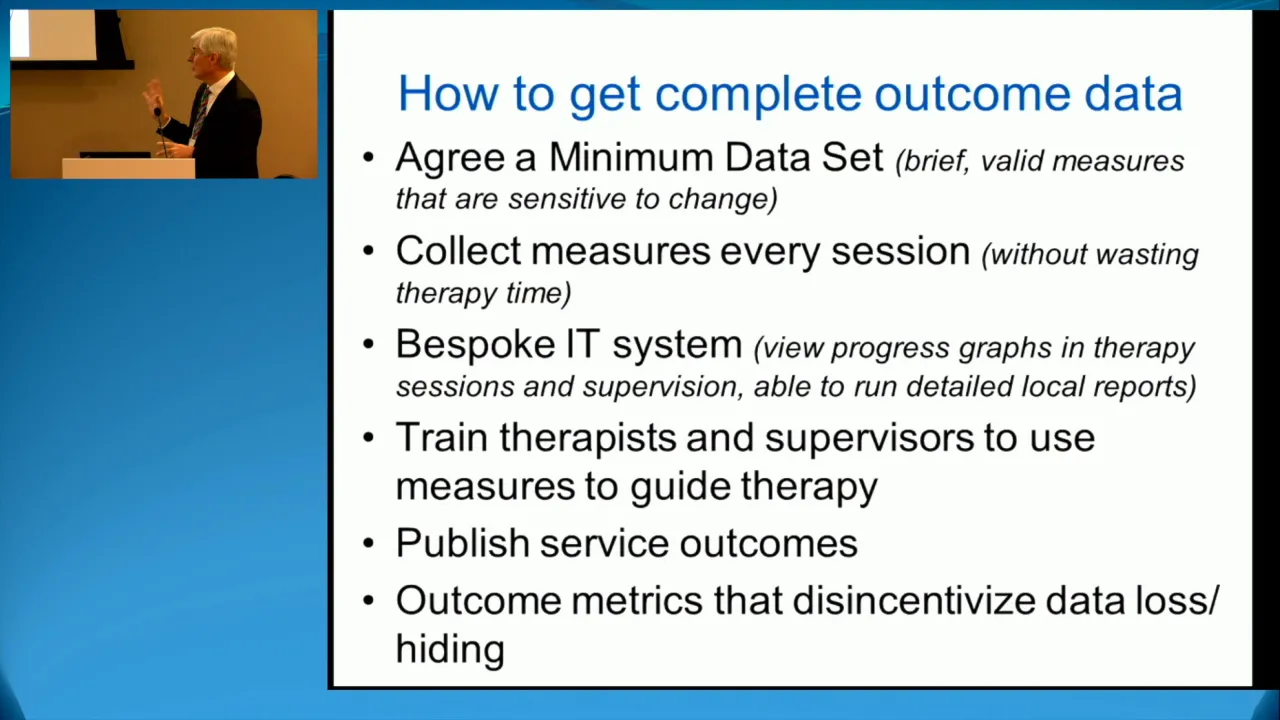
Measurement-based Care in Psychotherapy Workshop - Future of Psychotherapy Conference 2019
UofTPsych
243 views•2019-04-25
51:52
Psychology
Dr. Carol Tavris — Mistakes Were Made (But Not by Me)
skepticmagazine
14K views•2019-05-02
Trending

13:38
Law
WOW! Judge TURNS THE TABLES on Trump in His OWN $10B LAWSUIT!!!
MeidasTouch
197K views•2026-07-23

13:25
Business
Playstation NO DISC/NO BUY Fight Is Over...
DavidJaffeGames
4K views•2026-07-23

22:40
Business
Steam and Xbox Just Dropped The Hammer On PlayStation
OhNoItsAlexx
9K views•2026-07-23

16:52
Anthropology
Americans Confused in Australia for 17 Minutes Straight
IWrocker
17K views•2026-07-23