Avoidant attachment individuals often experience relief and emotional distance during no contact, but this silence frequently masks complex internal emotional processing that may surface much later than expected; their outward calm does not necessarily indicate emotional indifference, as suppressed feelings can resurface when the nervous system feels secure enough to process them, making no contact a period of hidden emotional work rather than simple disinterest.
Install our extension to search inside any video instantly.
What Avoidants ACTUALLY Go Through During NO CONTACT (My Surprising Discoveries) || Gabor Maté
Added:Silence creates powerful assumptions.
The moment communication ends, one belief spreads faster than almost anything else. The avoidant simply closes the door, forgets the relationship, and keeps moving forward without looking back. That conclusion feels simple. Yet, human emotions rarely follow a simple path. Behind quiet behavior, there can be conflict, emotional pressure, delayed reactions, and thoughts that remain completely hidden from the outside world. The greatest surprise is that silence does not always reveal peace, confidence, or emotional freedom. In several cases, it hides a mind trying to regain balance while pushing difficult feelings far below the surface.
This hidden process explains why some responses appear almost immediately while others stay buried for weeks or even months before finally reaching awareness.
Attachment research and years of psychological observations suggest that emotional timing differs from one attachment style to another. And this difference changes the entire meaning of no contact. The person who appears calm today may be facing emotions much later, long after everyone else assumes the story has ended. That discovery challenges one of the biggest myths surrounding avoidant attachment.
Throughout this video, you will uncover the emotional stages that avoidance commonly experience during no contact, why relief can exist alongside loss, why delayed emotions confuse both partners, and why silence alone tells only a small part of the story. You will also learn why two people can experience the exact same breakup in completely different ways, even though both care deeply about the relationship. One important fact often overlooked is that attachment style is a pattern of emotional protection while personality reflects um a much broader set of traits, values, and behaviors. Treating those two ideas as the same leads to misunderstandings that create even more pain. Early childhood experiences, repeated emotional lessons, the ability to regulate feelings, and a deep fear of vulnerability all shape how an avoidant responds when closeness disappears.
Every avoidant carries a different history, which means every journey through no contact unfolds differently.
Some seek relief first. Some feel emotional numbness. Some slowly begin reflecting after enough emotional distance allows buried feelings to rise.
Others continue protecting themselves because vulnerability still feels unsafe. These hidden patterns rarely receive the attention they deserve. Yet, they explain why outward behavior often tells an incomplete story. By the end of this video, you will understand why silence can be misleading. Why delayed emotional processing creates confusion, which signs actually matter, and why lasting change depends on far more than a single message or a sudden return. The final section brings together surprising psychological insights that could completely change the way you view no contact and avoidant attachment. Stay with us until the end because each stage builds on the previous one, revealing a deeper understanding that very few discussions fully explain. Welcome to our channel where psychology, attachment, trauma, and emotional healing are explored with clarity and evidence. If this kind of content helps you see relationships from a fresh perspective, subscribe and join our community for more thoughtful conversations that uncover the hidden side of human behavior. No contact often feels completely different for an avoidant because emotional closeness and emotional safety are rarely experienced as the same thing. For someone with an avoidant attachment style, intimacy can quietly activate stress instead of comfort, especially when a relationship becomes deeply emotional. This pattern usually begins long before adulthood.
During childhood, emotional needs may have been ignored, dismissed, or met with inconsistency, teaching the nervous system that depending on another person carries emotional risk. Over time, the brain adapts by valuing self-reliance above connection. From the outside, this can look like confidence or emotional strength. Yet, inside it often serves as a protective response rather than a conscious choice. When no contact begins, the sudden absence of emotional demands can create a feeling of relief because the nervous system senses fewer situations that require vulnerability.
That relief is real. Although it does not necessarily mean love disappeared or the relationship lacked importance. It simply means the body has entered a state that feels more familiar and easier to manage. Independence becomes the place where emotional balance seems easier to maintain. Daily routines, work, personal goals, or solitary activities can become ways of restoring a sense of control after emotional intensity.
These habits are often mistaken for signs that an avoidant has moved on immediately. Yet, they frequently function as coping strategies that reduce inner discomfort rather than erase emotional attachment. Another misunderstanding appears when people confuse emotional suppression with emotional absence. Suppression means feelings exist but remain pushed outside conscious awareness because acknowledging them feels overwhelming or unsafe.
Emotional absence would mean those feelings never existed in the first place and that is a very different experience.
Research on attachment and emotional regulation suggests that people with avoidant tendencies commonly reduce awareness of painful emotions during periods of stress, allowing them to continue functioning while deeper feelings remain in the background. This explains why relief and sadness can quietly exist together. One part of the mind enjoys the reduced pressure while another part still carries memories, affection, disappointment, or grief.
These conflicting emotions rarely appear at the same time with equal strength making the inner experience difficult even for the avoidant to understand. The nervous system plays a powerful role in this process because its primary goal is protection. When closeness has been connected with discomfort in the past, creating emotional distance becomes a way of lowering internal stress even when the heart still values the relationship. This is why the first days of no contact rarely unfold in the way most people expect, setting the stage for emotional reactions that can emerge much later than anyone anticipates. As no contact begins, the first emotional shift for an avoidant often feels quieter than people expect. Instead of immediate sadness or a strong urge to reconnect, there may be a temporary sense of relief. This reaction can seem confusing, especially for the partner left waiting for signs of regret. Yet, it makes sense when viewed through the lens of attachment psychology. During the relationship, emotional closeness may have gradually increased feelings of pressure, even when the relationship itself was loving and supportive.
Conversations about commitment, conflict, future plans, or emotional needs can activate a nervous system that has learned to associate intimacy with stress. Once communication suddenly stops, that constant emotional stimulation also fades. The mind and body experience fewer moments that trigger fear of vulnerability, allowing internal tension to settle for a while. This period of calm is often interpreted as emotional freedom, although it is more accurately understood as a pause in emotional activation.
The avoidant may begin paying greater attention to work, personal projects, exercise, travel, or familiar routines that restore a sense of stability. Daily structure creates predictability, and predictability feels emotionally safe. Time alone also allows the mind to operate in a way that feels familiar without the ongoing challenge of managing another person's emotional expectations. These activities can appear like signs of complete recovery.
Yet, they frequently serve as healthy or automatic ways of regulating stress rather than proving the relationship held little value. Friends or family may even notice that the avoidant seems unusually productive or calm during this stage, creating the impression that moving forward happened almost instantly.
Inside, however, emotional processing may simply be unfolding on a different timeline.
One of the greatest misunderstandings during no contact is the belief that visible calm always reflects emotional indifference. Human emotions are rarely that straightforward. Some people express distress immediately through tears, conversation, or reaching out, while others instinctively reduce emotional awareness until their nervous system feels secure enough to face deeper feelings. Emotional distancing has an important psychological purpose because it protects a person from becoming overwhelmed when vulnerability feels difficult to manage. It creates breathing room, lowers emotional intensity, and allows daily life to continue without constant inner conflict. This protective response may appear cold from the outside, although its function is often self-preservation rather than rejection. Relief, therefore, should never be mistaken as proof that the relationship carried no emotional weight. It simply reflects the first response of a protective system that has learned to seek safety through distance.
Yet, this quiet period reveals only one chapter of the emotional journey because relief rarely tells the whole story.
After the initial quiet begins to settle, something far less visible can start unfolding beneath the surface.
Avoidants often process emotions on a delayed timeline because their first instinct is usually to manage emotional intensity rather than fully experience it. This does not mean feelings are absent. Instead, the mind automatically places difficult emotions in the background so daily life can continue without becoming emotionally overwhelming. Attachment researchers have long observed that that people with avoidant tendencies rely on strategies that reduce conscious awareness of emotional distress, especially during periods of conflict or separation. These strategies help them stay functional, focused, and composed. Although the emotional itself has rarely disappeared, it remains stored beneath the surface, waiting for a moment when the nervous system senses enough stability to allow those feelings into conscious awareness.
This is why an avoidant may appear completely unaffected during the early stages of no contact, only to experience a wave of emotion much later when everyone else assumes the relationship has already faded into the past. The return of these emotions is rarely dramatic at first. It often begins with small unexpected moments that interrupt an ordinary day. A familiar street, a favorite restaurant, a quiet weekend morning, or a routine that used to be shared can suddenly awaken memories that seemed forgotten. A song playing in the background may bring back a conversation.
A certain season of the year may remind them of a trip taken together. Even a familiar scent or an everyday object can unlock emotions that had remained hidden for weeks or months. These experiences happen because memory and emotion are deeply connected inside the brain. When familiar cues appear, they can reactivate emotional networks that were temporarily pushed aside. Research on emotional regulation suggests that suppressing emotional awareness does not erase emotional experiences. Instead, those experiences often return when mental resources are no longer fully occupied by stress or self-p protection.
As daily routines become more stable and emotional pressure decreases, the brain gradually becomes more willing to examine thoughts and feelings that once felt too uncomfortable to face. This delayed awareness can leave avoidance feeling confused by the intensity of emotions arriving long after the breakup itself. They may struggle to understand why memories suddenly feel vivid again or why sadness appears during a period that was expected to feel settled. Some emotions become noticeable only after the nervous system believes enough emotional safety has returned to handle them without becoming overwhelmed. This timing often looks strange from the outside because the emotional response appears disconnected from the actual event. Yet, it reflects the protective rhythm of an attachment system that has learned to reveal vulnerable feelings only after immediate emotional danger seems to have passed. This delayed reaction surprises many people. As more time passes and delayed emotions begin to surface, deeper questions often start forming beneath the calm exterior. These questions are rarely spoken aloud because avoidance tend to process them privately. sometimes without fully recognizing how much mental space they occupy.
One of the first thoughts that can quietly emerge is whether ending the relationship or accepting the distance was truly the right decision. During moments of emotional pressure, creating distance may have felt like the safest option. Once the intensity fades, however, the mind has more room to revisit conversations, decisions, and missed opportunities. Instead of replaying every memory with obvious emotion, an avoidant may examine events in a careful, analytical way, trying to understand where things began to change.
They may wonder whether certain conflicts could have been handled differently, or whether fear influenced choices more than they realized at the time.
These reflections do not always arrive with immediate regret, yet they often create a quiet tension that grows stronger as memories become clearer.
Another struggle develops around two powerful needs that see that seem to pull in opposite directions.
One side continues to value independence, personal space, and the sense of control that comes from emotional distance. The other side gradually becomes aware of the possibility that something meaningful may have been lost forever. This inner conflict can feel exhausting because both needs appear equally important.
Moving closer emotionally may seem risky while staying away can slowly create a different kind of pain. The avoidant may remember moments of genuine connection, emotional safety, shared laughter, or simple routines that once brought comfort. At the same time, memories of emotional pressure or vulnerability may return as reminders of why distance felt necessary. These opposite experiences can exist together without producing a clear answer, leaving the person caught between longing for connection and protecting themselves from emotional exposure. Rather than discussing this conflict openly, many avoidants continue managing it internally.
Expressing uncertainty can feel uncomfortable because it requires admitting emotional needs that have often been hidden for years. Some fear appearing weak, while others struggle to find words for feelings they have only recently begun to recognize. Their silence may give the impression that no reflection is taking place, even though an ongoing internal conversation continues beneath the surface. Friends, family members, and former partners rarely witness this private dialogue because avoidance usually prefer solving emotional problems alone instead of sharing them with others. The absence of visible emotion therefore tell a small part of the story since some of the most important questions remain locked inside where they continue shaping thoughts and feelings without ever becoming visible to the people watching from the outside.
These questions often remain completely invisible. Even after weeks or months of reflection, some avoidance still never reach out, and this choice is often misunderstood.
From the outside, continued silence can appear like clear evidence that the relationship no longer matters. The inner experience, however, may be far more complicated. One powerful reason is the fear of rejection. Reaching out after a long period of no contact means facing the possibility that the other person has already healed, moved forward, or no longer wishes to reconnect. For someone who already struggles with vulnerability, that possibility can feel emotionally overwhelming.
Remaining silent may seem safer than risking another painful experience.
Emotional exposure creates another challenge. Sending a message, admitting confusion, or expressing lingering feelings requires lowering protective defenses that may have been built over many years. Even a simple conversation can feel like stepping into unfamiliar emotional territory. Rather than taking that risk, an avoidant may continue telling themselves that distance is the wiser choice, even while unanswered questions remain in the background.
Shame also plays a quiet but significant [clears throat] role. As emotional clarity grows, some avoidants begin recognizing moments where they withdrew, avoided difficult conversations, or failed to express feelings that could have changed the course of the relationship.
This awareness can create deep embarrassment, especially if they believe their actions caused unnecessary pain. Instead of inspiring contact, shame often encourages further withdrawal because facing the other person means facing those uncomfortable memories as well.
Pride can strengthen this pattern. Pride is rarely about believing someone is superior. More often, it becomes a shield that protects against emotional discomfort. Initiating contact may feel like admitting mistakes, exposing personal needs, or risking disappointment. Holding on to silence can temporarily preserve a sense of control even though it also prolongs emotional distance. Another common belief develops over time. An avoidant may convince themselves that too much damage has already been done. They replay old conversations, remember unresolved conflicts, and assume the opportunity for repair has already disappeared. This belief becomes stronger each day. communication remains absent, making the first message feel increasingly difficult to send.
>> Eventually, some begin telling themselves that moving forward is simply easier. Repeating this idea can reduce emotional conflict for a while, helping daily life continue without reopening painful questions. Yet, convincing the mind of something does not always change the deeper emotional reality. Thoughts and feelings often move at different speeds, especially when attachment wounds are involved. For this reason, silence should never be treated as a reliable measure of love, regret, healing, or emotional attachment. Human behavior is shaped by fear, protection, past experiences, and individual coping patterns, making outward actions only one part of a much larger emotional picture. And this leads to one of the biggest misunderstandings.
While some avoidance remains silent, others eventually decide to reconnect.
Sometimes after a long period of no contact, this decision usually develops through a gradual process rather than a sudden emotional breakthrough. As emotional pressure decreases and daily life becomes more stable, thoughts that were once pushed aside can become clearer. Without the constant need to protect themselves from emotional intensity, an avoidant may begin viewing the relationship from a different perspective. Memories become more balanced, allowing both the positive experiences and the difficult moments to exist together instead of focusing mainly on the discomfort that once felt overwhelming.
This increased emotional clarity can lead to a deeper understanding of their own reactions and the role those reactions played in the relationship.
Rather than seeing the past through the lens of stress or emotional distance, they may begin recognizing the value of connection, support, and shared experiences that were harder to appreciate while the relationship was still active. Personal growth can also change the way an avoidant responds to no contact. Time often brings greater self-awareness, especially when someone becomes curious about recurring relationship patterns instead of simply accepting them as part of their personality.
Reading about attachment, reflecting on past relationships, journaling, or having honest conversations with trusted people can slowly reshape emotional understanding. Therapy may become another turning point by helping someone recognize how early experiences influence their fears around intimacy, dependence, and vulnerability. Through consistent self-reflection, they may realize that distancing themselves protected them in the past, but also prevented deeper emotional connection in the present. Major life events sometimes accelerate this process. A significant loss, a career change, illness, becoming a parent, or experiencing loneliness during an important milestone can shift personal priorities. Moments like these often encourage people to think more deeply about relationships that once brought stability, acceptance, or emotional safety. As those reflections continue, an avoidant may begin missing more than the person alone. They may miss the feeling of being understood, supported during difficult times, accepted without constant judgment, or simply having someone who offered consistency during life's uncertainties.
Gradually, they recognized that the relationship provided emotional security they did not fully appreciate while trying to protect their independence.
Even when an avoidant returns, however, the decision to reconnect should be viewed with careful attention. Reaching out can reflect genuine insight, curiosity, loneliness, unresolved emotions, or a temporary desire for comfort. These possibilities are very different from lasting personal change.
Growth is measured through consistent emotional openness, accountability, healthier communication, and a willingness to face discomfort instead of escaping it. A heartfelt message or sincere apology may represent an important beginning. Yet, lasting transformation becomes visible only through repeated actions over time. This is why behavior matters more than words.
Real and lasting change begins long before anyone sends a message or asks for another chance. It starts with the willingness to look inward without searching for excuses or placing every responsibility on the other person.
Self-awareness allows an avoidant to recognize patterns that once felt automatic.
Instead of seeing every disagreement as a threat to independence or every emotional conversation as overwhelming, they slowly begin identifying the fears driving those reactions.
This level of understanding rarely appears overnight because attachment patterns are usually shaped through years of repeated experiences.
They become deeply connected to the nervous system, influencing thoughts, emotions, and behavior in ways that often feel completely natural. As self-awareness grows, another important step follows. Accountability becomes possible because the person is able to acknowledge the impact of their choices without becoming trapped in shame or defensiveness. Taking responsibility does not mean accepting all the blame for a relationship ending. It means honestly recognizing moments where emotional withdrawal, avoidance, poor communication, or fear created distance that could have been handled differently. This kind of reflection opens the door to meaningful growth because it replaces denial with curiosity and learning. Emotional regulation plays an equally important role in lasting transformation.
Every relationship brings moments of disagreement, uncertainty, disappointment, and emotional intensity.
Someone who has developed stronger emotional regulation gradually learns that difficult feelings do not always require escape. They become better at staying present during uncomfortable conversations instead of shutting down or creating distance at the first sign of emotional pressure.
This ability develops through repeated practice, patience, and sometimes professional support. Healing attachment wounds follows a similar path. Early experiences that once taught the nervous system to associate closeness with emotional danger cannot simply disappear through positive thinking or good intentions. Healing usually involves understanding those early experiences, recognizing how they continue influencing present relationships, and slowly creating new emotional experiences that challenge old beliefs.
As trust grows, healthy communication becomes easier because vulnerability no longer feels like the same level of threat it once did. Honest conversations become opportunities for connection rather than situations that must be avoided. Listening improves alongside speaking, allowing both people to feel understood instead of emotionally disconnected.
Throughout this entire process, consistent behavior remains the strongest indicator of genuine change.
Promises can create hope. Emotional conversations can feel reassuring. And sincere apologies can sound convincing.
Yet lasting growth becomes visible only when healthier responses continue across different situations and over long periods of time. Genuine transformation requires intentional effort, repeated practice, setbacks that become learning opportunities, and the daily choice to respond differently than old attachment patterns would naturally encourage, gradually replacing protection through distance with connection built on emotional security and trust. One of the most important truths about no contact is often overlooked because so much attention is placed on predicting another person's next move.
Conversations frequently revolve around signs of return, hidden emotions, or the exact moment someone might reach out again. That focus can quietly shift attention away from the person experiencing the pain and place it entirely on someone else's choices. A healthier perspective begins by recognizing that no contact serves a much deeper purpose than influencing another person's behavior. At its strongest, it creates space where emotional intensity can settle. Constant uncertainty can begin fading and clearer thinking becomes possible. During the early stages after a breakup or separation, emotions often move so quickly that every message, every silence, and every memory carries enormous weight. Creating distance allows the nervous system to recover from that constant state of emotional activation. As the mind becomes calmer, it becomes easier to separate hope from reality, fear from fact, and temporary emotions from long-term needs. This clarity helps people make decisions based on emotional balance rather than urgency or loneliness. It also creates room to rebuild daily routines, reconnect with personal goals, strengthen friendships, and rediscover parts of life that may have been overlooked during the relationship.
Whether an avoidant eventually returns or continues moving forward, personal growth remains the healthiest place to invest emotional energy. Another person's decisions always remain outside personal control, while emotional healing, self-standing, and healthier boundaries remain within reach every single day. This shift in focus changes the experience of no contact from waiting into growing. Instead of measuring progress by whether a message appears, progress becomes visible through greater emotional stability, stronger confidence, improved self-respect, and a deeper understanding of personal relationship patterns. Time spent reflecting can reveal needs that were ignored, boundaries that became unclear, or fears that influenced important decisions. These discoveries become become valuable regardless of how the relationship unfolds because they shape every future connection. Healthy relationships are built through mutual emotional availability rather than one person carrying the entire responsibility for closeness, communication or repair. Lasting connection requires two people who are willing to express feelings honestly.
Face conflict with respect. remain curious about each other's experiences and continue growing together through both comfortable and uncomfortable moments. Emotional availability does not mean perfection or the absence of fear.
It means choosing openness even when vulnerability feels difficult and responding with consistency instead of relying on distance as the primary form of protection. As this understanding becomes clearer, attention naturally shifts away from searching for hidden meanings in silence and toward building the emotional foundation that supports healthier relationships in every stage of life.
Regardless of who stays, who leaves, or who eventually finds the courage to return, no contact is often viewed as a simple period of silence. Yet the emotional reality is usually far more complex. As you have seen throughout this video, avoidance frequently experience far more internally than they reveal externally. A calm appearance does not always reflect a calm mind.
Relief can exist alongside sadness.
Emotional distance can exist alongside deep attachment. Fear can exist alongside genuine care. Delayed emotions can surface long after everyone assumes the relationship has become part of the past. These experiences remind us that human emotions rarely move in a straight line, especially when attachment patterns developed over years of protecting the heart from vulnerability.
At the same time, every avoidant is different. personal history, emotional maturity, life experiences, and a willingness to grow all influence how someone responds during no contact. Some people eventually reach out with greater self-awareness.
Others continue their journey separately. There is no universal timeline and no guaranteed outcome. That is why placing your emotional well-being entirely in someone else's future decision can leave you trapped in uncertainty.
The greatest transformation during no contact is the one that happens within you. Every day spent rebuilding your confidence, strengthening your emotional health, understanding your own attachment patterns, and creating healthier boundaries moves you toward a future where relationships are built on trust, honesty, and emotional security instead of fear and confusion. Now, we would love to hear from you. Have you ever experienced no contact with an avoidant?
Which part of this journey surprised you the most? Share your thoughts and personal experiences in the comments below. And please keep the conversation respectful so everyone can learn from different perspectives. If you found this video helpful, take a moment to like this video, subscribe to our channel, and turn on notifications so you never miss our future videos on psychology, attachment styles, emotional healing, and healthier relationships.
Thank you for watching and we will see you in the next video.
Silence creates powerful assumptions.
The moment communication ends, one belief spreads faster than almost anything else. The avoidant simply closes the door, forgets the relationship, and keeps moving forward without looking back. That conclusion feels simple. Yet, human emotions rarely follow a simple path. Behind quiet behavior, there can be conflict, emotional pressure, delayed reactions, and thoughts that remain completely hidden from the outside world. The greatest surprise is that silence does not always reveal peace, confidence, or emotional freedom. In several cases, it hides a mind trying to regain balance while pushing difficult feelings far below the surface. This hidden process explains why some responses appear almost immediately, while others stay buried for weeks or even months before finally reaching awareness. Attachment research and years of psychological observations suggests that emotional timing differs from one attachment style to another. And this difference changes the entire meaning of no contact. The person who appears calm today may be facing emotions much later, long after everyone else assumes the story has ended. That discovery challenges one of the biggest myths surrounding avoidant attachment. Throughout this video, you will uncover the emotional stages that avoidance commonly experience during no contact, why relief can exist alongside loss, why delayed emotions confuse both partners, and why silence alone tells only a small part of the story. You will also learn why two people can experience the exact same breakup in completely different ways, even though both care deeply about the relationship. One important fact often overlooked is that attachment style is a pattern of emotional protection while personality reflects um a much broader set of traits, values, and behaviors. Treating those two ideas as the same leads to misunderstandings that create even more pain. Early childhood experiences, repeated emotional lessons, the ability to regulate feelings, and a [clears throat] deep fear of vulnerability all shape how an avoidant responds when closeness disappears.
Every avoidant carries a different history, which means every journey through no contact unfolds differently.
Some seek relief first. Some feel emotional numbness. Some slowly begin reflecting after enough emotional distance allows buried feelings to rise.
Others continue protecting themselves because vulnerability still feels unsafe. These hidden patterns rarely receive the attention they deserve. Yet, they explain why outward behavior often tells an incomplete story. By the end of this video, you will understand why silence can be misleading. Why delayed emotional processing creates confusion, which signs actually matter, and why lasting change depends on far more than a single message or a sudden return. The final section brings together surprising psychological insights that could completely change the way you view no contact and avoidant attachment. Stay with us until the end because each stage builds on the previous one, revealing a deeper understanding that very few discussions fully explain. Welcome to our channel where psychology, attachment, trauma, and emotional healing are explored with clarity and evidence. If this kind of content helps you see relationships from a fresh perspective, subscribe and join our community for more thoughtful conversations that uncover the hidden side of human behavior. No contact often feels completely different for an avoidant because emotional closeness and emotional safety are rarely experienced as the same thing.
For someone with an avoidant attachment style, intimacy can quietly activate stress instead of comfort, especially when a relationship becomes deeply emotional. This pattern usually begins long before adulthood. During childhood, emotional needs may have been ignored, dismissed, or met with inconsistency, teaching the nervous system that depending on another person carries emotional risk. Over time, the brain adapts by valuing self-reliance above connection. From the outside, this can look like confidence or emotional strength. Yet, inside, it often serves as a protective response rather than a conscious choice. When no contact begins, the sudden absence of emotional demands can create a feeling of relief because the nervous system senses fewer situations that require vulnerability.
That relief is real. Although it does not necessarily mean love disappeared or the relationship lacked importance. It simply means the body has entered a state that feels more familiar and easier to manage. Independence becomes the place where emotional balance seems easier to maintain. Daily routines, work, personal goals, or solitary activities can become ways of restoring a sense of control after emotional intensity.
These habits are often mistaken for signs that an avoidant has moved on immediately. Yet, they frequently function as coping strategies that reduce inner discomfort rather than erase emotional attachment. Another misunderstanding appears when people confuse emotional suppression with emotional absence. Suppression means feelings exist but remain pushed outside conscious awareness because acknowledging them feels overwhelming or unsafe.
Emotional absence would mean those feelings never existed in the first place and that is a very different experience.
Research on attachment and emotional regulation suggests that people with avoidant tendencies commonly reduce awareness of painful emotions during periods of stress, allowing them to continue functioning while deeper feelings remain in the background. This explains why relief and sadness can quietly exist together. One part of the mind enjoys the reduced pressure while another part still carries memories, affection, disappointment, or grief.
These conflicting emotions rarely appear at the same time with equal strength making the inner experience difficult even for the avoidant to understand. The nervous system plays a powerful role in this process because its primary goal is protection. When closeness has been connected with discomfort in the past, creating emotional distance becomes a way of lowering internal stress even when the heart still values the relationship. This is why the first days of no contact rarely unfold in the way most people expect, setting the stage for emotional reactions that can emerge much later than anyone anticipates. As no contact begins, the first emotional shift for an avoidant often feels quieter than people expect. Instead of immediate sadness or a strong urge to reconnect, there may be a temporary sense of relief. This reaction can seem confusing, especially for the partner left waiting for signs of regret. Yet, it makes sense when viewed through the lens of attachment psychology. During the relationship, emotional closeness may have gradually increased feelings of pressure, even when the relationship itself was loving and supportive.
Conversations about commitment, conflict, future plans, or emotional needs can activate a nervous system that has learned to associate intimacy with stress. Once communication suddenly stops, that constant emotional stimulation also fades. The mind and body experience fewer moments that trigger fear of vulnerability, allowing internal tension to settle for a while. This period of calm is often interpreted as emotional freedom, although it is more accurately understood as a pause in emotional activation.
The avoidant may begin paying greater attention to work, personal projects, exercise, travel, or familiar routines that restore a sense of stability. Daily structure creates predictability, and predictability feels emotionally safe. Time alone also allows the mind to operate in a way that feels familiar without the ongoing challenge of managing another person's emotional expectations. These activities can appear like signs of complete recovery.
Yet, they frequently serve as healthy or automatic ways of regulating stress rather than proving the relationship held little value. Friends or family may even notice that the avoidant seems unusually productive or calm during this stage, creating the impression that moving forward happened almost instantly.
Inside, however, emotional processing may simply be unfolding on a different timeline.
One of the greatest misunderstandings during no contact is the belief that visible calm always reflects emotional indifference. Human emotions are rarely that straightforward. Some people express distress immediately through tears, conversation, or reaching out, while others instinctively reduce emotional awareness until their nervous system feels secure enough to face deeper feelings. Emotional distancing has an important psychological purpose because it protects a person from becoming overwhelmed when vulnerability feels difficult to manage. It creates breathing room, lowers emotional intensity, and allows daily life to continue without constant inner conflict. This protective response may appear cold from the outside, although its function is often self-preservation rather than rejection. Relief, therefore, should never be mistaken as proof that the relationship carried no emotional weight. It simply reflects the first response of a protective system that has learned to seek safety through distance.
Yet, this quiet period reveals only one chapter of the emotional journey.
Because relief rarely tells the whole story. After the initial quiet begins to settle, something far less visible can start unfolding beneath the surface.
Avoidants often process emotions on a delayed timeline because their first instinct is usually to manage emotional intensity rather than fully experience it. This does not mean feelings are absent. Instead, the mind automatically places difficult emotions in the background so daily life can continue without becoming emotionally overwhelming. Attachment researchers have long observed that that people with avoidant tendencies rely on strategies that reduce conscious awareness of emotional distress, especially during periods of conflict or separation. These strategies help them stay functional, focused, and composed. Although the emotional itself has rarely disappeared, it remains stored beneath the surface, waiting for a moment when the nervous system senses enough stability to allow those feelings into conscious awareness.
This is why an avoidant may appear completely unaffected during the early stages of no contact, only to experience a wave of emotion much later when everyone else assumes the relationship has already faded into the past. The return of these emotions is rarely dramatic at first. It often begins with small unexpected moments that interrupt an ordinary day. A familiar street, a favorite restaurant, a quiet weekend morning, or a routine that used to be shared can suddenly awaken memories that seemed forgotten. A song playing in the background may bring back a conversation.
A certain season of the year may remind them of a trip taken together. Even a familiar scent or an everyday object can unlock emotions that had remained hidden for weeks or months. These experiences happen because memory and emotion are deeply connected inside the brain. When familiar cues appear, they can reactivate emotional networks that were temporarily pushed aside. Research on emotional regulation suggests that suppressing emotional awareness does not erase emotional experiences. Instead, those experiences often return when mental resources are no longer fully occupied by stress or self-p protection.
As daily routines become more stable and emotional pressure decreases, the brain gradually becomes more willing to examine thoughts and feelings that once felt too uncomfortable to face. This delayed awareness can leave avoidance feeling confused by the intensity of emotions arriving long after the breakup itself. They may struggle to understand why memories suddenly feel vivid again or why sadness appears during a period that was expected to feel settled. Some emotions become noticeable only after the nervous system believes enough emotional [snorts] safety has returned to handle them without becoming overwhelmed. This timing often looks strange from the outside because the emotional response appears disconnected from the actual event. Yet, it reflects the protective rhythm of an attachment system that has learned to reveal vulnerable feelings only after immediate emotional danger seems to have passed.
This delayed reaction surprises many people. As more time passes and delayed emotions begin to surface, deeper questions often start forming beneath the calm exterior. These questions are rarely spoken aloud because avoidance tend to process them privately.
sometimes without fully recognizing how much mental space they occupy.
One of the first thoughts that can quietly emerge is whether ending the relationship or accepting the distance was truly the right decision. During moments of emotional pressure, creating distance may have felt like the safest option. Once the intensity fades, however, the mind has more room to revisit conversations, decisions, and missed opportunities. Instead of replaying every memory with obvious emotion, an avoidant may examine events in a careful, analytical way, trying to understand where things began to change.
They may wonder whether certain conflicts could have been handled differently, or whether fear influenced choices more than they realized at the time.
These reflections do not always arrive with immediate regret, yet they often create a quiet tension that grows stronger as memories become clearer.
Another struggle develops around two powerful needs that see that seem to pull in opposite directions.
One side continues to value independence, personal space, and the sense of control that comes from emotional distance. The other side gradually becomes aware of the possibility that something meaningful may have been lost forever. This inner conflict can feel exhausting because both needs appear equally important.
Moving closer emotionally may seem risky while staying away can slowly create a different kind of pain. The avoidant may remember moments of genuine connection, emotional safety, shared laughter, or simple routines that once brought comfort. At the same time, memories of emotional pressure or vulnerability may return as reminders of why distance felt necessary. These opposite experiences can exist together without producing a clear answer, leaving the person caught between longing for connection and protecting themselves from emotional exposure. Rather than discussing this conflict openly, many avoidants continue managing it internally.
Expressing uncertainty can feel uncomfortable because it requires admitting emotional needs that have often been hidden for years. Some fear appearing weak, while others struggle to find words for feelings they have only recently begun to recognize. Their silence may give the impression that no reflection is taking place, even though an ongoing internal conversation continues beneath the surface. Friends, family members, and former partners rarely witness this private dialogue because avoidance usually prefer solving emotional problems alone instead of sharing them with others. The absence of visible emotion therefore tell a small part of the story since some of the most important questions remain locked inside where they continue shaping thoughts and feelings without ever becoming visible to the people watching from the outside.
These questions often remain completely invisible. Even after weeks or months of reflection, some avoidance still never reach out, and this choice is often misunderstood.
From the outside, continued silence can appear like clear evidence that the relationship no longer matters. The inner experience, however, may be far more complicated. One powerful reason is the fear of rejection. Reaching out after a long period of no contact means facing the possibility that the other person has already healed, moved forward, or no longer wishes to reconnect. For someone who already struggles with vulnerability, that possibility can feel emotionally overwhelming.
Remaining silent may seem safer than risking another painful experience.
Emotional exposure creates another challenge. Sending a message, admitting confusion, or expressing lingering feelings requires lowering protective defenses that may have been built over many years. Even a simple conversation can feel like stepping into unfamiliar emotional territory. Rather than taking that risk, an avoidant may continue telling themselves that distance is the wiser choice, even while unanswered questions remain in the background.
Shame also plays a quiet but significant role. As emotional clarity grows, some avoidance begin recognizing moments where they withdrew, avoided difficult conversations, or failed to express feelings that could have changed the course of the relationship.
This awareness can create deep embarrassment, especially if they believe their actions caused unnecessary pain. Instead of inspiring contact, shame often encourages further withdrawal because facing the other person means facing those uncomfortable memories as well.
Pride can strengthen this pattern. Pride is rarely about believing someone is superior. More often, it becomes a shield that protects against emotional discomfort. Initiating contact may feel like admitting mistakes, exposing personal needs, or risking disappointment. Holding on to silence can temporarily preserve a sense of control even though it also prolongs emotional distance. Another common belief develops over time. An avoidant may convince themselves that too much damage has already been done. They replay old conversations, remember unresolved conflicts, and assume the opportunity for repair has already disappeared. This belief becomes stronger each day. Communication remains absent, making the first message feel increasingly difficult to send.
Eventually, some begin telling themselves that moving forward is simply easier. Repeating this idea can reduce emotional conflict for a while, helping daily life continue without reopening painful questions. Yet, convincing the mind of something does not always change the deeper emotional reality.
Thoughts and feelings often move at different speeds, especially when attachment wounds are involved. For this reason, silence should never be treated as a reliable measure of love, regret, healing, or emotional attachment. Human behavior is shaped by fear, protection, past experiences, and individual coping patterns, making outward actions only one part of a much larger emotional picture. And this leads to one of the biggest misunderstandings.
While some avoidance remains silent, others eventually decide to reconnect.
Sometimes after a long period of no contact, this decision usually develops through a gradual process rather than a sudden emotional breakthrough. As emotional pressure decreases and daily life becomes more stable, thoughts that were once pushed aside can become clearer. Without the constant need to protect themselves from emotional intensity, an avoidant may begin viewing the relationship from a different perspective. Memories become more balanced, allowing both the positive experiences and the difficult moments to exist together instead of focusing mainly on the discomfort that once felt overwhelming.
This increased emotional clarity can lead to a deeper understanding of their own reactions and the role those reactions played in the relationship.
Rather than seeing the past through the lens of stress or emotional distance, they may begin recognizing the value of connection, support, and shared experiences that were harder to appreciate while the relationship was still active. Personal growth can also change the way an avoidant responds to no contact. Time often brings greater self-awareness, especially when someone becomes curious about recurring relationship patterns instead of simply accepting them as part of their personality.
Reading about attachment, reflecting on past relationships, journaling, or having honest conversations with trusted people can slowly reshape emotional understanding. Therapy may become another turning point by helping someone recognize how early experiences influence their fears around intimacy, dependence, and vulnerability.
Through consistent self-reflection, they may realize that distancing themselves protected them in the past, but also prevented deeper emotional connection in the present. Major life events sometimes accelerate this process. A significant loss, a career change, illness, becoming a parent, or experiencing loneliness during an important milestone can shift personal priorities. Moments like these often encourage people to think more deeply about relationships that once brought stability, acceptance, or emotional safety. As those reflections continue, an avoidant may begin missing more than the person alone. They may miss the feeling of being understood, supported during difficult times, accepted without constant judgment, or simply having someone who offered consistency during life's uncertainties.
Gradually, they recognized that the relationship provided emotional security they did not fully appreciate while trying to protect their independence.
Even when an avoidant returns, however, the decision to reconnect should be viewed with careful attention. Reaching out can reflect genuine insight, curiosity, loneliness, unresolved emotions, or a temporary desire for comfort. These possibilities are very different from lasting personal change.
Growth is measured through consistent emotional openness, accountability, healthier communication, and a willingness to face discomfort instead of escaping it. A heartfelt message or sincere apology may represent an important beginning. Yet, lasting transformation becomes visible only through repeated actions over time. This is why behavior matters more than words.
Real and lasting change begins long before anyone sends a message or asks for another chance. It starts with the willingness to look inward without searching for excuses or placing every responsibility on the other person.
Self-awareness allows an avoidant to recognize patterns that once felt automatic.
Instead of seeing every disagreement as a threat to independence or every emotional conversation as overwhelming, they slowly begin identifying the fears driving those reactions.
This level of understanding rarely appears overnight because attachment patterns are usually shaped through years of repeated experiences.
They become deeply connected to the nervous system, influencing thoughts, emotions, and behavior in ways that often feel completely natural. As self-awareness grows, another important step follows. Accountability becomes possible because the person is able to acknowledge the impact of their choices without becoming trapped in shame or defensiveness. Taking responsibility does not mean accepting all the blame for a relationship ending. It means honestly recognizing moments where emotional withdrawal, avoidance, poor communication, or fear created distance that could have been handled differently. This kind of reflection opens the door to meaningful growth because it replaces denial with curiosity and learning. Emotional regulation plays an equally important role in lasting transformation.
Every relationship brings moments of disagreement, uncertainty, disappointment, and emotional intensity.
Someone who has developed stronger emotional regulation gradually learns that difficult feelings do not always require escape. They become better at staying present during uncomfortable conversations instead of shutting down or creating distance at the first sign of emotional pressure.
This ability develops through repeated practice, patience, and sometimes professional support. Healing attachment wounds follows a similar path. Early experiences that once taught the nervous system to associate closeness with emotional danger cannot simply disappear through positive thinking or good intentions. Healing usually involves understanding those early experiences, recognizing how they continue influencing present relationships, and slowly creating new emotional experiences that challenge old beliefs.
As trust grows, healthy communication becomes easier because vulnerability no longer feels like the same level of threat it once did. Honest conversations become opportunities for connection rather than situations that must be avoided. Listening improves alongside speaking, allowing both people to feel understood instead of emotionally disconnected.
Throughout this entire process, consistent behavior remains the strongest indicator of genuine change.
Promises can create hope. Emotional conversations can feel reassuring. And sincere apologies can sound convincing.
Yet lasting growth becomes visible only when healthier responses continue across different situations and over long periods of time. Genuine transformation requires intentional effort, repeated practice, setbacks that become learning opportunities, and the daily choice to respond differently than old attachment patterns would naturally encourage, gradually replacing protection through distance with connection built on emotional security and trust. One of the most important truths about no contact is often overlooked because so much attention is placed on predicting another person's next move.
Conversations frequently revolve around signs of return, hidden emotions, or the exact moment someone might reach out again. That focus can quietly shift attention away from the person experiencing the pain and place it entirely on someone else's choices. A healthier perspective begins by recognizing that no contact serves a much deeper purpose than influencing another person's behavior. At its strongest, it creates space where emotional intensity can settle. Constant uncertainty can begin fading and clearer thinking becomes possible. During the early stages after a breakup or separation, emotions often move so quickly that every message, every silence, and every memory carries enormous weight. Creating distance allows the nervous system to recover from that constant state of emotional activation. As the mind becomes calmer, it becomes easier to separate hope from reality, fear from fact, and temporary emotions from long-term needs. This clarity helps people make decisions based on emotional balance rather than urgency or loneliness. It also creates room to rebuild daily routines, reconnect with personal goals, strengthen friendships, and rediscover parts of life that may have been overlooked during the relationship.
Whether an avoidant eventually returns or continues moving forward, personal growth remains the healthiest place to invest emotional energy. Another person's decisions always remain outside personal control while emotional healing, self-standing, and healthier boundaries remain within reach every single day. This shift in focus changes the experience of no contact from waiting into growing. Instead of measuring progress by whether a message appears, progress becomes visible through greater emotional stability, stronger confidence, improved self-respect, and a deeper understanding of personal relationship patterns. Time spent reflecting can reveal needs that were ignored, boundaries that became unclear, or fears that influenced important decisions. These discoveries become become valuable regardless of how the relationship unfolds because they shape every future connection. Healthy relationships are built through mutual emotional availability rather than one person carrying the entire responsibility for closeness, communication or repair. Lasting connection requires two people who are willing to express feelings honestly, face conflict with respect, remain curious about each other's experiences, and continue growing together through both comfortable and uncomfortable moments. Emotional availability does not mean perfection or the absence of fear.
It means choosing openness even when vulnerability feels difficult and responding with consistency instead of relying on distance as the primary form of protection. As this understanding becomes clearer, attention naturally shifts away from searching for hidden meanings in silence and toward building the emotional foundation that supports healthier relationships in every stage of life.
Regardless of who stays, who leaves, or who eventually finds the courage to return, no contact is often viewed as a simple period of silence. Yet, the emotional reality is usually far more complex. As you have seen throughout this video, avoidance frequently experienced far more internally than they reveal externally. A calm appearance does not always reflect a calm mind. Relief can exist alongside sadness. Emotional distance can exist alongside deep attachment. Fear can exist alongside genuine care. Delayed emotions can surface long after everyone assumes the relationship has become part of the past. These experiences remind us that human emotions rarely move in a straight line, especially when attachment patterns developed over years of protecting the heart from vulnerability. At the same time, every avoidant is different. personal history, emotional maturity, life experiences, and a willingness to grow all influence how someone responds during no contact.
Some people eventually reach out with greater self-awareness.
Others continue their journey separately. There is no universal timeline and no guaranteed outcome. That is why placing your emotional well-being entirely in someone else's future decision can leave you trapped in uncertainty.
The greatest transformation during no contact is the one that happens within you. Every day spent rebuilding your confidence, strengthening your emotional health, understanding your own attachment patterns, and creating healthier boundaries moves you toward a future where relationships are built on trust, honesty, and emotional security instead of fear and confusion. Now, we would love to hear from you. Have you ever experienced no contact with an avoidant?
Which part of this journey surprised you the most? Share your thoughts and personal experiences in the comments below. And please keep the conversation respectful so everyone can learn from different perspectives. If you found this video helpful, take a moment to like this video, subscribe to our channel, and turn on notifications so you never miss our future videos on psychology, attachment styles, emotional healing, and healthier relationships.
Thank you for watching and we will see you in the next video.
Silence creates powerful assumptions.
The moment communication ends, one belief spreads faster than almost anything else. The avoidant simply closes the door, forgets the relationship, and keeps moving forward without looking back. That conclusion feels simple. Yet, human emotions rarely follow a simple path. Behind quiet behavior, there can be conflict, emotional pressure, delayed reactions, and thoughts that remain completely hidden from the outside world. The greatest surprise is that silence does not always reveal peace, confidence, or emotional freedom. In several cases, it hides a mind trying to regain balance while pushing difficult feelings far below the surface. This hidden process explains why some responses appear almost immediately, while others stay buried for weeks or even months before finally reaching awareness. Attachment research and years of psychological observations suggests that emotional timing differs from one attachment style to another.
And this difference changes the entire meaning of no contact. The person who appears calm today may be facing emotions much later, long after everyone else assumes the story has ended. That discovery challenges one of the biggest myths surrounding avoidant attachment.
Throughout this video, you will uncover the emotional stages that avoidance commonly experience during no contact, why relief can exist alongside loss, why delayed emotions confuse both partners, and why silence alone tells only a small part of the story. You will also learn why two people can experience the exact same breakup in completely different ways, even though both care deeply about the relationship. One important fact often overlooked is that attachment style is a pattern of emotional protection while personality reflects um a much broader set of traits, values, and behaviors. Treating those two ideas as the same leads to misunderstandings that create even more pain. Early childhood experiences, repeated emotional lessons, the ability to regulate feelings, and a deep fear of vulnerability all shape how an avoidant responds when closeness disappears.
Every avoidant carries a different history, which means every journey through no contact unfolds differently.
Some seek relief first. Some feel emotional numbness. Some slowly begin reflecting after enough emotional distance allows buried feelings to rise.
Others continue protecting themselves because vulnerability still feels unsafe. These hidden patterns rarely receive the attention they deserve. Yet, they explain why outward behavior often tells an incomplete story. By the end of this video, you will understand why silence can be misleading. Why delayed emotional processing creates confusion, which signs actually matter, and why lasting change depends on far more than a single message or a sudden return. The final section brings together surprising psychological insights that could completely change the way you view no contact and avoidant attachment. Stay with us until the end because each stage builds on the previous one, revealing a deeper understanding that very few discussions fully explain. Welcome to our channel where psychology, attachment, trauma, and emotional healing are explored with clarity and evidence. If this kind of content helps you see relationships from a fresh perspective, subscribe and join our community for more thoughtful conversations that uncover the hidden side of human behavior. No contact often feels completely different for an avoidant because emotional closeness and emotional safety are rarely experienced as the same thing. For someone with an avoidant attachment style, intimacy can quietly activate stress instead of comfort, especially when a relationship becomes deeply emotional. This pattern usually begins long before adulthood.
During childhood, emotional needs may have been ignored, dismissed, or met with inconsistency, teaching the nervous system that depending on another person carries emotional risk. Over time, the brain adapts by valuing self-reliance above connection. From the outside, this can look like confidence or emotional strength. Yet, inside it often serves as a protective response rather than a conscious choice. When no contact begins, the sudden absence of emotional demands can create a feeling of relief because the nervous system senses fewer situations that require vulnerability.
That relief is real. Although it does not necessarily mean love disappeared or the relationship lacked importance. It simply means the body has entered a state that feels more familiar and easier to manage. Independence becomes the place where emotional balance seems easier to maintain. Daily routines, work, personal goals, or solitary activities can become ways of restoring a sense of control after emotional intensity.
These habits are often mistaken for signs that an avoidant has moved on immediately. Yet, they frequently function as coping strategies that reduce inner discomfort rather than erase emotional attachment.
Another misunderstanding appears when people confuse emotional suppression with emotional absence. Suppression means feelings exist but remain pushed outside conscious awareness because acknowledging them feels overwhelming or unsafe.
Emotional absence would mean those feelings never existed in the first place and that is a very different experience.
Research on attachment and emotional regulation suggests that people with avoidant tendencies commonly reduce awareness of painful emotions during periods of stress, allowing them to continue functioning while deeper feelings remain in the background. This explains why relief and sadness can quietly exist together. One part of the mind enjoys the reduced pressure while another part still carries memories, affection, disappointment, or grief.
These conflicting emotions rarely appear at the same time with equal strength making the inner experience difficult even for the avoidant to understand. The nervous system plays a powerful role in this process because its primary goal is protection. When closeness has been connected with discomfort in the past, creating emotional distance becomes a way of lowering internal stress even when the heart still values the relationship. This is why the first days of no contact rarely unfold in the way most people expect, setting the stage for emotional reactions that can emerge much later than anyone anticipates. As no contact begins, the first emotional shift for an avoidant often feels quieter than people expect. Instead of immediate sadness or a strong urge to reconnect, there may be a temporary sense of relief. This reaction can seem confusing, especially for the partner left waiting for signs of regret. Yet, it makes sense when viewed through the lens of attachment psychology. During the relationship, emotional closeness may have gradually increased feelings of pressure, even when the relationship itself was loving and supportive.
Conversations about commitment, conflict, future plans, or emotional needs can activate a nervous system that has learned to associate intimacy with stress. Once communication suddenly stops, that constant emotional stimulation also fades. The mind and body experience fewer moments that trigger fear of vulnerability, allowing internal tension to settle for a while. This period of calm is often interpreted as emotional freedom, although it is more accurately understood as a pause in emotional activation.
The avoidant may begin paying greater attention to work, personal projects, exercise, travel, or familiar routines that restore a sense of stability. Daily structure creates predictability, and predictability feels emotionally safe. Time alone also allows the mind to operate in a way that feels familiar without the ongoing challenge of managing another person's emotional expectations. These activities can appear like signs of complete recovery.
Yet, they frequently serve as healthy or automatic ways of regulating stress rather than proving the relationship held little value. Friends or family may even notice that the avoidant seems unusually productive or calm during this stage, creating the impression that moving forward happened almost instantly.
Inside, however, emotional processing may simply be unfolding on a different timeline.
One of the greatest misunderstandings during no contact is the belief that visible calm always reflects emotional indifference. Human emotions are rarely that straightforward. Some people express distress immediately through tears, conversation, or reaching out, while others instinctively reduce emotional awareness until their nervous system feels secure enough to face deeper feelings. Emotional distancing has an important psychological purpose because it protects a person from becoming overwhelmed when vulnerability feels difficult to manage. It creates breathing room, lowers emotional intensity, and allows daily life to continue without constant inner conflict. This protective response may appear cold from the outside, although its function is often self-preservation rather than rejection. Relief, therefore, should never be mistaken as proof that the relationship carried no emotional weight. It simply reflects the first response of a protective system that has learned to seek safety through distance.
Yet, this quiet period reveals only one chapter of the emotional journey because relief rarely tells the whole story.
After the initial quiet begins to settle, something far less visible can start unfolding beneath the surface.
Avoidants often process emotions on a delayed timeline because their first instinct is usually to manage emotional intensity rather than fully experience it. This does not mean feelings are absent. Instead, the mind automatically places difficult emotions in the background so daily life can continue without becoming emotionally overwhelming. Attachment researchers have long observed that that people with avoidant tendencies rely on strategies that reduce conscious awareness of emotional distress, especially during periods of conflict or separation. These strategies help them stay functional, focused, and composed. Although the emotional itself has rarely disappeared, it remains stored beneath the surface, waiting for a moment when the nervous system senses enough stability to allow those feelings into conscious awareness.
This is why an avoidant may appear completely unaffected during the early stages of no contact, only to experience a wave of emotion much later when everyone else assumes the relationship has already faded into the past. The return of these emotions is rarely dramatic at first. It often begins with small unexpected moments that interrupt an ordinary day. A familiar street, a favorite restaurant, a quiet weekend morning, or a routine that used to be shared can suddenly awaken memories that seemed forgotten. A song playing in the background may bring back a conversation.
A certain season of the year may remind them of a trip taken together. Even a familiar scent or an everyday object can unlock emotions that had remained hidden for weeks or months. These experiences happen because memory and emotion are deeply connected inside the brain. When familiar cues appear, they can reactivate emotional networks that were temporarily pushed aside. Research on emotional regulation suggests that suppressing emotional awareness does not erase emotional experiences. Instead, those experiences often return when mental resources are no longer fully occupied by stress or self-p protection.
As daily routines become more stable and emotional pressure decreases, the brain gradually becomes more willing to examine thoughts and feelings that once felt too uncomfortable to face. This delayed awareness can leave avoidance feeling confused by the intensity of emotions arriving long after the breakup itself. They may struggle to understand why memories suddenly feel vivid again or why sadness appears during a period that was expected to feel settled. Some emotions become noticeable only after the nervous system believes enough emotional safety has returned to handle them without becoming overwhelmed. This timing often looks strange from the outside because the emotional response appears disconnected from the actual event. Yet, it reflects the protective rhythm of an attachment system that has learned to reveal vulnerable feelings only after immediate emotional danger seems to have passed. This delayed reaction surprises many people. As more time passes and delayed emotions begin to surface, deeper questions often start forming beneath the calm exterior. These questions are rarely spoken aloud because avoidance tend to process them privately. sometimes without fully recognizing how much mental space they occupy.
One of the first thoughts that can quietly emerge is whether ending the relationship or accepting the distance was truly the right decision. During moments of emotional pressure, creating distance may have felt like the safest option. Once the intensity fades, however, the mind has more room to revisit conversations, decisions, and missed opportunities. Instead of replaying every memory with obvious emotion, an avoidant may examine events in a careful, analytical way, trying to understand where things began to change.
They may wonder whether certain conflicts could have been handled differently, or whether fear influenced choices more than they realized at the time.
These reflections do not always arrive with immediate regret, yet they often create a quiet tension that grows stronger as memories become clearer.
Another struggle develops around two powerful needs that see that seem to pull in opposite directions.
One side continues to value independence, personal space, and the sense of control that comes from emotional distance. The other side gradually becomes aware of the possibility that something meaningful may have been lost forever. This inner conflict can feel exhausting because both needs appear equally important.
Moving closer emotionally may seem risky while staying away can slowly create a different kind of pain. The avoidant may remember moments of genuine connection, emotional safety, shared laughter, or simple routines that once brought comfort. At the same time, memories of emotional pressure or vulnerability may return as reminders of why distance felt necessary. These opposite experiences can exist together without producing a clear answer, leaving the person caught between longing for connection and protecting themselves from emotional exposure. Rather than discussing this conflict openly, many avoidants continue managing it internally.
Expressing uncertainty can feel uncomfortable because it requires admitting emotional needs that have often been hidden for years. Some fear appearing weak, while others struggle to find words for feelings they have only recently begun to recognize. Their silence may give the impression that no reflection is taking place, even though an ongoing internal conversation continues beneath the surface. Friends, family members, and former partners rarely witness this private dialogue because avoidance usually prefer solving emotional problems alone instead of sharing them with others. The absence of visible emotion therefore tell a small part of the story since some of the most important questions remain locked inside where they continue shaping thoughts and feelings without ever becoming visible to the people watching from the outside.
These questions often remain completely invisible even after weeks or months of reflection. Some avoidance still never reach out and this choice is often misunderstood.
From the outside, continued silence can appear like clear evidence that the relationship no longer matters. The inner experience, however, may be far more complicated. One powerful reason is the fear of rejection. Reaching out after a long period of no contact means facing the possibility that the other person has already healed, moved forward, or no longer wishes to reconnect. For someone who already struggles with vulnerability, that possibility can feel emotionally overwhelming.
Remaining silent may seem safer than risking another painful experience.
Emotional exposure creates another challenge. Sending a message, admitting confusion, or expressing lingering feelings requires lowering protective defenses that may have been built over many years. Even a simple conversation can feel like stepping into unfamiliar emotional territory. Rather than taking that risk, an avoidant may continue telling themselves that distance is the wiser choice, even while unanswered questions remain in the background.
Shame also plays a quiet but significant role. As emotional clarity grows, some avoidants begin recognizing moments where they withdrew, avoided difficult conversations, or failed to express feelings that could have changed the course of the relationship.
This awareness can create deep embarrassment, especially if they believe their actions caused unnecessary pain. Instead of inspiring contact, shame often encourages further withdrawal because facing the other person means facing those uncomfortable memories as well.
Pride can strengthen this pattern. Pride is rarely about believing someone is superior. More often, it becomes a shield that protects against emotional discomfort. Initiating contact may feel like admitting mistakes, exposing personal needs, or risking disappointment. Holding on to silence can temporarily preserve a sense of control even though it also prolongs emotional distance. Another common belief develops over time. An avoidant may convince themselves that too much damage has already been done. They replay old conversations, remember unresolved conflicts, and assume the opportunity for repair has already disappeared. This belief becomes stronger each day. communication remains absent, making the first message feel increasingly difficult to send.
>> Eventually, some begin telling themselves that moving forward is simply easier. Repeating this idea can reduce emotional conflict for a while, helping daily life continue without reopening painful questions. Yet, convincing the mind of something does not always change the deeper emotional reality. Thoughts and feelings often move at different speeds, especially when attachment wounds are involved. For this reason, silence should never be treated as a reliable measure of love, regret, healing, or emotional attachment. Human behavior is shaped by fear, protection, past experiences, and individual coping patterns, making outward actions only one part of a much larger emotional picture. And this leads to one of the biggest misunderstandings.
While some avoidance remains silent, others eventually decide to reconnect.
Sometimes after a long period of no contact, this decision usually develops through a gradual process rather than a sudden emotional breakthrough. As emotional pressure decreases and daily life becomes more stable, thoughts that were once pushed aside can become clearer. Without the constant need to protect themselves from emotional intensity, an avoidant may begin viewing the relationship from a different perspective. Memories become more balanced, allowing both the positive experiences and the difficult moments to exist together instead of focusing mainly on the discomfort that once felt overwhelming.
This increased emotional clarity can lead to a deeper understanding of their own reactions and the role those reactions played in the relationship.
Rather than seeing the past through the lens of stress or emotional distance, they may begin recognizing the value of connection, support, and shared experiences that were harder to appreciate while the relationship was still active. Personal growth can also change the way an avoidant responds to no contact. Time often brings greater self-awareness, especially when someone becomes curious about recurring relationship patterns instead of simply accepting them as part of their personality.
Reading about attachment, reflecting on past relationships, journaling, or having honest conversations with trusted people can slowly reshape emotional understanding. Therapy may become another turning point by helping someone recognize how early experiences influence their fears around intimacy, dependence, and vulnerability. Through consistent self-reflection, they may realize that distancing themselves protected them in the past, but also prevented deeper emotional connection in the present. Major life events sometimes accelerate this process. A significant loss, a career change, illness, becoming a parent, or experiencing loneliness during an important milestone can shift personal priorities. Moments like these often encourage people to think more deeply about relationships that once brought stability, acceptance, or emotional safety. As those reflections continue, an avoidant may begin missing more than the person alone. They may miss the feeling of being understood, supported during difficult times, accepted without constant judgment, or simply having someone who offered consistency during life's uncertainties.
Gradually, they recognized that the relationship provided emotional security they did not fully appreciate while trying to protect their independence.
Even when an avoidant returns, however, the decision to reconnect should be viewed with careful attention. Reaching out can reflect genuine insight, curiosity, loneliness, unresolved emotions, or a temporary desire for comfort. These possibilities are very different from lasting personal change.
Growth is measured through consistent emotional openness, accountability, healthier communication, and a willingness to face discomfort instead of escaping it. A heartfelt message or sincere apology may represent an important beginning. Yet, lasting transformation becomes visible only through repeated actions over time. This is why behavior matters more than words.
Real and lasting change begins long before anyone sends a message or asks for another chance. It starts with the willingness to look inward without searching for excuses or placing every responsibility on the other person.
Self-awareness allows an avoidant to recognize patterns that once felt automatic.
Instead of seeing every disagreement as a threat to independence or every emotional conversation as overwhelming, they slowly begin identifying the fears driving those reactions.
This level of understanding rarely appears overnight because attachment patterns are usually shaped through years of repeated experiences.
They become deeply connected to the nervous system, influencing thoughts, emotions, and behavior in ways that often feel completely natural. As self-awareness grows, another important step follows. Accountability becomes possible because the person is able to acknowledge the impact of their choices without becoming trapped in shame or defensiveness. Taking responsibility does not mean accepting all the blame for a relationship ending. It means honestly recognizing moments where emotional withdrawal, avoidance, poor communication, or fear created distance that could have been handled differently. This kind of reflection opens the door to meaningful growth because it replaces denial with curiosity and learning. Emotional regulation plays an equally important role in lasting transformation.
Every relationship brings moments of disagreement, uncertainty, disappointment, and emotional intensity.
Someone who has developed stronger emotional regulation gradually learns that difficult feelings do not always require escape. They become better at staying present during uncomfortable conversations instead of shutting down or creating distance at the first sign of emotional pressure.
This ability develops through repeated practice, patience, and sometimes professional support. Healing attachment wounds follows a similar path. Early experiences that once taught the nervous system to associate closeness with emotional danger cannot simply disappear through positive thinking or good intentions. Healing usually involves understanding those early experiences, recognizing how they continue influencing present relationships, and slowly creating new emotional experiences that challenge old beliefs.
As trust grows, healthy communication becomes easier because vulnerability no longer feels like the same level of threat it once did. Honest conversations become opportunities for connection rather than situations that must be avoided. Listening improves alongside speaking, allowing both people to feel understood instead of emotionally disconnected.
Throughout this entire process, consistent behavior remains the strongest indicator of genuine change.
Promises can create hope. Emotional conversations can feel reassuring. And sincere apologies can sound convincing.
Yet lasting growth becomes visible only when healthier responses continue across different situations and over long periods of time. Genuine transformation requires intentional effort, repeated practice, setbacks that become learning opportunities, and the daily choice to respond differently than old attachment patterns would naturally encourage, gradually replacing protection through distance with connection built on emotional security and trust. One of the most important truths about no contact is often overlooked because so much attention is placed on predicting another person's next move.
Conversations frequently revolve around signs of return, hidden emotions, or the exact moment someone might reach out again. That focus can quietly shift attention away from the person experiencing the pain and place it entirely on someone else's choices. A healthier perspective begins by recognizing that no contact serves a much deeper purpose than influencing another person's behavior. At its strongest, it creates space where emotional intensity can settle, constant uncertainty can begin fading, and clearer thinking becomes possible.
During the early stages after a breakup or separation, emotions often move so quickly that every message, every silence, and every memory carries enormous weight. Creating distance allows the nervous system to recover from that constant state of emotional activation. As the mind becomes calmer, it becomes easier to separate hope from reality, fear from fact, and temporary emotions from long-term needs. This clarity helps people make decisions based on emotional balance rather than urgency or loneliness. It also creates room to rebuild daily routines, reconnect with personal goals, strengthen friendships, and rediscover parts of life that may have been overlooked during the relationship.
Whether an avoidant eventually returns or continues moving forward, personal growth remains the healthiest place to invest emotional energy. Another person's decisions always remain outside personal control, while emotional healing, self-standing, and healthier boundaries remain within reach every single day. This shift in focus changes the experience of no contact from waiting into growing. Instead of measuring progress by whether a message appears, progress becomes visible through greater emotional stability, stronger confidence, improved self-respect, and a deeper understanding of personal relationship patterns. Time spent reflecting can reveal needs that were ignored, boundaries that became unclear, or fears that influenced important decisions. These discoveries become become valuable regardless of how the relationship unfolds because they shape every future connection. Healthy relationships are built through mutual emotional availability rather than one person carrying the entire responsibility for closeness, communication or repair. Lasting connection requires two people who are willing to express feelings honestly.
Face conflict with respect. remain curious about each other's experiences and continue growing together through both comfortable and uncomfortable moments. Emotional availability does not mean perfection or the absence of fear.
It means choosing openness even when vulnerability feels difficult and responding with consistency instead of relying on distance as the primary form of protection. As this understanding becomes clearer, attention naturally shifts away from searching for hidden meanings in silence and toward building the emotional foundation that supports healthier relationships in every stage of life.
Regardless of who stays, who leaves, or who eventually finds the courage to return, no contact is often viewed as a simple period of silence. Yet the emotional reality is usually far more complex. As you have seen throughout this video, avoidance frequently experience far more internally than they reveal externally. A calm appearance does not always reflect a calm mind.
Relief can exist alongside sadness.
Emotional distance can exist alongside deep attachment. Fear can exist alongside genuine care. Delayed emotions can surface long after everyone assumes the relationship has become part of the past. These experiences remind us that human emotions rarely move in a straight line, especially when attachment patterns developed over years of protecting the heart from vulnerability.
At the same time, every avoidant is different. personal history, emotional maturity, life experiences, and a willingness to grow all influence how someone responds during no contact. Some people eventually reach out with greater self-awareness.
Others continue their journey separately. There is no universal timeline and no guaranteed outcome. That is why placing your emotional well-being entirely in someone else's future decision can leave you trapped in uncertainty.
The greatest transformation during no contact is the one that happens within you. Every day spent rebuilding your confidence, strengthening your emotional health, understanding your own attachment patterns, and creating healthier boundaries moves you toward a future where relationships are built on trust, honesty, and emotional security instead of fear and confusion. Now, we would love to hear from you. Have you ever experienced no contact with an avoidant?
Which part of this journey surprised you the most? Share your thoughts and personal experiences in the comments below. And please keep the conversation respectful so everyone can learn from different perspectives. If you found this video helpful, take a moment to like this video, subscribe to our channel, and turn on notifications so you never miss our future videos on psychology, attachment styles, emotional healing, and healthier relationships.
Thank you for watching and we will see you in the next video.
Silence creates powerful assumptions.
The moment communication ends, one belief spreads faster than almost anything else. The avoidant simply closes the door, forgets the relationship, and keeps moving forward without looking back. That conclusion feels simple. Yet, human emotions rarely follow a simple path. Behind quiet behavior, there can be conflict, emotional pressure, delayed reactions, and thoughts that remain completely hidden from the outside world. The greatest surprise is that silence does not always reveal peace, confidence, or emotional freedom. In several cases, it hides a mind trying to regain balance while pushing difficult feelings far below the surface. This hidden process explains why some responses appear almost immediately while others stay buried for weeks or even months before finally reaching awareness. Attachment research and years of psychological observations suggests that emotional timing differs from one attachment style to another. And this difference changes the entire meaning of no contact. The person who appears calm today may be facing emotions much later, long after everyone else assumes the story has ended. That discovery challenges one of the biggest myths surrounding avoidant attachment. Throughout this video, you will uncover the emotional stages that avoidance commonly experience during no contact, why relief can exist alongside loss, why delayed emotions confuse both partners, and why silence alone tells only a small part of the story. You will also learn why two people can experience the exact same breakup in completely different ways, even though both care deeply about the relationship. One important fact often overlooked is that attachment style is a pattern of emotional protection while personality reflects um a much broader set of traits, values, and behaviors. Treating those two ideas as the same leads to misunderstandings that create even more pain. Early childhood experiences, repeated emotional lessons, the ability to regulate feelings, and a deep fear of vulnerability all shape how an avoidant responds when closeness disappears.
Every avoidant carries a different history, which means every journey through no contact unfolds differently.
Some seek relief first. Some feel emotional numbness. Some slowly begin reflecting after enough emotional distance allows buried feelings to rise.
Others continue protecting themselves because vulnerability still feels unsafe. These hidden patterns rarely receive the attention they deserve. Yet, they explain why outward behavior often tells an incomplete story. By the end of this video, you will understand why silence can be misleading. Why delayed emotional processing creates confusion, which signs actually matter, and why lasting change depends on far more than a single message or a sudden return. The final section brings together surprising psychological insights that could completely change the way you view no contact and avoidant attachment. Stay with us until the end because each stage builds on the previous one, revealing a deeper understanding that very few discussions fully explain. Welcome to our channel where psychology, attachment, trauma, and emotional healing are explored with clarity and evidence. If this kind of content helps you see relationships from a fresh perspective, subscribe and join our community for more thoughtful conversations that uncover the hidden side of human behavior. No contact often feels completely different for an avoidant because emotional closeness and emotional safety are rarely experienced as the same thing. For someone with an avoidant attachment style, intimacy can quietly activate stress instead of comfort, especially when a relationship becomes deeply emotional. This pattern usually begins long before adulthood.
During childhood, emotional needs may have been ignored, dismissed, or met with inconsistency, teaching the nervous system that depending on another person carries emotional risk. Over time, the brain adapts by valuing self-reliance above connection. From the outside, this can look like confidence or emotional strength. Yet, inside it often serves as a protective response rather than a conscious choice. When no contact begins, the sudden absence of emotional demands can create a feeling of relief because the nervous system senses fewer situations that require vulnerability.
That relief is real. Although it does not necessarily mean love disappeared or the relationship lacked importance. It simply means the body has entered a state that feels more familiar and easier to manage. Independence becomes the place where emotional balance seems easier to maintain. Daily routines, work, personal goals, or solitary activities can become ways of restoring a sense of control after emotional intensity.
These habits are often mistaken for signs that an avoidant has moved on immediately. Yet, they frequently function as coping strategies that reduce inner discomfort rather than erase emotional attachment. Another misunderstanding appears when people confuse emotional suppression with emotional absence. Suppression means feelings exist but remain pushed outside conscious awareness because acknowledging them feels overwhelming or unsafe.
Emotional absence would mean those feelings never existed in the first place and that is a very different experience.
Research on attachment and emotional regulation suggests that people with avoidant tendencies commonly reduce awareness of painful emotions during periods of stress, allowing them to continue functioning while deeper feelings remain in the background. This explains why relief and sadness can quietly exist together. One part of the mind enjoys the reduced pressure while another part still carries memories, affection, disappointment, or grief.
These conflicting emotions rarely appear at the same time with equal strength making the inner experience difficult even for the avoidant to understand.
The nervous system plays a powerful role in this process because its primary goal is protection. When closeness has been connected with discomfort in the past, creating emotional distance becomes a way of lowering internal stress even when the heart still values the relationship. This is why the first days of no contact rarely unfold in the way most people expect, setting the stage for emotional reactions that can emerge much later than anyone anticipates. As no contact begins, the first emotional shift for an avoidant often feels quieter than people expect. Instead of immediate sadness or a strong urge to reconnect, there may be a temporary sense of relief. This reaction can seem confusing, especially for the partner left waiting for signs of regret. Yet, it makes sense when viewed through the lens of attachment psychology. During the relationship, emotional closeness may have gradually increased feelings of pressure, even when the relationship itself was loving and supportive.
Conversations about commitment, conflict, future plans, or emotional needs can activate a nervous system that has learned to associate intimacy with stress. Once communication suddenly stops, that constant emotional stimulation also fades. The mind and body experience fewer moments that trigger fear of vulnerability, allowing internal tension to settle for a while. This period of calm is often interpreted as emotional freedom, although it is more accurately understood as a pause in emotional activation.
The avoidant may begin paying greater attention to work, personal projects, exercise, travel, or familiar routines that restore a sense of stability. Daily structure creates predictability, and predictability feels emotionally safe. Time alone also allows the mind to operate in a way that feels familiar without the ongoing challenge of managing another person's emotional expectations. These activities can appear like signs of complete recovery.
Yet, they frequently serve as healthy or automatic ways of regulating stress rather than proving the relationship held little value. Friends or family may even notice that the avoidant seems unusually productive or calm during this stage, creating the impression that moving forward happened almost instantly.
Inside, however, emotional processing may simply be unfolding on a different timeline.
One of the greatest misunderstandings during no contact is the belief that visible calm always reflects emotional indifference. Human emotions are rarely that straightforward. Some people express distress immediately through tears, conversation, or reaching out, while others instinctively reduce emotional awareness until their nervous system feels secure enough to face deeper feelings. Emotional distancing has an important psychological purpose because it protects a person from becoming overwhelmed when vulnerability feels difficult to manage.
It creates breathing room, lowers emotional intensity, and allows daily life to continue without constant inner conflict. This protective response may appear cold from the outside, although its function is often self-preservation rather than rejection. Relief, therefore, should never be mistaken as proof that the relationship carried no emotional weight. It simply reflects the first response of a protective system that has learned to seek safety through distance.
Yet, this quiet period reveals only one chapter of the emotional journey because relief rarely tells the whole story.
After the initial quiet begins to settle, something far less visible can start unfolding beneath the surface.
Avoidants often process emotions on a delayed timeline because their first instinct is usually to manage emotional intensity rather than fully experience it. This does not mean feelings are absent. Instead, the mind automatically places difficult emotions in the background so daily life can continue without becoming emotionally overwhelming. Attachment researchers have long observed that that people with avoidant tendencies rely on strategies that reduce conscious awareness of emotional distress, especially during periods of conflict or separation. These strategies help them stay functional, focused, and composed. Although the emotional itself has rarely disappeared, it remains stored beneath the surface, waiting for a moment when the nervous system senses enough stability to allow those feelings into conscious awareness.
This is why an avoidant may appear completely unaffected during the early stages of no contact, only to experience a wave of emotion much later when everyone else assumes the relationship has already faded into the past. The return of these emotions is rarely dramatic at first. It often begins with small unexpected moments that interrupt an ordinary day. A familiar street, a favorite restaurant, a quiet weekend morning, or a routine that used to be shared can suddenly awaken memories that seemed forgotten. A song playing in the background may bring back a conversation.
A certain season of the year may remind them of a trip taken together. Even a familiar scent or an everyday object can unlock emotions that had remained hidden for weeks or months. These experiences happen because memory and emotion are deeply connected inside the brain. When familiar cues appear, they can reactivate emotional networks that were temporarily pushed aside. Research on emotional regulation suggests that suppressing emotional awareness does not erase emotional experiences. Instead, those experiences often return when mental resources are no longer fully occupied by stress or self-p protection.
As daily routines become more stable and emotional pressure decreases, the brain gradually becomes more willing to examine thoughts and feelings that once felt too uncomfortable to face. This delayed awareness can leave avoidance feeling confused by the intensity of emotions arriving long after the breakup itself. They may struggle to understand why memories suddenly feel vivid again or why sadness appears during a period that was expected to feel settled. Some emotions become noticeable only after the nervous system believes enough emotional safety has returned to handle them without becoming overwhelmed. This timing often looks strange from the outside because the emotional response appears disconnected from the actual event. Yet, it reflects the protective rhythm of an attachment system that has learned to reveal vulnerable feelings only after immediate emotional danger seems to have passed. This delayed reaction surprises many people. As more time passes and delayed emotions begin to surface, deeper questions often start forming beneath the calm exterior. These questions are rarely spoken aloud because avoidance tend to process them privately. sometimes without fully recognizing how much mental space they occupy.
One of the first thoughts that can quietly emerge is whether ending the relationship or accepting the distance was truly the right decision. During moments of emotional pressure, creating distance may have felt like the safest option. Once the intensity fades, however, the mind has more room to revisit conversations, decisions, and missed opportunities. Instead of replaying every memory with obvious emotion, an avoidant may examine events in a careful, analytical way, trying to understand where things began to change.
They may wonder whether certain conflicts could have been handled differently, or whether fear influenced choices more than they realized at the time.
These reflections do not always arrive with immediate regret, yet they often create a quiet tension that grows stronger as memories become clearer.
Another struggle develops around two powerful needs that see that seem to pull in opposite directions.
One side continues to value independence, personal space, and the sense of control that comes from emotional distance. The other side gradually becomes aware of the possibility that something meaningful may have been lost forever. This inner conflict can feel exhausting because both needs appear equally important.
Moving closer emotionally may seem risky while staying away can slowly create a different kind of pain. The avoidant may remember moments of genuine connection, emotional safety, shared laughter, or simple routines that once brought comfort. At the same time, memories of emotional pressure or vulnerability may return as reminders of why distance felt necessary. These opposite experiences can exist together without producing a clear answer, leaving the person caught between longing for connection and protecting themselves from emotional exposure. Rather than discussing this conflict openly, many avoidants continue managing it internally.
Expressing uncertainty can feel uncomfortable because it requires admitting emotional needs that have often been hidden for years. Some fear appearing weak, while others struggle to find words for feelings they have only recently begun to recognize. Their silence may give the impression that no reflection is taking place, even though an ongoing internal conversation continues beneath the surface. Friends, family members, and former partners rarely witness this private dialogue because avoidance usually prefer solving emotional problems alone instead of sharing them with others. The absence of visible emotion therefore tell a small part of the story since some of the most important questions remain locked inside where they continue shaping thoughts and feelings without ever becoming visible to the people watching from the outside.
These questions often remain completely invisible even after weeks or months of reflection. Some avoidance still never reach out and this choice is often misunderstood.
From the outside, continued silence can appear like clear evidence that the relationship no longer matters. The inner experience, however, may be far more complicated. One powerful reason is the fear of rejection. Reaching out after a long period of no contact means facing the possibility that the other person has already healed, moved forward, or no longer wishes to reconnect. For someone who already struggles with vulnerability, that possibility can feel emotionally overwhelming.
Remaining silent may seem safer than risking another painful experience.
Emotional exposure creates another challenge. Sending a message, admitting confusion, or expressing lingering feelings requires lowering protective defenses that may have been built over many years. Even a simple conversation can feel like stepping into unfamiliar emotional territory. Rather than taking that risk, an avoidant may continue telling themselves that distance is the wiser choice, even while unanswered questions remain in the background.
Shame also plays a quiet but significant role. As emotional clarity grows, some avoidance begin recognizing moments where they withdrew, avoided difficult conversations, or failed to express feelings that could have changed the course of the relationship.
This awareness can create deep embarrassment, especially if they believe their actions caused unnecessary pain. Instead of inspiring contact, shame often encourages further withdrawal because facing the other person means facing those uncomfortable memories as well.
Pride can strengthen this pattern. Pride is rarely about believing someone is superior. More often, it becomes a shield that protects against emotional discomfort. Initiating contact may feel like admitting mistakes, exposing personal needs, or risking disappointment. Holding on to silence can temporarily preserve a sense of control even though it also prolongs emotional distance. Another common belief develops over time. An avoidant may convince themselves that too much damage has already been done. They replay old conversations, remember unresolved conflicts, and assume the opportunity for repair has already disappeared. This belief becomes stronger each day. communication remains absent, making the first message feel increasingly difficult to send.
>> Eventually, some begin telling themselves that moving forward is simply easier. Repeating this idea can reduce emotional conflict for a while, helping daily life continue without reopening painful questions. Yet, convincing the mind of something does not always change the deeper emotional reality. Thoughts and feelings often move at different speeds, especially when attachment wounds are involved. For this reason, silence should never be treated as a reliable measure of love, regret, healing, or emotional attachment. Human behavior is shaped by fear, protection, past experiences, and individual coping patterns, making outward actions only one part of a much larger emotional picture. And this leads to one of the biggest misunderstandings.
While some avoidance remains silent, others eventually decide to reconnect.
Sometimes after a long period of no contact, this decision usually develops through a gradual process rather than a sudden emotional breakthrough. As emotional pressure decreases and daily life becomes more stable, thoughts that were once pushed aside can become clearer. Without the constant need to protect themselves from emotional intensity, an avoidant may begin viewing the relationship from a different perspective. Memories become more balanced, allowing both the positive experiences and the difficult moments to exist together instead of focusing mainly on the discomfort that once felt overwhelming.
This increased emotional clarity can lead to a deeper understanding of their own reactions and the role those reactions played in the relationship.
Rather than seeing the past through the lens of stress or emotional distance, they may begin recognizing the value of connection, support, and shared experiences that were harder to appreciate while the relationship was still active. Personal growth can also change the way an avoidant responds to no contact. Time often brings greater self-awareness, especially when someone becomes curious about recurring relationship patterns instead of simply accepting them as part of their personality.
Reading about attachment, reflecting on past relationships, journaling, or having honest conversations with trusted people can slowly reshape emotional understanding. Therapy may become another turning point by helping someone recognize how early experiences influence their fears around intimacy, dependence, and vulnerability. Through consistent self-reflection, they may realize that distancing themselves protected them in the past, but also prevented deeper emotional connection in the present. Major life events sometimes accelerate this process. A significant loss, a career change, illness, becoming a parent, or experiencing loneliness during an important milestone can shift personal priorities. Moments like these often encourage people to think more deeply about relationships that once brought stability, acceptance, or emotional safety. As those reflections continue, an avoidant may begin missing more than the person alone. They may miss the feeling of being understood, supported during difficult times, accepted without constant judgment, or simply having someone who offered consistency during life's uncertainties.
Gradually, they recognized that the relationship provided emotional security they did not fully appreciate while trying to protect their independence.
Even when an avoidant returns, however, the decision to reconnect should be viewed with careful attention. Reaching out can reflect genuine insight, curiosity, loneliness, unresolved emotions, or a temporary desire for comfort. These possibilities are very different from lasting personal change.
Growth is measured through consistent emotional openness, accountability, healthier communication, and a willingness to face discomfort instead of escaping it. A heartfelt message or sincere apology may represent an important beginning. Yet, lasting transformation becomes visible only through repeated actions over time. This is why behavior matters more than words.
Real and lasting change begins long before anyone sends a message or asks for another chance. It starts with the willingness to look inward without searching for excuses or placing every responsibility on the other person.
Self-awareness allows an avoidant to recognize patterns that once felt automatic.
Instead of seeing every disagreement as a threat to independence or every emotional conversation as overwhelming, they slowly begin identifying the fears driving those reactions.
This level of understanding rarely appears overnight because attachment patterns are usually shaped through years of repeated experiences.
They become deeply connected to the nervous system, influencing thoughts, emotions, and behavior in ways that often feel completely natural. As self-awareness grows, another important step follows. Accountability becomes possible because the person is able to acknowledge the impact of their choices without becoming trapped in shame or defensiveness. Taking responsibility does not mean accepting all the blame for a relationship ending. It means honestly recognizing moments where emotional withdrawal, avoidance, poor communication, or fear created distance that could have been handled differently.
This kind of reflection opens the door to meaningful growth because it replaces denial with curiosity and learning.
Emotional regulation plays an equally important role in lasting transformation.
Every relationship brings moments of disagreement, uncertainty, disappointment, and emotional intensity.
Someone who has developed stronger emotional regulation gradually learns that difficult feelings do not always require escape. They become better at staying present during uncomfortable conversations instead of shutting down or creating distance at the first sign of emotional pressure.
This ability develops through repeated practice, patience, and sometimes professional support. Healing attachment wounds follows a similar path. Early experiences that once taught the nervous system to associate closeness with emotional danger cannot simply disappear through positive thinking or good intentions. Healing usually involves understanding those early experiences, recognizing how they continue influencing present relationships, and slowly creating new emotional experiences that challenge old beliefs.
As trust grows, healthy communication becomes easier because vulnerability no longer feels like the same level of threat it once did. Honest conversations become opportunities for connection rather than situations that must be avoided. Listening improves alongside speaking, allowing both people to feel understood instead of emotionally disconnected.
Throughout this entire process, consistent behavior remains the strongest indicator of genuine change.
Promises can create hope. Emotional conversations can feel reassuring. And sincere apologies can sound convincing.
Yet lasting growth becomes visible only when healthier responses continue across different situations and over long periods of time. Genuine transformation requires intentional effort, repeated practice, setbacks that become learning opportunities, and the daily choice to respond differently than old attachment patterns would naturally encourage, gradually replacing protection through distance with connection built on emotional security and trust. One of the most important truths about no contact is often overlooked because so much attention is placed on predicting another person's next move.
Conversations frequently revolve around signs of return, hidden emotions, or the exact moment someone might reach out again. That focus can quietly shift attention away from the person experiencing the pain and place it entirely on someone else's choices. A healthier perspective begins by recognizing that no contact serves a much deeper purpose than influencing another person's behavior. At its strongest, it creates space where emotional intensity can settle, constant uncertainty can begin fading, and clearer thinking becomes possible.
During the early stages after a breakup or separation, emotions often move so quickly that every message, every silence, and every memory carries enormous weight. Creating distance allows the nervous system to recover from that constant state of emotional activation. As the mind becomes calmer, it becomes easier to separate hope from reality, fear from fact, and temporary emotions from long-term needs. This clarity helps people make decisions based on emotional balance rather than urgency or loneliness. It also creates room to rebuild daily routines, reconnect with personal goals, strengthen friendships, and rediscover parts of life that may have been overlooked during the relationship.
Whether an avoidant eventually returns or continues moving forward, personal growth remains the healthiest place to invest emotional energy. Another person's decisions always remain outside personal control while emotional healing, self-standing, and healthier boundaries remain within reach every single day. This shift in focus changes the experience of no contact from waiting into growing. Instead of measuring progress by whether a message appears, progress becomes visible through greater emotional stability, stronger confidence, improved self-respect, and a deeper understanding of personal relationship patterns. Time spent reflecting can reveal needs that were ignored, boundaries that became unclear, or fears that influenced important decisions. These discoveries become become valuable regardless of how the relationship unfolds because they shape every future connection. Healthy relationships are built through mutual emotional availability rather than one person carrying the entire responsibility for closeness, communication or repair. Lasting connection requires two people who are willing to express feelings honestly.
Face conflict with respect. remain curious about each other's experiences and continue growing together through both comfortable and uncomfortable moments.
Emotional availability does not mean perfection or the absence of fear. It means choosing openness even when vulnerability feels difficult and responding with consistency instead of relying on distance as the primary form of protection.
As this understanding becomes clearer, attention naturally shifts away from searching for hidden meanings in silence and toward building the emotional foundation that supports healthier relationships in every stage of life.
Regardless of who stays, who leaves, or who eventually finds the courage to return, no contact is often viewed as a simple period of silence. Yet, the emotional reality is usually far more complex.
As you have seen throughout this video, avoidance frequently experience far more internally than they reveal externally.
A calm appearance does not always reflect a calm mind. Relief can exist alongside sadness. Emotional distance can exist alongside deep attachment.
Fear can exist alongside genuine care.
Delayed emotions can surface long after everyone assumes the relationship has become part of the past. These experiences remind us that human emotions rarely move in a straight line, especially when attachment patterns developed over years of protecting the heart from vulnerability. At the same time, every avoidant is different.
Personal history, emotional maturity, life experiences, and a willingness to grow all influence how someone responds during no contact. Some people eventually reach out with greater self-awareness.
Others continue their journey separately. There is no universal timeline and no guaranteed outcome. That is why placing your emotional well-being entirely in someone else's future decision can leave you trapped in uncertainty.
The greatest transformation during no contact is the one that happens within you. Every day spent rebuilding your confidence, strengthening your emotional health, understanding your own attachment patterns, and creating healthier boundaries moves you toward a future where relationships are built on trust, honesty, and emotional security instead of fear and confusion. Now, we would love to hear from you. Have you ever experienced no contact with an avoidant? Which part of this journey surprised you the most? Share your thoughts and personal experiences in the comments below. And please keep the conversation respectful so everyone can learn from different perspectives. If you found this video helpful, take a moment to like this video, subscribe to our channel, and turn on notifications so you never miss our future videos on psychology, attachment styles, emotional healing, and healthier relationships.
Thank you for watching and we will see you in the next video.
Silence creates powerful assumptions.
The moment communication ends, one belief spreads faster than almost anything else. The avoidance simply closes the door, forgets the relationship, and keeps moving forward without looking back. That conclusion feels simple. Yet, human emotions rarely follow a simple path. Behind quiet behavior, there can be conflict, emotional pressure, delayed reactions, and thoughts that remain completely hidden from the outside world. The greatest surprise is that silence does not always reveal peace, confidence, or emotional freedom. In several cases, it hides a mind trying to regain balance while pushing difficult feelings far below the surface. This hidden process explains why some responses appear almost immediately while others stay buried for weeks or even months before finally reaching awareness.
Attachment research and years of psychological observations suggest that emotional timing differs from one attachment style to another. And this difference changes the entire meaning of no contact. The person who appears calm today may be facing emotions much later, long after everyone else assumes the story has ended. That discovery challenges one of the biggest myths surrounding avoidant attachment.
Throughout this video, you will uncover the emotional stages that avoidance commonly experience during no contact, why relief can exist alongside loss, why delayed emotions confuse both partners, and why silence alone tells only a small part of the story. You will also learn why two people can experience the exact same breakup in completely different ways, even though both care deeply about the relationship. One important fact often overlooked is that attachment style is a pattern of emotional protection while personality reflects um a much broader set of traits, values, and behaviors. Treating those two ideas as the same leads to misunderstandings that create even more pain. Early childhood experiences, repeated emotional lessons, the ability to regulate feelings, and a deep fear of vulnerability all shape how an avoidant responds when closeness disappears.
Every avoidant carries a different history, which means every journey through no contact unfolds differently.
Some seek relief first. Some feel emotional numbness. Some slowly begin reflecting after enough emotional distance allows buried feelings to rise.
Others continue protecting themselves because vulnerability still feels unsafe. These hidden patterns rarely receive the attention they deserve. Yet, they explain why outward behavior often tells an incomplete story. By the end of this video, you will understand why silence can be misleading. Why delayed emotional processing creates confusion, which signs actually matter, and why lasting change depends on far more than a single message or a sudden return. The final section brings together surprising psychological insights that could completely change the way you view no contact and avoidant attachment. Stay with us until the end because each stage builds on the previous one, revealing a deeper understanding that very few discussions fully explain. Welcome to our channel where psychology, attachment, trauma, and emotional healing are explored with clarity and evidence. If this kind of content helps you see relationships from a fresh perspective, subscribe and join our community for more thoughtful conversations that uncover the hidden side of human behavior. No contact often feels completely different for an avoidant because emotional closeness and emotional safety are rarely experienced as the same thing. For someone with an avoidant attachment style, intimacy can quietly activate stress instead of comfort, especially when a relationship becomes deeply emotional. This pattern usually begins long before adulthood.
During childhood, emotional needs may have been ignored, dismissed, or met with inconsistency, teaching the nervous system that depending on another person carries emotional risk. Over time, the brain adapts by valuing self-reliance above connection. From the outside, this can look like confidence or emotional strength. Yet, inside it often serves as a protective response rather than a conscious choice. When no contact begins, the sudden absence of emotional demands can create a feeling of relief because the nervous system senses fewer situations that require vulnerability.
That relief is real. Although it does not necessarily mean love disappeared or the relationship lacked importance. It simply means the body has entered a state that feels more familiar and easier to manage. Independence becomes the place where emotional balance seems easier to maintain. Daily routines, work, personal goals, or solitary activities can become ways of restoring a sense of control after emotional intensity.
These habits are often mistaken for signs that an avoidant has moved on immediately. Yet, they frequently function as coping strategies that reduce inner discomfort rather than erase emotional attachment. Another misunderstanding appears when people confuse emotional suppression with emotional absence. Suppression means feelings exist but remain pushed outside conscious awareness because acknowledging them feels overwhelming or unsafe.
Emotional absence would mean those feelings never existed in the first place and that is a very different experience.
Research on attachment and emotional regulation suggests that people with avoidant tendencies commonly reduce awareness of painful emotions during periods of stress, allowing them to continue functioning while deeper feelings remain in the background. This explains why relief and sadness can quietly exist together. One part of the mind enjoys the reduced pressure while another part still carries memories, affection, disappointment, or grief.
These conflicting emotions rarely appear at the same time with equal strength making the inner experience difficult even for the avoidant to understand. The nervous system plays a powerful role in this process because its primary goal is protection. When closeness has been connected with discomfort in the past, creating emotional distance becomes a way of lowering internal stress even when the heart still values the relationship. This is why the first days of no contact rarely unfold in the way most people expect, setting the stage for emotional reactions that can emerge much later than anyone anticipates. As no contact begins, the first emotional shift for an avoidant often feels quieter than people expect. Instead of immediate sadness or a strong urge to reconnect, there may be a temporary sense of relief. This reaction can seem confusing, especially for the partner left waiting for signs of regret. Yet, it makes sense when viewed through the lens of attachment psychology. During the relationship, emotional closeness may have gradually increased feelings of pressure, even when the relationship itself was loving and supportive.
Conversations about commitment, conflict, future plans, or emotional needs can activate a nervous system that has learned to associate intimacy with stress. Once communication suddenly stops, that constant emotional stimulation also fades. The mind and body experience fewer moments that trigger fear of vulnerability, allowing internal tension to settle for a while. This period of calm is often interpreted as emotional freedom, although it is more accurately understood as a pause in emotional activation.
The avoidant may begin paying greater attention to work, personal projects, exercise, travel, or familiar routines that restore a sense of stability. Daily structure creates predictability, and predictability feels emotionally safe. Time alone also allows the mind to operate in a way that feels familiar without the ongoing challenge of managing another person's emotional expectations.
These activities can appear like signs of complete recovery. Yet, they frequently serve as healthy or automatic ways of regulating stress rather than proving the relationship held little value. Friends or family may even notice that the avoidant seems unusually productive or calm during this stage, creating the impression that moving forward happened almost instantly.
Inside, however, emotional processing may simply be unfolding on a different timeline.
One of the greatest misunderstandings during no contact is the belief that visible calm always reflects emotional indifference. Human emotions are rarely that straightforward. Some people express distress immediately through tears, conversation, or reaching out, while others instinctively reduce emotional awareness until their nervous system feels secure enough to face deeper feelings. Emotional distancing has an important psychological purpose because it protects a person from becoming overwhelmed when vulnerability feels difficult to manage.
It creates breathing room, lowers emotional intensity, and allows daily life to continue without constant inner conflict. This protective response may appear cold from the outside, although its function is often self-preservation rather than rejection.
Relief, therefore, should never be mistaken as proof that the relationship carried no emotional weight. It simply reflects the first response of a protective system that has learned to seek safety through distance.
Yet, this quiet period reveals only one chapter of the emotional journey because relief rarely tells the whole story.
After the initial quiet begins to settle, something far less visible can start unfolding beneath the surface.
Avoidants often process emotions on a delayed timeline because their first instinct is usually to manage emotional intensity rather than fully experience it. This does not mean feelings are absent. Instead, the mind automatically places difficult emotions in the background so daily life can continue without becoming emotionally overwhelming. Attachment researchers have long observed that that people with avoidant tendencies rely on strategies that reduce conscious awareness of emotional distress, especially during periods of conflict or separation. These strategies help them stay functional, focused, and composed. Although the emotional itself has rarely disappeared, it remains stored beneath the surface, waiting for a moment when the nervous system senses enough stability to allow those feelings into conscious awareness.
This is why an avoidant may appear completely unaffected during the early stages of no contact, only to experience a wave of emotion much later when everyone else assumes the relationship has already faded into the past. The return of these emotions is rarely dramatic at first. It often begins with small unexpected moments that interrupt an ordinary day. A familiar street, a favorite restaurant, a quiet weekend morning, or a routine that used to be shared can suddenly awaken memories that seemed forgotten. A song [clears throat] playing in the background may bring back a conversation.
A certain season of the year may remind them of a trip taken together. Even a familiar scent or an everyday object can unlock emotions that had remained hidden for weeks or months. These experiences happen because memory and emotion are deeply connected inside the brain. When familiar cues appear, they can reactivate emotional networks that were temporarily pushed aside.
Research on emotional regulation suggests that suppressing emotional awareness does not erase emotional experiences. Instead, those experiences often return when mental resources are no longer fully occupied by stress or self-p protection. As daily routines become more stable and emotional pressure decreases, the brain gradually becomes more willing to examine thoughts and feelings that once felt too uncomfortable to face. This delayed awareness can leave avoidance feeling confused by the intensity of emotions arriving long after the breakup itself.
They may struggle to understand why memories suddenly feel vivid again or why sadness appears during a period that was expected to feel settled. Some emotions become noticeable only after the nervous system believes enough emotional safety has returned to handle them without becoming overwhelmed. This timing often looks strange from the outside because the emotional response appears disconnected from the actual event. Yet, it reflects the protective rhythm of an attachment system that has learned to reveal vulnerable feelings only after immediate emotional danger seems to have passed. This delayed reaction surprises many people. As more time passes and delayed emotions begin to surface, deeper questions often start forming beneath the calm exterior. These questions are rarely spoken aloud because avoidance tend to process them privately. sometimes without fully recognizing how much mental space they occupy.
One of the first thoughts that can quietly emerge is whether ending the relationship or accepting the distance was truly the right decision. During moments of emotional pressure, creating distance may have felt like the safest option. Once the intensity fades, however, the mind has more room to revisit conversations, decisions, and missed opportunities. Instead of replaying every memory with obvious emotion, an avoidant may examine events in a careful, analytical way, trying to understand where things began to change.
They may wonder whether certain conflicts could have been handled differently, or whether fear influenced choices more than they realized at the time.
These reflections do not always arrive with immediate regret, yet they often create a quiet tension that grows stronger as memories become clearer.
Another struggle develops around two powerful needs that see that seem to pull in opposite directions.
One side continues to value independence, personal space, and the sense of control that comes from emotional distance. The other side gradually becomes aware of the possibility that something meaningful may have been lost forever.
This inner conflict can feel exhausting because both needs appear equally important. Moving closer emotionally may seem risky while staying away can slowly create a different kind of pain. The avoidant may remember moments of genuine connection, emotional safety, shared laughter, or simple routines that once brought comfort. At the same time, memories of emotional pressure or vulnerability may return as reminders of why distance felt necessary. These opposite experiences can exist together without producing a clear answer, leaving the person caught between longing for connection and protecting themselves from emotional exposure.
Rather than discussing this conflict openly, many avoidants continue managing it internally.
Expressing uncertainty can feel uncomfortable because it requires admitting emotional needs that have often been hidden for years. Some fear appearing weak, while others struggle to find words for feelings they have only recently begun to recognize. Their silence may give the impression that no reflection is taking place, even though an ongoing internal conversation continues beneath the surface. Friends, family members, and former partners rarely witness this private dialogue because avoidance usually prefer solving emotional problems alone instead of sharing them with others. The absence of visible emotion therefore tell a small part of the story since some of the most important questions remain locked inside where they continue shaping thoughts and feelings without ever becoming visible to the people watching from the outside.
These questions often remain completely invisible even after weeks or months of reflection. Some avoidance still never reach out and this choice is often misunderstood.
From the outside, continued silence can appear like clear evidence that the relationship no longer matters. The inner experience, however, may be far more complicated. One powerful reason is the fear of rejection. Reaching out after a long period of no contact means facing the possibility that the other person has already healed, moved forward, or no longer wishes to reconnect. For someone who already struggles with vulnerability, that possibility can feel emotionally overwhelming.
Remaining silent may seem safer than risking another painful experience.
Emotional exposure creates another challenge. sending a message, admitting confusion, or expressing lingering feelings requires lowering protective defenses that may have been built over many years. Even a simple conversation can feel like stepping into unfamiliar emotional territory. Rather than taking that risk, an avoidant may continue telling themselves that distance is the wiser choice, even while unanswered questions remain in the background.
Shame also plays a quiet but significant role. As emotional clarity grows, some avoidance begin recognizing moments where they withdrew, avoided difficult conversations, or failed to express feelings that could have changed the course of the relationship.
This awareness can create deep embarrassment, especially if they believe their actions caused unnecessary pain. Instead of inspiring contact, shame often encourages further withdrawal because facing the other person means facing those uncomfortable memories as well.
Pride can strengthen this pattern. Pride is rarely about believing someone is superior. More often, it becomes a shield that protects against emotional discomfort. Initiating contact may feel like admitting mistakes, exposing personal needs, or risking disappointment. Holding on to silence can temporarily preserve a sense of control even though it also prolongs emotional distance. Another common belief develops over time. An avoidant may convince themselves that too much damage has already been done. They replay old conversations, remember unresolved conflicts, and assume the opportunity for repair has already disappeared. This belief becomes stronger each day. Communication remains absent, making the first message feel increasingly difficult to send.
>> Eventually, some begin telling themselves that moving forward is simply easier. Repeating this idea can reduce emotional conflict for a while, helping daily life continue without reopening painful questions. Yet, convincing the mind of something does not always change the deeper emotional reality.
Thoughts and feelings often move at different speeds, especially when attachment wounds are involved. For this reason, silence should never be treated as a reliable measure of love, regret, healing, or emotional attachment. Human behavior is shaped by fear, protection, past experiences, and individual coping patterns, making outward actions only one part of a much larger emotional picture. And this leads to one of the biggest misunderstandings.
While some avoidants remain silent, others eventually decide to reconnect.
Sometimes after a long period of no contact, this decision usually develops through a gradual process rather than a sudden emotional breakthrough. As emotional pressure decreases and daily life becomes more stable, thoughts that were once pushed aside can become clearer. Without the constant need to protect themselves from emotional intensity, an avoidant may begin viewing the relationship from a different perspective. Memories become more balanced, allowing both the positive experiences and the difficult moments to exist together instead of focusing mainly on the discomfort that once felt overwhelming.
This increased emotional clarity can lead to a deeper understanding of their own reactions and the role those reactions played in the relationship.
Rather than seeing the past through the lens of stress or emotional distance, they may begin recognizing the value of connection, support, and shared experiences that were harder to appreciate while the relationship was still active. Personal growth can also change the way an avoidant responds to no contact. Time often brings greater self-awareness, especially when someone becomes curious about recurring relationship patterns instead of simply accepting them as part of their personality.
Reading about attachment, reflecting on past relationships, journaling, or having honest conversations with trusted people can slowly reshape emotional understanding. Therapy may become another turning point by helping someone recognize how early experiences influence their fears around intimacy, dependence, and vulnerability.
Through consistent self-reflection, they may realize that distancing themselves protected them in the past, but also prevented deeper emotional connection in the present. Major life events sometimes accelerate this process. A significant loss, a career change, illness, becoming a parent, or experiencing loneliness during an important milestone can shift personal priorities. Moments like these often encourage people to think more deeply about relationships that once brought stability, acceptance, or emotional safety. As those reflections continue, an avoidant may begin missing more than the person alone. They may miss the feeling of being understood, supported during difficult times, accepted without constant judgment, or simply having someone who offered consistency during life's uncertainties.
Gradually, they recognized that the relationship provided emotional security they did not fully appreciate while trying to protect their independence.
Even when an avoidant returns, however, the decision to reconnect should be viewed with careful attention. Reaching out can reflect genuine insight, curiosity, loneliness, unresolved emotions, or a temporary desire for comfort. These possibilities are very different from lasting personal change.
Growth is measured through consistent emotional openness, accountability, healthier communication, and a willingness to face discomfort instead of escaping it. A heartfelt message or sincere apology may represent an important beginning. Yet, lasting transformation becomes visible only through repeated actions over time. This is why behavior matters more than words.
Real and lasting change begins long before anyone sends a message or asks for another chance. It starts with the willingness to look inward without searching for excuses or placing every responsibility on the other person.
Self-awareness allows an avoidant to recognize patterns that once felt automatic.
Instead of seeing every disagreement as a threat to independence or every emotional conversation as overwhelming, they slowly begin identifying the fears driving those reactions.
This level of understanding rarely appears overnight because attachment patterns are usually shaped through years of repeated experiences.
They become deeply connected to the nervous system, influencing thoughts, emotions, and behavior in ways that often feel completely natural. As self-awareness grows, another important step follows. Accountability becomes possible because the person is able to acknowledge the impact of their choices without becoming trapped in shame or defensiveness. Taking responsibility does not mean accepting all the blame for a relationship ending. It means honestly recognizing moments where emotional withdrawal, avoidance, poor communication, or fear created distance that could have been handled differently. This kind of reflection opens the door to meaningful growth because it replaces denial with curiosity and learning. Emotional regulation plays an equally important role in lasting transformation.
Every relationship brings moments of disagreement, uncertainty, disappointment, and emotional intensity.
Someone who has developed stronger emotional regulation gradually learns that difficult feelings do not always require escape. They become better at staying present during uncomfortable conversations instead of shutting down or creating distance at the first sign of emotional pressure.
This ability develops through repeated practice, patience, and sometimes professional support. Healing attachment wounds follows a similar path. Early experiences that once taught the nervous system to associate closeness with emotional danger cannot simply disappear through positive thinking or good intentions.
Healing usually involves understanding those early experiences, recognizing how they continue influencing present relationships, and slowly creating new emotional experiences that challenge old beliefs. As trust grows, healthy communication becomes easier because vulnerability no longer feels like the same level of threat it once did. Honest conversations become opportunities for connection rather than situations that must be avoided. Listening improves alongside speaking, allowing both people to feel understood instead of emotionally disconnected.
Throughout this entire process, consistent behavior remains the strongest indicator of genuine change.
Promises can create hope. Emotional conversations can feel reassuring. And sincere apologies can sound convincing.
Yet lasting growth becomes visible only when healthier responses continue across different situations and over long periods of time. Genuine transformation requires intentional effort, repeated practice, setbacks that become learning opportunities, and the daily choice to respond differently than old attachment patterns would naturally encourage, gradually replacing protection through distance with connection built on emotional security and trust. One of the most important truths about no contact is often overlooked because so much attention is placed on predicting another person's next move.
Conversations frequently revolve around signs of return, hidden emotions, or the exact moment someone might reach out again. That focus can quietly shift attention away from the person experiencing the pain and place it entirely on someone else's choices. A healthier perspective begins by recognizing that no contact serves a much deeper purpose than influencing another person's behavior. At its strongest, it creates space where emotional intensity can settle, constant uncertainty can begin fading, and clearer thinking becomes possible.
During the early stages after a breakup or separation, emotions often move so quickly that every message, every silence, and every memory carries enormous weight. Creating distance allows the nervous system to recover from that constant state of emotional activation. As the mind becomes calmer, it becomes easier to separate hope from reality, fear from fact, and temporary emotions from long-term needs. This clarity helps people make decisions based on emotional balance rather than urgency or loneliness. It also creates room to rebuild daily routines, reconnect with personal goals, strengthen friendships, and rediscover parts of life that may have been overlooked during the relationship.
Whether an avoidant eventually returns or continues moving forward, personal growth remains the healthiest place to invest emotional energy. Another person's decisions always remain outside personal control while emotional healing, self-standing, and healthier boundaries remain within reach every single day. This shift in focus changes the experience of no contact from waiting into growing. Instead of measuring progress by whether a message appears, progress becomes visible through greater emotional stability, stronger confidence, improved self-respect, and a deeper understanding of personal relationship patterns. Time spent reflecting can reveal needs that were ignored, boundaries that became unclear, or fears that influenced important decisions. These discoveries become become valuable regardless of how the relationship unfolds because they shape every future connection. Healthy relationships are built through mutual emotional availability rather than one person carrying the entire responsibility for closeness, communication or repair. Lasting connection requires two people who are willing to express feelings honestly.
Face conflict with respect. remain curious about each other's experiences and continue growing together through both comfortable and uncomfortable moments. Emotional availability does not mean perfection or the absence of fear.
It means choosing openness even when vulnerability feels difficult and responding with consistency instead of relying on distance as the primary form of protection. As this understanding becomes clearer, attention naturally shifts away from searching for hidden meanings in silence and toward building the emotional foundation that supports healthier relationships in every stage of life.
Regardless of who stays, who leaves, or who eventually finds the courage to return, no contact is often viewed as a simple period of silence. Yet, the emotional reality is usually far more complex.
As you have seen throughout this video, avoidance frequently experience far more internally than they reveal externally.
A calm appearance does not always reflect a calm mind. Relief can exist alongside sadness. Emotional distance can exist alongside deep attachment.
Fear can exist alongside genuine care.
Delayed emotions can surface long after everyone assumes the relationship has become part of the past. These experiences remind us that human emotions rarely move in a straight line, especially when attachment patterns developed over years of protecting the heart from vulnerability. At the same time, every avoidant is different.
Personal history, emotional maturity, life experiences, and a willingness to grow all influence how someone responds during no contact. Some people eventually reach out with greater self-awareness.
Others continue their journey separately. There is no universal timeline and no guaranteed outcome. That is why placing your emotional well-being entirely in someone else's future decision can leave you trapped in uncertainty.
The greatest transformation during no contact is the one that happens within you. Every day spent rebuilding your confidence, strengthening your emotional health, understanding your own attachment patterns, and creating healthier boundaries moves you toward a future where relationships are built on trust, honesty, and emotional security instead of fear and confusion. Now, we would love to hear from you. Have you ever experienced no contact with an avoidant? Which part of this journey surprised you the most? Share your thoughts and personal experiences in the comments below. And please keep the conversation respectful so everyone can learn from different perspectives. If you found this video helpful, take a moment to like this video, subscribe to our channel, and turn on notifications so you never miss our future videos on psychology, attachment styles, emotional healing, and healthier relationships.
Thank you for watching and we will see you in the next video.
Silence creates powerful assumptions.
The moment communication ends, one belief spreads faster than almost anything else. The avoidant simply closes the door, forgets the relationship, and keeps moving forward without looking back. That conclusion feels simple. Yet, human emotions rarely follow a simple path. Behind quiet behavior, there can be conflict, emotional pressure, delayed reactions, and thoughts that remain completely hidden from the outside world. The greatest surprise is that silence does not always reveal peace, confidence, or emotional freedom. In several cases, it hides a mind trying to regain balance while pushing difficult feelings far below the surface. This hidden process explains why some responses appear almost immediately while others stay buried for weeks or even months before finally reaching awareness.
Attachment research and years of psychological observations suggest that emotional timing differs from one attachment style to another. And this difference changes the entire meaning of no contact. The person who appears calm today may be facing emotions much later, long after everyone else assumes the story has ended. That discovery challenges one of the biggest myths surrounding avoidant attachment.
Throughout this video, you will uncover the emotional stages that avoidance commonly experience during no contact, why relief can exist alongside loss, why delayed emotions confuse both partners, and why silence alone tells only a small part of the story. You will also learn why two people can experience the exact same breakup in completely different ways, even though both care deeply about the relationship. One important fact often overlooked is that attachment style is a pattern of emotional protection while personality reflects um a much broader set of traits, values, and behaviors. Treating those two ideas as the same leads to misunderstandings that create even more pain. Early childhood experiences, repeated emotional lessons, the ability to regulate feelings, and a deep fear of vulnerability all shape how an avoidant responds when closeness disappears.
Every avoidant carries a different history, which means every journey through no contact unfolds differently.
Some seek relief first. Some feel emotional numbness. Some slowly begin reflecting after enough emotional distance allows buried feelings to rise.
Others continue protecting themselves because vulnerability still feels unsafe. These hidden patterns rarely receive the attention they deserve. Yet, they explain why outward behavior often tells an incomplete story. By the end of this video, you will understand why silence can be misleading. Why delayed emotional processing creates confusion, which signs actually matter, and why lasting change depends on far more than a single message or a sudden return. The final section brings together surprising psychological insights that could completely change the way you view no contact and avoidant attachment. Stay with us until the end because each stage builds on the previous one, revealing a deeper understanding that very few discussions fully explain. Welcome to our channel where psychology, attachment, trauma, and emotional healing are explored with clarity and evidence. If this kind of content helps you see relationships from a fresh perspective, subscribe and join our community for more thoughtful conversations that uncover the hidden side of human behavior. No contact often feels completely different for an avoidant because emotional closeness and emotional safety are rarely experienced as the same thing. For someone with an avoidant attachment style, intimacy can quietly activate stress instead of comfort, especially when a relationship becomes deeply emotional. This pattern usually begins long before adulthood.
During childhood, emotional needs may have been ignored, dismissed, or met with inconsistency, teaching the nervous system that depending on another person carries emotional risk. Over time, the brain adapts by valuing self-reliance above connection. From the outside, this can look like confidence or emotional strength. Yet, inside, it often serves as a protective response rather than a conscious choice. When no contact begins, the sudden absence of emotional demands can create a feeling of relief because the nervous system senses fewer situations that require vulnerability.
That relief is real. Although it does not necessarily mean love disappeared or the relationship lacked importance. It simply means the body has entered a state that feels more familiar and easier to manage. Independence becomes the place where emotional balance seems easier to maintain. Daily routines, work, personal goals, or solitary activities can become ways of restoring a sense of control after emotional intensity.
These habits are often mistaken for signs that an avoidant has moved on immediately. Yet, they frequently function as coping strategies that reduce inner discomfort rather than erase emotional attachment. Another misunderstanding appears when people confuse emotional suppression with emotional absence. Suppression means feelings exist but remain pushed outside conscious awareness because acknowledging them feels overwhelming or unsafe. Emotional absence would mean those feelings never existed in the first place and that is a very different experience.
Research on attachment and emotional regulation suggests that people with avoidant tendencies commonly reduce awareness of painful emotions during periods of stress, allowing them to continue functioning while deeper feelings remain in the background. This explains why relief and sadness can quietly exist together. One part of the mind enjoys the reduced pressure while another part still carries memories, affection, disappointment, or grief.
These conflicting emotions rarely appear at the same time with equal strength making the inner experience difficult even for the avoidant to understand. The nervous system plays a powerful role in this process because its primary goal is protection. When closeness has been connected with discomfort in the past, creating emotional distance becomes a way of lowering internal stress even when the heart still values the relationship. This is why the first days of no contact rarely unfold in the way most people expect, setting the stage for emotional reactions that can emerge much later than anyone anticipates. As no contact begins, the first emotional shift for an avoidant often feels quieter than people expect. Instead of immediate sadness or a strong urge to reconnect, there may be a temporary sense of relief. This reaction can seem confusing, especially for the partner left waiting for signs of regret. Yet, it makes sense when viewed through the lens of attachment psychology. During the relationship, emotional closeness may have gradually increased feelings of pressure, even when the relationship itself was loving and supportive.
Conversations about commitment, conflict, future plans, or emotional needs can activate a nervous system that has learned to associate intimacy with stress. Once communication suddenly stops, that constant emotional stimulation also fades. The mind and body experience fewer moments that trigger fear of vulnerability, allowing internal tension to settle for a while. This period of calm is often interpreted as emotional freedom, although it is more accurately understood as a pause in emotional activation.
The avoidant may begin paying greater attention to work, personal projects, exercise, travel, or familiar routines that restore a sense of stability. Daily structure creates predictability, and predictability feels emotionally safe. Time alone also allows the mind to operate in a way that feels familiar without the ongoing challenge of managing another person's emotional expectations. These activities can appear like signs of complete recovery.
Yet, they frequently serve as healthy or automatic ways of regulating stress rather than proving the relationship held little value. Friends or family may even notice that the avoidant seems unusually productive or calm during this stage, creating the impression that moving forward happened almost instantly.
Inside, however, emotional processing may simply be unfolding on a different timeline.
One of the greatest misunderstandings during no contact is the belief that visible calm always reflects emotional indifference. Human emotions are rarely that straightforward. Some people express distress immediately through tears, conversation, or reaching out, while others instinctively reduce emotional awareness until their nervous system feels secure enough to face deeper feelings. Emotional distancing has an important psychological purpose because it protects a person from becoming overwhelmed when vulnerability feels difficult to manage. It creates breathing room, lowers emotional intensity, and allows daily life to continue without constant inner conflict. This protective response may appear cold from the outside, although its function is often self-preservation rather than rejection.
Relief, therefore, should never be mistaken as proof that the relationship carried no emotional weight. It simply reflects the first response of a protective system that has learned to seek safety through distance.
Yet, this quiet period reveals only one chapter of the emotional journey.
Because relief rarely tells the whole story. After the initial quiet begins to settle, something far less visible can start unfolding beneath the surface.
Avoidants often process emotions on a delayed timeline because their first instinct is usually to manage emotional intensity rather than fully experience it. This does not mean feelings are absent. Instead, the mind automatically places difficult emotions in the background so daily life can continue without becoming emotionally overwhelming. Attachment researchers have long observed that that people with avoidant tendencies rely on strategies that reduce conscious awareness of emotional distress, especially during periods of conflict or separation. These strategies help them stay functional, focused, and composed. Although the emotional itself has rarely disappeared, it remains stored beneath the surface, waiting for a moment when the nervous system senses enough stability to allow those feelings into conscious awareness.
This is why an avoidant may appear completely unaffected during the early stages of no contact, only to experience a wave of emotion much later when everyone else assumes the relationship has already faded into the past. The return of these emotions is rarely dramatic at first. It often begins with small unexpected moments that interrupt an ordinary day. A familiar street, a favorite restaurant, a quiet weekend morning, or a routine that used to be shared can suddenly awaken memories that seemed forgotten. A song playing in the background may bring back a conversation.
A certain season of the year may remind them of a trip taken together. Even a familiar scent or an everyday object can unlock emotions that had remained hidden for weeks or months. These experiences happen because memory and emotion are deeply connected inside the brain. When familiar cues appear, they can reactivate emotional networks that were temporarily pushed aside. Research on emotional regulation suggests that suppressing emotional awareness does not erase emotional experiences. Instead, those experiences often return when mental resources are no longer fully occupied by stress or self-p protection.
As daily routines become more stable and emotional pressure decreases, the brain gradually becomes more willing to examine thoughts and feelings that once felt too uncomfortable to face. This delayed awareness can leave avoidance feeling confused by the intensity of emotions arriving long after the breakup itself. They may struggle to understand why memories suddenly feel vivid again or why sadness appears during a period that was expected to feel settled. Some emotions become noticeable only after the nervous system believes enough emotional safety has returned to handle them without becoming overwhelmed. This timing often looks strange from the outside because the emotional response appears disconnected from the actual event. Yet, it reflects the protective rhythm of an attachment system that has learned to reveal vulnerable feelings only after immediate emotional danger seems to have passed. This delayed reaction surprises many people. As more time passes and delayed emotions begin to surface, deeper questions often start forming beneath the calm exterior. These questions are rarely spoken aloud because avoidance tend to process them privately. sometimes without fully recognizing how much mental space they occupy.
One of the first thoughts that can quietly emerge is whether ending the relationship or accepting the distance was truly the right decision. During moments of emotional pressure, creating distance may have felt like the safest option. Once the intensity fades, however, the mind has more room to revisit conversations, decisions, and missed opportunities. Instead of replaying every memory with obvious emotion, an avoidant may examine events in a careful, analytical way, trying to understand where things began to change.
They may wonder whether certain conflicts could have been handled differently, or whether fear influenced choices more than they realized at the time.
These reflections do not always arrive with immediate regret. Yet they often create a quiet tension that grows stronger as memories become clearer.
Another struggle develops around two powerful needs that see that seem to pull in opposite directions.
One side continues to value independence, personal space, and the sense of control that comes from emotional distance. The other side gradually becomes aware of the possibility that something meaningful may have been lost forever. This inner conflict can feel exhausting because both needs appear equally important.
Moving closer emotionally may seem risky while staying away can slowly create a different kind of pain. The avoidant may remember moments of genuine connection, emotional safety, shared laughter, or simple routines that once brought comfort. At the same time, memories of emotional pressure or vulnerability may return as reminders of why distance felt necessary. These opposite experiences can exist together without producing a clear answer, leaving the person caught between longing for connection and protecting themselves from emotional exposure. Rather than discussing this conflict openly, many avoidants continue managing it internally.
Expressing uncertainty can feel uncomfortable because it requires admitting emotional needs that have often been hidden for years. Some fear appearing weak, while others struggle to find words for feelings they have only recently begun to recognize. Their silence may give the impression that no reflection is taking place, even though an ongoing internal conversation continues beneath the surface. Friends, family members, and former partners rarely witness this private dialogue because avoidance usually prefer solving emotional problems alone instead of sharing them with others. The absence of visible emotion therefore tell a small part of the story since some of the most important questions remain locked inside where they continue shaping thoughts and feelings without ever becoming visible to the people watching from the outside.
These questions often remain completely invisible even after weeks or months of reflection. Some avoidance still never reach out and this choice is often misunderstood.
From the outside, continued silence can appear like clear evidence that the relationship no longer matters. The inner experience, however, may be far more complicated. One powerful reason is the fear of rejection. Reaching out after a long period of no contact means facing the possibility that the other person has already healed, moved forward, or no longer wishes to reconnect. For someone who already struggles with vulnerability, that possibility can feel emotionally overwhelming.
Remaining silent may seem safer than risking another painful experience.
Emotional exposure creates another challenge. Sending a message, admitting confusion, or expressing lingering feelings requires lowering protective defenses that may have been built over many years. Even a simple conversation can feel like stepping into unfamiliar emotional territory. Rather than taking that risk, an avoidant may continue telling themselves that distance is the wiser choice, even while unanswered questions remain in the background.
Shame also plays a quiet but significant role. As emotional clarity grows, some avoidance begin recognizing moments where they withdrew, avoided difficult conversations, or failed to express feelings that could have changed the course of the relationship.
This awareness can create deep embarrassment, especially if they believe their actions caused unnecessary pain. Instead of inspiring contact, shame often encourages further withdrawal because facing the other person means facing those uncomfortable memories as well.
Pride can strengthen this pattern. Pride is rarely about believing someone is superior. More often, it becomes a shield that protects against emotional discomfort. Initiating contact may feel like admitting mistakes, exposing personal needs, or risking disappointment. Holding on to silence can temporarily preserve a sense of control even though it also prolongs emotional distance. Another common belief develops over time. An avoidant may convince themselves that too much damage has already been done. They replay old conversations, remember unresolved conflicts, and assume the opportunity for repair has already disappeared. This belief becomes stronger each day. communication remains absent, making the first message feel increasingly difficult to send.
>> Eventually, some begin telling themselves that moving forward is simply easier. Repeating this idea can reduce emotional conflict for a while, helping daily life continue without reopening painful questions. Yet, convincing the mind of something does not always change the deeper emotional reality. Thoughts and feelings often move at different speeds, especially when attachment wounds are involved. For this reason, silence should never be treated as a reliable measure of love, regret, healing, or emotional attachment. Human behavior is shaped by fear, protection, past experiences, and individual coping patterns, making outward actions only one part of a much larger emotional picture. And this leads to one of the biggest misunderstandings.
While some avoidance remains silent, others eventually decide to reconnect.
Sometimes after a long period of no contact, this decision usually develops through a gradual process rather than a sudden emotional breakthrough. As emotional pressure decreases and daily life becomes more stable, thoughts that were once pushed aside can become clearer. Without the constant need to protect themselves from emotional intensity, an avoidant may begin viewing the relationship from a different perspective. Memories become more balanced, allowing both the positive experiences and the difficult moments to exist together instead of focusing mainly on the discomfort that once felt overwhelming.
This increased emotional clarity can lead to a deeper understanding of their own reactions and the role those reactions played in the relationship.
Rather than seeing the past through the lens of stress or emotional distance, they may begin recognizing the value of connection, support, and shared experiences that were harder to appreciate while the relationship was still active. Personal growth can also change the way an avoidant responds to no contact. Time often brings greater self-awareness, especially when someone becomes curious about recurring relationship patterns instead of simply accepting them as part of their personality.
Reading about attachment, reflecting on past relationships, journaling, or having honest conversations with trusted people can slowly reshape emotional understanding. Therapy may become another turning point by helping someone recognize how early experiences influence their fears around intimacy, dependence, and vulnerability.
Through consistent self-reflection, they may realize that distancing themselves protected them in the past, but also prevented deeper emotional connection in the present. Major life events sometimes accelerate this process. A significant loss, a career change, illness, becoming a parent, or experiencing loneliness during an important milestone can shift personal priorities. Moments like these often encourage people to think more deeply about relationships that once brought stability, acceptance, or emotional safety. As those reflections continue, an avoidant may begin missing more than the person alone. They may miss the feeling of being understood, supported during difficult times, accepted without constant judgment, or simply having someone who offered consistency during life's uncertainties.
Gradually, they recognized that the relationship provided emotional security they did not fully appreciate while trying to protect their independence.
Even when an avoidant returns, however, the decision to reconnect should be viewed with careful attention. Reaching out can reflect genuine insight, curiosity, loneliness, unresolved emotions, or a temporary desire for comfort. These possibilities are very different from lasting personal change.
Growth is measured through consistent emotional openness, accountability, healthier communication, and a willingness to face discomfort instead of escaping it. A heartfelt message or sincere apology may represent an important beginning. Yet, lasting transformation becomes visible only through repeated actions over time. This is why behavior matters more than words.
Real and lasting change begins long before anyone sends a message or asks for another chance. It starts with the willingness to look inward without searching for excuses or placing every responsibility on the other person.
Self-awareness allows an avoidant to recognize patterns that once felt automatic.
Instead of seeing every disagreement as a threat to independence or every emotional conversation as overwhelming, they slowly begin identifying the fears driving those reactions.
This level of understanding rarely appears overnight because attachment patterns are usually shaped through years of repeated experiences.
They become deeply connected to the nervous system, influencing thoughts, emotions, and behavior in ways that often feel completely natural. As self-awareness grows, another important step follows. Accountability becomes possible because the person is able to acknowledge the impact of their choices without becoming trapped in shame or defensiveness. Taking responsibility does not mean accepting all the blame for a relationship ending. It means honestly recognizing moments where emotional withdrawal, avoidance, poor communication, or fear created distance that could have been handled differently. This kind of reflection opens the door to meaningful growth because it replaces denial with curiosity and learning. Emotional regulation plays an equally important role in lasting transformation.
Every relationship brings moments of disagreement, uncertainty, disappointment, and emotional intensity.
Someone who has developed stronger emotional regulation gradually learns that difficult feelings do not always require escape. They become better at staying present during uncomfortable conversations instead of shutting down or creating distance at the first sign of emotional pressure. Disability develops.
Related Videos

0:39
Psychology
Inside Ronaldo’s Team Meeting
RonoSphereCR7
1K views•2026-04-17

7:25
Psychology
You Are Not So Smart: Chapter 4 Hindsight Bias, What is it?
TheBey8nD8
230 views•2019-09-15

49:35
Psychology
Sigmund Freud's Mind - Master Your Inner World (Your Unconcious Mind)
Ngaslife
1K views•2025-01-25

11:29
Psychology
What affects your mood?
RandyPaterson
602 views•2019-05-16

3:45
Psychology
Can you outsmart this logical fallacy? - Alex Gendler
TEDEd
2164K views•2019-11-25

1:02:21
Psychology
Understanding the Relationship between Fear of Falling and Mobility in Older Adults
fallpreventioncommunityofp3788
823 views•2019-04-08
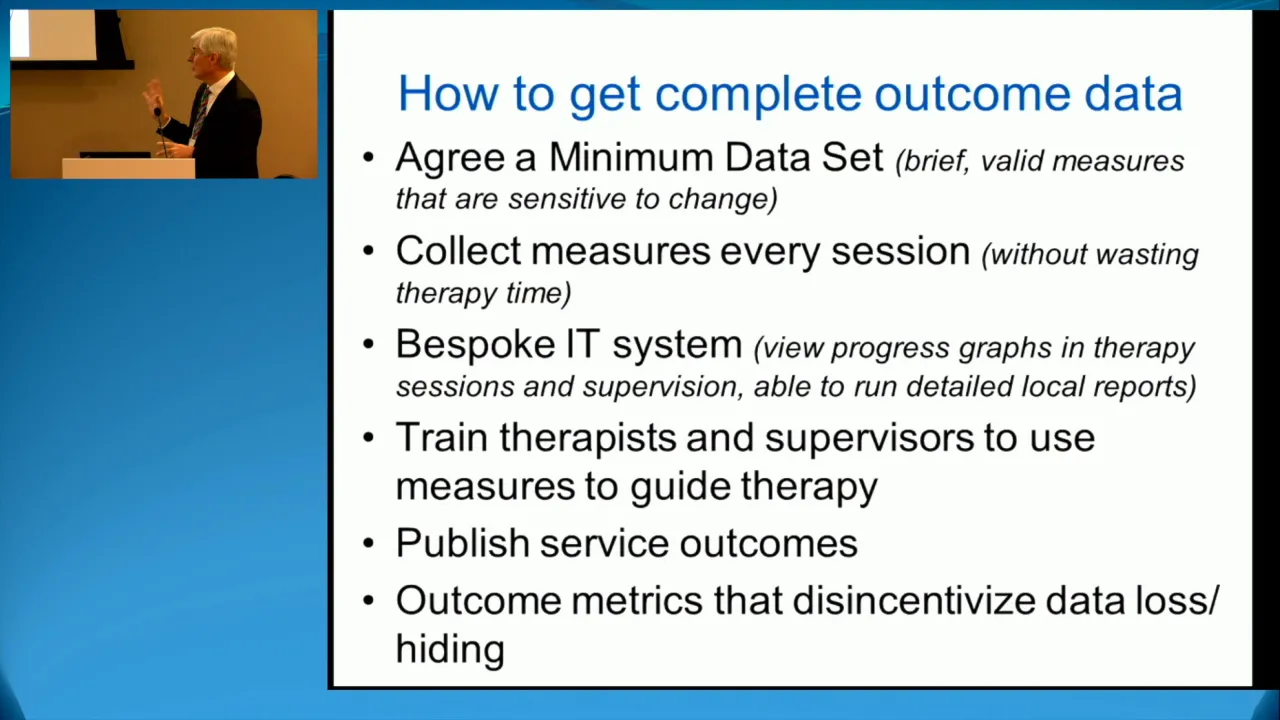
54:04
Psychology
Measurement-based Care in Psychotherapy Workshop - Future of Psychotherapy Conference 2019
UofTPsych
243 views•2019-04-25

51:52
Psychology
Dr. Carol Tavris — Mistakes Were Made (But Not by Me)
skepticmagazine
14K views•2019-05-02
Trending

13:38
Law
WOW! Judge TURNS THE TABLES on Trump in His OWN $10B LAWSUIT!!!
MeidasTouch
197K views•2026-07-23

13:25
Business
Playstation NO DISC/NO BUY Fight Is Over...
DavidJaffeGames
4K views•2026-07-23

22:40
Business
Steam and Xbox Just Dropped The Hammer On PlayStation
OhNoItsAlexx
9K views•2026-07-23

16:52
Anthropology
Americans Confused in Australia for 17 Minutes Straight
IWrocker
17K views•2026-07-23