A dilation is a transformation that changes the size of a shape while maintaining its proportions, where the scale factor (ratio of image to pre-image) determines whether it's an enlargement (scale factor > 1) or reduction (scale factor between 0 and 1); to perform a dilation, multiply all coordinates by the scale factor for enlargements or divide by the denominator for reductions, and when combining transformations, apply them in sequence.
Install our extension to search inside any video instantly.
Notes 7.5 Dilations
Added:hey guys you made it this is the end of unit seven we're on note 7.5 which is all about dilations so this is going to be a ratio or scale factor that can be used to make a drawing bigger or smaller and our second word that we had in there a scale factor i'll write that down for you here the scale factor is a ratio of both the sides and the ratios that we're going to be using we're going to use the image as the numerator when you write the scale factor so you're going to put the image on top and the pre-image on the bottom and you'll see what i mean by that a little bit later here's a little bit of an introduction if you're still a little bit confused what i mean by a dilation first of all we have two cases a dilation can be an enlargement if the scale factor is greater than one and so here you can see i have this small green triangle that goes abc right and if i enlarge it i'm making it bigger and it becomes this bigger triangle and that's what it is you might have heard this term also when you talk about like pupils being dilated things like that and this is a similar similar idea all right um and so then our other one we also have a dilation can be a reduction if the scale factor is between zero and one the decimal fraction that kind of a thing and so here what we have is we have a smaller sorry we're going to start off with the bigger shape which this time we're starting with the green shape right it's a pre-image and as we reduce it it's going to turn into a smaller shape but we still call that a dilation so dilation can be an enlargement or a reduction and a shape size okay let's look at some examples our first example here says to find the scale factor and it also tells us the shaded figure is the image so that tells us that the shaded one is the image and the the non-shaded one is the pre-image all right and so we want to do is we want to go with what i was talking about earlier we want to say that we want to create that scale factor and so if you remember what we want to do is we want to go ahead and say the scale factor and we put that image over the pre-image so what you want to do for this is you actually want to count out some kind of side on these shapes that's actually easy to count and it should be the same respective side in both shapes here so for example all right the easiest side to count in my pre-image is going to be side a b and the reason why is because this this side here is directly along the lines all right we can easily count down one two three four and i know it's four right um and then on the other shape it's it's going to be the same exact side from a prime to b prime when you look at these right and so we have our one two three four five six seven eight that's that side that's eight if you try to count one of these other sides if i try to count ac i don't know but i just don't know exactly how long these lines are since they don't line up directly on the coordinates that's why i'm trying to pick the nicer sides all right so if i pick the the image excuse me the image goes on top so i'm gonna grab that eight and put it over the pre image which is gonna be four and if i reduce this fraction i'm gonna go ahead and leave it as a fraction because our scale factor is gonna kind of tell us that we're scaling it as a ratio of two to one all right and that's what we have for our our scale factor here for this problem you're going to find the scale factor in the next shape which we have as a trapezoid and that one's going to be in your quick check let's move on and try an actual example where we want to graph something so example number three says to draw the image for a dilation with a scale factor of two now what you want to do here if we're going to scale it up by a factor of two you might already know because this is going to be greater than one that this shape should be getting bigger all right now to do this what we want to do is we're going to identify the different coordinates that we have i'm going to list them out so let me go ahead and write out what a is i'm just going to look at my graph here and say that his left 2 and up 2.
so a is at negative 2 positive 2. i'm going to do this for each one of my points i'm going to find b and b is at 1 negative 2.
i'm going to do this for c and see that 3 comes 0.
so what i'm going to do is i'm going to take this right i'm going to multiply all of these coordinates by 2.
literally everything is gonna get times by two sometimes i put a times two in there like this as i multiply by two let's go ahead and use pink my that's what i'm gonna get i'm gonna get a prime here and i'm multiplying both of the coordinates by two so i multiply negative two by two and i get negative four i multiply positive two by two and i get positive four and we're gonna do this for every single problem and multiply this by two without by two all right so here we go b prime multiplied by two i'd get two negative four and c prime multiplied by two i'd get six and zero all right so all i've done is i multiply my coordinates by two and now i'm just gonna graph them so let's see what happens when we graph these a prime's gonna be a negative four positive four b prime at two and negative four and c prime at six zero all right and here's c prime so let's connect these let's see if i have a pink line how do all right so let's connect these a to b to c prime back to a prime and there we go and that shape has been enlarged by a scale factor of two now hopefully you would kind of notice that all of the points are kind of twice as far away from the origin as they previously were that's exactly what we want you to notice here all right okay so in our next example in part b and i'm drawing a line right through your notes there sorry as you look at the next example in example four here all right this one says to draw the image up for a dilation of a scale factor of one third so i'm just going to give you guys a hint to get you started on this problem and let you guys go from there so a scale factor of a third means that you're going to be dividing all the coordinates by 3. so for example you want to go ahead and list them all out again i'll just do one here let's do hey a is that negative 6 negative 3.
so we have negative 6 negative 3. as we do our transformation here we're going to divide this by three multiplying by a third dividing by three is the same idea right and if we do this our new one is going to be a prime and i'm gonna divide negative six by three and end up with a positive sorry negative 2 and divide negative 3 by 3 and end up at negative 1 and i could plot that point to get my new shape and if i continue to do this i should get a smaller shape by the end of the problem okay your last example of the last notes in chapter seven here is example five we want to draw the image after the following transformations when a reflection over the x equals two followed by a dilation for a scale factor of two so again you wanna perform these in two steps i'm gonna leave this one for you guys to try it's your composition here you have two transformations to do first thing you guys are gonna want to do is you're gonna want to reflect the triangle there we have drawn so reflect triangle abc and the second thing you want to do after you reflect it that newest shape that a prime b prime c prime you're going to dilate that dilate answer from step one and then you'll have a composition of two different transformations here and that'll wrap it up if you guys have any questions don't be afraid to ask
Related Videos

Solving a 'Harvard' University entrance exam question
AsadInternationalAcademy
125 views•2026-06-14
Algorithms for Generalized Signed Distance and Winding Numbers (PhD thesis)
NicoleZFeng
269 views•2026-06-15

Notes 6.3 Rectangle, Rhombus, Square
matthewmills6952
1K views•2026-06-18

Does the math actually hold up? Let's break down the logic.
rawXopinion
1K views•2026-06-15

NYT Hard Sudoku Walkthrough | June 17, 2026
Rangsk
2K views•2026-06-17
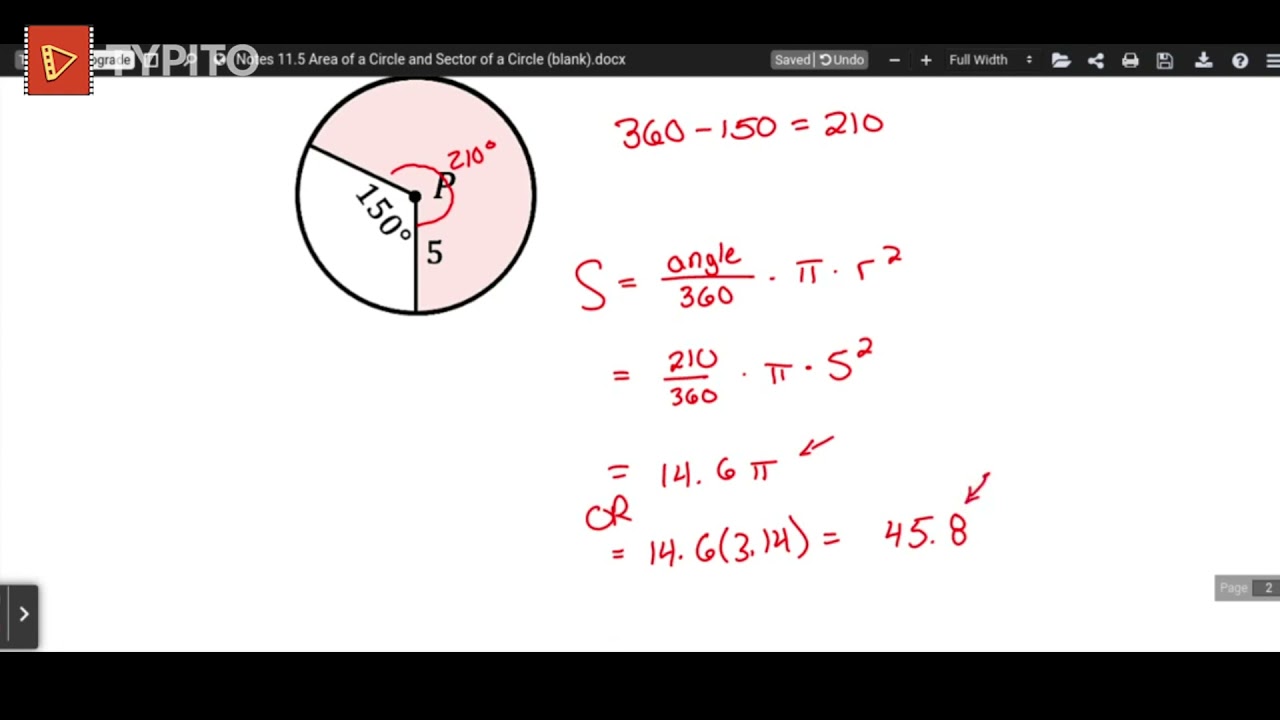
Notes 11.5 Area of a Circle and Sector of a Circle
matthewmills6952
251 views•2026-06-18

Notes 4.2 Isosceles and Equilateral Triangles
matthewmills6952
444 views•2026-06-18
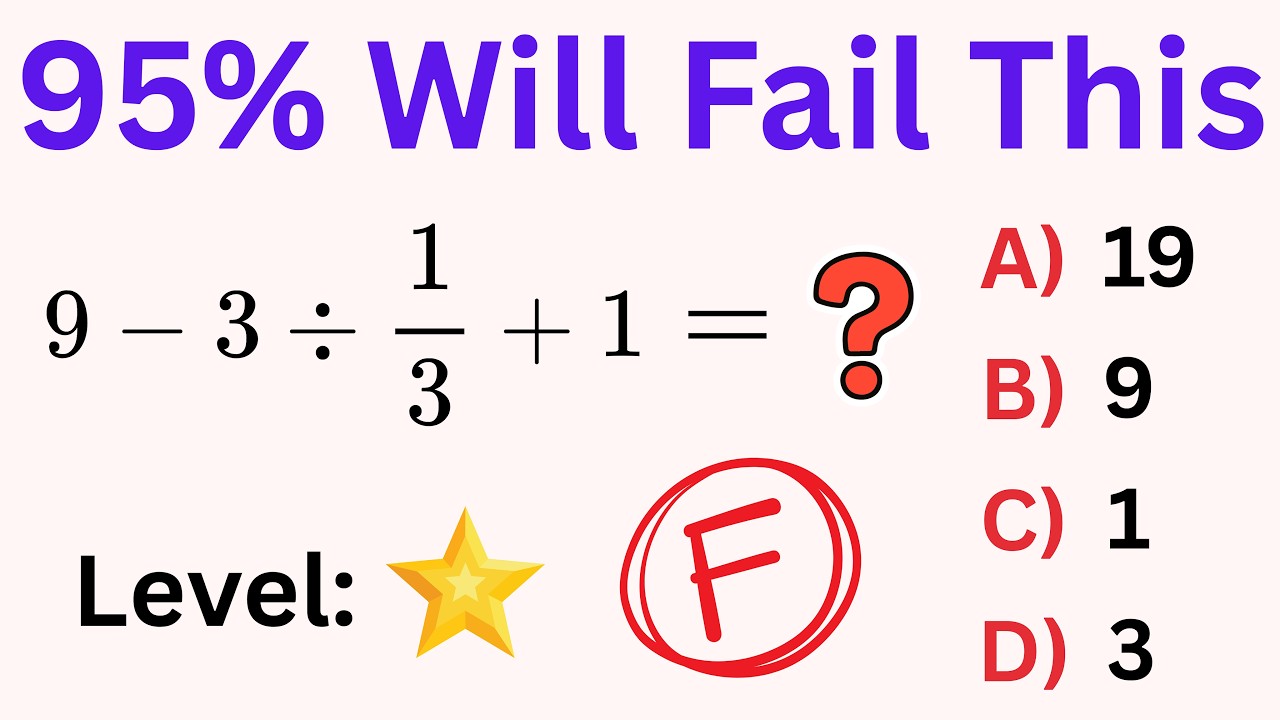
Can You Solve This?
brain_station_videos
1K views•2026-06-15



