In April 2019, astronomers detected a narrow, clean radio signal at 982 MHz from Proxima Centauri, our nearest star at 4.2 light-years away, which was never repeated and remains unexplained despite eliminating all known interference sources.
Installieren Sie unsere Erweiterung an, um sofort in jedem Video zu suchen
Our Nearest Star Just Called. We Have No AnswerHinzugefügt:
Our nearest star sent us a signal one time, then went silent forever. [music] In April 2019, the park's telescope detected something it shouldn't have, a radio signal, narrow, clean, stationary, [music] from the direction of Proxima Centuri, 4.2 light years away. The frequency was 982 MHz, [music] exactly the band we would use to make contact. Every satellite was checked.
Every transmitter eliminated. It [music] came from the star. Proxima Centauri hosts a planet inside its habitable zone. [music] The signal was never repeated. No explanation has been confirmed. Right now, that telescope is pointed at the same patch of sky listening and the star is not answering.
Ähnliche Videos

Spiral Galaxy NGC 3370 from Hubble | NASA APOD 2025-11-05 #Shorts
galaxygallery
938 views•2026-05-30

SOMETHING inside the SUN is CHANGING
RaysAstrophotography
1K views•2026-06-03

NOAA Warning! Massive Double Cannibal CME Impacting Earth: G4 Storm Watch!
worldnewsreporttoday
1K views•2026-06-04
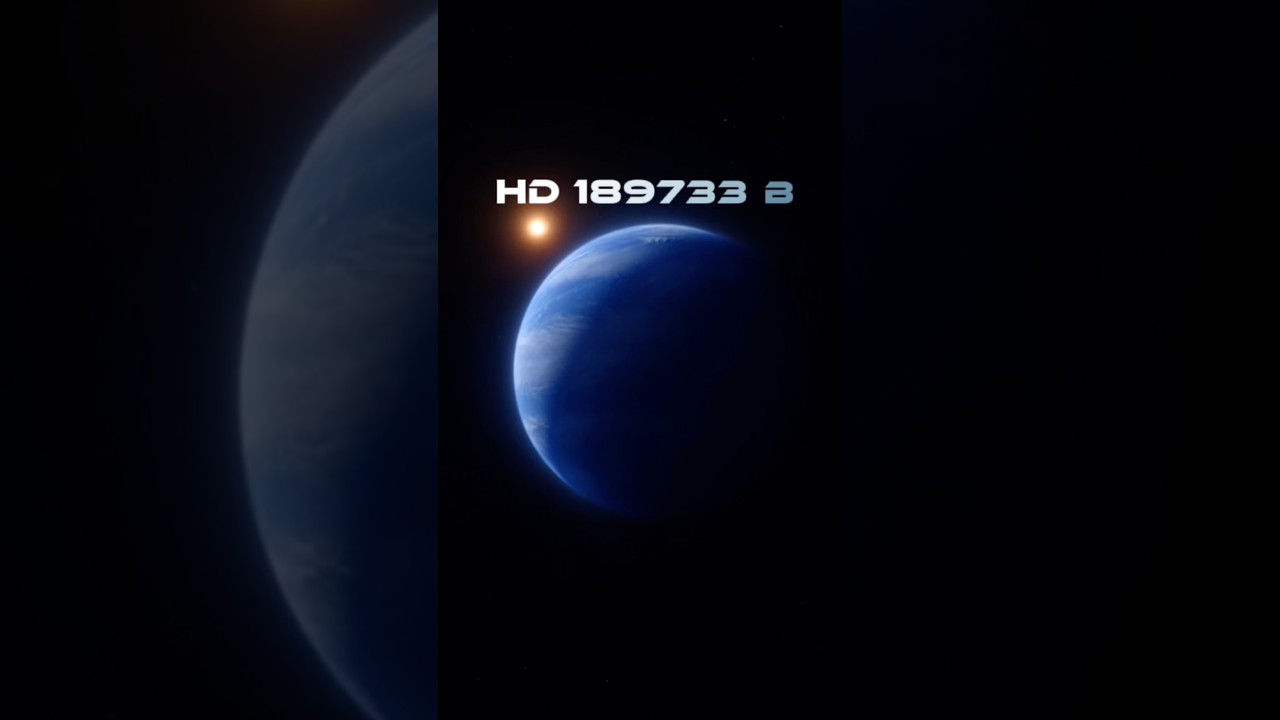
🌌 HD 189733 b | The Planet Where Glass Rains Sideways
EVENTHORIZONUK
3K views•2026-05-31

Captured the Blue Moon (with a twist) 🌙✨ #space #bluemoon #telescope
realAstroExplorer
674 views•2026-06-01

10 Planet Where a Black Hole Replaces the Sun
cosmicexplorer-EN
147 views•2026-06-02

Is this a copy of our galaxy? Discover Galaxy M81!
UniverseDocumentaries-cc4mb
995 views•2026-05-31

There May Be A Giant Hole In The Universe... And We Might Be Inside It | The Cosmic Ledger Entry 015
TheCosmicLedger
145 views•2026-05-31


