In Chinese, when a verb repeats (like 试 becoming 试试), it creates a softer, more conversational tone rather than indicating repetition of the action; for example, 试试 means 'give it a try' or 'try a little' rather than 'try twice'.
拡張機能をインストールして、あらゆる動画内を即座に検索しましょう
Why does 试试 not mean “try twice”? #chineselanguage #mandarin #learnchinese追加:
Shì means to try or to test. In the character shì, the left side is yán, the speech radical. Full yán becomes the printed left side radical yán. You often see it in words about speech and language. Yǔ, language. Huà, [snorts] speech or words. Qǐng, ask or please.
The right side, shì, mostly helps with the sound.
When the verb repeats, shì becomes shìshi. It does not mean try twice. It becomes softer. Give it a try. Try a bit. Go ahead and try.
For example, wǒ shìshi means I'll try.
関連おすすめ

basque influence uniquely different spanish
Davantsi
761 views•2026-05-31

How Brits Say British Pronunciation
MrBranicus
1K views•2026-05-30

🎵 A to Z Kids Song | Cute ABC Animation for Children
ABC_Little_Heros
10K views•2026-05-30

10 German Grammar Rules That Unlock the German Language | A1-B1 | Learn German
LearnGermanOriginal
357 views•2026-05-29

How To Express Disappointment In English #english #speakenglish #languagelearning #airlearn #viral
english_w_remi
6K views•2026-05-29
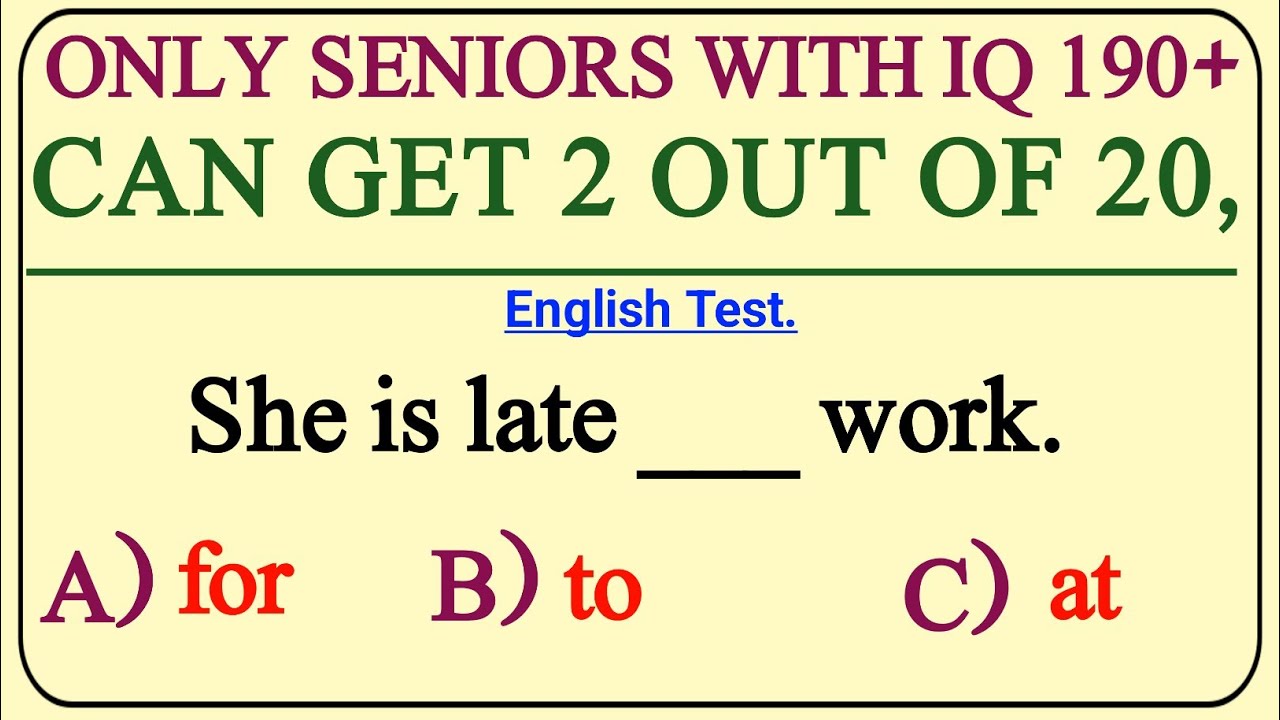
ONLY SENIORS WITH IQ 190+ CAN GET 2 OUT OF 20, | English grammar skills
EforEnglish161
582 views•2026-05-29

Why Japanese Has No Future Tense – Learn Japanese
FixBrokenJapanese
779 views•2026-06-02

free cookie
onlyyoutubegame
855 views•2026-06-01


