Research shows that diet quality is one of the strongest predictors of dementia risk, with ultra-processed foods causing cognitive decline nearly 30% faster than whole foods. Six foods that repair and protect the brain include blueberries (anthocyanins reduce inflammation and clear senescent cells), eggs (choline supports acetylcholine production for memory), fatty fish (DHA constitutes 60% of brain's dry weight), walnuts (plant-based omega-3s and polyphenols stimulate neuron growth), leafy greens (vitamin K and nitrates improve blood flow and cognitive function), and extra virgin olive oil (Mediterranean diet centerpiece with neuroprotective compounds). These foods work by reducing inflammation, improving blood flow, and providing essential nutrients for neuronal health and repair.
Doctor Who Scanned 250,000 Brains Reveals the Best Foods to Boost Memory & Repair Brain
Added:Imagine waking up one morning and not being able to remember where you put your keys. Then a few weeks later, you forget the name of someone you have known for years. Then the conversations start to blur, the dates, the faces.
Most people chalk this up to simply getting older, as if memory loss were just a natural tax we all have to pay for living long enough. But what if that explanation was dangerously incomplete?
What if the real reason your brain is quietly slipping is sitting right there on your dinner plate night after night, year after year, doing damage so slowly and so silently that you do not even notice it until it is already too late.
Here is what the research is now making unmistakably clear. A study published in the journal Neurology found that people who regularly consumed ultrarocessed foods had a cognitive decline rate nearly 30% faster than those who did not. A separate analysis tracking tens of thousands of adults over the age of 60, showed that diet quality was one of the strongest predictors of dementia risk, stronger than genetics in many cases and nearly as powerful as physical activity. And perhaps most alarming of all, brain imaging studies have shown that certain foods cause measurable shrinkage of the hippocampus, the memory center of your brain, years before any outward symptoms ever appear. You could be feeling completely fine right now with no obvious memory problems and your brain could already be shrinking in the regions that matter most. That is what today's video is about. We are going to go deep. I'm going to walk you through exactly which foods are quietly destroying your memory after 60, explaining not just what they are, but why they are so damaging at a biological level. And then because I believe in giving you the full picture, we are going to turn this around completely. I am going to reveal six of the most powerful brain repairing foods on the planet. The ones backed by neuroscience and show you exactly how to weave them into your daily life starting tomorrow.
If you are watching this right now, do me a favor and hit the like button.
Because what you are about to hear could genuinely change the trajectory of your brain health. Subscribe so you never miss another video like this. And drop a comment below telling me where in the world you are watching from. I want to know. And at the end, tell me which brainhealthy food you are planning to add to your diet first. That comment alone might inspire someone else watching this today. Now, let me introduce myself. I am a physician with a background in brain health, nutritional medicine, and the biology of aging. Over the course of my career, I have worked with thousands of patients over the age of 60. People who came to me frustrated, frightened, and convinced that what was happening to their memory was simply inevitable. And one of the most consistent things I have found across all those years and all those patients is that what people eat is one of the most underestimated levers they have for protecting their brain. Not a supplement, not a procedure, food. Real everyday food. That is what this channel is built on and that is what I'm here to talk about today. So let us start at the beginning because before we get to the specific foods, you need to understand something fundamental about how your brain actually works and why diet affects it so profoundly. Your brain is the most metabolically demanding organ in your body. It consumes roughly 20% of your total caloric intake, even though it only accounts for about 2% of your body weight. Every single thing you eat sends a cascade of biological signals throughout your body. And those signals reach your brain within hours. Your blood carries nutrients, oxygen, hormones, and inflammatory molecules directly to your brain tissue. The lining of your blood vessels, the quality of your blood flow, the sensitivity of your neurons, the health of your synapses, all of it is directly shaped by what you choose to eat. This is not a metaphor. This is biochemistry.
Now, the single most important concept I want you to take away from this video is this. Inflammation is one of the biggest drivers of accelerated brain aging. When your body experiences chronic low-grade inflammation, the kind that does not feel like anything dramatic. No fever, no swelling, you can see, just a quiet biological fire burning inside you day after day. That inflammation attacks your brain with relentless precision. It damages the walls of your blood vessels, reducing the oxygen that reaches your neurons. It triggers immune cells in your brain called microg ga to become overactivated. And when microg ga are chronically activated, they start destroying synapses, the tiny connections between neurons that are the physical basis of every memory you have ever made. It disrupts the production of BDNF, brain derived neurotrophic factor, which is essentially your brain's fertilizer, the compound that allows neurons to grow, repair, and form new connections. And it accelerates the destruction of mitochondria inside brain cells, the tiny energy factories that keep neurons alive and firing correctly.
Think of it this way. Your brain is like a city. Your neurons are the buildings.
Your blood vessels are the roads.
Inflammation is like a slow ongoing infrastructure collapse. The roads start cracking, deliveries stop getting through, buildings fall into disrepair, and eventually whole neighborhoods go dark. That is what chronic dietary inflammation does to your brain over years and decades. And the terrifying part is that it can be happening entirely invisibly long before you notice any cognitive symptoms at all.
The hippocampus is particularly vulnerable. This seahorseshaped structure nestled deep in your temporal lobe is the brain's primary memory processing hub. New experiences, faces, names, directions, stories, they all pass through the hippocampus before being stored elsewhere. And research has shown that chronic inflammation causes the hippocampus to shrink measurably, literally. One study found that high consumption of processed foods was associated with a significantly smaller hippocample volume in adults over 60.
When the hippocampus shrinks, memory formation becomes harder, emotional regulation becomes more difficult and the risk of Alzheimer's disease climbs steeply and the foods most responsible for this. That is exactly what we are going to get into right now. The first food quietly destroying your memory after 60 is trans fats. Not the naturally occurring trace amounts you might find in some animal products, but the industrially produced trans fats created through a process called partial hydrogenation that was used for decades to extend the shelf life of packaged foods. You find them hiding in some margarine, in commercially fried foods, in certain packaged crackers, cookies, and baked goods. Even today, despite widespread bans in many countries, small amounts still sneak through under labeling loopholes. And trans fats are uniquely destructive to the aging brain.
Here's why. Trans fats do two things at once that are catastrophic. First, they dramatically raise LDL cholesterol while simultaneously lowering HDL cholesterol, worsening the exact lipid profile that drives cardiovascular disease and reduces blood flow to the brain. Less blood flow means less oxygen. Less oxygen means neurons start misfiring and eventually dying. Second, trans fats are powerfully pro-inflammatory. They activate inflammatory pathways that damage blood vessel walls, trigger oxidative stress in brain tissue, and interfere with the normal function of omega-3 fatty acids, the very compounds your brain depends on for neuronal membrane health and anti-inflammatory signaling. A study from the journal neurology found that higher blood levels of trans fats were directly associated with lower brain volume and worse memory performance in older adults. Another large-scale study found that people with the highest dietary intake of trans fats had a significantly elevated risk of developing dementia. Your brain's neurons are literally wrapped in fatty membranes. When trans fats infiltrate those membranes in place of healthy fats, the membrane becomes rigid and dysfunctional. Signals that should travel smoothly between neurons start stuttering and failing. The alternative, cook with extra virgin olive oil. Use whole food fats like avocado, nuts, and seeds. These are the fats your brain actually wants. The second memory destroying food is sugary drinks and refined sugar. This one is so ubiquitous, so deeply woven into daily life for so many people that it can be hard to accept how dangerous it truly is for the aging brain. But the science here is some of the most compelling in all of nutritional neuroscience. When you drink a sugary soda or consume foods loaded with refined sugar, your blood glucose spikes rapidly. Your pancreas releases insulin to bring it back down.
Over time, if this cycle repeats day after day, your cells begin to resist insulin signal. This is insulin resistance and it does not just happen in your muscles and liver. It happens in your brain. There's actually a dedicated term for this in the research literature. Now, some scientists have started calling Alzheimer's disease type 3 diabetes because the pattern of insulin resistance in the brain mirrors the metabolic dysfunction of type 2 diabetes so closely. When brain cells become insulin resistant, they lose the ability to efficiently use glucose for energy. Since glucose is the brain's primary fuel source, insulin resistant neurons essentially start to starve.
They become less active, less connected, and more vulnerable to damage.
Meanwhile, high sugar consumption drives inflammation through multiple pathways.
It increases advanced glycation endroducts, molecules that literally stick to proteins and lipids throughout your body and brain, making them stiff and dysfunctional. It disrupts the gut microbiome in ways that amplify systemic inflammation. And it depletes critical B vitamins that your neurons need to produce neurotransmitters. Research from UCLA found that a diet high in fructose, the form of sugar found in high fructose corn syrup and table sugar, impaired learning and memory in animal models and reduce synaptic plasticity in the brain.
Human studies have found that higher habitual sugar intake is associated with smaller hippocample volume and worse performance on memory tests. And sugary drinks are particularly dangerous because the liquid form means the sugar hits your bloodstream even faster than solid sugary foods, producing sharper insulin spikes and greater metabolic stress. Replace them with water, herbal teas, or black coffee, which we now know has genuine neuroprotective properties.
The third food is ultrarocessed foods as a category. And I want to be precise here because not all processed foods are created equal. A bag of frozen peas is technically processed. What I am talking about is the category researchers call ultrarocessed foods manufactured through industrial processes using ingredients rarely found in a home kitchen. Things like modified starches, emulsifiers, artificial flavors, colorings, and preservatives combined into products engineered specifically to be hyper palatable and nearly impossible to stop eating. Think instant noodles, packaged snack cakes, flavored chips, fast food chicken nuggets, frozen meals loaded with additives. The research on these foods and brain health has become increasingly alarming. That landmark study I mentioned at the top of the video, the one showing 30% faster cognitive decline among heavy ultrarocessed food consumers, was one of the largest of its kind. But it is far from alone. Multiple independent studies across different countries and different age groups have now consistently found the same relationship. More ultrarocessed food consumption equals faster cognitive decline. The mechanisms are multiple and compounding.
Ultrarocessed foods are typically high in refined carbohydrates, trans fats, sodium, and artificial additives, meaning they deliver several brain damaging hits simultaneously. They tend to displace nutrient-dense whole foods from the diet, creating deficiencies in the vitamins, minerals, and phytonutrients your brain depends on for repair and protection. They disrupt the gut microbiome profoundly. And given the power of the gut brain axis, this matters enormously for neurological health. And many of the artificial additives in these products have been shown to have direct neurotoxic effects in animal studies. The simpler rule, if it comes in a package with ingredients you cannot pronounce, your brain likely does not want it. The fourth food is excess sodium. Now, your body does need some sodium. It is essential for nerve function and fluid balance. The problem is that most people over 60 who eat a typical western diet are consuming sodium at two, three, sometimes four times the recommended level, mostly through processed and restaurant foods.
And the damage this does to your brain is routed through your cardiovascular system. Excess sodium raises blood pressure. High blood pressure damages the delicate walls of the small blood vessels that penetrate deep into brain tissue. Over time, this causes a condition called cerebral small vessel disease where the tiny arteries feeding your brain become narrow, stiffened, or completely blocked. The result is reduced cerebral blood flow, areas of brain tissue that become chronically oxygend deprived and small silent strokes called lucuner infarcts that accumulate over years without producing obvious symptoms. Research has linked high sodium intake directly to an increased risk of cognitive impairment, vascular dementia, and white matter lesions in the brain. Your brain needs blood. Anything that compromises the vascular system compromises memory. The fifth food is alcohol. And I want to address this with both honesty and compassion because I know this is a topic that can feel personal. The science here has shifted considerably in recent years. For a long time, there was widespread belief that moderate alcohol consumption, particularly red wine, was protective for the brain. More recent and more rigorous studies have substantially challenged this. A major analysis published in the Lancet found that no level of alcohol consumption is entirely safe for brain health and that the supposed benefits of moderate drinking were largely explained by confounding factors. Here is what alcohol actually does in your brain. It is directly neurotoxic. It damages neurons by triggering oxidative stress and inflammation. It disrupts sleep architecture profoundly. And since deep sleep is when your brain's glimpmphatic system clears out toxic proteins, including amaloid beta, the protein associated with Alzheimer's disease, poor sleep translates directly into greater toxic accumulation in brain tissue. Alcohol depletes thamine, also known as vitamin B1, a deficiency that can cause severe and permanent memory damage. And it disrupts the delicate balance of neurotransmitters, including GABA and glutamate, in ways that impair memory consolidation.
For the aging brain, which is already more vulnerable to all of these effects, regular alcohol consumption is a significant risk. The sixth food destroying memory after 60 is processed meats. Bacon, hot dogs, salami, sausages, deli meats. These products are preserved using nitrates, nitrites, high levels of sodium, and often artificial preservatives, and their relationship to brain health is direct and deeply concerning. Processed meats are strongly pro-inflammatory. They are associated with elevated CRP C reactive protein, one of the most reliable blood markers of systemic inflammation. They contain high levels of advanced glycation end products, especially when cooked at high temperatures. And nitrates and nitrites in processed meats have been shown to disrupt mitochondrial function in neurons, meaning the energy producing machinery inside your brain cells starts to fail. A study published in the American Journal of Clinical Nutrition found that higher processed meat intake was associated with significantly faster cognitive decline in older adults.
Another found that people who frequently ate processed meats had a higher risk of developing dementia compared to those who rarely consumed them. Replacing them with whole protein sources, eggs, legumes, fish, or poultry makes a measurable difference. Now, I want you to take a breath because I know that was a lot to absorb. But I also want you to hear something important. Everything I just described is not a death sentence.
It is a map. And a map can show you exactly where you went wrong and exactly how to get back on track. The first brain repairing food is blueberries. And if there is one food in all of nutritional neuroscience that has earned more research attention for cognitive protection than almost any other, it is this small, deeply pigmented berry.
Blueberries are loaded with a class of compounds called anthocyanins. The pigments that give them their deep blue purple color. And anthocyanins are among the most powerful natural anti-inflammatory and antioxidant compounds ever studied in relation to brain health. Here's what the research shows. A landmark study from the Sulkq Institute found that a compound in blueberries called ficetin triggered the clearance of scinesscent cells from the brain, aging dysfunctional cells that accumulate over time and drive inflammation. Separate research from the University of Exiter found that older adults who drank concentrated blueberry juice daily for 12 weeks showed improved blood flow to the brain and better performance on cognitive tests than those who did not. And a long-term study found that women who ate at least two servings of blueberries per week experience slower cognitive aging by an estimated 2 and 1/2 years compared to those who rarely ate them. Two and a half years of cognitive aging potentially prevented by eating a handful of blueberries. Add them to oatmeal. Blend them into smoothies. Eat them straight from the bowl. Your hippocampus will thank you. The second brain repairing food is eggs. Whole eggs, not just whites. And this [snorts] might surprise you given how much confusion has surrounded eggs and cholesterol over the decades, but for the brain specifically, whole eggs are genuinely remarkable. Here is why. Egg yolks are one of the richest dietary sources of a compound called choline.
Choline is a precursor to acetylcholine, one of the most important neurotransmitters in the brain, critically involved in memory formation, attention, and the speed at which you can process information. As we age, our production of acetylcholine tends to decline. And this decline is closely linked to the kind of memory problems people experience after 60. Eggs are also rich in lutein and zeazanthin, carotenoids that accumulate specifically in the brain and have been shown to protect neurons from oxidative damage.
They contain B vitamins including B12, B6 and folate, all of which work together to reduce homocyine, an amino acid that at elevated levels is a known risk factor for brain atrophy and cognitive decline. A study published in the American Journal of Clinical Nutrition found that higher choline intake was associated with better verbal memory and lower risk of dementia. Eat two to three eggs several times a week.
Scramble them with spinach. Poach them over whole grain toast. Make them a genuine staple. The third brain food is fatty fish, particularly salmon, sardines, and mackerel. These fish are among the richest natural sources of omega-3 fatty acids, specifically DHA, dosa hexoninoic acid. And DHA is not merely beneficial for the brain. It is structurally essential. Approximately 60% of your brain's dry weight is fat.
And DHA is the most abundant fatty acid in brain tissue. It is literally the building material your neurons are made from. When you get enough FDHA, your neuronal membranes remain fluid and flexible, allowing electrical signals to travel efficiently. BDNF levels rise, neuroinflammation drops, and the production of resolins and protectins, compounds that actively resolve inflammation in brain tissue increases.
Research from Rush University Medical Center found that older adults who ate fish at least once a week had significantly less cognitive decline over a 5-year period than those who rarely ate fish. A separate study found that higher DHA levels in the blood were associated with larger brain volume and better memory performance in adults over 65. Aim for two to three servings of fatty fish per week. Canned sardines are affordable, delicious on whole grain crackers, and among the most DHA dense foods available anywhere. The fourth brain food is walnuts. And the visual resemblance between a walnut and a human brain is in this case not just coincidence. Walnuts are uniquely rich in a plant-based omega-3 called ALA, alpha linolenic acid, along with vitamin E, polyphenols, and folate, creating a synergistic nutritional profile that is remarkably well matched to the needs of the aging brain. Research from the University of California, Los Angeles, found that higher walnut consumption was associated with better cognitive test scores across all age groups with the effect most pronounced in older adults.
A study published in a Journal of Nutrition found that eating walnuts regularly was associated with slower cognitive decline and a reduced risk of depression in older Americans. Walnuts reduce inflammation. They lower LDL cholesterol. They improve vascular function and their polyphenols have been shown to directly stimulate the growth of new neurons in the hippocampus in animal studies. The practical advice is elegantly simple. A small handful of walnuts each day, about 1 ounce, is all you need. Add them to salads, put them in oatmeal, eat them as a snack instead of reaching for chips. This one swap, chips for walnuts, is one of the most straightforward improvements you can make for your brain.
The fifth brain food is spinach and leafy greens more broadly, including kale, Swiss chard, arugula, and collard greens. A decadel long study from Rush University, one of the most compelling pieces of nutritional research on brain aging ever conducted, found that people who ate one to two servings of leafy greens every single day, had cognitive function equivalent to people 11 years younger than those who rarely ate them.
11 years. That is not a modest effect.
That is profound. Leafy greens are extraordinarily rich in vitamin K, which research has linked to better episodic memory and slower cognitive decline.
They are packed with folate, which lowers homocyine and supports neurotransmitter production. They contain luteine, which crosses the bloodb brain barrier and accumulates in brain regions associated with fluid intelligence and memory. And they are loaded with nitrates, the natural kind found in plants, which the body converts to nitric oxide, a molecule that relaxes and dilates blood vessels, dramatically improving blood flow to the brain. Saute a handful of spinach and olive oil, and add it to eggs in the morning. Blend it into a smoothie where you will barely taste it. Build a salad of mixed greens at lunch. The simplest habits done consistently produce the most remarkable results. The sixth and final brain food is extra virgin olive oil. And this is perhaps the most studied single food in relation to brain health of the last 20 years. Extra virgin olive oil, the real thing, coldressed and unrefined, is the centerpiece of the Mediterranean diet, the eating pattern that has shown the most consistent association with reduced dementia risk in population studies around the world. Extravirgin olive oil is also rich in vitamin E and oleic acid, a monounsaturated fat that supports the integrity of neuronal membranes. Use it as your primary cooking fat. Drizzle it over salads and vegetables. Dip whole grain bread in it.
Make it the oil that lives on your kitchen counter. Now, let us bring all of this together into a practical picture of what a brainhealthy day of eating actually looks like. You wake up in the morning and instead of reaching for a sugary cereal or processed breakfast pastry, you make two or three scrambled eggs cooked in a small amount of extra virgin olive oil with a generous handful of spinach stirred in.
On the side, a bowl of oatmeal topped with a full cup of blueberries and a small handful of walnuts. You brew a cup of black coffee or green tea. This breakfast alone delivers choline for acetylcholine, folate and luteine from the spinach, anthocyanins from the blueberries, plant omega-3s from the walnuts, oolocanthol from the olive oil, and caffeine, which research consistently shows is neuroprotective at moderate doses. You have just given your brain an extraordinary morning. For lunch, a large salad of mixed leafy greens, arugula, spinach, and kale, dressed generously with extra virgin olive oil and a squeeze of lemon topped with canned sardines or leftover grilled salmon, a handful of walnuts, and some sliced avocado. This meal delivers DHA, more plant omega-3s, vitamin K, folate, luteine, nitrates for blood flow, and healthy fats that help your body absorb the fat soluble vitamins in the greens.
It is also deeply satisfying so you are not reaching for a mid-after afternoon bag of chips an hour later. In the afternoon, if you need a snack, a small handful of walnuts and a few squares of dark chocolate with at least 70% cacao.
Dark chocolate is rich in flavonoids that improve cerebral blood flow and have been shown to enhance memory performance in short-term studies.
herbal tea or water to stay hydrated because even mild dehydration impairs cognitive function. For dinner, a piece of grilled salmon or mackerel alongside roasted vegetables, sweet potato, broccoli, and bell peppers, all drizzled in extra virgin olive oil. Finish with a small bowl of mixed berries. Every component of this dinner is working to reduce inflammation, support vascular health, and supply the raw materials your neurons need for overnight repair.
And speaking of overnight, what happens while you sleep is not passive. Your brain's lymphatic system activates primarily during deep sleep, pumping cerebrros spinal fluid through brain tissue and flushing out metabolic waste products, including those toxic amaloid beta proteins. Eating in a way that does not spike blood sugar before bed.
Staying away from alcohol and getting consistent adequate sleep are all part of the same brain protection strategy.
Water throughout the day matters enormously as well. Your brain is approximately 75% water. Chronic mild dehydration reduces brain volume temporarily and impairs working memory, attention, and processing speed. Older adults are also more prone to dehydration because a sensation of thirst becomes less reliable with age. I want to close by saying something directly to you. Memory loss is not simply an unavoidable consequence of getting older. That narrative has caused enormous harm because it has led millions of people to feel powerless over something they actually have significant influence over. Yes, genetics play a role. Yes, age brings changes. But the food you eat every single day is sending biological signals to your brain with every meal. It is either increasing the inflammation that erodess your neurons and shrinks your hippocampus or it is delivering the anti-inflammatory compounds, the healthy fats, the polyphenols, the vitamins and minerals that your brain's repair systems are literally waiting for. You are not too old for this to matter.
Neuroplasticity does not vanish after 60. Your brain can still grow, still adapt, still form new connections.
People in their 70s and 80s have shown measurable improvements in cognitive function after dietary changes. The research is clear on this. It is never too late to start. And you do not need a perfect diet. You need a better diet than the one that has been quietly working against you. Start with one change. Add blueberries to your breakfast. Switch to olive oil. Have salmon twice this week. Every improvement is a signal you are sending your brain that things are going to get better. If this video gave you something valuable today, I would genuinely love it if you hit the like button right now.
It costs you nothing and it helps this information reach someone else who needs it just as much as you did. Please share which brainhealthy food you are going to add first. Are you starting with blueberries, walnuts, salmon? Let me know. Reading your comments is one of the most meaningful parts of making these videos. And when you are done here, the next video is already waiting for you.
Related Videos

How Strong Are Breast Implants? Watch This Demo at LPH
londonprivatehospital
967 views•2026-04-20

What is an Office Hysteroscopy? | Fertility Testing Explained at DIRM
DelawareInfertility
17K views•2019-05-06

Pharmacological Management of Stroke Antiplatelet-Acute and Secondary Prevention
Learningin10
8K views•2019-03-04

PMG - Pediatric Pain Management
EASTtraumasurgery
3K views•2019-07-01

Anemia Symptoms And Treatment for Chronic Kidney Disease (CKD) patients
DADVICETV
27K views•2019-08-07

Prostate Cancers and Mimics - Diagnosis
Pathologyminitutorials
3K views•2019-11-20

Vitamin A for Vaccines & Viruses (including Measles!)
DrDavidMD
691 views•2025-03-11
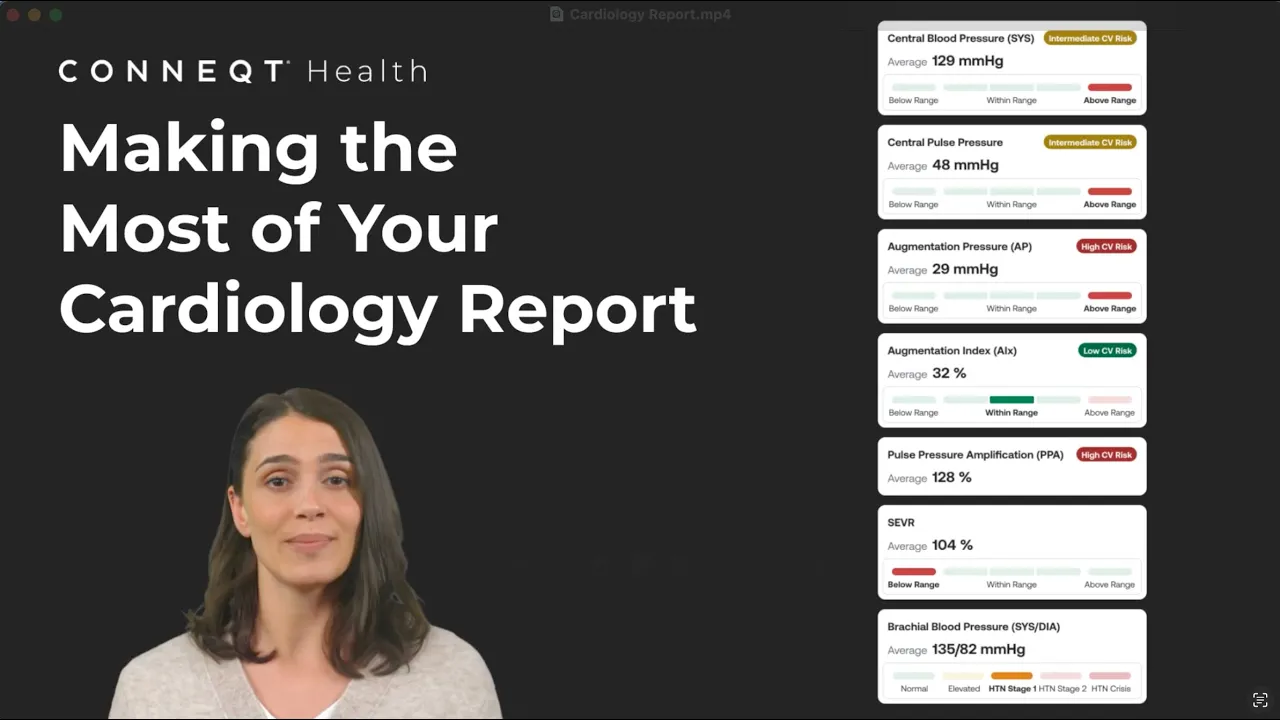
Making the Most of Your Cardiology Report | CONNEQT Cardiovascular Health Resources
conneqthealth
774 views•2025-03-04
Trending

One Must Imagine Sisyphus Happy
vlogbrothers
61K views•2026-07-21

Future of Taylor Farms
maighstirtarot5385
11K views•2026-07-21

The Downfall of OnePlus!
techwiser
65K views•2026-07-21

My Friend Locked Up The Engine On His K-Swapped Bug...
boostedboiz
128K views•2026-07-21