This video presents a cinematic journey through our Solar System, revealing the vast distances between celestial bodies and the dramatic temperature variations across the system. From Mercury's extreme heat of +165°C at 1.340 billion km from the Sun, to Pluto's frigid -230°C at 4.500 billion km, the video demonstrates how temperature decreases with increasing distance from the Sun. The journey also highlights the scale of our cosmic neighborhood, showing how Saturn's rings appear dramatically different when viewed from various planetary perspectives, emphasizing the unique beauty and grandeur of our planetary system.
Install our extension to search inside any video instantly.
Zooming Into Saturn from the Planets of Solar SystemAdded:
Mercury distance 1 bill340 million km temperature plus 165° C Venus distance 1 bill270 million km temperature plus 160° C.
Earth distance 1 billion.
200 million km temperature + 15° C.
The moon distance 1 bill200,384,000 km temperature -20° C Mars distance 1 billion50 million kilm Temperature -60° C.
Phobos distance 1 billion50 50,9,000 km temperature -40° C Titan distance 1,200,00 000 km temperature - 180° C.
Pluto.
Distance 4 bill500 million km.
Temperature -230° C.
Related Videos

Spiral Galaxy NGC 3370 from Hubble | NASA APOD 2025-11-05 #Shorts
galaxygallery
938 views•2026-05-30

SOMETHING inside the SUN is CHANGING
RaysAstrophotography
1K views•2026-06-03

There May Be A Giant Hole In The Universe... And We Might Be Inside It | The Cosmic Ledger Entry 015
TheCosmicLedger
145 views•2026-05-31

Captured the Blue Moon (with a twist) 🌙✨ #space #bluemoon #telescope
realAstroExplorer
674 views•2026-06-01

The Map We Sent to the Stars in 1977 — Why Scientists Now Regret It
TheAncientRecord7
183 views•2026-06-03

Is this a copy of our galaxy? Discover Galaxy M81!
UniverseDocumentaries-cc4mb
995 views•2026-05-31

10 Planet Where a Black Hole Replaces the Sun
cosmicexplorer-EN
147 views•2026-06-02
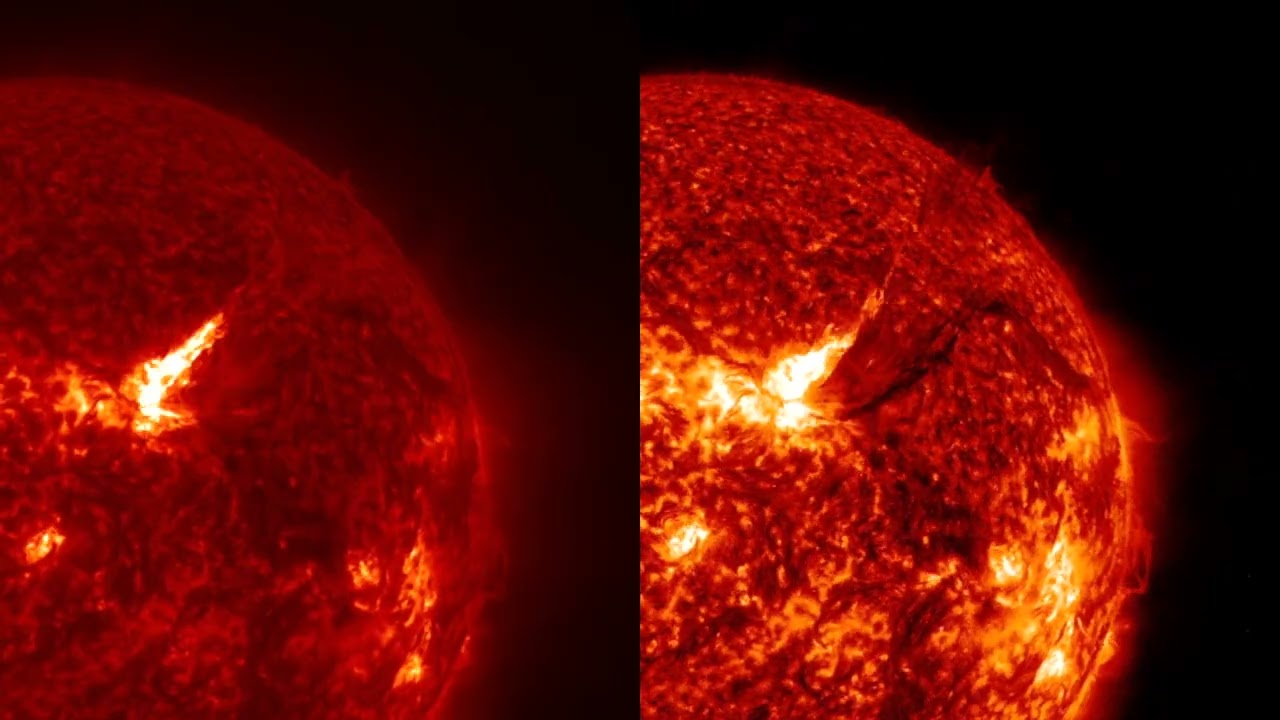
Solar Flares and CMEs at Earth - More Likely | S0 News June.3.2026
SpaceWeatherNewsS0s
2K views•2026-06-03



