The Lyrid meteor shower, caused by debris from comet Thatcher, will peak under a new moon in 2026, offering optimal viewing conditions with dark skies that allow observers in low light pollution areas to see 15-20 meteors per hour; while meteors appear to radiate from constellation Lyra, they can be seen anywhere in the sky, and no special equipment is needed—viewers should find a dark location away from city lights, lie flat on their back, and allow their eyes 30 minutes to adjust to darkness.
Install our extension to search inside any video instantly.
Lyrid Meteor Shower 2026 Set For Stunning Dark Sky Peak Viewing | NewsX WorldAdded:
moon will be in its new moon phase ensuring a perfectly dark sky without the competing glare of moonlight. Even the faintest meteors often referred to as shooting stars will be visible to the naked eye. Astronomers predict that observers in areas with low light pollution can expect to see between 15 to 20 meteors per hour at the peak.
The Lyrids are one of the oldest known meteor showers caused by debris from the comet Thatcher.
As Earth passes through the trail of dust left by the comet, these particles burn up in the atmosphere creating bright streaks of light.
While the meteors appear to radiate from the constellation Lyra, they can be seen anywhere in the sky. To get the best view, experts recommend finding a dark location away from the city lights, lying flat on your back and allowing your eyes about 30 minutes to adjust to the darkness. No special equipment or telescopes are required to enjoy this celestial event.
Now we move over
Related Videos

Spiral Galaxy NGC 3370 from Hubble | NASA APOD 2025-11-05 #Shorts
galaxygallery
938 views•2026-05-30

SOMETHING inside the SUN is CHANGING
RaysAstrophotography
1K views•2026-06-03

Captured the Blue Moon (with a twist) 🌙✨ #space #bluemoon #telescope
realAstroExplorer
674 views•2026-06-01

There May Be A Giant Hole In The Universe... And We Might Be Inside It | The Cosmic Ledger Entry 015
TheCosmicLedger
145 views•2026-05-31

The Map We Sent to the Stars in 1977 — Why Scientists Now Regret It
TheAncientRecord7
183 views•2026-06-03

10 Planet Where a Black Hole Replaces the Sun
cosmicexplorer-EN
147 views•2026-06-02

Is this a copy of our galaxy? Discover Galaxy M81!
UniverseDocumentaries-cc4mb
995 views•2026-05-31
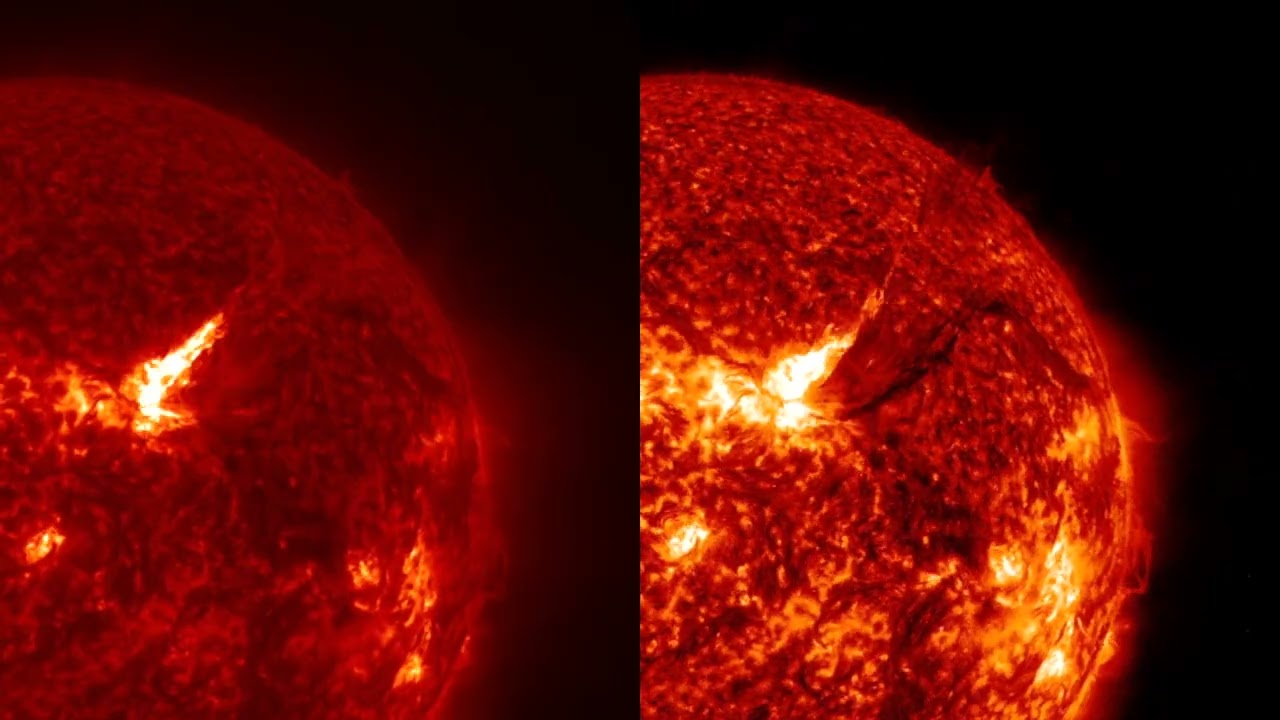
Solar Flares and CMEs at Earth - More Likely | S0 News June.3.2026
SpaceWeatherNewsS0s
2K views•2026-06-03



