The video effectively demonstrates how the scientific method replaces initial panic with empirical certainty through iterative data refinement. It serves as a sharp reminder that scientific uncertainty is a feature of progress, not a failure of knowledge.
拡張機能をインストールして、あらゆる動画内を即座に検索しましょう
NASA gave an asteroid a 2.7% chance of hitting Earth. Nobody knows what happened next.追加:
The asteroid's name is Apophis, 340 m wide, large enough to erase a city the size of Paris.
When astronomers first ran the numbers, they gave it a 1 in 37 chance of impact.
The internet [music] panicked. Scientists went quiet. For 72 hours, [music] this was the most terrifying number in all of astronomy.
>> [music] >> Then more data came in, the probability dropped, then dropped again, then went to zero. But here's what nobody [music] talks about. In 2029, Apophis will pass closer to Earth than our own satellites. [music] You will be able to see it with the naked eye. It's not [music] going to hit us this time.
関連おすすめ

Spiral Galaxy NGC 3370 from Hubble | NASA APOD 2025-11-05 #Shorts
galaxygallery
938 views•2026-05-30

SOMETHING inside the SUN is CHANGING
RaysAstrophotography
1K views•2026-06-03

🎬 Title: Milky Way & Andromeda Collision: The Future of Our Galaxy 🌌 #astroph #askap
SulaimanKhanSulaimani
429 views•2026-06-01

NOAA Warning! Massive Double Cannibal CME Impacting Earth: G4 Storm Watch!
worldnewsreporttoday
1K views•2026-06-04
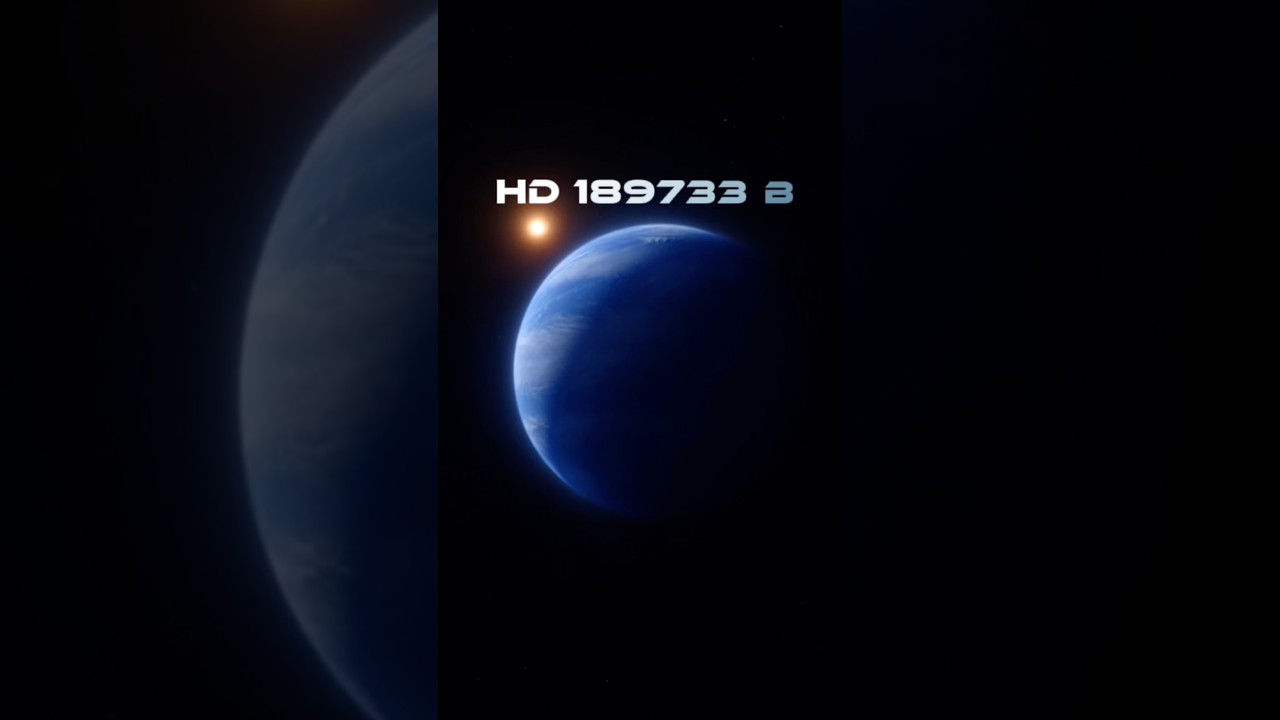
🌌 HD 189733 b | The Planet Where Glass Rains Sideways
EVENTHORIZONUK
3K views•2026-05-31

Captured the Blue Moon (with a twist) 🌙✨ #space #bluemoon #telescope
realAstroExplorer
674 views•2026-06-01

10 Planet Where a Black Hole Replaces the Sun
cosmicexplorer-EN
147 views•2026-06-02

Is this a copy of our galaxy? Discover Galaxy M81!
UniverseDocumentaries-cc4mb
995 views•2026-05-31



