Narcissists are threatened not by rejection but by emotional indifference because their identity is constructed through others' reactions; when you stop reacting, they lose the emotional supply that validates their existence, triggering unpredictable manipulation behaviors as they desperately search for any response that restores their sense of control and influence.
Install our extension to search inside any video instantly.
HOW A NARCISSIST REACTS WHEN THEY REALISES YOU LOST INTEREST!
Added:Here is something almost no one tells you when you finally stop caring. The narcissist doesn't panic when you leave.
They panic when you stop reacting. You can walk out the door and they can stay eerily composed. But the moment they sense that your emotional attention has quietly gone somewhere else. Something inside them destabilizes in a way that leaving never triggered. Most survivors believe that the ultimate threat is their absence. It isn't. The real threat is their indifference. And once you understand why, you will never interpret their behavior the same way again. If you've ever been made to feel that you were too sensitive, too much, or somehow the problem in a relationship that slowly hollowed you out, this space was made for you. Consider subscribing because what we do here is give you the truthful psychological language for what happened to you. The kind of clarity that helps you recognize manipulation before it takes hold, rebuild the self-worth that was chipped away, and walk back into your own life on your own terms. You deserve to understand the mechanics of what you survived, not just to survive it. So, let's start with the thing that confuses people most. Why does losing your interest feel more threatening to them than losing your presence? Because your presence was never the point. Your attention was.
Think about what a person with strong narcissistic traits actually needs from a relationship. Not intimacy in the way most of us mean it. Not mutual vulnerability. Not the slow building of trust between two equals. What they need is a steady supply of emotional response. Your admiration, yes, but also your fear, your guilt, your longing, your frustration, even your tears. All of it feeds the same hunger. As long as you are emotionally engaged, they have proof that they still matter to you, that they still occupy space in your mind, that they still hold influence over your inner world. Your body being in the room means very little if your emotional world has quietly closed its doors to them. This is why emotional indifference lands as something far more devastating than anger. When you fight, when you cry, when you chase an explanation, you are still participating. You are still handing them evidence of your investment. But indifference is different. Indifference is the one response they cannot metabolize because it tells them the connection is no longer running through them. And for someone whose sense of self is propped up by their effect on others, that realization is not just disappointing, it's threatening at the level of identity. Here, we need to make a distinction that changes everything.
And it's the difference between rejection and loss of influence.
Ordinary rejection is something most people can eventually absorb. Someone doesn't want us, it hurts, we grieve, we move on. But what a narcissistic personality experiences when you lose interest is not simply the pain of being rejected. It is the collapse of control.
These are not the same wound. Rejection says you chose someone else. Loss of influence says, "I no longer live in your head. I can no longer move you. I can no longer make you feel things on command." That second wound cuts deeper because it strikes at the very mechanism they rely on to feel real. Many people who lean heavily on narcissistic patterns don't have a stable internal sense of who they are. They construct their identity in the mirror of your reactions. When that mirror goes blank, they don't just feel unloved. They feel like they're disappearing. And this is exactly why the behavior so often escalates right after your emotional supply disappears, not before. People expect the storm to come when they announce they're leaving. In reality, the announcement is manageable for them because a departure can be argued with, negotiated, guilted, or reversed. The moment that truly rattles them is quieter and harder to fight. It's when they say something designed to provoke you, and you simply feel nothing. It's when the old button gets pushed and the old reaction doesn't come. That silence on your end is louder to them than any argument and it often triggers a scramble to reestablish the emotional current by any means available. Watch what happens next because it reveals how their manipulation actually works underneath the surface. Suddenly they become unpredictable. The person who was cold becomes warm. The person who ignored you starts reaching out. The one who blamed you for everything now speaks softly about the good times. And just as you begin to make sense of that, the tone flips again into resentment or accusation or wounded silence. This whiplash is not random, and it is not a sign that they're finally confused about their feelings. It is a search. They are cycling through their entire repertoire, testing which lever still moves you.
Charm is one lever, anger is another.
guilt, victimhood, jealousy, nostalgia, sudden vulnerability, even crisis. They are running through the emotional tools that used to work trying to find the one that still gets a reaction because a reaction, any reaction, would restore their sense of influence. Understand this and their unpredictability stops looking like power. It starts looking like desperation. The escalation is not evidence that they hold all the cards.
It's evidence that the cards they once held no longer work. And on some level, they know it. If this is beginning to reframe things you've been carrying for a long time, stay with me. And if you haven't yet, subscribe because the next layers go even deeper into the psychology. And I want you to have this framework ready the next time your mind tries to talk you back into doubting what you lived through. Now, let's talk about validation because something shifts here that survivors rarely notice in the moment. Once your attention fades, validation becomes genuinely harder for them to obtain and not only from you. Your engagement was often the anchor of their emotional economy. You were the reliable source, the one who could be counted on to respond, to soothe, to react, to stay affected. When that source dries up, they don't simply move on cleanly. Many go looking elsewhere in ways that seem frantic, spinning up new relationships quickly, performing happiness loudly, seeking audiences who haven't yet seen behind the curtain. But there's a quiet problem underneath that performance. The validation from strangers is thin. It doesn't carry the weight of someone who truly knew them and stayed. And so even as they appear to replace you, part of them keeps circling back because your knowing attention had a value that casual admiration cannot match. This is where your emotional detachment does something almost surgical. It exposes the limits of their manipulation. Every manipulative tactic depends on a live wire of feeling running between the two of you. Guilt only works if you're afraid of being the bad person.
Intermittent affection only works if you're still hoping for the warm version to return. Provocation only works if you still need to defend yourself. When you detach, you're not fighting these tactics. You're unplugging the very thing that gives them power. And there is nothing they can do to force that wire back into place because emotional connection cannot be demanded into existence. It can only be given. The more they push, the more visible it becomes to both of you that the pushing isn't working and that visibility is unbearable for someone who needs to feel in control of your inner life. Now, hold two ideas together because this is subtle and important. Your detachment is not a strategy. It's not a technique you deploy to finally win. If you make it a strategy, you're still tethered, still measuring your peace by their reaction, still secretly waiting to see if it lands. The kind of detachment that truly unsettles them is the kind that isn't about them at all anymore. It's the detachment that comes from your attention genuinely moving on to your own life, your own healing, your own future. That's why it can't be faked for long. They can sense the difference between silence that's still hoping to be noticed and silence that has simply stopped needing them. The first still feeds them. The second starves the entire dynamic. There's a reason your emotional independence feels so profoundly unsettling to them, deeper than pride or ego. For someone who relies on controlling the emotional temperature of those around them, an independent person is not just less useful. They're a kind of mirror that reflects something the narcissistic personality spends enormous energy avoiding, which is the reality of their own emptiness. As long as you were entangled, your reactions filled the void and kept it hidden. Your independence removes the distraction and leaves them alone with the internal state they've been outrunning. That's why they may lash out most intensely, not when you're weak, but precisely when you're becoming whole. Your wholeness confronts them with what they lack. And this brings us to something that reorganizes the entire picture. Genuine healing changes the power dynamic at its root. Not because you've become tougher or colder, but because you've stopped needing the things they used to control.
The whole architecture of emotional abuse is built on need. your need for their approval. Your need to be understood by them. Your need to fix the relationship, to be seen as good, to earn back the affection that was withdrawn. Every one of those needs was a handle they could grab. Healing doesn't make you fight harder for those things. It quietly dissolves the needs themselves. And when the handles are gone, there's nothing left to grip. This is why emotional neutrality so often provokes stronger reactions than any argument ever did. When you argue, you're still granting them the role of someone whose opinion of you matters enough to correct. You're still trying to be understood by a person who benefits from misunderstanding you. But neutrality communicates something an argument never can. It says, "I no longer need you to see me accurately. I no longer need you to admit what you did. I no longer organize my emotional life around your version of events.
There's no counterattack for that because you haven't attacked. You've simply withdrawn your consent to keep playing. And a game only exists as long as both people agree to play it. Let this land because survivors carry so much guilt about going quiet as though calm were a form of cruelty. It isn't.
Your neutrality is not a weapon you're using against them. It's the natural shape your nervous system takes when it finally stops bracing for the next blow.
The reason it affects them so powerfully is not that you designed it to hurt.
It's that it reveals without a single accusation that their power over you was never permanent to begin with. Here's something remarkable about all of this.
You end up communicating your strength without saying a word. You don't have to announce that you've healed. You don't have to prove you've moved on or deliver a speech about everything you finally understand. In fact, the moment you feel the urge to prove it, part of you is still seeking their acknowledgement.
Real strength shows up in what you no longer do, the message you don't send, the bait you don't take, the explanation you don't offer, the old wound they poke that simply doesn't bleed anymore. They read all of it fluently because they spent so long studying your reactions that they notice the exact moment those reactions stop. Your silence is not empty to them. It's full of information they don't want to receive. And as you keep going, something even more freeing comes into view. Reclaiming your identity removes their single greatest advantage, which was always their ability to define you to yourself. For a long time, you may have seen yourself partly through their narration. Too emotional, too needy, impossible to please, lucky to be tolerated. That narration was never a description. It was a leash. And the extraordinary thing about recovery is that as you rebuild an accurate, compassionate sense of who you actually are, their version simply loses its grip. It's not that you argue your way out of it. It's that you outgrow the frame entirely and a story only controls you while you're still standing inside it. If you're feeling something loosen in your chest as you listen, that's not a small thing and it's exactly why this channel exists. Subscribe and stay close because clarity like this is not a one-time event. It's a practice. And every time you understand another layer of what happened, you take back another piece of yourself that was never actually theirs to hold. Let's go somewhere gentler now because there's a misunderstanding I want to lift off your shoulders. Losing interest is not revenge. So many survivors quietly worry that their indifference makes them cold.
That no longer caring means they've become a little bit like the person who hurt them. But indifference born of healing and indifference used as a weapon come from two completely different places. Weaponized coldness still revolves around the other person.
It watches for their pain. It keeps score. Healing indifference doesn't watch at all. It's simply the quiet that settles in once your attention has genuinely returned home to your own life. You're not withholding your care to punish them. Your care has just naturally flowed toward the people and the future that actually nourish you.
That's not cruelty. That's recovery doing exactly what it's supposed to do.
And notice how recovery changes your perception itself, not just your behavior. In the thick of the entanglement, their moods felt enormous, almost weatherlike, capable of reshaping your entire day. As you heal, those same moods begin to look smaller and more transparent. You start to see the anger as fear wearing a costume. You start to recognize the sudden charm as a maneuver rather than a change of heart. You watch the victimhood arrive right on schedule and you understand its function. This shift in perception is one of the most protective things that can happen to you because manipulation depends on being invisible. Once you can see the shape of a tactic while it's happening, it loses most of its power over you in real time.
Here is perhaps the deepest truth in all of this. Losing interest is often the precise moment a survivor finally stops participating in the cycle. The entire pattern of narcissistic relating is a loop that requires two roles. One person to act and one person to react. As long as you kept reacting, whether with hope or fear or fury, the loop had everything it needed to keep spinning. Losing interest doesn't just change how you feel. It removes you from the machinery altogether. There's no partner left to complete the circuit. And a cycle that once seemed inescapable turns out to have depended all along on your continued willingness to play your part in it. Sit with how much that reframes.
For so long, you may have believed you were trapped by their behavior, but a great deal of the trap was maintained by the connection between their action and your response. The moment that connection goes quiet, you discover a kind of freedom that no confrontation could ever have given you because you didn't win the game. You stepped off the board. What tends to surprise people most in this stage of healing is how ordinary the whole thing eventually starts to feel. The person who once occupied every corner of your mind gradually becomes just another human being who happened to be part of your story. no longer a gravitational center, no longer someone whose approval you need or whose disapproval you fear, and that ordinariness is not emptiness. It's the sign that your emotional world has finally reorganized itself around you instead of around them. If you want to keep walking this path with clear, honest guidance rather than empty reassurance, subscribe and let this be one of the steady voices you return to.
Because rebuilding a self takes time and no one should have to piece together the truth of what happened to them entirely alone. There's one more layer worth sitting inside because it often arrives late in recovery and catches people off guard. When your interest truly fades and their reactions eventually run out of fuel, you may feel not triumph but a strange quiet grief. That grief is not a sign you're slipping backward. It's a sign you're seeing clearly at last.
You're grieving the relationship you believed you had, the version you were shown in the beginning, the future you were promised in the moments of warmth.
Letting go of interest means letting go of the hope that the good version was the real one. And that hope was sometimes the last thread keeping you tied to the whole experience. And as that thread loosens, something else quietly takes its place, which is curiosity about who you are. When you're no longer bracing, no longer managing someone else's moods, no longer shrinking to keep the peace. That returning curiosity about your own life, your own thoughts, your own desires that had nothing to do with them is one of the shest signs that the center of gravity has shifted back to where it always belonged. And it opens a question worth carrying with you long after this conversation ends, which is simply this.
What might you become now that so much of your energy is finally fully your own
Related Videos

0:39
Psychology
Inside Ronaldo’s Team Meeting
RonoSphereCR7
1K views•2026-04-17

7:25
Psychology
You Are Not So Smart: Chapter 4 Hindsight Bias, What is it?
TheBey8nD8
230 views•2019-09-15
49:35
Psychology
Sigmund Freud's Mind - Master Your Inner World (Your Unconcious Mind)
Ngaslife
1K views•2025-01-25

11:29
Psychology
What affects your mood?
RandyPaterson
602 views•2019-05-16
3:45
Psychology
Can you outsmart this logical fallacy? - Alex Gendler
TEDEd
2164K views•2019-11-25

1:02:21
Psychology
Understanding the Relationship between Fear of Falling and Mobility in Older Adults
fallpreventioncommunityofp3788
823 views•2019-04-08
54:04
Psychology
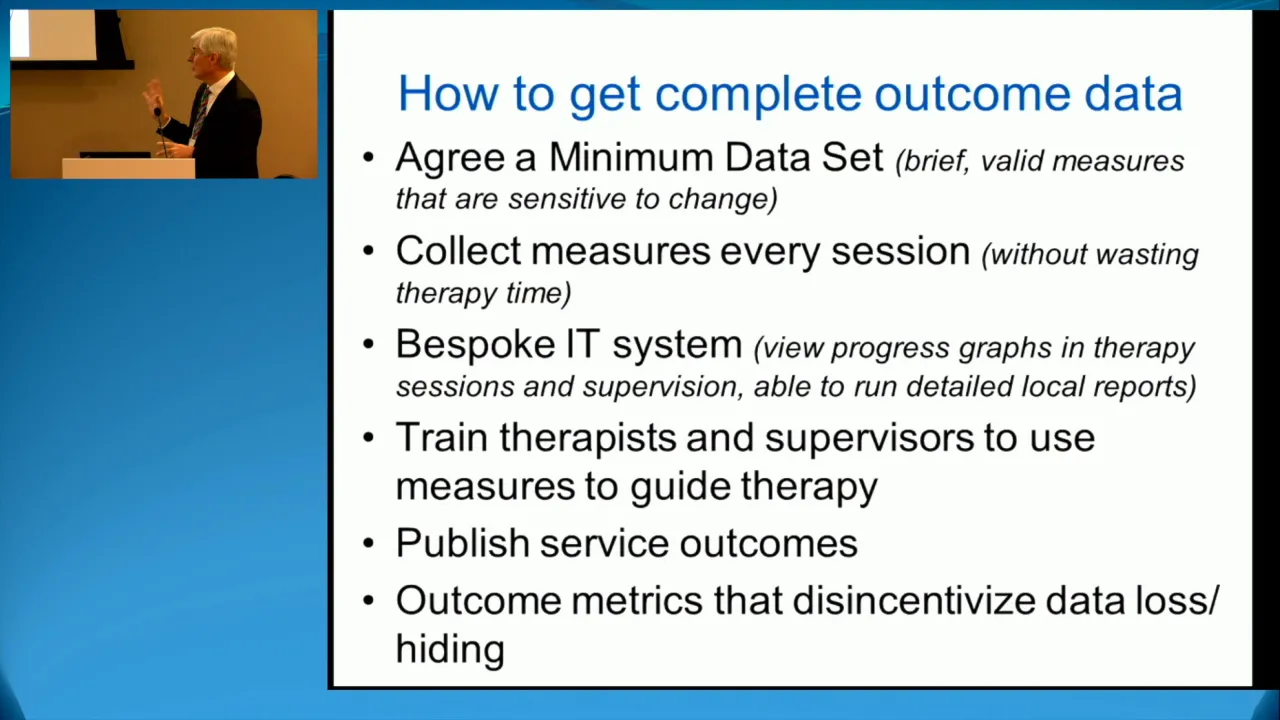
Measurement-based Care in Psychotherapy Workshop - Future of Psychotherapy Conference 2019
UofTPsych
243 views•2019-04-25

51:52
Psychology
Dr. Carol Tavris — Mistakes Were Made (But Not by Me)
skepticmagazine
14K views•2019-05-02
Trending

9:05
Artificial Intelligence
2.4 BILLION Records Got Leaked...
DeepHumor
15K views•2026-07-22

13:25
Business
Playstation NO DISC/NO BUY Fight Is Over...
DavidJaffeGames
4K views•2026-07-23

19:32
Business
Should I buy a Sawmill?
essentialcraftsman
29K views•2026-07-22

16:52
Anthropology
Americans Confused in Australia for 17 Minutes Straight
IWrocker
17K views•2026-07-23