Bhat’s success proves that elite academic performance is less about rote grinding and more about cultivating a genuine, early-onset passion for problem-solving. It is a compelling case study on how a strong support system and conceptual depth can transform a high-pressure competition into a personal intellectual journey.
Install our extension to search inside any video instantly.
Badekai Vishruth Krishna Ramchandra Bhat| Mastering Mathematics Olympiad & JEE All India Rank 79
Added:Namaste. Welcome to Diva Disha.
All these 37 episodes have been wonderful experiences listening to the people their life experiences. Today we have with us a child prodigy who is not only excelled in academics. He is a multi-talented student and we don't even know the abbreviations of some of the exams he has cracked all these years. So such an astounding wonderful student we have who has made all of us proud. He is the topper in J mains and advanced in Dakshakan districts, Udurupi district and other neighboring districts as well. We welcome Mr. Bkai Vishut Krishna Ramchandrahatt to this podcast. Welcome Vishut.
>> Thank you. First of all, Vishu Krishna uh huge congratulations on being the topper in Dakshina Canada and neighboring districts as well uh in J advanced. Uh getting a rank of 79 is not at all an easy task. So you have made all of us proud. You have made this district proud. Uh being the topper in uh J and you have been raised by most accomplished professionals. How was your experience as a child? How was the academic discipline?
>> Uh thank you ma'am.
>> Uh my experience my childhood was really great. It was uh the thing was they did not academically pressurize me that much.
>> Uh only you know my father had plans for me uh since I was a child because he's kind of a visionary who thinks a little far ahead. So his dream was to get in get me and my brother both into IT uh from a long time back. Uh so uh what he did mainly was uh when we were uh in the growing stages he just uh uh you know used to help us with uh initial problems maths problems such as addition multiplication division all of this he was just uh he tried to and it's not just uh in maths he I was even put into drawing classes even though I did not have much interest in that and I left soon after >> okay >> and then similar many activities such as swimming. Oh, this it was not that uh all I did was study the entire day.
>> In fact, studying was a a pretty small part in my daily life. Mhm.
>> And uh mainly what he did was he tried to build that uh passion let's say for science and maths that I had >> and uh then there was also my brother who >> uh when I was in fourth fifth he was in 10th >> and he he also tried to you know uh shift me towards uh uh you know learning more advanced things than what is actually taught to us in schools and stuff.
>> Okay. So, and my mother also was really supportive. She's a doctor. Even though she is a doctor, she she was fine with me doing engineering. Okay.
>> Because work is a little hectic.
>> So, she wanted me to live uh better life in engineering.
>> Okay.
>> Not have so much tension all the time.
>> Okay. So, when did you start your primary classes?
>> Uh from uh LKG uh to uh sixth sixth standard. I was in Lud Central School >> Mangalore. Okay.
>> Vijay >> and uh after that uh 6th to 10th I was uh 7th to 10th I was in Shah Vidala.
>> Shidala. Before starting the actual questionnaire so let me ask you you have a very big name Vishaka Krishna Ramchandrahatt.
May I know any story if there is any behind this bad Vishut Krishna Ramchandraut? Yeah, the uh this my main name which is Vishu >> was kept by my grandmother.
>> Okay.
>> And basically grandparents usually they like the name >> and actually the stories I think even my mother or father looked at it or something like that I don't remember exactly >> but uh Barakai is the town from which my father's side belongs. It's my native place >> where exactly it is from >> Baraka is close to Konaji in Karnataka.
>> So and after that Krishna actually my grandfather's name is Sikk Shastri Chakrai Krishna Shastri. Oh >> so his name Krishna and my father's name is Ramchundra Chandra.
>> So from there Ramchundra and B is my surname.
>> You did your first to sixth standard primary education root school right?
Yeah.
>> So how was the experience over there?
Yeah, it's good. It's >> Did you have any like experience rel related to these uh your whatever subjects you have cracked all these examinations did you have exposure to those such uh competitions? No in till sixth standard uh even if I had some I did have some exposure but uh that was not from not due to school I would say it is my parents and >> uh my cousin sister actually uh had uh >> got into she was she's 7 years older than me >> so she was at that time she was in when I was in fourth or fifth she was uh uh you know going in neat or j side that's why from there I got some exposure my brother got some exposure from there okay >> so that's what uh helped me uh during that period >> so you didn't have any exposure uh on these topics in your schools >> no schools schools uh schools majorly just focus on uh you know uh memorize your topics you forget everything after the exam is done and schools are definitely very important though because uh mostly you know you learn almost everything academics related from schools it's always important that I can't remove schools from the system because they are that's how it starts >> so definitely it was >> stepping stones we can say >> stepping stones >> so it was a very important part obviously you know uh if you if you need to become something someone extraordinary then you should stop doing what ordinary people do >> okay So all I can say then uh is mainly because of your parent.
>> Yeah, parents and uh >> basically the environment here kind of because my brother uh liked maths a lot and he did not like bio because it's all memorization bio mainly. So that's why uh initially itself I focused towards engineering >> engineering >> uh because see uh in obviously in Indian families if it's if you're interested in academics then there's only two options engineering or >> doctor so it makes sense why I chose engineering and then I started preparing for maths olympiads initially.
>> Mhm. And from there I went to because they are even though maths olympiads are not exactly related in to J in terms of syllabus.
>> Yeah.
>> It matchs olympiad really develops your mind so that you gain a massive advantage in J.
>> Mhm. How did you start preparing for maths olympia? Max Olympiad's >> even your brother uh >> yeah he he yeah he in fourth and fifth what my brother did was since he was in 10th he already knew um a lot of the things I was you know what whatever was advanced for me then was basic for him >> so what he did uh he taught to me all of those okay >> uh in in the sec first floor of my house there is a >> uh whiteboard in that I used to just sit there and he used to teach me things and sometimes I used to fall asleep.
>> Okay.
>> It's but throughout that process I learned a lot and that's where a lot of interest was created for me for maths.
>> Okay.
>> Mainly.
>> So he's the first teacher.
>> Yeah. Kind of >> for the maths olympia.
>> Yeah. You could say definitely he was a really big part of my me being here.
>> That's nice. That's how old is he?
>> He's now 22 years old.
>> Which exam you started writing? Uh I started from uh in uh fourth fourth and fifth. It was uh I started with SOF Olympiads and all. Uh those were those are the really basic ones. They are >> namesake Olympiads.
>> Okay.
>> Not really uh they are not very advanced but they offer >> uh good reward if you get a good rank in them.
>> Okay.
>> It's just one level upgrade compared to school olympiads. That's it. Okay.
Uh-huh.
>> And uh after that I went to NMTC.
>> Mhm.
>> NMTC National Mathematics Talent Contest.
>> So that is that is where uh uh let's say if I'm in fifth >> they'll ask you eth or ninth grade stuff.
>> Okay. Okay.
>> So >> that is where the real kind of jump >> uh comes in the preparation.
>> Okay. And uh actually sometimes people view it as a negative >> but uh the thing is when you're doing these math competition it's always extra >> your school whatever is going on in school is going together. So when you reach 10th it's not like you're behind in any other subject.
>> Okay.
>> You're same level as everyone else in everything.
>> Yeah.
>> But in maths you're much better. So it's always just a benefit.
>> Okay.
>> So that is great. and NMTC was really good starting point >> but uh then >> is it anything kind of vic mathematics or some some people say it's like is it like abacus or something like that >> no it's just uh yeah I understand abacus and all those even my brother has learned abacas >> but I never went to the classes >> okay it's not about that >> it's not about that >> okay >> uh what happens is uh in abacus it's mainly calculation based so when People say mathematics they usually think of addition multiplication all of that. Uh so it's completely different mathematics much more washed >> than what may uh seem to the eye >> okay >> to the normal eye. So uh in this NMTC for example uh much uh the for example in NCERT and all there's a section called hots questions higher order thinking skill something like higher order thinking okay >> so >> those types of questions but dial to 100 it's it's uh even in NMTC for example the lowest level of maths competitions >> okay >> even those are much higher than what you see in school level it's not addition multiplication it's uh some concepts which you need to know exactly good level of thinking you need >> okay >> to solve to crack those questions they are algorithmic and it's you it's a whole journey navigating through one problem >> okay so when it comes to the national level examinations uh most important thing is you should have that conceptual depth >> yes definitely >> and the speed >> speed is also important >> so how did you manage uh While doing your regular studies, academic studies, how did you manage these examinations as well?
>> Apart from school, uh, school actually I did not focus a lot. My parents used to always, >> you know, uh, try to make me give more attention towards school syllabus but I knew that studying 2 three days before the exams would be enough for me. I tried my best to finish finish all of them of during school itself.
>> School itself >> so that I can come home and study.
>> Okay. uh the other stuff for maths and for example >> and I really enjoyed this so it did not feel like a task to me.
>> All these exams just new opportunity.
>> So that is your passion then?
>> Yeah.
>> So you went for uh Russian sharing geometry olympia. Yeah, I in uh when I was in eighth standard uh sorry no when I was in ninth standard in 2022 >> uh there's uh >> for 9th to 12th people there is a uh geometry olympiad named Shahajin Russian geometry olympiad >> sharin geometry olympi geometry >> that is uh I would say it's it's not compar >> it's only on geometry >> yeah it's purely geometry >> totally on geometry people who are even In maths >> actually in Olympiad maths there are four divisions.
>> Okay.
>> One's geometry, the other is number theory >> and combinatric and algebra.
>> Some people uh are extremely good in geometry.
>> So for them this Olympiad is so what I did was uh uh in seventh and all I studied geometry so well that my level in geometry was much higher than my level in everything else. Okay.
>> For combinics, algebra and all of that.
So, uh what I did these in Russian charge geometry olympiad from December >> to March, >> December 1st to March 1st.
>> Okay.
>> Uh every year.
>> Okay.
>> There is period of what is that 3 months? 3 months period they will give and they will release a list of correspondence problems.
>> Okay.
>> So that consists of uh 20 25 problems.
>> Mhm. And uh with increasing level >> and what is uh the main part of that is >> all are extremely hard. Even the easiest problem of uh charging >> is much harder than what you see in school. School at this point school becomes irrelevant for you. It's not even okay >> the syllabus taught there will become extremely basic. You can solve it in your sleep. That's how low it becomes.
But uh at this point sharing starts from the easiest grade 8 it's called grade 8 is uh actually it's 9th grade Indian eighth grade Russian.
>> Okay.
>> In Russia last grade is 11th.
>> Okay.
>> So in ours it's 12th. So it's one shifted.
>> Okay.
>> So what happens is uh in charge even 8th grade problems >> it's much higher than even say 11th in India. So >> uh these this is not a standard school examination type stuff. So >> uh it goes from 8th to 8th to uh 11th.
Yeah.
>> 11th. Okay.
>> So uh all uh every grade people can solve all problems in their grade and above.
>> Mhm.
>> If you're in nth grade >> any other classes above that.
>> If you're in nth grade you can't solve eighth grade. Okay. Fine.
>> So uh that year I had solved 17 problems. I think out of 25 so which is >> good grade for eighth grader. So cut off was something like 13 or 12 or something I don't remember.
>> So uh I qualified that year >> and then >> so it was an online exam.
>> Yeah online it's all online. You submit the solutions you write the solutions or you type it in Latic. Latte is a language in which you can type all the solution. It's a coding language but it's much easier. There's not a lot of syntax and it's mainly for writing mathematical solutions.
>> Mhm.
>> Twice a year it is called for for the examinations.
>> What?
>> Twice a year it is called.
>> No, it's just one once in ace. Once in a year >> but there are two rounds.
>> This is the correspondence round I'm talking about and after that there is the final round.
>> Final round.
>> So once you clear these uh once you clear this uh correspondence round you go to the final round. In final round that year there wasid and still lingering effects.
>> Yes.
>> So we did not go to Russia. Usually it's organized in Russia.
>> Okay.
>> My seniors and all went to Russia.
>> Russia.
>> So uh I went to Kolkata.
>> Oh >> they had uh >> there's a branch.
>> Yeah. There was a uh they gave some Indian people the uh responsibility of organizing it in Kolkata.
>> So after that I went there. Uh great uh great experience. Uh you sit around a table >> and everyone just keeps solving their own problems >> and uh >> 2 days exam.
>> Okay.
>> Day one, day two each has four four problems and you get uh something like >> in one day you have to solve four problems. Okay, that's it.
>> How many hours you get?
>> You get four four hours. I think four or five hours. I'm not sure exactly. I think it's 4 hours.
>> So yeah or three or four. I don't remember exactly. But you get a lot of time for each problem.
>> And there's no writing the solution.
>> It's different.
>> There you'll have people named as jury.
You call them jury.
>> So you go and explain the solution to them.
>> Mhm.
>> If they uh find it's okay then >> how you going to explain it?
>> Uh you uh because those jewelry are also very smart people.
>> So they full uh full their level is different. So what we do is you can use all technical terms. Most of it is allowed. There are some things that are not allowed which is like too advanced or something that you can't use this.
There are things like that. You have to prove it if you're using this.
>> Okay.
>> So because the proofs themselves are very long. So what the best part of this exam is that you don't have to write stuff because uh in all all all Olympiads and for example GE also >> uh there's scope for silly mistakes and all >> but in this you just explain the solution >> explain >> so there is uh that's the best part if you know >> how do you explain a math problem yeah >> in that for example these questions are very huge the question statement is this much solution is three pages >> so What happens is uh we start from for example we draw the diagram this big diagrams onepage diagrams. Okay.
>> So uh in that all of that uh we >> angles >> angle chasing angle chasing the angles and for example uh you use theorems and all you explain you tell all of that to them and then they >> just draw theruct draw draw the structure >> and use that to point out what's going on with and they understand all of it.
Yeah. So >> how many you could solve in one day?
>> I solved uh three three in both the days.
>> Both the days. Okay.
>> So six out of eight.
>> I got second diploma.
>> Second second diploma.
>> Second diploma they call it.
>> So second diploma. And the only two problems I couldn't solve.
>> Both were combinatric not even geometry.
>> Okay.
>> The thing is in this charging what they do is uh uh three problems pure geometry. Okay, >> one problem they mix combinatric into it >> which I'm not very good at. Common tricks is my weak point. So >> I couldn't do that and got second diploma.
>> I was happy with it.
>> Okay. What is the next stage on there?
>> Shin that's it.
>> That's the final stage.
>> Oh that is the final stage.
>> That is the international level.
>> International level. Okay. Any other uh uh countries organizing such kind of Olympia?
>> There is Iranian geometry olympiad.
Okay. IGO that's also uh I I actually decided to participate in that but end moment uh I withdrew because of some co stuff I uh became complex so I just withdrew it now okay >> should have participated but it's fine no problem >> okay how about this NMTC like how many like twice in a year it is called or every year once >> NMTC every year once and uh even in NMTC there are two rounds >> first round is screening round it's an online round >> mhm And uh in that mainly the thing is you'll get a high number of problems. I think it's 30 or 25 or something.
>> Okay.
>> And uh uh what happens is you need to solve there's a cut off and you need to clear that >> 30 problems.
>> Yeah. I think I'm not sure exactly.
>> But you'll get two hours for that.
>> Okay. To maximum marks.
>> Maximum marks. No. Uh it's just questions each question.
>> Questions. Okay.
>> Yeah. It's not like they don't have they don't release the grading or anything.
It's just computer checked and >> it's MCQ type.
>> So it is said like uh you are qualified for of for this examination.
>> That's it. There's no grading.
>> There's no rank nothing. Okay. NMTC.
First stage is just screening round.
>> Okay.
>> Second stage full subjective.
>> Uhhuh.
>> That also uh you I think that is also online. Yeah. I'm pretty sure that's also online.
>> Okay. But uh you can go and give it in a center or you can give it at home I think.
>> So that is three hours and that has all subjective problems. In my year it was eight.
>> Okay.
>> So I solved I think six out of eight again.
>> Mhm.
>> So six or five I don't really remember.
>> Okay.
>> So in that rank list comes >> uh 1 2 3 4 whoever solved the highest will get high.
>> Okay. Okay. So according to the number of questions they have solved they will be given the rankings. And in NMTC there's also partials >> each if you get some progress in a question >> you will get partials counted.
>> Okay.
>> Grading marking scheme nothing is released to the public. So >> they do it themselves.
>> Okay.
>> And uh yeah in sixth I wrote that in fifth and sixth and in sixth I got a rank eight.
>> Okay.
>> In uh so how about uh this uh NAP?
>> NP. Yeah. NP all >> yeah np NA >> oh yeah can you just tell us what is that so all of these are senior Olympiads in there's uh there's two divisions junior Olympians and senior Olympiads junior olympiads is njs and final stage is ISO international nsjs is national standard examination in junior science >> okay >> and ISO is international junior science olympiad >> okay this is these exams are written before 8th or >> these exams are written in you can write it in eth and nth.
>> Eth and nth.
>> Some people can also write it in 10th.
It depends. There are some age criterias and class criterias.
>> You need to satisfy both to write it in 10th.
>> Okay.
>> And uh but uh after 10th and 11th 12th >> you can write senior Olympiads.
>> Okay.
>> So anyone who can write senior cannot write junior.
>> Okay.
>> So that's how it works. Okay.
>> To make it fair for the junior people.
>> Correct. Yeah.
>> Yeah. So in this uh senior science olympiadu there are three >> uh ns uh national standard exam uh chemistry astro and physics >> physics >> there's also biology actually >> biology is also there okay okay >> four are there but for me obviously biology is not relevant >> okay >> so uh npse a nse >> these are the these stages n national standard examination >> examination >> is the first stage of uh there's a ladder First stage is NSE >> NSE.
>> Next stage is INON.
>> INO is Indian National Olympiad.
>> Olympiad. Okay.
>> For example, uh Indian National Olympiad in astronomy. Okay.
>> That is in for Astro.
>> Okay. When you clear this NP, you will be qualified for and then you again write a 3-hour exam.
>> Okay.
>> Then you go to uh these senior Olympiad camps. OCSC.
>> Okay. Even there you don't have marks.
>> No, here you have marks. Everything is marks are variable every year.
>> Okay.
>> And you have a fixed set of questions.
Something like for example this year I wrote physics and chemistry >> and in physics they had six questions.
>> Okay.
>> In chemistry they had uh >> five questions.
>> Five questions. Just five questions.
Three hours.
>> Those are uh different types of questions. For example, yeah, it will seem ridiculous that what what are people doing for 5 hours or sorry 3 hours with only five questions. You have to write the entire solution.
>> But uh >> more than the solution thinking is involved like these questions are so hard person who has just done normal school level even till 12th if you have done full school syllabus >> you probably won't be able to solve a single question. So these are that extremely high.
>> Okay.
>> Uh the toughness level is very hard.
>> Okay. What preparations need to be done for this >> for uh >> how did you manage to do first thing?
>> Uh well I just had a interest in actually uh usually people have a favorite subject for example people who prefer prepare for G and all they have a favorite subject like uh maths, chemistry or physics. Yeah, >> for me almost all were my favorite. I mean >> when I started studying any one of them I had very good interest in all of them in IO only in IOC in organic chemistry that's the only thing I had a little bit less interest >> not difficult because it's just memorization.
>> So I that's what I don't like.
>> Okay. Your dad is an inorganic chemistry specialist.
>> That is the irony. He's an IOC professor and I hate >> but there's also one more thing in J advanced >> out of the three chemistries >> I think I scored the highest in IOC >> IOC that's nice okay yeah let me ask you like how did you prepare for this uh >> so uh for physics physics olympiad there are uh actually if you do uh J preparation at a very good level >> then automatically you'll be pretty good for physics olympiad >> you can do uh past year papers of INPO. INPO is Indian National Physics Olympiad.
>> Okay.
>> So that's the second stage.
>> Okay. Fine. Yeah.
>> So in PH is the uh second stage of uh this thing.
>> Okay.
>> Uh and for that you need to do uh I mean not need to do it depends on every person. It's different. Some people do very little and some people do only J preparation and they qualify in PHO. So it also depends on the year how hard it is and for example this year it was very easy. So people who did only J preparation they had they had an advantage. People whose speed was good had an advantage.
>> My speed was bad.
>> So that's why I couldn't perform very well in PO couldn't qualify. Mhm.
>> But uh uh in uh in PHO the main thing is you need to do past questions >> and uh very few concepts you need to learn that are not in >> J. Uh >> uh for that you can follow books such as electronamics my friends I can say they followed Griffiths DJ Griffith there's a book electronamics and for modern physics there's Arthur Biser all of these standard foreign author books many are there. Yeah.
>> So those are good >> and uh you need to do there are Russian olympiads and all >> which uh they have a huge question bank.
>> Okay.
>> So even uh people who reach to a very high level they also >> use this as >> they will give you that question banks.
>> No no one gives you that. You just search it up Google. It's all dependent on you. You find the material good otherwise you're at a disadvantage kind of.
>> Okay. Okay. So uh after this uh you also cracked VVM examination right? Vidyan Vidyati Vidyan Vidyati Vidyan Mantra uh that was in >> which body conducts it >> VVM is conducted by uh >> Vas IIA BHU I think.
>> Oh yeah >> they conducted there.
>> Oh VBM examinations. Okay. Uhhuh.
>> IbHu.
>> Mhm.
>> VBM state I was first. I I was completely not expecting >> that I'll get first in that >> and uh I just went there for fun. I did not expect a good result.
>> Okay.
>> When they announced third, second and first my name I I was I literally I was shocked >> that I got a rank of one. So that was a surreal experience >> and uh very great experience in VVM. Uh and uh then I went to national.
>> It was in I8 BHU.
>> Yeah, it nationals was in IIT BHU.
>> Okay.
>> And Vanasi and there uh in south south zone zonal I got second place.
>> Did not get anything in national place though. That's it.
>> Okay. Oh yeah. I wanted to ask you about this IMO right? You went for a training in Chennai. No, actually the thing is uh uh I qualified for the training camp in in maths olympiad at a country's level that is the highest you get.
>> Mhm.
>> And uh then then you go to IMO, >> international maths olympiad.
>> So I qualified the third stage IMO.
>> Uhhuh.
>> I could have gone to the IMO TC.
>> Okay.
>> IMO training camp >> but uh I decided not to go there because J preparation was >> uh my goal. So I did not. That was in >> That was in 10th 10th standard.
>> Okay.
>> Yeah.
>> I am more training.
>> Yeah. I training camp. The camp was in Chennai.
>> I did not visit.
>> Okay.
>> Yeah.
>> How do you keep track of all these examinations when it comes and all the notifications everything?
>> Yeah. that actually in fact in that I would say I'm a little behind the rest of them >> because uh uh you know people have better guides and all which uh uh push these exams towards you so that you have an opportunity in that the exams I have attempted are actually the bare minimum I mean uh not a lot I did not know about many examinations some I didn't even have an interest in so I just did not register but uh mainly these exams you need to be in contact with someone who has an idea of all of this.
>> Okay. Okay.
>> For example, in maths, I was in uh a website named arttoprosolving.com.
>> art of problemsolving.com. Okay. Uhhuh.
>> So, AOPS >> uh that has many communities >> and in that there's an Indian maths community also.
>> In the there people had an idea about everything. So, from there I got to know about all of this.
>> Okay.
>> In MOO uh and all it was uh more standard.
>> Mhm. So that my uh you know my brother himself he had a good idea >> and I used to go to uh uh coaching type thing in >> uh here Mangalore itself Vijay there's one teacher named Dhag >> he taught extremely well and >> from there I got to know an idea about >> and CFL also kind of I went to CFL from fourth to sixth >> okay >> but then I left it.
>> So but Der was very helpful. He gave >> Dhak Dhag.
>> Okay.
>> And for maths he was very helpful and he gave a good idea about >> all these Olympiads and all. Okay.
>> I used YouTube also a lot to find good people and learn from them.
>> Okay. So which which sites you refer? uh in uh sites as in uh for uh all contest collections everything uh full maths olympiad the entire thing everything is there in a >> okay >> art of problemsolving.com >> uh and uh for uh IOQM and all I referred to anac academy lectures anac academy in YouTube okay >> there was prashan j's lectures in 2020 >> very helpful very great teacher prashan Okay.
>> So I learned from him >> and uh that was very useful. And then for RMO and MO geometry I learned from EGMO. There's a book named EGMO Ukidian geometry in mathematical olympiads.
>> It's author is Ian Chen. So uh that that pushed my geometry from RMO level to directly IMO level. So I could solve IMO short list.
>> Okay. Short list is all the problems that were >> got there's a screening process for problems at IM also.
>> So everything that got to the last stage but was finally rejected >> only there are six problems in the IMO.
>> Okay.
>> And 2 days each day 4.5 hours.
>> Okay.
>> Each day three problems.
>> Okay.
>> So three problems you need to solve in 4.5.
>> So there are six problems there.
uh all the problems one stage that got uh to the end but just finally got rejected all those problems also I could solve uh >> all three >> all three >> no I mean uh in the short list there are many more than three >> I could solve uh uh problem three is considered problem six is considered to be the hardest actually each day the large problem is the hardest then medium then easy >> okay >> and this easy is again uh not it's not easy at all. It's easy.
>> It's easy compared to problem three standards.
>> But for example, if I uh you know again a schoolgoing kid, >> it's not our easy.
>> Yeah, it's not.
>> It's your easy >> kind of a schoolgoing kid will not be able to solve no matter I mean spends 24 hours on the problem.
>> Okay.
>> Might still not get it. That's how hard these problems are.
>> Okay. So I could easily solve I mean not easily again >> uh problem two to problem say say 2.5 or something >> I could solve in geometry that's how good my geometry became from this book EGMO and then I just practice problems >> from AOPS >> lots of forums and uh every contests all problems you get there okay >> and for geometry it was a very good source >> okay >> for combinatric was never really Good. That's why I won't even suggest sources. I don't know many myself.
>> Okay.
>> Whichever I tried, I couldn't really do it. Cominatics was too hard for me.
>> Okay.
>> And number theory, there are there is one book named modern Olympiad number theory.
>> Modern Olympiad. Okay.
>> And that written by who author? Aditya Kurmi >> himself uh I I am a TC camper >> and uh yeah that he very good uh >> book and in algebra algebra there are many subtopics inequalities functional equations >> and uh >> I don't remember many now but >> yeah those are the main and functional equations I learned uh from mainly from one book uh there is BJ Watachala he's >> karnataka guy >> okay >> BJ Watachala okay >> teacher in you know he comes for lectures in camps and IMO IMOC gives lectures >> problem setter also >> he's a professor somewhere I don't remember where but uh >> his book is good and uh inequalities there was one named secrets in inequalities >> by Vietnamese author Fam Kim Hung okay >> so that was very useful. That's where I learned inequalities from.
>> So you need to explore uh many books and all for this because this is >> it's not like one book for like example NCERT.
>> It's not one book you get everything.
It's you need to explore and >> it's mainly problem solving.
>> Problem solving right >> because all these ideas will be developed by problem solving.
>> Yeah. So did you join Alan Kota?
>> Yeah. in uh 11th 11th standard uh seeing my uh maths olympiad achievements mainly >> uh Alen Kota uh invited me they accepted me okay >> and I studied in uh star batch Alen Kota >> okay so physical you you were there in Kota >> yeah first five months I was there in >> Kota >> uh Kota and then I returned here for one year >> and uh because of some health issues >> and uh then last 6 months again I went to Alen Kota So in second year second year >> second PU >> okay while while studying PU in Shahid Vidya or >> that time I was completely uh PU also >> there itself Mabarti senior senior secondary school in Rajasthan >> in Rajasthan. Okay. How was the experience over there?
>> Alen Kota apart from the food it was pretty good even uh last 6 months the food also became good. I never felt sick after >> uh in the last 6 months.
>> But uh faculty amazing.
>> Mhm.
>> Extremely good faculty and >> in my opinion that that's a very very important part. Without good faculty >> then uh talent will be wasted. That's it.
>> Uh but uh >> you there's also a lot of your own contribution because uh >> you need to study there and you'll have a very competitive environment.
>> Okay. There are some uh problems to like uh you know along with the food some people will always try to pull you down.
>> Pull you down. Okay.
>> But uh >> in your own case >> Yeah. Yeah. Yeah. Definitely there are people >> but uh at the end you just focus on your own stuff and you'll succeed.
Definitely. Main thing is just hard work.
>> Okay. Uh-huh.
>> Learning. You you need to keep learning.
That's >> keep learning. It was a residential program.
>> Yeah. Full host >> full two years >> for two years. Okay.
>> Two years they provide >> I came back after one year I was >> after one year you came back. So you did online >> online same faculty same everything they give the >> uh >> they give that uh resource.
>> Mhm.
>> This is if you join uh star batch >> normal batches in Alen Kota it's slightly different. there you need to you know the uh full system works a little different. Starbatch you have more facilities.
>> Okay.
>> Uh in Starbatch same building is your host and same building is >> class >> class classrooms.
>> Okay.
>> So in normal batches it's a little harder >> definitely there's no doubt. M uh uh this is the benefit of doing all of these olympiads and stuff because you have a higher chance to get in there and then obviously you have higher chance of getting a good ranking.
>> It's not like normal batches don't proh produce ranks >> even uh normal batches uh for example in top 100 there are three guys who were not in star batch.
>> Mhm.
>> And that's really good.
>> Okay. The advance.
>> How many students uh they take like in a batch? In my batch there were 17 people around >> only 17.
>> Yeah. Yeah. In my batch. Yeah.
>> How was the system like uh education system over there?
>> Syllabus is same.
>> Okay.
>> But everything is more depth.
>> More depth.
>> Depth depth. That's it. That's the game of >> J.
>> So uh in Alen yeah it was pretty good and system >> uh it also depends on how much you use the system.
>> For example uh if you get many doubts and all you can uh the teachers were available always.
>> Okay. And this happens at all levels.
>> Yeah.
>> Every uh not just our batches in >> so coaching was given after the regular classes or uh it was uh combined >> everything was integrated.
>> Integrated >> uh together.
>> Okay. So coaching along with the regular subjects.
>> Yeah.
>> Okay. So it was totally like focused on J means and J advance.
>> Yes. J means less in our case. J advance more.
>> J advance.
>> That's why even I neglected J advanc J main.
>> Main sy. Okay. So what is the difference? J mains and J advanced.
>> J mains is much easier.
>> Uh J mains there are lot more people giving it. 15 lakh students gave it this year. J means there's advanced only 1.75 lakh.
>> Okay.
>> This is J mains is the main is the prelims. Okay. Yeah.
>> Before it used to be called prelims.
>> Prelims. Okay.
>> And then uh screening also it used to be called.
>> So uh this is the qualifying. It's a stepping stone to J. Okay, >> you qualify this.
>> Okay, >> uh it's just a qualifying exam.
>> Even though uh you know the ranks have value, they provide you admission to NITS.
>> NIT, triple its >> NIT, triple its and other >> nicer, >> government technical funded institutes.
Uh >> okay.
>> Uh GT, GFTI, government sorry government funded technical >> technical institutes, >> GFTI. Okay.
>> So uh there all you can get admission using J main.
>> Okay. Okay. J advanced is solely for IITs and now IAS also.
>> IAS also. Okay.
>> Oh, earlier it was not there for IAS.
>> No. No. I did not have a BTE program before. Now it has Btech programs >> from from this year. I think from this year >> from this year it has or uh 2021 maybe it launched MNC program >> but that was I'm not sure it was BS or B Tech one of them.
>> Okay.
>> So that also had entrance through J advance.
>> Okay. Okay. How is the pattern in J mains?
>> In uh J mains uh it's all single correct uh single correct uh uh MCQs.
>> How many papers will be there?
>> Only one only one paper.
>> Okay.
>> There will be many shifts.
>> Shifts uh spanning around uh 6 7 days 8 days >> and each uh day has morning shift, evening shift.
>> So what happens is each paper is different. M they have to make so many whippers >> and uh each paper then they apply a normalization criteria in which each shift they see which guy is what rank.
>> So for example in my shift first guy uh got a rank of 21 or something at the end.
>> So uh what they do every shift the best guy he gets 100 percentile.
>> Mhm.
>> And uh who scores 300 >> gets rank one. Okay.
>> So there's a difference between 100 percentile and rank one. Percentile is not percent.
>> Percent. Yeah.
>> Percentile is calculated from the total number of students appearing.
>> Mhm.
>> Uh divide by how many are in front of you.
>> Mhm.
>> And then they minus it from 100.
>> Uh-huh. Okay.
>> So uh that's how they calculate it.
>> Okay.
>> And uh that system is used >> uh in J main for normalizing in J advanced. J advanced the pattern changes every year.
>> Okay. G advance that's a big uh it's already a difficult exam and on top of that the pattern also makes it more difficult.
>> Okay.
>> What they do in in this year for example J once >> they implemented uh another new thing which was not seen before.
>> What they did was paper one had one question pattern >> paper two they changed it.
>> Usually even that paper one paper two at least used to be same.
>> Okay.
>> This time paper one paper two they had difference.
>> Okay. So that made paper two more hard.
>> Okay.
>> It was already harder question level >> but they made it the pattern itself also was more hard.
>> So that made it little problematic.
>> Okay.
>> In J advance what happened was uh there single correct >> multicorrect >> and uh uh then it's actually optional patterns. Actually everything is optional. single correct, multicorrect, comprehension type, passage, >> uh integer type, numerical type.
>> Okay.
>> Uh and uh >> yeah, that's there's also uh STEM question which was uh there this year.
>> Mhm.
>> So >> for total >> total marks also vary.
>> Uh-huh.
>> Everything is variable in this examination. So this year it was 360.
Nowadays they usually keep it 360.
>> Okay. Even they have negative marks marks.
>> They have negative marking also. That's a really big problem. Even in J main there's negative and J advanc negative.
>> And uh uh for example this year >> uh every year they have two papers.
>> Mhm.
>> Paper one paper 2. Okay.
>> One is in the morning >> uh from 9 to 12 >> and the other is in the evening.
>> Okay.
>> 3 to 6. 3 to 6 or 2:30 to 5:30.
>> Okay.
>> Around that. Yeah.
>> Mhm.
>> How many attempts you can give?
>> Uh you can give uh I think it's three attempts.
>> Three.
>> One in 12th. Okay.
>> If you take a drop then another >> and then second drop another.
>> Okay. When is the notification call for this J means >> J J means uh uh you register in uh uh December >> I think November. Yeah. November time.
>> Mhm.
>> Could be plus - 1 month difference >> you register and then J means is held in two shift two sessions.
>> Sessions.
>> Session one session two. Okay.
>> One is in January and another is in April. January and April.
>> January and April. Okay. And uh uh those two sessions and final rank comes >> uh some days after April. Okay. Uh April April uh session.
>> Mhm.
>> Uh and rank comes combined of both. Your best percentile will be calculated in both and you'll get your final rank.
>> Okay. So how about the need? You didn't didn't want doctor.
>> No, I mean uh need uh >> I didn't want to be a doctor.
>> Really against it. Neat. Yeah, >> I know the pattern and all because there are 180 questions >> each is + 4 minus one >> and 90 biology >> which I hated so it doesn't make sense for me to go there >> and 45 45 physics chemistry >> okay >> the level of physics chemistry is much easier than J advance it's easier than J mains also >> okay >> so uh you know that's a motivator for me to go there >> but then there's biology so biology is half the paper 360 marks were biology.
>> So that too much memorization so I just did not >> didn't like okay fine.
>> So now like uh after getting into this IT which stream you are interested in >> now uh Josa results is uh joint seat allocation authority. So round one results have come and my choice was uh IIT the thing I was allotted branch was uh branch college IT Delhi computer science >> computer science okay so what is your future plans >> future plans see I plan to uh explore >> all my options in being in IT Delhi CS >> okay >> it's a uh basically you know top three IT Yes.
>> Second in every list basically but >> it gives a good competition to Bombay and Madras.
>> Yeah.
>> So we'll have to see. It's a good place I think. So >> okay.
>> Uh I'll explore many opportunities I've heard.
>> So we'll see what the future holds.
>> Yeah. Good. So usually like during the preparation J preparations usually uh for two long years uh they burn out studying for so many days and night every day.
>> So how do you uh balance your mental strength?
>> Uh it's important to stay motivated because >> uh otherwise entire preparation will go to >> and that too you were uh staying far from home. Yeah, father and all that.
Yeah, >> the thing was I >> you didn't have homesickness or something of that.
>> I video called my parents every day.
Every night uh I used to call my father if I forgot I forgot one day I think in that entire >> okay >> journey and that day he called me.
>> So so that's the thing.
>> So every day I did not feel like I was really away or I did not feel like missing. I definitely missed them obviously home. Yeah, food definitely >> food >> and home is definitely a different environment. Yeah, >> I mean I suggest that you stay at home if you're preparing >> because uh >> outside then there are other problems also that come you know simple things become start becoming problemated >> because uh you've never experienced it before it's definitely a new experience hostel experience >> yes >> so even in IIT it's >> how was your experience in the host >> hostel uh pretty good actually I mean I did not have a lot of problems the thing is even when problems game. The thing is how you react to it.
>> So if you are cool then it's fine.
>> That's true. How do you like how much you recommend Alen Kota?
>> Alen Kota definitely great. I mean >> Okay.
>> Uh it's it's probably the best place you can go to for J.
>> Okay.
>> Yeah.
>> We saw all your uh photos in the getting laurels and all that along with Vyas come even had come. Captain Brisha had come and then uh UT sir also honored you right. So how was that experience?
>> Very great. Uh all these people uh you know it may be the first instinct to say that politicians are not very learned people have that notion >> but uh all these people were very knowledgeable >> knowledgeable.
>> So they knew about all of this.
>> Yes. and uh in uh accordingly they you know felicitated me and I felt very happy after these incidents.
>> It was definitely I think it would be a once in a lifetime experience >> for people.
>> Absolutely. I'll try to make it more but >> definitely definitely >> and uh what is your advice to your juniors >> who wants uh who wants to >> uh explore more about uh these J or whatever you have cracked all competitive examinations and all that.
>> Mhm.
>> What is your advice? I mean if you're pretty young at this stage, if you're in something like eth, ninth or something, you can definitely look into Olympiads.
>> Olympiads even if you fail in them, they teach a lot.
>> Mhm.
>> For example, uh in physics Olympiad, uh I missed PH in 11th by 0.5 marks.
>> So you know that was uh definitely disheartening. Definitely broke my heart. But definitely >> it was because it's a great achievement >> that two national level examination.
>> Yeah, national level and INM also I missed the same year by one mark >> which was definitely unexpected >> grading issues. I don't know what the graders had against me >> but uh it's fine all of these um for example even in J I missed Bombay CS by one question. Oh, >> four marks or three marks maybe >> but in the end it doesn't really matter because >> uh it actually matters but it matters in a good way >> because without failure you can't become successful >> successful. So main advice is just keep studying, keep working hard. That's that's the only way you can get ahead in life.
>> Okay?
>> Because otherwise either either you have a lot of luck or uh so any to anyone who does not have a lot of luck, your only way to succeed is by hard work and hard work is never bad.
>> Absolutely.
>> So that's the thing. Uh coming to your parent uh father is professor at NITK National Institute of Tech Technology Suratkal and mother is a famous gynecologist.
>> How did they inspire you?
uh father was my role model you could call him extremely he very disciplined person very disciplined person and uh looking at him I used to feel bad that why am I not this disciplined so and uh extremely supportive person father and mother you know she used to not have a lot of focus towards my academics like what exactly is going on >> but she used to have a broad idea of everything >> always motivating Every time all she said was do your best.
>> Go ahead.
>> Forget the results.
>> Yes.
>> That's it. Just like Krishna says in Bhagat Gita.
>> I'm behind you.
>> Yeah. Mother was definitely always there to support me.
>> Okay.
>> Father also extremely good and brother.
Brother also huge role. Huge role. Okay.
>> Very inspired.
>> How about your brother? Tell me about your brother.
>> My brother is uh he's a graduate from IGUTCSC >> 2025 batch. His name I forgot his name is Baraka Vij Ram Chundraat >> Vij Vij. So uh he is now working as a software engineer in Amazon and it's because of him I'm here definitely.
>> Uhhuh.
>> So other than your academics or other than your uh solving calculus, solving geometry, what are your hobbies? you have any uh other things to make you feel relaxed and all that?
>> Music, listening to music is definitely my biggest hobby.
>> Okay.
>> Even while solving and even while learning, I listen to music a lot of the times >> and uh >> you sing, you sing?
>> No, no, no, no, no. I mean >> I think I could become good at singing because at least my friends told me that I sing pretty good. But >> Oh, okay.
>> Not for now at least. No.
>> Okay.
>> Other than that, uh you know, I used to do swimming, but now I don't do it anymore. No real hobbies right now. J also, you know, removes most hobbies.
>> So, you'll see what >> time constraints, right?
>> Yeah.
>> We'll see what I develop in the future.
>> Mhm. Okay.
>> That's nice. Uh when are you going to join?
>> I will uh be joining it Delhi in probably 2 months. 2 months time.
>> In August.
>> Uh July. July end August >> August >> it I think the course starts >> okay >> then I'll be at Delhi >> it's wonderful to listen to you uh the amount of knowledge you have and uh the depth in which the way in which you speak uh put forward your words that is absolutely wonderful Vishut uh it's a treat to listen absolutely and uh thank you so much Vishut for that wonderful uh information uh so that juniors can take up so many points from your uh insights whatever you have received from all these competitions and everything. So it will be definitely helpful for all of them and uh uh once again a heartfelt congratulations uh from our part and uh from uh being a representative from all the populations of the Canada. So hearty congratulations. May you achieve greater heights, get more and more laurels and keep achieving uh uh many more. Vishut, >> thank you. Thank you so much. Thank you so much.
Related Videos

Solving a 'Harvard' University entrance exam question
AsadInternationalAcademy
125 views•2026-06-14
Algorithms for Generalized Signed Distance and Winding Numbers (PhD thesis)
NicoleZFeng
269 views•2026-06-15

SUPER B - WAP vs WBPS
gravitylive7425
171 views•2026-06-20

Notes 6.3 Rectangle, Rhombus, Square
matthewmills6952
1K views•2026-06-18

Does the math actually hold up? Let's break down the logic.
rawXopinion
1K views•2026-06-15

NYT Hard Sudoku Walkthrough | June 17, 2026
Rangsk
2K views•2026-06-17
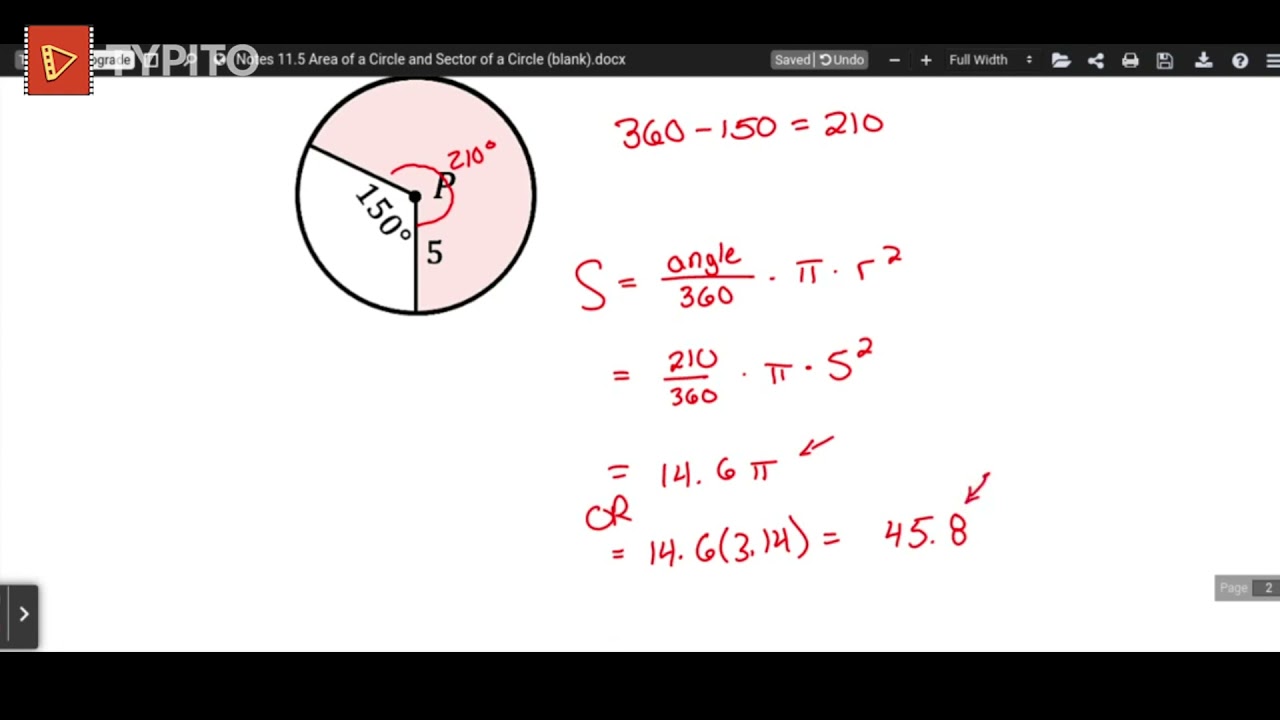
Notes 11.5 Area of a Circle and Sector of a Circle
matthewmills6952
251 views•2026-06-18

Notes 4.2 Isosceles and Equilateral Triangles
matthewmills6952
444 views•2026-06-18



