In Greek, 'oti' and 'pou' both translate to 'that' but are used differently: 'pou' is used after verbs expressing feelings and emotions (e.g., 'herome pou' - I'm happy that), while 'oti' is used after verbs expressing thinking, opinion, or stating something (e.g., 'leo oti' - I say that). To choose correctly, always consider the verb first.
拡張機能をインストールして、あらゆる動画内を即座に検索しましょう
Ότι or που ?追加:
What's the difference between "oti" and "pou" in Greek? Pame. Both of them translate as "that", but in Greek, there is a difference between them that you have to [music] be aware in order to use them correctly. "Pou" is used always after verbs that show feelings and emotions, such as "herome pou", [music] I'm happy that, "lipame pou", I'm sad, I'm sorry that. But "oti" is used when you have verbs that show thinking, opinion, I say something. For example, "leo oti", I say that. "Skeptome oti", I'm thinking that.
"I gnomi mou ine oti", [music] my opinion is that. So, when you don't know which one to use, "pou" or "oti", meaning that, always think of your verb first.
関連おすすめ

basque influence uniquely different spanish
Davantsi
761 views•2026-05-31

How Brits Say British Pronunciation
MrBranicus
1K views•2026-05-30

🎵 A to Z Kids Song | Cute ABC Animation for Children
ABC_Little_Heros
10K views•2026-05-30

10 German Grammar Rules That Unlock the German Language | A1-B1 | Learn German
LearnGermanOriginal
357 views•2026-05-29

How To Express Disappointment In English #english #speakenglish #languagelearning #airlearn #viral
english_w_remi
6K views•2026-05-29
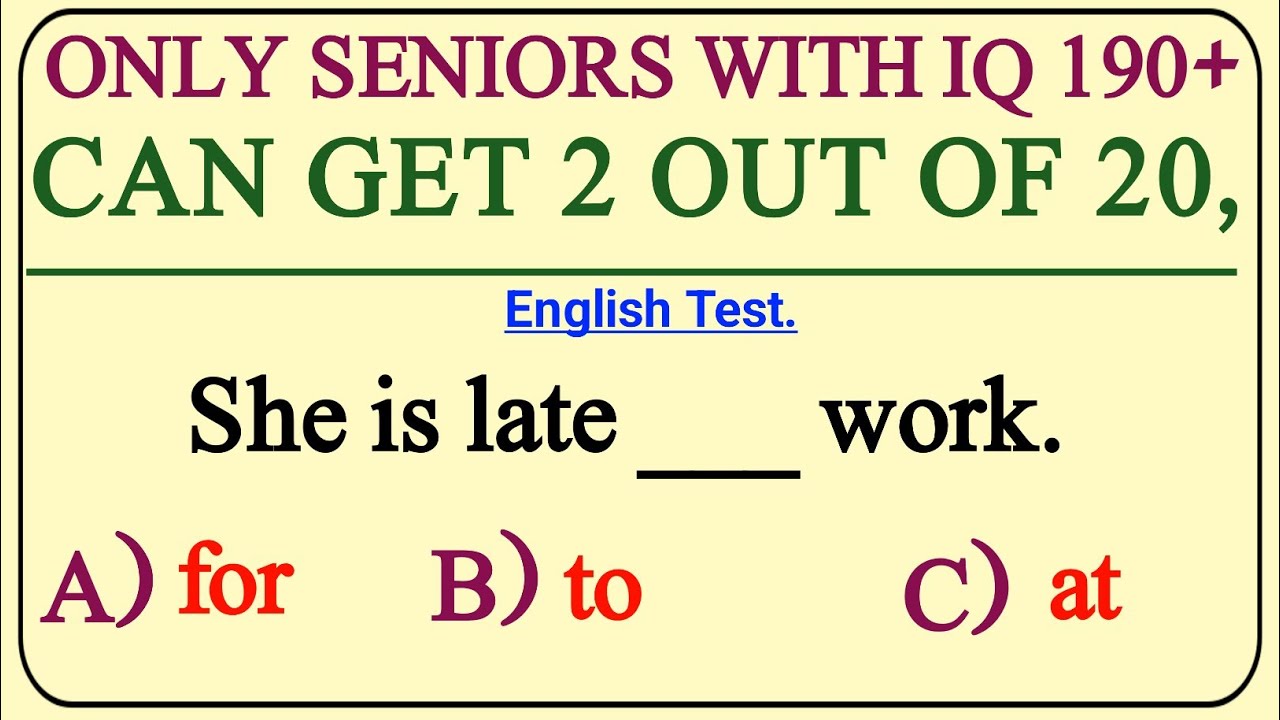
ONLY SENIORS WITH IQ 190+ CAN GET 2 OUT OF 20, | English grammar skills
EforEnglish161
582 views•2026-05-29

Why Japanese Has No Future Tense – Learn Japanese
FixBrokenJapanese
779 views•2026-06-02

free cookie
onlyyoutubegame
855 views•2026-06-01


