Most cholesterol in the blood is produced by the liver and recycled through the gut, not primarily from dietary sources; foods containing soluble fiber (like oats, apples, nuts, and beans) and plant sterols act as sponges in the gut, binding to cholesterol-rich bile and preventing its reabsorption, which forces the liver to draw cholesterol from the blood to produce new bile, thereby lowering LDL levels within about two weeks.
Install our extension to search inside any video instantly.
High Cholesterol? 10 Foods That Pull LDL Out of Your Body Fast
Added:Your cholesterol is high, so you cut out the eggs, the butter, and the red meat, and the number barely moved.
Here's what almost nobody explains to you: most of the cholesterol in your blood doesn't come from your food, because your own liver makes it and dumps it into your gut every single day.
Then your body turns around and pulls about 95 percent of it right back in, so you end up recycling your own cholesterol over and over.
The foods that actually work are the ones that grab that cholesterol down in your gut and carry it out before your body can pull it back in.
These are the 10 best foods to do exactly that, a few of them work faster than you'd think, and the one at number one has the strongest science of all.
Let me stay on that for a second, because it's the whole reason this list works.
Your liver makes cholesterol on purpose, every day, and it sends a good share of it down into your gut inside a fluid called bile.
Bile is just the soap your body uses to break down the fat in your meals.
Here's the part that trips everyone up.
Once that bile has done its job, your gut soaks most of it back up and ships the cholesterol right back into your blood, close to 95 percent of it.
So you can give up egg after egg, trim the butter, and skip the steak, and your liver simply keeps making more to replace what you cut.
That's why the number on your lab sheet barely budged.
Now here's the good news, and it's bigger than most people realize.
When you eat certain foods, they act like a sponge down in your gut, soaking up that cholesterol-rich bile and carrying it out of your body before your gut can pull it back in.
Your liver then has to reach into your blood to make fresh bile, and your cholesterol number starts to fall.
That's the whole move, and it's more about catching cholesterol than cutting it.
This doesn't take months, either.
In careful studies, people who leaned into these foods saw their cholesterol start dropping within about two weeks, and it kept falling from there.
That's what the word fast in the title really means.
It doesn't mean overnight, and anyone who promises you an overnight cure is selling something.
It means a change you can measure in a few weeks, from food you can buy today.
So let's count them down, from number 10 up to the one that beats all the others.
Number 10 - Olive Oil: Let's start with something that's probably already sitting on your counter, and that's olive oil.
This one earns its spot in a slightly different way than the fiber foods coming later.
Olive oil doesn't sponge up cholesterol.
It helps by taking the place of the fats that push your cholesterol up in the first place, mainly butter, lard, and the fat marbled through fatty meat.
When you swap those hard, saturated fats for extra virgin olive oil, your LDL, the bad kind of cholesterol, tends to come down.
I want to be straight with you about this one, because honesty matters when it's your heart.
The benefit is real, but it comes mostly from the swap.
Pouring olive oil on top of everything you already eat won't help, and it may just add calories.
The win is using it instead of butter, not alongside it.
One honest note before we move on: the strongest proof is for that trade, replacing saturated fat, rather than for any single magic ingredient in the oil itself.
So here's what to do tonight.
Cook your vegetables in olive oil instead of butter.
Drizzle it over a salad instead of reaching for a creamy dressing, and dip your bread in a little seasoned olive oil rather than spreading margarine on it.
Small trades like these, done every day, really do add up.
That's 10 down, and number 9 is another swap, except this one is a whole food you may have been told to avoid.
Number 9 - Avocado: For years, people were told to go easy on avocado because it's high in fat, and I understand where that came from.
It really is a fatty fruit.
But it carries the good kind of fat, the same soft, healthy fat that's in olive oil, and that changes everything about how it acts inside you.
Researchers at Penn State ran a careful test on this.
They had adults eat one avocado a day as part of a sensible diet, then compared them to people eating a low-fat diet with no avocado.
The avocado group came out with lower LDL cholesterol.
Even better, it lowered something called oxidized LDL by almost 9 percent.
Oxidized LDL is the damaged, sticky version of bad cholesterol, the kind most likely to lodge in the walls of your arteries.
That's a long name for a simple idea.
It's the cholesterol most likely to cause real trouble, and the avocado helped clear it out.
Here's how to use it without overdoing it.
Spread half an avocado on your toast in place of butter, or use it instead of mayonnaise in a sandwich or a tuna salad.
Half a day is plenty, so you don't need to eat the whole thing at once.
Just like the olive oil, the trick is letting it replace something worse.
Number 8 leaves dry land completely.
Number 8 - Fatty Fish: Number 8 is fatty fish, and that means salmon, sardines, and mackerel.
I'm putting this one in the middle of the list on purpose, because I don't want to oversell it.
Fish is wonderful for your heart, but its effect on your LDL cholesterol is a little different from the others here.
The special fats in fish, the omega-threes, are best at bringing down triglycerides, which are a separate kind of fat floating in your blood.
On LDL itself, the biggest help comes from what the fish replaces.
When you eat salmon on Tuesday instead of a fatty burger or a slab of red meat, you skip the saturated fat that drives your cholesterol up.
So the fish helps you twice, once through its own good fats, and once by pushing worse food off your plate.
Aim for two or three servings a week.
You don't need fancy fillets, either.
A can of sardines or canned salmon is cheap, it keeps in the pantry, and it carries those same good fats.
If the word sardines makes you wrinkle your nose, start with canned salmon in a sandwich, or a simple baked fillet with lemon.
Bake it or broil it rather than frying it, because frying drags you right back toward the fats you're trying to avoid.
That's number 8, and now we reach the fruit bowl, where things start picking up speed.
Number 7 - Apples and Pectin Fruit: Number 7 costs about fifty cents and probably sits in your kitchen right now, and that's the humble apple.
This is where we circle back to that sponge idea from the start, because the apple is one of the first real sponges on this list.
Apples are full of a soft, soluble fiber called pectin.
Pectin is exactly the kind of fiber that soaks up cholesterol-rich bile in your gut and carries it out of you, the same trick we talked about at the very beginning.
In one study, people who ate an apple a day for twelve weeks saw a real drop in their LDL cholesterol.
Pectin on its own, at about the amount in a couple of apples, has been shown to lower LDL by roughly 7 to 10 percent.
One important tip, and this is where a lot of folks go wrong.
Eat the peel.
Most of that cholesterol-grabbing pectin sits in and just under the skin, so peeling your apple throws away the best part.
The same goes for oranges and their soft inner segments, so eat the whole fruit rather than drinking the juice, because the juice leaves most of the fiber behind in the machine.
An apple with a small handful of nuts also makes an easy afternoon snack, and you'll see why in just a moment.
Keep a bowl of apples where you can see them, and reach for one instead of a cookie.
Hold on to that sponge idea, because the next few foods are the heaviest hitters on this whole list.
Number 6 - Nuts and Almonds: Number 6 fits right in your palm, and it's a small handful of nuts, with almonds and walnuts leading the way.
When researchers lined up different food groups and measured which one lowered cholesterol the most, nuts came out on top.
It wasn't a supplement or a special powder, it was just plain nuts.
Almonds in particular have been shown, across many studies, to bring LDL cholesterol down.
They're loaded with the same healthy fats as olive oil and avocado, plus fiber and plant compounds that all push in the same direction.
A small handful a day, about an ounce, or roughly twenty-three almonds, is the amount used in most of this research.
Walnuts do much the same job, so pick whichever one you'll actually keep eating.
Quick pause here, because this is the halfway mark.
If this is starting to connect the dots for you, take one second and tap that like button, then tell me down in the comments which of these foods you already eat.
It genuinely helps the channel reach more folks our age.
Now, one warning on the nuts.
A handful helps, but a whole bowl in front of the television is a lot of calories, so portion them into a small dish and put the bag away.
Buy them unsalted to keep your blood pressure happy.
We've got five foods left, and number 5 is one that a lot of people your age quietly avoid for no good reason.
Number 5 - Soy Foods: Number 5 is soy foods, and I mean the simple, whole kinds, tofu, soy milk, and edamame, which are just green soybeans.
A lot of people have heard mixed things about soy over the years and started steering clear of it.
As a whole food, eaten the normal way, it has a solid track record for your heart.
Here's what the research shows.
Getting about 25 grams of soy protein a day, which is roughly ten ounces of tofu or two and a half cups of soy milk, lowers LDL cholesterol by around 5 to 6 percent.
People who eat quite a bit more of it have seen their LDL fall even further, down into the low double digits.
That's a meaningful drop from simply switching what's already on your plate.
The easiest way in is to trade one thing you already use.
Pour soy milk on your morning oatmeal instead of cream.
Toss a handful of edamame into a soup, or eat them warm as a snack.
Slide some firm tofu into a stir-fry where you might have used a fatty cut of meat, because it soaks up whatever flavor you cook it in.
You don't have to love every soy food out there.
You just have to work one or two of them into your week.
Number 4 isn't really a food you chew at all.
Number 4 - Psyllium: Number 4 is psyllium, and this one might be new to you.
Psyllium is a plain soluble fiber that comes from the husk of a tiny seed, and you'll often find it sold as a fiber supplement for regularity.
What almost nobody tells you is that it's also one of the most reliable cholesterol grabbers we have.
Remember that sponge we keep coming back to.
Psyllium is about as close to pure sponge as it gets.
Taking around 5 to 10 grams a day can bring LDL cholesterol down by roughly 5 to 10 percent, right in the range of the foods we've already covered, and it works through that same bile-catching trick down in your gut.
Now, please hear this next part clearly, because it matters for your comfort and your safety.
Start with a small amount, no more than a teaspoon stirred into a full glass of water, and drink plenty of fluid with it.
Build up slowly over a couple of weeks so your stomach can adjust.
If you take other medicines, swallow them an hour or two apart from your psyllium, so the fiber doesn't blunt them.
Used the gentle way, a daily glass of psyllium is a simple, cheap tool.
We're into the top three now, and these are the strongest of the bunch.
Number 3 - Plant Sterol Foods: Number 3 works in a completely different way than the sponges, and these are foods with added plant sterols and stanols.
Those are natural compounds found in tiny amounts in plants, and food makers now add concentrated doses to certain products, like special spreads, some yogurt drinks, and fortified orange juice.
Here's what plant sterols actually do inside you.
They look so much like cholesterol that they crowd it out.
Picture a narrow doorway where only so many can squeeze through into your blood.
The plant sterols take up the spots, so a big share of the cholesterol gets left behind and passes out of you instead.
It's a simple case of blocking the door.
The numbers on this one are strong.
Getting about 2 grams of plant sterols a day, which is the amount in a couple of servings of a fortified spread or drink, lowers LDL cholesterol by roughly 8 to 10 percent.
One large review of forty-one studies landed right around a 10 percent drop at that dose, and going higher than 2 grams didn't add much.
That puts a fortified spread in the same league as some of the best foods here, and it does it in a couple of small servings a day.
The move is easy.
Read labels and look for the words added plant sterols or stanols.
Use that fortified spread instead of butter, or have one of the little yogurt drinks once a day with a meal.
Two foods left, and number 2 is probably already in your cupboard.
Number 2 - Beans and Lentils: Number 2 is beans and lentils, and I'd bet there's a can or a bag of them within twenty feet of you right now.
Black beans, kidney beans, chickpeas, split lentils, any of them will do the job.
This is the everyman food on the list, cheap, filling, and quietly powerful.
Beans bring us right back to where we started, because they're packed with the same soluble fiber that soaks up bile and carries cholesterol out of your gut.
On top of that, when a bowl of bean chili takes the place of a fatty roast, you skip a load of the saturated fat that raises your cholesterol in the first place.
So, like the fish, beans help you twice over.
Study after study on non-soy legumes points the same direction, with steady drops in total and bad cholesterol.
About three-quarters of a cup to a cup of cooked beans a day is the sweet spot.
If you use canned beans, give them a good rinse in the strainer to wash away much of the salt.
Lentils are even easier, because they cook in twenty minutes and need no soaking at all.
Stir them into soups, spoon them over rice, or mash them into a dip.
If beans have given you gas in the past, ease them into your meals over a week or two and your body settles down, so don't let one uncomfortable afternoon scare you off a food this good for you.
That leaves just one food, the single most studied, most proven food on this entire list.
Number 1 - Oats and Barley: Number 1 is oats, along with their close cousin, barley.
If you only take away one food from everything I've said today, make it this one, because no cholesterol-lowering food has been studied more, proven more, or costs less.
The magic in oats is a special soluble fiber called beta-glucan.
Beta-glucan is the thickest, stickiest sponge of them all, and it does that bile-catching job we've talked about from the very first minute better than almost anything else you can eat.
It grabs the cholesterol-rich bile in your gut, holds on tight, and carries it out of your body, which forces your liver to pull cholesterol from your blood to make more.
Here's how much it takes.
About 3 grams of beta-glucan a day does the job, and that's roughly one big bowl of oatmeal.
Getting 5 to 10 grams of soluble fiber a day, with oats leading the way, can lower LDL cholesterol by about 5 to 10 percent, and in some people even more, over about six weeks.
The heart benefit of oats is so well established that it's one of the few foods allowed to carry an official heart claim right on the box.
So here's what to do tonight.
Have a bowl of real oatmeal, the steel-cut or old-fashioned rolled kind, not the sugary instant packets, because those little packets are often loaded with added sugar that works against you.
Stir barley into your soups and stews, where it adds a pleasant chew and thickens the pot.
And to make it even stronger, top that oatmeal with a chopped apple, a few nuts, and a splash of soy milk, so you're stacking several foods from this list into a single bowl.
That stacking is the real secret.
You don't have to pick just one, and combining several of these foods is where it gets powerful.
In one study, people who did that dropped their LDL by about 35 percent in just four weeks.
You have not left it too late, and none of this replaces the medicine your doctor prescribed, it works alongside it.
Tell me in the comments which food you're starting with tonight.
Related Videos

0:19
Medicine
How Strong Are Breast Implants? Watch This Demo at LPH
londonprivatehospital
967 views•2026-04-20

4:16
Medicine
What is an Office Hysteroscopy? | Fertility Testing Explained at DIRM
DelawareInfertility
17K views•2019-05-06
13:25
Medicine
Pharmacological Management of Stroke Antiplatelet-Acute and Secondary Prevention
Learningin10
8K views•2019-03-04

3:25
Medicine
PMG - Pediatric Pain Management
EASTtraumasurgery
3K views•2019-07-01

20:29
Medicine
Anemia Symptoms And Treatment for Chronic Kidney Disease (CKD) patients
DADVICETV
27K views•2019-08-07
12:30
Medicine
Prostate Cancers and Mimics - Diagnosis
Pathologyminitutorials
3K views•2019-11-20

11:55
Medicine
Vitamin A for Vaccines & Viruses (including Measles!)
DrDavidMD
691 views•2025-03-11
4:10
Medicine
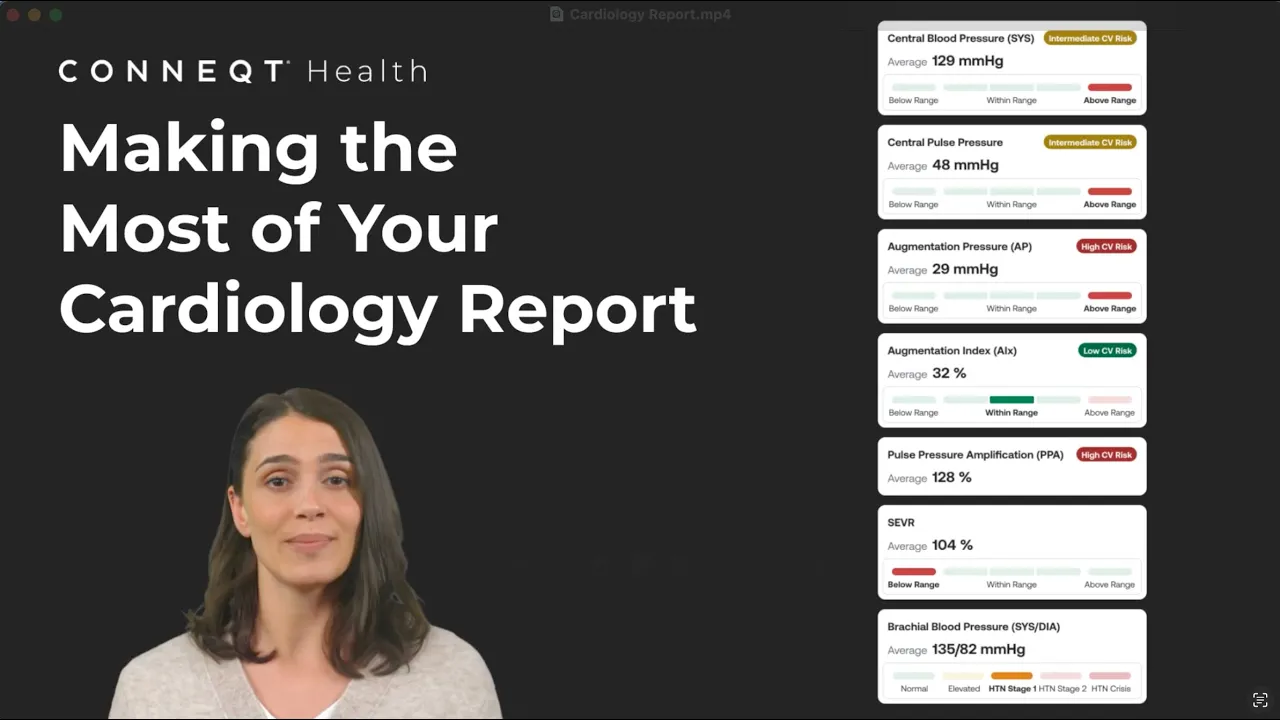
Making the Most of Your Cardiology Report | CONNEQT Cardiovascular Health Resources
conneqthealth
774 views•2025-03-04
Trending

5:07
Philosophy
One Must Imagine Sisyphus Happy
vlogbrothers
61K views•2026-07-21

25:15
Business
Future of Taylor Farms
maighstirtarot5385
11K views•2026-07-21

12:30
Business
The Downfall of OnePlus!
techwiser
65K views•2026-07-21

23:12
Engineering
My Friend Locked Up The Engine On His K-Swapped Bug...
boostedboiz
128K views•2026-07-21