Research shows that personality is not fixed but changes throughout life, with the highest rates of change occurring in young adulthood and peak stability around age 25; genetics account for approximately 40-50% of personality traits while environment shapes the remaining 50-60%, and while we have some capacity for choice, most of who we are is shaped by factors beyond our conscious control, supporting a compatibilist view that free will and determinism can coexist.
Install our extension to search inside any video instantly.
Is Your Personality Fixed? The Science of Who You Are
Added:Hello and welcome to Figuring It Out podcast. This is the podcast where two friends, two scientists from two different backgrounds come together to answer life's big questions. My name is Dr. Alex George. Uh I work in mental fitness. I used to be an doctor and I used to host the Stomcast podcast. I'm joined by >> I'm Dr. Katherine Bates and I'm a research scientist studying mental health. We are today going to be delving into a big topic which I think is fascinating and it's around free will.
How much of your free will is actual free will? How much of your choice is you you making that decision and how much of it is influenced by other factors like genetics, the environment or maybe are we actually just programmed like robots? Do we just do things thinking that we are making decision but actually we have no say at all? It's a fascinating topic and one I know I've seen quite a few videos online about people debating this idea and having discourse and it actually affects lots of things like accountability, criminality even for example. So in part one we're going to go right into that.
In part two we're going to answer a listener dilemma as we'll do every single week. But please do email in if you've got a question you want two scient well one scientist and a doctor actually two doctors a scientist and I don't know what I do. We'll delve into your listener question each week and do our very best at the email >> hello@fig figuringoutpod.com.
>> Thank god that you can remember that.
That's for sure. And in part three we'll be doing some myth busting. So enjoy.
Let's get started. How are you?
>> I'm good. I'm good.
>> Catherine's good.
>> A bit rushed off her feet.
>> Are you? What's going on? Well, as we were saying, >> I'm going to two weddings this week.
>> That's a lot.
>> One in Wales tomorrow and one in Devon at the weekend. So, >> are you not wedding out after your own wedding?
>> Uh, kind of. But I'm actually very intrigued to go to another wedding now that I'm married. Like, see how people do it, see how they get on. Like, I think it'll be really fun to do it together.
>> That's interesting. Inter interesting.
It's like I guess you know in television or podcasting like I'll watch it and like you you do start thinking almost in a work sense. I guess better examples if I watch like 24 hours in A&E I'll imagined >> what it was like in my job and I'll be like thinking about it. So in a sense you're going as like a professional wedded person married person to go and assess. Also, after like planning my own wedding and like having to do it, I now have like a big respect for people doing it because it's like so much work and I feel like I'll notice like all the little details more and I'm like grateful to be invited cuz I know it's like it's a lot.
>> It's a lot.
>> You have all that to come.
>> But exactly. It's it's actually I have a newound respect to anyone. So, any guys out there uh or girls who are looking to propose big respect because it is actually really stressful. I'm not going to lie. Did Josh find it stressful? Did he say >> he said it was the scariest thing he's ever done?
>> I I think that's fair. I genuinely believe >> that it was more scary proposing than when I pitched to the prime minister like a mental health idea or when I met him for the first time or any of the things that I've done. You know, I've done quite a few scary things. Way more scary than that because I think there's it's just well hopefully one time it happens. It's one opportunity and you want to get it right for that person.
It's a lot of pressure.
>> True. It like means a lot to the person and then that person means like the most to you. Yeah, I can see how it's >> I also I feel like girls also say like, "Oh yeah, no, I'm chilled. I'll be happy with whatever." But would you be happy with whatever? Did you say that to Josh?
Did you say to him to be happy however you ask?
>> Uh yeah, I think so.
>> Would you been happy with whatever?
>> I mean I think I kind of got whatever which [laughter] >> that is saying.
>> No, but it was like >> how did you propose then actually?
>> So it was like um it was a random Tuesday. Yeah.
>> So, he'd had the ring for ages and basically couldn't decide when to do it.
And it was literally a random Tuesday.
We'd been working from home and I was like, "Oh, should we go for a walk?
Like, there's this walk that we often do like around the heath. Like, let's go and do the loop." Um, and literally I was like, "I should probably put a hat on cuz my hair's really greasy." I was like, "Oh, no. I won't bother." And he was like, "No, you should definitely put a hat on." So, basically when I said, "Let's go for a walk." He decided like, "Right, I'm going to do it." And then as we were walking, I actually set him up accidentally. So we'd been together nearly 10 years. And I was like, "Isn't it wild that we've been together nearly 10 years?" Like try like saying all this reflective stuff. And then um yeah, he was like, "Seene as we've been together for 10 years." And then I told him off.
I was like, "No, don't be silly." So I thought he was proposing without a ring because he felt pressure.
>> And then I turned around and he had a ring. And it was wild.
>> Wow. Did he film this? So, no, we took like we took a photo afterwards and that's why I'm like wearing a raincoat and a hat cuz you have to >> It was random Tuesday.
>> Yeah, random Tuesday. I love that. It's a good Tuesday then.
>> It was a good Tuesday and it is like it was really nice that like every time I'm in the Heath now and I walk I walk past the spot all the time. So, that is nice.
>> That's kind of sweet.
>> Yeah.
>> So, I guess in a way this ties it on nicely. Do you think that Josh proposed to you through free will or do you think it was inevitable based on his genetics and environment?
>> That is such a difficult [laughter] question.
[gasps] >> Um, >> that's the question we're going to try and answer in part one.
>> Yeah. I mean, ask me again at the end once I've once we've got through.
>> Let's go. Let's go through everything and see where we get to. Okay. So, yeah, this free will stuff's been I think it's pretty interesting. So look, I guess the way to start this off and I guess a way to frame this is I guess do do you think that you would be a different person if you grew up somewhere else? So I guess if we're imagining same person, same genetics, different environment, I guess. What do you think?
>> Um same family or different family?
>> Different family. So lit literally take your genotype.
>> Yeah.
>> And drop it somewhere else. And I guess that will affect your phenotype. So genotype being your coding obviously.
you know, phenotype being expression of that coding.
>> Yeah, I think I'd be completely different.
>> Why?
>> Because of everything that's happening throughout development. Like the your upbringing has an effect. Even like the neighborhood that you live in can have an effect, the society that you live in.
Um, and your interactions and your relationships.
So, I think I would definitely be very different. But what do you think >> before kind of doing a bit of research on this? Um I think my feeling would be that in some way I'd be resemblant of the person I am. I suspect I however would be different. I don't think it would be like if I was born in I was grow I grew up in Wales in Commander in the countryside. If you took me and I was grew up in um I don't know uh inner city Manchester with a completely different family with a different set of beliefs I probably would be different but I wonder well first of all I'm autistic with ADHD so I suspect well that's uh it's quite even that in itself complicated but there's strong genetic component of that so perhaps the level of expression might be different but those things are probably going to have an impact on me in the way that they do now. But then the environment perhaps could change that. Perhaps they would be worse or better. Perhaps I would be more impulsive or less impulsive. I don't know. It's quite an interesting thought.
>> I wonder if there's like a core to us that >> a soul >> wouldn't have shoul.
>> A soul is a nice word for it.
>> You don't believe in soul then. You don't think people have a soul.
>> I mean, what is a soul?
>> I think it's like the life force that sits within you because there's like every part of your body has a role, a job, a function. Your thoughts play a role, but it's almost the the observer that sits behind all of that, behind your thoughts, behind your heartbeat, behind everything. It's just that that sense of self you have.
>> It's like the essence of you.
>> The essence of you, >> I guess. Yeah.
>> Is that scientific? Is it spiritual? I don't know. But there's like >> there is something that sits there, I think.
>> Yeah.
>> Depending on your beliefs.
>> I agree.
>> Shall we talk then about um the core of this episode then? How much of who you are is your is genuinely your choice.
And I guess by by choice we mean a conscious decision to choose to live a certain way, >> be a certain way, so your personality traits to make certain decisions versus the opposite and this is a scale I guess having no free will. So the determination of your life being either by your genetics or external factors >> shaping everything even every choice you make every day and none of it being genuinely free will. So let's talk about that.
>> There's different levels to it isn't there? There's like the nature nurture genetics environment vibe and then the free cho free will and the choices feels like another level to it.
>> True. Yeah. True. Okay.
>> True. Let's dive into it into it. So, we wanted to think about personality, right? Is personality fixed or and does it change? What did you think before we came into this episode?
>> Um, I think it I mean I'm 35 and I think my personality has changed. I think that um there are elements to me that have been there throughout, but there are of course things that have changed. Um, >> you know, there's even elements I I wonder how much of it is probably because as you get older, you make lots of mistakes and perhaps you do learn from some of them. Some of them you keep repeating. you learn from mistakes, you learn from things that go well. Um, but I think there's some element that's within who you are. You do kind of get rounded by life. You know, you're almost like as you're growing up, you're like this rough pebble and then, you know, you're kind of through life, you're kind of on the beach and the tide's rolling over you and the life is kind of shaping it and rounding off the edges. And I think you do change. What about you? I think for me as well, like as you get older, it feels like more of you kind of comes through. I think that definitely happened for me, like as I I think I was not a late bloomer, but I think I like um yeah, more of me came through the older that I get. And it wasn't really until I was like approaching my 30s or hit my 30s that was I was like, okay, I'm kind of like who you are and you're happy to display who you really are.
Perhaps you're yeah perhaps there's an element of like how much of it is the personality just you you're you're almost like mask what you are masking to a level and you're presenting what you think people will like versus how much of it is just who you are >> as in like you are just showing yourself fully >> did a lot of that in my uh early 20ies.
So what how are we going to think about personality? The most common model of it is the big five which you might have heard of >> just like uh in the in the safari right the big five. No lions, leopards, cheetahs. [laughter] Yeah, I'm sure.
>> Is that right? From David Atenburgh's days. I think that's correct, isn't it?
Getting some nods.
>> I'm sure we could uh match those to these different traits. But [snorts] >> so we've got the big five, extraversion, where higher scores look like seeking social interaction, um more outgoing, high energy. Um emotional stability, which is also called neuroticism, but now it's emotional stability. So this is about being emotionally resilient and eventempered.
Agreeableness um having positive and supportive relationships with others but when it's high um can be like over compliant overly compliant with people >> pleasing.
>> Yes. Um conscientiousness is um being reliable and hardworking and low scores is like more disorganized and intellect/ imagination which is also some kind sometimes called openness is about being curious open to new ideas and lower is more traditional and conservative. So ahead of this episode I sent Alex the big five questionnaire and we've both done it.
>> Both done it.
>> So [snorts] I'm interested to see basically what categories you fell into.
What were your highest scores? And also, do you think it explains you well? And do you think it's explained you well for like your whole life or just in this moment? Like what did you think?
>> Let's start. I think let's start. Do you want to do yours first and then we should go first?
>> Do you want to go first and then we'll because we've got I've got yours in front of me and you haven't seen mine at all. So, let's go through yours first and then I'll go for mine and perhaps we can compare some of the categories directly. It' be interesting. So I scored highest on agreeableness. Um which I probably am a big people pleaser.
>> So 90 So you scored So this is 93% which means that you you scored higher than 93% of people that took this questionnaire.
>> Yeah.
>> That's you're very agreeable.
>> Very agreeable. H um and my second two were extraversion and intellect/ imagination. So extraversion is again >> is how do you define that >> outgoing, talkative, high energy. Yeah.
>> Um and then the other one is about curiosity and um openness.
>> Um and then my next one, my lower ones were emotional stability and conscientiousness.
>> But your emotional stability was actually like you still scored higher than 48%. You're kind of higher than half.
>> Yeah. So not like super low.
>> Yeah. Um I I think agreeableness for me is is a stable one. I think that's always been there. Um >> is that strength or weakness >> in my opinion >> for you [clears throat] in your life?
>> Um it's something that I have to manage.
I think I am um quite a big people pleaser and I try to like recognize that a little bit more and try and separate myself from it or think like okay who am I doing this for and am I like completely stressing me out and it's not going to help any stressing myself out and it's not going to help anyone or am I doing this for a good reason or worry worrying about this for a good reason so I do have to manage that >> there's probably well we're going to come on to this later is that whether you can actually be so binary in a way to say which it is from whether it's actually a molding isn't it from all of it. Let's let's get on to that.
>> One thing I will say is that like it's interesting when thinking about how it changes. So say one of my higher ones was um the like curiosity or openness one and some of the questions are things like I have lots of ideas and like I put myself out there or something like that.
And I did this yesterday and we're like launching a new podcast. Like I do have a lot of ideas. I am putting myself out there. I am excited about it. So like how would I have scored on this like two three months ago or like a year ago and definitely like my early 20s extraversion would not have been up there at all >> really. Yeah. So so you think that this actually if you just done this at 21 versus now >> it would be different apart from agreeableness uh 33.
>> So so basically a decade then so a decade a pass decade apart you think the extra version would be lower. What else would be different? Um I think agreeableness would be similar. I think conscientiousness would have been higher. Okay. Because like I would say that a big part of my identity especially when I was doing my PhD was being hardworking and like you know probably working myself too hard.
>> So some boundary. So maybe you have generated some boundaries.
>> Yeah.
>> But you still need to well depends if you think it's something you have to work on I guess. But yeah if you feel that it's too much on agreeableness then that's something to work on. But it's an interesting thought in terms of like free will or choices or your like soul or your core because it's like I feel like maybe my my you know these answers were just like growing. I I was growing into this. So I want to hear yours.
>> Come on then.
>> I haven't heard it yet.
>> Throw it over here cuz Rolo sat on your lap. [snorts] >> He was in the shot guys but he decided to to leave the party as it were.
>> He's a break.
>> Rolo's going to have to come in. He hasn't been in that episode yet cuz he's been away in Wales on his holidays. Um, let's have a look. So, I scored for extraversion. So, I just should do it in order, shouldn't I?
Order of of of biggest score, whatever you want to call it. So, intellect and imagination, I was 88%. So, I scored higher than 88% of people that did this um questionnaire, which I think does make sense. Um, you know, I, yeah, I would say that from an ideas perspective, um, even imagination that makes sense. An openness to giving these things kind of a go probably sits with having ADHD >> and your curiosity. Like you've recorded what is it 400 hours of interviews through like you have to be curious to want to do that.
>> Yeah, I think that that makes sense to me. I think what what's really interesting when I was reading into the imagination intellect section is that if it's really high then actually that can mean you find routine day-to-day tasks difficult to do which absolutely makes sense for me like I think I don't know what Abby would say or the team but I think I'm quite like a big ideas person but not so good with the kind of minutia of things which is apparently one of the downsides. Um the next highest one for me was conscientiousness that was 70 higher than 72% or high scoring. I think that makes sense um given my career and everything I've done. Um yeah, >> and what's it what uh being reliable, hardworking? Yeah.
>> Yeah, I think that does make sense. And then agreeableness 40%. So that was my third highest one. So I kind of I sit somewhere in that space. But I I think I probably that has changed. We're talking about you're talking about throughout um the last say the last decade, right? I'm defin definitely working on that more where boundaries are better. I think I probably say no more than I used to. I used to kind of take on a lot and just do a bit of everything. Um, which is a challenge. Extraversion 31. So that was a lower score. Kind of makes sense.
Emotional stability was only seven. I only scored high tier than 7% of people in emotional stability, which probably makes sense considering my uh mental health challenges and so on. So I actually, do you know what? When I look at this score or sorry, when I look at the results of this, it actually does make sense. I I'm like fair. I do think that's reasonable. Actually, the fiance did it and we compared our scores and we both were like, "Yeah, like I see that in in each other." She scored highest in conscientiousness, for example. That makes sense to me.
>> And do you think if you'd have done this test 10 years ago?
>> Yeah, I think it would be different. I think that as I say, I think agreeableness would have been higher.
Um, I think emotional stability might have been higher [laughter] actually to be fair.
>> Emotional stability is an interesting one. Um because that when the studies look at how personality changes over time or whether it's stable, emotional stability is the one that is found to change throughout the lifespan.
>> Really?
>> Yeah. So it increases throughout the lifpan.
>> Oh, mine's going down.
>> Yours is [laughter] going down.
>> Mine's going down.
>> But maybe the pan down, down, down. It can go minus 7% in the next decade.
>> Worse than everyone.
>> You might be ebbing and flowing. You might be going up and down like who knows.
>> Maybe maybe it's cuz we're about to launch a new podcast. My stability was [laughter] up and down. Too many things going.
>> Yeah, I got this from there was a big uh meta analysis of longitudinal studies looking at personality that was published in 2022.
Um, and this was really cool because they took all the basically a meta analysis is when researchers combine results from many studies um, and kind of analyze it to see like how big the effect is or how strong an effect is in something for the research question. Um, and they analyze studies published since 2005 with data from over 280,000 participants three to 100. So, a huge sample, but basically the the interesting things were the highest rates of change in personality were in young adulthood. Makes sense. That's exactly what we were just talking about.
Um, peak stability was around age 25.
Um, and yeah, emotional stability increases up to older age and interestingly like in older people, so like 65 plus, your personality traits become less stable again. So, they start to change.
Do you think that's also again because I think you get a certain point in life and you perhaps start or you Yeah. you give less of a what everyone thinks.
>> Do you think that might be a case? I feel like I feel like when people get to a certain age, >> they've had the children or not had the children. They have had their careers or whatever and they spend a lot of their lives conforming to expectation, to society, to the needs of other people, to your kids, to your partner. And eventually you get to the point where you're like, you know what? I have a limited amount of time left. I'm going to live life how I want to live it.
>> So maybe the mask the mask really does rob. I absolutely loved it when my grandma started doing this that she just got to a point where she'd just be so opinionated and just said exactly what she thought. I came home from uni once in my first year and she was like you look a lot better now you put on a bit of weight.
>> Wow.
>> Just like came straight [laughter] out and I was like great thanks grandma.
>> I think yeah it's interesting because I think there's there's an element for people that especially when you're in the middle part and middle section of your life you're trying to keep it all together for for for everyone else around you. And yeah, I just think you probably let go of that. So, so, so I guess what that shows then is that your personality trait is not a set thing. It can change throughout your life. What we should think about now probably is then I guess to think about this concept of the free will behind that, you know, because a lot of I guess a lot of the conversation will be about personality about the expression of who you are. So, we we understand that that can change.
It looks different for different people.
But why is it formed? I guess what makes your personality and then like why does it change? We theorize some of the environment stuff but what about the starting point you know for example you were saying your core view you were with agreeableness like where does that actually come from? Interestingly, there was this article that was published in May this year written by Laura Clarks.
It was by the BBC and they looked at actually um research that has been done into kind of personality and genetics versus environment being like what exactly was talking about? What what is it that determines that? And as part of this article, it was a comment by which is interesting by professor um Obay at Amsterdam UMC. And uh this professor said that initially people thought that behaviors were influenced by a few genes with very large effects but that has been completely debunked and one of the ways that you know they've looked at and you can look at I guess this idea of genes DNA environment is looking at twins so identical twins showing 100% of the DNA DNA whereas nonidentical being 50%. And basically the studies and the summary of the findings were that 40 to 50% of personality traits were accounted for by genetics. Uh, so the rest is down to environment, which kind of makes sense. Like I kind of imagine almost that you're given like you're going to make you go into pottery and you're given this bit of clay and then you get to kind of shape and mold that to look at how you want to. You can't change the size of the clay, you can't change the composition, etc. But you can kind of mold it.
>> And to me that makes quite a lot of sense. And in a way, going back to what we talked about earlier, I think if I lived in, you know, Manchester, was brought up by family there with different kind of views and so on, whatever that might be, I think I'd still have a core that is me, but I think I still would have I'd be different. I wouldn't be the same.
>> Do you think some for some people as well, like using the clay analogy, do you think some people's clay is more moldable than other people's? There must be >> That's interesting. There must be a spectrum of how moldable you are.
>> Yeah. And perhaps there is even that comes down to also genetics of how [laughter] well but the thing that's challenging with this is that um it's not exact like you can isolate like couple of genes or some genes that will be like this is your personality like the idea of like polygenetics like um you know the idea that there's lots of variations and changes and kind of combinations of DNA that are going to kind of come together to kind of create sorry what you see on the outside let alone what is yeah what is managed by environment and other factors.
>> Yeah, exactly. And for context, there's the human genome is made up of three billion base pairs.
>> It's quite a few pairs, >> which is the the units of the genome.
And then like you said, human traits are polyenic. So there's loads of variations and then your personality might be made up of thousands of variations. It's kind of like when you try and think about how many stars there are in the universe.
Like it kind of hurts your brain a little bit >> to imag even imagine it. Yeah, absolutely. And then you got to take into account um you got I guess part of the environment as well but you know traumatic events that are like uh or almost like in your lifetime anomaly events. So rather than like the general shaping like you think of like you know being in the countryside versus a city you know um you know different kinds of food you're talking about like oneoff big events or multiple events that are traumatic and how that kind of shapes you. That's quite interesting as well.
How much does that impact the outcome I guess? Yeah. So we do a lot of work into this and I think um it's important to say now >> who's we tell them who's we?
>> So we at Kings um in the life map lab so the we're the lifpan modeling and psychometrics lab at Kings and it's led by Dr. Dia Ferman who's the principal investigator. Um we do a lot of work into um adverse experiences and the environment and how that shapes a child and adolescent development. So I'll just define a few things. I think firstly when we talk about the environment it's kind of a catch all thing but we think about it in multiple levels. So we talk about environmental influences basically that anything is happening around you. So this could be on the like within person level. It can be interpersonal so between each other.
It can be at the community level. So your school your neighborhood um and it can be at the societal level. So this is like structural issues like discrimination and um inequality for example.
So we look at essentially how different environmental influences um shape development and we mostly look at adolescence. So the definition of adolescence is quite interesting. It's essentially triggered by puberty. So it's like defined the start is like the onset of puberty which usually happens around age 10 but that can be quite variable and adolescence kind of has a conceptual end because it's like when you are in like independent social standing kind of in the world but obviously in research we need categories so that we can test research questions.
So we tend to say like age 10 to 24. A key feature of adolescence and adolescent brain is cortical thinning and your cortex is the outer layer of the brain where a lot of the big stuff happens. It's like decision making, conscious thought, problem solving, etc. And during adolescence, there is greater thinning of the cortex. So I've done this like S shape with my hand. So thinning sounds negative, but it's basically becoming more specialized. So forming like more connections and becoming more specialized over time. So this is a feature of adolescence. And um a PhD student in our group, Chloe Carrick, I've mentioned her before, she's doing studying like differences in structural brain development. She has recently published a paper looking at how neighborhood disadvantage and also neighborhood opportunities are linked to brain development. So specifically this cortical thinning feature. Interesting.
>> And she found that um neighborhood disadvantage was associated with more accelerated change in the cortex. So faster change during adolescence and greater neighborhood opportunities. So this is like access to healthcare, like being happy at school was associated with a slower pace of change. So basically from this research we can say that these your brain development during adolescence is linked to what's going on in your environment potentially in different ways depending on opportunity or disadvantage. But we can't at the moment test like the cause and effect and also maybe the mechanisms as to why.
>> Isn't it interesting though that in a way like when people say oh they've had to grow up quickly. That's kind of what you're talking about really like you're in an adverse environment or difficult situation. Something has happened.
You've had to grow up more quickly.
>> Yeah. So there's this hypothesis from so looking at this in adolescence is quite new, but there's a lot of literature that has looked at it in early childhood. So there's this hypothesis that's like the stress acceleration hypothesis and it's exactly that. The idea is that the reason why adverse experiences is linked to brain changes is like due to having to mature more quickly and like kind of I don't know prepare yourself and be more resilient in that in that um it's like an adaptive feature. That makes sense.
>> So that's one of the ideas of why they're linked together. Aside from development, I was also looking into like what else might change our brain because I think it's important to explain neuroplasticity. So this is basically our brain's lifelong ability to reorganize itself and this is about forming new neural connections and it's about like revising pathways and this is in response to learning experiences and sometimes like brain injuries. So this is like a incredible feature of the brain basically and it's always happening but it's more prominent in like childhood and adolescence. So then I was thinking like what where else is this happening and we're like susceptible to what's going on around us. And there's a really cool example um from some research from Dr. Laura Pritchette in the US who does some really cool work on brain changes during pregnancy. So let me start by saying nearly 85% of women will experience pregnancy in their lives and only 0.5% of neuroscience research is about women's health.
>> That's terrible.
>> Let alone about pregnant women.
>> That's terrible, isn't it?
>> So keep that in mind. Um two years ago they published a case study where they measured um changes in the brain of a single pregnant woman as in one pregnant woman um from preconception all the way to 2 years postpartum and they essentially found extensive changes in the brain.
>> Fascinating.
>> So this was in brain volume, cortical thickness, how um different regions connect together and they basically said that it's a similar extent to what happens during adolescence. So is there in a in a way like you suddenly take on this responsibility of this being this life and your brain kind of goes right like I need to kick into gear I need to >> like become like a mother I guess.
>> So of course yeah there's social levels to it obviously this is a major biological event like you >> creating a child um and so like your hormones can increase by like a thousandfold during pregnancy and obviously that's like affecting your brain as well. Um but yeah, there's the social side of it. There's even I think there's some studies that have shown that there's um change brain changes in partners of pregnant people.
>> So it's like that's wild.
>> Yeah. But then I guess in a way given what we've said perhaps not surprising because you know if you if you say your partner is let's just take um so a typical thing where so uh so the woman's pregnant and the man's supporting the woman. So then if you're if you're supporting this this person who's like literally making a baby a new life form, you're hope you're going to care about both of those things. And I guess you also have to kind of go right come on I need to like step up here or you know there's new things to think about new stresses and stuff like it kind of should elicit a response in that partner, right? Because that shows that >> they're involved in that. It's a big thing for both people. Obviously for the woman it's a massive biological thing.
The guy you're there to support them.
But >> you would expect in a way that environment is going to change.
Therefore you should adapt, right? Your brain's going to adapt.
>> And your whole social role, your social standing like your social like role within your family, within your community, within society is changing because you're suddenly like you know >> the hormonal child. The hormonal point for for women is quite interesting as well because you know when you look at like the c this 28 day cycle obviously for women men's 24-hour cycle the testosterone 28 day cycle for women the at the end of the month when you get the progesterone drop often women can talk about like the mood changes they feel tearful like feel a lot of like changes you know in pregnancy you're getting a massive shift right there's a small there's you know a significant shift that happens throughout the month with women and some some women have like extreme symptoms you know where people talk about PMD DD you know some people really really really struggling with their mental health um because of those hormonal changes when you look at pregnancy that is exact that's blown up to a huge level isn't it and it shows really why that would have such a big effect >> actually in that context this is something that I think about a lot and it maybe comes back to that free will choices point as a woman it is really hard with those changes like I am someone that in the week at the end of my cycle I will feel so low and every time it catches me catches me off guard and I literally question like what am I doing with my life? Like I have all these horrible thoughts about like I'm not happy. I don't know what I'm doing and then my period comes on I'm like oh but that for me takes away you are a bit like well who am I like if this can affect me this much. Well, do you know I had um it's obviously very different, but when I was when I was diagnosed with ADHD, but also actually more so this time around when I was diagnosed with autism as well. I was like, what's left? When you take away the ADHD traits and the autistic traits, I was like I remember saying Abby, you'll probably remember me saying like my assistant sat in the background. I was kind of saying when I came back from the thing, I was like, well, what is me?
Like is there anything left when you take that stuff away? It's kind of like I still don't know what's the answer to that question in a way.
>> Yeah. But in reality though, even with like autistic traits and ADHD traits, there's a huge firstly a huge spectrum of traits and then a huge spectrum on those traits. So like you are you like you're the only combination of all of those things. You are the only combination of all of those things that you have >> because I would say with the free will stuff, it's like so for example, my impulsivity, right? um my drive um also my rigidity my routine um my my sometimes black and white thinking all of those things have come together to create what I do dayto-day literally what I do it it creates my stubbornness it creates like drive it creates the fact I'll do stuff that other people might think crazy sometimes like that is kind of an expression of those if you take if you took away even just those traits I probably I wouldn't be a doctor because I wouldn't have I wouldn't have been a doctor I wouldn't be a doctor and I certainly certainly wouldn't be, you know, with a massive public following doing books, television, all these things because it would just be insane.
It wouldn't exist. So, I guess it's interesting because you take away one of those traits even, it changes. It's kind of like um and I guess this we're going to a tangent, but this the podcast, I guess, the idea of it, but you know, if you change one thing about your past, you completely change the present. It's like um you know if if I was to say take out a life event you know you just look at something like Love Island I guess but if you were to take out something like missing out on so I I needed to get straight A's for to get into Liverpool med school first time round. Um I missed out an A in chemistry by two marks because they moderated my coursework down from an A to a D. So I lost my place by two marks even though my exams are all A's. Um and and I then had to reapply and I ended up rather being in Liverpool, I was in Exter. So there's all these people and friends and people I know now that I would never have met.
Like you can be certain that I would not be sat with you here today if I'd have got those two marks. If they hadn't have picked So if my So they moderated some of those course works, not all of them.
You know, everyone else in the class and everyone else didn't get no one person got marked down. Everyone else didn't because they didn't get those moderators. So if if it wasn't if mine wasn't pulled out the pile, >> that is fascinating.
>> Everything else every everything else would change.
>> And there are a thousand of those things in our lives, right? And I think we're actually in part two, I really want to get into how we make choices and how we feel about our choices. So should we >> should we end part one here? [snorts] I think this is such a big um question that part part two actually delves into this in a deeper way and I guess we can then use what we've talked about to narrow I guess kind of hone down into that question of free will because we've started moving towards that but I think in a way let's bring in the listener question because it perfectly exemplifies this point and by the end of part two will actually have answered part one's question >> but what we've determined is so far is that your personality is not fixed it's changing especially in young adulthood and Then also things like emotional stability, being eventeered um and remaining calm that's increasing um throughout your lifespan >> unless you're me in which case it's chaos. [laughter] >> Chaos. Um and it's also mixture between genetics and environment. The studies show like 40 to 50% defined by genetics and the rest is environment. And um we have those examples from um neuroscience where like your brain is plastic which means it's changing all the time and it is influenced by things around you at all levels in your neighborhood um in your relationships as well.
>> And we've shown and we've shown the studies as well that well we we've discovered that it's it's kind of 50/50 environment and genetics right in terms of personalities. We know that.
>> Um so yeah let's get into free will and being able to make a choice in part two.
>> Let's do that. Thank you guys for watching. A reminder that uh well, first of all, if you want to do the questionnaire, the quiz that we've done to look at your own personality traits, then uh head to the show notes, you can click a link and you can give it a go.
It's fascinating to do and if you're in a relationship with your partner or or you know, you got friends around you.
It' be quite interesting to compare that and ask yourself the questions, does this represent what I think it was going to be? Has this changed over time? And does it make sense in other people that do it as well? It's just quite an interesting comparison thing to do. Um, so have a go at that. A reminder that these parts, so part one, part two, part three come out on a Monday, Tuesday, Wednesday every week. So if you're listening on audio, you can get part two on the Tuesday, part three on the Wednesday. If you're watching this on the YouTube, it's just going to roll on because it comes out every single Wednesday. Thank you for watching. Make sure you do subscribe, hit a like wherever you're watching or listening.
It helps us reach more people. Goodbye, and I'll see you in part two. Hey everyone, welcome back to Figuring It Out podcast. Welcome back to my apartment, my flat. So, this is where we're actually filming the podcast, which is fun. Um, as I mentioned before, I really wanted to have an environment that felt homely, like we can like really chill out and I know this space.
You get to know this space and it's nice and lots of things in the background.
Kind of heartback to different things that have happened in my life. I've actually got a few of my books down the bottom there, which is kind of fun. And Rolo's toy box, some of my records and things, some of the things I've achieved at the top. And it's kind of it's nice, isn't it? Home.
>> It's nice. I'm I'm settling into the hundredy old chair. Like every time I sit on it, I'm less scared, more >> comfortable. Well, please do. It's survived 100 years. I'm sure we'll do a hund more. Um, thanks to my mom re reupholstering that, which is pretty amazing. Um, part one, we obviously talked through um well, we're kind of getting into this topic of free will, but also in a way we had to approach it from the angle of well, what does that come down to? Personality, talked about genetics, and talked about environment.
So I thought it made sense as we kind of get deeper into this topic of free will that we anchor it to the listener question. So do you want to read out the question that and thank you by the way for sending the questions in. Let's have a look at this question.
>> Yes. Um before I read it out, do we want to say who we are? We've done that every other episode. Yeah. We'll do a reminder. So I'm Dr. Alex George [laughter] >> and I'm Dr. Cath Wow. And I'm Dr. Katherine Bates.
>> So welcome back everybody. Um, if you didn't know who you were, um, go and have a watch part one because you'll probably land in the wrong path.
>> Yeah, exactly. Okay, so listener dilemma this week.
I've just been offered my dream job, but it means moving away from my family, which no one else has done before, and I'm worried it will feel like I've made the wrong decision either way.
>> Yeah, interesting. Thank you for the question, guys. Um in a way I think when I saw this question I relate a lot to that experience because when I so I kind of mentioned in part one I I was born in Wales grew up in Kamadenshire very much from kind of a a small town parents I was the first one to go to university my family I think you the same with you right >> um you know mom worked in the bank dad was in the police quite a kind of a small quiet style upbringing right I went to medical school in Plymouth which are kind of slightly bigger cities Um, but my dream was always to go and work specifically at King's College Hospital in London. Um, you had a poster of it on my wall. That was my dream to work in the big city. You know, I wanted to work in a big hospital, big trauma center, exciting stuff going on and that was very exciting and obviously I was looking forward to it and it was actually amazing when I managed to get my job when I got the kind of scores and stuff to actually get the job I wanted.
But moving to London was also one of the hardest things I've ever done. And I had this odd experience. I would say it was kind of the first and second week where I desperately all I wanted to do was pack my stuff up and go home because I moved to I moved to London and because I'm uh oddly it's a constant tension between ADHD and autism but I think the ADHD1 at that time I didn't plan or like sort out accommodations like the week before moving. Didn't sort anything out even like close the wear you know in the hospital and so on. So, it was last minute shopping and basically I left it too late to get any private accommodation. So, I thought what I'll do is I'll go move into the hospital accommodation for a couple of weeks and then kind of find my footing. The hospital accommodation at Kings was not good. It was >> terrible. It was in uh Dulich and I I mean I wonder if they've just scrapped it now. I don't know. But the windows [snorts] didn't really lock. You had like a single bed, this rickety wardrobe. It was unclean and just not nice. It just was really like not that's a nightmare >> not a vibe of like you know moving to new you know you moved to a new city it was a it's a London is a big old city didn't have any friends here had no stability I felt completely rocked and shaken and there [snorts] was this interesting tension between this is my dream but I feel completely rocked by this whole thing and honestly the first few weeks all I wanted to do is pack my stuff and go home I didn't and obviously over time I kind of settled more and then you know my friends were coming to London Actually, we decided to get a house together. We got a place in Rotherheight, which is if anyone knows just um it's near London Bridge, so kind of slightly east in London, and it ended up being amazing. It all it all obviously worked out. Was fantastic, but really exemplified, I guess, that situation of like, God, this whole thing was supposed to be the dream, but it but it but it robbed me. Um, I know that's not necessary answering the question about free will, but it's not easy sometimes that there's a sacrifice or at least there is a often to get what you want. There's something difficult you have to go through in a way.
>> Definitely. And I think it can sometimes take a very long time to settle in like you just said. I think I really struggled as well moving to London. I moved when I was 18, like moved for university and it's so hard going to like university in London. Like >> expensive.
>> Yeah. I was so young. Like everyone was spread around. So people were in like different um student accommodations like spread around London. London's obviously so big. Also, this was before Uber cuz I'm old. Um but yeah, so that was really hard. And for me, I spent a lot a long time thinking and regretting and being like I should have gone to Cornwall. So like I spend a lot like I love being in the sea. Like spend a lot of time in the sea. Um, and I just was constantly telling myself, I've made the wrong decision. I should have gone to Cornwall. I should have been by the sea.
And it probably wasn't until years later that I finally accepted and tried to think about it a different way around of like I wouldn't have met like the friends that I have now. I wouldn't have built the community. I wouldn't have like grown in a in the way that I've grown. Um, you know, wouldn't have done my PhD. Wouldn't have met my partner.
like >> husband >> husband [laughter] >> um and that genuinely took a very long time it took me years like I was back and forth for a long time >> there's an interesting question point actually about regret isn't there about decision and regret decision I guess this is kind of >> what this is talking about there's a situation where you feel you have a choice which often in itself when you have a choice of like left or right yes or no that does imply free will doesn't it in a situation this person is questioning do I you take on the dream job moving away from my family that I want to do or do I stay? Do I find a different job? Do I find something locally? There is a choice there. So I guess that does imply that in this situation you have free will to make this decision. But I guess you know what is interesting when it comes to this topic. The question is is the decision you actually make even when there is a left or right or choice is that actually free will or is there an inevitability of that decision in the sense of like all the things that have happened have led up to you needing to take this choice and inevitably making this choice because in a sense you kind of um I guess what what you're saying is for a while you regretted that choice you'd have done it differently so in a way were you pushed into that making decision not literally but was there an inevitability that that was a step you needed to make.
>> Yeah, I think that's a really good point. I think I think part of me making my decision I mean there's there's like practical decisions of why I moved like a boring reason is that like my undergraduate course that I did was one of the only ones at the time that did a placement year and I really wanted like hands-on work experience. Um but also I think like we've both said like first person to go to university. I think part of my decision was like not knowing the other options or like not really understanding what that meant to to move there and what universities like look like and like whether you can build a community or not cuz like after having that experience I like advised my younger sister like go to a campus uni because like it's different to a city uni and like all of those things. So I think it's it's a it's a mixture of like things that lead you to making a decision >> and that's just you you'd be telling your sister you the way you're saying to her you you will influence >> so then I'm influencing her but >> you could even step back you know the sorry the the even if you step back for a moment and look at the even the structural determinance of decision- making so at a certain age you go to school >> you start getting education go to secondary school and then you're basically given options which are still funneled into going to higher educ higher education, going into apprentichip or getting a job straight out of school, right? That those are basically your options. So even those are like there's some element of choice but is it true free will you're being and especially if you've done well at school you're automatically going to be as in by well I mean academically well you're going to be pushed into that direction of the higher education even more. So is is there choice there?
>> And there's differences in schools as I was having this conversation with friends the other day is that like in some schools it's all about like you need to do these A levels and you need to go to university and you like the other options of doing something practical or an apprenticeship there's far few options in in certain schools and colleges or it's like not opened up to you like definitely when I was at school I just I thought if I do English as an undergraduate I'll have to be a teacher if I do psychology ology, I might be able to work in a hospital.
That was the extent of my decision- making. I didn't >> So, in a way, you had there was so many things that were not open to you or you weren't aware of perhaps that were part of your >> Exactly.
>> part of that choice. Let's delve a little bit deeper then. So, what is the dictionary definition? So, kind of what we've said there is that like even when you're making choices that seem to be free will, are they truly free if you've been offered like right, you can have a sandwich, you got the choice of a tomato sandwich or a cheese sandwich. Is that free will? Interesting. Let's talk about >> it is within the confounds of the decision.
>> Yes. But are you free to make any choice you want? I guess >> and also maybe something inside you if you like had an upset stomach last week from cheese. Maybe your brain's like don't have the cheese >> and then >> and then is that your choice or is that your brain?
>> You be just always have the cheese sandwich I would say. Right. So the dictionary definition of free will is the ability to decide what to do independently of any outside influence.
How often possible isn't it?
>> Any decision without outright out but that is I mean if you think about free will that does make sense as a definition that is it you genuinely are choosing your own path without without having anyone influence you um which is actually complicated if you think about things like criminal liability because you know criminal liability assumes that people truly exercise free will. they they decide to undertake criminal behavior, right? Let's let's take for example um so someone steals from a shop, shoplifting or they rob someone's house. When you look at the choice to make that decision, do you also have to consider the fact that they were brought up in say poverty, they had very diff different values in the family. Perhaps there was criminal activity happening around them as they grew up. Were they pushed into it through drug addiction, only exposed to drugs because of within the family? I'm making just very I'm just making a very broad what you call here. But all of a sudden you start to question like how much of that decision to steal that item whatever it would have been is actually genuine free will and how much is the funneling effect of life leading them to that moment. You know I guess the question is if you'd have taken that person and given a different set of circumstances and opportunities would they find themselves at that shop or house stealing?
>> Yeah. Yeah. So then when you exercise criminality, you're assuming complete free will. But is that free will?
>> I mean, I don't think it is, but what what am I going to do? Like take down the justice system?
>> That's it. We're taking down the No, but I I think I think it's very interesting.
It's interesting, isn't it? Because the question is and also when you look at things like um reaffending rates, which is half or above, it's very high.
Whatever it is, you know, you got to question, well, are we perhaps not tackling the right root cause? So, are we actually dealing with the structural and environmental things that lead people to criminal behavior? Are we dealing with that or we just punishing people on things that perhaps isn't as much a free choice as we think? I think unfortunately, and not to be too negative, there's often like a shift away from the structural issues like in politics and in like resource-led stuff because that's way more difficult and long-term to actually deal with and it costs money. And I think there's too often blame on individual circumstances.
You kind of see a similar thing with what's going on in like ultrarocessed foods right now. There's so much like discourse around like pick this thing instead of this thing and it's just not taking into account the fact that healthier food is more expensive for example and all of these structural issues that should be dealt with and unfortunately we live in like a 4-year short-term political system and it's just not prioritized. But that's maybe a bit of a tangent.
>> No no I actually think the food is a great example. Think about this. If you are born in the world's kind of blue zones where people live longer lives.
So, for example, you're born in parts of Italy, for example, and you're grow up in diet of freshly cooked food, lots of omega-3 and the oils and the vegetables.
You might live a long life based on that Mediterranean diet. If you are a millennial, and this is research by this millennial born in the UK who was brought up with turkey twizzlers and all the kind of ultrarocessed foods and now has become almost addicted in a way to ultrarocessed foods. That is really challenging because are you actually choosing to eat badly or were you just brought up brought up at a not just a place but a time where it was shoved down your throat literally. You know this research there's research that shows that millennials there's higher rates of obesity in millennials than lots of the other generations and that's thought specifically to be because well we are the ultrarocessed food generation. It was literally at our schools. It was >> given to us you know. Do you remember those little ham smiley face ham things?
Now they're banned. Um oh yeah they don't yeah those don't exist lots of you know there are many other foods available that are similar the lots of foods out there that you know are no longer pushed for very good reasons and I think it makes you question like is it the child's free will to eat those things is it the parents free will if that's what was advertised on their televisions if that was what society was pushing just like if you're born just like if you're born in Italy where your grandmother was cooking you fresh foods and fish and all this kind of stuff that's no more or less their free will than here. I I think it's when you start digging it's fascinating. But anyway, so let's look at two other definitions that I think are important for this. So determinism which is opposing belief to free will that all events including human actions are causally determined by an unbroken chain of occurrences. So this is almost like there's no there's like basically no free will. everything just happens as a consequence of all the factors that we've discussed. Then there's compatibilism where both free will and determinism can coexist.
Thoughts >> there's different components to that determinism sentence that I think are quite interesting. So it's like all all events including human actions causally determined that's a big one and unbroken chain of occurrences. I think it's the unbroken chain that I don't agree with cuz you think for the last you know what we've been discussing it does lead you to think that um you know maybe we don't have free will um but it's this unbroken chain of occurrences because I think from what we've talked about you can change things and you can make decisions and also those things can either be inside or outside of your control. So like the structural issues that we talked about like you might lose your job, you might lose your house that's going to change everything for example.
So I think that's a place in determinism where like it's not unbroken chain of events. What do you think?
>> It's kind of like in a way you know what comes to my mind um and this perhaps comes on to my conclusion of what I think actually happens. I was because of uh several things in my life. I ended up in a situation where I was overweight, struggling with grief, drinking loads of alcohol, and a hell of a mess. You know, if you look at like I wasn't diagnosed with ADHD and autism at school, had lots of different challenges throughout my 20ies, um lots of lifestyle stuff, as well as then, you know, my brother passing away, being in the public. All these things, environmental factors plus genetic plus the personality stuff led me to a situation where I was in a terrible state. But I woke up one day on the 4th of December, like four years ago, and said, "No more. I'm changing."
Like everything has to change. It starts today. I didn't do everything all at once. But I was like, "I'm stopping drinking today, and I'm going for a walk every morning." And then there's different things that were added layered onto that, including therapy and food and exercise, all these things that changed the course of my life. So there was a clear exercising of choice in that situation. I decided to change the way that I live my life, my environment, the things I put in my body. Everything changed. But it required a significant conscious decision and effort to move.
If you my feeling is that if you just flow with life, then free will reduces and you the determination stuff is become determinism becomes bigger. You know, if I just carried on, I'd have carried on drinking and things got worse and eventually obviously everything would have fallen apart, right? That was the pathway. But I decided to fight against that and move and change. So in my opinion, I think that free will I don't think there's such thing as genuine free will because of course just to remind us the definition are here and this is definition is important when we talk about these things. It's the ability to decide what to do independently independently of any outside influence. I think that's virtually impossible. I'm not sure any example I can think of that wouldn't be the case. So I believe that uh compatibilism is what what actually happens. So this is the belief that both free will and determinism can coexist and interact. So I think that that is much more likely. It's the idea that yes, there is choice. So I agree on that point and we can decide to change. We can decide we're not going to do something that is not a good idea or decided do something a good idea. We can take on a job or not take a job. But I don't think you can do that independently. I think that other factors will always be there and they will always shape your actions.
>> Yeah, I completely agree. It's so fascinating that I wonder what made you on that day, the 4th of December, like make that decision. And I think it's like probably also useful to think about that you it could have still happened and you could have made that conscious decision and um started the course of like the changing of your life. also a couple of years down the line or also after your life fell apart like I feel like along that pathway I'm I'm trying to say like to not you know expect um have unreasonable expectations of ourselves and if if you do feel like you are in a bad place like it can still come that like wanting to make a change >> yeah I I think I >> or opportunity to make a change >> for me um I was in enough discomfort that staying the same couldn't continue so often you find that people actually will live in in in in levels of suffering for a long time or discomfort.
But it's only when the discomfort becomes so big. Um something significant happens often that that we change. It doesn't have to be that way, but often if you look at human beings, it often is that way. It's like the environment stuff, right? It's we're having heat wave after heat wave. It's getting hotter each year. There will be a turning point where it's so hot each year that it's too uncomfortable. We cannot put up with it. And then all of a sudden, everyone will want to make significant changes. AC will be rolled out across all the cities. You know, hopefully obviously the climate stuff is probably the bit is the bit to well I mean political um this a different podcast but political discussions on a global stage will have to happen in a very in a very meaningful way but yeah there there will be much more change but the thing is everyone I think most most people most people understand the environment is changing. I think most people believe there must be a level of global warming that we're impacting on even if you're not completely bought into it. Most people believe that and yet if we're honest there is not the political will at the moment to change it because it's not painful enough.
Yeah. It's just not causing enough discomfort yet.
>> And also they they make far too much money out of like the current system.
>> Absolutely. Anyway, yeah. I'm just going to like thinking about like the coexisting of free will and determinism. I just find it quite comforting to think that I'm not in full control. I kind of see myself in the middle of like a network where like all of my experiences, but like my body, my health, my mental health, like my family, my upbringing, like something how I felt at a gig last week, like something Josh said to me a year ago, like these are all >> But what I'm saying is these are all like tiny like circles that are coming off me in the middle of the network and we're I'm existing in this system and this is like make what makes me me.
>> Yeah.
>> That that gives me comfort that like I have I have some choices over things and um I'm also a product of my experiences and like will be moving forward as well.
And also there when we make mistakes to get things wrong as we inevitably do like that's comforting to know that actually not everything that you do right is all your ownership but neither is everything you do wrong either which is probably >> and like we said in the heartbreak episode like we are we are tethered to our to each other to our family to our communities to our like external worlds.
So we're we're existing within society and with those structural things that some some of them we talked about like the patriarchy for example or like you know systemic racism.
>> Sure.
>> Um but yeah I think like we don't exist alone and maybe we would have to exist alone for free will to exist.
>> Yeah. But thinking about choices, I have a friend who is also um incidentally a brilliant scientist um and she's based at Kings Lauren Heathko, but she says to me um and I think about this all the time, focus less on making the right choices and more on making those choices right.
>> I love that. So there's rarely an objective right or wrong choice, but it's helpful for us to spend some of our time and effort on making the most of the choice that we've made and like making the best of what we can.
>> And this is the idea that we can always learn from both our successes and our failures. And if I think it's ties in nicely to loop back to try and answer our question um which is again just a reminder being offered this person's been offered their dream job uh or you've been offered your dream job but it means moving away from family. No one has done it before and I'm worried um it will feel like I've made the wrong decision either way. So I guess that ties in nicely to that that actually you know whatever decision you make it will be the right one because either you'll make it the right one in the moment and it's correct or even if you went there and said you know what actually I don't want don't want to do this job anymore I don't do this degree or whatever it will be that will provide you an experience which will add to you it will make you better it'll make you more rounded it'll make you it'll give you so much like you know at the time where I failed to get the marks for med school the first time around to get into Liverpool at that point. It was the worst thing that ever happened in my life. It was the worst thing. It was the first big massive like you know knocking down that I had experienced. But actually what I learned about myself in picking myself up and overcoming that and and actually to be honest learning that you can succeed after failure has been invaluable because there's one thing you know I have many flaws. One of my strengths is that I don't like failing, but I always know that failures are route to success.
I truly believe that. Um, and I fail all the time. I get things wrong all the time, but it doesn't really affect me in a way that it doesn't stop me going on to do it because I go, "Yeah, that's fine. Learn from it onwards." You know, my mom often describes me as relentless.
And I think that relentlessness comes from this genuine belief that nothing will stop me if I put my mind to it. You know, and and I think that's because I've learned from that. So my advice would be go with your gut instinct and perhaps we should do an episode on what gun gut instinct is and where it comes from.
>> I think we should do that.
>> We should do that one. Um go with your gut. You know try and think you know what are what are what excites me? What what what I want my life to look like?
Will this be a door opening to a new experience? Remember that nothing is permanent. If you go there and don't like it, you can come home.
>> Like you know there there there are opportunities there. Think imagine if you don't do this will you regret it perhaps you know so try and weigh up these things but know and be comforted by the fact that a your life has led you to this moment in lots of ways and you will make the right choice and second of all whatever choice you make you'll make it right as your wise friend uh Lauren said. Yeah, exactly. And like there's a couple of key components in there like you said it's your dream job and you've been offered it. Like congratulations.
That's huge. Um and also like um you're worried that it will feel like it's the wrong decision. I think that there's there's a few things we've touched on like like Alex has said like you might as well try. You don't have to do it forever. Um and if you're worried that it will feel like the wrong decision, then it's about thinking about it in different ways. And maybe also if you're worried about moving away from your family, try and have a conversation and put in some things of like, okay, when are we going to see each other? How are we going to keep in touch like do we chat on the phone? Do we meet once a month? Like if you have those things in place that might make you feel more confident and secure about it as well.
>> The only thing I would add before we end there in this part actually to in terms of that question is that whatever you do, don't move home in the first fortnite. Give time >> for because homesickness is very common.
I was homesick clearly when I went to work. I was like, "Oh my god, I quit this job and go home." I'm so glad that I didn't. So, just make sure you hang on in there long enough to make a decision after the homesickness passed because most people feel that, you know, I even I found when I moved houses at university or whatever, even just moving a house used to make me feel homesick and I'd want to go back to my previous place. And then after a while, it becomes your new home. So, just the one thing I would say is please ride with it. Make sure you get through that first few weeks, three or four weeks. If you're 2 months in, you think, "Actually, I want to go home."
>> Fair enough. But give it time.
>> Yeah. And don't try and decide on your own. Like if you're feeling really uneasy about it, like you said about your family, like speak to your family.
>> Talk to your boss as well. They might have they might have the workplace might actually have suggestions flexibility that might help you. Just don't face it on your own.
>> So let's wrap up part two. How much of who we are is actually our choice? And do you think that free will exists?
>> It's actually taken us two parts, isn't it, to kind of come to a conclusion here. I believe that choice is subjective.
I think that the vast majority of who we are is shaped by genetics plus environment. There's a component of choice, but I don't think that there is very much free will. I think we are shaped by everything that we've experienced. So that's my feeling that you have some control and you can change. I made a choice to change my life. So you can clearly make change.
But I think most things come down to to um compatibilism. Isn't that what I said?
>> Yeah. Then coexisting.
>> Coexistence. And I think that thing of like focusing on the things that you can control, like making the best out of the choices that you did make, regardless of whether that choice was your brain or yourself or your family, like focus on what you have in front of you.
>> Brilliant. Thank you. This has been a brilliant part. I've really enjoyed these these two parts. And guys, we're going to in part three jump into some myths. Well, it's was it myths, complications, and what's the other one?
You're going to eventually >> No, I love that you mix it up. Um, >> she doesn't, but yeah, >> that [laughter] sounded so fake. I love you mix up.
>> Uh, myth, fact, and it's complicated.
>> There you go. See, it's quite complicated to remember all that. So, we're going to be doing that in part three. We've got some really good ones.
Corkers this week to dive into ones that I think will bring up a bit of a debate.
So, stick around if you're watching on video. Uh, we'll be jumping into part three very shortly. If you're listening uh on a Tuesday, part three will be available well, tomorrow. See you then, guys. Goodbye. Hello and welcome to the Figuring It Out podcast with me, Dr. Alex George, >> and me, Dr. Katherine Bates.
>> We have had a fascinating actually the first two parts are pretty long because we've just been talking away and debating away on this conversation of free will, which has been fascinating.
But in in part three, we're actually going to be doing this myth fact, and it's complicated. I can say that because it's written top of the page. I will learn it eventually. Um, where this stuff is adjacent to obviously the topic that we've had, but quite interesting.
And there's a few ones here that I think will be debated somewhat. Anyway, let's get into it, shall we?
>> Yeah. So, we're basically going to take statements that you've always wondered about, like, is that true? What does that mean? And decide if it's a myth or a fact or whether it's complicated.
>> Okay.
>> So, let's get into the first one. Um, pretty deep. You can't undo the effects of a difficult childhood.
>> I mean, this is literally what your research is on, so I'm definitely going to let you answer this one.
>> Yeah.
>> This is your specialty. There's there's research showing adverse experiences, which is basically a potentially traumatic event like losing a loved one, abuse, um could be discrimination, bullying, um this shapes who we are. So, it contributes to our it shapes our brain development, mental health, um cognition, but so do many other factors.
And there's things like post-traumatic growth that we covered in the heartbreak episode, which is this um idea that you can experience something traumatic and you can come out stronger and you can grow from it. So not just returning to whatever your normal is, but actually growing from it.
>> So in terms of it being deterministic, the effects of a difficult childhood, I would say no. But everything that we're experiencing is shaping who we are.
>> Yeah. And clearance.
>> Yeah, I think that's that makes sense.
It it is one that I would agree it's it is complicated. I think you can't unless you were to forget that something happened in your life, you can't like remove its effect and even then because our tissue responds to trauma like our brain tissue even if you couldn't remember it say you generally had amnesia about the event at a later point it's still going to affect you right because it's happened >> but yeah the effects of it in terms of like does that mean that you're always going to be sad or angry or you know those kind of things I do believe that you're able well neuroplasticity exists.
I do believe that people are able to grow like post-traumatic growth from an event but um doesn't mean that's easy of course >> change yeah change is possible but it doesn't mean that it's not difficult and it also can be different for different people. Yeah, absolutely. That's it's an interesting one though, isn't it?
Because fundamentally, um going through something hard or bad or difficult, it's tough.
>> Yeah, >> you know, things affect you. That's that's life. That is what happens, right? Number two, you don't really have free will. Your brain decides before you do. So, this is obviously linked in what we've talked about.
>> Yeah. So, we talked a lot about free will in part two, but this is a um opportunity to bring in a little bit um some cool science. So, it says so your brain decides before you do. There's basically some evidence around unconscious decision making. So, this evidence comes from a range of studies.
Um and some I brought pulled out some like tidbits of findings. So for example, some studies show that distraction is often associated with better choices than conscious thought.
Unconscious thought is thought to have better capacity and the ability to weigh up information than conscious thought.
Um and this is thought to be because of like the additional processing that goes into conscious thought. Um yeah, that can affect that. Um and an and a nice example of unconscious thought is like do you know this about Paul McCartney?
Um he said that he was asleep when the melody for yesterday came to him >> and that he just like rolled out of bed and played it on the piano.
>> But then is this like when we talked about dja vu that actually he thought about it a different point but can't remember and therefore it's like feels that he's linked it to dream >> potentially. But it is it is unconscious thought like whether it came from when you're asleep or like the point is is that you consciously don't know what your unconscious thoughts are.
>> Well, but I've had I would say a lot of my thoughts or ideas have often come at very random times often where I'm completely relaxed. You know, like when often when I'm going for a walk is when an idea will come for me when I'm really not trying to think about it. So, is that an unconscious like um appearance of an idea that's come to me? I guess maybe it is.
>> Yeah, definitely. Mine is um when I'm cycling, I have like my best ideas or if I'm um yeah, when I'm cycling is is the best example. Um so it does kind of hurt my head to think about because like what is unconscious thought if we can't label it, but basically some of your best decisions might not be the ones that you're consciously working really hard at. Problem is though, if I'm sat on deliver for example, the unconscious thought might end up with a wrong takeaway versus the conscious brain going hm probably not the right thing to do. So maybe maybe there's a time and a place for the conscious versus thought.
So that's why maybe it's complicated.
>> So yeah, sometimes your brain does decide before you consciously decide >> almost as a reaction. Fascinating. Let's do another one. If your parents are extroverts, you're destined to be as well. That's fascinating because of course there is a genetic component and it's I mean extraversion is thought to have around 40 50% um heritability. So obviously that shifts the the likelihood of it but of course as we've said in the previous parts there are so many elements to what will then go and shape that person. Once again, good about that clay and pottery analogy that is that you might have the clay that is there, but then what you're brought up with is going to kind of impact that. For example, who what are your siblings like? How do you interact with them? Do you have siblings? You know, are you are you brought up going to like sports and different classes that like encourage you to be extroverted and give you those people skills, for example. So yeah, I I think with that one, um I don't think you're destined to be so because it might be the other way around. You might have very loud parents and you're someone actually that just wants to go to the bedroom and chill on your own, you know?
>> 100%. And I think if we're going to be black and white about it, which is the importance of this concept, >> we're going to go myth because you're [clears throat] not destined not destined to be an extrovert if your parent is an extrovert.
>> Should we do another one?
>> Yeah. Um therapy can change your personality. I mean, I I've seen this myself. I think that's a fact because um again, when we're looking at, you know, you mentioned um uh the people pleasing side of things, right? That is something that you can change. It can be quite a strong personality trait. It can be something people recognize in in you and you recognize in yourself as being part of who you are. You can of course, you know, you use methods like CBT to change that process to change that cycle to a point where it becomes unconscious. it becomes the norm for you. Um, so I do believe that and I I've witnessed that in my in myself. Um, you know, I've certainly changed not only because of life experiences, but because I've done a lot of therapy and I've looked at decisions that I've made or not made and and I've learned from why did I do that?
Why wouldn't I do that? How do I want to live my life? How do I want to interact with other people? And that has definitely shaped me. It 100% has again I am there's a core of me is who I am but there are other parts of me that are definitely changeable.
>> Yeah. And I think like learning that our personality does change and is not like stable is quite freeing like it it feels like we have space to grow and especially with my like what is it 93rd percentile of agreeableness. Um but but that is something that I've been you know working on and I think I'm getting better at like recognizing the people pleasing in myself and yeah I think it's quite freeing to to kind of accept that things like that do change >> people are not people are not in boxes as well you know like you know like for example you'll have it a lot um within our fields where like if you're medical it's like well you got a medical you got a science brain you're not going to be creative like there's this idea of like math versus creativity whereas it's actually like you can be both like I'm both creative But I also have a scientific mind as well. I don't Some people might be on the extremes of one or the other, but you don't have to be.
And I think you can genuinely be someone that's lived a life in a very science way and become creative. Creativity is a muscle. It's something you can build and grow. It's not a finite resource. It's not something that's either there or or not. I genuinely believe you can become these things. It's like maths. You might say, "I'm not good at maths." Well, if you practice maths, you know, half an hour a day for six months, you're going to be good at maths. You know, you you can these are a lot of these things are actually skills. They're like muscles that you grow.
>> Yeah, definitely. I know so many scientists that are also brilliant artists, which is quite cool.
>> There you go. Multi multi-talented people's you scientists. Right.
>> Right. This one I'm going to direct towards you because it's a hard one. I think you can I think >> I was going to say cuz you're a bad person. [laughter] >> It's a difficult one.
>> Can Alex, can bad people change?
>> Yeah, Alex. Um, okay. A bad person can never change. I I don't I don't I don't believe that to be true. Um I also think the definition of good person and a bad person, what does that mean? All human beings are complex. You know, be everyone will have good moments and bad moments. You know, no one would like to air the um worst mistakes. You know, everyone has had moments that they would go back and do differently.
Conversations you've had with people, ways you've reacted in situations, errors of our youth, for example, that you would definitely do differently.
It's the whole point of maturing and growing up, the whole concept of growing up. So, you know, I believe that everyone has a mixture of, you know, to quote um Harry Potter um when Harry Potter is talking to um his godfather Sirius Black and he says to Harry um because Harry's worried that he's a bad person, he said, "Well, Harry, he's con, you know, it's called Harry, you know, people are not um divided into death eaters and and good people. You know, there's good and dark. There's light and darkness in in everyone. And I genuinely believe that. I believe that to be true.
So, can bad people change? First of all, what is a bad person? You know, good people do bad things. Bad bad people do good things. Um, I think people can learn and change and grow if they decide to do so. If they, you know, like a moment in their life, they go, I'm not going to continue to repeat the same pattern because it's led to this outcome. You can change to do that differently. It does require empathy. It requires humility, requires u a sense of like self I guess and awareness of impact on others. So there are people say for example if you're a psychopath and by definition you completely lack empathy to the point where you're happy to do illegal things or criminality whatever it might be then that becomes very difficult because you lack you're going to lack that driver for change perhaps or it's likely whereas that's a very small percentage of people. Most people who do stupid things or make mistakes or do bad things are capable of change if they decide to do so. That's my opinion. And I think as a as an extra point to in general, I think that people should be given grace to change. I think that we should allow people grace. It's not the same as exoneration or not having accountability. That's not that conversation. But going back to the prison stuff, you know, half the people end up back in prison or reaffending. I think because we're so focused on like punitive punishment. You are bad person.
You've done bad. Of course, like, you know, it's again, it's not about not having accountability. That's that's not I'm not that's not the the point here.
But I think there has to be a belief and a pathway for change, you know, to allow people back into society to be different >> and resources >> to grow. There's people out there. I've come across people who have been, you know, uh g like gang leaders and now going to schools um talking to uh young people and you know helping people not end up in knife crime and in gangs and literally saving lives, changing communities through their work. That is that is redemption. That's change.
>> So that leads really nicely onto um the next one. Where there's a will, there's a way.
>> Okay. Go on.
>> So I think that's a myth.
>> Yeah. Why? I think that motiv this is like that manifesting thing that everyone talks about.
>> Do you not like manifestation? Do you not believe in manifestation? Here we go. This is gonna be interesting.
>> Motivation and intention are real and important. But they are affected as we've said a few times by everything else. Biology, environment, mental health, like everything that we're experiencing, genetic makeup. So I will never acts alone. And there's also I think quite a lot of the time in these conversations we don't think about inequality. So some people experience systemic racism or discrimination. Some people are locked into a cycle of poverty for example and that makes things things very diff difficult. I think sometimes it's difficult. You can have a lot of motivation and intention but there's like structural things against you that make something very difficult. So the blanket statement of where there's a will there's a way I don't believe is true. Yeah, I I I agree with that in terms of that statement for sure. And that that's why we have the statements is to have a clear black and white. If we're going to say there's a will, there's a way then no because you know with the the greatest will in the world, I would not be beating Usain Bolt in a 100 meter race even if I trained for a thousand years. It's just not going to happen, right? Um, you know, a good example of, you know, I when I was younger kind of when I was very young, I dreamed of being a fighter pilot when I was really young as before, you know, when I was talking about my single-digit years, but, you know, I've grown up to be someone 6'4, so I would not be able to fly a fighter jet. I am too tall.
There is a height limit. I can't remember what it is, but there is an effect. Yeah. Because essentially in the fighter jet, you've got an eject. This is what I've been told anyway. Correct me if I'm wrong. There's um ejector seats. So if you imagine the ejector seat coming blowing, you know, shooting off, so the the lid flies off, then it blows you out. Well, if your female length is too long, what's going to h happen? It's get caught on the frame.
You're going to lose your legs, right?
>> So you got to have a height limit to be able to do that. The other job I'd love to have done is being a Formula 1 driver. Um, and now George Russell's pretty tall, but at 6'4, it's pretty unlikely. You got to be light and small and all those things. So you know there are physical limitations let alone as you say the systemic um issues not just racism sexism if you look at about social mobility perspective as well um you know if you are born in a in a in a private school with fantastic contacts you're much more likely clearly to end up getting a great job in law in the magic circle in London or working for a business and having opportunity right that's just just absolutely obvious so I don't believe there's a will there's a way what I do kind of think is that within the confines of your limitations, willpower and and determination and almost relentlessness can help. So, I can't become a 100 meter runner. I can't fly a fire jet and I won't race a Formula 1 car. But given the skills that I have and in the in the the setting I I am in with the confines that that will bring, I can definitely do better than I would do if I didn't have strong willpower. Does that make sense? I I could def I definitely can do better if I'm determined and really give things a go. Um so I think you know you can change your life basically. You can do things. Doesn't mean that you suddenly I can't decide I'm going to be the president of America. I can't do that right want to be. I think as well some what you're touching on as well is like is uh attitude and approach like maybe I I don't really understand what manifesting is but it's part of um I think earlier in my 20ies I got into you know talking about like moving to London having regret or whatever I was in like such a negative mindset and I do feel feel like things kept going wrong because I expected them to go wrong >> that is manifestation and I was well I was putting myself in these situations and it just I couldn't understand what was going on. And I I do think yeah that having a different outlook and a different attitude.
Maybe it doesn't lead to more things but it leads me to see certain things as opportunities or it leads me to like make the most of my choices like I was talking about like what um Lauren said.
So yeah what is that manifestation?
Well, if what if it changed the the title slightly and said that do you believe in a do you believe in the idea of self-fulfilling prophecy? The idea that if you say I'm going to fail that you will fail or that if you think I'm you're going to succeed that you're going to succeed. I think it's unlikely to be like absolutely clearcut because like no matter again me thinking I'm definitely going to be a fantastic footballer will not help me. Well, should we come back to that? Let's have a look at that.
>> Oh, I'm thinking of mindsets but definitely come back to let's come back.
We're going to have to do one. So out of this so out of this set of three parts we're going to definitely do gut instinct and we're definitely do manifestation because actually loads of people believe in it. So again interesting points but let's we will go too far off piece but I think the idea is that clearly there it's a myth where there's a will there's a way that's not true but don't let that stop you from thinking that you can that positivity that optimism and that hard work within those confines of that the challenges will and I believe it will lead you to a better life. I think that you you can improve your life through that mindset.
I don't think you can just entirely shape it or change it entirely.
>> Yeah. And there is evidence that I definitely want to bring in either in its own episode or one of the other ones you talked about about mindsets in health and how um put simply, positive mindsets can actually change health outcomes.
>> Well, put it this way, optimists live longer than pessimists, which makes sense. And a lot of it is because your decision-m as an optimist will align with someone who's going to live longer whereas pessimists won't see the value necessarily in those activities or decisions that align with a longer life.
>> Fascinating.
>> Guys, we'll come to that end of the part there. It's been it's been great enjoying this. We're three episodes in now.
>> Yeah. And this one is like way more it's just so difficult to answer. It does hurt your brain, but it's >> does hurt your brain a bit.
>> Interesting. I feel like I've learned a lot just through having a discussion about it.
>> And remember guys, we are figuring it out. We're not pretending to be here the oracles of all answers. So if there are perspectives or even research you've seen, email >> [email protected].
>> We obviously can't reply to everyone, but if you send those in, it might be useful. We can reference stuff in in the future or kind of loop back to some of these topics. If new evidence comes up, then that's what's exciting and interesting. And please do send in your questions at the same email because that obviously becomes an anchoring point of the podcast in part two. We'd love to hear from you. And just a reminder as well, you know, we come back every single Monday, Tuesday, Wednesday with a three parts. You can watch all of it visually on our YouTube channel. On my YouTube channel, Dr. Alex George. Just search it. Every Wednesday that video will come out so you can watch it in full and enjoy it. Um, and then my final point I was going to make as well is that if you want to have the audio version with no adverts over the top, all in one part and early, you can access that with Apple Podcast if you click the link in the bio uh on a free trial and then it's a monthly amount to keep accessing that. Check it out.
>> Thank you so much, Katherine, for the wisdom and the research. Uh, we'll see you all in the next episode next week.
Goodbye.
Related Videos

0:39
Psychology
Inside Ronaldo’s Team Meeting
RonoSphereCR7
1K views•2026-04-17

7:25
Psychology
You Are Not So Smart: Chapter 4 Hindsight Bias, What is it?
TheBey8nD8
230 views•2019-09-15
49:35
Psychology
Sigmund Freud's Mind - Master Your Inner World (Your Unconcious Mind)
Ngaslife
1K views•2025-01-25
11:29
Psychology
What affects your mood?
RandyPaterson
602 views•2019-05-16
3:45
Psychology
Can you outsmart this logical fallacy? - Alex Gendler
TEDEd
2164K views•2019-11-25

1:02:21
Psychology
Understanding the Relationship between Fear of Falling and Mobility in Older Adults
fallpreventioncommunityofp3788
823 views•2019-04-08
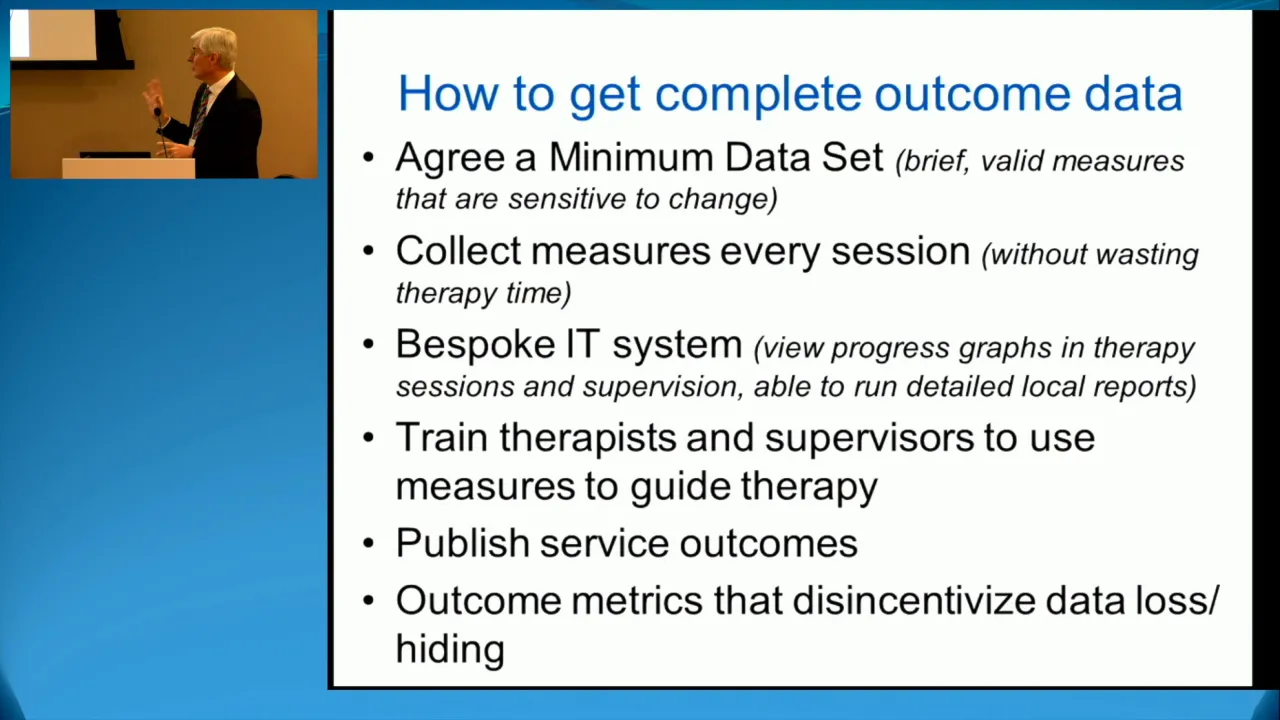
54:04
Psychology
Measurement-based Care in Psychotherapy Workshop - Future of Psychotherapy Conference 2019
UofTPsych
243 views•2019-04-25
51:52
Psychology
Dr. Carol Tavris — Mistakes Were Made (But Not by Me)
skepticmagazine
14K views•2019-05-02
Trending

13:25
Business
Playstation NO DISC/NO BUY Fight Is Over...
DavidJaffeGames
4K views•2026-07-23

22:40
Business
Steam and Xbox Just Dropped The Hammer On PlayStation
OhNoItsAlexx
9K views•2026-07-23

16:52
Anthropology
Americans Confused in Australia for 17 Minutes Straight
IWrocker
17K views•2026-07-23

20:36
Business
SuperBike Factory Has Gone... What's Next for the Motorcycle Industry?
thatbikersimon
11K views•2026-07-22