When someone remains on your mind without any communication, it's not necessarily because they're thinking about you, but rather because your brain is seeking emotional closure, processing the loss of an attachment, and replaying emotional memories; this psychological phenomenon occurs because unfinished stories and uncertainty trigger our minds to keep revisiting memories, and the solution lies in understanding that closure comes from within yourself rather than from another person's explanation, allowing you to transform this experience into personal growth and emotional strength.
Install our extension to search inside any video instantly.
If He's Always on Your Mind Without Any Communication... Here's Why | (Don't Miss This)
Added:What if I told you that the reason he's constantly on your mind, even though you haven't spoken in weeks or maybe even months, has very little to do with him and far more to do with what's happening inside your own mind. Because the answer might completely change the way you see this situation. Today, I'm going to explain why someone can occupy your thoughts without any communication, what psychology says about it, and most importantly, how you can turn this experience into something that makes you emotionally stronger instead of emotionally stuck. Before we begin, I want you to answer one question in the comments. Have you ever caught yourself thinking about someone even though they haven't reached out at all? Just write yes if you've experienced it. Because if that's happening to you right now, you're definitely not alone. And by the end of this video, I hope you'll understand your own emotions in a completely different way. Let's dive in.
One of the biggest misconceptions people have is believing that if someone stays on your mind constantly, it must mean they're thinking about you, too. It's an understandable thought. When emotions run deep, our minds naturally search for explanations that make sense of what we're feeling. But psychology offers a different perspective. Our brains don't like unfinished stories. When a relationship ends without complete understanding, when conversations stop unexpectedly, or when questions remain unanswered, the mind often keeps revisiting those memories in an attempt to create closure. It's similar to finishing every chapter of a book except the last one. You don't forget the story. you keep wondering how it ends.
That doesn't necessarily mean the story is still being written. It means your brain is trying to complete something that feels incomplete. And this is incredibly human. Another reason someone may stay on your mind is because your memories aren't only attached to that person. They're attached to what you believed your future could become. Maybe you imagined traveling together. Maybe you pictured introducing them to your family. Maybe you imagined growing older with them. When communication ends, it's not only the relationship you're grieving. Sometimes you're grieving the future you had imagined. That's why letting go can feel so difficult. You're not simply saying goodbye to a person.
You're saying goodbye to possibilities.
And possibilities are powerful. There's another fascinating psychological pattern that often appears during silence. When communication disappears, so does new information. Without fresh experiences, the brain begins filling in the missing pieces. Instead of remembering someone exactly as they were, we sometimes remember them as we hoped they could become. We soften their flaws. We magnify their best qualities.
We replay only the moments that made us smile. This isn't weakness. It's simply one way our minds try to make sense of emotional uncertainty. That's why silence can sometimes make memories feel stronger than reality itself. Now let's talk about something equally important.
Attachment. Human beings are wired for connection. When we form a meaningful emotional bond with someone, our brains begin associating that person with safety, comfort, excitement or familiarity. When that connection suddenly disappears, the attachment system becomes activated. The brain starts asking questions. Where did they go? Why haven't they reached out? Did I do something wrong? Could things still work? Notice what happens. Most of these questions aren't about facts. They're about uncertainty. And uncertainty has an incredible ability to keep our attention locked onto someone. Sometimes what we're craving isn't necessarily the person, it's certainty. Understanding that distinction can be incredibly freeing because it reminds us that emotional intensity doesn't always equal long-term compatibility. Another important truth is this. Whatever we repeatedly focus on becomes mentally stronger. Every time you replay old conversations, every time you reread messages, every time you imagine different outcomes, your brain strengthens those neural pathways. It's a bit like walking across the same field every day. Eventually, a clear path forms. The more often you travel it, the easier it becomes to keep going that way. The encouraging news is that this process can work in your favor, too. The more you invest your attention in your goals, your friendships, your health, your passions, your confidence, the more your mind naturally creates new emotional pathways. Healing doesn't happen because you force yourself to forget someone. Healing happens because your life gradually becomes bigger than the thoughts that once consumed it. And that's a beautiful transformation.
Here's something I want every woman watching to remember. Missing someone doesn't mean you should abandon your standards. Thinking about someone constantly doesn't mean you should chase them. Sometimes the strongest expression of love is allowing life to reveal whether two people truly belong together without forcing the outcome. Healthy relationships aren't built on anxiety.
They're built on mutual effort, mutual communication, mutual respect, mutual consistency. If those qualities aren't present, your attention is better spent becoming the kind of person who recognizes healthy love when it arrives.
Because confidence isn't pretending you never miss anyone. Confidence is trusting that your happiness isn't dependent on one person's response. It's knowing that even if someone never comes back, your future can still be extraordinary. And perhaps that's the most powerful realization of all. The person who's constantly on your mind may have unintentionally started a journey not toward them but toward a stronger version of yourself. Someone with healthier boundaries, greater emotional awareness, more self-respect, and a clearer understanding of what genuine connection actually looks like. That's the version of you worth investing in every single day. If this message is helping you see your situation more clearly, take a moment to like this video and subscribe to the channel.
Every week we explore practical relationship psychology, confidence, emotional resilience, and healthy communication to help you build stronger, happier relationships. And if you've ever experienced this kind of emotional silence, share your thoughts in the comments. Your story might encourage someone else who's going through the same thing. One of the biggest reasons someone can stay on your mind without any communication is something psychologists often refer to as the brain's need for emotional closure. Human beings naturally seek answers. We like stories to have clear beginnings, meaningful middles, and satisfying endings. When a relationship, a connection, or even a brief romantic experience ends without explanation, the mind doesn't simply file it away and move on. Instead, it keeps returning to the unanswered questions, searching for an explanation that makes everything feel complete. This is not because you're weak or because you're destined to be with that person. It's because your brain is doing what it has evolved to do, trying to make sense of uncertainty. Think about the last time you watched a movie that suddenly stopped 20 minutes before the bubble ending. You'd probably spend hours wondering what happened to the characters or how the story was supposed to end. Relationships work in much the same way. When communication suddenly disappears, when texts stop, calls end, or conversations fade without clarity.
Your mind is left holding an unfinished chapter. It keeps replaying memories, searching for clues that might explain what changed. You begin asking yourself questions like, "Did I say something wrong? What were they really thinking?
Or could I have done something differently?" The more unanswered questions there are, the more mental energy your brain invests in finding answers, even if those answers never come. This is why silence can sometimes feel louder than words. A clear goodbye, while painful, often gives the mind something solid to process. But when there's no explanation, your imagination begins filling in the gaps. Sometimes it creates hopeful scenarios where the person will come back. Other times it invents painful stories that blame you for everything that happened. Neither extreme is necessarily true, but both are attempts by your brain to create a complete narrative. Unfortunately, these imagined stories often keep you emotionally attached longer than the pual relationship itself. What's important to understand is that thinking about someone repeatedly doesn't too automatically mean they're your soulmate or that the universe is sending you a sign. More often, it reflects the fact that your emotional story with them feels unfinished. Your mind isn't necessarily asking for that person back.
It's asking for understanding, certainty, and peace. The beautiful part is that closure doesn't always come from another person's explanation. Sometimes it comes from your own willingness to accept that not every question will be answered. Not every chapter ends the way you expected. And not every connection is meant to continue. When you stop waiting for someone else to complete your story and begin writing the next chapter yourself, you slowly discover that the peace you were searching for was never hidden in another person's message. It was waiting inside your own decision to move forward with strength, wisdom, and self-respect. Another powerful reason he may stay on your mind without any communication is that your brain isn't only remembering the person.
It is remembering the emotions you experienced while you were with him.
This is an important distinction because we often assume we're missing the individual when in reality we're longing for the way they made us feel. The excitement of waiting for a message, the comfort of meaningful conversations, the butterflies before seeing them, or the hope of building a future together can leave a lasting emotional imprint. Even after communication ends, those feelings remain stored in your memory and your mind naturally returns to them because they once represented happiness, possibility, and connection. Our memories are deeply connected to emotion. Scientific research has shown that experiences tied to strong emotions are remembered more vividly than ordinary moments. That's why you may forget dozens of routine days but remember a single conversation that made you smile or a moment when you felt truly understood. Your brain gives those memories extra importance because they carried emotional significance. When you think about him, you're often replaying those emotional highlights rather than the true complete reality of the relationship. The difficult conversations, misunderstandings, or moments of disappointment may gradually fade into the background while the happiest memories continue to shine more brightly. This is one reason nostalgia can be so powerful. Nostalgia has a way of editing our memories, allowing us to focus on what felt meaningful while minimizing what was painful. You might remember how safe you felt in his presence or how excited you were about what the future could hold, but forget the moments when your needs weren't present or when communication felt inconsistent. The mind naturally protects us by holding on to positive emotional experiences. Yet, this can sometimes create an idealized version of the relationship that doesn't perfectly match reality. It's also worth remembering that many of the emotions your broin were created inside you. He may have inspired them, but your capacity to love, hope, dream, and care came from your own heart. That means those beautiful emotions are not permanently attached to one person. They are part of who you are and they can be experienced again with someone who is equally willing to invest in the relationship. Recognizing this shifts your perspective from believing you've lost your only chance at happiness to understanding that you's simply experienced one chapter of your emotional journey. The next time you notice him occupying your thoughts, pause for a moment and ask yourself, "Am I missing this person or am I missing the way I felt when I believed in what we could become?" That simple question can bring remarkable clarity. Instead of chasing the past, you begin appreciating the emotions you were capable of feeling while also realizing that your future still holds the potential for love, trust, excitement, and genuine connection. Those feelings were never limited to one relationship. They are qualities your heart can feel again when the right relationship is built on mutual care, respect, consistency, and emotional security. Another reason he may stay on your mind without any communication is that silence has a remarkable way of changing how we remember people. When someone is no longer present in our daily life, we stop receiving new information about them. There are no conversations to balance our perspective, no disagreements to remind us they're imperfect, and no everyday interactions that reveal both their strengths and weaknesses. Instead, the mind begins filling in the empty spaces with memories, imagination, and hope. Over time, this can cause someone to seem more extraordinary than they actually were. Not because they changed, but because your memory quietly edited the story. The human brain naturally dislikes uncertainty. When there are gaps in what we know, it tries to complete the picture. If communication suddenly ends, your imagination often steps in to answer questions that reality no longer can. You may start wondering what they're doing, whether they've changed, or if they secretly miss you. Without realizing it, you begin creating possibilities rather than remembering facts. Those imagined possibilities can become emotionally powerful because they are built around your hopes instead of your actual experiences. This is why people sometimes find themselves missing someone more after weeks or months of silence than they did immediately after the relationship ended. As time passes, the difficult moments often lose their emotional intensity, while the happiest memories become easier to access. You remember the laughter, the compliments, the moments of closeness, and the dreams you shared. Meanwhile, the misunderstandings, mixed signals, disappointments, or incompatibilities slowly fade into the background. Your mind isn't trying to deceive you. It's simply giving greater attention to memories that carried strong emotional meaning. It's also important to recognize that when someone is absent, they can't contradict the image you've created of them. In reality, every person has flaws, bad days, and imperfections. But when they're no longer part of your everyday life, your mind can begin treating them as the perfect partner they never actually were. This idealized version often feels more attractive than the real person because it exists without conflict, disappointment, or uncertainty. The danger is that you may end up comparing future relationships to a version of someone that existed more in your imagination than in reality. Healthy love doesn't require you to imagine someone's potential while overlooking the reality of how they treated you. It grows through consistent actions, honest communication, mutual respect, and emotional reliability. When you remind yourself of the complete picture instead of only the highlights, you give yourself permission to see the relationship more clearly. That clarity doesn't erase the good memories, but it places them alongside the challenges that were also part of the experience.
And when you stop falling in love with the version of someone that silence created, you make room to recognize the kind of relationship that is built not on fantasy, but on genuine connection, consistency, and the everyday actions that make love feel safe, balanced, and real. Another reason he may stay on your mind without any communication is that your attachment system has been activated. As human beings, we're naturally wired to form emotional bonds with people who make us feel seen, valued, understood, or emotionally safe.
These connections are an important part of how we build meaningful relationships. When someone becomes a significant part of your emotional world, your brain begins to associate that person with comfort, familiarity, and stability. So, when communication suddenly stops, it's not unusual for your mind to keep returning to them.
This doesn't automatically mean they were the perfect partner or that you cholining. You're meant to be together.
It often means your emotional system is responding to the sudden loss of a connection that once owns. Think about how we react to sudden changes in any area of life. Whether it's moving to a new city, leaving a familiar job, or saying goodbye to close friends, our minds need time to adjust. Relationships are no different. When someone who was once a regular part of your routine disappears without warning or explanation, your brain notices that absence. It begins searching for the missing connection, almost as if it's trying to restore a sense of normality.
This is why you may catch yourself wondering what they're doing, checking your phone more often than usual, or replaying past conversations in your head. These reactions are common when emotional attachments are disrupted. One of the biggest challenges is that the attachment system doesn't always distinguish between a healthy relationship and an emotionally inconsistent one. Sometimes we become attached not because the relationship was fulfilling, but because it was unpredictable. If communication came in waves, lots of attention followed by silence, your mind may have become conditioned to keep waiting for the next moment of connection. The uncertainty itself can become emotionally consuming, making you think about the person even more. That's why missing someone doesn't necessarily prove they were right for you. It may simply reflect that your emotional system is still adjusting to the absence of a familiar pattern. It's also helpful to remember that attachment is different from compatibility. You can feel deeply attached to someone who isn't capable of giving you the consistency, honesty, or commitment you truly deserve. Strong emotions alone are not enough to build a healthy relationship. Lasting love requires mutual effort, open communication, trust, and respect from both people.
When those qualities are missing, holding on to the attachment can keep you focused on what once was instead of what could be. The encouraging truth is that attachment can heal. As you create new routines, strengthen your confidence, spend time with supportive people, and invest in your own growth, your brain gradually learns that safety and happiness don't depend on one person's presence. The emotional intensity begins to fade. Not because your memories disappear, but because your sense of security starts coming from within. And when that happens, you no longer chase relationships out of fear of losing someone. You choose them from a place of confidence, self-respect, emotional balance, and the belief that real love is built through consistency, mutual care, and genuine commitment. Another reason he may stay on your mind without any communication is because whatever you foul consistently focus on becomes stronger in your mind. Your brain is constantly learning from what you repeatedly think about, pay attention to, and emotionally engage with. Every time you replay an old conversation, imagine what you could have said differently, revisit old photos, or wonder whether he'll reach out, you're reinforcing those mental pathways. It's not that your feelings are becoming more meaningful with each passing day. It's that your mind is becoming more practiced at returning to the same thoughts. The more often you walk down the same mental road, the easier it becomes for your brain to find that route again. Imagine walking across a grassy field for the first time.
There's no visible path. But if you walk the exact same route every day, eventually a clear trail begins to appear. Your thoughts work in much the same way. Repetition creates familiarity, and familiarity makes certain thoughts feel automatic. That's why you may wake up thinking about him before you've even had your morning coffee. It's not necessarily because he's the only person meant for you. It's because your brain has developed a habit of directing your attention toward him.
This is especially true when emotions are involved. Emotional experiences leave a stronger imprint on the brain than ordinary events. If your thoughts are accompanied by hope, sadness, regret, or longing, they become even more memorable. Without realizing it, you may create a daily routine centered around thinking about someone who is no longer actively part of your life. Over time, this mental habit can make it seem as though your feelings are growing stronger, when in reality, the habit itself is becoming stronger. The encouraging news is that the brain is incredibly adaptable. Just as it learned to focus on one person, it can also learn to focus on new experiences, meaningful goals, and healthier emotional patterns. This doesn't happen overnight, and it doesn't require pretending the relationship never mattered. It simply means making intentional choices about where you invest your attention. Every time you learn a new skill, reconnect with friends, exercise, read, pursue a passion, or challenge yourself in a positive way, you're giving your brain new experiences to strengthen. Little by little, those new pathways become easier to follow than the old ones. This doesn't mean you'll never think about him again. Certain memories may always bring a smile or a moment of reflection, and that's completely normal. The difference is that those memories no longer control your emotional state or determine your happiness. Instead of automatically returning to the past, your mind gradually becomes more interested in the future you're creating. That's the real power of directing your focus with intention.
When you consistently invest your energy in becoming healthier, wiser, more confident, and emotionally fulfilled, you teach your mind that your happiness isn't tied to one person's absence. It's built through the choices you make every day, allowing you to create a life filled with purpose, resilience, meaningful relationships, and lasting inner peace. Perhaps the most important reason he may still be on your mind without any communication is that this experience is giving you an opportunity to grow in ways you may not have expected. It's natural to ask, "Why can't I stop thinking about him?" But a more empowering question is, "What can I learn from this experience?" That simple shift changes your focus from trying to control another person's actions to understanding your own emotions. Instead of seeing your thoughts as a sign that you're stuck, you can begin seeing them as an invitation to become more emotionally aware, resilient, and intentional about the relationships you build in the future. Every meaningful relationship, whether it lasts for months or years, teaches us something about ourselves. Sometimes it reveals the qualities we value most, like honesty, kindness, or consistency. Other times it highlights the boundaries we ignored or the needs we struggled to express. If someone remains on your mind long after communication has ended, take a moment to reflect on what that relationship awakened in you. Did it teach you the importance of feeling emotionally safe? Did it show you how much you value mutual effort and clear communication? Or did it help you recognize that you deserve someone who chooses you without leaving you guessing? These lessons are valuable because they shape the decisions you make moving forward. Growth doesn't happen by pretending the relationship never mattered. It happens when you willing to honestly examine both the beautiful moments and the difficult ones. It's easy to focus only on what you lost, but it's equally important to recognize what you gained. Maybe you've become more self-aware. Maybe you've learned to communicate your feelings more openly. Maybe you've discovered that your happiness can't depend entirely on another person's alt. But it's equally important to these realizations don't erase the pain, but they transform it into wisdom that stays with you long after the memories begin to fade. This is also a chance to strengthen the relationship you have with yourself. When communication with someone else ends, it's tempting to keep looking outward for answers, waiting for a message, or hoping for closure. But real confidence grows when you begin investing that same energy inward. Spend time developing your interests, nurturing your friendships, pursuing your goals, and caring for your emotional well-being. The more fulfilled your own life becomes, the less your sense of worth depends on whether someone chooses to contact you. You begin to realize that your value was never determined by another person's attention. It has always existed within you. The truth is, every experience leaves a mark, but you get to decide what kind of mark it becomes. It can become a story of regret that keeps you trapped in the past, or it can become the turning point that helps you develop stronger boundaries, deeper self-respect, and a clearer understanding of the love you truly deserve. When you embrace the lessons instead of resisting them, you stop measuring your future by what didn't work out and start building it around the person you're becoming. And that is where lasting confidence begins, where emotional freedom grows, and where the healthiest, most fulfilling relationships are able to take root in a life guided by wisdom, self-worth, purpose, and genuine hope for what lies ahead. So, if he's always on your mind without any communication, don't immediately assume it's a hidden sign, fate, or proof that you're meant to be together. Sometimes it's your mind seeking closure. Sometimes it's attachment asking for certainty.
Sometimes it's hope holding on to possibilities. And sometimes it's simply a reminder that you're human. Instead of asking, "Why can't I stop thinking about him?" Try asking, "What is this experience teaching me about the kind of relationship I truly deserve?" Because when you focus on becoming emotionally secure, self-aware, and deeply connected to your own values, something remarkable happens. Whether this person returns or not becomes less important than the life you're creating for yourself. And that is where real confidence begins. Thank you so much for watching. If this message resonated with you, don't forget to like, subscribe, and share it with someone who may need this reminder today. Until next time, take care of yourself and remember the healthiest relationships begin with the relationship you build with yourself.
Related Videos

0:39
Psychology
Inside Ronaldo’s Team Meeting
RonoSphereCR7
1K views•2026-04-17

7:25
Psychology
You Are Not So Smart: Chapter 4 Hindsight Bias, What is it?
TheBey8nD8
230 views•2019-09-15
49:35
Psychology
Sigmund Freud's Mind - Master Your Inner World (Your Unconcious Mind)
Ngaslife
1K views•2025-01-25

11:29
Psychology
What affects your mood?
RandyPaterson
602 views•2019-05-16

3:45
Psychology
Can you outsmart this logical fallacy? - Alex Gendler
TEDEd
2164K views•2019-11-25

1:02:21
Psychology
Understanding the Relationship between Fear of Falling and Mobility in Older Adults
fallpreventioncommunityofp3788
823 views•2019-04-08
54:04
Psychology
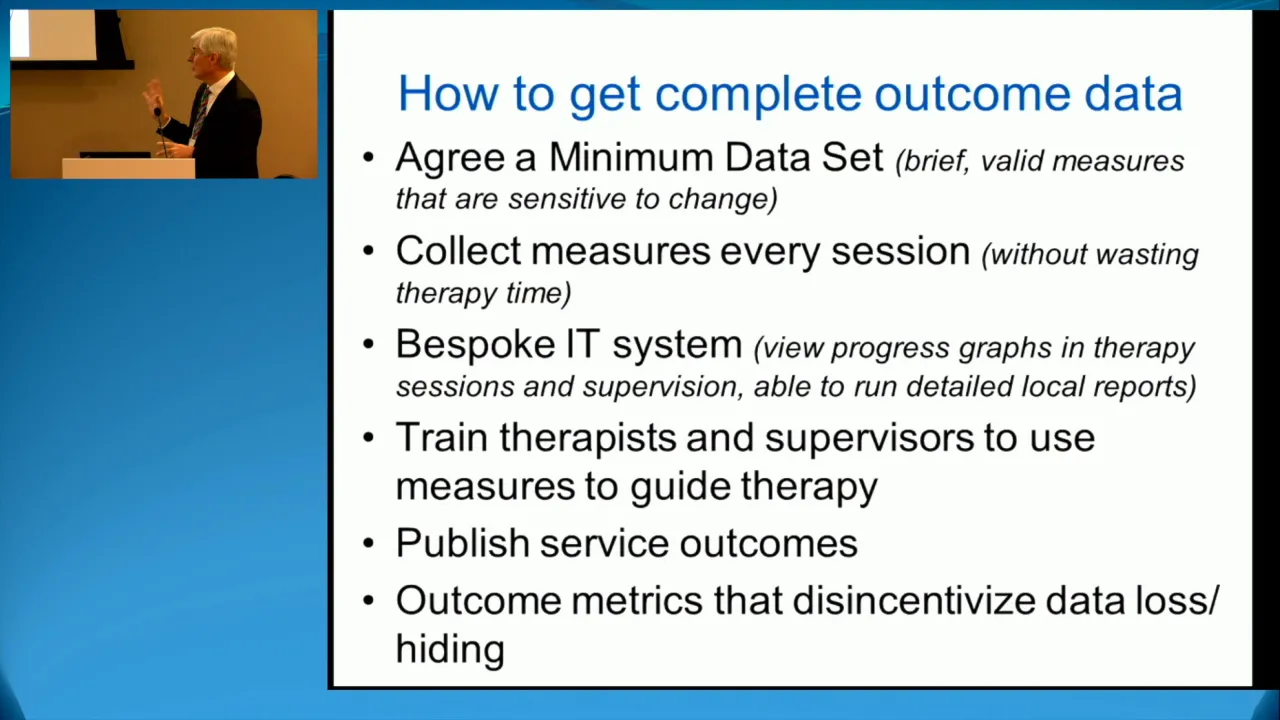
Measurement-based Care in Psychotherapy Workshop - Future of Psychotherapy Conference 2019
UofTPsych
243 views•2019-04-25

51:52
Psychology
Dr. Carol Tavris — Mistakes Were Made (But Not by Me)
skepticmagazine
14K views•2019-05-02
Trending

9:05
Artificial Intelligence
2.4 BILLION Records Got Leaked...
DeepHumor
15K views•2026-07-22

13:25
Business
Playstation NO DISC/NO BUY Fight Is Over...
DavidJaffeGames
4K views•2026-07-23

19:32
Business
Should I buy a Sawmill?
essentialcraftsman
29K views•2026-07-22

16:52
Anthropology
Americans Confused in Australia for 17 Minutes Straight
IWrocker
17K views•2026-07-23