Carl Jung's psychological theory explains that the unconscious mind inevitably reveals hidden emotions, as suppressed feelings never truly disappear but instead grow stronger beneath the surface until they become impossible to ignore. People often resist emotional connections because the ego resists change, but authentic emotional bonds create lasting psychological imprints that eventually break through denial. The unconscious mind recognizes emotional truth long before the conscious mind accepts it, manifesting through recurring thoughts, dreams, memories, and an unexplained pull toward someone. This process of individuation—the lifelong journey toward becoming a complete, authentic person—requires courage to face one's fears and hidden aspects, ultimately leading to genuine emotional growth and wholeness.
They Finally Accepted Their Feelings For You This Morning | Carl Jung
Added:There comes a point in every person's life when the truth becomes too heavy to ignore. Eventually, the walls built from pride, fear, logic, or emotional distance begin to crack, and the heart can no longer pretend it feels nothing.
This morning, in a quiet moment that no one else witnessed, someone finally stopped resisting what they truly feel about you. Not because you pressured them, not because you demanded their attention. It happened because the unconscious mind always brings hidden emotions into the light, no matter how hard the conscious mind tries to bury them. Carl Jung believed the human mind was never meant to conceal the truth forever.
People push painful emotions into the shadows, disguise longing as indifference, and convince themselves they have moved on when deep inside they remain emotionally connected.
But the shadow never stays silent forever. It finds ways to speak through dreams, unexpected memories, restless mornings, and feelings that refuse to disappear.
And today they woke up realizing that your presence has quietly become part of their inner world. There is something important to understand.
People do not repeatedly think about someone who means nothing to them. The mind doesn't keep returning to empty places without reason. If your presence continues appearing in someone's thoughts, it is because you awaken something inside them that cannot be explained with simple logic.
Jung believed that certain people enter our lives for a reason. They act like mirrors reflecting hidden emotions, buried wounds, forgotten dreams, and parts of ourselves we have ignored for years.
You became that mirror for them. For a long time, they fought against what your presence stirred within them. The ego always resists change. Pride tells us to stay in control. Fear tells us to avoid vulnerability.
But genuine love doesn't answer to the ego. Real emotional connection moves beyond the masks people wear. It reaches into the unconscious where the deepest truths quietly exist. That is why distractions never truly erased you from their mind. Busy schedules couldn't silence your memory. Distance couldn't weaken what was growing beneath the surface.
Then sometime this morning, perhaps before the world fully came alive, they finally admitted something they had been trying to escape.
They missed you. They felt the emptiness your absence created. They realized that thoughts of you had been living inside their mind far longer than they wanted to admit. What truly scared them was never love itself.
It was the change that love demanded from them. Authentic emotional connection breaks down illusions. It forces people to face themselves honestly.
That is why Jung placed so much importance on the journey of individuation, the lifelong process of becoming a complete and authentic person.
Sometimes another individual becomes the catalyst for that transformation.
Your presence may have brought hidden loneliness to the surface. It may have exposed emotional wounds they had spent years avoiding. It may have forced them to confront parts of themselves they were never ready to acknowledge.
Ironically, people often run from the very person who awakens them the most because awakening requires change. And change can feel frightening.
But today, something shifted inside them. For the first time, they stopped debating with their own heart. They accepted that what they feel for you goes beyond simple attraction, temporary excitement, or passing curiosity.
Something within them recognizes you on a level that feels both psychological and deeply spiritual, even if they cannot fully explain why.
That realization quietly changes everything, even before a single word is spoken. At the same time, never forget where your real strength comes from.
It has never depended on convincing someone to choose you. Your greatest power has always been your authenticity.
Jung warned against sacrificing your identity simply to gain another person's approval.
The strongest energy is never desperation.
It is wholeness. When you remain committed to your own growth, your purpose, and your inner peace, you naturally become more magnetic. You no longer chase validation because your value no longer depends on someone else's response.
Healthy love cannot grow where self-abandonment exists. So don't beg for reassurance. Don't force confessions or demand proof of their feelings.
Real truth unfolds naturally when the unconscious becomes impossible to ignore. And today, somewhere within them, another emotional barrier finally gave way. The feelings they tried so hard to suppress could no longer be denied. The unconscious mind is far more powerful than most people realize. Jung believed it shapes much more of our lives than the conscious thoughts we proudly display every day.
Someone may confidently insist they have moved on. They may appear distant, emotionally unavailable, or completely unaffected.
Yet beneath that outward image, an entirely different reality may be unfolding. Human beings are remarkably skilled at hiding emotions that make them feel exposed.
Pride encourages emotional suppression.
Fear convinces people that denial is safer than honesty. But the unconscious follows neither pride nor fear. It patiently waits until the truth can no longer remain hidden. That is why authentic emotions always return.
The conscious mind may become distracted by work, responsibilities, conversations or endless activity. But the soul continues remembering.
Then in a quiet morning, a sleepless night or a peaceful moment with no distractions, everything resurfaces.
A familiar memory appears without warning. A voice echoes through the mind. A feeling rises that cannot be explained away with logic. That is the unconscious revealing what has been true all along. Jung believed that suppressed emotions never disappear. They simply retreat into the shadows where they continue growing stronger. The longer someone refuses to face what they truly feel, the more powerful those emotions become beneath the surface until one day denial finally loses its battle against the truth.
This is why some people suddenly become emotionally unsettled without knowing the real reason. They try to move on with life, yet their mind keeps drifting back to the same person. They convince themselves they have let go, but something unseen continues pulling them in the opposite direction. The reason is simple. The unconscious mind often recognizes what truly matters long before the conscious mind is willing to accept it. People do not continuously think about someone who has no emotional importance.
Every meaningful connection leaves a lasting psychological imprint.
When someone genuinely touches another person's inner world, their presence remains long after the conversations end or the distance begins.
Even their absence carries emotional weight. While the ego may insist the connection no longer matters, the unconscious quietly continues processing it beneath the surface.
Eventually, pretending becomes exhausting.
The heart grows tired of arguing against what it already knows to be true. Then comes a deeply personal moment of surrender. There are no dramatic speeches or public confessions. Instead, a quiet realization settles within them.
The emotions they worked so hard to suppress were never signs of weakness.
They were simply truths waiting to be acknowledged. Many people imagine that real love feels peaceful from the very beginning. Carl Jung saw it differently.
Genuine emotional connection often arrives alongside inner conflict because real connection demands transformation.
The mind naturally resists anything that threatens the identity it has carefully built over the years.
When someone enters your life and reaches the deepest parts of your soul, everything inside begins to shift.
Emotions become stronger. Thoughts become impossible to ignore. Feelings that were buried for years slowly rise into awareness.
Hidden parts of the personality begin asking to be seen.
That is why people often resist the very connection they secretly long for. The ego values control above everything else. It wants certainty, emotional security, and protection from vulnerability.
But authentic love challenges every one of those illusions. The moment another person truly begins to matter, fear often appears alongside affection. There is fear of rejection, fear of depending on someone, fear of losing independence, fear of exposing hidden emotions, and perhaps most of all, fear of becoming a different person because of the relationship.
For many people, running away feels safer than facing those emotions. They create distance, not because their feelings are absent, but because those feelings become overwhelming.
Sometimes the strongest withdrawal is actually evidence of the deepest emotional impact. Jung believed that meaningful relationships function like mirrors. They reveal hidden wounds, insecurities, forgotten desires, and unresolved emotional struggles that have been buried inside the unconscious for years.
For someone who has spent a lifetime avoiding self-reflection, that experience can feel incredibly overwhelming.
Without realizing it, your presence encouraged them to look inward. They began noticing the loneliness they had ignored for years. They became aware of emotional emptiness they had covered with routines, distractions, and constant activity.
Old wounds they believed had healed suddenly demanded attention again.
The connection became frightening because it awakened parts of themselves they no longer knew how to manage. This explains why emotionally important people are often pushed away during the beginning of a relationship.
Resistance should not always be mistaken for the absence of love. Sometimes it is simply a sign of powerful inner conflict. The greater the emotional impact, the harder the ego fights to protect its familiar identity. A person may appear distant, calm, or even indifferent on the outside while privately struggling with emotions they cannot fully understand themselves. Yet, transformation cannot be avoided forever. The human soul naturally moves toward what feels meaningful, authentic, and alive. As time passes, the emotional pressure continues building. Suppressing the truth becomes mentally exhausting.
Eventually, the mind grows tired of denying what the heart accepted long ago. That is when a person finally realizes something important.
Walking away never erased the connection. It only postponed the moment they would have to face it honestly.
This is one of the greatest paradoxes Carl Jung understood.
People often fight hardest against the very experience capable of healing them.
What they fear most may also be what they need most for growth. Jung believed that some people enter our lives for reasons that cannot be explained by coincidence alone. Certain connections carry an emotional depth that feels immediate and strangely familiar.
From the very first encounter, there is often a quiet sense that something significant has begun, as though the soul recognizes another soul before the conscious mind can understand why.
According to Jung, relationships frequently serve as mirrors that reflect hidden aspects of ourselves waiting to be discovered.
Without intending to, you became that mirror in their life. A mirror does far more than reflect appearances. It reveals reality. It exposes what has been ignored, denied, or hidden for years. That is why profound emotional connections can feel both irresistible and intimidating at the same time. Your presence may have awakened emotions they had buried long ago. Perhaps they learned early in life to hide vulnerability behind pride.
Perhaps they protected themselves with emotional distance, constant busyiness, or the belief that they no longer needed deep relationships to feel complete.
Maybe convincing themselves they were independent became a way of avoiding future pain.
Then you appeared without trying to change them. Your presence quietly challenged everything they believed about themselves.
The emotional walls they spent years building no longer felt as secure.
Feelings they thought were gone slowly returned.
Questions they had avoided resurfaced.
Their carefully controlled world began shifting from the inside out. That is why the connection felt so powerful.
It wasn't simply about romance. It was about awakening.
And awakening is rarely comfortable. It asks people to release old identities, confront hidden truths, and step toward a version of themselves they may have spent years trying to avoid.
In the end, the soul always recognizes what is real, even when the mind takes much longer to catch up. But when someone enters your life carrying an energy that reaches the unconscious mind, those old emotional defenses slowly begin to weaken.
They may never have fully understood why your presence affected them so deeply.
Many people mistake emotional awakening for confusion simply because they have never learned to face their own inner world. Instead of recognizing what is happening inside them, they label it as uncertainty and try to push it away.
Yet every conversation you shared, every memory you created, and even the moments of silence between you awakened something much deeper.
Your presence reflected parts of themselves they had ignored for years.
It brought their loneliness into focus.
It exposed hidden desires they had buried beneath routine.
It revealed their fear of true intimacy and even the emotional growth they were capable of but had never allowed themselves to pursue.
Carl Jung believed that the qualities we admire most in another person often represent qualities that are missing, neglected, or still developing within ourselves.
In other words, the people who affect us the most are often showing us something our own soul has been searching for all along. Perhaps your energy represented peace in a life filled with inner conflict.
Perhaps it reflected authenticity in a world where they had grown used to wearing masks.
Maybe it offered emotional depth, understanding, or acceptance that they had never fully experienced before.
Whatever it was, your presence became psychologically meaningful because it challenged the identity they had built simply to protect themselves.
around you. Pretending became more difficult. The emotional masks they had relied upon for years no longer fit as comfortably.
This is why they may have appeared uncertain, inconsistent, or conflicted.
One moment they seemed close, the next they pulled away. It wasn't always because their feelings disappeared.
Often it was because they were struggling with everything your presence was bringing to the surface. Looking into a mirror is not always comfortable, especially for someone who has spent years avoiding honest self-reflection.
Sometimes people distance themselves from those who awaken them because facing the truth about themselves feels more frightening than walking away.
But distance cannot erase what has already been awakened.
The unconscious mind continues working quietly even when the conscious mind insists nothing is happening.
Long after conversations end and physical distance grows, the inner process continues.
Thoughts return unexpectedly.
Memories surface without warning.
Emotions refuse to stay buried.
With time, the reflection became impossible for them to ignore. They eventually realized you were never just another passing chapter in their life.
You became the beginning of an internal transformation. Once someone recognizes that another person has touched their soul deeply enough to awaken lasting change, denial begins losing its power.
They can delay the truth for a while, but they cannot hide from it forever.
One of Carl Jung's deepest teachings was that genuine power never comes from chasing love, approval, or validation.
Real strength comes from becoming whole within yourself.
Many people slowly lose themselves while trying to be chosen. They reshape their personality to satisfy someone else's expectations.
They silence their own needs. They compromise their values. They hide who they really are, believing that acceptance must be earned by becoming someone more desirable.
But every step away from your authentic self weakens your emotional foundation.
True magnetism is never born from desperation.
It grows from self-awareness, emotional maturity, and inner stability.
People naturally feel drawn to authenticity because authenticity carries a quiet strength that cannot be faked.
When someone is deeply connected to their purpose, values, emotions, and personal growth, they radiate confidence without trying to impress anyone.
It is calm rather than loud, secure rather than demanding.
Jung described this lifelong journey as individuation.
The process of becoming your truest self. It requires courage. It asks you to face your fears, heal old emotional wounds, and accept every hidden part of yourself, including the parts you were taught to reject.
As someone moves through that process, they become emotionally stronger because their sense of worth no longer depends on another person's approval. Their confidence comes from within instead of from external praise. This is why chasing someone rarely creates lasting love. Pursuit driven by fear often pushes people away because it communicates emotional insecurity instead of emotional peace.
constantly seeking reassurance sends an unspoken message that says, "I cannot feel complete unless you choose me."
Wholeness speaks a very different language. It quietly says, "I value love, but I will never lose myself trying to earn it."
That mindset creates respect. It inspires attraction. It builds emotional depth because it allows connection without sacrificing identity.
Jung understood that the healthiest relationships happen when two emotionally grounded people come together, not when two individuals expect each other to fill the emptiness they refuse to face within themselves.
Love should help you grow into a fuller version of yourself, never require you to erase who you are. The moment someone sacrifices their self-respect simply to keep another person close, they begin drifting away from their own soul.
Ironically, the harder someone tries to force love, the more unnatural that love becomes.
Your greatest strength has never been your ability to convince someone to care about you. Your greatest strength has always been your willingness to remain authentic, even when the outcome was uncertain.
While many people hide behind emotional games, carefully crafted images, or protective masks, authenticity leaves a lasting impression because it is increasingly rare.
Someone who truly knows who they are carries a quiet energy that influences others without demanding attention. And eventually, even those who once failed to recognize that value begin to see it clearly. Not because you chase them, not because you beg them to understand, but because genuine truth has a way of revealing itself with time. And authenticity always becomes impossible to overlook forever.
Before anyone ever says, "I have feelings for you." Those emotions are usually lived in silence first. Carl Jung believed that the unconscious mind recognizes emotional truth long before the conscious mind is willing to face it. That is why the strongest feelings rarely begin with words. They first appear as recurring thoughts, vivid memories, meaningful dreams, quiet emotional tension, and an unexplained pull towards someone who continues occupying the mind. By the time a person finally admits what they feel, they have often been fighting that truth internally for much longer than anyone realizes. People often misunderstand the value of silence. Silence is not the absence of emotion. In many ways, it is where emotions become impossible to hide.
When everything grows quiet, distractions disappear. The masks people wear begin to fall away and buried feelings slowly rise into awareness.
Someone may spend their day acting as though nothing affects them. They may convince themselves they have moved on, that they are emotionally detached, or that the connection no longer matters.
Yet the moment they are alone with their thoughts, everything changes.
Without warning, a memory returns, a familiar voice echoes in their mind. A feeling settles in their chest that refuses to leave.
Once again, their thoughts drift back to the same person.
This isn't random. The unconscious mind naturally returns to whatever carries the greatest emotional significance.
It keeps bringing unfinished feelings back into awareness until they can no longer be ignored. Jung believed that denying emotional truth creates inner conflict.
While the conscious mind struggles to stay in control, the unconscious keeps pushing hidden emotions toward the surface. That is why deeply meaningful connections become almost impossible to erase.
Someone may hide their emotions from everyone around them while privately wrestling with feelings they cannot fully explain.
Sometimes they fear being vulnerable.
Sometimes they worry about rejection.
Other times what frightens them most is realizing how deeply another person has already changed them.
But fear never destroys genuine emotion.
It only postpones the moment it is expressed. Eventually, the emotional weight becomes too great to carry alone.
Pretending requires more energy than honesty.
The mind grows tired of resisting what the heart has quietly known all along.
Their thoughts continue returning to you because the connection has already become part of their inner world.
What once felt confusing slowly becomes undeniable.
At that point, even silence begins revealing the truth. The heart continues speaking long before the lips find the courage to do the same. This is why authentic feelings often become visible through actions and energy before they are ever spoken aloud.
People sense emotional changes long before they hear a confession.
Someone may begin watching from a distance more often. They remember small details you thought they had forgotten.
Their behavior changes in subtle ways.
They become emotionally restless without understanding why.
These quiet signs often communicate far more than words ever could. The unconscious always reveals the truth gently before the ego allows complete openness. But eventually silence reaches its limit. What has been buried for so long begins demanding to be acknowledged. The heart grows weary of denial and the soul finally accepts what it recognized from the very beginning.
Some connections are simply too meaningful to remain hidden forever.
Perhaps that is one of the greatest truths Yung ever pointed toward.
Real connection cannot be manufactured, controlled, manipulated, or permanently denied.
The soul always recognizes what carries genuine meaning, even when the mind spends months or even years trying to escape it. Carl Jung believed that every deeply meaningful encounter leaves us changed because certain people do not enter our lives by chance. They arrive to awaken something that has been sleeping within us. They reveal forgotten parts of ourselves, encourage growth, and quietly guide us toward becoming more complete. So if someone finally accepted their feelings for you this morning, understand that this realization did not happen overnight. It was the result of countless private struggles, unspoken emotions, recurring memories, sleepless moments, and quiet battles taking place beneath the surface.
Little by little, what they tried so hard to suppress became impossible to ignore.
The unconscious continued revealing the truth until denial no longer felt stronger than acceptance.
But never allow someone else's realization to determine your own
Related Videos

Inside Ronaldo’s Team Meeting
RonoSphereCR7
1K views•2026-04-17

You Are Not So Smart: Chapter 4 Hindsight Bias, What is it?
TheBey8nD8
230 views•2019-09-15
Sigmund Freud's Mind - Master Your Inner World (Your Unconcious Mind)
Ngaslife
1K views•2025-01-25

What affects your mood?
RandyPaterson
602 views•2019-05-16

Can you outsmart this logical fallacy? - Alex Gendler
TEDEd
2164K views•2019-11-25

Understanding the Relationship between Fear of Falling and Mobility in Older Adults
fallpreventioncommunityofp3788
823 views•2019-04-08
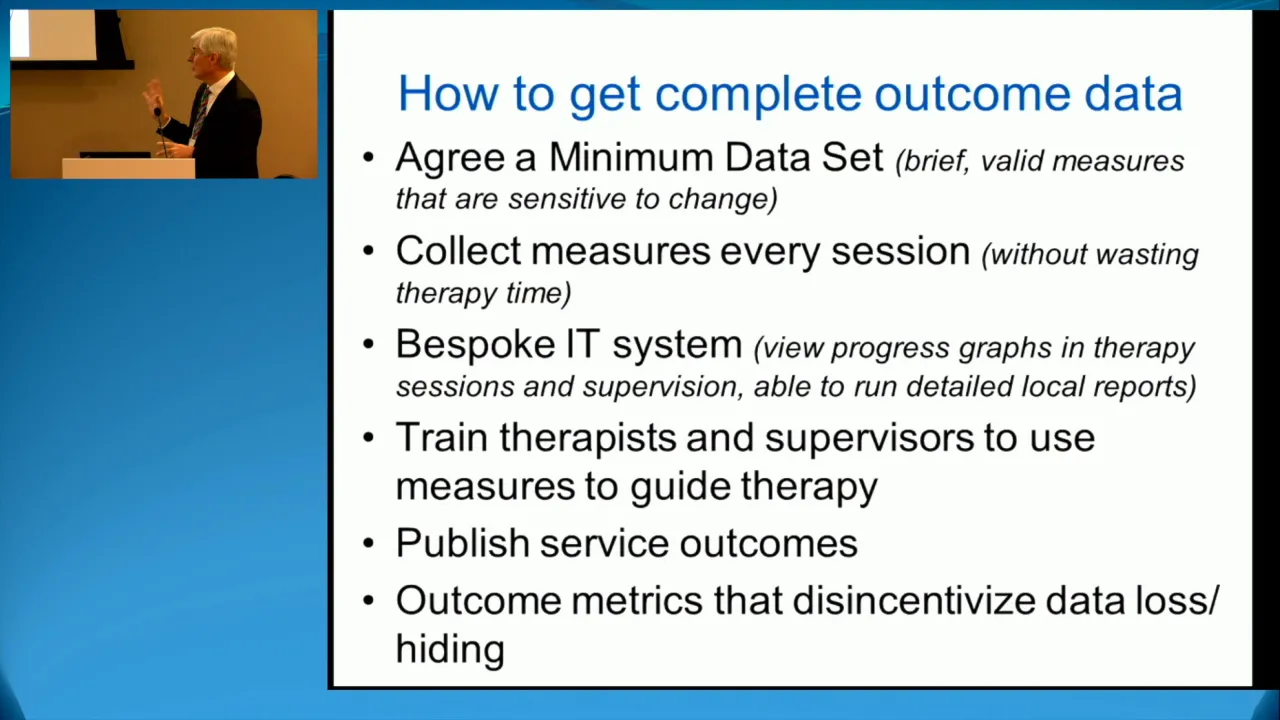
Measurement-based Care in Psychotherapy Workshop - Future of Psychotherapy Conference 2019
UofTPsych
243 views•2019-04-25

Dr. Carol Tavris — Mistakes Were Made (But Not by Me)
skepticmagazine
14K views•2019-05-02
Trending

WOW! Judge TURNS THE TABLES on Trump in His OWN $10B LAWSUIT!!!
MeidasTouch
197K views•2026-07-23

Playstation NO DISC/NO BUY Fight Is Over...
DavidJaffeGames
4K views•2026-07-23

Steam and Xbox Just Dropped The Hammer On PlayStation
OhNoItsAlexx
9K views•2026-07-23

Americans Confused in Australia for 17 Minutes Straight
IWrocker
17K views•2026-07-23