Organic fermentation methods like lactobacillus fermentation (using lactic acid bacteria serum with water and plant inputs at a 1:10:1 ratio, fermented for 3 weeks until pH reaches 3.5) and osmotic fermentation (using equal weights of plant matter and brown sugar for 3-5 days) create nutrient-rich solutions containing phytohormones, enzymes, and organic acids that stimulate soil biology, unlock nutrients, and enhance plant metabolism, offering a sustainable alternative to synthetic fertilizers while supporting self-sufficient organic farming practices.
拡張機能をインストールして、あらゆる動画内を即座に検索しましょう
Better Plants Starts With Better Soil - FTS Clips追加:
When starting with fermentation, the first thing that I always encourage people to do is look at your native environment or your local environment for native plants and see what is is growing around you.
And then there is a resource online called Dr. Duke's phytochemical database where you can enter in the plants that you have around you.
And it'll tell you the chemical composition, the phytochemical breakdown of those plants, right? And so you can see what has high end UK, you know, calcium, magnesium, trace minerals, so on. As well as what parts of the plants have specific profiles of nutrients and phytochemical compounds. So not just our our nutrient ion sources, but talking about like like hormones, like phytohormones, enzymes and compounds that that act as phytohormones as well as like polysaccharides, polyphenols, things like that. So we can introduce unique food sources to feed biology with the plants native to our environment, right?
There's a couple different ways to approach fermentation.
Number one, which is like the really popular way, is lactobacillus fermentation where we take lactic acid bacteria serum, which is a byproduct of fermenting milk. And we use that in a vessel that we fill with water and a food source. Typically people will use molasses, but if you have a plant input that is high in sugars, you don't have to use as much or you don't have to use any at all.
So you would add 1/10 lactobacillus, you would add 10 parts water, then you would add another 1/10 molasses, and you'd let that ferment for 3 weeks. You check the pH, you see if it's at 3.5. There are some circumstances where if your plant material is very alkali, you might want to drop your pH to about 4.5 using like apple cider vinegar or some kind of like vinegar. And that helps the fermentation process cuz if it's too alkali, it doesn't create a lactic acid environment that the lactobacillus likes to thrive in.
Um and then once that ferments, it breaks down the plant matter through like osmosis. Also like we'll have organic acids that can act as phytohormones that will kind of diffuse into the surrounding water media. And then we'll use that ferment after 3 weeks if it once it hits 3.5. At a ratio of uh 1 oz to to a gallon, pretty much. The ratio is 1 to 100. So one part ferment to 100 parts water. Which comes out to be about an ounce per gallon. Um and now you've made a nutrient source.
And depending on the plant input or the combination of plant inputs that you had, you could have a diversity of nutrient ions. Or you could have something very potent in organic acids and enzymes that will stimulate the soil in different ways, unlock nutrients, introduce biology affect plant metabolism and so on. So yeah, that's my long-winded explanation to your question.
But also there's fermentation, there's osmotic fermentation where we take equal weights plant matter and brown sugar and we let we mix it all up and then the the osmotic pressure of the sugar will actually pull juices out of the plant material. That takes shorter period of time, it's about about 3 to 5 days. Um and then you use that at 1 to 1,000 with a microbe source because it is not super potent in in biology.
So typically I would use that on top of like a compost tea or with like a strong dose of of like lactobacillus or other types of microbial inoculants.
Um yeah.
I think that it's it's a great way then to essentially if you have to source some of these, you know, heavily produced products like backguan or something, it's like you get it once and you could start to source your own things to kind of, you know, maintain the nutrient source and to bring out more food from that soil instead of having to keep replenishing it from the source that is killing the earth. I mean again, millions of things are doing it, my phone, the computer, all these monitors, all this [ __ ] However, if we can get that original piece and then become self-sufficient, I think that's where the organic side or the natural farming is the win. It's not necessarily depleting our our resources cuz we're doing it all with things that are being grown annually in our backyards and our nature.
Absolutely, absolutely. And and and you know, composting comes into that conversation.
You know, integrating you know, woods and carbon sources.
Mulches, mycology, promoting, you know, fungal growth. Yeah, the conversation goes goes deep. It goes real deep. I had a massive struggle trying to do it really any form of organic, mainly because I was trying to what >> [laughter] >> I'll hold my comment. But anyways, I I the the problem that I had was I have I tried to do compost.
And I realized that very quickly a family of three can produce a ton of waste. And particularly when it comes to compost, it's it's it's insane actually when when you actually break it down and think about how much you But the pro and I tried to do worms, I had a worm bin as well. It was successful for a little while. The problem that I faced is that the winters here, the climate where I am at is extremely or is extreme, sorry. So, you know, in the summers you can have extreme heat of, you know, plus you know, 100 cuz you guys are all Americanos. And then you can get as low as, you know, minus 60. And trying to keep any form of compost or worm bin outside is was impossible for me. So I tried to move it inside and boy The smell. That was the smell, the bugs, the the control was just so difficult. So it's like I could see how if you're in a climate where having access to resources like this, you know, whether it's worm castings, whether it's material to make teas, ferment it's like it would be massive it would be incredibly beneficial. Where where it's like for me going synthetic was just a no-brainer because sourcing bottles from down the street was a lot easier than trying to find resources from around the world, right?
Absolutely. It was a bit of a struggle.
And we find that that with some of these approaches like composting, you know, vermiculture, things like that is that the the amount of labor is about similar small scale as it is large scale to an extent.
And so you're running around, you're turning compost, you're taking care of your worms, you're checking on your ferments, you're doing all this stuff and you're like putting in a ton of work and now it's like I've dedicated so many hours a day to saving $50, you know what I mean? That it just doesn't make sense for some people. Um And that's why sometimes, you know, people will turn to buying it from a larger scale producer or something like that. And while it's fun, you definitely can run into things like and now I have a million fungus gnats in my house, what do I do?
And there are solutions, you know, you can use you know, bacillus thuringiensis enzymes to kill larva kind of thing or you could introduce like stratiolaelaps scimitus to, you know, predatory mites that that can exist in those compost piles and stuff. There's there's always other solutions, but sometimes it's just like this is too much. This is too much for me to manage on top of managing my plants. Um but it's just not working for me.
Uh but then if you take a large scale farm, you have a large scale vermiculture thing and and now you're creating a ton of castings and it's a similar workload as it would be for someone who's trying to make 5 gallons worth in in their garage. Uh you know, that just makes more more sense for people.
Or if, you know, one thing that's really popular is using Korean natural farming techniques and like compost tea techniques on acreage, you know, cuz it's like I don't have to go buy a whole bunch of chemical fertilizers. I can throw a bunch of stuff in a tote with water and with a an inoculant, let it break down and spread it over a large surface of of soil. And that's really economically viable for people. And so like some of these situations like you got to you got to do what works best for you. You know what I mean? Um And everything has its place. Yeah, absolutely. It's a lifestyle. Yeah, I totally get it. I totally get it. This FDS clip was brought to you by AC Infinity, leaders in garden innovation.
Use discount code the stash15 at checkout to save some money on your order.
From the stash podcast.
関連おすすめ

Taking $10,000 Cash To Green the Driest Barrio in Bolivia
LeafofLifeEarth
528 views•2026-05-29
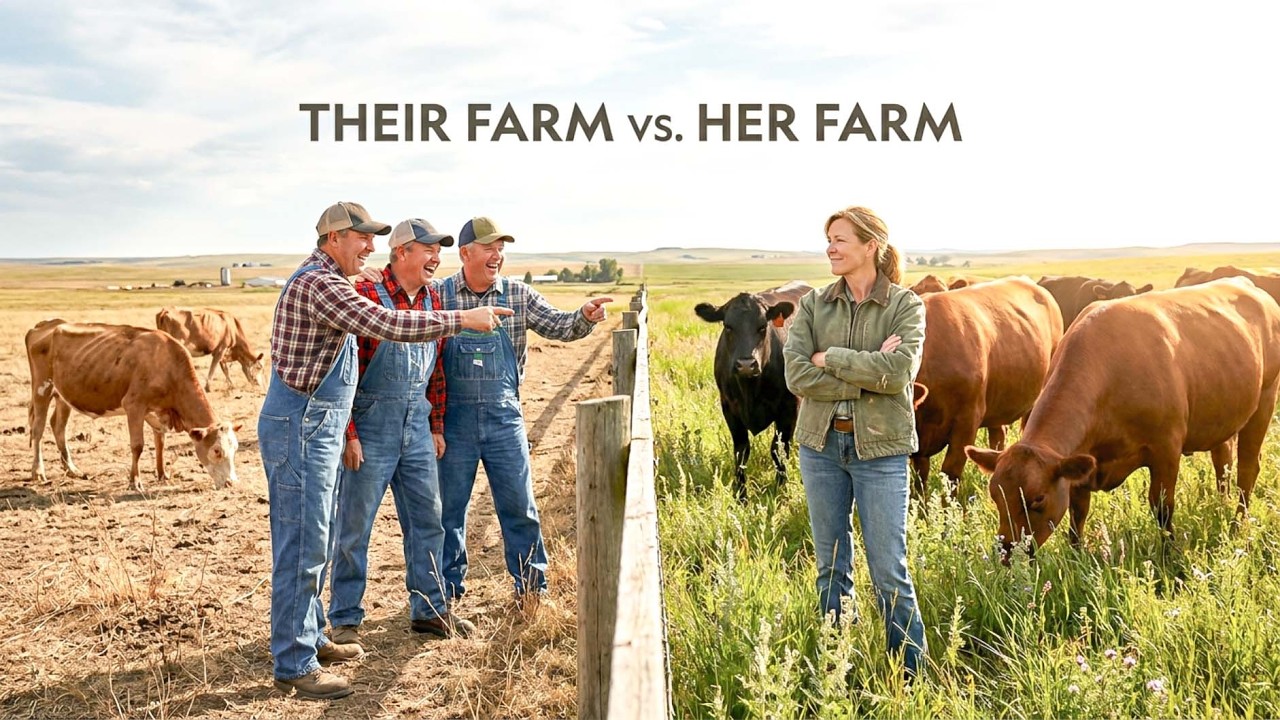
They Laughed When She Let the Weeds Grow Between the Fences — Then Her Cattle Outweighed Every Herd
BackroadHarvest
117 views•2026-05-28

Mozambique RELEASES AFRICA'S MOST DANGEROUS ANIMAL - After 2 Months, The Results Shock Scientists
SimpleDiscovery24
541 views•2026-05-29

The Bay Poisoned by Mercury #shorts
harmedino
289 views•2026-06-01

Calgary Flood Watch Day 4 🚨 Bow River Not Expected to Peak Until Tomorrow
RealtorDhirYYC
103 views•2026-06-01

Cute Seals Spotted On Remote UK Island | Our Tiny Islands
Channel4OnTour
141 views•2026-05-29

This Jamaican Pond Has A Deadly Reputation
MyEyesAreYours-i3s
656 views•2026-05-28

Glowing Blue Powder Turned Brazilian City Into Radioactive Wasteland
Adnan-Sandhu976
637 views•2026-05-31



