Distant galaxies appear red to the James Webb Space Telescope because their light undergoes cosmological redshift as space expands, stretching ultraviolet and visible wavelengths into the infrared bands that JWST detects; these red dots are actually ancient ultraviolet star factories seen through 13 billion years of cosmic expansion.
Instala nuestra extensión para buscar dentro de cualquier video al instante
Redshift: Why Distant Galaxies Glow RedAñadido:
Why do JWST's earliest galaxies all look red?
Their light is stretched by cosmological redshift. As space itself expands, photon wavelengths elongate, shifting ultraviolet and visible starlight into the infrared bands JWST is tuned to detect.
Those little red dots are not actually red galaxies. They're ancient ultraviolet star factories seen through 13 billion years of cosmic expansion with their spectra tagged deep into the infrared.
Videos Relacionados

Spiral Galaxy NGC 3370 from Hubble | NASA APOD 2025-11-05 #Shorts
galaxygallery
938 views•2026-05-30

SOMETHING inside the SUN is CHANGING
RaysAstrophotography
1K views•2026-06-03

NOAA Warning! Massive Double Cannibal CME Impacting Earth: G4 Storm Watch!
worldnewsreporttoday
1K views•2026-06-04
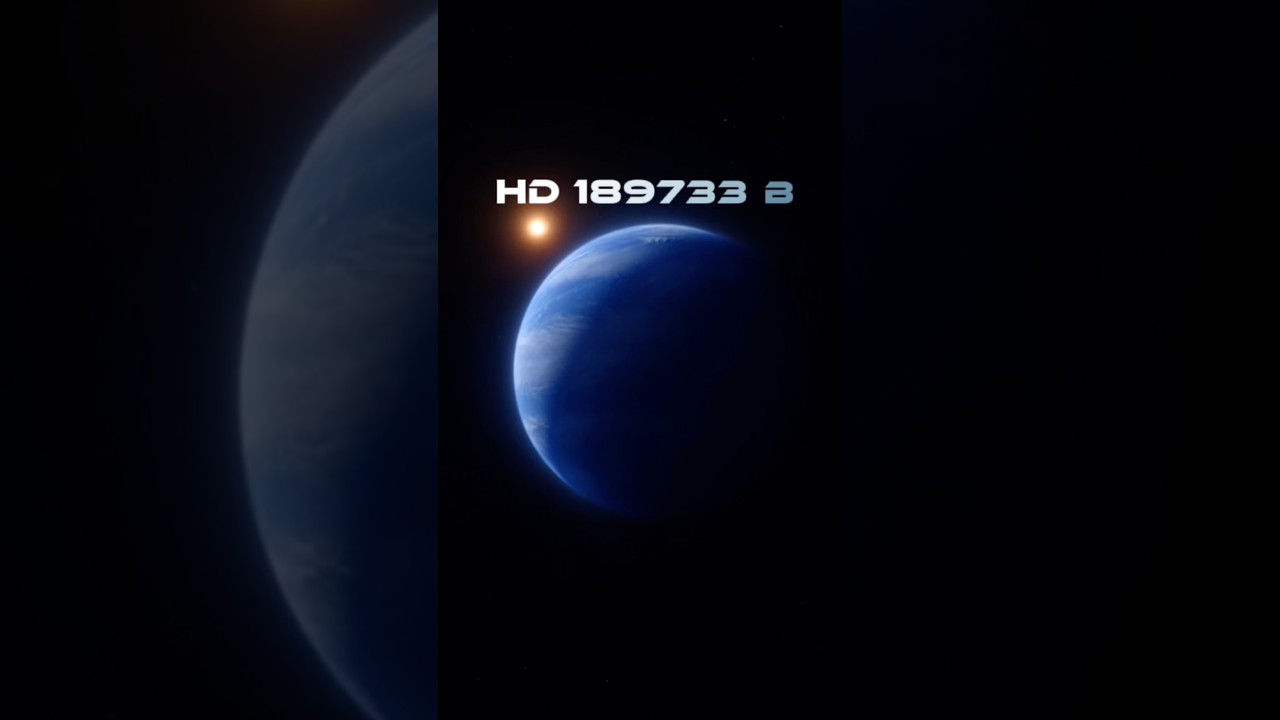
🌌 HD 189733 b | The Planet Where Glass Rains Sideways
EVENTHORIZONUK
3K views•2026-05-31

🎬 Title: Milky Way & Andromeda Collision: The Future of Our Galaxy 🌌 #astroph #askap
SulaimanKhanSulaimani
429 views•2026-06-01

Captured the Blue Moon (with a twist) 🌙✨ #space #bluemoon #telescope
realAstroExplorer
674 views•2026-06-01

10 Planet Where a Black Hole Replaces the Sun
cosmicexplorer-EN
147 views•2026-06-02

Is this a copy of our galaxy? Discover Galaxy M81!
UniverseDocumentaries-cc4mb
995 views•2026-05-31


