Dr. Shamkumar provides a rigorous, evidence-based bridge between neurobiology and mindfulness, replacing vague spiritualism with concrete physiological data. It is a masterclass in translating complex brain chemistry into actionable lifestyle modifications for the modern intellectual.
Install our extension to search inside any video instantly.
MEDITATION WORKSHOP
Added:Good evening all.
Am I audible?
>> Yes sir.
>> Good evening.
>> Very good evening sir. Very good evening to all.
>> Good evening. Good evening sir.
So I am audible right?
>> Yes sir.
>> So uh we are actually total now 48 people.
Anyway I expect some more people to join.
Maybe let them join. No problem.
And uh so actually before starting the session I just want to tell you something regarding because as I already placed a post in the group I Hope that you all have the earphone or headphone with you.
So this is a live session of meditation we will do in the class and that time definitely you need that earphone or headphone and uh I preferably want everybody come in video mode during the meditation session.
uh now is okay but uh preferably in the video if any difficulty in that maybe somebody is not able to and it's okay otherwise maximum try to be on video mode during the time of meditation and another thing if anybody is traveling or driving don't attend the meditation session anybody in the car driving and all these you can join in the meeting but don't attend the session in that time because you should avoid that uh for a safety purpose.
>> Okay, that is one thing and uh yes uh so yeah very good.
So how are you people keeping today in this evening?
Hope you are all good.
>> Super sir. Yeah, maybe all of you are in a mood to do some meditation. I think >> yes.
>> Very good.
>> Okay. Good.
Fine. So, because when we say meditation, I think actually everybody know about meditation.
Does everybody know about the meditation?
And maybe some of you may be doing it regularly and if those who are doing regularly definitely you will you can get the benefit of that also.
And today in this session we will go a small explanation of the brain chemistry of meditation. How a meditation helps you to change your brain structure or brain chemistry. what whatever we can say. So that is very important. So even if you are doing meditation, you should know what is really happening inside you during a meditation.
So our our meditation session maybe the live session will maybe maybe half an hour maximum basically the meditation process because basically we are going to do a mindfulness based cognitive therapy based meditation.
There are lot of meditation technique and uh we will do that and uh it need very slow because it is not like a quick meditation is very slow and you should spend some time for that and in that meditation process maybe there will be pause in between. So when there is a pause don't understand that it is finished so it is actually continuing.
So there will be in between there will be some pose and during that pose actually you should experience what is actually we are telling in the meditation basically you will be in that mode only but don't try to uh stop it or don't try to stop the listening or something like that that's I want to request from all of you >> sir there is a background disturbance sir can you please mute everyone Yeah, that is why I just my thing actually I'm going to tell that uh so because now in this session throughout the session during the session there is no interaction.
So after this session definitely I'll give some time and uh and during the session everybody should mute their mic.
Don't open your mic because there will be disturbance in that and uh and that is why you have to uh don't disturb for other people also because it is a meditation session. Don't unmute your mic and after this session definitely I'll give some time for interaction or something like that. Uh we can do it also. Okay.
So that is the some of the thing we have to understand.
And you know that. Okay. Let us start now. Are you ready all?
Just give me a thumbs up.
>> Yes.
>> Yeah.
Wonderful. Great. Oh, great. Great.
Wonderful. Wonderful. Lovely. Yeah. Very nice. Everybody is ready. Good.
Very nice. Very nice. Okay.
Okay.
Yeah, very nice.
>> Okay, sound is from Mr. George. He's he's not >> Yeah, exactly.
>> What is that?
>> From George. He has to mute. Yeah, actually I don't know. See, I already told mute don't otherwise I have to then en this disable the things like that.
But I don't want to do that because actually because sometimes you want to uh interact after that. That's what I'm not going to do. But don't actually open your mic now please.
Yeah. Good. Okay. So anyway before we start so because in between some people are joining that's what I'm also admitting them. Uh that's what I'm taking some time. Please be with me.
Uh okay.
So before starting this session uh maybe I think most of you maybe or some of you may be knowing me. Uh I am basically Dr. Shamkumar.
I'm based out of Bangalore now and I'm the founder of Chitadara Counseling and Mind Power Empowerment in Bangalore.
And uh I am actually basically a consultant psychologist and psychotherapist over 14 years of experience in this field. and I'm a registered clinical hypnotherapist uh with registered with the general hypnotherapy council UK and of course international hypnosis association USA also and I'm a accredited training provider and I'm a registered counselor with NCS government of India with career counseling and all these things and a life member for the society of experimental and clinical hypnosis and life member for California hypnosis institute and life member for baria psychology association and American psychology association and like that like that I'm involving in this field of counseling and psychotherapy since I'm offering onetoone session as well as corporate training and group counseling group sessions and all even I can say all over India I used to travel different places also for the training purpose and along with in Bangalore also and I'm a life member of APCP Kerala association of professional counseling psychologist that is Kerala based and that is my brief uh this one and more if you want to know about me you can go to wwchitadara.com that is my website and all details are there I represented the media so many times with a lot of debate and uh discussion regarding psychology and mental health and all these things giving different mental health awareness sessions for different organization.
So this is a brief uh description about uh myself.
Then when we say that meditation and brain chemistry so you know that meditation always boost our brain or in another way we can say that meditation will boost your hormones.
So most of the hormones which we need in our body for a mental well-being and calmness and stress-free life for example you know serotonin, dopamine, GABA, DHEA and all these hormones are very much essential for our metabolism as well as for our working of our mind and body because we know that our Mind and body is closely related.
Whatever difficulty you are facing on your body, it will definitely reflect on your mind and whatever problem you are facing on your mind will definitely reflect on your body.
lot of behavioral problem, lot of psychosomatic disorders, even lot of psychosis and neurosis also as a result of some hormonal imbalance in our body.
So hormones are very that is when you go to a psychiatrist for any discomfort like anxiety or depression or issues definitely they will give you either any serotonin tablets or any content of serotonin, dopamine or GABA whatever it may be. Even DHEA can be taken as a tablet also.
So that is why meditation physically change your brain structure. It helps to reshape because neuroplasticity meditation help you to create a neural path in your brain. So what is mean by neural path? Neural path means definitely neuroplasticity.
So when your neuroplasticity improves definitely your brain take care of automatic rewiring of your brain. So rewiring of your brain or reprogramming your brain is needed for you to get into a mental well-being.
So when your neuroplasticity improves your brain definitely takes that by its own. That is one thing and there are lot of chemicals as I already mentioned that serotonin, dopamine and all these neurotransmitters we need to balance in your body for a daily life. So meditation is not a one time therapy. Meditation is a lifelong therapy because it should be a lifestyle modification for you because there are lot of lifestyle modification we have to accept in our life. See now lot of people are coming and complaining lot of issues but all this issue is related to definitely your brain chemicals or your body structure or body exercise whatever it may be. So that is why normally in any counseling session or any psychotherapy session we normally first focusing on the phys lifestyle modification and if you go to a physician also if you go to a cardiologist also they will always suggest you a lifestyle modification because nowadays you know that most of the diseases are lifestyle diseases and that is why in international survey said that 75% of the disease are EI emotionally induced illness because emotional regulation matters a lot and definitely meditation will help you to regulate your emotion also because meditation will help you to shrink your amygdala and then you will be in a control of your emotions that is uh basically one of B brain structure help for you uh when you are doing a regular meditation practice and another meditation basically as I told you basically four hormones very important for our daily life serotonin you know serotonin what it is doing for you happiness hormone we can say and dopamine enhance your motivation and processing and rewards and all these things and one of the important hormone maybe most of you I don't know whe you know it or not it is known as GABA that is gamma aminobutric acid gaba is a one of the important hormone which is actually controlling our anxiety and if lack of GABA in your body and leads to lot of other issues like addiction. If you are craving for some addiction means maybe some lack of GABA in your body is there. GABA aminobutric acid. This hormone also can be boost by meditation.
And then you can say all the together endorphins feel high nature high hormones are boosting and another DHA dehydroep and like that. So it is basically a longevity molecule. Aging you know that as aging comes your gray matter also diminishes and your brain also the shrinks actually and that will lead a lot of memory loss alchemies all these things like that.
But the longevity molecule is basically based on DHEA. it can generate, it can create and DHEA is also very much important for the sexual hormones, testosterone for male and uh estrogen for uh female and this DHEA is very contribute a very important factor for female after the post menopause problem. the post menopause problem if the DHA is very low in your body and you'll get a lot of discomfort and difficulty with that and that is why we are normally uh getting lot of difficulty in that age but then these DHEA can be available in the form of tablets also that is why doctor may suggest that like different different name trade name or something like that so these are the main and definitely you know that meditation will reduce your cortisol level. One of the important hormone. What is that?
Cortisol is a stress hormone. So it will reduce your cortisol level in your body and definitely it will help you to control your anxiety, depression and all this brain fogging, brain clouding. What we can say this is all has to be reduced when cortisol reduce. And another advantage of that when cortisol reduce in your bloodstream your melatonin secretion because melatonin is one of the important hormone to get a good sleep in the night. So your melatonin hormones can be increased with that.
So this is basically the chemical changes what is happening during a meditation process when you are doing it on a regular basis. So it is very very important because this actually basic of a wellbeing why I take this subject as a free med because this is the basics of wellbeing mental wellbeing or mental clarity. Meditation can boost your sleeping uh uh uh this one uh characters basically sleeping ability and sleeping calmness and all this is and it can definitely help you to uh go for a mental clarity. You will get lot of clarity and you can reduce lot of brain fogging and brain clouding from your mind and that is why there are lots and lots of benefits when you are doing some simple meditation whatever meditation you are doing. So people normally ask me which meditation is good whether I should do ishay yoga meditation whether I should do brahmagumari meditation whether I should do swami subbodarand meditation. So whatever meditation you do but actually the result is same. The result is anything whichever you like and simple mindfulness meditation mindfulness even very very simple the breath counting meditation that also will help you to boost your brain. So what meditation you are doing is doesn't matter but whether you are doing meditation or not that matters a lot. So that is why very important to do either any meditation which you like to do. So there is no problem whichever is good and whatever is good is not like that anything even sri raishangar they are lot of meditation practice so you can do it there is no any problem in that what but you have to make it as a practice and you have to do it on a regular basis so because regular braces only your brain matters and this will help you to change your unconscious or subconscious pattern then only you will get the benefit then as I told you before meditation help to shrink your ammydala because amaggdala is known as the CEO of emotion chief executive officer. So when you are getting into fight or flight mode in your brain your amigdala and hypothalamus two parts are activating. One is giving message to hypothalamus and immediately adrenaline and is pumping and everything either you go for a fight or flight mode and immediately if it is persisting for a long time you will enter into severe anxiety or anxiety disorder.
So that meditation will help you to shrink that amygdala. When it is shrinking basically your emotions can be controlled effectively with that because it will not become that much active or reactive what we can say. So that is why you will be controlling and another thing the meditation will help to thicken your prefrontal cortex that is prefrontal PFC. Prefrontal cortex is our brain in the front side which is helping you for a decision making logical thinking and all this memory and all this is help with the prefrontal cortex or frontal brain or we can say frontal lo so the thickness of that also embro with meditation and there is a research from Harvard University shows that the regional cerebral blood flow those who are doing regular meditation for 8 weeks weeks or continuously their RCBF positive emitron tomography pet technique they find out that the RCBF is very high because the regional cerebrant blood flow is very very high and they are in a very good memory and very good brain structure. So meditation definitely increase gray matter gray matter definitely associated with the learning and memory and of course very good for uh children. So very good for children and you should always encourage your adolescent children also to do a meditation on a regular basis.
If if the students normally experience lot of performance anxiety, exam anxiety definitely continuously at least one meditation. If you practice on a regular basis for 3 months and to get a benefit even you don't no need to practice for 3 months even 2 weeks 3 weeks you will find the benefit but even then it has to be continuously because and what is actually meditation and brain waves.
So meditation normally minor symbol meditation happen in alpha waves and you know alpha wave, theta wave and gamma wave and beta wave and delta wave whatever it may be. These are the brain waves and meditation when you are going into meditation you are automatically enter either into alpha or theta and in the meditation process if you are able to give some positive affirmations or positive self-t talk to you. So when you are giving positive self-t talk yourself that will be directly absorbing by your subconscious or unconscious mind and that will help you to manifest whatever you want to do.
So this is another technique when you can use along with meditation meditation affirmations or positive affirmation then definitely visualization after that. So these three process is very important because when you do a small meditation then after some positive affirmation then visualize the positive benefit of that then your mind will come into a very stable and better way which will give you a mental clarity and which will give you a very mental peace and throughout the day you can retain that if you are a regular practitioner of that that is a benefit of meditation.
And then meditation another benefit also there are lot of benefit you can search it because all this information even you can get it from Google also there are these are all available but I just want to just an internation only I'm telling and there are lot of other meditation benefits emotional regulation self awareness self-esteem memory attention focus mindfulness relaxation self-compassion stress reduction and sleep improvement because insomnia People if you are complaining of sleeping issue you should practice a regular meditation even two times in a day or even one time in a day also that is okay but you have to practice on a regular basis because I know that through meditation your cortisol level will go down and your melatonin secretion increase improves and your sleeping pattern improves. So if you really wants to improve your sleeping problem and lot of people now complaining about the sleeping issue and there are lot of other factors for that definitely it's not like that only but even though there are some factors your screen addiction your other thing your tiredness and all this is a factor but even that when you do some technique to coping up you can to some extent you can definitely control your sleeping problem and sleeping issues whatever you are facing and sleeping issue can come with a lot of other problem. So a lot of traumatic memory can become as a problem and that and all has to be attended in a separate separate psychotherapy technique. But even then simply when you want to achieve a achieve a mental clarity or mental peace definitely meditation you can make it as a practice regular regular practice for that matter. Okay. So there are a lot of studies as I told you a major study run by several groups like including the National Institute of Health, the American Medical Association and the Mayo Clinic and scientists from both Harvard and Stanford University revealed that medication reduces stress and high blood pressure. people with a high blood pressure even though you are taking BP medicine but you can continue this meditation and you can definitely go to reduce it even you can reduce the medicine see I just I'm remembering that when one client came to me since years back and uh she's actually taking BP medicine in a high dose and then lot of psychosmatic problems and then I gave her some trans relaxation method and technique and I record it in audio and I gave her and I asked her practice every day two times like a tablets. Okay, morning and evening and after 1 month you see how your medicine then you check your doctor check up with your doctor and see how is the medicine can be controlled or reduced. Then exactly after 1 month and she approached me again and she told that doctor told me to reduce the medicine to half a tablets because my BP is under control now.
So this is definitely this is not a surprise it is really happens. So that is why it is already researched paper is there published paper is there for that and as I told you the regarding uh the one recent study uh by psychiatrist who works with one foundation David link foundation found that people practice meditation are 30% likely to die from heart disease cardio problem cardio problem can be reduced with the meditation but always you have to think one thing meditation is not only the medicine there is these are all only alternative because you cannot depend completely on that but along with that you have to practice it so don't say that I'm I'm leaving all the medicine I'm doing so it's not like that but you have to continue but you have to attain a control over maybe months 3 months or 6 months so then you can reduce the medicine see all the psychotherapy like that I have lot of patients coming from even taking medicine from manipal hospital nimhance hospital and lot of other psychiatrists also And since 7 years, 5 years, 10 years they are making medicine, taking medicine. But actually they are not getting any benefit out of that because the real problem their problem is actually in the mind. So when they started some psychotherapy technique all these things automatically they find difference and they start reducing the medicine and there are a lot of people completely reduce or completely stop the medicine also. It is also possible. It is not a surprise or it is exaggeration.
It is possible because like that but you should be actually what actually you should be disciplined for that. So in that case whenever I say discipline I always say to my client also there's a success formula for that 50% discipline 25% consistency 15% mindset 5% hard work 5% smart work. So your hard work and smart work contribute very less but your discipline, consistency and mindset matters a lot for you. So if you are following that success formula you can definitely get a lot of benefit out of that. So that is why meditation as a practice and the meditation as I told you improve the gray matter.
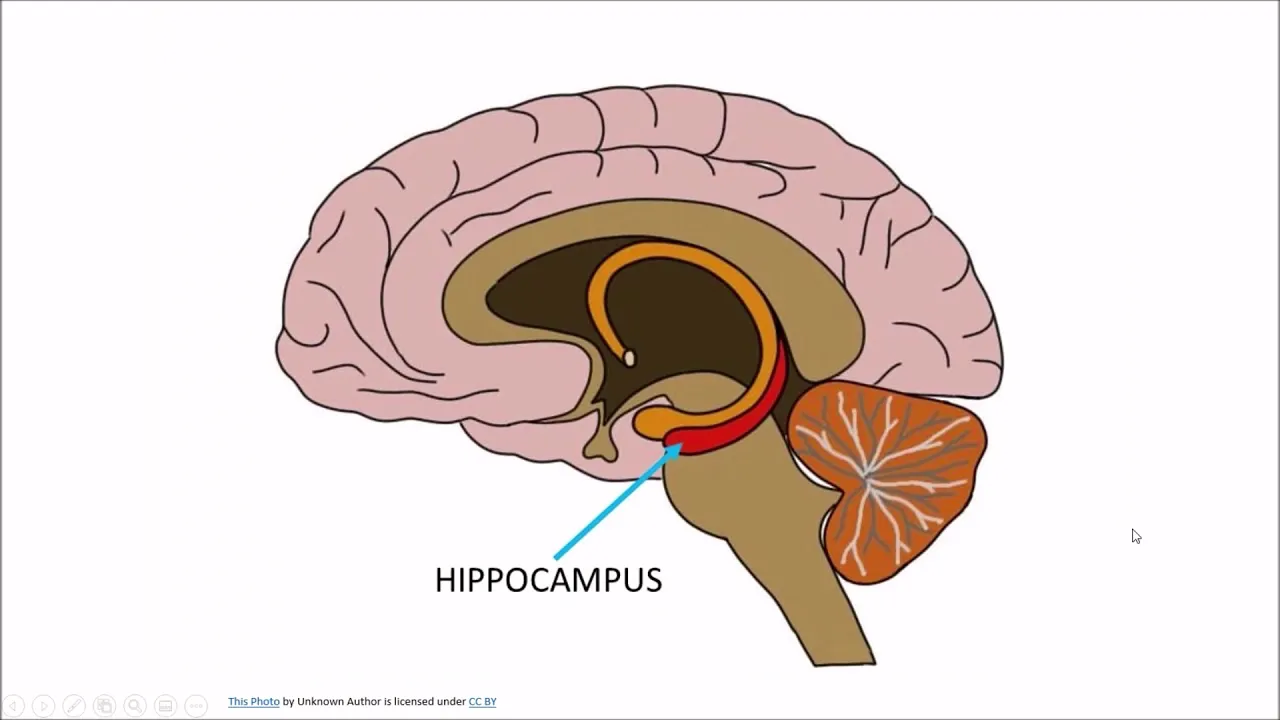
There's a research on that also. Gray matter density in the hippoc campus in your brain is imbroved with the meditation.
So when they research paper publish on that also it is all real actually happening when you are doing meditation and so that is why meditation is always having lot of benefit and any type of meditation as you practice whatever meditation you want there are lot of mindfulness meditation spiritual meditation focused meditation moment meditation mantra meditation transcendental meditation same like mantra meditation, loving kindness meditation and body scan meditation. So body scans meditation is actually really mindful based cognitive therapy based meditation that actually really we are going to practice today in this session.
So there are lot of meditation technique any type of meditation if you want definitely you can practice. So it is not like that which meditation is good or which meditation is bad. There is no like that. So meditation practically the science behind it the chemistry behind it is same. So the benefit is same but you should make it as a discipline. You should make it as a consistent. So you should have just your hard work and because meditation need only so no need meditation half an hour 1 hour and all this is but you do even 10 minutes also that is enough start with the 5 minutes then increase to 10 minutes then go up to 15 minutes that is okay starting itself you are going for half an hour 1 hour then it will be very because all meditation is not like that okay during meditation also definitely lot of thoughts will interrupt you because your meta mind always distract You have to understand that. So then you should acknowledge it and you have to transfer that thought into a mindfulness base. That is that is the practice of meditation. Because meditation means not like that completely you will block but later and later and later and later on practice definitely you'll be you'll be in such a position you will be completely focus on your breathing or your meditation or your mantra or which you are chanting whatever it may then that stage will come. that stage will maybe will come within 1 month or 2 months or 3 months I don't know but even there are people doing very nice with one week or two weeks practice also but that is you have to practice it these are this is something about meditation uh uh something science behind it some chemistry behind it some chemistry or structure uh how your meditation help you to change your brain and change your mood and change your mental wellbeing and change your clarity and change your brain for brain fogging or brain clouding or something like that. So be serious about it because it is not only just to understand but you have to practice because you can information definitely you can get through Google also wherever information and even lot of meditation available in YouTube also but based upon whatever you are taking but you have to make it as a practice so that's regular practice always help you to manifest whatever you want so there is no any shortcut for that only practice practice and practice that is the only technique which I want to tell you people. So with this small introduction we will directly go in the meditation uh process now. So in that case as I told you uh everybody has to ready with your earphone or headphone and whatever it may be and uh this uh uh this uh uh complete zoom session is live on YouTube also streaming on live I'm YouTube also I will share the link also to you people to uh because there are a lot of people in the group but maybe people join but if you want to listen or something like that they can you can actually listen I will share the link after this session also. And then before we start the meditation, I want you people to maybe just drink one glass water and make yourself comfortable in your chair and relax yourself and maximum try to be in a very uh comfortable atmosphere. No any disturbance, no any sound, no any phone and nobody should talk to you or whatever it may be. Just make yourself prepared for that. So that we will maximum and get the benefit and you should be attentive in this meditation and it is a practice and whatever in single practice maybe you will not get the complete benefit out of that but even then when you are practicing it definitely it will be helping for you uh uh so to uh make that practice as I told you the discipline part. So that is the intention of this uh session. So just make ready within within 5 minutes just we will we'll start That Yes, as I requested you maximum People try to come on video mode wherever possible. If any difficulty basically no but even then try to uh do that because this is for you not for me.
Okay. So just uh because I can just uh uh see that also. Yes. So just uh be on video mode and uh as I told you relax yourself in u in a comfortable position either you can even actually this meditation you can do by lying down also but here actually we are sitting only you can your recliner or sofa or even bed with a little bit up because your head should be little up not like that. So like that also you can practice this meditation. This will actually uh take maybe I think a little long time like 25 minutes or even half an hour I don't know basically. So as I told you in between there will be pause little bit pause will be there but that time you should really in that mode only you will do it meditation. Okay. So meditation uh normally meditation can do by closing eyes that is for more focus but even then there are meditation you can do by eyes open also there is no problem in that because even eyes open also you can definitely do meditation and even hypnosis also there are hypnosis uh you can eyes open hypnosis is there self hypnosis you can open your eyes in that level when you go into that That's sort of a trance that level because maybe in your delta waves because the delta wave is normally the subnability because experience. So that time if you open your eyes or nothing is going to happen your mind is always in the focus only meditation also does because people with the good understanding good attention good focus can do the meditation even eyes open also there is no problem but for maximum uh result and maximum focus and maximum concentration normally we suggest you close your eyes and do the meditation so that you have to understand that also because it is not like that. You can do like that also because even some people are say that why we want to close even breathing exercise also I normally tell okay you can close your eyes and you can open your eyes also there is no much difference in that but to get maximum focus is always better to avoid your distraction on the surroundings that is why uh closing eyes is actually okay shall we start now great Okay.
So now take a few minutes to settle in and then take a deep breath in and close your eyes.
Just close your eyes completely. Close your eyes and focus on your breathing process.
Bringing the attention to the body and the points of contact.
Noticing pressure and also where the body is not in contact with the surface you are resting on.
Now bringing attention to the entire body in front of in front of the body back side of the body and the sides.
Perhaps there is a feeling of calm or tension, restlessness or maybe even agitation and simply noticing this and how it is registering in the body.
Now gently bringing attention to the breath in the body.
Seeing if you can be aware of where the sensation of breathing are most prominent.
This may be at the nostril, the mouth, the throat, or in the rising and falling of the chest or at the abdomen as the belly expands and deflates, allowing the breath to do what it naturally does without manipulating it or changing it.
Being with the physical sensation of the breath just as they are.
Breathing in and breathing out.
Breathing in and breathing out.
Now on an outreath letting go of this primary attention on breathing and on an inhale breathe gently shifting your attention to the back top and sides of the head.
Paying attention to any physical sensations that present themselves as you attend to this part of the body.
Noticing and exploring them.
Keeping in mind that a sensation may involve warmth or coolness or tingling or moisture or other qualities.
And if you experience no sensation or numbness, noticing that also exhale breathe releasing this focus of attention from the head and on an inhale breath bringing it to the face your forehead. head to chin and from ear to ear allowing it to move around the face. Now your attention experiencing any sensation that arises bringing attention to that area as best you can and investigating it and its qualities.
Then waiting for another sensation to emerge and exploring that.
Attending to the chin, the lips inside the mouth, tongue, the cheeks, the eyes, the eyebrows, the ears, the forehead.
letting whatever sensation arise and simply noticing them can come, persist and go.
Letting attention linger, noticing sensations as they change if they do.
And now on an exhale breathe gently shifting the focus from the face and on the inhalation bring it to the neck and throat allowing the attention to explore the front of the neck, the back and the sides. Noticing any sensations that make themselves known.
giving them your full attention.
Noticing where the neck is and is not in contact with the surface you are resting on.
So from time to time your attention will be pulled away by thoughts arising perhaps into the past, the future or fantasy into worry or judgment or critical thoughts or your attention may also be hijacked by other sensations elsewhere in the body.
If this happens, gently bring your attention back.
Now on an exhalation guiding the attention away from the neck and on an inb breath establishing it in the shoulders the shoulder joint the top front and back of the shoulders.
Focusing on any sensation on or below the surface.
Noticing their qualities including whether they are experienced as pleasant, unpleasant or neutral.
Now on an exhale letting go of this focus on the shoulders and on the inhale moving the attention down the right arm to the right hand exploring its position.
Attending to any sensation that crops up.
exploring the hand in its entirety.
There may be tingling, pressure, numbness or warm or so no sensation at all. Observing as best you can with an investigative curiosity the quality of these sensations that arise in the hand.
And again if attention is pulled away by thoughts or sensations elsewhere in the body see if you can let this be in the background and return to the current object of this meditation which is at this moment is your hand.
Exploring the front of the hand, the palm, fingers and thumb, the back of the hand, it shape, the backs of the fingers and the nails.
Taking in the entireity of the right hand and whatever sensation are showing.
And on the exhale breathe letting go of this attention to the right hand.
And with an inhale moving attention to explore the wrist joint, the forearm, front and back, the elbow joint and upper arm.
Exploring deeply into the points as well as the front, back and sides of the arm.
Noticing its position and where it is or is not in contact with the body.
Sensation might be due to clothing as it touches the skin or to the arms making contact with the surface you are resting on.
There may also be more subtle sensations below the level of the skin.
The intention is to study these sensations with curiosity.
If more than one sensation comes up, feeling free to attend to the one that really picks your interest.
Exhaling now and releasing this attention from the right arms as you move the attention across the chest to the left arm allowing it to travel down to the left hand.
Attending to any sensation that arises.
exploring the left hand in its entirety, it shape and curve its position.
There may be moisture, there may be dryness, there may be coolness or warmth.
Observing as best you can the qualities of the sensations, exploring them as they arise in the hand.
Checking out the front of the hand, the palm, the creases of fingers and thumb, the back of the hand, its shape, the backs of the fingers and nails.
Taking in the entireity of the left hand and whatever sensations are showing.
And on the exhale letting go this attention to the hand and moving attention to explore the wrist joint, the forearm, front and back, the elbow joint and upper arm.
Exploring deeply into the joints as well as the front back and sides of the arm, noting its position and where it is or is not in contact with the body.
Perhaps you are aware of clothing or air upon the skin and whenever the attention moves to sounds, thoughts or sensations elsewhere in the body with the gentleness return to the object of focus which in this moment happens to be at the sensation that arise in the arm.
Now releasing attention from the arm and bringing attention to the upper back and surveying this area.
There may be sensation of pressure or temperature.
As you explore the shoulder blades, muscles, and spine, observing and investigating each sensation with a kind and friendly interest without having to change anything.
Exploring each sensation as best you can.
Directing attention now to the mind and lower back and drawing attention to any sensation that comes up and exploring it in detail. The lower back particularly is a region that presents for many of us challenging sensation. If these are present as best you can exploring them.
Now moving attention from the back body and shifting it around the sides of the body and coming to rest on the chest as it rises and falls.
There may be sensation made by clothing against the skin as the chest moves with each breath.
You may be aware of your beating heart, attending fully to each sensation as it arises, allowing it to do whatever it does, observing moment to moment as you examine the chest and ribs.
Now moving the focus of attention to the abdomen, attending to the belly as it rises and falls with each breath.
Noticing the full length of each inb breath and out breath.
Not trying to breathe in any special way but being with the breath as it is.
letting the breath breathe by itself.
Now releasing the attention on the out breath from the abdomen and bringing it to the area of the pelvis, the front and sides and the back including the organs of reproduction and elimination.
the pelvic bowel, the genitals and the buttocks.
Investigating any sensation that call attention to this region of the body.
For some of us, strong sensation may arise in the pelvis.
And if this is the case, noting them, exploring them as best you can and always knowing you can return the focus to the breath as a way to stabilize your attention.
And when you feel ready, returning attention to this area that we are investigating, waiting for other sensation to arise.
Gently letting go the pelvic region on the out breath and shifting attention to the right hip joint and thigh.
Exploring the top sides and back of the thigh.
Noting pressure, the sensation of clothing and the position of the leg.
deeply exploring the right knee and kneecap and its position.
Investigating the calves, shin and ankle joint.
Really getting to know the right leg and any sensation that present themselves exploring them to the best of your ability. Being present as best you can to whatever is arising.
Waiting patiently for sensation to arise and then exploring them. And when the attention is pulled into thought or elsewhere in the body coming back to the object of meditation without a story or judgment.
In fact, noticing that the attention has been pulled away is just as much a part of the practices as is staying on the body part itself which in this moment is the right leg.
Now on the outreath releasing this attention on the legs and inhaling allowing this attention to move into the foot. The top of the foot, the toes, the nails, the sole, the heel resting here as best you can.
Attending to the foot. focusing on sensation as they make themselves known and then exploring, investigating them fully, studying sensations such as moisture, dryness, tingling, pulsating, even numbness.
So attending the food moment by moment Now moving the attention from the foot on an outreath and on the inhalation directing the attention to travel up the leg across the pelvis and into the left hip joint. Exploring any sensation here and then allowing the attention to include the thigh.
Exploring the top, sides, and back of the thigh.
Noting pressure, other sensations such as tension or ease, the sensation of clothing, and the position of the leg.
Deeply exploring the left knee and kneecap and its position.
Investigating the calf shin that is front part of your leg and moving deeply into the ankle joint to the explore it.
Really getting to know the left leg and any sensation that present themselves.
Exploring them. Getting really curious about them. Being present as best you can with whatever is arising.
Now waiting patiently for sensations and then getting to know them as you are exploring the left leg.
And now releasing this attention on the left leg and angle coming to investigate in the left foot.
the top of the foot, the toes and the nails, attending their shape and points of contact, including the sole and the heel of the foot in your exploration.
Resting here as best you can. Attending to the left foot, focusing on sensation as they make themselves known.
letting go of attending to the foot and moving the attention along the back of the body, the back of the heel, calves, thighs, buttocks, the spine, the lower, middle and upper back.
Breathing in and out. Noticing tension, looseness, pain, comfort or vibration whatever is present there and resting in this exploration. The scan of the entire back body. Now continuing to move the attention along the back of the arms, shoulders, neck and head. attending to the back of the head and the scalp, noting any sensation that comes up in this moment.
And as sensations come and go, see if you can gently move from location to location, lingering for a moment and attent to one sensation, exploring it and moving on.
Now bringing attention to include the entire front of the body. The face, neck, shoulders, chest, arms, hands, torso that is central part of your body excluding head, neck and limbs, pelvis, legs and feet.
In a moment or two releasing the attention from the front of the body to include the length and breadth of the body lying or sitting here.
Take these moments to be aware of and sensations that are appearing from any part of the body. Noting them, exploring them with a kind and friendly interest.
Now releasing attention from the entire body and bringing awareness to the physical sensation of breathing.
Noticing the movement of the breath as it enters and leaves the body.
Attending to things just as they are in each moment.
Now focus only on your inhale and exhale breathing. Now leave all the attention of your body now and in a moment we'll be coming to the end of this body scan practice.
And with a deep sense of relaxation and a deep sense of mental clarity, whenever you feel to open your eyes, you can slowly open your
Related Videos
8:08
Neuroscience
What is neurodegeneration?
TheSheekeyScienceShow
3K views•2019-08-19
57:35
Neuroscience
IPL - Ruth Empson "Mind the Gap"
otagouniversity
251 views•2019-07-08
14:01
Neuroscience
How our body shapes our mind | Pancho Tolchinsky | TEDxNapoli
TEDx
2K views•2019-12-05
1:00:02
Neuroscience
Impact of Early Life Deprivation Danielle Stolzenberg Marcus Pembrey Bruce McEwen
uctv
4K views•2019-12-01
10:32
Neuroscience
β-Caryophyllene for Parkinson’s: Protecting Dopamine & Easing Symptoms
parkinsonsdiseaseeducation
6K views•2025-08-09
20:44
Neuroscience
New Insights from Inside the Brain with Rodrigo Braga, PhD
NUFeinbergMed
421 views•2025-04-14
9:57
Neuroscience
Highlights for dystonia • 2025 MDS Congress
movedisorder
145 views•2025-10-27

58:17
Neuroscience
Animal Welfare Synergy Series: Dr Tom Smulders on hippocampal neurogenesis
costactionlift
135 views•2025-07-14
Trending

9:05
Artificial Intelligence
2.4 BILLION Records Got Leaked...
DeepHumor
15K views•2026-07-22

13:25
Business
Playstation NO DISC/NO BUY Fight Is Over...
DavidJaffeGames
4K views•2026-07-23
19:32
Business
Should I buy a Sawmill?
essentialcraftsman
29K views•2026-07-22

16:52
Anthropology
Americans Confused in Australia for 17 Minutes Straight
IWrocker
17K views•2026-07-23