Transplant shock in plants is not a single diagnosis but rather a symptom caused by multiple factors including root hair damage during transplanting, temperature shock from sudden environmental changes, sunlight shock for indoor-grown plants, rootbound conditions, improper planting depth, and soil texture transitions; recovery depends on the severity of damage and plant resilience, with some plants able to bounce back while severely damaged root systems may require complete soil replacement or pruning.
Install our extension to search inside any video instantly.
Why Healthy Transplants Suddenly Die
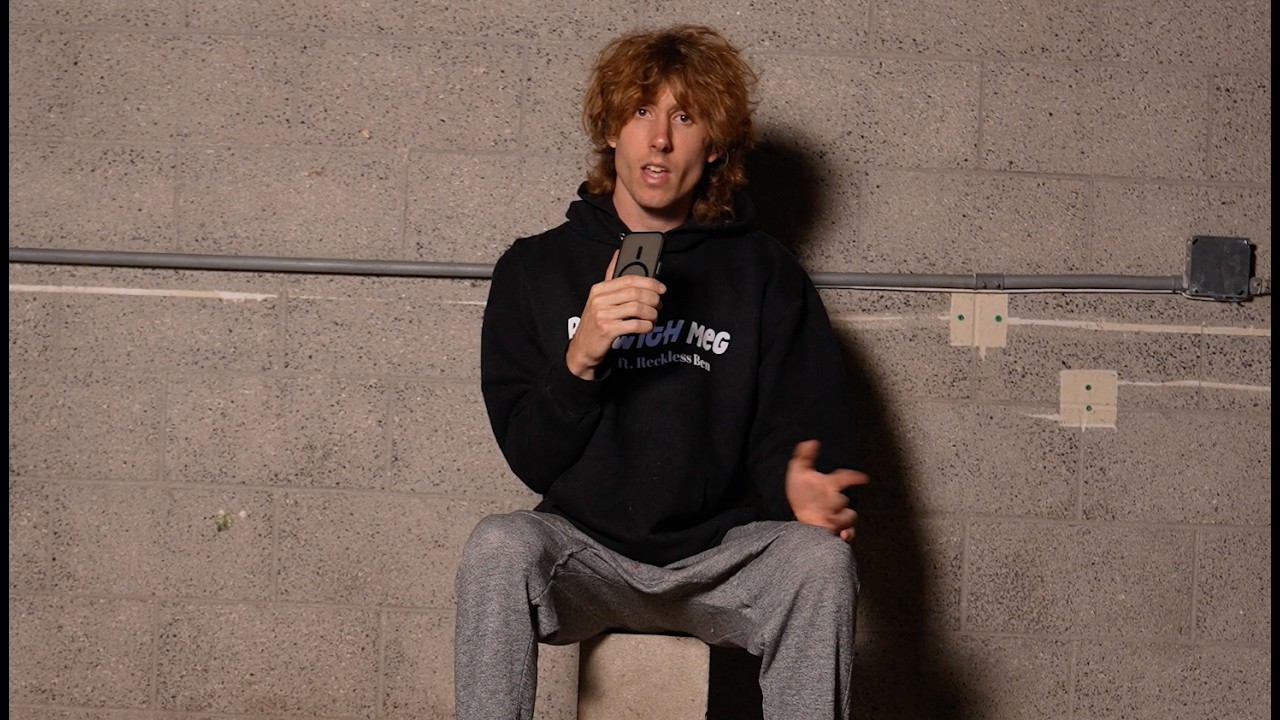
Added:You planted your plants a week ago and now they kind of look like this. You have a few healthy looking buggers, but why do all of these look like they've gone through transplant shock? Today's video, we're going to look at exactly what causes transplant shock and why transplant shock isn't the diagnosis that the plant should be given because it can take up to 10 different factors to make plants look like this. Plus, where do you even begin to fix something like this, etc. and so forth. So, let's jump into it. When we think of roots and plants, we think of the roots that we can see. But the plant actually doesn't care about the roots that we can see. It cares about the microscopic root hairs.
That is what takes up nutrients and water. During transplanting, there's a couple things that can happen with the root hairs. Obviously, they can be disturbed and damaged. They can also dry out. Say we do the whole thing where we plan out the whole garden. We take everything out of the container. We lay it on the surface and then we go about our day and then transplanting everything into place. Well, that time in which the plant's roots are exposed to air. The root hairs, the pieces that we really can't see, do begin to dry and die off. Not to mention, they can get crushed when we kind of do are pushed down on our plants or just rubbed off when we are going to transplant in the containers, which is what I believe happened with that loilia over there. We were trying to jam relatively large soil plugs through a very tiny little slit in a hanging basket and we didn't want to make the slit bigger. And so because of that, I do think that there's significant amount of damage done to those roots which resulted in that wilting. Next up is temperature shock.
And this one is so subtle but also so detrimental to your yield and the performance of the plant. So this is particularly bad in cool climates. We take seedlings that are existing in either green houses or homes somewhere between 20 to 30 degrees C on average.
Then we are taking them outdoors and exposing them to nighttime lows well below 10 and or daytime highs well below 20 in the springtime in particular.
Combo that with now you have intense sunlight, you've got wind and you're not just changing the plant's perspective, you have quite literally moved them to a different planet. It's the same as when you know you're in Canada and you're going to Mexico and you get off the plane and the humidity hits you and you're like, "Holy crap, how do I breathe? How do I move? What do I wear?"
All that sort of stuff. It's almost like a shock to the system. And so plants get a very similar shock to that. It's not meaning that they can't jump back from it. Yes, they can obviously. But what I will say is that it can stop its performance. So what we tend to see in this circumstance is a plant that stalls out, for lack of a better term. It just kind of stops growing, hangs out, doesn't put any new foliage on it. It's very commonly seen that way. It doesn't wilt necessarily, but that is likely due to temperature. Now, the fix for this is actually kind of nice because it could involve the bucket method. I have touted over and over and over again. It could also involve just like some sort of wind cloth or shave cloth to kind of harden them off a little bit more to help prevent against that real hard shock.
So, I actually have one plant that's suffering from this kind of sunlight shock scenario right now. And what it is is it's the intensity of the light hitting onto an indoor grown plant. So, plants grown indoors actually have three characteristics that outdoor plants don't have. They for one have less protective wax on the outside. It is a more supple leaf. The tissues in general are much thinner in nature. So, the leaves are much thinner. The spines or the stems usually are a lot thinner as well. And because of that, they overall have a lower UV protection. And so what we tend to see is kind of a bleaching or a callousing or crisping of those leaves, a sunburn, for lack of a better term, on the plant. I use this actually on a kind of cucumber patch I have going in the front yard where I decided to actually use shade cloth and shaded over the entire space for probably about 2 weeks before removing it. And I was confident that they'd be able to take on a little bit more of that sun. Okay. The next reason for failure is not something that you're going to see in the first weeks after transplanting and actually be something you're going to see later on. And this is for rootbound plants. So root plants, plant roots that are kind of doing that spiral of death or they are congregating a lot on the bottom, that sort of thing. These are all signs and symptoms of a plant that is not going to necessarily do well because what happens is even if we put them into a bigger space, even if we kind of get them expanded, if you will, they tend to just continue to do the spiral of death.
This, by the way, is on an extreme level. Like if you see roots at the bottom of the container kind of going in a circle, that's not enough to say it's rootbound. We're talking like rootbound.
Something like that. I actually would consider just sawing off the bottom of the plant. And then if you do that, I highly encourage you to do the bucket method along with a lot of watering for the first two weeks till everything's reestablished, everything is hunky dory and off to the races. Lately, there has been a very large push for planting plants deep because we know that there are stems out there that will make roots. For example, we've got things like pumpkins and cucumbers that will emit roots from the stem. We have tomatoes famously known for emitting roots from the stem and other ones out there obviously can as well. The list just endless when it comes to that and it's due to undifferentiated meristemic stem cell tissue. Big long word for cells that do not know what their job is yet. And when you put them in an environment that they're forced to kind of survive in, they're like, "Okay, yeah, my job isn't making leaves. My job is making roots." And what I will say here is that deeper is not always better. More roots is not always better.
What happens as we go lower into that soil profile? I'm actually making a whole separate video on exactly this, looking at the microbial activity as we go lower in a soil profile just to show you guys how it decreases and how drastically it decreases as we go down.
I think you're really going to like that. So, hit that subscribe button if it's something you want to learn more about. That'll be coming out here in the next couple of weeks. But with that being said, the deeper you plant it, the less microbial activity, the less nutrient cycling, and the less opportunity those roots have to be healthy. Not to mention, it is cooler soil. If you are in a northern climate and it is cold cold lower down, you're actually causing more harm than good.
So, I would actually prefer you to determine what temperature the root ball of your plant thrives and survives in.
take the soil temperature from that area and then plant the plant in there and cover it up. Mulch it immediately after that to lock that temperature in so it doesn't bounce around up or down too much throughout the entire season, whether it's too much light or it does cool down, whatever the case may be. And then that actually can help enormously with ensuring that nutrient cycling and root health continues to happen throughout the plant's life. The next issue is kind of a shock between soil.
So, you had a potting soil that was light and fluffy and now you've moved your plant into a clay soil, a sandy soil, a lom soil, whatever the case may be. This shock can cause some issues.
So, the best way to actually mitigate against this is to dig a bigger hole and then use compost or Pete or potting soil to actually mix up in that hole and make almost like a buffer zone around the plant where the plant is then transitioning from part clay or part soil, mineral soil and part organic soil, if you will. And that will kind of allow the roots to thicken up in a lot of cases is what needs to happen to help them penetrate a little bit deeper into that soil profile. give it a little bit more gusto for what their future will be and that helps enormously. So, two to three times the root ball size does help with this. If you think the texture of your mineral soil and the texture of your potting soil is relatively similar, you probably don't have to do this. But on extreme ends like super sandy or super clay, those groups of people typically do need to do something. Now, the truth here is some plants just aren't going to recover and others will.
So, ones that will recover are going to include the ones that maybe just stalled out for a period of time prior to getting ready to go again. That could be the ones in poor soil temps. Those could be ones in just awkward soil conditions, that sort of thing. Anything that looks like it's wilted and it's only wilted for a day or two can and will bounce back just fine. This bad boy here, unfortunately, I don't think is going to bounce back the way we want it. So, the only real fix here is to completely replace what's in here or give it a very, very big haircut all the way back to its original nubs because this is a very severely damaged root system that caused this level of wilting. And unfortunately, there's no recovering from that, particularly when we're talking a slow season. So, be curious to let me know in the comments down below what you've experienced in regards to transplant shock and the secrets you use. You also have to let me know in the comments down below if you want me to do a video all about the different things you can actually spray on a plant going through transplant shock. There's a couple rescue methods you can use that are very interesting, I must say. And I will talk to you guys next time. Bye.
Related Videos

Lee la descripción
Zcomar
4K views•2026-06-06

A Secret Nest Inside the palms Tree.#insects #subscribe #viralvideo
Smallinsects99
334 views•2026-06-07
Painting Fun | Camp Youtube | Let's Go Bananas | Scholastic After School
ScholasticAfterSchool
163 views•2026-06-09

Why Do Humans Want to Pet Everything?
the_thought_vortex
108 views•2026-06-06

Scaling New Heights The Amazing Skills of the Ibe
TheanimalsLifehub
1K views•2026-06-06

Second New World Screwworm case confirmed in Texas
kxan_news
144K views•2026-06-06

Reversible Cell Injury | GPAT Pathophysiology | Important Question For Pharma Exams #gpat2027 #gpat
pharmacyindia4182
2K views•2026-06-08

Every Trout Species Explained In 10 Minutes
ApeXxExplained
601 views•2026-06-06