This video explains the key characteristics of major trout species, including rainbow trout (most widely distributed with pink lateral band), brown trout (most difficult to catch, nocturnal feeder), brook trout (most cold-sensitive, requires water below 65°F), lake trout (largest char species, requires cold deep water), bull trout (federally threatened, requires coldest water), cutthroat trout (multiple subspecies with red slash marks), and steelhead (migratory rainbow trout). Each species has distinct identification features, habitat requirements, and fishing characteristics that distinguish them from one another.
Install our extension to search inside any video instantly.
Every Trout Species Explained In 10 Minutes
Added:Rainbow trout. The rainbow trout is the most widely distributed trout on Earth.
It is native to the Pacific drainages of North America from Alaska south through California and into northern Mexico. It has been introduced to every continent except Antarctica. Cold, clean, well-oxygenated water is the requirement. Where that exists, rainbow trout have been stocked. Adults in river systems average 1 to 5 lb. Lake fish and sea-run individuals grow significantly larger. The all-tackle world record is 48 lb caught in Saskatchewan in 2009.
The identifying feature is the pink to red lateral band running from the gill plate to the tail. The back is olive green with black spotting across the body and all fins. They eat insects, crustaceans, small fish, and whatever drifts past at the right moment. In rivers, they hold behind structure and current seams and rise to surface insects during hatches. The rise form, the specific way a trout breaks the surface, tells an experienced angler what it is eating before the cast is made. Caught on dry flies, nymphs, streamers, spinners, and bait. The fly-fishing tradition built around rainbow trout is the foundation of the entire sport fly-fishing industry globally. Flesh is pink to orange depending on diet. Mild, firm, and widely considered excellent table fare.
The most farmed fish in the world after Atlantic salmon. Brown trout. The brown trout is native to Europe and Western Asia from Iceland and the British Isles east through continental Europe, the Atlas Mountains of North Africa, and into the Caspian and Aral Sea drainages.
It has been introduced globally. In North America, New Zealand, South America, and Australia, it has established wild populations in virtually every suitable watershed it was placed in. Adults in rivers average 1 to 5 lb. Large stillwater and sea-run fish regularly exceed 20 lb. The all-tackle world record is 44 lb 5 oz from the Little Red River in Arkansas.
The body is golden brown to olive with black and red spots. The red spots typically surrounded by a pale halo. The tail is square to slightly forked and largely unspotted, distinguishing it from rainbow trout at a glance. Brown trout are considered the most difficult trout to catch. They are nocturnal feeders in pressured systems, selective during hatches, and suspicious of presentation errors that rainbow trout ignore. Large brown trout become increasingly piscivorous, switching to a diet of other fish as their primary food source. A wild brown trout over 10 lb in a river is almost certainly eating other trout. Caught on dry flies, nymphs, streamers, and large lures. Night fishing with large streamers is the primary method for fish over 5 lb in most British rivers. Flesh is pale pink to white depending on diet. Considered exceptional table fare from wild fish.
Farmed brown trout is less common than rainbow in commercial production. Brook trout. The brook trout is not a true trout. It is a char, the same genus as lake trout, bull trout, and Arctic char.
It is native to eastern North America from the maritime provinces of Canada south through the Appalachian Mountains into Georgia. It requires the coldest, cleanest water of any North American salmonid. Spring-fed headwater streams at altitude are its natural stronghold.
Adults in most wild streams average 6 to 12 in and under 1 lb. In large lakes and sea-run populations, fish reach 5 to 10 lb. The all-tackle world record is 14 lb 8 oz from the Nipigon River in Ontario in 1915, a record that has stood for a century. The identifying feature is the worm-like vermiculations, pale wavy markings on the dark olive back. The lower fins carry a white leading edge followed by black and then orange red. No other salmonid has this fin pattern. It is the most cold sensitive salmonid North America. Water temperatures above 65° F are stressful. Above 72°, they're lethal. Climate change and stream temperature increases have eliminated brook trout from the lower reaches of streams they historically occupied.
Caught on small dry flies, nymphs, and worms. In remote wilderness streams, they take nearly anything presented to them. In pressured water, they become selective. Flesh is white to pale pink, considered among the best eating of all trout. Lake trout. The lake trout is the largest of the chars and one of the largest freshwater fish in North America. It is native to the cold deep lakes of Canada and the northern United States. From Labrador west through the Northwest Territories and into Alaska.
It requires cold deep well-oxygenated water and does not survive in warm shallow systems. Adults in most lake systems average 5 to 20 lb. In the largest Canadian lakes, fish exceeding 50 lb are caught regularly. The all-tackle world record is 102 lb from Great Bear Lake in the Northwest Territories. The body is gray to olive green with pale spots across the entire surface, including the tail. The tail is deeply forked, more so than any other char species. The flesh is typically orange to deep red from a diet rich in crustaceans and small fish. It lives at depth in summer, dropping to the thermocline layer where water temperatures remain in the optimal range. It moves to shallower water in spring and autumn when surface temperatures cool. Large lake trout in summer sit in 80 to 150 ft of water and require deep trolling or jigging to reach. Caught by trolling deep with large spoons and crankbaits, jigging with tube jigs and blade baits in winter through ice, and shallow water casting in early spring immediately after ice out. Flesh is rich, high fat, and deeply flavored. Excellent smoked. Widely eaten across northern Canada. Considered too rich for some tastes when prepared simply, baking and grilling suit the fat content better than frying. Bull trout.
The bull trout is a char native to the cold mountain rivers and lakes of western North America, the Columbia, Fraser, and Peace River drainages across British Columbia, Alberta, Montana, Idaho, Washington, and Oregon. It requires the coldest water of any North American salmonid, cooler even than brook trout. Water above 55° F is sub optimal. Above 65° it is lethal. Adults average 2 to 10 lb in river systems.
Large lake dwelling individuals reach 32 lb. The all tackle world record is 32 lb from Lake Pend Oreille in Idaho. The body is olive gray with pale yellow, orange, and red spots on the back and flanks. No black spots anywhere on the body. The absence of black spots distinguishes it from brook trout, which carries both black and red spots simultaneously. It was misidentified as Dolly Varden for decades, grouped with the Pacific char species occurring in coastal Alaska and the Aleutians.
Genetic analysis in the 1980s confirmed bull trout and Dolly Varden as separate species. The misidentification resulted in decades of combined management that did not serve either species well.
Caught on large streamers, spoons, and live bait fish deep, it is an aggressive predator of other fish. Large bull trout specifically hunt spawning salmon and trout. The species is federally threatened across most of its US range.
Catch and release is mandatory across most bull trout waters in the United States. Cutthroat trout. The cutthroat trout is native to western North America from Alaska south through the Rocky Mountains and Pacific coast drainages into northern Mexico. Multiple subspecies occupy distinct river systems across the range. The Yellowstone cutthroat, the west slope cutthroat, the Colorado River cutthroat, the Lahontan cutthroat, and several others, each adapted to specific drainage systems.
Adults average 1 to 5 lb across most subspecies. Lahontan cutthroat in large lakes historically reach 40 lb, the largest cutthroat subspecies. The identifying feature is the red to orange slash marks on the underside of the jaw, the cuts that give the species its name.
The intensity varies by subspecies, from vivid red to barely visible orange. The various cutthroat subspecies are the native trout of their respective river systems, present before rainbow trout were introduced and in many cases hybridizing with rainbows wherever the two species come into contact. The hybrid, called a cutbow, is fertile and reproduces freely. Pure cutthroat populations are increasingly restricted to headwater streams above natural barriers that rainbow trout have not yet crossed. Caught on dry flies, nymphs, and small spinners. Less selective than brown trout and more willing to take a fly than most salmonids in wild backcountry water. Flesh is pink and mild, excellent table fare. Most cutthroat water in the western US is catch and release. Steelhead. The steelhead is a rainbow trout that goes to sea. It is not a separate species.
The genetic difference between a river resident rainbow trout and a steelhead that has spent 2 years in the Pacific Ocean is the behavior, not the genome.
The same parents can produce both resident and migratory offspring. Adults returning from the ocean average 8 to 15 lb. The all-tackle world record is 42 lb 2 oz from the Bell Island, Alaska. Ocean run fish are silver with minimal pink banding. The sea washes out the color.
After weeks in fresh water, the pink band returns and the fish darkens. The steelhead migration is one of the most studied events in freshwater ecology.
Fish enter rivers from the ocean from August through March, depending on the river system. Winter runs and summer runs occupy different river systems and different timing windows. They stop eating on entering freshwater, continuing upstream on stored energy reserves. A steelhead on the spawning run that takes a fly or lure is responding to aggression or reflex, not hunger. Caught on swung flies, nymphs, and drift presentations in fast, heavy water. Spey casting, a technique developed on Scottish rivers, was adapted specifically for the large, powerful rivers where steelhead run.
Flesh is pink, red, and rich from ocean feeding. Considered the finest eating of any trout. Most steelhead rivers are now catch and release to protect declining populations.
Related Videos

Lee la descripción
Zcomar
4K views•2026-06-06

A Secret Nest Inside the palms Tree.#insects #subscribe #viralvideo
Smallinsects99
334 views•2026-06-07

Painting Fun | Camp Youtube | Let's Go Bananas | Scholastic After School
ScholasticAfterSchool
163 views•2026-06-09

Why Do Humans Want to Pet Everything?
the_thought_vortex
108 views•2026-06-06

Scaling New Heights The Amazing Skills of the Ibe
TheanimalsLifehub
1K views•2026-06-06

Second New World Screwworm case confirmed in Texas
kxan_news
144K views•2026-06-06

Reversible Cell Injury | GPAT Pathophysiology | Important Question For Pharma Exams #gpat2027 #gpat
pharmacyindia4182
2K views•2026-06-08
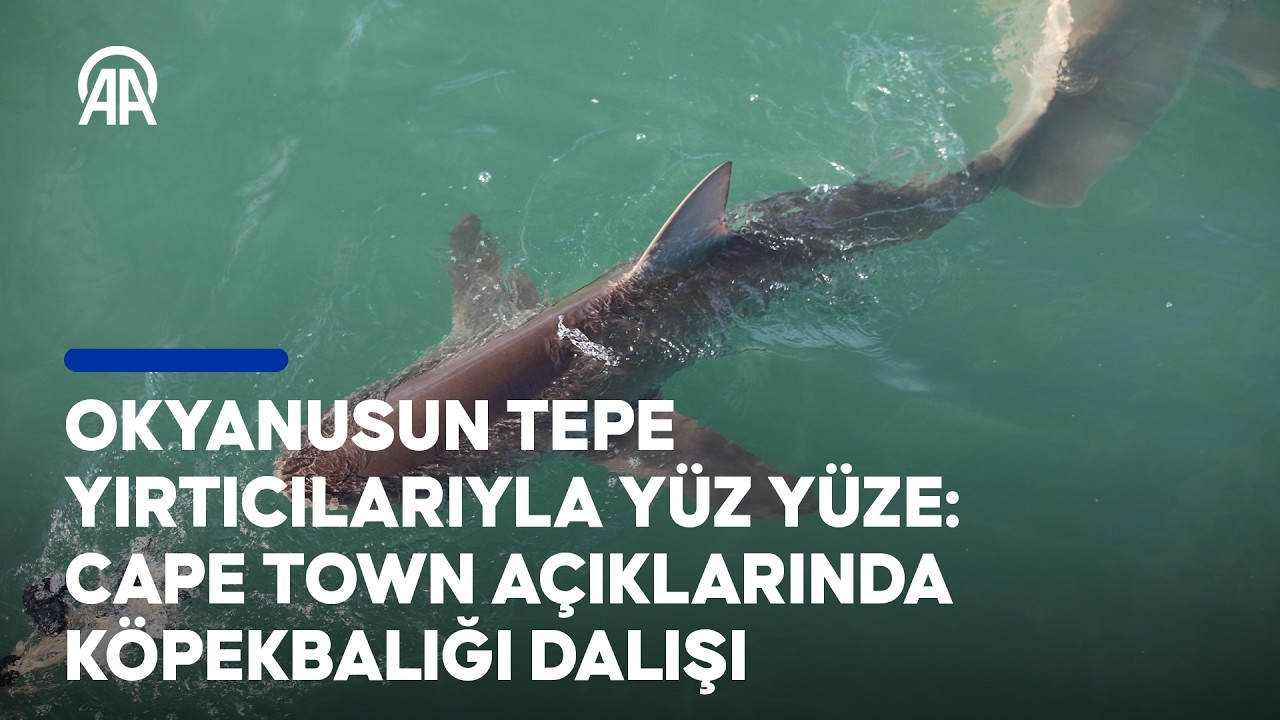
Okyanusun tepe yırtıcılarıyla yüz yüze: Cape Town açıklarında köpekbalığı dalışı
anadoluajansi
155 views•2026-06-09