Gabay masterfully deconstructs the "math" of progressive metal into distinct rhythmic philosophies, showing that complexity is a deliberate tool for tension rather than just a technical flex. His analysis successfully bridges the gap between academic theory and the visceral experience of the groove.
安装我们的扩展,即时搜索任意视频内容
What’s the difference between Dream Theater, Tool and Meshuggah?本站添加:
The music of Dream Theater Tul and Mishuga is often described as being complex, whatever that means. Yet these bands sound nothing alike. Why though?
What does complex actually mean? Let's dive into that question while looking at the dance of eternity by Dream Theater, Numa by Tul and Demiierge by Mishuga.
And let's see what do you think. Is any of these songs more complex than the others?
By the way, I'll be focusing on the rhythmic side of things because I am uh me and I'll compare these songs through the lens of pulse, repetition, and groove/e.
And I'll share my thoughts at the end.
And as always, you are more than welcome to share your thoughts as well down in the comments. Let's go. Okay, so first is pulse or more specifically how clearly the music establishes its rhythmic center. For the context of this video, pulse will be directly linked to time signatures. So, let's look at those. Starting with Dream Theater, the dance of eternity. We all know that this song goes through many, many time signature changes. Like this many. No, I'm I'm kidding. It's this many. Yes, I'm kidding again. It's actually this many. Here's a snippet of it.
1 2 3 1 2 3 4 5 6 7 1 2 3 4 1 2 3 4 5 6 7 1 2 3 4 5 1 2 3 4 5 6 7 1 2 3 4 1 3 1 2 3 4 5 6 7 8 1 2 3 4 5 6 7 1 2 3 4 5 6 1 2 3 4 5 6 1 2 3 4 5 6 7 8 1 3 4 5 6 7 1 2 3 4 5 6 7 8 1 2 3 1 2 3 4 1 2 3 1 2 3 4 1 2 3 4 5 6 1 That is a lot of uh changes. Let's move on. If we look at Numa by Tul, the situation is a bit different. For this video, I'll focus on the main riff of the song, which leans heavily on groups of twos and threes, arranged in this almost randomlooking order, like this.
33 3 2 3 3 2 3 2. But unlike Dream Theater, these mini time signature changes are musically expressed in a way that really smooths out the overall groove and somewhat obscures the downbeat. Also, this riff starts with what I consider to be a pickup, which makes it even more slippery. The baseline starts here. Check this out.
1 2 1 2 3 1 2 3 1 2 3 1 2 3 1 2 1 2 3 1 2 3 1 2 3 1 2 3 1 2 1 2 3 1 2 1 2 3 1 2 3 1 2 3 1 2 3 1 2 1 2 3 1 2 3 1 2 3 1 2 3 1 2 1 2 3 1 2 1 After transcribing this song, I realized I have a lot to say about it. So, I think I might as well just do a full Numa breakdown video, which I am sure you will not be opposed to. And by the way, if you like the videos that I make, feel free to leave a comment, share it with your friends, like, subscribe, do all of those things. I also have a Patreon page that you are more than welcome to join. And there's a new thank you button right there. Pretty cool. And lastly, Demi Ururge by Mishuga. I'll be looking at that middle riff of the song, the one that comes right after one of my favorite Mishuga riffs of all time. As you might know, Mishuga approaches the pulse in a completely different way. The time signatures here are, lo and behold, 44 and uh that's it. Instead of constantly changing the time signatures, they superimpose very long rhythmic cycles over a steady 44 grid. So the riff in question can be counted as 6 4 4 33 3 4 3 4 4 totaling at 38 beats. This cycle loops around the main pulse and eventually gets cut short to fit the 44 frame. Check this out.
1 2 3 4 5 1 2 3 4 1 2 3 4 1 2 3 1 2 3 1 2 3 4 1 2 3 1 2 3 1 2 3 4 1 2 3 4 1 2 3 4 5 6 1 2 3 4 1 2 3 1 2 3 1 2 3 1 2 3 4 1 2 3 1 2 3 1 2 3 4 1 2 3 4 1 5 6 1 2 3 4 1 2 3 4 1 2 3 1 2 3 1 2 3 4 1 2 3 1 2 3 1 2 3 4 1 2 3 4 1 5 6 1 2 3 4 1 2 3 4 1 So damn heavy. It's such a good riff. So off the bat, these three bands approach pulse in three very different ways.
Dream theater constantly changes it and moves things around. Tul kind of obscure the pulse and blur the lines between the rhythmic changes and Mishuga anchors it while moving everything around it. All right, next is repetition. Repetition is one of the main ways that music creates familiarity. The more an idea repeats, the more the listener begins to internalize it, anticipate it, and connect with it. I mean, think about the hook for Billy Gene, for example. It's not complicated at all. It just repeats enough times to become unforgettable.
And by the way, in this section, I'll discuss repetition for both time signatures and the musical themes.
Going back to dance of eternity, while certain time signatures do repeat briefly here and there, the meter is constantly shifting overall. Sometimes you will get a long section where they stay in 44 for a while. Like here for example.
1 2 3 4 2 2 3 4 3 2 3 4 4 2 3 4 5 2 3 4 6 2 3 4 7 2 3 4 8 2 3 4 1 and it keeps on going and going. You can ignore this three in the middle. It has a special permission to be there anyway. But many of the musical ideas get quote unquote interrupted by a shorter or longer bar or by an entirely new part. And while some motifs do return and develop throughout the song, there are also many one-off phrases and transitional moments. In general, Dream Theat's music tends to constantly explore new musical territories. The arrangements are dense, rich, colorful, and packed with information.
With Numa, things again work very differently. While this 33 beat composite cycle might initially feel awkward, it repeats over and over and over again. So much so that it starts feeling kind of familiar. Also, yeah, the guitar is playing something else over this, and there's a short B section as well, which I'll save for the inevitable full Numa breakdown, but aside from that, the structure is fairly repetitive. I'll play another section of the song. And actually, before I do that, looking at these numbers now, I'll change the placement of that last three and put it here. I think it's better expressed this way. Check this out.
1 2 1 2 3 1 2 3 1 2 3 1 2 3 1 2 1 2 3 1 2 3 1 2 3 1 2 3 1 2 1 2 3 1 2 1 2 1 2 3 1 2 3 1 2 3 1 2 1 2 3 1 2 3 1 2 3 1 2 3 1 2 1 2 3 1 2 1 And the other main section of the song is a very simple and groovy 44 idea that almost acts as a pallet cleanser of sorts for your ears. And this one also repeats a few times during the song. 1 2 3 4 1 2 3 4 1 And by the time the 33 beat cycle returns, I kind of miss it, which is pretty cool. And then there's demiurge where the 44 pulse basically never stops. There's a very strong quarter note pulse throughout the whole song. So this is the beginning of the song and then the verses and then the best rift ever.
All of it.
And while yes, the superimposed cycles do evolve and shift around, the underlying pulse keeps hammering forward in a very predictable way. So despite the rhythmic complexity, the repeating pulse stays incredibly steady. So again, these bands approach rhythmic complexity very differently. Dream Theater maximizes novelty, constantly throwing in new ideas and shifting the pulse.
with tul. Even though the parts are complex, they slowly establish familiarity through repetition. And Mishuga stacks extreme rhythmic shenanigans over a solid and persistent 44 foundation. And by the way, rhythm is only part of the picture here. Harmony, lyrics, texture, dynamics, and song structure play a huge role in shaping the complexity of these bands. I'm also comparing a full dream theater song to a few sections from a tool song to one riff from a Mishuga song, but I use all these more like a proxy for their broader musical aesthetics. So obviously this is all a huge oversimplification.
All right, last but definitely not least, groove. And by groove, I mean how all these rhythmic ideas actually affect us as listeners and how they shape the way that we physically interact with the music. So basically, do you headbang or not? And if so, how easily? And of course, this goes without saying, this is all based on my experiences with these songs. For me, the dance of eternity keeps you on your toes throughout. The song is dense. It moves very fast and you never quite know what's coming next. The music always keeps surprising you. On the other hand, aside from that midsection, the lack of repetition makes me hesitate when trying to quote unquote headbang or move along to the song. My movement keeps getting interrupted as the pulse and meters shift so abruptly. And since I can't fully predict a recurring groove or settle into a repeating cycle, I end up actively listening to the song as opposed to physically engaging with it.
With Numa, it's a more gradual process.
So, when I first heard it, these small irregularities felt very awkward and unfamiliar. But because the cycle repeats over and over and over again with gradual arrangement changes, I slowly developed an internal sense of its flow. It's also at a slower tempo, which helps a lot. And the simple 44 sections are placed so effectively that they almost reset my ears before pulling me back to the larger cycle again. And by the time the 33 beat phrase returns, it feels very familiar. It kind of feels like home.
And with Demiurge, I barely have to think about the rhythmic structure at all. The underlying 44 groove is so stable and forceful that it almost feels like a truck smashing through everything the superimposed cycles throw in its path. So regardless to whether you fully understand what's happening rhythmically, the physical momentum of the song remains completely undeniable.
So, in these videos, I usually show you the theory behind the songs that I choose to analyze, which is great. But at the end of the day, the theory itself means nothing. All I really do here is translate musical experiences to numbers and patterns. But the experience itself, how the song feels, that's what actually matters. And after this whole exploration, this is actually where these bands separate from one another.
Because even though they all fall under the umbrella of complex music, whatever that means, they're aiming for and achieving completely different musical experiences and each band has a very distinct feeling. Dream Theater takes us on a roller coaster and overwhelms the listener with information density through many different colors and soundscapes. tool creates complexity through tribal repetition and ambiguous/mantraesque pulse perception that somehow feels both grounded and elevated at the same time.
And Mishuga builds extreme rhythmic tension by stacking long evolving cycles over an underlying heavy undeniable and almost visceral 44 backbeat groove that makes you headbang whether you like it or not. None of these approaches are inherently better or more sophisticated than the others. They simply challenge the listener in different ways. And honestly, I think that's why these bands resonate so deeply with different people because complexity isn't really one thing. So there you have it. Three great songs by three epic bands. Let me know what you guys think. What are the differences in your ears between Dream Theater, Mishuga, and Tul? And on that note, I'm going to go listen to the roots.
相关推荐

HOW to VISUALIZE the FRETBOARD like a PRO/LEGEND
NassorTafari
273 views•2026-05-31
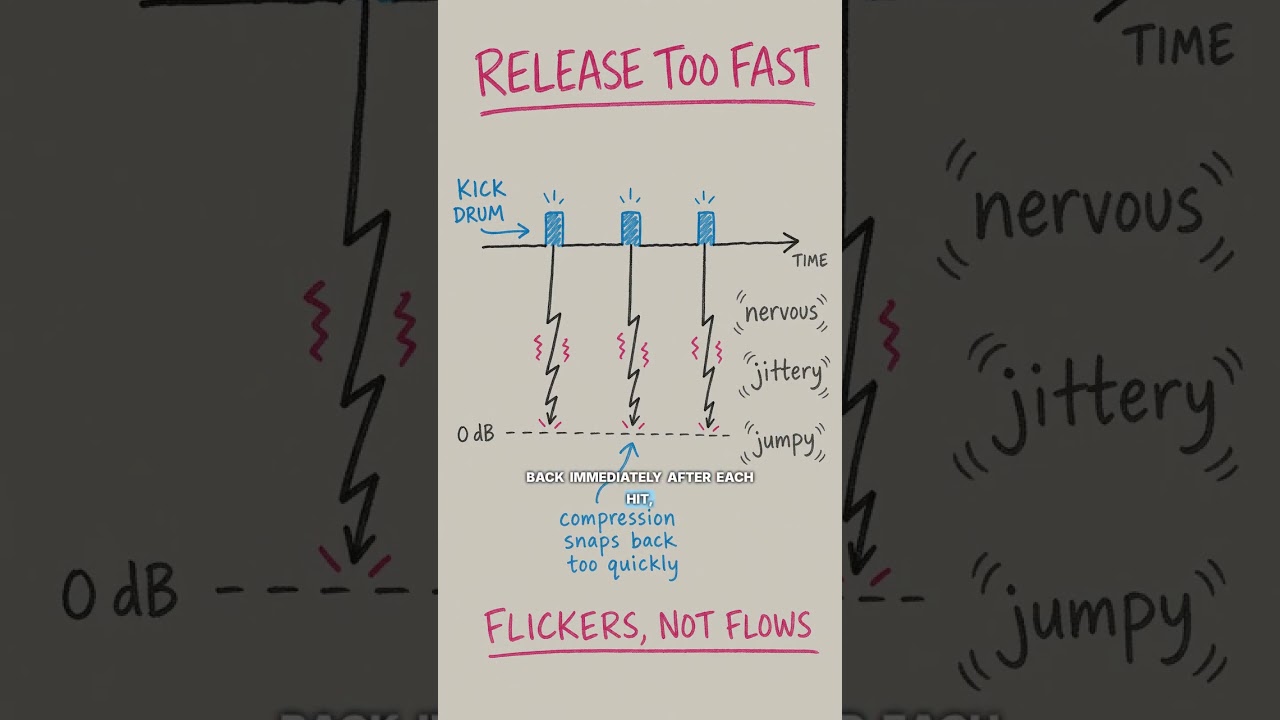
Your Release Time Is a Tempo Decision, Not a Feel Decision #musicproducer #musicproduction #typebeat
abletonppr
995 views•2026-06-01

Music Teacher reacts - Beauty and the Beast - Gabriel Henrique, Jade Salles
jennifersmusicpage
178 views•2026-06-03

Don’t be the fool
ijadamademusic
2K views•2026-05-31

くじら - いのちのパレヱド x G-Wiz - Teddy Bearを #マッシュアップ
jilow_j2u
564 views•2026-05-29

Vocalist Reacts To The Bass Gang 'THE SOUND OF SILENCE'
QofyReacts
569 views•2026-05-29

"Rome" by Shunned at a Funeral (Live Version, Full Song) #shunnedatafuneral
ShunnedataFuneral
885 views•2026-05-29

🚕 Taxi Amarillo - Proyecto Cumbia | Cumbia de Guitarra 🎸
Proyecto_Cumbia
284 views•2026-05-30


