The mind is a function of the brain, representing everything the brain does through parallel processing of electrical and chemical signals. The brain contains approximately 1 million neurons with 1 billion connections, operating at multiple levels simultaneously. While the brain works in harmony, it is never fully synchronous, which explains why meditation and other practices aim to achieve synchrony. The mind creates meaning through symbols, metaphors, and associations, allowing humans to make sense of the world. Despite sharing 70% of genes across all human populations, the 1% genetic difference makes each individual unique. The brain's parallel processing enables complex human experiences but makes strict rational thinking difficult, as the mind operates through both sequential and parallel processes simultaneously.
Lecture-12 A beautiful mind? Perspective on brain , mind and it's challenges
Added:[music] Prabha, digital India, educated India.
[music] [music] >> [music] >> Good morning.
Uh let me tell you this is this lecture is a prelude to the one on second.
I named this I actually picked up the title from a film a beautiful mic. You would have seen that. But the purpose is different.
If you look back into the history of modern man, you can date it back to say two lakh years and that two from anthropology and fossil studies.
But what we know of history but we don't know anything about that man about the mind. And we just know the skeletons and whatever we found in the digging of Siberia and Africa.
But what we definitely know is 40,000 years know the history of 40,000 years in southern caves of uh France in Anderman Nicobar and in a place called Bhim Patika near Bopal.
What you find is the first time the expression of human mind.
They had cave paintings very primitive color taken from leaves and then they have painted simple things like hunting and animals and all that but that was the first recorded evidence of human expression rest nothing is surviving so from that time 40,000 years till date till 22nd March 2013 8:00 in IIT Kpur there is Only one single robust fact which has emerged from all scriptures, from all preachings, from all art, from all science that the world only means anything if at all is through your [snorts] mind.
Everything, all the drama of the world, all the inventions, all the art, all whatever you believe in.
Is there any existence beyond mind?
>> Your mind shuts off. You are alive. But you cannot make a meaning of it.
If the mind shuts off, you don't make a meaning of it.
If the mind shuts off, you cannot create anything. You may still survive, but you will not you'll be living.
whether you'll be alive or not.
The whole boundary between being alive and living [snorts] and having some meaning I'm not saying the meaning is true or false or right or wrong but to make some sense of the world and to create obviously whatever we are using this register we regarding all this is a creation of mind. Now the problem is we survive through mind but we don't know anything about it or we know very little about it.
Isn't it? Whatever we know of the mind has actually come out in the last uh 30 40 years.
Whatever we know of the functioning of mind has come out in last 30 40 years.
If we look it from the angle of science, if you look at the angle from philosophy, they have been describing right from Krishna to the western philosopher they what have been they've been talking they've been talking about mind only how the mind functions how do you think how do you love how do you die all that stuff but they were all theory there's no way to prove it and then 200 years back some people started dissecting and taking out the brain so they told us the structure right then came Then physics buted into biology.
The way of biology was that if there is a problem in brain, if there is a deficit, then they would realize that this part of the brain is doing this function and you have a problem in other part of the brain. Some function is lost then you realize that this part was doing this function in your body. So biology starts from top down. It takes the whole thing as a whole create a deficit and then you correlate it with the part of the brain which is doing that function.
Physics starts from a different angle and you all have studied physics. So what's the what is the basis of physics?
You all can keep talking in between.
Basis of physics is >> principles.
The whole physics operates on principles. So physics is trying from a different angle from a bottomup approach. They are trying to define principles of brain functioning. Biology is trying to define what is the whole picture.
But both have not achieved the end till now. Why? Why is it so difficult to understand mind? Any ideas?
>> Because how can I use my own mind to >> right?
The tool to understand mind is the mind itself. [snorts] So it's like sitting in a painting.
You're sitting in a painting and trying to see the whole painting. Is it possible?
It's very difficult because one part you cannot you can't see here. Even if you turn this side to this side will go. So but whatever. So my purpose in next uh 30 40 minutes and you can please keep asking or disagreeing or whatever is to tell you whatever we know.
But then the pro the problem is that at one end is the functioning one end is the structure and then there is this whole world in which we have to live as human beings with our brains every day.
So all three streams are not making sense to each other and to top it is psychiatry.
to top the whole thing is we psychiatrist. We have defined something called illness. We have defined something called sanity, mental illness, this that and we treat it without knowing how we are treating. But we have very effective drugs which go and treat.
So there's a whole lot of confusion going on.
So let's talk about [snorts] healthy mind this time and let's see what happens to the unhealthy mind if at all there is unhealthy mind. We really don't know. But the problems so there's a brain, there is mind and then there's a whole lot of life. So let's see if we can make some sense out of it. All right, this is I picked up from uh Facebook.
The brain is actually this there so many hands they all united still separate.
And why I'm saying we'll see as we roll on. Okay. If you look at evolution, the [snorts] first thing to evolve was in the living beings in the animal kingdom was a part of the brain which is called white matter and cerebulum.
Even the simplest of structure what are the simplest structure?
Amiba which is a complex living being bacterias and viruses have always been there.
They there was a lot of movement. So movement was always there which is called a motor thing. The amoeba if you poke a needle at amoeba it'll retract.
So there was always a sensation. So the first thing to evolve was the movement and sensation which is this part of the brain. Second was in the evolution emotion and memory.
Right? Birds have memory.
Birds have emotions.
All the animals who cannot speak have emotion and memory. Right? Otherwise the birds from Siberia wouldn't fly down to the same lake every year. Otherwise the animals wouldn't follow the same route.
Otherwise the and there were a lot of smells. This the they have a smell capacity. They have a hearing capacity.
They have this sound system pattern recognition. Some birds can actually count. So this derogatory statement which was there that you have a bird's brain is actually a compliment.
Bird's brain cannot think but it can grasp lot of other sensation.
Dogs can can sniff right? Horses smile and cry and they know their track and all that. Now the question is this part of the brain came second which is called lyic system. So it was like this. There's a deeper part which determines the uh movement. There's a part above that which governs emotion. And then comes the human angle cognition which is all this all these bumps on your head. This is all thinking brain from here to here.
But the question is that uh what happened? We don't have capacity like birds to [snorts] create sound. All this cooing and these sounds which birds create these all patterns. They're communicating but our capacity is gone. We can't smell like a dog.
You can't see very far in the dark. What happened in the evolution?
I think what nature did that it snapped everything. It took out all this extreme abilities, curtailed it down and created a thinking brain out of it. So you have all the capacities what all animals have. You can even crawl like a reptile.
You can even walk like a dog but you can also walk like this. You can hear sounds still a certain decibel not beyond that.
You can smell from a certain distance but not beyond that. You can remember patterns but not beyond that.
So that was a cost which we had to give for this part of the brain for what we call cognition. Cognition means thinking, appreciating, perceiving and all that stuff making a meaning out of life. So this cognitive ability animals have but I don't think they have a language or if they have a language they have a visual language and the nearest to us are who orangutans.
and um gibbons. We have a lot of behavior of gibbons actually, right? So, so we share with many animals the faculties of awareness, perception, attention, orientation, they all expert and some of them are more experts than us.
Emotion, we don't know. Energy and mood.
I think they are animals are more mood stable than human beings. I guess so. I I don't don't talk about monkeys in the cities. They have become like us. But largely animals have they don't have greed also. A lion would not go and kill if his tummy is full. It's only when the hunger calls then you go. we can have we save and invest and do all that because so again this is this is the cost and with each cost we have been separating ourselves from the the whole flow of the nature because when you say you live like a dog I actually I don't find any problem in being like a dog is in synchrony with the nature what is the problem you are animals are more in synchrony with nature they only rebel when you go and poke them you cut their jungles and don't give them food and all that otherwise they do lot of things in synchronicity with nature like if you know about the solar eclipse even before the solar eclipse starts even before that even before our human I can see that there is some darkness impending and I have seen lot of solar eclipses I've driven down to barasi and all that to see all this herd of cows and this and they used to turn back and started moving back towards their home even before it started becoming dark and the birds change their course of flight. They suddenly take a U-turn and start going back and that is the first sign that solar eclipse is happening much before it starts becoming D. And I have photographs you can always share that.
So that means they have some other capability. So this sensation and the whole synchronicity is much better than human beings.
But what they don't have is this thing called thinking.
Right? We think we have areas in our brain which can make you think. So how does the mind express?
Let's bother about ourselves and forget the animals for some time and not compare ourselves to them. Although I think if we have the motor brain in us which was high [snorts] up in the evolution, we have emotions. Emotions all across the world are the same.
Do you know this? You know of anybody who when they smile you say they're crying.
No. Crying is crying across the world.
Smiling is smiling across the world.
Laughing is laughing across the world.
Irrespective of language, irrespective of where do you live, whether you are urban person or a rural or you are living in a tribal area.
Why? Why is it happening?
Any idea?
We all have the same mother.
We all have the same mother.
Modern man descended from one lady in Kalahari district in Africa.
She had four daughters who migrated out, [clears throat] spread into Asia, China, this and that. Chinese all this while was saying that we are different. But they're not different. So our genetic makeup, genetic makeup determines who we are. The racial genetics is the same.
Six 70% genes we share with Africans, Chinese, [snorts] so on so forth.
So if we keep tracing back, we all have the same mother. The single lady whose genes actually went into this four and then they spread out. Actually we can measure that.
There's a >> but who was a father?
>> Uh that is it's always assumption maternity is a fact. Paternity is an assumption >> still.
still.
>> Yeah.
>> So now so what what geneticists have done they have measured this mitochondria this a small organal in the cell and seen the genetic changes in that it has given the number of migrations.
Mitochondria is one of the very very stable genetics. It has given the migration. So 6 7 9 generations 10 generations. So that is the understanding today. So that means human beings are genetically connected. So there is some fact in when people say all is one or that spiritual statement which there may be a it's a realy then if all is one then all of us are connected at least we 70% connected so expressions of emotions is regulated there so it has to be the same you can't find laughing and two different expressions for laughing in across the generation because all that is already programmed in the brain nature has done it wonderfully it has actually done such pattern turning in the brain that you really don't find it but as human beings we need to express. So what are the expressions of the mind? Biological instincts all of us have hunger, thirst, sex, sleep, rage, joy, sadness, playfulness.
We all have this.
If you are a human being, you'll have all this.
In later evolution came thought and language.
Now this is our boon. This is our bane.
We started thinking and then we developed language.
Now why are there there so many languages? Why? Nobody knows. But then there are languages within India. You know how many languages are there? And within languages there are so many dialects. They all were used to communicate. All languages are basically to communicate. Even that pooing of the bird is communication. Right? When you cry it's a communication. when you smile. So what was not happening through words was happening through emotions initially. But then we got words over it.
But when you use words, there's something else which came as the language evolved.
Do birds have memory?
Dogs? You think they have? Yes or no?
>> How do you know? The dog can >> can recognize you.
>> Yeah. So they have that is what that is a visual memory.
Dog will recognize you through your facial and bodily and smell and all that elements with human beings and language.
What evolved was something called a verbal memory. We started having memory for words.
Now if you look just for a second, let's go back. What is a word? You say rose.
What is a rose?
>> What is it?
>> Right. What is a flower?
How how does it represent in your head?
How does it >> smile?
>> Okay, you close your eyes and think about rose. Close. Close your eyes.
Think about a rose for a second.
>> For me, it represals.
>> Yeah.
>> Okay. So, for him it's petals. For you, >> it's the color and >> the color.
>> So, I saw a rose.
>> You saw he saw a rose.
>> It's the aroma.
>> Aroma.
Nobody has a girlfriend called rose.
Huh? Uh, some people can think girlfriend call roles.
Now, [snorts] why are there so many different things for one thing?
Okay, forget about different things.
Just look at a word called rose. R O S E.
Is it different from a facial pattern?
The dog recognizes your face by your facial pattern. And we recognize rows by this pattern called R O S E. We say chalk. C H A L K. This is all pattern.
All words wherever are represented in brain through a pattern and there has been some meaning which has been assigned to this pattern in the outside world.
Imagine the rose would have been called a donkey. Suppose somebody started had started calling it a donkey. He would have called it donkey. Who knows? It did not descend from anywhere. [snorts] So the brain brain makes sense of the world by two wonderful things. One this is called I think brain works by using metaphors for metaphors.
You have a rose, you have assigned it lot of qualities, color, smell, petals, thorns, this, that, love.
All isn't it? And then your mind learns that it learns a pattern called ROC. It learns a petal pattern called this multiple petals and color and smell. Everything is in your head. So the moment you hear the word row or you see it, this is also a wonder that you can either see it or hear it. Either way, the whole memory will come up.
It's a wonderful computer, isn't it?
You put this thing or even if you forget the rose and forget the smell and forget the color, you take out a thorn from that stem.
For most people if you prick them no they will immediately go to rose because sometime in their life they would have got but suppose somebody has not had a prick of the thorn they wouldn't know.
So lot of things go inside the brain brain makes a pattern out of it and does this wonderful thing called association.
Like suppose you say a word called love.
Just imagine there are thousand things which have been associated with love.
Whether they are true or not is not the issue. The issue is your brain knows that chocolate is love, rose is love, scent valentine is love. Anything.
So out of their general meanings then people have the specific meaning for love. For somebody dal is very important that is love.
For somebody wife asking for chai in the evening is love or husband bringing a sari is love. So all these are meanings which so there are general meaning there are personal meaning but brain is wonderful. It is still has all that inside half of it may be never used in your life but it's still there. So just trigger it and you'll have the whole association. So but is all symbols.
Is there anything more to it?
Okay we'll just come to this right.
Think think I'll come to that slide.
Okay. So once you have this verbal memory, this is the structure of brain.
Okay. Front to back.
So you have this frontal cortex here.
And then you have something here. This area is for sensation. What where it is written central circus culcus. This somato sensory cortex. This is all uh sensation.
This is all memory.
These all for memory. Left side is for verbal memory. Right side is for visual memory.
So we have everything from birds to reptiles to everything. Whether we use it or not is a different question. This is cerebilum where you have all the your movement and all those patterns are normally if you learn bicycling once you never forget it. Once you pull learn to pull a trigger of a revolver you'll never forget it.
Why? Because that movement pattern is already stored here. You just have to bring it out. So the [clears throat] potential of mind is tremendous.
Potential of brain. What is mind? We'll come to that.
All right. So and then this area is the thinking.
Then there is again a division of left and right. You all would have heard you are leftrained or rightrained or your but these are the see this area is speech. This area right these are touch, pressure, taste, body awareness, language, reading, hearing.
All this has been known by one simple technique.
They have studied people who have got brain damaged in these areas. This was the older technique when there was no physics had not helped us.
So at that time when somebody had this [clears throat] suppose paralysis on the left side they would see and do a postmortm or whatever then find some blood clot sitting here on the right side and they would know that this is the area damage and this is deficit that's that's how they mapped it but lot of the finer things they couldn't map because obviously finer things you wouldn't know that somebody can somebody can forget names somebody can forget counting so somebody cannot recognize phases the these things they couldn't do And where where did the mathematical ability come from? Some people have uh some people are strong in mathematics and some people are strong in language. So why these differences?
This is a left and right brain. Again there is a whole see it's getting complicated. Huh? From a simple walking reptile to human being is getting very complicated. So many areas, so many why does the brain have to have multiple things for one simple thing? If it wants to experience one thing, why have so many centers?
That is still a mystery which we don't know.
The between the left and right, left brain is generally considered to be a thinking brain and the right brain is considered to be the brain part of the brain which looks at the overall picture. [snorts] Analytic thought, logic, language, all comes from the left side. On the right side is holistic thought, intuition, creativity.
Not that that this stops and this starts working or the right stops and left starts. It's not that both are working, both are connected, both communicate with each other, right? But some people have a stronger right brain orientation.
It's all theoretical. There's no way to prove it. I mean psychologists can prove it with tests and all that but still you you to say a very very robust thing it's very difficult but largely this is to understand people who have a problem in the temporal lobe here sometimes they cannot understand language right people who have on the right side they lose this thing called tone there's a thing called you know what music is all about it's about the pattern right this side they lose lose this thing called procodi. They lose this pattern of understanding.
So but what this picture changed very fast.
This is the basic structure of brain. A dense packing of neurons. Some 1 million. This one thing is called neuron. Actually why I'm telling you you should know what you're made of.
This is a neuron and this has two neurons connect through this like this whole long wire.
And there's a gap. And then two wires connect.
But between the two wires is what?
[snorts] Between my two fingers. What can you see?
>> Gap.
There's a gap.
There one million neurons and they have some more connection. So it makes 1 billion connections.
So 1 million neurons make into 1 billion connections.
So it's a huge network in the brain.
Huge network. It's all connected but none of them touch touch each other.
So life is this if you want in one word.
Today morning actually I was feeling very sad.
I was feeling sad that am I only a 40 Hz electrical activity because if that seizes I'm off.
There's some 40 Hz electrical activity going on in the brain which keeps the whole life and if you record a EG from here brain activity you'll see various waves of various frequency. So what happens is that the electrical activity is going on in a neuron [snorts] between the gaps is covered by chemistry.
So this is electricity. This is one drop of chemical from here to here passes the signal.
So within a neuron it's electrical activity is going on. There's a metabolic pump. So once the signal goes between a neuron there's there are some neurochemicals.
So electrical activity turns to chemical, chemical again to electrical and so on so forth and through that the whole body is running. The whole life is running in fact.
So neuro neurochemical activity defines the health. You can read it more if you want or we can discuss it later if you want any of these things in detail.
Physical proof started coming when the physics started helping us. Now these all techniques actually EG and blood flow MRI this this showed us something [snorts] once we started having this these are wonderful images from brain you see all these blue areas these areas were recorded on MRI and imaging when we give tasks to people like if you give a mathematical task a Different area of brain will show this color. If we give a language task, the other area if you make you angry something else will light up. And people who have deficits like how do we compare somebody who cannot read? Youard heard of thing called dyslexia. There are kids who cannot read it. Read the p written word.
If you light up and give them a written task, ask them to read it. The normal person will have certain areas of brain which will light up. Okay, light up means not that a bulb will go on. It will show a different type of intensity in the scan and the dyslexic kit will not have that.
So this came handy to us. Then we found out we found out something very very strange. The brain normally if you record the electrical activity the brain does not work in synchrony.
All our lives we are taught bring your harmony in yourself synchronize your thought your emotion this that whatever but your whole biological substrat on which you live called brain does not work in harmony. It works in harmony but is never synchronous. If you record you'll find hazar activities going on here and there. Somewhere it will be faster, somewhere it will be slower, sometimes it will be alpha wave which is which calms you down. Sometimes it will be beta wave which are different frequencies.
Brain synchronizes only in two three conditions.
One when you are in coma which is not a normal condition. Brain synchronizes itself in some stages of sleep.
Sleep also has lot of stages. We can talk we can talk on sleep later on. It's a full thing in itself.
[snorts] Brain synchronizes in sleep or when people have epilepsy that is a time when you can find the whole brain into one single type of activity otherwise it is running into different directions.
In fact even now your mind is also running in different directions. So electrical activity that is the tough part that is a tough part.
So it is really tough to bring harmony, synchrony and what all people ask you to meditate, to pray, to drugs. People take drugs too.
Why? Why are drugs? I mean they give a kick. You know why?
A lot of drugs actually what they do they suppress some activity so that if you have taken a sufficient dose your mind will be in one track. So at least you feel some some sort of harmony synchrony even if it is temporary or chemically induced and that is the addiction because when the mind is so much activity going on all of us at point some point of time we want to sit still. If you can't train your mind to be still, cannabis cannabis helps you. Two pegs help you. Scotch helps you. You feel happy at the end of it and that is a reward. Then you keep taking it more and more. Dr. Benagel's lecture you can refer to and he would have talked about all this. Okay. So this is your life.
There's a worldwide web. I've used this thing because I think we are already in a web since we were born. And you have a brain body mind and the interface is this. Now this is real interface or notional is a big question.
I'm I'm just taking you from brain to mind to our life.
How many things we believe in?
You believe in truth, honesty, love. Where is it?
Where is it? But these are all constructs of our own mind. We have decided what is absolutely it's like Steve Jobs cloud.
It's like the cloud which Apple computer says everything data is in cloud. The cloud can disappear also sometime. Yeah.
A strong field it can destroy it.
Whatever we believe in, whatever we think, is it real or it depends on us?
>> Depends on us.
>> A lot of it depends on us. If you are in a good mood, for example, and somebody bumps in your car, you'll say, "Let go."
And sometimes when you're in a nasty mood even even if the person whizzes past you and not touches you you'll stay and get angry and all that. So what is it? Is it the external thing which is causing this or is it your insight?
Plus lot of constructs in which you believe you can't show them can you?
Your art doesn't mean anything. You have to see [snorts] what you turn your notional thought into product is a different issue altogether. You can do something to show love but where is the love itself.
You can get angry and you can hit somebody but hitting is different. Anger is different.
So lot of it is like a cloud in our head and we live life in that actually boiled down onto real stuff it will be very little but as because we live as I said that's why I was saying the whole world is a projection of mind because you have a cloud of your own you want to do something concrete out of it and then everything is produced like pass and fail it's a construct where are you passing where are you failing what anyway there will be a next day if you fail life will go on if you pass but that is a notion which has been created over time we have started believing and following certain constructs which were given to us by and that is our memory if you wake up suddenly next tomorrow morning it will not happen don't be happy that it will tell you come study go no exams No termination nothing come go change the system.
It can happen. Some prime minister wakes up in the morning and says key one one king did that. No you know touglak he woke up he says currency changed.
He changed the currency. He said we'll shift to touglakabad forget Delhi. Some prime minister may get up said rupee is no more currency of this country [clears throat] and this is the currency. Hitler said German German are superior. Everybody believed him.
It was a it was a notion again but the whole country followed his notion and then they did whatever they did. So we tend to follow conventions. We tend to believe what was told to us.
But the people who created they had also notions only nothing else.
Nobody knows. The only concrete thing is there's a physical energy the law of gravitations and four forces of which physics has defined and the electro electrochemical activity in your brain.
For us that is the truth between that is the whole world of construct which some of them have been translated into [clears throat] material objects for our comfort. So we are actually living at that level.
What we do of it is the big question. So some people said that mind is different.
Where is the mind? This is all brain.
Where does the mind come from then? Is there a difference between mind and brain?
>> Like mind is a non-physical entity?
>> Yes.
>> And brain is something which is entirely physical.
>> Yeah. So we were talking about the brain till now. Electrochemical brain cosmic physical laws.
Then where's the mind? It's not physical. The people before this guy called Dakart he people used to say there is a soul comes from above it gets into you that is your mind it goes later people came they said there's no soul [snorts] some people said there's a fluid which circulates you talk to any yoga guy they'll tell you about kundalini and all that nobody has seen that this guy came he said the mind is different body is different so there was a dualism nobody knew body is functioning where mind is functioning where Can anybody define mine?
What you said is correct but just define it. Put it in few words.
Okay. What are you doing?
>> Yeah.
>> So I'm passing chemical engineering.
>> Btech. So what is your what is BK?
Btech was existing somewhere. You came to IT, right? But you will have a B tech degree at the end of it. You are not BTE.
Are you BTE? No.
Btech is a product of your mind.
Right?
But then again the question where is the mind?
Actually mind is a function of brain.
Mind is what you said the mind is everything what the brain does.
It is a function.
It is the interface. When I said it's a real or notional, if it is a construct which is not material, which is abstract, is it true?
No, I'm just confusing you so that you can you dream in the night and you're sitting here also. What is truth? That is right or this is right.
In the dreams we go to different worlds huh sitting with Amitab Bachan and chatting with whomsoever you want and doing whatever you can write a script in your dreams but we do that every night and it's your mind which is creating all that your brain is creating that is the reality this is the reality think don't worry you have all your life to think about this but let me tell you what what does the brain Brain do? Brain creates this. If you look what is mind, mind is just a you all understand what sequential processing and parallel processing is.
The computer is a parallel processing.
Brain is a parallel processing unit.
Right? That means when I was gave you example of rose, it was parallel processing with one word 10 different thing came up. You smell, sound, vision, emotion, everything. There are se separate areas and separate functional units which suddenly get activated with one trigger. So brain it does parallel processing for everything.
There's very little and that's why it's very difficult to find rational logical thinking because rational what is rational logical thinking? Rational logical thinking is step by step like mathematics. Some part of mathematics not all.
>> There's economist say that a person is rational.
>> Yeah.
>> If he can achieve what he wanted.
>> Yeah.
>> Given his information if he can get his means and get get what he get objective done.
>> Right. So in that sense the murder contract killer is rational according to >> problem solving problem solving it's like you have a thing you have to go and get it step by step that is sequential brain does that brain does that for us to survive in this world but that is not all when you are doing a sequential process even then there lot of parallel processing going on see when you're focusing on some object you're ignoring lot of other things to ignore is also a choice was there at that point of time. So that means some part of the brain would be involved in ignoring that. So again there's a parallel process going on.
So in fact for human beings to do a really in those strict sense a total sequential logical things.
What we call logic and rational is all defined by our society which we are living in. They are external things.
It appears logical. It appears logical to go wear a dress, go to school and study. Okay, but that is a worldly thing. Brain would be doing thousand things even at that time. So this is not a surprise. Surprise. We know computers now. Computers do parallel processing.
We have built computers, right? But there's no computer like brain because it all happens in split seconds.
I don't touch you. But what happened when I did this? Within no time you did this.
So the signal went from your eye to your brain.
It triggered off this movement and the whole body movement. Huh? And it would have sensed there is a danger.
Everything happened. What time did it take? Nothing. No computer can match this till date. Maybe some they have more faster processor but still for that computer to do all this parallel processing together because for this millisecond your whole being was under threat.
The first thing the mind did was protect itself right. So a lot of people when they say they have been logical and rational and it's all post event [snorts] when you have done something then you realize what I did was okay sometimes it falls flat sometime it becomes dangerous some people get angry right most people when they get angry and if you ask them as the anger settles down how many people will say that I was wrong first thing they will do is justify they'll say I shouldn't have become so angry but no that you know that guy was wrong so that means we may not be rational we may be rationalizing so we [snorts] rationalize a lot because of our thought language this and that but to in correct sense to be I don't know what true rational is they all situationals. They are all people in society into a certain rule. They are breaking the rule or not breaking the rule or doing whatever and then we define but still amongst this all parallel processing.
What unites that?
What is your identity?
Okay. When you go and meet somebody new, how do you introduce? What do you say?
>> Yeah. What is the sentence you use?
>> I. Now, if the brain is running in so many directions, if there's so many units functioning, what is this I?
And where is the I? Which eye?
That is a vexing question. People are still working on it called consciousness. So all these things are united by this single sense of identity.
There's some sense of identity in us.
Where is it coming from? Which part of the brain?
Or is it that 40 Hz wave which I'm telling you? There is a 40 Hz gamma wave which arises from deeper structure of brain which unites. If that 40 Hz electrical wave is broken by damage to some organ, you get into coma.
So what was making me sad is the morning was this that am I only a 40s wave?
If the brain area is damaged, this connecting wave is gone. There's no I till I wake up again and again reconstruct the whole thing.
Okay. But there are a lot of theories as I said there are physical theory there's a classical theory that reflects action like what we just demonstrated that you don't use your thought and all and something happens you react and you save yourself. It's a law of preservation.
You have to preserve and then came the a lot of nonlinear theory. Those of you who studied chaos and all that would know there in between this chaos theory came that there's a d complexity in the dimensions in health it differs in illness it it's a different thing physics jumped into brain with this thing they have this explanation called holographic consciousness that each part of the memory or thought represent the whole thing so some people who have experienced like something called a near-death experience And they say they have seen the whole world and all that.
That can only be explained by this wonderful holographic quantum theory that each part of your brain if activated sufficiently contains the whole that is holographic. And then they said that obviously the basis of quantum is uh you know quantum theory all of you there's a observer the state of that whatever atom or particle depends on the observer answer never agreed to this so is it possible for our brain the question is this if it is possible that means the observer defines the state whether it will be a wave or matter The observer has to define that is the basis. If it is true that that means there is something called human will.
So where is my will?
This I within me. Does it have a will?
Does it have a will by which it can modify the outcome or the control over emotion or synchronizing the various activities or harmonizing the various brain activities?
The whole the psychology, the behavioral sciences, biology, this is the biggest question we are facing right now. And next 20 years are going to tell us this whether which if you look into Zen Buddhism and Buddhism and Sufism and all this religious and spiritual practices, they always said this. They always said this that by sufficient training with your mind there's a area of brain called prefrontal cortex which is here dorso lateral prefrontal cortex.
This is the controller of the brain.
I'll just come to that slide because that is very important probably that [snorts] will be the takehome from here.
Okay. These are psychological. You know you have heard of Dr. Freud. Dr. Freud said that man is a irrational animal.
deterministic animal. It will always act according to its instinct. When it will ask hunger, you have to give food. It will ask thirst, you have to give it.
And there's a powerful unconscious.
There's a conscious mind is very little.
What we all do with our will and conscious is very little of our life.
Large part is unconscious. You really don't know where your memories are stored. Your mother would have hit you in the bachan when you were four years.
Maybe you remember at 40 when your wife shouts at you.
Who knows the dog? Maybe you you fell from some high ceiling and you don't go to a height say next 10 years of life and the first time you learned up at a cliff you suddenly get same panic. I went to a school to give a lecture. This was a so the this was a convent. sister took me through a corridor and the hall was at a certain distance. Believe me as I walked into that corridor I had some strange anxiety here butterfly in tummy feeling and you know what it was immediately my my mind took me to when I got admitted in Marampur school in lower kg when I was 6 years old and this happened two years back. So in a distance of 41 years that anxiety and the memory of that anxiety from there first day in school same corridor a sinking feeling oh I was going to give a talk huh she was not holding me and taking me to a class I said boss what is this this is brain but that is a unity that [clears throat] is unity of me from 6 years of age till 41 or 42 whatever it was. So the question is that this this all is in the brain now whether I can modify it or not is the question. So there's a huge unconscious this is unconscious mind we can't demonstrate unconscious [clears throat] probably fraud by unconscious meant memory or whatever we don't know then they then came behavior they said you can train you have heard of Pavlov they have a theory that I can train your mind I can give you sufficient stimulus they said there's no unconscious conscious forget it we all react to the external situation because we react to external situation so we can be trained.
Am I right? The whole education system is based on this.
The whole education system from class lower KG to B tech to PhD is based on behavioral theory that whoever you are if you have qualified exam and you have come in we'll train you.
We'll give you a stimulus which will tomorrow's a tutorial you have to study.
That is your stimulus. Your reaction is go study. We train you. All right. So whether you want it or you don't want it or you have unconscious mind or conscious mind it doesn't matter.
So the whole training schedules of army of all the conditioning and regimentation of life is based on behavioral theory. He said forget your will.
You are a dog like Pavlo of train. He had a bell and a bread. [snorts] So he used to ring the bell show the bread.
Dog used to salivate. After some time he removed the bread. He just used to ring the bell and dog would saliv it.
Right?
So both are true.
Systems are based on that. And then there are other theories.
All right? So this is the biggest question. This is a question which you will keep asking all your life. So you better start thinking now.
But what we understand of this is see yeah we don't leave anything beyond this.
In fact just just read it carefully at multiple levels simultaneous operations are going on isn't it you had your breakfast little bit then tea something nothing good so the acid would be going on in your tummy there's no food to digest it will be hurting your walls that is going on whether you're listening to me or to Albert Einstein doesn't matter your respiratory apparatus is working so this This all controlled from brain.
Huh? [snorts] Your mind is thinking. If you have a class at the back of the mind, you'll be having that I have to go to a class. If you have more assignment, lecture, this that all at all levels it is operating.
And somebody you may be have having your birthday coming up. You may have plans for your party. Even that happiness plan is going on. Somebody is not well at the family. That worry is also going on. And you'll also be worried what will happen to me after 5 years from here. package, Nobel Prize, Oscar, whatever you want in life. All that is going on. There's nothing out in your head. Nothing is out. Believe me, if it is in your head, it's there.
Your personal hurts, your emotion. So, at multiple level, this operation is going on, right? Am I right or not wrong? There's no single thing simultaneously.
They all together. In that together you have to choose one thing to pay attention to like you have chosen to pay attention to me all rest of your students have not chosen to pay they would be paying attention to something else right there will be some good people who will not be paying attention to anything happy people so anyway so what I'm trying to say is that but what is the factor the factor is time in a given time you choose one thing then you choose something else. But what is this time? But is there a time?
Is there something called time for you? Time means nothing. You know what? All your memories define time.
You have done something in the morning.
You'll do something else. Because you are doing in a sequence. The mind makes sense of that.
Mind doesn't have a clock.
In fact, this is our invention, isn't it? 24 [snorts] hours is our invention. The whole thing is moving in a cycle. There will be a day. Mind is geared to time through a rhythm. Mind has a rhythm. But mind has a rhythm to light to sunlight and it triggers off lot of secretions from inside growth hormone. There is that temperature regulation, blood pressure regulation regulated through this light through night through day through night to day. So in fact there's no 24 hours. 24 hours is a matter of convenience for us otherwise there's a day there is a night there's a day there is a night you keep moving in that but you have memories what I'm saying is that there lot of action reaction things come from outside you react to it you project something the external thing react to you but mind is still till we are alive still projects a unitary sense the unitary is me whether you have a high intelligence or low intelligence or whether Whether you are an artist or a scientist or whatever you are, each living being, living human being has a sense of I.
We all have it that I gets disrupted in illnesses.
But anyway, we'll talk about that later.
>> How do you know that animals don't have the sense of >> animal also? They have it each living being because otherwise the animal wouldn't save himself.
What is a deer saving himself from when a lion is attacking? Saving himself. So the first thing first reaction of our life is to save. So animal has but what I'm saying that as far as we know now because they don't have language. So we don't we don't know what sense of eye they have.
Our sense of eye is slightly more than body. Our sense of eye is our identity.
our actions and belief systems and again as it's again a projection of mind >> people have that is the fight why why why is the conflict in the world what is the conflict there are so many conflicts because in defining this I the mind has stuck on to certain things which has been transferred to it from the past and We tend to choose we tend to choose our cast, religion, this that and we define otherwise see what is the basic difference in the process. There's no basic difference.
Artist works the same way like a scientist works.
A soldier also shoots.
A mercenary killer also shoots. Action is the same. Again is the context. The context of human beings makes them what?
So there can be no pure biology with human beings.
People who have a proponent of this theory that everything is biology and we can treat everything with drugs and genetics and all. So the whole concept has changed. Few years back people were saying it's only genetics. The whole concept has changed now. They say it's not pure genetics. Now they said it's epigenetics. All genes are getting modified by the same old nature and nurture fight. But no human being can be defined without a context.
Even if there a single human being in a desert again there will be a context.
There's a single human being left in the desert. A lot of our identities are defined by our context and our reaction to it.
probably animals I don't know because animals have a different type of habitat and uh their life is still remains at a very very biological uh need fulfillment food and reproduction and maybe someday.
Okay. So brain is aware of a very small fraction of what these faculties are doing. Are we aware of most of the functions? No. We are aware of just small bit our actions. Go to class, eat and we keep responding. But how how does all this translate to to our life?
How does it translate?
Forget the brain. Forget the notional part of the how does mind work?
Mind works like this. Suppose and let me explain this.
Do you know of anything in this world which exists in solitary unitary existence without having a contradictory or complimentary counterpart to it? Anything like day as a night, male as a female or female, male, whatever.
Even by the social construct, good always as a bad, right? Love always as a hit. anything.
So there's always a choice. There's always a play of opposites going on in every most of our so leave the biology for a second. I'm just how does it translate to our life? Because if I define all that I and unitary and 40s, how does it matter to you? You have to live in this world. To live in this world, you have to have your own constructs. But the constructs are also the similar. If you look at it carefully, it is the same process going on. The conflict is happening because of the external action.
Deep down, it's all the same. So when there's a play of opposites, what does it mean for the mind? You're given two choices, right? So what do you have to do? You have to >> just choose one.
If suppose there is no choice, suppose there's no choice, there's no frame of life, no rules, what will happen?
>> It's easy to live or difficult to live temporarily. It will be good fun. It will be good fun because we already are living in a frame. So for us, going to a ruleless world will be breaking the frame and becoming free. But imagine a original situation where there is no frame.
is free. It's like a huge vast ocean where you are there you don't know where to go.
We'll get into such an anxiety that it will play havoc. So human all human minds need some rules, some definitions, some framework between that you will choose according to according to what between the opposites.
You will choose according to your biological rhythm. Like let me give a very simple example of choosing.
When I said that we are living slightly differentiated and separated from nature. We brain works as I said metaphors using symbols.
Lot of it is symbols only. All language is symbol. Language is just a pattern in your brain. Symbol and you give meaning to that symbol. So symbol over symbol, metaphor over metaphor. That is one strong process. The other process is the rhythm of the brain like moving in a cycle with day night.
And all of us have different cycles.
Some of us are night owls and some of us are day locks. Some of us function best at the morning. Some of us function best at the night. Some of us get tired towards the afternoon. Some of us get tired through the evening. This is a cycle which each one of us have and it's different.
The whole trick is understanding your cycle and adapting your day to get your maximum output.
But that is not possible because external rules are different. So you have to adapt to that. So you always choose depending on your biology, your rhythm, your value system which has been given to and told. What is value system in your head? That is your memory.
Somebody in your class fifth told that you should be honest. That is your memory. If somebody would have told you that you have to snatch from the world.
Somebody's father would be telling you you have to go and snatch from the world. You can say that is a wrong value system. He would be saying your value system is wrong.
But that is a memory again. So between the memories this game is going on.
But brain has a wonderful capacity of dividing and categorizing. It will compartmentalize. It will divide time space everything me you everything. Brain divides all this and puts in nice categories so that when you need it that box will open up and that information will come out. Otherwise it's all lying dormant. But brain has another capacity.
It's there are two words. One is called repetitive and one is called appetitive.
The mind has a very very these things nobody can change or whatever you are doing.
What mind does is that it has this huge habit of if you get into something, if you do action and if it is pleasant, you'll keep doing again and again till it hurts you.
If it is not pleasant, you will not do it.
But if it brain likes something, it will go into a repetitive thing.
You can't stop it. And it is also appetitive.
This is this is what I call a monkey mind. The monkey sitting within us but with all animals the human beings the most they need to explore.
They'll see anything new they'll explore. Some people explore it to a risk-taking behavior. Some people just look at it and have an interest in it. But there's no human being who can ignore a new stimulus.
Suppose I suddenly park a red stool here or a box here.
We all will react differently to it.
Some of you will just look and say, "Oh my gosh, don't touch it." Some of you at the end of the lecture, you'll want to go and open it or touch it. Some some of us would leave a child, you'll immediately break all the rules and go and open it. So that exploratory behavior of mind is universal. The repetitive behavior is universal. If you get a kick out of something, you'll keep doing it. Believe me. And we all get into habits, addictions because of this kick because it makes us happy that inflow of chemicals.
And so what what is it happening? There physiological process. There's a memory.
We are a historical animal. There's a continuous inflow of ideas.
Let's let's look at the behavior. The question which again bothers us.
Are we having original thoughts?
Or are we having borrowed thoughts? Or are we conditioned? Or can we create our own behavior?
Are there answers to it?
There are answers if you try to find out. But each one of us has to go back and find and read and see lot of our behavior is conditioned.
All this is conditioning. The way we move, the way we dress, the way we eat, the lot of it is conditioning. It depends on where are you born.
If you are in Kalahari, you wouldn't bother to borrow buy a jeans. Even that leaf would be enough for you, right?
People have their dress dressing up which goes from generation to generation. And when somebody breaks then there's a whole conflict between generations. This is all conditioning. A lot of our thoughts are actually borrowed, right? Take those borrowed thought, make something out of it, try to create your new thought. But again there's a huge continuity going on. So people who actually think that they have really broken something new are very rare. If you look into the history of thought of human mind, there are very few people who have really broken the thought.
Just to give you an example, you heard of Mr. Isaac Newton.
When did it happen? Which century?
>> 17. around 17th >> 16th >> the recorded history of human beings is 5,000 years it took 3,700 years for a man to think that if a apple falls why does it fall apples would have been falling from ages but it took Isaac Newton then it took Einstein it took like so on so forth it took a man called Lumier brother to project the cinema it took a man some other man to put word in the cinema. So what I'm it took the guy who made internet.
So these breakthrough thoughts are very rare. A lot of us keep thinking through a borrowed condition.
But that doesn't mean that you cannot break it. But to break it you have to know it. To know it you have to know your processes.
You have to look into your repetitive and repetitive behavior and have a try to at least think which way. So the question again is what is sanity?
I'm just what is sanity?
Is there something called normal?
Is there something called abnormal?
When the brain processes are the same for everybody, we psychiatrists work on some very strange assumption. People who are not fitting into the society and they are disruptive to themselves or to others, they are brought to psychiatrist. We think they are not well. They are not well. We give them some medicines that corrects the chemistry inside the brain. We have figured out that there is a chemical disturbance associated with a certain type of behavior. That is the understanding of mental illness. There's a certain set of abnormal behavior and abnormal because it is not fitting into the system in which we are living and then we have found out there's a possibility of certain chemical disturbance in the brain. We have found out a medicine to it. We give a medicine that corrects the chemical imbalance.
The person goes back and fits into the society.
This is the understanding >> at present. Yeah, don't mind. I was just reading this book by Gabriel Marquez and other de sentence here. Crazy people are not crazy. Accept that logic.
>> Absolutely. And that's what I put it as normal sanity is insanity.
If there is a normal sanity, it's a insanity because we keep doing a balancing act because the majority is doing it.
That means your mental health is derived lot from the social constructs.
Lot of things society has told you this is normal. You should do this. So our whole effort and all our I and simultaneous operations that goes into balancing and doing what majority is doing.
So that obviously is not a perfect definition. It's a definition but for convenience but you don't want to get thrown out again as I said it was rational rational or rationalizing but again look back what what does all this translate to why all this angama about knowing why do we want to know the brain and mind for 5,000 years 10,000 years why what is the need >> curiosity >> curiosity >> about What?
>> To gain knowledge.
>> Yeah. One is brain is appetitive brain.
Brain itself has created this problem and you want to know brain. Brain is do telling you to go and explore.
There's a fruit here. The mind is telling you to go and jump. And you want to understand this mind which wants to jump.
What's the loop again?
Why?
What is the quest? Now translate this biology to psychology. What is the quest of the mind? Why is it just all the time overactive and various type of things going on in the head? It's all continuously going on. It never brain is one organ. Once it is on, it only switches off heart and brain and respiration. These three things go on till you are dead. So it's once it is switch on and it switch off. In between it never sleeps. Anyway, we don't know the mind, so we can't ask it. But still translate it into us.
Forget what the mind wants. What is the need? Why do we do things?
Why do we do things? Anything >> like you already mentioned that brain is in hyperactive mode. Always many things are going simultaneously.
>> Yeah. Normal normally four four conditions. One is called a which is called a calm energy. M >> there's a call a tense energy there's a calm tiredness there's a tense tiredness we normally live in these four condition so we are not talking about patience and mental illness we're talking about normal mental health we normally remain in one of these four mood states there's a calm energy where you can you are relaxed you focus and you do more creative work there's a tense energy where you have to you're tense like exam exam is a very very tense energy there very few students who can give a very very calm energy exam they're tense It's all that energy but that energy propels you to do something. There's a calm tiredness. You are tired but still you are calm. You want to just snap off for some time and the tense tiredness is that you're sad, gloomy. So normally we remain in this for more state. Yeah. But still I mean these are small tidbits.
Now this has to be a larger thing otherwise see otherwise as I said if we are just 40 Hz wave then it's useless.
Then we have no control over it. The 48 wave is on. It will go off. Relax.
We don't do that. That means we our mind keeps telling us to go and seek something else.
And we want to understand what is that?
What is that? Why do we do things in first place? Why are you wearing a green color?
Why did I choose to whatever strange combo I'm wearing?
Why does somebody wear a mundu? Somebody wears a suit. Salman Khan doesn't wear anything.
What? Why? You know what? What happens when you do this any activity when you do when you get successful in some activity what do you feel inside?
>> Happiness.
>> Happiness.
We do everything for happiness. We don't get happiness is a different issue because there are other reasons for it. But all our X otherwise why do we want to become a B tech what are we going to do? Earth will rotate.
It will revolve. Sun will come go this that will keep happening. We will not be there after 100 years. Do a beta. You don't do MB doesn't make a difference will it? All human endeavors they don't mean honestly if you ask me they are all not civilizations have come and gone.
You dig down here you'll find huge civilizations playing here. But still in our lifetime we have to do this because there is a pursuit of we do mostly for happiness in larger frame we do things for peace if you look into and this has been why I I personally don't ignore scriptures too much not scriptures all the ancient writing at least in this country and other countries as well they've been they have analyzed mind so There's a book called nat shastra written by bharat money. It's not a it's a traise on theater but it's not only theater. It's about psychology and he has defined rasa theory rasa and bhav right. So all life strives for that one final russ which is called peace and joy or anand or whatever word you want to give it. When that gets frustrated you get into anger and depression and sadness and all that that's so all unhappiness is created when your one objective of moving towards peace and anunda is throttled.
Am I right? Just translate this into your daily life. You will know this. You have decided something in the morning that I will study for 4 hours and your mother calls up and says give me pal stop your plight go and do this.
So what happens there is not in a scheme of things suddenly you get rattled and on a very very micro level this happens larger level also this happens people who become frustrated unhappy who go to all this for treatment and mental health issues and all that they're not so much ill we may call it illness for our convenience sake and for treatment they're not [clears throat] so much ill it is the whole process of their life is not flowing properly That may be because of political situation, resources like in this country all the political struggle reasons may be thousand but the basic thing people who go for help for listening to spiritual gurus for to temples to this what are they seeking?
Are people seeking God because of love?
How many people love God?
That is a fear.
So most people do this because the whole process is thoughted. It happens to us also. So that is one purpose of life.
Again you can thought theory emotions and and the need why why do you do it?
One source of anxiety. What is our source of anxiety?
The need is to go to that peace shanty whatever achieve your potential.
Right?
But what is the anxiety?
There is anxiety in human beings.
You all feel anxiety at times or daily?
>> Daily all the time.
>> All the time. Why you you feel anxiety?
>> You br wouldn't feel?
>> Yes. Yes.
>> Always in anxiety.
>> Mathematicians.
Why?
What? Or what is the anxiety?
>> We possibly want to achieve something or do something >> at any given point of time. We always want to be something else, something more, something this, something that, something that. So we never tend to be complete in this moment.
You never tend to be complete. So in fact, this is the paradox.
This is the paradox. At this point, I want to be this. And when I reach there I again have the same anxiety then I want to be something else or go up we keep going up right so that moment of so how can if you suppose you to take a track and say I'll go from here take Kpur to Delhi for example I'm going from Kpur to Delhi clear go to Kpur Delhi choose one track by flight by train by driving by foot whatever decide one now suddenly I start moving towards Delhi and take a detour some 90° and go to some other direction and then again I want to go and then I I again take a detour. So the number of detours which mind keeps taking. So finally where do you want to?
You wanted to go to a certain place and the number of detours have become so much just by getting distracted and jumping. So what is our aim? A aim is peace. Finally shantras what we do is we keep trying to be something else and so in fact what is happening is that energy gets frittered that is the story of most human beings that is the source of anxiety but then lot of it depends on the society in which we are living in Albert Einstein was sitting in a very peaceful place he had no work at least in his patent office he had all the time to think and imagine then it helped him actually it helped him imagine Albert Einstein sitting in Kpur where he had to go and drop off his daughter to the school in the town every day I'm sure all relativity would have gone somewhere but so lot of circumstances political situation this that helps but then again the big question is whether we can train our mind to be like that even while we are in the this uh okay these are six words can you match them just make pairs on whatever logic you want danger exploration escape fight acceptance attraction loss I mean they're not in columns I've just randomly spread them.
>> Yeah.
>> Danger to attraction.
>> Escape and uh fight to >> They're not in a column. Huh? So please.
>> So danger to attraction, >> right?
>> Escape and fight to exploration.
>> Yeah.
>> And loss to acceptance.
>> Okay. Any any other combo?
>> Yeah. Danger for a danger for escape fights for acceptance and since we're having attraction we will be like uh seeking for exploration of that particular thing.
>> Okay. Any other combo?
Okay.
Yeah. Danger provides a stimulus.
Okay. We tend to escape or fight it.
When we get attracted, we explode. Loss, we accept. Okay. All right. Whatever combo is, what is determining this?
There's one stimulus and one action reaction to it. What is determining it?
Now, this is the your own viewpoint.
But when it presents okay viewpoint presents wonderful but I'll tell you something this is a very very proven thing that whatever thought process you have if you are presented with such a stimulus without planning your thought your viewpoint everything is overridden by emotions.
What is the emotion between danger and escape? It's fear between attraction and exploration. It's joy.
Between loss and acceptance is grief.
So when we are presented like for a soldier who's going to face danger at the border is a planned danger. He would have already told himself. But still when the first bullet is shot, first thing is that fear of death and then you keep responding and shooting and all that. So all thought all value system everything is overridden when the emotion and when the emotion comes after that you can few seconds you can rationalize as I said about anger this is the vexing question which biology faces now and I'll tell you why I'll stop at this and then if you have questions biology faces this because in In the next lecture we'll be talking about mental health and illness and all that. What is happening all over the world and why it is important for you to know your mind how it functions is that in the last 20 30 years because of the changing possibly because of the changing socopolitical economic conditions there is a upsurge of what we call mental health issues.
By a definition wh 36% of Indians have depression and we think that it is much more we think this is much more there are only 3,000 psychiatrists in this country of 4,000 to 1.2 2 billion only 3 to 4% of 5% people who have mental illnesses are able to reach a psychiatrist.
Who says that every second or third Indian by 2020 will be taking anti-depressant or anti-anxiety.
There's a sudden upsurge of issues with children and adolescence and youth which you already read in the paper. The shooting in America, the killings, all that stuff which is happening that is all reflection of the impact of society which it is having on mind. And what is also happening is that people are becoming more and more emotionally unstable.
They're high intelligence people, achievers and but emotionally everybody has started living on edge.
anxiety levels have gone up and that all is increasing the consumption of drugs and medication and prescription drugs and all that. So the question is whether everybody will be taking a med medicine is it feasible or is it good?
So if it is not good that everybody should be on medication and all problems of life should be sorted out with medication then what will happen that problems of living will also become medicalized that you have exam you are anxious 100 years back also there used to be exams people used to get anxious even then so what we'll do is prescribe medicine it doesn't sort out the problem what it does it changes that interface you remember that slide real or notional it just changes the interface. So medication will just change the interface. What you do with your life, how will you decide?
They used to be trainings 5,000 years back in gurugul, right? They were all trainings. They were training the mind to control the emotional instability.
Now if it could happen say thousand years back and if one man could do it then I think everybody can do it. If Goautam Buddha could do it, if Mahatma Gandhi could do it or Jesus Christ could do it or anybody or or Albert Einstein could do it or Newton could do it. If they could bring that amount of focus in their life, right? Then it is possible.
Is it possible for everybody to achieve it? Not like them but for their own good that will save people from medication.
So the big question of understanding both biology, psychology and life that is a question which we are facing which psychology is facing which psychiatry is facing. Is the mind trainable?
If it is trainable then we should deise ways by which we can train people to have a better control of over their head.
That is the question. That is why All research is getting into positive psychology and how to train people and all. But we have we we have examples.
Look back into history. We have people who trained their mind. We have people who changed from what they were to what they became.
So think you all young people you should get into this mode of thinking. And it's always good to know your brain and all that. Okay, I'll stop at this and you can ask me if there is anything We know very little. So I'll answer you very little. So ask me whatever you want or any disagreement. I mean this is not a final oracle on it. But this is I just tried to put a whole picture of how it translates. There's a basic process.
There's a mind which generates a notional cloud. You take that as your value system as me this that whatever and go to the world. World keeps throwing challenges at you. You keep responding according to your value system. But when there is a surge of emotion, everything goes flat.
So learn to train your mind. Use your resources.
But that has to go on every minute.
>> So what was your question? I didn't answer it.
>> I asked that if a particular part of brain is hyper sensitive, >> right?
>> So is it true that the other part of the brain will be hyper sensitive?
>> Right. It is what you call sensitive and hyper sensitive. You you mean that if there is a deficit there is something else which will be overdeveloped. Right?
It happens because see all our minds have potential for everything.
It is possible that your language part may be more developed than your drawing skills.
It is possible that somebody can look visually and describe not so beautifully. Somebody can write beautifully like mathematicians can do better abstract thinking and all that.
Some people cannot do it. Now all of us have everything.
When some people have deficits because of some reasons like dyslexia for example a lot of dyslexic kids they cannot make a pattern of the written word but they can make a pattern of a painting.
That is very strange.
That's why some smart people who are more wise than us, I also tend to believe it because dyslexia is a creation of the education system.
Tailor very lower class what they how are they training? They're training phonetically that I'll say this word stop. So your stop will come like a phonetic exercise and suddenly class one they start writing.
So for a small mind to switch from suddenly phonetic to visual it gets huge disorientation. Actually in fact people who have illnesses all over the world put all secondary illnesses together is not more than one one or two%.
So there may be a child whose brain is damaged that is a different issue but most people do not have brain damage.
There are high IQ people intelligent people.
So that means we are dealing with a normal person who is not so proficient in reading words but this kid draws very well.
How the same process people whom you're talking about who have overtly developed other skills is are the people whose deficits have been converted to their strength.
For one such person there will be 10 for whom their deficits have would have been pointed out to them so much that they would have gone into a well of inferiority complex.
So it's all depends on like Sashin Tendulkar is a dropout from a school.
Does it matter? No. Why?
There will be thousand other dropouts from the school. Not all have become sudden. Raman is a class 9.
It doesn't matter why because this deficit of less education compensated with the education in music or sport right lot of dropouts would be selling card all that subzi you know you don't know because it depends on where were they when Sajin was not studying there was an elder brother who told him that doesn't matter if you're not studying Don't w up your time come and run in Shivaji Park play or Raman somebody would have told go and sit play music for others people would have told them you don't study you're like this and shameless and useless and they went into well they never rose it all depends on what channel you get into plus there's also one should remember that there's lot of diversity amongst human beings in spite of this 70% common shared genes that was that 1% gene genetic makeup makes us different. All of us are different. We are same like human being process is the same but the final outcome which we deliver to the world beyond our interface is different. It all depends on where are you channelizing it. Let's accept the diversity. Let's accept there are people who are different. No two people are alike.
So what you're saying this people used to say God has sent this is weak and that has become strong.
It is just because at that point the person instead of going into a well of despair the energy was channelized to obviously it lot depends on the person wants to overcome the deficit depends on the will that is what I'm saying is the mind trainable is the human will is that what quantum physics says that the observer observer will decide whether the electron is existing in the form of a wave or a matter The moment you put observer it turns into wave we draw it's a particular is it the human will which will make us decide whether we rise above things or we go if it is possible if it is true that means in next 20 30 years is very interesting then we are stepping into a very very interesting time then we are that means we are at the verge of discovering refining, deciding, inventing, doing something and any of us can do it. Who knows that this simple way of treating and taking the focus from mental illness of treating with medication. What are we treating to? We treat them and they go back and do the same thing again. They come back, they do the same thing, again they come back because we're not treating actually what we trying to do.
That is why you understand a guru works better than a doctor. Do you realize that people go more to a guru and god than us?
Why can you can I can I can you give me an example with with the world's best psychotherapy? You have heard of word called psychotherapy where you don't give medicine you talk. Lot of psychologists and psychiatrists they talk but let me tell you the impact is much less. It doesn't change life. Life is changed by something else.
Where was the world's best psychotherapy?
You heard of a man called Krishna and a man called Arjun.
You heard of it? And Arjun said, "I'll not fight." That was the first psychotherapy in action. There's no AC chamber.
Doctor was not sitting comfortably on the chair.
Doc was also there sitting as a charity.
And this man was standing behind. He gave a psychotherapy then and there in 90 minutes he transformed his life and then Arjun went on to fight. That was the first psychotherapy. The best psychotherapy. It still remains the best. It actually remains the best. But what happens is that you just changes.
So this transformation psychology and I really have this when I talk I have this excitement in my spine. Very few things excite me but this excites me because if the mind is trainable then we should be able to discover. I'm not saying it will transform the world. It will help few people and at least people will have your generation people will 20 30 years from now we'll be able to say that we have achieved our potential. At least some of you will reach that shantras.
Okay. So it's a matter of channelization.
Don't never tell a kid that you have a problem. Never never don't ever tell a kid that you have a problem. The moment you tell kid a problem, the kid starts paying attention to the problem. Rest of the whole So it's not about skill deficits. It's about skill development. You tell them, "Oh, you're good at this. Go and do this. But carry this along with you."
They'll do it. Otherwise, everybody will become an engineer. Now, boring world all from it. What do you tell a kid when, sorry for interrupting. What do you tell a kid when say for example a story Cinderella she knows the story she's reading the book >> but she's not reading it from the book she's telling the story and making her own >> wonderful that is what do you tell that is it I don't read >> don't tell I have a I know a kid who was telling a story of Alibaba and 40 thieves right and we like 40 year old fools Alibaba went said kulyasim sim and all that. This kid says, "Let me tell." So he says, "You know what? My story is different." And for for the first time he was hearing this. He said he went inside and then he said, "Kulja Sims sim." And then he did something and he came out and nobody could open it. So I asked him what did he do? He said he changed the password. [laughter] He's a fouryear-old kid who's telling me change the password. I called up one filmmaker.
I said, "Boss, did you ever think that Kulja Sims was a >> phonetic password?
for password. What is biometry doing?
Biometry is taking your fingerprints.
Eye, this, speech, this. We all have patterns in our finger and our mind, our eg, our voice, everything. So is a password.
That's what I'm saying. Who knows? This kid may write another Cinderella story or make a film 10 years down the line that may create a new Cinderella. Oh yeah, Cinderella is gone.
Who knows? And what I'm saying that these kids will learn as they grow they will learn what is important from the past to carry. The problem with us is that we carry the past too much and we never throw out the thing which have become useless to us. This is mind it doesn't throw because you know why it's very very secure to know the past.
It's certain at least you have seen it.
I know this much pain it will cause this much happiness let let me be there.
Future is all uncertain.
But these kids go into future. They can play with Cinderella's story like me and you cannot.
They can change the story of Hanuman like this. They can change the story of Ganesha like this because they have got guts. They have no nothing at stake. We will fear even most rational of us. Do not openly criticize God.
>> Why?
>> Fear.
>> Fear.
>> You are fearful. We don't know. You never know. He's there.
1% maybe poan and suddenly who knows nobody else. So so explore your mind open up [music] [music] >> [music] [music]
Related Videos
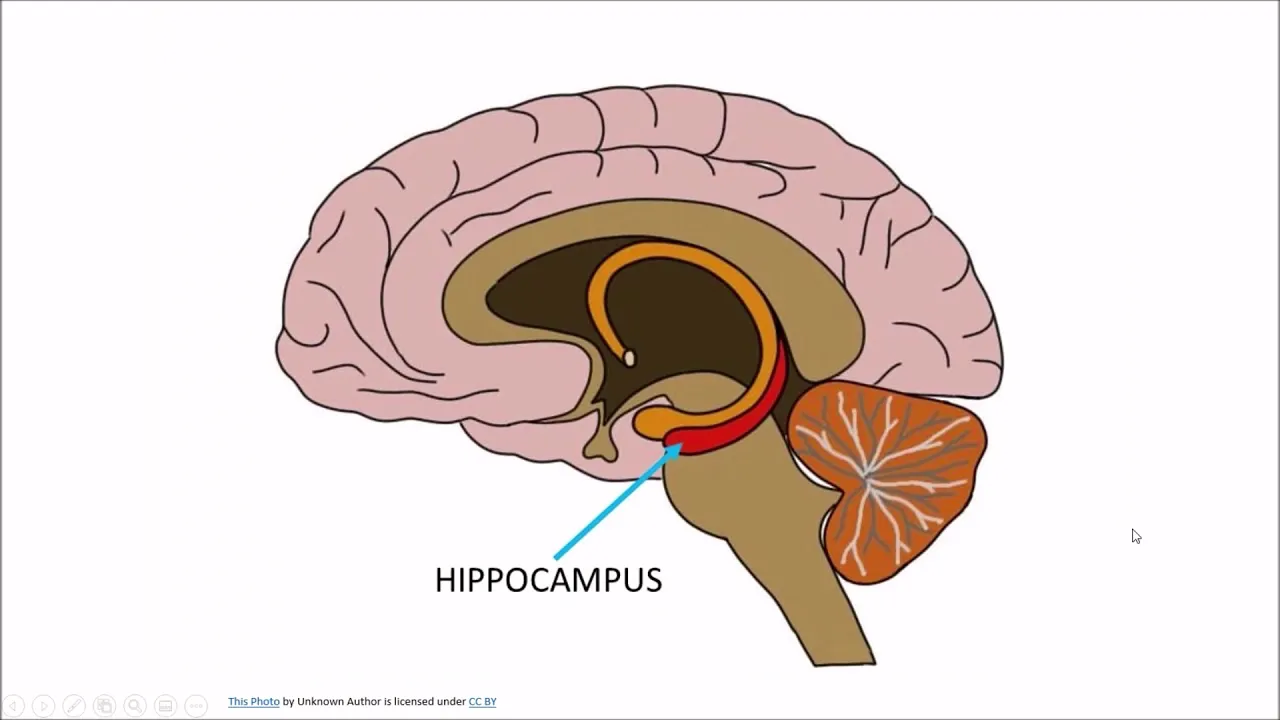
What is neurodegeneration?
TheSheekeyScienceShow
3K views•2019-08-19
IPL - Ruth Empson "Mind the Gap"
otagouniversity
251 views•2019-07-08
How our body shapes our mind | Pancho Tolchinsky | TEDxNapoli
TEDx
2K views•2019-12-05
Impact of Early Life Deprivation Danielle Stolzenberg Marcus Pembrey Bruce McEwen
uctv
4K views•2019-12-01
β-Caryophyllene for Parkinson’s: Protecting Dopamine & Easing Symptoms
parkinsonsdiseaseeducation
6K views•2025-08-09
New Insights from Inside the Brain with Rodrigo Braga, PhD
NUFeinbergMed
421 views•2025-04-14
Highlights for dystonia • 2025 MDS Congress
movedisorder
145 views•2025-10-27
Animal Welfare Synergy Series: Dr Tom Smulders on hippocampal neurogenesis
costactionlift
135 views•2025-07-14
Trending

Playstation NO DISC/NO BUY Fight Is Over...
DavidJaffeGames
4K views•2026-07-23

Steam and Xbox Just Dropped The Hammer On PlayStation
OhNoItsAlexx
9K views•2026-07-23

Americans Confused in Australia for 17 Minutes Straight
IWrocker
17K views•2026-07-23

SuperBike Factory Has Gone... What's Next for the Motorcycle Industry?
thatbikersimon
11K views•2026-07-22