This documentary explores various infectious diseases affecting humans, including hantavirus pulmonary syndrome (caused by hantavirus from rodent contact, with 50% fatality rate), ciguatera poisoning (from marine fish toxins causing neurological symptoms), and babesiosis (a tick-borne disease causing red blood cell destruction). The video also examines health challenges for seniors over 80, including weakened immune systems (40% lower than in their 50s), reduced cellular regeneration, and organ function decline. Key preventive measures include avoiding rodent contact, being cautious with certain fish, using tick repellent, maintaining proper nutrition (1.2g protein per kg body weight), regular exercise, and seasonal health management, particularly during winter when mortality rates increase 1.5 times for those over 80.
Monsters Inside Me Full Episodes |S06E08 The Backyard Killer Documentary | Medical Examiner 2026
Added:I pleaded with the heavens for him to survive.
>> Nature's deadliest organisms.
One bite can be deadly.
They hijack our bodies.
>> How could this be happening?
>> Disable our immune systems.
>> He was dying and he knew it.
>> And eat us from within.
>> I would not wish this on anybody.
For those infected, Katherine Allen is a divorce who lives in the remote community of Bishop, California in the foothills of the Sierra Nevada mountains.
>> People come here because it's a really beautiful place to live. It's a beautiful community.
>> She has two teenage children, Anna and Jordan.
>> One thing I love about both my kids [music] is that they're kind people.
Anna is 19 and she's just a very kind, good person. Jordan [music] is 15 and he's creative and athletic. He's just [music] your classic teenager.
[music] Catherine shares custody of the two kids with her ex-husband, David Herps. Both are trying to help [music] the kids adjust. Catherine and I have managed to arrange our lives in such a [music] way that both Anna and Jordan do spend time with both Catherine and myself.
>> It's the end of the summer.
The kids are with Catherine for the weekend.
>> Jordan sat himself down at the kitchen [music] table and he had a skateboard repair project. I think he was switching out his wheels from one skateboard to another.
He was like, "Mom, I'm not feeling very well."
He complained of feeling achy, like he was getting a cold. [music] He just kind of said, "Mom, no, I'm done. I'm going to go downstairs and [music] go to my room and go to bed."
But his evening is anything but restful.
That night he did get progressively worse.
He was breathing really shallowly. He [music] was sort of he just he wasn't taking a deep breath.
That's what started to get me a little concerned. I was like trying to nudge him awake and I was say Jordan, you know, breathe. You need to breathe. I could feel how fast his heart was beating.
That was when I was feeling like, "Okay, I'm taking him in." In in the morning, the next morning, [music] Catherine is getting Jordan ready to go to a local healthc care clinic.
[music] >> I wanted them to check this out. I want to make sure, you know, he's okay.
So when it came time to actually [music] leave to get to the appointment, he told me, "I'm not sure I'm going to be able to walk to the car, mom."
That was actually when I realized how weak he was. And so all the alarm bells started going off. Then >> Catherine helps Jordan to the car and drives him to the doctor's office.
>> When we got to the clinic, they put the little monitor on to measure the oxygen [music] in his blood.
Normal blood oxygen levels are between 95 to 100%.
>> And [music] that was when things got really serious really fast because it was at 86% [music] which is very low.
It was very clear to me that Jordan had scared them. By then they were already calling the ER to send him over because they wanted him to have a chest X-ray.
>> Catherine alerts [music] her ex-husband, David.
and he rushes to the ER to join them.
>> Even though there were differences between us in the past, [music] at this point in time, I think we knew we just all needed to pull together.
>> Doctors X-rayed Jordan's chest and a few minutes later, [music] the results come in.
>> Jordan's entire lungs were fluffy. The whole X-ray was showing as white. The doctor said, "We think this could be a kind of pneumonia."
>> Pneumonia is a severe infection of the air sacks in the lungs.
>> These sacks fill with fluid causing fever and difficulty breathing.
>> It was pretty severe and there was really something to be very concerned about.
>> Doctors place Jordan on oxygen and run a battery of tests to find out what's causing his [music] mysterious lung problems.
He was trying to breathe, trying to breathe, [music] and it just was getting harder and harder for him.
>> The hardest part of that was seeing him struggling so much and seeing him starting to recognize that he's wearing out physically.
>> He turned to me and say, "Mom, I'm dying.
With Jordan fading fast, doctors resort to drastic measures. [music] >> They told me they were going to put him in an induced coma and intubate him.
>> Intubation is an emergency procedure where doctors insert a plastic tube into the airway to bring oxygen directly to the lungs.
>> He was scared. [music] That is the hardest part for me as a mom is that he was he was dying and he knew it.
>> Doctors induced Jordan into the coma and the next morning they metac him to a specialist hospital 200 m away.
There, infectious disease specialist Dr. Dean Blumberg takes on the case.
He was already on a respirator. He was already getting supplemental oxygen. And yet, all that wasn't enough.
>> With still no indication as to the cause of Jordan's [music] life-threatening pneumonia, doctors run a specialized blood test.
>> We got this blood test [music] back and we had the diagnosis and they told Jordan's parents it was honorirus pulmonary syndrome.
It's seared in [music] my memory.
It's like your emotions can't catch up with it. [snorts] >> Haunt virus pulmonary syndrome is caused by the scene nomere haunt virus.
Inside Jordan's body, the haunt virus is attacking the air sacks across his lungs and causing the surrounding blood vessels to burst.
As fluids from the blood fill his lungs, the air sacks can't get oxygen into his bloodstream, leading to his difficulty breathing, pneumonia, and critically low oxygen levels.
>> Knowing the diagnosis [music] didn't make Jordan's prognosis any better because HT virus is a real killer.
>> I know mothers lose [music] their sons and and they make it through and they and they keep going, but I [music] can't imagine it. I just can't imagine it.
>> What makes haunt virus so deadly is the sheer speed at which it multiplies.
Infections [music] can lead to respiratory failure in as little as 24 hours. In 50% of cases, hont virus pulmonary syndrome is fatal.
It was horrific because [music] it's such a fatal disease. That was awful.
I pleaded with the heavens for him to survive.
>> But Dr. Blumberg has yet another piece of bad news. [music] >> There is no specific treatment for it.
We don't have a drug that kills the virus.
[music] We needed to make sure that we supported all of his body functions until his own body would be able to heal itself.
To [music] give his immune system time to adapt to the viral infection, doctors must take a drastic step.
>> If he wasn't able to get enough oxygen in his blood, [music] we'd have to do it for him. So, at that time, the decision was made to [music] take the blood out of the body, insert oxygen into the blood outside of the lungs, and then [music] reinsert that oxygenated blood into the body.
With Jordan attached to a lung bypass machine, his parents wait by their son's side.
>> The vigil began to be by him and with him, touch him and hold him and speak to him.
>> He just felt like his soul was very far away.
But despite their best efforts, Jordan's condition continues to get worse.
>> He wasn't getting enough oxygen. His [music] heart was beating wildly and ineffectively and then eventually stopped beating.
>> In the ICU, teenager Jordan Herst is barely clinging to life.
>> There must have been 30 or 40 people in that room. It was just a crowd. And then the doctor came out.
I I didn't know what I would hear. I didn't know what [music] he was about to say.
I didn't know if he was going to say that Jordan was alive or not.
Jordan's heart had stopped for 6 minutes.
And we had to do CPR [music] and we had to shock the heart twice to get it going again.
I do remember really clearly, you know, David just saying he said they're not [music] going to let him die.
>> And in that sense, I think it brought us all together.
>> For 3 [music] days, Jordan remains on life support.
Then Dr. Blumberg sees a breakthrough.
>> On the fourth day, we saw signs of recovery.
>> [music] >> So they take him off the ventilator to see if he can breathe on his own.
[music] >> They let us all gather around. They bring him up out of the narcotics dose.
And as he's waking up, they just [music] rip the tube out.
And he did wake up. [music] >> [cough] >> I felt really pretty confused at first, but it was nice to see that everybody was here.
>> His first question was, "Will I be able to snowboard again?"
[music] >> Seeing him die and come back to life was miraculous.
>> And it was it was a pretty amazing moment.
Hont virus can be found in rodents, particularly deer mice, cotton rats, and white-footed mice.
Humans can become infected when they come into contact with the feces, urine, or bodily fluids of an infected rodent.
The family [music] believes Jordan contracted haunt virus in their own backyard.
>> [music] >> There's this old mining equipment back behind the house we used to live in. I looked down and I remembered seeing some mouse droppings. I'm sure those were there. That's I think our [music] best guess as to where I got Hivirus.
>> 10 days after Jordan emerges from the coma, doctors discharge him from the hospital.
>> It [music] wasn't really that bad for me after I woke up. I got to sleep through all the traumatic parts.
>> Today, [music] Jordan's life is back to normal.
>> It's really [music] amazing seeing Jordan return to full health.
He's strong [music] and healthy and happy and really well adjusted.
[music] I think for Catherine and I having survived [music] the experience together with Jordan makes us realize how important he is to us.
>> When your child is on death, like doesn't matter that you got [music] divorced or you haven't dealt with this yet or whatever it is, it just became non-issues. We've been able to move forward with our lives and Jordan [music] gets to spend time with all of his families. Now >> hivirus is rare. Since its discovery in 1993, fewer than 700 human infections have been reported in the United States.
The vast majority of those cases occurred west of the Mississippi River, predominantly in rural areas. To prevent infection with haunt virus, the National Institute of Health recommends avoiding close contact with rodents and rodent droppings.
It was freaky looking.
Something is controlling me.
>> Susie Cooney and her partner Tommy Cowan live on the Hawaiian island of Maui.
>> I really love the sunshine.
[music] Get the nice dose of vitamin D that makes you feel good inside.
It's just a lot of fun. It's great weather every day, like endless [music] summer.
Tommy works in organic farming and Susie is a personal trainer.
And when she's not working, Susie also loves spending time in the water.
>> I [music] love surfing, kiting, and stand up paddle boarding.
>> To be able to go surfing with your girlfriend, I just thought that was the coolest thing in the world.
Though they share their hobbies, their personalities couldn't be more different.
>> Tommy [music] is more going with the flow. I like to know what's happening.
>> Susie knows what she wants to do and she makes a plan to [music] get there step by step by step.
>> We are night and day. I think that's kind of the ying and yang that keeps us flowing. [music] >> It's a summer afternoon. Susie has just finished paddle boarding with her friends.
>> It's a beautiful day. It's a great day with my friends and so thankful to be on Maui.
We get in the parking lot and I put my board down and get in my truck.
I take a swig of water and I look in the mirror. I thought, "Wow, my lips were so swollen."
I didn't really feel anything weird.
>> [music] >> It was just the visual thing of my lips being large.
I thought, "Did you use a new sunscreen or did you have a new lip balm reaction or something?"
>> Sus's friends also noticed the unusual swelling. [music] >> We were all standing around. They were kind of making fun of my lips and I was kind of having fun with them back and like whatever.
[music] And then I noticed like, "Wow, my arm is on fire."
I actually lifted up my rash guard and I said, "Look, you guys, do you notice anything? It hurts." [music] They go, "No, but it it looks kind of red." And they said, "Did you get stung by a bee?" And I thought, "No." "Did you fall off your board? Did Jolly fish sting you?" And I said, "No, I didn't even fall once. I've never had this experience in my life. It really freaked me out." And so we all concurred that I should go get checked out.
So Susie stops by her doctor's office on the way home.
>> I was able to see the internist on call.
She looked at my arm, looked at my lips.
She went through the normal questions and protocol. What did you eat? Do you remember drinking anything or getting stung by an insect? I said no.
The doctors found the arm was an insect bite or something brushed on me in the water. And the doctor's treatment was an antihistamine. [music] I was hoping that would do the trick. I wanted to move on and get on with my life.
>> Susie returns home [music] and begins taking the medication.
>> I share with Tommy what had happened to me. I said, "Look at my arm. It's all red and it it hurts."
>> There was a slight discoloration, but nothing huge. I did not have a lot of concern. I thought, "Okay, it's kind of a weird thing. It'll go away."
>> We just both kind of brushed it off. We really didn't think about it too much.
>> But the antihistamine does not relieve Susie's symptoms.
>> A few days later, Susie and Tommy are out with friends when things come to a head.
>> I was sitting at the table with my friends having a great night. I noticed that my legs were starting to feel very irritated and very hot and it hurt to have [music] pants on. I felt like the fabric was actually causing the burn.
I wasn't sure what was happening to me.
I thought I am really upset. I feel I'm getting worse.
>> She was complaining about this burning sensation going on.
It got to the point where she wanted to leave. It was a pretty tough night for Susie. Probably would have stayed later, but it's time to go.
>> Tommy and Susie cut the evening short and return home.
There, Susie takes a cold shower.
At first, it felt like, oh, this might help, but then it felt like this kind of an unusual sensation. I felt kind of hot and kind of cold at the same time and I was changing the temperature to try to regulate to my body and I couldn't tell what is hot and what is cold.
I thought, how strange is that?
In Hawaii, Susie Cooney is suffering from a bizarre rash and strange sensations of hot and cold on her skin.
Unsure of what to make of her [music] symptoms, she turns to her partner, Tommy.
>> She asked me to feel her skin [music] and it felt normal. Susie's body wasn't radiating any heat.
Her asking me this stuff, it was always puzzling. It's like, "Honey, no, you look it looks fine. It doesn't feel hot." But it was confusing.
Neither one of us knew what it was.
>> So, to soothe the sensations, they put aloe on her legs and arms and go to bed.
The next morning, Susie and Tommy are in their home gym.
>> I did a little spin bike and all of a sudden, I felt very strange.
I was feeling this intensified pain on my left arm.
And now my right leg appeared to be swollen. And I thought, "This [music] is crazy. I don't know what to do.
It was swollen noticeably the like the whole leg.
It was freaky looking.
Seeing a physical symptom like this, I started thinking about it more seriously.
[music] >> That night, Susie is trying to relax in the living room.
>> It had been a really tough night. I had to cancel a week's worth of clients and I've never done that even for a cold.
The burn had moved from my arms to my legs [music] to my chest and to my back.
The pain, I couldn't describe it. I couldn't escape it. I didn't know what to do. I just spent time sitting in the living room just trying to be calm.
I remember coming home and finding Susie just sitting in a chair in the living room and just crying.
[music] Here's this person in this much pain and you can't do anything for him other than just being there and holding her.
>> He would sit with me and he would hold my hand.
It would really help in those times.
And at that point, I said, "Okay, let's let's go get this checked out. [music] It was time to to take a look."
>> The next day, Tommy takes [music] Susie to meet Dr. Frederick Sans.
When she came in, she was having this [music] intense burning sensation. There was some redness to her skin.
I [music] wanted to get in there and get to the bottom of as fast as I could.
>> Dr. Sans probed Susie on her unusual symptoms.
I explained to him about my lips swelling up and I said, "My arm is constantly red and it's not getting any better."
>> But for Dr. Sans, one symptom in particular stands out.
>> She had a temperature reversal sensation where cold may feel hot in particular.
[music] >> For Dr. Sans, this is a telltale sign.
>> Her symptoms are consistent with cigarette poisoning.
Who heard of Sigotera? I mean, I didn't even know how to say it.
>> Seuatera poisoning is caused by the toxin Gambir discus toxicus.
Inside Suz's body, the toxins connect to the cells of her nerves and muscles and tear them apart.
This leads to Suz's bizarre swelling, burning, and unbearable skin pain.
Having something inside me, [music] it's a weird thought to have something that I can't control that is controlling [music] me.
What do I do to get rid of it? Cuz I cannot live like this.
>> Gambir discus toxicus produces one of the most powerful toxins in nature. What makes the toxin so deadly is its ability to disrupt communication between nerve cells and muscle tissues. In extreme cases, Gambir discus toxins can lead to respiratory failure, heart attacks, and even death.
[music] Toxic powers, debilitating neurological symptoms.
I didn't know what to think.
I was kind of an emotional wreck.
>> I would not wish this on anybody.
>> Maui local Susie Cooney has just been diagnosed with cigera poisoning.
But there's even worse news.
>> There is no cure for cigutera [music] poisoning.
Most people who have cigar poisoning, they get sick, they recover from it. But Suz's condition is significantly more severe.
>> He said there's no way to treat it. Some people have it for years and years.
That's just unfathomable. Like, you're kidding me.
>> Knowing that I can't control this thing inside me. I didn't know how to deal with that.
Your life does flash before your eyes.
>> The microorganism Gambia discus toxicus lives on marine algae. The Gambio discus toxins enter the food chain when the contaminated algae are eaten by fish.
When humans eat contaminated fish, the toxins can cause seguera poisoning. The fish species most commonly associated with the condition are barracuda, sea bass, snapper, and mullet.
Susie believes she became poisoned a few days before her symptoms began while eating at a seafood restaurant.
>> Living in the islands, we eat a lot of fish. I guess >> you don't think of it when you walk into a restaurant and order something that's very commonly on the menu and enjoyed [music] to then go home and have years of suffering.
>> Dr. Sans can only give Susie painkillers and [music] hope that her symptoms clear up over time.
But the painkillers have limited effect.
Today, [music] 4 years later, Susie has learned how to cope with the pain.
I've had to make some adjustments in my life. It's very rare that I have a totally non-symp day. It's affected [music] me in my life from physical to emotional to intimate.
When your boyfriend can't hug you because it hurts, that's hard.
>> But [music] she is driven and she's not going to let this thing [music] keep her from doing something if she really wants to do it.
>> And her relationship with Tommy is stronger than ever before.
>> Tommy has been an amazing [music] boyfriend.
It has brought us closer. and he can look in my eyes and he can tell [music] when I'm having a bad day. I'm very grateful and I love him for that.
Gambir discus toxins are the most commonly reported marine toxins in the world, affecting more than 50,000 people worldwide every year, mostly in the tropics.
The toxin cannot be detected by smell or taste and is not eliminated by cooking.
According to the CDC, travelers to tropical and subtropical regions should avoid eating fish heads, fish liver, and row as these are the parts of the fish where the gambier discus toxin tends to be the most concentrated.
>> She could be in immediate risk of death.
>> Oh my god, she could be already dead.
>> [music] >> Dan Chicklas lives in Ferndale, Michigan with his partner Melissa [music] Duffy.
Melissa is a very loving person. Just likes to see everybody happy [music] and doing well.
I think Melissa puts others interests before her own.
Melissa works at a health retreat [music] and Dan works on a cargo ship.
>> I'm a helmsman, so I steer the boat.
It's a great job and I enjoy making my money in chunks of time and then be [music] able to take extended periods of time off. I do miss Melissa when I'm away, but it makes the heart grow fonder.
>> Melissa is a cancer survivor. [music] It hit me pretty hard.
>> Since Melissa went through cancer, [music] you know, I find that I've become kind of a guardian angel with her health.
>> It's August.
Dan is returning [music] from a tour at sea and is on his way to meet up with Melissa at her health retreat.
>> I caught a train and took it to upstate [music] New York.
When I got off the train, there she was.
We hugged and we were very excited.
But when I saw her, she just seemed very exhausted.
I thought she [music] would, you know, have full of energy and want to do things. I maybe sensed a little bit of the tiredness, [music] but I wasn't alarmed. I said, "Let's go get some beer and some pizza."
>> They enjoy their night out.
[music] But the next day at the campsite, Dan notices something odd. In the morning, she had to kind of soaked sheets a little bit by sweating. I thought some people sweat a little bit more than other people. Maybe she had too many blankets on her, so I didn't really think it was [music] a that big of a deal, but I I did notice it.
The couple stays two more days until the end of Melissa's tenure at the retreat, and they travel back home to Michigan.
But the first morning home, Dan notices that Melissa is not feeling well.
>> Melissa can tolerate a lot of pain. And I think she covered her illness pretty good with me until she couldn't anymore.
And I would take her temperature and it peaked at 103.
And that's a fever.
With Melissa in remission only four years, there's another fear.
[music] You >> know, it did cross my mind a little bit that maybe cancer had come back.
>> Dan gives Melissa acetaminophen for the fever and makes a suggestion.
I was concerned and I said, "Well, we should go to the clinic." And she didn't want to go.
No reason. just no, I don't feel like going. I was actually getting a little angry with her.
>> The next morning, Dan [music] checks her temperature again.
>> Her temperature had now dropped below body temperature down to 94.
And I knew that wasn't good either. She got a temperature going the wrong way.
We can't deny this now.
And it's like, yes, we're definitely going to the doctors. Let's go.
Melissa Duffy is suffering from a mysterious ailment that is causing her body temperature to fluctuate wildly.
Concerned for her well-being, Melissa's partner, Dan, rushes her to the hospital.
>> There, infectious disease specialist, Dr. Matthew Sims, takes on her case.
>> Melissa, she was pretty sick when they called me. Just looking at her, the first thing you could notice is that her skin and her eyes were yellow. Also known as jaundice, the yellowing of the skin and eyes occurs when the body fails to process broken down red blood cells.
>> It can be caused by a variety of serious illnesses.
>> It's a pretty significant finding, especially in a relatively young woman.
>> Through my limited knowledge of jaundice, I'm thinking, okay, well, I mean, this was just the first stages of her liver and kidneys shutting down.
I guess I was a little bit more worried.
>> Dr. Sims continues to examine Melissa.
[music] When I got to the abdominal exam, I noticed a scar on her left side.
>> When the doctor mentioned that, you know, it was the first thing that came out of my mouth, like, hey, she don't have a spleen.
though it's not a vital organ. The spleen removes damaged blood cells and foreign organisms.
>> He mentioned that that was from the cancer and that she had her spleen removed several years ago and that raised alarm bells in my head.
Without the spleen, we were very worried that she had an infection in her blood.
Dr. Sims runs a battery of blood tests.
[music] And while he waits for the results, he puts Melissa on broadspectctrum antibiotics.
[music] After a few hours, Melissa's condition appears to stabilize.
Nevertheless, doctors keep her overnight for observation.
I was pretty relieved at the emergency room experience. [music] I felt she was in good hands.
I went home that night feeling pretty good.
>> But the next morning, Dan wakes up to something startling.
>> I woke up at 7:00 and I just checked my phone and saw that I missed a phone call from the hospital at like 4:45.
I was like, "Wow, how did I miss a call?"
I checked the message. It was a call saying, "You should come to the hospital. It's emergency."
And that was it was a short message like, "Oh my god." You know, cuz I didn't know she could be dying in the hospital. She could be already dead.
And I got scared.
>> Dan rushes to Melissa's side.
>> She was hooked up to life support.
I said, "Wow, I didn't realize she was this sick."
[music] When the blood test came back, it indicated her blood cells were breaking down.
And when blood cells break down, you lose your ability to carry oxygen into your organs. And that, of course, is very bad.
At this point, she was in multiorgan failure, and we were very concerned that she could be in immediate risk of death.
He said, "Okay, 90% of her kidneys is shut down. Her liver is shut down."
>> I was like, "Geez, how could this be happening?"
>> Later that afternoon, blood cultures reveal the culprit. [music] >> As soon as I saw these results, I realized that Melissa was in real trouble.
>> Melissa had besiosis.
Babesiosis meant nothing to me. It's just like, wow, this ain't good. Wow.
>> Babziosis is a disease caused by the parasite besia microi.
Inside Melissa's body, the bzzia parasites travel through her bloodstream and invade her red blood cells. There, they multiply and cause the cells to burst.
As the parasites continue to flood her bloodstream, they deprive her body of oxygen, leading to her fluctuating body temperature, jaundice, and multiorgan failure.
>> I was truly devastated.
>> What makes the besia parasite so effective is their ability to avoid the body's defenses by multiplying inside the red blood cells. It's only when the red blood cells rupture and the parasites are released into the bloodstream that the immune system can detect them. Over time, infection with bzzia parasites can lead to severe anemia, organ failure, and death.
>> To save Melissa's life, Dr. Sims must take extreme measures.
>> Treatment for this infection is two antibiotics together, clintomy and quinine. But severe cases such as this when this much of the blood is infected, we take out the infected blood and replace it with donated blood.
>> For 3 days, doctors replaced 2/3 of Melissa's blood.
>> I was a quite a mess inside [music] over it.
Melissa was out of my hands at that point, you know.
>> [music] >> I was uh I don't know, man. I don't know.
>> Oh man. Okay.
>> In the ICU, Melissa Duffy is battling the deadly besia parasites.
to save her life. Doctors have taken the radical step of replacing 2/3 of her blood.
Then one morning, Dan witnesses something encouraging.
>> The nurse kind of rigidly shook Melissa [music] just to get her attention and said, "Melissa, if you can hear me, you understand? Wiggle your toe."
[music] and Melissa wiggled her toe. [music] And that was that was a moment of joy.
>> When I opened my eyes, [music] Dan was sitting at the end of my bed and all I could say was, "What?
What?" [laughter] But I had a tube down my throat, so I couldn't really speak.
>> I think we even clapped our hands and hugged and we were going to make it through. [music] Life was good. We're on the men.
>> A week and a half later, Melissa is allowed to go home.
>> The besia micro parasites are typically carried by deer ticks. Humans become hosts for the parasites when bitten by an infected tick.
Babzia parasites are most common in the northeast of the United States.
Melissa believes she contracted the infection a month earlier while she was working at the holistic retreat in upstate New York.
>> I was checking people into the workshop spaces and this tick landed on the clipboard and I made a deal with the tick. I said, "Listen buddy, I won't kill you. Just tell your friends to stay away from me. I don't want Lyme disease." But I wasn't specific enough.
I didn't realize that ticks carried other diseases that I could possibly get.
I was in nature all the time. It could happen anywhere.
>> Today, a year later, Melissa [music] has completely recovered from her bout with besiosis.
>> I definitely appreciate life more. I feel really lucky that I've [music] faced death and I'm still here.
>> Every year in the United States, there are around 1,700 reported cases of besiosis. The CDC recommends that those living in or traveling to endemic regions take steps to avoid being bitten by ticks. When walking in woody, brushy, or grassy areas where ticks might dwell, use deepbased repellent. And always check for ticks. If bitten, the CDC recommends removing and keeping the specimen in order to help with diagnosis. Have you ever wondered how many more years you can live? And more importantly, how you can live them with health and happiness? In today's video, we're diving deep into the latest medical [music] insights that can help you or someone you care about stay strong and healthy long after turning 80. We'll explore the subtle changes your body goes through as you age, reveal proactive steps to guard against common health challenges, [music] and share practical tips for boosting both your physical and mental well-being.
Stick with us till the end and you'll walk away with life-changing strategies to not only extend your life, but also make those extra years truly meaningful.
These tips are all about improving your day-to-day life and ensuring your later years are filled with vitality, joy, and fulfillment. Whether you're approaching this milestone or you're already in the thick of it, this video is packed with essential advice that can make a huge difference in your everyday routine.
Don't miss out. Watch till the end and take the first step toward a healthier, happier future. If you're not subscribed to the channel yet, now's the time to do so and hit the notification bell so you never miss any of our weekly content.
Your support truly means the world to me. If you enjoyed this video, please consider liking it and sharing it with friends and family. Together, we can help spread these valuable lessons to more people. If this topic resonates with you, leave a one in the comments.
If not, let me know what you'd like to see more of by commenting zero. Your feedback helps me improve and create even better content just for you. Now, let's dive in. How many more years can I live? On a chilly winter morning, 83-year-old Mr. John Harper sat by his living room window, watching the snow gently pile up outside in his backyard.
He let out a deep sigh as he gazed at the white landscape. [music] Just the day before, he had received the heartbreaking news of the passing of his longtime friend, Mr. James Anderson.
James, with whom Jon had spent countless hours playing chess and reminiscing about old times, had passed away unexpectedly. "It had only been 3 months since they last played together. "The changes that happen after 80 are truly overwhelming," [music] Jon remarked softly. his eyes reflecting a sense of worry. Statistics in the US show that over 10 million people aged 80 and above are currently living, making up roughly 9% of the country's population. But the reality is that many of these seniors face rapid health decline shortly after turning 80, dealing with a variety of health challenges. Why does our health change so drastically at this age? John asked his family doctor, Dr. Elizabeth Carter one morning during a routine checkup. Is it possible for people in their 80s like [music] me to stay healthy for a little longer? John's concern was clear and Dr. Carter having known him for years replied thoughtfully. It's true that your body undergo significant changes after 80.
However, with the right understanding and approach, it's possible to live a healthy life well into your 80s and beyond. Recent medical studies have uncovered three key changes that occur with aging, [music] as well as one surprising factor that affects senior health, the seasons. It turns out the time of year has a much bigger impact on health than we realized. Today, we're going to take a closer look at the latest research and practical steps that can help people in their 80s, like Mr. Harper, navigate these health changes.
Whether you're approaching this milestone or are already experiencing it, this guide will provide valuable insight into protecting your health and the health of those you care about.
Silent decline of physical functions.
After turning 80, our bodies undergo significant, often subtle changes, many of which happen without us even realizing it. Much like the gears of an old clock gradually losing their precision, various bodily functions begin to decline over time. These changes are often as quiet as shadows creeping across the room, and by the time we notice them, they may have already progressed far. This gradual decline is commonly referred to by the medical community as the body's overall fatigue. [music] Recent studies reveal that this phenomenon typically manifests in three critical areas. weakened immune system, decreased cellular regeneration, deterioration of major organ functions.
Let's begin with the immune system.
After reaching the age of 80, the body's defense mechanisms are significantly weaker. What was once a simple cold or a mild flu can now become a serious threat. According to recent data, the immune strength of people over 80 is on average about 40% lower than it was when they were in their 50s. This makes seniors more vulnerable to infections and diseases that they might have easily fought off in their younger years. Next, let's look at the decline in cellular regeneration. When we're young, cuts and bruises heal within a matter of days, [music] and we bounce back quickly from physical exertion. However, for those over 80, healing takes longer, sometimes weeks instead [music] of days. This slowdown in the body's ability to repair itself is not just limited to the skin.
[music] It affects all tissues, especially the brain. Cognitive functions such as memory and mental clarity begin to suffer as the brain's ability to regenerate cells diminishes.
Studies show that after 80, the brain's capacity to repair itself is reduced to about onethird of what it was in youth, contributing to the common memory lapses and slower thought processes that many seniors experience. Finally, we see the deterioration of major organ functions.
Key organs like the heart, kidneys, and liver gradually lose their efficiency as we age. Medical research has shown that an 80-year-old's heart pumps about 30% less blood with each beat compared to when they were younger. This reduced blood flow means that organs and tissues receive less oxygen and fewer nutrients, which can affect overall health and stamina. Interconnected changes and preventive measures. What's particularly noteworthy about the changes our bodies undergo after turning 80 is how interconnected they can be. These changes don't occur in isolation. They often trigger a cascade of decline that affects multiple systems at once. For example, a weakened immune system increases the risk of infections, which can then worsen the functionality of organs like the heart and kidneys.
Similarly, reduced cellular regeneration not only slows down the healing process for minor wounds, but also affects the repair mechanisms of organs, leading to a decline in overall health. However, it's crucial to understand that these changes don't happen overnight. Rather, they progress slowly over time. The key to mitigating their effects lies in early recognition. By identifying these changes early on and taking the right actions, the rate of decline can be slowed and in some cases even reversed.
Recent medical research highlights the importance of maintaining healthy lifestyle habits, [music] which can reduce the rate of functional decline by up to 30%. Specific actions to help slow down this process include sticking to a regular daily routine, getting enough sleep, eating a balanced diet, and engaging in moderate exercise. All of these practices are essential in minimizing the negative impacts of aging on the body. Protein intake. Among these, one of the most important aspects of maintaining health after 80 is protein intake. Nutritional studies have shown that older adults need more protein than they did in their younger years. Experts recommend that people over 80 consume about 1.2 times the amount of protein they did when they were in their 50s and 60s. Protein plays a vital role in preserving muscle mass, supporting immune function, and promoting cellular repair. With muscle loss being a common issue in older adults, ensuring adequate protein intake can significantly impact overall strength and health. If you are still watching this video and find these lessons useful, please comment one below to let me know that you are still here with me. In addition to proper nutrition, regular health checkups are indispensable for detecting subtle bodily changes. Early detection through routine blood tests, electroc cardiograms, and other screenings can help prevent serious health conditions from developing. These checkups are crucial in keeping track of internal changes that may not be immediately noticeable, but could signal underlying problems. Medical experts emphasize that even in your 80s, if you stick to a healthy lifestyle and engage in regular health management, significant improvements in bodily functions are possible. However, the key is to avoid overexertion.
It's essential to start slowly, make adjustments based on your physical condition, and gradually build up your strength over time. This measured approach is the secret to maintaining long-term health and independence. The three major threats and preventive medical research. Preventive medical research has brought into focus three major health threats that [music] commonly affect those over 80. According to the latest epidemiological surveys, cardiovascular and respiratory diseases are responsible for a staggering 82% of deaths among seniors in this age group.
These illnesses, heart disease, stroke, and lung [music] diseases, have long been the leading causes of death among the elderly, but they are also among the most preventable. By following a proactive approach, maintaining a heart-healthy diet, staying physically active, and managing stress, seniors can significantly reduce their risk of developing these life-threatening conditions. Additionally, regular screenings for heart function, lung health, [music] and blood pressure can catch early warning signs before they become critical health issues. The future of aging well lies in the growing body of research that emphasizes prevention over treatment. With the right lifestyle choices and medical oversight, it's possible to live a long, healthy, and fulfilling life well into your 80s and beyond. Cardiovascular diseases. First, let's take a closer look at cardiovascular diseases, which remain a top concern for seniors.
hypertension, high blood pressure, arterioclerosis, hardening of the arteries, and heart disease account for nearly half, around 49.7% of deaths among those over the age of 80. What makes these diseases particularly worrisome is how they can strike suddenly, often leading to heart attacks or strokes without much warning.
It's not uncommon for older adults to suddenly experience chest pain, shortness of breath, or dizziness, and quickly find themselves in a life-threatening situation. Medical professionals agree that the most important factor in preventing cardiovascular diseases is managing blood pressure. Even after turning 80, it's essential to monitor your blood pressure regularly. If your systolic blood pressure, the top number, exceeds 140, it's time to consider lifestyle changes or medical interventions. Simple yet effective steps like reducing salt intake and maintaining regular physical activity can make a big difference. For example, reducing your salt intake to below 6 g per day and taking a 30inut walk each day are key strategies that can dramatically lower the risk of heart disease, stroke, and other cardiovascular issues. Cancer.
Next, let's talk about cancer, which is another major health threat for seniors.
Cancer accounts for about 99.5% of deaths among individuals over 80. But what makes it particularly concerning is how easily it can go undiagnosed until it's too late. One of the reasons for this is that early cancer symptoms are often mistaken for normal aging signs.
For example, weight loss due to cancer might be brushed off as part of the natural aging process. Medical research underscores the importance of regular screenings for cancer, especially for common cancers like those of the stomach, colon, and lungs. Even after turning 80, don't skip your regular checkups. Early detection can make all the difference in the successful treatment of cancer. Be vigilant about changes in your body such as unexplained weight loss, persistent pain, unusual fatigue, or a sudden fever. If any of these symptoms arise, it's critical to seek medical advice promptly as early treatment offers the best chance of survival. Respiratory diseases. The third major health concern for seniors is respiratory diseases, which account for about 13.7% of deaths among those over 80. Respiratory illnesses require special attention as the body's ability to fight off infections declines with age. After turning 80, lung elasticity decreases [music] and the ability to absorb oxygen diminishes. This means that even minor respiratory infections [music] like the common cold or flu can quickly escalate into more serious conditions such as pneumonia. Research shows that pneumonia in the elderly often progresses faster than in younger people. Even when symptoms seem mild at first, this makes it essential to treat respiratory illnesses quickly before they can become life-threatening.
Preventive measures are critical for reducing the risk of respiratory diseases. First and foremost, make sure to get your annual flu and pneumonia vaccines. These vaccines can drastically reduce your chances of developing serious respiratory infections.
Additionally, [music] maintaining good oral hygiene is often overlooked, but can play a big role in reducing the risk of aspiration pneumonia. Regularly brushing your teeth and flossing helps prevent harmful bacteria from entering your lungs, especially when you're more vulnerable to infections. Common preventive measures for the three major threats.
The most important takeaway when it comes to these three major health threats is the value of early detection.
By the time many symptoms manifest, it's often too late to address the problem effectively. This is why regular health checkups are essential. Blood tests, electroc cardiograms, ECGs, chest X-rays, and other screenings can help detect abnormalities before they become serious. In addition to regular screenings, adopting healthy lifestyle habits is crucial for mitigating the risks of these diseases. Quitting smoking, getting regular exercise, and eating a balanced diet are all fundamental to protecting your health. A well-rounded lifestyle not only supports your immune system, but also helps manage weight, lower blood pressure, and reduce the risk of chronic diseases like diabetes, cancer, and cardiovascular conditions. Dietary recommendations.
One of the most effective ways to combat age- related health issues is through a proper diet, particularly one rich in antioxidants.
Studies have consistently shown that incorporating foods like green leafy vegetables, fresh fruits, and fatty fish into your meals can significantly reduce the risk of chronic diseases, including cancer and cardiovascular problems.
These foods are packed with vitamins, minerals, [music] and healthy fats that help fight oxidative stress in the body, which is a major contributor to aging and disease. For example, leafy greens like spinach, kale, and collard greens are rich in vitamin K, which plays a critical role in maintaining strong bones and cardiovascular health. Berries such as blueberries and strawberries are high in antioxidants that protect cells from damage, reducing the risk of cancer and boosting the immune system. Fatty fish like salmon and mackerel provide omega-3 fatty acids, which are known to support heart health by reducing inflammation and lowering blood pressure. Medical experts agree that even after the age of 80, with proper prevention, early detection, and a balanced diet, the risk of dying from diseases like heart disease, stroke, and cancer can be dramatically reduced. The key takeaway is the importance of early intervention. If you notice any unusual symptoms such as unexplained weight loss, fatigue, or persistent pain, it's crucial to seek medical attention right away. Early detection can make a life-saving difference even in older adults. Winter, a season that threatens life. Winter poses unique risks for older adults, making it the most dangerous season for the elderly. This is a well-known fact among healthcare providers, with many warning that the risk of mortality for people over 80 rises significantly during the colder months. Studies show that the mortality rate for those over 80 is about 1.5 times higher in winter than in summer with the greatest risks occurring between December and February. Effects of cold on the body. The cold weather has several direct impacts on the body and one of the most serious is the constriction of blood vessels. When temperatures drop, the blood vessels naturally narrow, causing a spike in blood pressure. While younger people's bodies can often adjust to these changes, those over 80 have less flexible blood vessels, making them more vulnerable to sudden and dangerous spikes in blood pressure. Research indicates that the incidence of heart attacks, myocardial inffections, and strokes during winter months increases by approximately 1.4 times with cold temperatures being a major contributing factor. In addition to the effects on blood pressure, the cold also weakens the immune system. As the body tries to conserve heat, its ability to defend against infections declines. [music] The risk of viral infections like the flu or pneumonia rises. As colder weather makes people more likely to gather indoors where viruses can spread more easily. Furthermore, [music] the dry air from indoor heating can dry out the mucous membranes in the nose and throat, making it easier for bacteria and viruses to enter the body. Risk of falls. Another critical risk during the winter months is the increased likelihood of falls. Icy sidewalks and snow covered roads present a significant danger, not only for seniors, but for people of all ages. For those over 80 who often experience slower reflexes and weakened muscle strength, [music] the risk of falling is even greater. A fall can be disastrous, leading to fractures or other serious injuries that can significantly decrease the quality of life. Medical research highlights that falls in older adults are a leading cause of hospitalization and can result in long-term health consequences.
Interestingly, studies have shown that elderly people living in warmer climates tend to have a longer average lifespan than those in colder regions. For example, older adults in areas like Southern California, Florida, and parts of the Southwest tend to remain healthier and more active even after reaching the age of 80. The warm weather encourages outdoor activities, which contribute to physical fitness, mental well-being, and a lower risk of falls.
For those living in colder areas, there are steps you can take to stay safer during the winter months. These include wearing non-slip footwear, [music] keeping pathways clear of ice and snow, and ensuring that your home is warm enough to avoid hypothermia. It's also crucial to stay active during the winter months, even if it's indoors. Regular exercise helps maintain balance and coordination, which reduces the risk of falls. Seasonal migration. In response to the research highlighting the risks associated with cold weather, the idea of seasonal migration has been gaining attention. This concept suggests that older adults spend the coldest winter months in warmer regions to reduce the health risks that come with freezing temperatures. While complete migration may not be feasible for everyone, even spending just a few weeks or months in a milder climate can significantly lessen the potential harm that winter poses to seniors. If you are still watching this video and find these lessons useful, please comment two below to let me know that you are still here with me. For instance, some retirees choose to migrate from colder areas like the Northeast or Midwest to states such as Florida, Arizona, or Southern California. These warmer regions are known for their moderate temperatures, allowing older adults to maintain an active lifestyle and reduce the risk of conditions like hypothermia, heart attacks, and strokes, which are more common in colder months. However, if seasonal migration is not a realistic option due to financial, family, or logistical [music] reasons, there are still numerous strategies that can help seniors stay safe and healthy during the winter. Indoor temperature management.
For those who cannot migrate, managing indoor temperatures is [music] key to maintaining health in winter. Experts recommend that bedrooms be kept at a temperature of 18° C 64° F or higher to ensure that the body stays warm throughout the night. Living areas should be kept between 20° C and 22° C, 68 to 72° F, [music] which is considered comfortable for most people. In addition, humidity levels should be kept between 50% and 60% to prevent the dry air caused by heating systems from irritating the respiratory system and skin. Using a humidifier in bedrooms and living rooms can help keep the air moist, which is particularly beneficial for those with respiratory conditions like asthma or COPD. It's also important to keep warm blankets and layered clothing available for comfort. Ensuring that your home is well insulated can reduce heating costs while also maintaining a stable indoor temperature.
Seniors should also be cautious about direct exposure to heating vents as dry heat can cause dehydration and skin problems. Outdoor precautions. When it comes to outdoor activities, there are additional precautions that seniors should take during the winter months.
First and foremost, dressing in layers is essential. Layers help regulate body temperature and they allow individuals to add or remove clothing as needed.
Seniors should pay special attention to keeping their necks, hands, and feet warm [music] as these are areas of the body that are most susceptible to frostbite and cold related injuries.
It's also critical to avoid sudden temperature changes. Before heading outside, seniors should warm up their bodies gradually, [music] either by doing some light indoor stretching or walking around the house. This can prevent strain on the heart and circulation as the body adjusts to colder temperatures. Additionally, ensuring proper footwear with non-slip saws can help prevent falls on icy or slippery surfaces. Health management in winter. When it comes to managing health during the winter, preparation is key.
Medical experts emphasize that the best way to prevent seasonal health issues is through careful planning, ensuring that the home environment is conducive to warmth and safety. Maintaining a regular exercise routine, even if it's indoors, and being mindful of any changes in physical condition are essential steps in staying healthy during the colder months. It's also important to stay on top of routine health checks. Winter can exacerbate conditions like high blood pressure, arthritis, and respiratory illnesses. So, regular checkups are critical. If you feel unwell, don't hesitate to reach out to your health care provider for advice or treatment.
Early intervention can prevent minor issues from becoming major health concerns. Mental health supports physical health. While physical changes often get the most attention after the age of 80, mental health is just as important for overall well-being. Recent studies have shown a strong link between mental health and physical health, especially for older adults. Chronic stress, anxiety, and depression can significantly weaken the immune system, affect circulation, and increase the risk of conditions like hypertension and cardiovascular diseases. One of the significant mental challenges that seniors face is the shift in their social roles. Many people over the age of 80 have spent their lives being the central figure in their families, whether as parents, caregivers, or providers. However, as [music] they age, they often transition to being more dependent on others for support. This shift can affect their self-esteem and sense of purpose, potentially leading to feelings of inadequacy or loss of identity. [music] Research shows that older adults who struggle with these changes are at a higher risk of developing depression with studies indicating that they are twice as likely to experience mental health issues compared to those who can adjust positively to their new role. This is why it's so important to provide seniors with emotional support and understanding during this time. Bridging the generation gap. Another factor that can affect mental health is the growing digital divide. The rapid advancement of technology has created a significant communication gap between older generations and younger ones. Especially as technology plays a larger role in daily life, many seniors feel left behind or isolated because they may struggle with new gadgets, social media, or virtual communication methods that younger generations take for granted.
Interestingly, however, studies have shown that older adults who maintain active social lives, whether in person or online, experience slower cognitive decline. Those who regularly engage in social activities, exhibit a 40% slower decline in cognitive function than those who isolate themselves. This highlights the importance of staying connected with others, whether through group activities, volunteer work, or simply having regular conversations with family and friends. Maintaining mental health.
Keeping the mind sharp is just as important as keeping the body healthy.
Engaging in mental exercises such as reading, solving puzzles, learning new skills, or attending social events can stimulate brain [music] activity and reduce the risk of dementia. Staying socially active also gives seniors a sense of purpose and belonging, which can significantly boost their mental well-being. There are three crucial elements to maintaining mental health.
As we age, mental health becomes just as important as physical health. The transition into later years often brings changes in social roles, health, and routine, which can affect one's emotional well-being. However, maintaining a positive mental state is within our control. Here are three crucial elements to focus on to promote mental health. One, maintaining connections. Human beings are social creatures and maintaining meaningful relationships is essential for emotional stability, especially as we age.
Loneliness and isolation are significant risks for seniors, leading to feelings of depression and anxiety. Research has shown that people who engage regularly with family and friends tend to have better mental health, improved cognitive function, and longer lifespans. In today's [music] world, it's easier than ever to stay connected. Even if family members are geographically distant, [music] regular phone calls, video chats, or virtual family gatherings can help foster a sense of connection. For those living near relatives or friends, face-to-face interactions can be especially valuable. Social engagement, [music] even in small doses, has a profound impact on combating loneliness.
If in-person interactions are limited, consider joining community groups or participating in online forums or social networks that cater to seniors. Many local senior centers offer classes, group meetups, and volunteer opportunities, providing excellent outlets for building social ties. Two, maintaining purpose. Having a sense of purpose in life is incredibly powerful, particularly in later years. Engaging in activities that provide meaning, such as hobbies, lifelong learning or volunteering can significantly improve mental health and overall well-being.
Research has consistently shown that older adults with a clear sense of purpose live on average more than 2 years longer than those without. Hobbies like gardening, painting, or writing can provide an outlet for creativity and self-expression. If you're interested in learning, take up a new language, musical instrument, or online course.
Volunteering for causes you care about not only helps others, but also fosters a sense of contribution and belonging.
One of the greatest benefits of staying engaged in meaningful activities is that it helps keep the mind sharp. Seniors who regularly participate in mentally stimulating activities tend to experience slower cognitive decline, which contributes to better mental health. Three, self-acceptance.
As we age, it's inevitable that we experience physical, emotional, and lifestyle changes. Accepting these changes and learning to embrace the natural process of aging is key to maintaining mental well-being. Many people in their later years struggle with feelings of inadequacy or frustration as they encounter limitations. However, self-acceptance is a critical step in finding peace and stability. Aging doesn't mean giving up or resigning oneself to being less than who we were. [music] Instead, it's about adapting, adjusting, and finding new ways to enjoy life. Accepting your body's changes and focusing on what you can do rather than what you can't is essential for mental health. Start with small, achievable goals and gradually increase your activity level as your strength and ability allow. Also remember that self-care is a vital part of this process. Treat yourself with kindness, patience, and understanding.
It's okay to have moments of frustration, but it's also important to recognize and celebrate the wisdom and resilience that come with age. Enhancing mental and physical health, laughter, gratitude, [music] and exercise. In addition to maintaining connections, purpose, and self-acceptance, other habits can improve both mental and physical health as you age. Recent studies have found that laughter and feelings of gratitude are incredibly beneficial for overall well-being.
Laughter and gratitude. [music] Laughter has been shown to enhance immune function, reduce stress, and improve mood. Simple things like watching a funny movie, spending time with people who make you laugh, or participating in activities that bring joy can have a significant positive impact on your health. Similarly, practicing gratitude has been linked to better mental health and longevity.
Taking time each day to reflect on the positive aspects of your life, whether it's your health, family, or small moments of happiness, [music] can boost your immune system and reduce feelings of anxiety and depression. Keep a gratitude journal or take a moment each day to appreciate the small things in life. It can make a [music] world of difference for your emotional well-being. Moderate exercise.
Exercise is often referred to as the golden pill for aging with countless studies showing its benefits for both body and mind. Moderate exercise like walking, stretching, or light yoga, can help reduce anxiety, improve sleep quality, [music] and combat the cognitive decline that sometimes accompanies aging. Exercise stimulates the release of happiness hormones like serotonin and endorphins, [music] which are natural mood boosters. If you are still watching this video and find these lessons useful, please comment three below to let me know that you are still here with me. Walking, for instance, is a great low impact activity that is accessible to most people. It's an excellent way to get outdoors, get your heart pumping, and improve circulation, all of which contribute to better mental health. Exercising with a friend or group can increase the benefits, providing both physical activity and social interaction. the power of social engagement and physical activity.
Combining these habits, staying connected, maintaining purpose, embracing self-acceptance, laughing, practicing gratitude, and staying physically active can dramatically improve the quality of life and mental health of seniors. As studies show, the more we engage in these practices, [music] the healthier and more resilient we become in the face of life's challenges. By focusing on these key elements, seniors can not only enjoy a longer life, but also ensure that their later years are filled with joy, vitality, and a sense of fulfillment.
Never underestimate the power of small changes. They can have a big impact on your overall well-being. Mental health as a quality of life determinant. As we age, mental health becomes a critical factor in determining the quality of life, particularly after turning 80.
Just as physical health influences how we feel and function, mental health directly impacts our overall well-being and longevity. Achieving a fulfilling life after ad requires conscious care, self-awareness, and consistent effort to maintain both mental and physical health. The good news is that small daily practices can make a significant difference in promoting happiness, emotional resilience, and vitality in later years. Prescription for longevity.
The power of simple habits. The latest research emphasizes that longevity and well-being in later life do not require drastic lifestyle changes. Instead, the secret lies in adopting a few straightforward habits that accumulate over time, enhancing both the length and quality of life. Studies suggest that maintaining these habits can extend the average lifespan by 3 to 5 years. This longevity prescription is rooted in simple principles. A balanced diet, moderate exercise, and mental engagement. By consistently integrating these into daily routines, older adults can improve both their physical and mental health, paving the way for a more vibrant, enjoyable life. Dietary management. Eating for health and longevity. After turning 80, our bodies undergo several changes particularly in digestion and metabolism. It becomes essential to manage both the quality and quantity of food to ensure proper nutrition and prevent issues like malnutrition, dehydration, [music] and weakened immune function. Here are the key dietary considerations for seniors over 80. One, protein intake. As we age, our muscle mass naturally decreases and our bodies become less efficient at processing protein. Therefore, [music] it's important to ensure sufficient protein intake to maintain muscle strength, bone health, and overall vitality. Research suggests that seniors over 80 should aim to consume 1.2 g of protein per kilogram of body weight each day. Protein richch foods like fish, poultry, legumes, and dairy products are excellent sources. Fish such as salmon, mackerel, and sardines provide high quality protein and are rich in omega-3 fatty acids, which are essential for heart health. For those who may have difficulty digesting certain proteins, soft options like eggs, yogurt, and plant-based protein sources such as tofu, and beans can be easier on the digestive system. Two, antioxidantrich foods. Antioxidants are vital for combating oxidative stress, which accelerates the aging process and can damage cells. Fruits and vegetables are rich in antioxidants, and incorporating a variety of these into your diet can support the immune system and prevent diseases like cancer and cardiovascular issues. Particularly beneficial are foods high in vitamins A, C, and E, as well as betaarotene.
Green leafy vegetables like spinach, kale, and collared [music] greens, as well as colorful fruits like berries, oranges, and peppers are excellent choices. These foods not only protect the body from cellular damage, but also support skin health and cognitive function. Fermented foods which are commonly found in many Asian diets are also gaining attention for their health benefits. Miso, natto, kimchi, and pickles contain beneficial probiotics that promote gut health, aiding in digestion and supporting the immune system. Including these foods in the diet can help regulate the gut environment and enhance overall health.
Exercise. Staying active [music] and mobile. Exercise remains one of the most powerful tools for maintaining physical and mental health as we age. While it's true that the physical limitations of aging require adjustments, the benefits of regular physical activity cannot be overstated. Here's how seniors can incorporate exercise into their routines. One, slow and steady approach.
The key to exercise after 80 is moderation. Recent studies have shown that just 30 minutes of light exercise daily, whether it's walking, stretching, or yoga, can have a significant positive effect on cardiovascular health, mobility, and mental well-being. You don't need to push yourself too hard to reap the benefits. Consistency and gradual progress are far more important than intensity. Two, morning exercises and daily routine. Starting the day with light exercises like stretching or walking is an excellent way to regulate the body's internal clock, improve flexibility, and increase circulation.
Morning exercise helps improve energy levels and sets a positive tone for the rest of the day. It also enhances the body's responsiveness to daily tasks, making it easier to carry out everyday activities like grocery shopping or climbing stairs. For those with limited mobility or strength, strength training while seated or stretching exercises done while watching TV are great alternatives. These gentle movements help maintain flexibility, improve balance, and prevent stiffness. Three, tailoring exercise to your abilities.
It's important to recognize that exercise should be tailored to each individual's ability. For some seniors, walking or chair exercises may be the best option, while others may be able to participate in more vigorous activities like swimming or cycling. It's always a good idea to consult with a health care professional before starting any new exercise program, especially if there are existing health conditions. Mental health and physical health, a symbiotic relationship. As the body ages, it becomes even more important to nurture both physical and mental health.
Research consistently shows that maintaining mental health is closely tied to physical health. A happy mind supports a healthy body [music] and vice versa. Small practices, big impact. The practices outlined above, such as a balanced diet, regular exercise, [music] and maintaining meaningful connections, have a far-reaching impact. They help reduce the risk of chronic diseases, improve cognitive function, and promote emotional well-being. Ultimately, [music] these habits help ensure that life after 80 remains fulfilling and vibrant. By adopting a simple, consistent approach to health, seniors can enhance their quality of life, enjoy greater independence, [music] and experience improved physical and mental health, which ultimately leads to greater happiness in later years. Sleep quality. Good sleep is essential at every age, but its importance grows even more after turning 80. As we age, our sleep patterns naturally change with many experiencing lighter sleep or waking up more frequently during the night. However, ensuring quality sleep remains crucial for both physical and mental well-being. Sleep is when the body repairs itself, strengthens the immune system, and consolidates memories, all vital functions for older adults. Here's how to improve sleep quality. One, reduce blue light exposure. One key factor affecting sleep is blue light, which is emitted by electronic devices like phones, tablets, and televisions. Blue light interferes with the production of melatonin, the hormone that signals to our body that it's time to sleep. To improve sleep quality, [music] it's recommended to avoid screens for at least 2 hours before bed. Instead, consider reading a book, listening to calming music, or doing light stretching. Two, optimal room temperature. The ideal sleep environment includes a cool, dark, and quiet room. Studies suggest that keeping the bedroom temperature around 18° C, 64° F, promotes restful sleep as the body naturally cools down during the night. Additionally, [music] using blackout curtains or sleep masks can help block out any unwanted light that may disrupt sleep. Regular health checks. Proactive monitoring for well-being. After 80, regular health monitoring becomes even more crucial.
Daily checkups, though simple, provide an early warning system for potential health issues, allowing for timely intervention. Here are the key health checks to focus on. One, daily measurements. Regularly monitoring blood pressure, weight, and body temperature can help detect any sudden changes in health. Blood pressure should be measured at least once a day, especially if there are existing heart conditions or concerns. Similarly, tracking weight fluctuations can alert you to potential issues such as fluid retention or malnutrition. Two, immediate consultation for abnormalities.
If any irregularities or health concerns arise, it's important to consult with a health care provider as soon as possible. Proactive.
Related Videos

How Strong Are Breast Implants? Watch This Demo at LPH
londonprivatehospital
967 views•2026-04-20
What is an Office Hysteroscopy? | Fertility Testing Explained at DIRM
DelawareInfertility
17K views•2019-05-06
Pharmacological Management of Stroke Antiplatelet-Acute and Secondary Prevention
Learningin10
8K views•2019-03-04

PMG - Pediatric Pain Management
EASTtraumasurgery
3K views•2019-07-01
Anemia Symptoms And Treatment for Chronic Kidney Disease (CKD) patients
DADVICETV
27K views•2019-08-07

Prostate Cancers and Mimics - Diagnosis
Pathologyminitutorials
3K views•2019-11-20

Vitamin A for Vaccines & Viruses (including Measles!)
DrDavidMD
691 views•2025-03-11
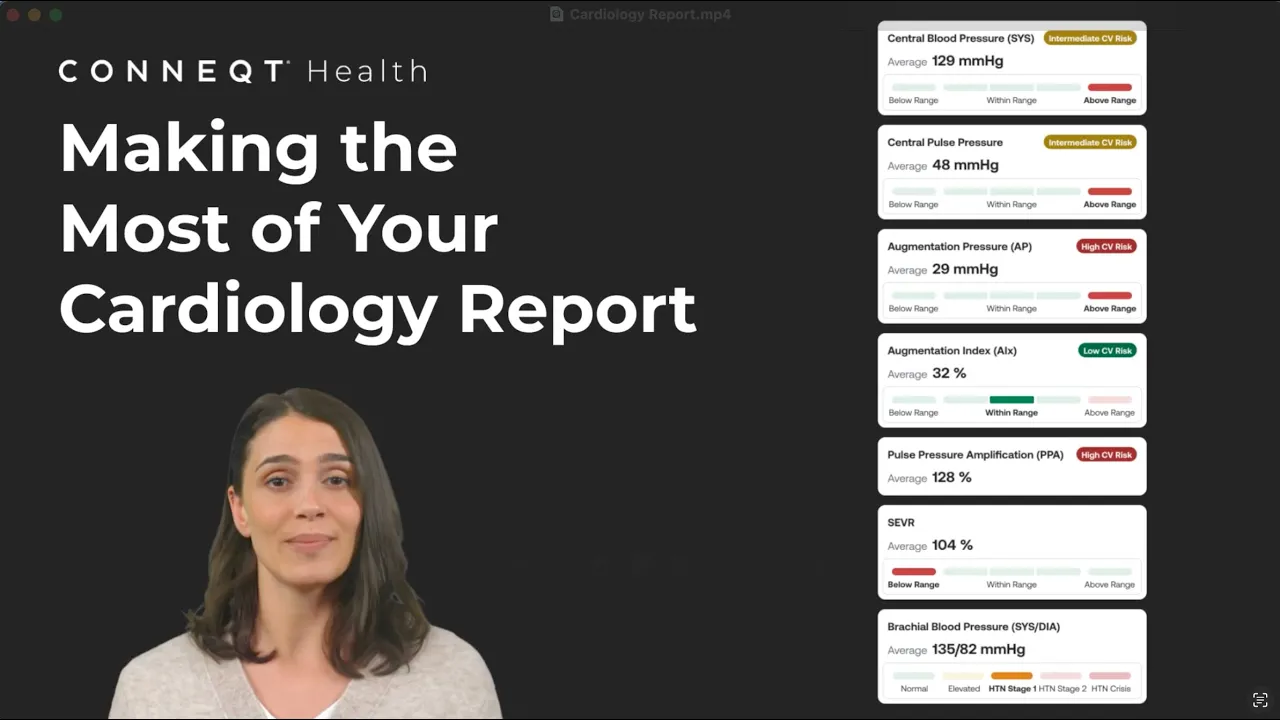
Making the Most of Your Cardiology Report | CONNEQT Cardiovascular Health Resources
conneqthealth
774 views•2025-03-04
Trending

Playstation NO DISC/NO BUY Fight Is Over...
DavidJaffeGames
4K views•2026-07-23

Steam and Xbox Just Dropped The Hammer On PlayStation
OhNoItsAlexx
9K views•2026-07-23

Americans Confused in Australia for 17 Minutes Straight
IWrocker
17K views•2026-07-23

LIVE NOW! Cellular Structure and Functions | Complete Cell Biology Lecture | Anatomy & Physiology
MukhtarAliyu-t7m
387 views•2026-07-23