Research shows that socially isolated older adults face significantly increased health risks, including 26% higher premature death risk, 64% higher dementia risk, and 32% higher fall risk. However, these outcomes are largely preventable through six key strategies: establishing a consistent daily routine with fixed wake times and morning light exposure to regulate circadian rhythms; engaging in resistance training twice weekly to preserve muscle mass and reduce inflammation; cultivating a sense of purpose through meaningful activities; enriching sensory experiences through novel activities like cooking new cuisines or learning music; maintaining quality social connections that trigger oxytocin release; and engaging in effortful learning activities that stimulate neurogenesis and BDNF production, which can reduce dementia risk by up to 63%.
When You Grow Old and Are Left Alone, Do These Things :Dr Daniel Hayes
Added:Good morning. And before I say anything else, I need you to stop. Stop whatever you're doing and listen carefully because what I'm about to share with you in the next few minutes could genuinely change the trajectory of the rest of your life. I'm not being dramatic. I'm being honest in a way that most doctors never are with their older patients. You see, there is a version of growing old that nobody talks about on television.
Nobody puts in the brochures at the clinic and nobody mentions at the family dinner table. It's the quiet version, the version where the kids have moved away, the house feels too big, and the days blur together. And if you're watching this right now, there's a good chance you either know that version already or you're afraid of it. Today, we're going to talk about what to actually do about it. My name is Dr. Daniel Hayes. I spent over three decades as a surgeon and gerontological researcher and I've sat beside more elderly patients than I can count patients who came in not because of a physical emergency but because something invisible was shutting them down. And what I found time and time again was that the difference between those who thrived alone and those who quietly declined had almost nothing to do with their diagnosis. It had everything to do with what they did with their days. A landmark study published by researchers at University College London tracked over 7,000 adults aged 52 and older for more than a decade. What they found was staggering. Socially isolated older adults had a 26% increased risk of premature death, a 64% increased risk of developing clinical dementia, and a 32% higher likelihood of experiencing a serious fall within 2 years. 26% 64%. These are not small numbers. These are lifealtering numbers. And here's the part your doctor probably never told you. Most of these outcomes were not inevitable. They were preventable, reversible, even. Today, I'm going to walk you through six things ranked from helpful to life-changing that you must start doing if you are growing older and find yourself increasingly alone. And I want to tease something right now because I know how these videos work and I know you might be tempted to skip ahead. Number one on this list is going to surprise you. It's not exercise. It's not diet. It's something so deceptively simple that most people dismiss it entirely. And yet the neuroscience behind it is absolutely extraordinary.
So stay with me all the way to the end.
But before we dive in, I want to ask you something. Leave a comment below telling me your age and one thing you genuinely enjoy doing that makes you feel like yourself. It doesn't matter if it's gardening or crossword puzzles or watching old films. I want to know and I promise you I read every single comment personally. This channel exists because of you and your story matters to me.
Now, let's begin. Number six on our list, and this is the foundation upon which everything else rests, is establishing what I call a biological anchor routine. Here is what most people don't understand about aging alone. When you live with other people, your biology is quietly being regulated by them.
Their movement signals your movement.
Their meal times cue your digestion.
Their voices and presence keep your cortisol, that's your stress hormone, from spiking in the early morning hours.
When you are alone, all of those external cues disappear, and your body begins to lose its rhythm. Think of your circadian system, your internal body clock, like the conductor of an orchestra. When you're young and surrounded by people, that conductor has plenty of musicians to keep in time.
When you age and isolate, the musicians start wandering off and the music becomes chaotic. Research from the Sulkq Institute for Biological Studies found that disrupted circadian rhythms in adults over 65 are directly linked to accelerated cognitive decline, weakened immune response, and increased systemic inflammation, which is essentially your body attacking itself at a low chronic level. And after the age of 70, your body loses approximately 40% of its natural melatonin production. Meaning your internal clock becomes even harder to maintain without deliberate effort.
The solution is a biological anchor routine. This means waking at the same time every single morning, even on weekends, even when you don't feel like it. Eating your first meal within 45 minutes of waking and getting outside or near a bright window within the first hour. Light is the most powerful signal your brain receives to set the clock for the day. I had a patient, Margaret, 74, from Chattanooga, Tennessee, who came to me after her husband of 51 years passed away. She was sleeping until noon some days, skipping meals, staying up until 3:00 in the morning watching television.
Within 6 months of that pattern, she had lost 9 lbs of muscle. Her blood pressure was uncontrolled and she was experiencing what she described as cotton brain difficulty thinking clearly. We put her on a simple anchor routine up at 700 a.m. a small proteinrich breakfast by 7:45 10 minutes on the porch by 8:30. Within 8 weeks, her clarity had returned. Her blood pressure normalized. And she told me it was the first time since her husband died that she felt like herself again.
Pair this routine with consistent meal timing and you are essentially giving your aging biology a scaffold to hang on. Number five is deliberate strength preservation. And I want you to hear what I'm about to say very carefully.
After the age of 60, the human body begins losing between 3% and 8% of its muscle mass per decade through a process called sarcopenia. And I know that word sounds intimidating, so let me explain it simply. Sarcopenia is essentially your muscles quietly retiring without telling you. After 75, that rate accelerates dramatically. And here is what makes this particularly dangerous.
When you live alone, it's not just about looking frail or feeling weak. Muscle is your metabolic engine. It regulates your blood sugar, supports your joints, protects your bones, and this is the part most people never hear. It produces anti-inflammatory compounds called myioenes every time it contracts. Think of myioines like a cleanup crew that your body sends out every time your muscles work. No muscle contraction, no cleanup crew. And when inflammation goes unchecked in the aging body, it accelerates everything you're afraid of.
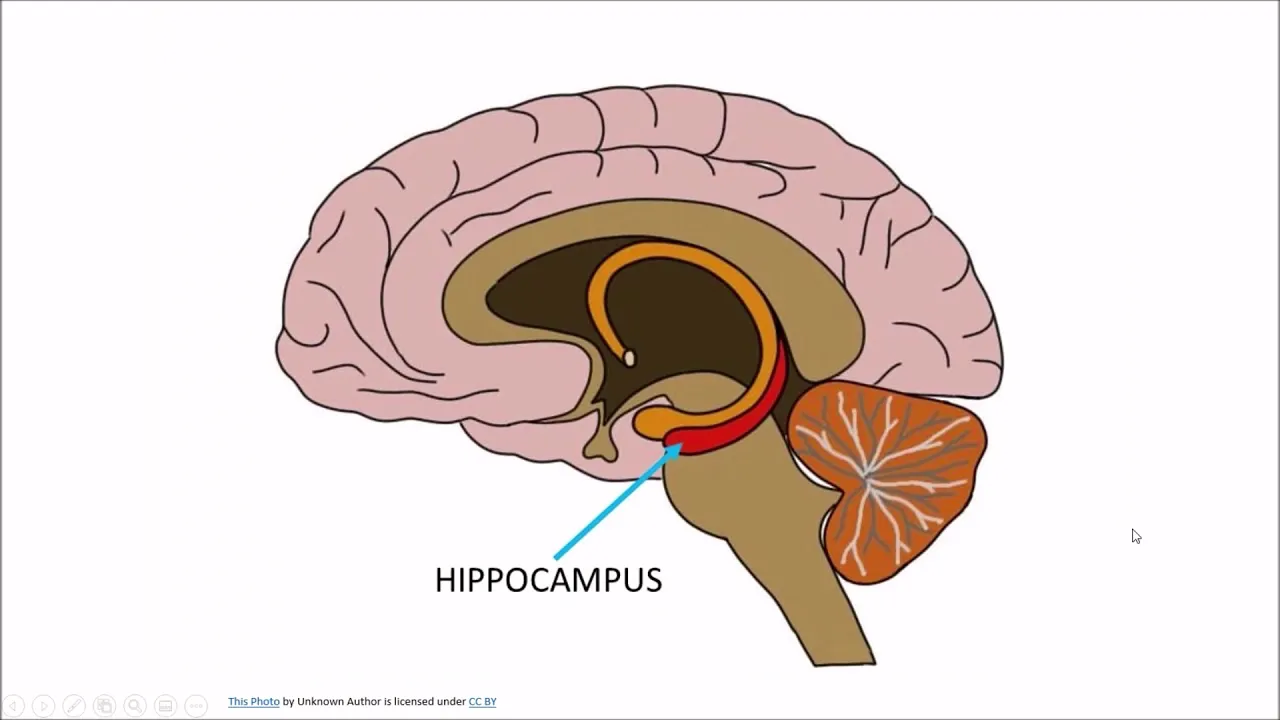
Cognitive decline, heart disease, joint destruction, and immune failure. A study from Tus University's Gene Mayor, USDA Human Nutrition Research Center on Aging found that adults over 65 who engaged in resistance training twice a week, even light resistance training, preserved an average of 40% more functional muscle mass over 5 years compared to those who didn't. 40%. That is the difference between getting up from a chair unassisted and needing someone else to help you. Now, when I say resistance training, I am not talking about going to a gym and lifting heavy weights. I'm talking about using your own body weight chair squats, wall push-ups, resistance bands that cost less than a cup of coffee at a cafe. The key is progressive overload, which simply means doing a little more than last time. Even if that means going from five repetitions to six, two sessions per week is sufficient. 20 to 30 minutes per session is enough. And here is a synergy tip that most people miss. Do your strength exercises within 30 minutes of consuming protein. Because of something called anabolic resistance, which is your aging body's reduced ability to build muscle from protein timing, your protein intake right around exercise dramatically improves how effectively your muscles absorb and use that protein. Your window of opportunity is short as you age, so use it. Number four is cultivating what researchers are now calling a purpose ritual. And this one is deeply underestimated. There is a Japanese concept you may have heard of called ikyu your reason for getting up in the morning. And while that sounds philosophical, the science behind it is very physical. A study published in the journal Psychosomatic Medicine followed over 6,000 adults with an average age of 68 and found that those with a strong sense of purpose had a 15% lower risk of death from all causes and were significantly less likely to develop Alzheimer's disease over the course of the study. 15% lower risk of death from having a reason to get up. Here is why this works biologically. Purpose reduces chronic cortisol production. And remember, cortisol is your stress hormone. When cortisol runs chronically high in older adults, it literally shrinks the hippocampus. That's the part of your brain responsible for memory formation by up to 14% over several years. Purpose also activates the brain's reward circuitry through dopamine release, which keeps neural pathways active and resistant to degeneration. Think of it like water running through a pipe. When water flows regularly, the pipe stays clear. When it sits stagnant, rust accumulates. The purpose ritual I recommend is this.
Identify one small project or contribution that requires your unique experience. It doesn't need to be grand.
I had a patient, Robert, 81, from Boise, Idaho, who had been a high school history teacher for 34 years before retiring. After his wife moved into memory care, he fell into a deep listlessness. We talked about what he knew that no one else did. He began recording short audio memoirs about local historical events from his childhood and sharing them with the county library. Within 3 months, he had received letters from 12 families whose history he had preserved. His inflammatory markers dropped measurably.
His sleep improved. He told me, "I feel like I matter again." That is the biology of purpose working in real time.
Now, before we get to the top three, and I promise you these are the ones that are going to genuinely surprise you, I want to take a quick moment. If you are finding value in this video, if any of what I'm sharing resonates with you or someone you love, please take two seconds to hit that like button and consider subscribing to this channel. We release new evidence-based content for healthy aging every week, and it costs you nothing to stay informed. Every subscriber helps us reach another senior who needs this information. Now, back to our list. Number three is something I call strategic sensory enrichment. And I want you to brace yourself slightly because the research here is going to seem almost too good to be true. Your five senses, sight, hearing, smell, taste, and touch are not just how you experience the world. They are how your brain stays alive. Every sensory input you receive creates electrical activity in your neural pathways. And that activity is what keeps those pathways strong, flexible, and resistant to degeneration. When you live alone and your days become quiet and monotonous, sensory input drops dramatically. And your brain, which is the most energy-hungry organ in your body, begins to prune the pathways it's not using.
This is called synaptic pruning. And while it's normal in youth when the brain is streamlining itself, in old age, it contributes directly to cognitive decline. A study from John's Hopkins University found that older adults with untreated hearing loss experience cognitive decline 30% to 40% faster than those with normal hearing or treated hearing loss. Not because hearing loss causes dementia directly, but because the brain is receiving less input and therefore has less stimulation to maintain itself. The same principle applies to all the senses. Strategic sensory enrichment means deliberately and regularly exposing yourself to rich, varied sensory experiences. This could mean cooking an unfamiliar cuisine once a week. The combination of smell, taste, texture, and the cognitive challenge of following new instructions engages four separate sensory cognitive systems simultaneously. It could mean listening to music from a different genre each morning. Music activates more areas of the brain simultaneously than almost any other activity. It could mean learning to identify birds by their calls or growing a small herb garden and rubbing the leaves to release scent. The key is novelty and variety. Your brain needs to be surprised to stay sharp. And here is the synergy tip. Combine sensory enrichment with social contact, even brief social contact, and you compound the benefit dramatically. A phone call while cooking, a video chat while listening to music together, even describing what you're doing to a friend over the phone activates language centers that solo activities don't reach. I had a patient, Elellaner, 77, from Savannah, Georgia, who had retreated almost entirely into a silent routine after her children moved abroad.
She barely cooked, barely listened to music, kept the television on as background noise, but wasn't really watching it. We worked together on a simple sensory enrichment plan. She started a small balcony garden. She joined an online cooking challenge, a new recipe each week. She put on music from her childhood every morning during breakfast and let herself sing along, even badly. Within 4 months, her scores on a standard cognitive assessment had improved by a statistically significant margin. Her doctor was frankly startled.
Number two is going to challenge everything you think you know about connection and specifically about what counts as meaningful connection when you are older and alone. Most people assume that meaningful social connection means being physically surrounded by people, family dinners, community events, neighbors dropping by. And yes, those things matter. But research from Brigham Y Young University Meta analyzed 148 studies involving over 300,000 participants and found something that reframes the entire conversation. What predicted longevity was not the quantity of social interactions. It was the quality of felt connection, the subjective sense that you matter to someone and that someone matters to you.
This distinction is enormous because it means that one deeply felt conversation per day does more for your biological health than five hollow ones. Here is the physiology. Genuine felt connection triggers the release of oxytocin, sometimes called the bonding hormone, which directly lowers blood pressure, reduces cortisol, enhances immune function, and has been shown to reduce the inflammatory markers associated with accelerated aging. Think of oxytocin like a biological reset button. Every time you feel genuinely seen by another person, that button gets pressed. And the remarkable thing, the thing I want you to really absorb is that your nervous system cannot always distinguish between in-person and remote connection.
A deeply felt letter, a long phone call where someone really listens, a video call where you tell the truth about how you're doing. These activate the same pathways. What I recommend is this.
Identify one or two people in your life with whom you can have a genuine conversation. Not just updates and pleasantries, but real conversation.
Schedule it. Protect it. And if those relationships don't exist right now, build them deliberately. Volunteer organizations, online communities organized around interests, penpal programs for seniors. These are not sad consolation prizes. They are biologically active interventions. I had a patient, George, 79, from rural Vermont, who had been widowed for 4 years and whose closest friend had passed away. He told me he genuinely did not believe he could form new meaningful friendships at his age. We talked him into joining an online forum for woodworking, which he had done as a hobby for decades. Within 8 months, he had made two friends he spoke to weekly, had been invited to a virtual workshop, and had been asked to mentor a younger woodworker. His doctor noted a measurable improvement in his inflammatory panel. George told me, "I forgot that other people could find me interesting. That sentence broke my heart and repaired it at the same time."
Pair this practice with honest vulnerability, allowing yourself to say, "I'm struggling today." Or, "I miss having someone to talk to, and you accelerate the depth of connection that forms." Vulnerability is not weakness in old age. It is a superpower. And now we come to number one. The single most powerful thing you can do when you grow old and find yourself alone. And I promised you early on that this would surprise you and I believe it will.
Number one is developing a daily practice of effortful learning. I know you might have expected something about diet or supplements or a specific kind of exercise, but the science here is so compelling, so overwhelming, and so consistently underutilized by older adults that I had to place it at the top of this list. A study published in the New England Journal of Medicine, one of the most respected medical journals in the world, found that older adults who regularly engaged in cognitively challenging, effortful learning activities reduced their risk of developing dementia by up to 63%.
63%.
That number has stayed with me since the first time I read it. Here is what's happening at a cellular level. Your brain, like your muscles, operates under a use it or lose it principle, but with one critical difference. passive activities, watching television, listening to familiar music, doing the same crossword puzzle format you've done for years, maintain existing pathways without creating new ones. Effortful learning, on the other hand, learning something genuinely difficult, something your brain has to strain to understand, stimulates what neuroscientists call neurogenesis, which is the creation of brand new neurons, even in adults well into their 80s. For decades, scientists believe neurogenesis stopped in early adulthood. They were wrong. The hippocampus retains this capacity well into late life, but only if it is sufficiently challenged. Effortful learning also triggers the production of a protein called BDNF, brain derived neurotrophic factor, which I want you to think of as fertilizer for your neurons.
It strengthens existing connections, supports the growth of new ones, and has been shown to slow the neurological deterioration associated with Alzheimer's disease. The more you challenge your brain, the more BDNF you produce. And critically, this effect is greatest in adults who begin learning challenging new things after the age of 70 because the brain responds to the novelty with an especially strong protective adaptation. What counts as effortful learning? Learning a new language, even 10 minutes per day, using a free app on your phone, produces measurable cognitive benefit within 12 weeks. Learning a musical instrument for the first time. Taking an online course in a subject completely outside your experience. Learning to paint or to code or to read maps or to identify plants, the content matters less than the effort. Your brain needs to work hard.
It needs to not know the answer. It needs to make mistakes and correct them.
That process of error and correction is neurologically where the growth happens.
The synergy tip for this one is movement. Physical exercise. Even a 20inut walk taken before a learning session increases BDNF production by an additional 20 to 30%. Which means your brain is literally more ready to grow after you move your body. Walk first then learn. This combination is in my professional assessment the single most powerful anti-aging intervention available to any human being at any age with no prescription required and no cost beyond time and effort. I had a patient Francis 82 from Phoenix, Arizona who came to me convinced that her cognitive decline was irreversible. She had stopped trying new things years ago because as she put it, "My brain just doesn't work like it used to." She had a point her processing speed had slowed.
Her recall was less reliable. But she was not in the territory of irreversible decline. We built her a learning practice. She chose Italian purely because she had always wanted to visit Italy and never had 20 minutes every morning after a 15-minute walk around her neighborhood. Within 6 months, her recall scores had improved. Within a year, she was having simple conversations in Italian on a language exchange app with a 67year-old woman in Rome. She cried when she told me, "I have a friend in Rome." She said, "Me?
At 82, I have a friend in Rome." That story is the entire point of this video because Francis didn't just improve her cognitive scores. She built a connection. She found a purpose. She established a morning routine. She was using her senses in new ways. She was living proof that every single item on this list feeds every other item. And that together they form a kind of invisible architecture that holds a life up even when the structure around it has changed. Even when the people who used to fill the house are gone, even when the world looks different than you thought it would at this stage. Growing old and being alone is not a sentence. I need you to hear that. It is not a verdict. It is a circumstance. and circumstances can be shaped, directed, enriched, and filled sometimes more fully than you ever imagined possible.
The science I've shared with you today is not theoretical. It is happening in the lives of real people right now who decided that it was not too late, who decided that their mind was still worth investing in, that their body still had something to give, that their presence in the world still mattered to someone, even if they had to go out and find that someone. You are not too old. Your brain is not finished. Your capacity for connection, for growth, for joy, for meaning, it has not expired. What it needs is the same thing it has always needed. Attention, effort, and the brave decision to keep going. If this video helped you today, even a little, even one piece of it, I want you to share it.
Send it to a friend. Send it to a family member who has a parent or grandparent living alone. This information should not be locked behind expensive consultations. It belongs to everyone.
Scientific references for all the studies mentioned today are listed in the description below and I encourage you to read them. Please subscribe to this channel if you haven't already and leave me a comment right now. Tell me which of these six things you are going to start this week. Tell me your age.
Tell me where you're from. Tell me about Francis in your own life. Maybe it's you. I will read your comment. I always do. Take care of yourself because you absolutely still
Related Videos
What is neurodegeneration?
TheSheekeyScienceShow
3K views•2019-08-19
IPL - Ruth Empson "Mind the Gap"
otagouniversity
251 views•2019-07-08
How our body shapes our mind | Pancho Tolchinsky | TEDxNapoli
TEDx
2K views•2019-12-05
Impact of Early Life Deprivation Danielle Stolzenberg Marcus Pembrey Bruce McEwen
uctv
4K views•2019-12-01
β-Caryophyllene for Parkinson’s: Protecting Dopamine & Easing Symptoms
parkinsonsdiseaseeducation
6K views•2025-08-09
New Insights from Inside the Brain with Rodrigo Braga, PhD
NUFeinbergMed
421 views•2025-04-14
Highlights for dystonia • 2025 MDS Congress
movedisorder
145 views•2025-10-27
Animal Welfare Synergy Series: Dr Tom Smulders on hippocampal neurogenesis
costactionlift
135 views•2025-07-14
Trending

WOW! Judge TURNS THE TABLES on Trump in His OWN $10B LAWSUIT!!!
MeidasTouch
197K views•2026-07-23

Playstation NO DISC/NO BUY Fight Is Over...
DavidJaffeGames
4K views•2026-07-23

Steam and Xbox Just Dropped The Hammer On PlayStation
OhNoItsAlexx
9K views•2026-07-23

Americans Confused in Australia for 17 Minutes Straight
IWrocker
17K views•2026-07-23