The video masterfully exposes the "paper genocide" that erased Native identities, using genetic haplogroups to challenge the bureaucratic manipulation of race. It’s a sharp reminder that ancestry is often a conflict between biological permanence and legal erasure.
Install our extension to search inside any video instantly.
5 Signs of Native Ancestry (Shovel Teeth, Haplogroups & More)
Added:If you run your tongue behind the [music] back of your front teeth like this, you might have smooth teeth or you might feel a little scoop kind of like a spoon, that can be a sign of native ancestry. [music] I'm going to explain more. If you've taken a DNA test and the percentage was there, or maybe it was zero, and you're like, but I still remember hearing my grandma say we have native ancestry and [music] you're not sure if you're just a Cherokee princess.
There's actually something you can look at in your DNA results that is not a percentage that will definitively prove [music] native DNA, native heritage.
There's also paper changes that have happened in the US census. Wealthy white families claiming Pocahontas ancestry were accepted as white, but actual Native Americans who had documented tribal connections and community ties were rejected and reclassified as black or colored. I'm going to show you all of this information. [music] I'm Danielle Romero. Thank you so much for being with me here on my channel where we talk about American identity and family stories. This is a big compilation. I'm going to be showing you seven different videos I did that have to do with finding hidden native ancestry and how to understand [music] your family story and your records and all of that. So, stick around because I think this will help a lot of you who are just beginning your journey trying [music] to confirm those family stories or trying to understand what happened on your DNA test. Let's jump in [music] and look at your teeth.
10 years ago, I went to a new dentist here in Nashville and went through the whole routine. Had zero cavities, which was awesome. But he told me just in passing that I had shovel teeth. And I was like, "Excuse me?" He's like, "You have you have shoveled teeth?" And I didn't really get any more information than that. I think I just was kind of like, "Oh, okay. Thank you, sir." And and then I went home and I was trying to figure out what the heck are shovel teeth. So, shovelshaped insizers are a particular kind of a tooth. They have a curved hollow back that resembles Well, a shovel. I was asking my husband about his teeth because, you know, it's teeth are weird. You're used to how your teeth feel in your mouth. I guess I never thought about there being variations on that. I mean, obviously there's different kinds of teeth, but I asked him, "Well, when you put your tongue like against the back of your teeth, does don't you feel it curving?" He's like, "No, it's totally flat and straight." I'm like, "No way. Nobody has flat teeth like that." And he was like, "Yeah, mine are flat." What is remarkable about these is it's such an ancient trait that connects us to some of the first people who walked across the bearing landbridge from Siberia uh what is now Siberia into North America.
So these early migrants carried with them not just their tools and their cultures but also the genes that shaped their teeth. So today, these shovel-shaped insizers are still common among Native American and Asian populations. This isn't just a story though about ancient migrations. I talk about family stories on this channel, American identity, ancestry. So these teeth are also the story of people who make up America today, like myself, people whose identities are complex and layered and often defy easy categorization. So consider the Melenians, for example. I've done a couple videos exploring Melundian heritage and my ties to that community.
So the Melenians are a group that has intrigued and baffled historians for generations. Who are they? Where did they come from? They've been described as a tri-racial community with European, African, and native uh ancestry. And there was a story that I came across and this is how I started piecing together the shovel teeth and the Melundian heritage that I seemed to have connection to but didn't really know much about it. So growing up in Hancock County, Tennessee, and I live here in Nashville, Wayne Winkler didn't know much about the Melenians. He just knew his family had roots in the area and that there were stories about a mysterious group of people who didn't quite fit the usual racial categories.
So I am reading from an article uh called the past is written on your face and it said his parents moved to Detroit uh from the south in the 1950s but each summer when he was a child he would return to Hancock County to visit his father's family and he saw a newspaper article that jumped out at him and it said quote one of the most fascinating mysteries in Tennessee lore concerns the unknown origins of the Melundians and it began describing them as quote a dark-skinned people who some romantics compared an appearance to Oll. And Oll is a Shakespearean character. So, as a boy, Wayne gets excited about this uh romantic mysterious group of people. So, he asks his father about them. Later, after his father refused to give any details, his mother divulged. It says that his paternal grandfather or his paternal grandmother was in fact Melenian. So, his dad's mom. And it goes on to say, quote, "Which means your dad is Melundian," she said, "which means you're Melenian." And he said he had assumed that his family was mostly Indian based on how they looked and how they described themselves. And when he asked why he had always identified his background as Native American and not Melundian, this is what his father said.
His father said, quote, "Everybody knows what an Indian is. It takes all day to explain what a melundian is." So the connection here for me was this article goes on to talk about shovel teeth.
There's the rub. The Melenians were and are for most of their history a mystery even to themselves. And I think that's true of a lot of people that have that multi-layered mixed uh heritage identity here in the United States or wherever you are. These teeth are more than just bones in our mouth. They're like time capsules preserving a record of ancient migrations and family connections.
Today, you can still find shovel-shaped incizers in many Native American and Asian populations.
which I think is interesting. So the the story doesn't end there though. The teeth connect us not just to the distant past, but to specific communities that have long intrigued historians and anthropologists alike. Take the Melenians for example, a group that has been described as one of the most mysterious and misunderstood in American history. And I would go on to say one of the most important parts of the American story. If you if you learn the Melengian story, you come to understand why our country is the way that it is because the Melengian experience straddles the the British colonial rule here and postrevolutionary era and you see these changes happening in this microcosm of this tri-racial community.
For centuries, the origins of the Melenians have been debated. Were they Native American, European, African descent, uh mixed European and runaway enslaved people? Uh what we do know though are that many millenions do have those shovel teeth, those shovelshaped insizers, a trait that strongly suggests significant Native American heritage.
Richard Scott, who's an anthropologist at the University of Reno at Nevada, pointed out that 98% of Native Americans have this trait, making it a key marker in tracing their ancestry. I don't know how he came up with that. Uh his credentials sound pretty good, but I don't know. I don't know how he comes up with that number, what that testing looked like, but that's a pretty that's a pretty significant I mean 98%, right?
So, the connection to the Melenians opens a fascinating chapter in the story of American identity. You know, the truth, as is often the case in history, is likely a complex blend of all of the theories that that come with the Melundian story. But the shovel-shaped incizers offer a tangible clue, a direct link to native lineage, the people who were the among the first to call this land home. So what's remarkable to me is how these teeth, which I think can be so easily overlooked just in general, can provide a window to our past that goes beyond the written record. And as a historian, a trained historian, a history teacher by trade, I love the written record. I love the primary sources, but I love love when we can we can even go beyond that and and go go beyond the written record and go to oral stories or go to go to other markers that we can look at to kind of help fill in the blanks. I think it reminds us that our identities are not just shaped by the stories we tell or the names that we carry, but by the very physical traits we inherit. And it's not just melen who carry this legacy. These teeth are also found in other groups across the Americas and Asia, linking them to that same ancient migration. I think for those of us who study American identity or study our own family story, these kinds of connections are particularly important, meaningful, moving. I think it forces us to look beyond uh the surface and consider the hidden deeper layers and maybe um even looking at our identity and our family stories as a prism. And when you look through a prism, you know, you look this way, the light hits differently than when you look this way. And you know, I love ancestry.com. I love looking at my DNA test updates, even though I also hate it. But but bringing all of this in, bringing that information, bringing the stories, you know, bringing your DNA test, bringing the paper trail. What about your teeth? We need to look more holistically when we're studying our family story, our American identity, and the history that we tell ourselves. When we're exploring the origins of traits or what they point to, like shovel-shaped teeth, uh we're not just learning biology. We are uncovering the lived experiences of generations who came before us, who we are connected to forever. Teeth, our bones, our very DNA.
They all carry the story of those who walk the earth long before us and who had to exist for us to be here. And to go back to the article with Wayne Winkler, he said, quote, for him celebrating Melengian identity or parsing who is or who is not an authentic member of the group is less important than the perspective that he gains from seeing his part in an expansive ancestral puzzle despite its missing pieces. Quote, "It's who I am because it's who my father was." He says, "To be able to stand up in front of a group of people and say that I'm the descendant of a Melundian, a term full of baggage that my grandmother was taught to keep quiet about. I'm content with that." And if you'd like to see any of the other videos I've done researching my Melengian roots and the Melenian story here in the United States, I'd love to have you join me on those, I'll leave a link uh on the screen and below. Otherwise, we'll talk soon.
hidden in your results, separate from the ethnicity estimate, separate from the percentages that you [music] get, there is a piece of DNA that doesn't change. It doesn't dilute over generations, and [music] it doesn't get erased. So, even if your test says 0% Native American ethnicity, you could still have undeniable proof of Native ancestry. [music] Millions of people are being told they don't have any indigenous DNA when their DNA test actually [music] proves otherwise. The test wasn't necessarily built to find it, but I'm going to show you where to look because I went through this myself and when I finally found the real proof, it changed everything. This happens all the time. Someone takes a DNA test expecting to see a certain ancestry, and in this case, we'll say Native American ancestry, but when they check the results, nothing, 0%. Now, at this point, most people assume that the family stories were just wrong, and they might be, but DNA testing is more complicated than it seems.
Now, there's a couple reasons why your test might not be showing a native ethnicity, but we're going to dive deeper than ethnicity, so stick with me. Before I tell you where to look, I want to give you some other reasons why you might not be seeing the DNA showing up in the ethnicity. Your DNA is compared to existing samples in the company's database, and many Native American tribes have chosen not to participate in these genetic studies. So, if they don't have the right references, you can't get matched to them. The second reason is that our DNA dilutes over generations.
Ethnicity estimates are based on DNA from both parents. But over time, the DNA gets shuffled and recombined. And if your native ancestor was more than six or seven generations ago, that DNA might not be visible anymore as a percentage.
But there is another place where it will never disappear. Unlike ethnicity estimates, HLO groups trace deep ancestry. This is the real story of your lineage and it goes back thousands and thousands of years. And here's the key.
The DNA company may have already given you this information, but you just may not have checked the right section.
Also, you may have taken a DNA test that doesn't provide the HLO group information. So, I'll show you I'll show you the test I took and where you should look. Before I show you where to look for your HOA groups, I'm going to tell you basically what it is. So, there are maternal HOA groups. This is a lineage you get from your mom's side and paternal haplo groups that you get from your dad's side. There are maternal haplo groups that are connected to indigenous ancestry and it is a b c dx and possibly m. If you have one of these showing up on your maternal side well it means your mothers mothers mothers mothers mothers and on and on and on passed down indigenous ancestry. It got passed on through the women in the line.
This marker does not get diluted over time. So if you have it, you inherit it directly, even if it's very distant.
Now, my story showed pretty low indigenous percentages. When I first took my test, I wasn't sure what to expect. My dad's side is southern Italian, and my mom's side is from Louisiana, and we weren't really sure what we were going to get. And so, I took the 23 andme test. My mom took the 23 andme test. And before she passed away, my grandmother, my mom's mom took a 23 andme test. Now, my grandmother's test only showed about maybe like a quarter Hispanic ancestry. Her haplo group was C1C and that meant my mom's HLO group was C1C and it meant my HLO group was C1C and it means I gave my daughters the HLO group C1C. This is a proof of indigenous heritage that the ethnicity estimate may not show you. You can do the paternal HLO groups. Uh I think they're Q and their C. So if a male in your family has either Q or C, that's also a direct marker of Native American ancestry and it would be passed down from father to son, father to son, father the son, regardless of what the ethnicity percentages that you get on your test. So you definitely want to just check out some of the haplo groups.
So now, how do you find your hidden indigenous ancestry? If your DNA test includes hlo groups, 23 and me is the one that I used. And if you want to grab a 23 and me test, I'll leave a link to those below. It will tell you your haplo groups and I will show you what mine look like. Log into 23 and me. Don't worry about um the ancestry overview, but you're actually going to go down to all ancestry reports and click that.
And you're going to scroll down and now it says all ancestry reports and it shows my maternal HLO group because I'm a woman and biological woman. And I'm going to click that. I was really shocked by this because um we don't you know I don't have a connection to any of this heritage [music] really at this point culturally but it was really interesting to see something that basically it will never go away. You'll never be diluted. So it says Danielle your maternal HLO group is C1C. So it'll tell you your HLO group and then they'll give you some information but honestly it's more interesting to just Google it I think. Okay. So, I just want to Google C1C so I can just show you and hopefully you can get excited to research this a little bit yourself. Okay, so let's jump over here. So, the C1C now, I've actually found the AI to be usually totally wrong, but um it is it's correct here that it originated um or often it originates in American ancestry, native ancestry. Here is a paper about the sequencing of MexicanAmericans and their their Native American ancestry. And so here it says in the case of the more abundant and widely distributed HLO group C1, there are subbranches of that C1B, C1 C and C1D.
And mine was C1 C. And it's it's super interesting to see these these connections and how again even if the DNA percentages are small or gone at at you know the point you're taking the test there is this permanent connection to that ancestry here. So that was a paper I had read which was super interesting. And then I really enjoyed um DNA explained. It's like an older blog and she talks a lot about the Native American Haplo groups. She was talking about that, you know, this article in particular is about the high percentage of Native American DNA in the Mexican population, which is really interesting because I didn't even know that we had Mexican ancestry.
And I I guess I mean saying ancestry, it's like Mexicans not ancestry, it's a nationality, but ancestors who were in Mexico. And I believe that this is where this indigenous DNA comes from. So just to repeat, if your test doesn't have HLO groups, um the ancestry test is a great test, but as far as I know, it doesn't have HLO groups, the 23 and me does. I think there's a lot of value in that.
You you may have your DNA test may have missed your native ancestry, but doesn't mean that the family story is necessarily wrong. You just need to look in the right place. So let me know if you took the 23 andMe test, if you knew about the HLO groups, if something like this happened to you. I did have my dad take it. So, I had the paternal one and then I think I got his test deleted somehow, which was very stupid, but his test was really interesting because he's southern Italian, but I think his haplo group was Middle Eastern. I'll have to double check what it was. I think it was like J2 something. I think it's like an Egyptian haplo group, which is interesting because it kind of just shows you the continuity in the genetic line of really where you came from a very long time ago. And I think that's really awesome. And if you like to dig into your Native heritage a little bit more, check out my video on shovel teeth, which is a trait that 92% of Native American indigenous Americans have. Let me know if you have it, too.
Otherwise, we'll talk soon. Over the last two years, I've been telling the stories that often get ignored. But lately, I've been facing an uphill battle behind the scenes of each video.
My videos are getting flagged by YouTube when all I'm doing is sharing real history. If these stories have ever resonated with you or given you a new perspective, [music] grab some be a good ancestor merch and help me keep this channel going. Check out NY to Nashville.com.
Following these little tidbits, it's like it brought me such a crazy plate.
And so, this is the version that my mom knew. This is the version of her grandmother that my mom knew and loved.
[music] Quero desus ehos remembered by his children I think or in memory of his children. I'm not sure my Spanish is not good. I have her death record here.
[music] She's listed as Indian. I want to show you some of the court documents though I found. This is Chalkaw Nation.
Here's my my ancestor Eveene and she's listed as half half blood Chalkaw. And then they got kicked out again. So then they were denied citizenship and there's not really any information about why because Hi, I'm Danielle Romero. Thank you so much for being with me here on my channel where we talk about American identity and family stories. And before we jump into the video, if you'd like to join me off YouTube, I'm really trying to focus on Patreon right now. That's where we can direct message, we can chat, share deep dives, share content that I can't show on YouTube or I won't because they flag it. That's for real.
That's crazy. So anyway, come on over at patreon.com/nytn or you could send me a coffee at coffee.com/nytn13.
So today's video I finally paid to get my ancestry account back on track. So I had let that lapse. I'm going to show you a way to save money on that. Like a lot of money that I stumbled upon. So I'm going to show that when we get into my tree. But the next couple videos, I want to just go through my family tree with you. Literally no plan. Like I want to do all the branches. Let me tell you.
Uh you can watch this if you don't have the same ancestry as me, of course, but odds are we probably share something in common. So, if you have Italian ancestry, Irish ancestry, Mexican ancestry, Louisiana Creole heritage, if you have French heritage, if you have ancestry in New York, if you have ancestry in Texas, all of these places, I'm going to be doing deep dives on my tree and showing you what I'm doing.
It's a mess for sure. So, let's jump over to the tree. And I want to first show you a like absolutely crazy way to save money on it. It's not sponsored.
This is just me, one friend to another.
I wanted to show you a way to save money on Ancestry. So, let's hop over there.
We're going to dive into my tree, but I use Racketin. I think that's how it's called. And so, they're not sponsoring me, although they should. Racketin, sponsor me. I love you so much. You get cash back if you're going to like a store and you can check and see if you have cash back from Racketin. If you spent like a $100 at Ancestry, right now they have 36% cash back. So, I did it. I updated my answer stuff when it was 6% and I logged in today and I was like oops because I spent like $200 to get all the whole package for the six months. So I wish I had done 36% cash back. It's it's real and you can get it as like a gift card or they'll send to your PayPal, however you want. So I have a a referral link for you to do this.
It's totally free to sign up. I've been doing it for years. Let me just show you how it works if you click it. And again, I wish they were sponsoring me. They're not. So it say cashback's activated.
Now, you go through the the purchase process with Ancestry and you're going to get that money back. It's so wild.
So, I'm going to put a link below.
Please use that link. I think I get a referral for it, which would be so awesome because I just love Racketin so much if you are like me and you let your tree lapse like a serious amount because it's expensive. They changed something.
I can't remember what it was that they changed, but it was like I couldn't access any of my stuff without paying. I was like, "Okay, fine. I'll do it. I'll do it."
Okay. So, I want to go through my tree.
Want to really go through a million branches of it. So, I'm going to put some nice relaxing music on this. We'll hang out. So, they're rating my tree is 7.
I've never seen this. My tree deserves to be lower. So, it's saying I have errors.
Yeah, I'm not surprised. I really deserve a lower thing than a seven.
[music] I can promise you that. I have my mom's side and my dad's side. Now, my dad's side of the family I have talked about on here and I've done playlists on them. All his grandparents were immigrants from southern [music] Italy, even though his ancestry test reflected a lot of Egyptian and Iran Iranian. I'm going to go on that side of the tree. Not today, but we're going to do that. We're going to go through. And my mom's side. Interesting [music] because this is my mom's mother. Her father is not living. I just have I literally have an update. My grandfather died a long time ago, but that's not her biological dad, and we didn't know that until she took a DNA [music] test. I have that video up in my DNA playlist.
We're going to talk about my mom's maternal side, but I would also like to dive into the side. So, my grandmother's dad was Irish and her mom was from Louisiana. So, here's Lola. It's like the whole channel's been, you know, kind of working on Lola. Lola's got a lot of names. Okay, she has a lot of names. I want to go through her census records.
And if you've been on the channel since I started, this is not new. I don't think I've ever really sat down and done it like this. Okay, so she's my great-grandmother and she was born Campy, Louisiana. And she died in Albany, New York. That's where I was born. So she was born in 1900. So when she was 10 years old in the 1910 census was like I think her first census. She must have missed the other one. And she's listed as Lisa Scar, which is weird and wrong. the enumerator, you remember they're kind of doing the best that they can, but [music] they got her first name wrong, but she went by Lola and so she was 10 years old and 1900 her birthplace was Louisiana and her race she was listed as mulatto. Even though when we use that word now, well, we really shouldn't be using that word, but like it it's like one black parent, one white parent. That is not what was happening with her. It wasn't like she had one white parent, one black parent.
She had a Creole parent. her dad who had predominant African ancestry but also was descended from the chitty matcha woman Marie Theres de la Grande which we'll go through there and then her mom Victoria Simone or Simon was Hispanic [music] so we'll go through all this we'll show you we'll just like work our way up this always makes me feel like crying yeah does she attend school at 10 no hasn't [music] attended school she cannot reach she cannot write and and where she came from my grand my mother's grandmother how far she came this woman you know ended up moving to New York and becoming a nurse's aid and was a widow with eight kids and faced discrimination faced hardship went through World War II and I'm here because of the choices that she made and her survival so you see she couldn't read or write at 10 years old like feel feel sad here's her parents [music] Alance Perau Victoria Perau the French last name down there. They say Pero. Uh they eventually changed it to Peralt to kind of [music] distance themselves from the colored side of the family. That's a story. And some of Lola's siblings are here. And so Hillary, there's a really interesting story about him. He was actually Victoria's son and not Alonsa's son. And I I don't know all the details on that.
Um some cousins have helped me get records. [music] My one cousin Belinda helped me get some records there. He was baptized cuz they're all Catholic, right? So, I don't know who his father is, but there was a story that one of my um great uncles told me that Hillary and Alons [music] did not get along. So, Hillary is Victoria's son. This would be his stepdad. And one day they got into an argument [music] and Lola was very close to him. Here's Lola down here. She's very close to her older brother. And one day Hillary and Alons get into an argument and Hillary hops on a horse and rides off to Texas and is never seen again. That's how the story went. And so I've been trying to find him and I've really struggled to find him. After a certain point he kind of disappears.
And so here's Lola's [music] sister.
Another sister here, Almondine, had a really sad story, too. Someone reached out to me a couple years ago with a screenshot of like a family bible.
someone was keeping the story and that Alatine [music] had Mary Alatine I think was her name had married a man who was a lot older [music] he was Anglo and I guess he was very abusive to her and people believe that he I don't know why I can say on YouTube but he killed her and so they left behind two [music] kids that ended up staying with family in Louisiana and then moving out to Washington state and I found the kids some of them had already passed away I don't know what happened to that side of the Alance Perau Jr. I've got pictures of him. I've shared them here. Emil as well. [music] And then Francis and Albert was not born yet. So much information that you can get from this.
I love looking at the census records here and you know seeing the information you can see who lives nearby them and too [music] which is super helpful cuz especially in Louisiana your neighbors are usually your family. Now this is super interesting here. Lola uh is listed as white. Okay. [music] And it's very interesting because her parents, if we go back, I'm gonna go up here [music] to her parents. So, I'll find some Julia Victoria.
I I do have some thoughts on this show.
So, like he was born 1800s. [music] He's listed as Mulatto here. So is she. And then 1900, he's listed as black. And it's crazy. This is my great great-randfather. It's crazy to see like how could you be listed as mulatto black and white just on alternate census records. So let's go back to Lola right here. This is my great grandm.
I don't put a lot of [music] pictures up on here. I don't see this is my picture.
That's my hand right there. That one's made the rounds on the tree. And I don't know what else I have here. So this is Lola when she was my I also shared this one. Actually, that's a reflection of me sharing it, but this was at my grandmother's house.
And so, this is the version that my mom knew. This is the version of her grandmother that my mom knew and loves.
She's probably in her 70s here. So, this is Lola here. And it's crazy to see like people saving it like these family.
That's awesome. See what other pictures I have in here of Lola. Like I said, I don't really put a lot on. So, I did that one. I think I uploaded this one, too. And this was Lola's um Yeah, I uploaded it 2014. I've been doing this I've been doing this for a little bit.
This is their wedding picture. And so Lola got married to my great-grandfather and he was an Irish boy from Troy, New York, and he went out to Louisiana cuz he worked with planes. And so he was working with Delta, which started down the south. And so they got married and I've shared this a zillion times, but I I can't find their marriage license. So they got married April 13th, 1925. I know that from the back of white pictures, information is written. But [music] as you could see, most of her her census records, she's she's a woman of color, right? And he's white. And so so the misogynation laws, right? Legal for them to get married. I don't have a marriage license for them. I have called everyone and I've messaged churches.
I've tried to look at like I don't know if there's a paper thing for that if it exists. I have not come across it yet.
But I love this picture of them. Her wedding [music] dress.
She's wearing like a concho belt and probably silver with turquoise in it.
And my grandmother always wore turquoise. And that's why I love I love to wear turquoise, too. And it's a really pretty dress. Looks like it has ribbons in it. So that's their wedding picture. I don't know if I have any other ones on here. And here's Lola when she's like [music] 16.
So there's a bunch of hints and I want to I want to follow some hints with you and see what happens. All right. So Alphons is here. Here's Julia Victoria.
I want to do just jump around a little bit, but I want to show you a little bit of both of theirs. And you can let me know what you're interested in. Like if there's something dive into [music] this, like I'd love to. So this is my great great grandmother. That's my second great grandmother, Julia Victoria [music] Simon. And there actually is a a marriage thing for her. I have a couple documents, but she was marrying another person of color. And so their marriage was not illegal, right? It was illegal.
And so if we go through just a couple of her census records, her family was originally from Texas and she is connected also to the Choto Apache tribe. But here she is also is black and they were married in 1898.
Can't read, can't write, does speak English. I'm not sure what her first language is. Her father's first language was Spanish. And her husband's first language was Creole. So I know that my family the language I think that was mostly spoken was Creole. So this is my great-grandmother Victoria. And her story is really weird and sad.
Everybody's story is kind of weird and sad. I'm sure you guys have that too.
But her father is Alberto Simone or Simon and he was born in Louisiana but he died in San Antonio. And there's actually a lot of connection between these two places, right, because of El Camino Royale. And so, you know, people were traveling from Louisiana to Texas because really there's no border there.
It's made up, right? these are these are places that are connected and these communities there was a lot of back and forth and so his story is really interesting he's listed as Mulatto at that time obviously we talked Mulatto was kind of a catch all right they're like we're not sure what to put you down as if you seem kind of brownish you are matto so he was listed as mulatto and he ended up moving to Texas. His wife had [music] passed away off the check. I think he may have left her, but you can see here as soon as he got to Texas, the name changes on this.
And it's it's it's because [music] it's phonetic. So in Louisiana, it was spelled Simon, but he's moving to San Antonio. He was a Spanish speaker, so now he's Albert Simone. It's spelled like that. And it's interesting. It puts his birthplace as Texas. There's some confusion with the documents like was he born in Texas? Was he born in Louisiana?
But he still lists as mulatto and he married a woman named Margarita. And it says he sold vegetables and he could read, he could write, he could speak English. And these are his kids. [music] So these would be like half siblings for my great-grandmother or my great [music] great grandmother. We've gone through these I think a little bit on here, but it's really interesting. The records are a mess. So here it says his race. Now he's not malo. Now he's listened to Spanish. And it says his father's birthplace is Canada. That is it's incorrect when I really dig into [clears throat] the records. He was also born in Texas. So his mother's birthplace birthplace also Texas. And so this side of the family there is really deep like Hispanic Texas heritage I was completely unaware of. And this is his tombstone. It's really I feel like just very traditional Catholic [music] Hispanic tombstone. Alberto Simone senior 1850 to 1944. So this guy lived through a lot. He lived through two world wars, right? Or almost almost to the end of that deus.
Um remembered [music] by his children, I think or in memory of his children. I'm not sure. My Spanish is not good.
But I remember seeing that stone and being like, okay, so they really were Hispanic. So that would be my great grandma Lola. That's your grandfather. I guarantee you she never met this man.
Didn't know anything about him. Same with her grandmother. There's no way she knew her maternal family at all. And I think that's why the the Creole side is the side that for as little as passed down to us that was the most culture that she had because it was her father's family and she's connected to her father's family in Louisiana and [music] you know did not have a connection to the Hispanic side the Choto Apache side over here and her Lola's grandmother was Francis. This was a person that was missing for years. No one could find this woman. [music] We knew her name from another record, but we couldn't find her in any census record. I'm like, it just doesn't make sense. You know, sometimes you find ancestors are from like the 1600s. I'm like, why can't I find a woman from the 1850s in Texas?
Amy Cross, who is an amazing genealogologist. She's helped me a bunch. And look her up. She does great work and and she will work with you for such a good a good price. She had a suggestion because I was like, I cannot find this woman anywhere. And she said, "You need to request Julia Simon's death record because the [music] long form will say her parents' names and where they were born." I was like, I literally never thought of that before. So, I did that. I got the death record in the mail and you won't believe it. It said Francis and it said she was born in Texas. Now, the last name here is weird and I want to tell you why this is so jacked up. So her last name is really Padilla obviously which is you know Hispanic last name but got butchered on record [music] and it turned into like Patty like all kinds of just crazy stuff. So there's a lot of Patty people with the last name Patty or Par in Louisiana that I'm kin to. They're padas. That's really what happened. But [music] when you're when you're going from like Spanish speaking culture to you know French speakaking or creole and [music] stuff gets stuff gets changed, right? Kind of like the LS island last name thing. So finding Francis was like a huge deal because it unlocks a huge part of my family and I thank Amy Cross for that. So what was a big deal about finding Francis was that she this is so [music] interesting too let me show. So here she's listed as white which is fascinating when you hear her story. So she was 2 years old here pathier [music] I could not I mean I was like okay I'm looking for Padilla. I was like I'm not going to find that. I found it. So her father was Antonio and Eveene was her mother. [music] Story is crazy.
Like all of these stories are crazy. I just want to take you down every single road. But I couldn't find Francis. She was 2 years old and then she kind of disappeared. And I knew it was the right woman and I wasn't sure what had happened to her. And [music] talking with some some older family members, they said that Lola knew her grandmother's name was Francis Patty [music] or Party or something like that, didn't really know. And they believed that she had gotten pregnant with Julia, Lola's mother, very, very young and died in childbirth, which would jive with [music] her not showing up on the census. I mean, she could have been like 13 getting pregnant and and dying. And so just an insane story. I have not found her grave. But then that jived with the lack of census records.
And so this was this was a really long one. So a tip I would give you is if you're looking for someone, if you [music] can find the long form death certificate if you can request it of their children. You may get information confirmation a lead just to kind of help piece [music] the picture together. So I want to show you Sharpie and Evelyn Goens. I have showed this story [music] before, but this is really interesting. And so, she's my fourth grandmother. I actually have her death certificate. [music] Isn't that crazy? Some of the things I'm like, I can't find my own great-g grandandmother's marriage license, but I have my [music] fourth grandmother's death certificate. And in part, it's because people had kids so young at this time, at least for women. The men were sometimes a lot older. The distance between the generations is not that much. So, this woman was alive when Lola was alive. So Lola's great great grandmother was alive living in Indian country actually for a lot of time there. I'm sure they knew nothing about her. Maybe they did. I don't know. But it's interesting. I have her death record here. And so it says Eveene. And here you're like what is this? I think it's supposed to say like Patty by Truly [music] Padilla. She was widowed already at this point and said she died 1918 and said she was born in Nagados, Texas.
Right. So see there's Nakadesh, Louisiana, El Camino Royale, Nakados, Texas over here. And her color array, she's listed as Indian. But look, I have her parents' names here, too. So I have the name of her father and the name of her mother. Her mother was Charlotte Drake. I think it was Charlotte Drake and Jeremiah Goens. Let me tell you, this was a incredible hint [music] to get when you go down. These last names are really prominent families. The Drake family was a really prominent family of color in Virginia. And the Goens family of course is one of the biggest families in America. There's a lot of Melenian Goens, Red Bone Goens, a lot of these groups. And Jeremiah Gones actually was [music] I think he was 7/8 Chalkaw because there was a he had to go to court to try to get enrolled where they were registering all the Native Americans and they had trouble. They had trouble and so I have I have testimonies of people who knew him. So I want to show you a little about about Sharpen stuff. It's just cool like following following these little tidbits. It's like it brought me to such a crazy place. They brought me from I was born in New York and that my grandmother was French and now I'm like wait a second look at all this look at all this stuff.
The 1900 census she's listed as Indian Native American and they were actually living in Indian territory. So the Goens family though were enrolled on the Daw's roles uh for the for the five civilized tribes and she was listed as Chalkaw and [music] she was enrolled by blood and you know blood quantum is but they had her blood quantum on here and then they were kicked out and then the state said no actually they are chock you need to let them back in. Then they were kicked out again. The only thing I can piece together is that they even though they had a lot of chalk blood, I think they also had a lot of [music] like mixed heritage too. And that might have been a problem. I really I really don't know. I want to show you some of the court documents though I found. So this is Chalkaw Nation. Here's my my ancestor Eveene. And they had like Pado and two of her kids uh Tasso and Reuben. and she's listed as half half blood Chalkaw and the kids were listed um I think the kids are listed as a little bit more because the father the father also was but it was saying that they they were in they got kicked out and here's the district that they were in and then they were admitted again and there was a court case and I actually was able to find the information about the court case and then they got kicked out again so then they were denied citizenship and there's not really any information about why because um the the information seemed like like overwhelming. So I'm like well I know I have chalk heritage and I'm fine that's not enrolling in the nation like that's fine but I felt [music] bad for them seeing this like what what happened here? I don't know.
They have you know evidence of their marriage. All the evidence was brought and it was but it was really cool to find these cards. I kind of want to do something with them. So her father was listed on her death certificate. And this is the guy. He was born in Mississippi. This is the one who actually had [music] witnesses come to say yes, he's Chalkaw. He served as an interpreter for white people in the area. But he it still was not enough to let his daughter be on the roles. So let me see if I have that in here. I'll have to look for that court documentation. It might just be on my computer. I don't know if it's on. Oh, wait. Here.
Controversy regard. Of course, my family has a million controversies. Controversy regarding Jeremiah Goens. Um, so some claim it's possible that Jer that Philip and Odie Goens were invented by the children of Jeremiah Goens and Saraphian Drake to legitimize their bid to be enrolled in the tribal council of Chalk Foundation. Does not appear this is the case. I don't know if I've clicked this one. This is just people's notes. They're like called the archives.
[music] Okay, let me read this person's information about this because the Goen's family is a big family and since this is like my fourth grandfather, it's like there's a lot of cousins, right?
It's there's a lot of them. So, I have the original court documents which I'll [music] have to find. But this lady or gentleman said they got copies and went through stuff and they were able to prove that our family was not only part Chalkaw, but that people were also enrolled in our family. This happened [music] after they were initially died by the DAWs commission because they said they didn't have evidence. They had to go back with testimony. This is the stuff I have from people who knew the family in Mississippi and everybody said they were already Chalkaw. Everybody knew them as that. And the Chalkaw Nation lawyers and DOAW officials were not happy when the US court granted our family citizenship. [music] So then the Chalk Foundation appealed to this US Supreme Court and then they upheld the ruling and then there was a new court created called the Chalkaw Chickasaw Citizenship Court and they ruled that anybody who got citizenship through the US court had to go through their new court and that you couldn't use any evidence that was in the US court could be accepted. It was like well they already gave all their evidence to the US court. So all their proof of who they are, all the proof of who my family was no longer was applicable. Like it was still real but you weren't allowed to use it. And it's like, well, that's weird. I forgot about this. I'm glad it's in here. The case was stamped denied. There was no mention of the Supreme Court ruling. It was just that's what it was. I'm able to enroll in the Choto Apache tribe. That is not a federal tribe. It is a Louisiana tribe.
I have a lot of cousins in that tribe.
This is the federal Chakto tribe. I [music] probably would not do it cuz I don't have any connection to it. I feel like a little weird about doing that, but I don't know. I mean, it just it's just one of those things. I I like to know where my family comes from.
We do have native ancestry [music] and stories like that. So, this is one line where some of that comes. I guess this video is getting kind of long, so I'll stop here and maybe we'll pick up with a different part of the family tree, different ancestors entirely. But, let me know what you think. If you like this style video and if you'd like to jump over the Patreon, I think I'm going to upload some of the chalk [music] documents over there on Patreon. So, let me know what you think and we'll talk soon.
Wealthy white families claiming Pocahontas ancestry were accepted as white, but actual Native Americans who had documented tribal connections and community ties were rejected and reclassified as black or colored.
So, if your last name was on this list, your native ancestry claim was not only rejected, your birth certificate was now changed from Indian to colored. He believed that the Native American tribes in Virginia had intermarried with black people generations ago. [music] Therefore, anyone who claimed to have Native American ancestry, he said, was actually mixed race black trying to pass as Indian to get around segregation laws. This was his theory. He called them mongrels. He called them near whites. Sometimes [music] he said they were striving to pass. And he made a list. This is a real document. It's called surnames by counties and cities of mixed negroid Virginia families striving to pass as Indian or white. The state of Virginia started reclassifying these people as colored, not Native American, colored. The onus is on you to prove that you're white, which is, and I cannot stress this enough, that is impossible. It was impossible to prove this. Suddenly, these families had [music] a big problem because the law said one drop of non-white [music] blood makes you not white. So, are Randolph's not white now? Are Virginia's most powerful families about to be barred from marrying other white people?
Are their kids going to be kicked out of the good schools? Are they going to be buried in colored cemeteries? No, of course not. That's why the Pocahontas exception exists. People want to say in the comments all the time, "You Americans, you're obsessed with race.
Why are you so obsessed?" Dude, we're not obsessed with race. This is written into our history. And then it wasn't taught. I'm so serious about this. It's a hit list of family names. Oh, why are you guys so obsessed with race? Look at this freaking document. Hi, I'm Danielle Romero. Thank you so much for being with me here on my channel where we talk about American identity and family stories. And before we jump back into this video, if you'd like to join me over at Patreon, get off of YouTube. We can direct message, we can chat, it's patreon.com/nytn.
Or you could send me a coffee at coffee.comnytn13.
Are you white?
Legally white. Are you legally white? In 1924, the state of Virginia decided to settle this question once and for all because it is not a simple question and not a simple answer legally with a new law. And the law said if you had even one drop of black blood, and we're talking one ancestor at least five generations back, you were black. Period. End of story. Unless Unless you can prove that you were related to Pocahontas. Yes, the Pocahontas.
Then you're fine. You're white. Carry on. I'm serious.
Virginia wrote this exception into their racial purity law specifically for people who could trace their bloodline to a 12-year-old powhatton girl from the 1600s. This is going to get real wild.
It's going to get real wild. So, before we keep going, let me know where you are watching this from. I'd love to know what state you're from or what country you're from and how many people we have from Virginia in particular or maybe if you have Virginia ancestry.
So, this wasn't just a weird footnote that nobody was paying attention to. You know, sometimes laws get put into place and like they're just packed into other stuff and nobody knows. No, no, no, no, no. This exception destroyed families, but it also saved some families. It created an entire underground industry of genealogologists who would for the right price discover that yes, you definitely had the Pocahontas connection. Don't worry about it. And this also meant that in Virginia, your legal race could change overnight based on which story your family could prove.
Today we're going to talk about the Pocahontas exception, how it worked, who protected, who it destroyed, and how DNA testing 80 years later, [snorts] you know what happens if people start taking these tests, revealed that most of the people who used it were lying the whole time. Let's get into it. So, November 14th, 1924, small town in Virginia, Rockbridge County, up in the Shannondoa Valley.
Really pretty area. I've been to this area before. mountains, farms, just like small town vibes. So nice. So, a woman named AA Sorrels walks into the county clerk's office. She's there to get a marriage license.
She wants to marry a man named Robert Painter. Maybe they grew up together.
Maybe their families knew each other.
It's like a five minute process. You fill out the form, you pay the fee, boom, you're done. So, the clerk's name is at Shields. Shields looks at Apha's application, then he looks at her, then he looks back at the application. He's like, "No, no, no, no, no, no." Not like, "Come back tomorrow or like I'm about to go to lunch." Just no, no. So, Ava thinks there's been a mistake. Maybe she filled out the form wrong. Maybe she missed something. So, she's looking it over and she's like, "Well, what's what's wrong? What did I miss?" And at Shields, the county clerk, tells her he has quote, "Reason to believe that she's not of a pure white race.
Like, let's let that sink in. This random county bureaucrat, this random clerk decided based on something, based on something that AARS was not white enough to marry a white man.
So, we don't know what that something was. Maybe someone in town gossiped about her family. Maybe there was a rumor that was floating around. He saw the last name. Or maybe Shields just did not like her appearance. Okay, maybe she got a little too much time that day. The law did not require the clerk to explain that feeling.
He didn't need evidence. Actually, he didn't need to hold a hearing. He was just able to just say, "No, denied."
And if at Shields could decide that you weren't pure white, your marriage to a white person would be illegal. I've covered this on my channel a lot last year. There's ton of videos about this whole time in the United States. Not that long ago, only 101 years.
Now, if ET Shields decided that you weren't white, then if you marry a white person, not only was it illegal, it was felony illegal. You go to prison. So, AA is sitting there in this office thought she was like, she's like bride to be, can't wait to get married, probably now in complete shock. And Shield slides a piece of paper across the desk to her.
Okay. He says, "You can appeal this. You can take me to court. She has 30 days.
So, Atha Sorrels hired a lawyer and she sued the county clerk. I have the actual petition to show you and I can leave a link to it. AA Sorals versus at Shields clerk petition for Mandemus November 14th, 1924. So, she's taking the small town government employee to court for just the right to get married. The right to get married. And to understand why this is happening, why she had to prove her racial purity to a county clerk, we have to talk about the laws that made this possible. So, quick context. So, I've done deep dives on Virginia's 1924 racial integrity act before. I did them a year ago. I can link to those videos if you want that. But this is what you need to know right now for this story.
Virginia's law said you couldn't marry a white person if you had any trace whatsoever, this is without a DNA test, of non-caucasian blood.
Not a significant amount, not a noticeable percentage, just any any. So if you have one ancestor that goes back six generations, that is enough. That's the one drop, right? The clerk did not need to prove this though. You had to prove that you didn't have it. Okay? The onus is on you to prove that you're white, which is, and I cannot stress this enough, that is impossible. It was impossible to prove this. You are asking someone to document every single ancestry going back 200, 300 years without the internet, maybe without even a means to travel across to the next town to their library, their records, no DNA test, right? No internet forums, no hopping on Facebook to message someone, and you're going to prove that not one of your ancestors had a single drop of nonwhite blood. Think about this, too.
Like there were so many times where libraries would be burned to the ground, courouses get flooded, people didn't keep perfect genealogies, right? What are you supposed to do? Right? This is an impossible situation. But that was your burden of proof. You had to prove a negative across centuries of history or you couldn't get married unless you qualified for the exception.
There's always an exception, right?
If this case goes before Judge Henry W.
Holt, Circuit Court of Rock, Rockbridge County, Virginia. Judge Holt, from what I can tell, is from just a fairly he did fairly like typical Virginia judge in 1924, which means he's probably not going to be our hero here. And sure enough, he starts his ruling like this.
Quote, I am in cordial sympathy with the general purpose of the statue. Whether it be based upon pride, prejudice, or instinct, we look upon ourselves as a sceptered race in Stanford's preservation and all its integrity.
Okay, racist obviously 1924 Virginia.
We're not shocked. But but then he writes, "But the statute in judgment goes far beyond anything that has here heretofored."
So translation here, he's like, "Actually, this law is insane even by our own standards." Then Judge Holt does something I I genuinely did not expect when I was reading this document. He explains in detail why this law is uninforcable nonsense. So this is a direct quote. I could put this on here for you guys. I'll link to it. He said, quote, "In 25 generations," so 25 generations of ancestors, so for you to your parents, that's one generation. So we're going really far back. One has 32 millions of grandfathers, not to speak of grandmothers, assuming there's no intermarriage. Half of the men who fought at Hastings were my grandfathers.
He says some of them were probably hanged and some kneded. Who can tell?
Certainly in some instances there was an alien strain. I think he means like foreign strain beyond paradventure. I cannot prove that there was not. So here the judge is doing math. Okay, he's like okay there's like millions of ancestors going back this far. So if you go back 25 generations you have a bazillion ancestors. And he's saying, "I, Judge Henry W. Holt, sitting judge in Virginia, cannot prove that all of these ancestors were racially pure. Nobody can prove that." And then he writes, he writes this document. Quote, "Alice never got herself into a deeper tangle."
So he's comparing Virginia's racial law to Alice in Wonderland. A sitting judge in 1924 just called the state's flagship racial law, racial purity law, crazy upside down world. But there's more. He doesn't strike down the law. He can't because he's a circuit court judge. He's not the Supreme Court. He doesn't have that authority. But what he does do is he points out an exception. The law says you can't have any trace of non-Caucasian blood except, and this is the text of the law, except if you have 116th or less the blood of American Indians. So, Judge Holt looks at AHA's evidence. She brought 130 years of family records. I don't know how this woman did it. Birth certificates, marriage license, family bibles, whatever she brought buried in there.
And she says, "Actually, there is a small amount of Native American ancestry, but it's under 116th, so she qualifies for the exception."
Judge Hol writes, quote, "The license should issue." She wins. She gets to marry Robert Painter. But here's what Judge Holt doesn't say in his ruling.
Here's what he's not mentioning. Who is that exception really for?
We have to rewind 300 years. 1607 Jamestown, Virginia. First permanent English settlement in North America. You know the story, right? Or at least the Disney version. That's wrong. John Smith, Pocahontas, Colors of the Wind, like that whole thing. I always loved that movie as a kid. At least the beginning part.
The second part scared me. But the real story is actually way darker. way more complicated, way less musical, but that's not what we're here for today.
What we're here for is what happened after that. So, in 1614, Pocahontas, whose real name was Mata, by the way, um people pronounce that differently. Uh converted to Christianity, she took the name Rebecca, and she married an English tobacco planter named John Ralph, not John Smith. I know it's very sad if you've only watched a Disney movie. It was John Ralph. They had a son named Thomas Ralph. Thomas survived into adulthood. He had kids. Whose kids had kids? Here we go. By the 1800s, some of the wealthiest and most powerful families in Virginia were claiming to be descended from Pocahontas and John Ralph.
The Randolphs, the Bowlings, the Branches, the Lewis's. These were the first families of Virginia. Old money, political power. These these people ran the state. Every state has these families, right? And for 200 years, being descended from Pocahontas was a flex. This was exotic. It was romantic.
It proved your family had been in Virginia since literally the beginning.
Right? So now you have a claim to this land. A claim. I'm putting in air quotes. It showed you had that frontier spirit. You're connected to the land.
Like you belong here. But then March 1924, Virginia passes the racial integrity act.
Suddenly these families had a big problem.
because the law said one drop of non-white blood makes you not white. And these families had been bragging about having Native American blood for two centuries.
So, are the Randolphs not white now? Are Virginia's most powerful families about to be barred from marrying other white people? Are their kids going to be kicked out of the good schools? Are they going to be buried in colored cemeteries? No, of course not. That's why the Pocahontas exception exists. The law was written with a specific carve out. If you had 116th or less Native American blood, 1/16th is not a lot.
This was called the Poconos Clause. And yes, so that's what this is what people literally called it. It was designed to protect these families, but it gets twisted, believe it or not. So, because the first families of Virginia were having genealogologists document their Pocahontas connection and you better believe they had genealogologists on the retainer, right? There were still Native American communities living in Virginia at the time. I'm not going to be able I never say the names right so please correct me but the Manakan people the Puni the Chikah the Matapony these people documented tribal ancestry people whose family have been in Virginia for thousands of years not 300 thousands right the state of Virginia started reclassifying these people as colored not Native American colored like black same or more native blood now classified as a completely different legal race.
People want to say in the comments all the time, "You Americans, you're obsessed with race. Why are you so obsessed?" Dude, we're not obsessed with race. This is written into our history.
And then it wasn't taught. And so a lot of us, including me, we are kind of shining a light on stuff that's been hidden for two generations, three generations, and we're shocked, but not really. Right now, why would these people be colored not considered Native American? Well, because of one man, Walter Pleer. We did a video on him, actually a lot. So, I'm not going to get too deep into it, but Walter Pleer ran Virginia's Bureau of Vital Statistics from 1912 to 1946. So, right during this time, and he was in charge of every birth certificate. He was overseeing it, death certificate, marriage license. Like, he's he's doing all that stuff. And he had a theory. He believed that the Native American tribes in Virginia had intermarried with black people generations ago for anyone who claimed to have Native American ancestry, he said, was actually mixed race black trying to pass as Indian to get around segregation laws. This was his theory. He called them mongrels. He called them near whites. Sometimes he said they were striving to pass. And he made a list. So this is a real document that I've shared a bunch of times. It's called surnames by counties and cities of mixed negro Virginia families striving to pass as Indian or white. I'm so serious about this. It's a hit list of family names. Oh, why are you guys so obsessed with race? Look at this freaking document. This is a real document. Now, maybe your family history was very different than mine, but my family at this time did fit in this list. They did fit in this list. And a lot of our history, a lot of our stories, even our last names were changed, lied about, not passed down to me. And I'm now as a mother trying to piece together as much as I can about my family story because of stuff like this.
So, like this this has realworld impact.
And even if it didn't, even if it didn't impact anyone who's alive today, do we just not study history because it doesn't impact the guy sitting next to me on the bus? Like that would be ludicrous. But like, how much more should we study it if it's impacting the guy who's sitting next to me on the bus, right? So Pleer sent copies of this list to every county clerk, every school registar, every hospital, every draft board in Virginia.
So, if your last name was on this list, your native ancestry claim was not only rejected, your birth certificate was now changed from Indian to colored. And I know I'm going to get in trouble for this. If you've been on my channel for more than a year, you know that I've had demonetized videos, flagged videos from YouTube. Those are two different things.
also banned videos for using the word colored because my my great uncle, my uncle Danny, who I've interviewed on here, his birth certificate says colored and other family members, too, and I've shared those documents on here. And you're not allowed to use that word.
Apparently, it is as bad as the f-word, according to YouTube. I'm for real. You know, it just really burns me because I see such trash on YouTube. I see I see literally pornographic material sent to people. people are using that actually just absolute trash and I'm just like here's a document from my family that says colored and YouTube's like nah nah [snorts] and you can see here like not a lot has changed so if your name was on this list if your last name was on this list you're roasted like your marriage could be anulled your kids could be removed from their schools you couldn't be treated at white hospitals like this I I did a video on the guy who was the head of the NAACP and a story of his father. He had been hit by a car and and he had to be brought further away to a non-white hospital where he then passed away because he was not able to be treated at this other hospital. I mean, this is all serious serious consequences. So, I want to be absolutely clear about what's happening here. First, wealthy white families claiming Pocahontas ancestry were accepted as white, but actual Native Americans who had documented tribal connections and community ties were rejected and reclassified as black or colored.
Possibly the same amount of native blood, more native blood, you know, but completely different outcomes. So, the Pocahontas exception was not protecting native heritage. It was protecting specific families. And if you couldn't afford a genealogologist to fight Walter Pleer, if you didn't have the documents, you were cooked. There's nothing you could do.
So what do you do when your entire life, maybe your marriage, your kids' education, your job, where you can live, where you can be buried, depends on having the right kind of ancestry.
You get creative. So between 1924 and 1967, I just have to pause there. My mom was born 1961. Okay, again this is recent recent recent a whole industry sprang up around the racial integrity act. So genealogologists who specialized in finding or let's be honest creating creating family trees that would satisfy Walter Pleer and his clerk. So now we're manipulating documents. Now some of this was legitimate research. People would dig through courthouse records for you, go through the old family bibles, letters, wills trying to figure it out.
But some of it was less legitimate. And so a lot of these genealological records though from the 1600s, 1700s are kind of a mess because the British burned Richmond during the Revolutionary War.
So records are gone. Then the Civil War happens, more records are gone. And sometimes the records that survived were just like not that great or flat out wrong, right? Because census takers in the 1800s would just guess. They look at you and they're like, "Okay, you're molatto here, you're white here, you're Indian here, you're black here. This has happened in my family over and over and over again. Like not even a question. My great-grandmother was born in Louisiana 1900. Her census when she was 10, she was matto, but her parents were both census as black 10 years before before she was born. And then later census as white and parts of that family have also been census as color Indian. I'm like, this doesn't make any sense, right? So which one's true? Well, whichever one the government needs to be true, right?
the Pocahontas bloodline was already a mess. So, you couldn't even say, "Well, I'm going to I'm going to take this exception because Thomas Ralph, the son of Pocahontas and John Ralph, had one daughter, Jane Ralph. Jane married Robert Bowling. They had one son, John Bowling." Then he had six kids. That's it. Six. I say that's it. Six kids.
That's that's a lot now, but it wasn't back then. But from those six kids, by the 1920s, there were hundreds of families descending to claim that descend from Pocahontas. That's a lot of people claiming claiming a very narrow bloodline. And were they all telling truth? Probably not, right? But who who can check? How do we check this? Walter Pleer was too busy harassing all of the other families to audit every first family's genealogy. I say first family, the big important Virginia families.
This is where the the law becomes truly perverse because the Pocahontas exception was supposed to be about blood quantum number 116th about biology and percentages. Like how do you figure that out? In practice, it was just about paperwork. I've said this a bazillion times on my channel. American identity is paperwork. It's bureaucratic. That's what it is. And so if you had the right documents or you could create them, you were now white. The end, right? But if you didn't have them, you weren't. It's like so bizarre. It's so bizarre to me.
So won her case because she did come up with 130 years of documentation and she could afford a lawyer and most people couldn't do that. So some families had to make impossible choices. Maybe you moved to other states where the laws were different. My family certainly did that a bunch or less enforced or you changed their names. My family did that too. Uh some families cut ties with relatives who couldn't pass. Sadly mine also did that. Just stopped talking to them. Pretended they didn't exist.
Started a new life. disappeared into whiteness and never looked back.
Literally, that is the reason I started this channel, Looking for My Family Story. Finding Lola is my docu series. I have It's a four-part series, but I've also put a new version up that's just all four parts together. It's like an hour long. Going to Louisiana, trying to find my great grandma Lola's story and who we really were.
Some families disappeared into whiteness and never loved back. But some families said the opposite. They gave up trying to prove that they were white or Native American and they disappeared into blackness because then at least they could stay together.
This law stayed into effect till 1967.
That's when Loving versus Virginia, I'm sure you know this court case, the Supreme Court case that legalized interracial marriage finally struck down the racial integrity act. But it did not end this. It did not end this. The damage had been done. Some families have been split for generations.
Communities have been destroyed. People died not even knowing their family story. But then then there's always more. In 2000, something happened that revealed just how absurd this whole thing had been. DNA testing. So in the early 2000s, genetic genealogy became accessible to the public. You could send in a cheek swab or spit in a vial, pay a hundred bucks and find out where your ancestors supposedly came from. And the researchers started testing people who claimed to descend from Pocahontas. The results, most of them did not have it. The bowling line, that narrow, well doumented line from Pocahontas and her great-g grandandchildren turned out to be way less widespread than people had thought. So some families who had been rejected by Walter Pleer who who said they were lying about their native heritage who were reclassified as black turned out to be telling the truth.
So by the time that the DNA testing came around it was too late. So families have been separated, right? Communities are scattered. Um maybe people lived out their whole life on the wrong side of a color line that was drawn based on paperwork that turned out to be false.
Uh, Virginia did not apologize for the Racial Integrity Act until 2001. I was in high school when they apologized.
Yeah, I'm that old. I'm turning 40 in a couple months. 2001.
Um, that's like 24 years ago, 25 years ago. Like what? So, some of the people who reclassified under that law are alive now. Their kids are alive. their grandkids are growing up right now like me here dealing with family trees that do not make sense because someone three generations ago got got kicked out or got ties cut just to survive. The Pocahontas exception was not about protecting native ancestry or heritage.
It wasn't even about biology. It was about protecting people and power. Guess what? That's every law. Like I am so politically done. Like I I do not trust anyone at this point. And I don't know how we could have in the first place.
Just look at our history from just a little while ago. If you are wealthy and connected, you can claim Pocahontas and stay white even if you didn't have the ancestry. It's not even about being white that's so important. It's that everything that came with that, right?
The freedom to just choose your own adventure. But if you were poor and had no connections, your actual documented maybe DNA now DNA confirmed ancestry, how would you be classified as black or colored? Same blood, different story, different life. This was a sorting mechanism, a way to decide who got to keep their power and who got pushed out. And that's why I say on this channel a lot, I really don't think that this is a left right issue. I don't think it's like a Democrat Republican issue. This is not even a black white issue. I'm going to tell you that. This is about the people who have all of the power and the money.
Very few of them. and the rest of us like there's so much infighting going on right now and we should be stay sticking together because they they don't want us to see to see that dichotomy. All the primary documents I showed you today are linked in the description and if if I forgot to listen, please let me know. But this is public record. This is history. I guarantee you it's not in your history books. If you want to go deeper on the racial integrity act and and see some of the work I've done using primary sources on that, I got full videos on it. I'll leave that playlist at the end. Let me know what you think. Otherwise, we'll talk soon.
>> You know, term Finian's been around for a long time. Parents immigrated Finland and then uh my mother was full-blooded Ojiway.
>> Ojiway and and Finnish. There there's so many similarities, so many cultural similarities that um there are things that, you know, we didn't even have to really talk about. That was a time when Ojiway people were not welcome and fins were not necessarily welcome either.
>> Hi, my name is Danielle Romero. Thank you so much for being with me here on my channel where we talk about American identity and family stories. And right now I want to touch on a topic that I looked at a few months ago. I was looking at the Finnish immigrant experience here to the US. And one of the reasons I was so interested in it is because I came across a court case for a man named John Swan and uh his cadre of friends and family actually were included in this court case and they were trying to become US citizens. Now I've touched on this a lot. Uh the naturalization act here in the United States said you had to be a free white person of good character or of African descent and we're talking after 1870 to become a US citizen. And there was some dispute whether or not the Fins counted as white. And over the course of the court case, you could see these arguments being made, Mongolian or Mongrel heritage. And it's so fascinating. So I will leave a link to that video below. In the course of studying for that video, I came across a phrase that was brand new to me. It was a term find. Now, I thought that is interesting and specific. So I started researching this term. And this term, I've seen some people respond to my uh community post and thinking it has to do with being a like a pretend Indian. It does not. So, we are going to talk about that today. We're going to talk about who are the Findians. Before we do that, make sure that you subscribe and like and get connected with me through my newsletter or if you want an adree experience, you can join over at Patreon. It's $3 a month. I am slowly shifting my YouTube library over there as well and I put videos out there first ad free and we can connect and it's awesome. Before I tell you some of the history that I researched, I would love some of these folks to speak for themselves. There is a man uh he's a doctor and he actually has spoken on his unique Finnish uh I think it's Ojiway heritage and he's from Minnesota and he's he's been featured in a lot of things. I reached out to him and I was I asked him like would you be interested in talking with me for the channel. That was only like three or four days ago. So I haven't heard back yet. So fingers crossed. But I wanted to share a clip from a trailer that he was in where he talks a little bit about his ancestry.
So let's hop over there and watch that and then we're going to come back and talk all about who are the Findians. And thank you. Someone actually suggested to watch this trailer in this documentary and it was incredible. So, thank you so much for I think it was like a couple of you. So, thank you so much for the folks who suggested that.
>> Parents immigrated to Finland in 1903 and 1908, I think. And then uh my mother was full-blooded Ojiway.
>> My dad is um Native American and Finn and my mom is Native American and Polish.
>> You know, term Finian's been around for a long time.
>> My family is both uh Finnish uh Finnish American and and Native American. So, my dad's family, uh, the Yaka, they homesteaded here in the middle of the reservation, um, in the early 1900s.
>> Our our word for um, for a Finlander is Madurit Swinini, and they're the people of the sweat lodge, >> Ojiway, and and Finnish. there there's so many similarities, so many cultural similarities that um there are things that you know we didn't even have to really talk about like that was just kind of understood.
>> You know they come from the you know that same birch bark band you know that runs across the top of the globe and you know the same kind of country and the same kind of topography and and you know they have a lot of the same you know the same qualities and you know so it was natural that they would gravitate towards each other. So, I wasn't sure if Indian was something that was just made up or if it was something that the community of people actually recognized and it sounded like this is a term that's been around for a long time.
There was a quote that I found from there was a project from 1974 and it was from the University of Minnesota I believe Duth and it was uh recollections of it was recollections of a Native American man. I think it was in the 70s. Um, and he talks a lot about the interaction between native and Finnish culture. I want to read some quotes that he said. He said, quote, "Years ago, it wasn't long before the Finns and Indians began to marry. You have to be careful what you say now. A guy may be partly Finn, partly a white person and look like a Finn, but he's an Indian. All right, he's on the reservation enrollment. Be careful when you're talking about the Indian because if he doesn't like that, you're going to be caught outside." just this sense of there's this intermingling happening to this point of you need to be careful what you say because you actually don't know who you might offend if someone doesn't look the part that you expect them to look. Now, another quote that I came across which is super interesting.
Um, the first Finnish immigrants in America moved to the present Delaware area in the early 17th century and local Indians began to call them quote sweat lodge men or white men who are like us because the Finns went to the sauna and because of this the Finns came along well with the Indians and during the first Indian wars the Finnish dwellings were left intact. So there is this sense of camaraderie between these two groups.
I wanted to delve into that a little bit and of course I would so much rather have some folks who are actually part of these communities talk on it. But until that happens, I want to just share some of the stuff I found with you. There are a couple thing there's a couple reasons why the Finns and and indigenous Native Americans would be getting along right out of the gates. And the first is uh the possibility a lot of the Finns were of Sammy heritage. So some of the Finnish Americans coming over or some of the Finnish immigrants to America were actually Sammy and these were indigenous people semi-nomadic uh reindeer hering group. I read a really good book about them when I was in college. Uh it was uh studying Russia but it was a book that um we read and I wish I could remember the name of it. It was so good. But it had such a deep connection to the land. And so then they're immigrating over to United States and they're encountering other indigenous people and there is there's a lot of similarity in the way that they lived their life including the sauna.
The second is this concept of every man's rights. This is a principle that seems to be really deeply ingrained in the Finnish culture and this resonated with the Native American approach to land. this mutual respect for land and shared rights, just this environment where uh even if the Finns own the land, they allowed the Native Americans to come and be on it or pick berries or hunt or continue to live off the land.
So there wasn't this segmented fenced in feeling of like this is mine now and you can't cross this boundary. It was it was much more uh communal feeling. Now, another reason why they may have struck a chord and stuck together was that there was a lot of shared prejudice that they both experienced.
>> The dad's side of the family, the Vineo name, >> yes, >> is is the Finnish side of the family.
Um, and I just hear so many sort of similar backgrounds to mine with that side of the family being immigrants, right, and needing to survive on the land and the sa being built first. Did was there more of sort of that side of the family that you grew up with other than just the sauna and grandmother's bread of that immigrant experience up the shore?
When my grandparents came, my grandfather came from uh Yala, Finland in 1903 and my grandmother came from Porty, Finland in 1908, I think. and she was a um servant, a maid in New York City for a couple of years. And my grandfather put an ad in a paper that she read for a housekeeper in up in Sturgeon, Minnesota. And she answered that ad, and they end up ended up getting married.
>> What are some stories from the Ojiway side of the family, the Anesnab side of the family? So that that's a that's a lot of poverty. The um boarding schools and um boarding schools were designed to kill the Indian and save the man in quotes. And um and they did a pretty good job of that. My grandfather was taken away from his family and put in boarding school when when he was young.
My uh uncle George Earth was taken from his family and put in boarding school when he was young. And both of them are long gone.
George Earth introduced my mother, my Ojiway mother um to my dad. My dad owned the Good Luck Tavern in Sturgeon, Minnesota. And um and he treated George and George's mom and dad well and had a bar. and George used to go and drink there, him and his mom and his dad. And um that was a time when Ojiway people were not welcome [clears throat] and fins were not necessarily welcome either. There used to be signs up in Virginia, I was told that said no fins, no Indians, no dogs. And um and George was always so proud that my dad would let them come in the bar and serve them like regular people. And my grandparents, my Finnish grandparents would welcome George and and his mom and dad into the house. And he's like, and that was just it just floored him that that they would be so giving. And I talked about the prejudice against Finnish immigrants in my other video. Um, but like I said, there there were signs that said no Finns and no Indians allowed. And these were stark reminders of the of of the status of being an outsider. And when you have two outsiders together, a lot of times they they create their own thing. And so the shared experience of marginalization probably deepened these connections between these two cultures. They were called the sweat bath men by a lot of Native Americans. Uh it was like an affectionate term and I came to uh it seemed like it was a really affectionate term. Um you know they were the sweat bath men or the men who were like us which that's significant. That is such a significant name to be giving a group of immigrants who are just landing on the shores of the United States. So the name Findian is a port mento. It's like breakfast at lunch becomes brunch. uh it's Finn and Indian becomes Findium and I think it's just a a really unique experience a unique story and I don't think that this is a heritage that a lot of people have like a lot of um American citizens have Italian heritage or they have Irish heritage not many probably have this unique blend of cultures now Liz Yakola who spoke on here uh she's a member of the Fondulock band of the Lake Superior Chipoa and she has Finnish heritage. And she said, quote, "When the Finns arrived in Minnesota in the late 1800s, they came at a time when Anisha were just put onto the reservations." And so this timing coupled with the shared affinity for nature and storytelling and communal living probably laid the groundwork for this really unique cultural convergence.
um you know the Finnish sauna and then and the Native American sweat lodge which were symbols for these people of purification and renewal become became like emblematic and that's why you know you have the Fins being called the men of the sweat bath or the people like us it was being used interchangeably um and when I was mentioning that uh article or was really a project from the 1970s it's teaching from Paul Buffalo from the University of Minnesota duth I want to read another quote from it he said, "The sauna is something that the Finns brought into the country, but the Indian knew it before as a sweat bath. The Indians always had a sweat lodge before the Fins came. And before the Fins came, we called the sweat bath, but we called it a fin bath later on." Fins, Norwegians, Swedes, and everybody went to the sauna. We knew that, but we still called it a fin bath at that time. The others got it from the Fins, and the Fins know how to do it. I I just love the transition from saying sweatbath to fin because it really reflects this blend of cultures, this new shared identity. And I think we see that sometimes in not even our family stories but just the American story. How names change. Things are blended not just genetically but the the names of places the the names of foods the way we do things that for most of these things that we are doing and tasting and hearing and experiencing here in the United States it's not it has not been untouched for hundreds of years. It has been influenced by so many different cultures. And that's a beautiful thing.
I plan on touching on this a little bit more in the future. Uh let me know what you think. And there was uh a girl who was raised on a shinabi in Minnesota, but she also had Swedish heritage. And she was picked to go to Sweden to be on a sw a Swedish TV show uh to reconnect to her Swedish heritage. She got on and I watched part of the episode. So I don't know if that'd be something you'd be interested in watching with me and we can talk about it. It was so interesting because I think sometimes we see things as almost a one-way street where like you know people with um non-indigenous heritage are trying to reconnect to that indigenous heritage and here it was the inverse. You have this woman who sees herself as a white indigenous woman is what she says. But she was disconnected from her dad's Swedish side and she's trying to go on that journey of reconnecting and that brings her over to Sweden. And so I just think it's absolutely fascinating to see um to see that path of discovery that do I really hope that Dr. Arie sees that email and says the whole come talk with us because I think that would be just absolutely amazing. Thank you so much for being here and we will talk soon.
>> Lum is a lumby you know we we refer to ourselves as lums. He had his preconceived notion when he came to Robertson County and finally I just got tired of it and I told him I said look we know who we are you know we know we have always known y'all are the ones who are trying to identify something this Heather Lair thing Heather Lair ain't no lum I don't care what nobody says I don't care if a granddaddy great granddaddy or what it was came from here she's never lived as a lump >> I want to play this one part where there's a student talking about who does he C R Lumby who counts. I'm Danielle Romero. Thank you so much for being with me here on my channel where we talk about American identity and family stories. And I'm so excited to bring my first video about the Lumbi. And I'm not really sure how I found out about the Lumbi tribe, but when I started uploading my DNA to Jed Match, because that's like kind of the graduation ceremony after taking a DNA test is taking the raw DNA and putting it on JedMatch. Um, I was able to connect with a lot of folks in both the Melundian community and the Lumbi community and have connections with my DNA, matching with them. And I don't know how much we'll get into on this video about the overlap between those two communities, but it just kind of sparked my interest and I was like, well, who are the Lumbi?
I'm definitely for far enough removed that I don't have any cultural ties to them. I don't know exactly even how I'm connected to them, but it was cool to see that genetic link there. So imagine being a part of a community that has existed for centuries yet constantly having to prove your identity to a society who refuses to see. That's the story of a lot of small groups and not so small groups here in the United States. But this is the reality for the Lumbi Indians of North Carolina.
Wendy Moore Ledwell, a Lumbi Indian, poignantly expressed the struggle and she said, quote, "In the decades past, I have yearned for your acceptance.
Neither red nor white willing to give.
Yet I know within my being of my significance to this land. Abandoned, I must cling to my selfrecognition as my salvation. And what is it about the Lumby's story that has led a centurylong battle for recognition?
So the Lumbi tribe comprised at least what I saw about 40,000 members at this point traces its roots back to the mysterious lost colony of Sir Walter Raleigh and several Native American tribes. They have a profound historical lineage going back to the very beginning of this nation before this nation was America. But they face significant discrimination due to in part their physical appearances which many perceive as not fitting with the traditional image of what a Native American is.
Which just as an aside is super bizarre to me because when we're talking about indigenous people I mean there's indigenous people on every continent right but let's just talk about the Americas for now. So, let's think about indigenous people who are at the highest and most northern point of Canada and indigenous people who are down down deep in Mexico. Are they going to look identical? No, of course not. Like there's there's diversity even in diversity, right? But why does the appearance hold so much power over their recognition? and how has that perception shaped their journey for federal acknowledgement? So, for over a hundred years, the Lumbi have sought federal recognition only to be met with a lot of different reasons for denial. Um, part of it is their origins, their physical features, and their lack of traditional reservation have all been used against them. But in 1956, Congress reorganized the tribe, but didn't fully acknowledge them, citing their perceived lack of quote Indianness. This mysterious thing of like can't quite put our finger on it. So, this partial recognition placed the Lumbi in purgatory, a perpetual state of limbo, caught in between being recognized in name by the federal government, but not in substance. So, let's talk about the concept of Indianness. I have done a couple videos with friends and family members and distant cousins about this concept of who counts as Native American. What does that mean? The concept of Indianness, there's a spectrum there. We have the cultural, spiritual, heritage, communal values, and then legal definitions. What does this mean to the United States of America legally, nation to nation? And I want to bring in uh some voices from the Lumbi Nation I found from some older documentaries and and let them speak for themselves. It's called Indian by birth, the Lumbi Dialect and it's old. I'll have to check. I think it came out like the 80s. You can kind of tell by the way it looks once we get started. Formerly recognized by the state of North Carolina, Lumby tribe has yet to receive full recognition from the United States government. The cloudy history of Robinson County raises many questions about the influences that contributed to Lumbi culture. Although these questions are typically of more concern to outside scholars than to the Indians of Robinson County themselves, >> we had had a long conversation and we were talking and talking. I thought the guy was pretty cool. You know, I thought it was a I was giving him credit for being an intellect there for a few minutes till he turned out to be an idiot, you know, and he was like uh going to insist no matter what I would say, he was trying to u you know, paraphrase it into what he wanted to say. He had his preconceived notion when he came to Robinson County and finally I just got tired of it and I told him I said, "Look, we know who we are. You know, we know, we have always known. Y'all are the ones who are trying to identify something.
>> Uh, Americans in general have a stereotype of lumpies as they do of Native Americans. And Americans generally expect Native Americans all to look the same way and to act the same way like we do with all other human beings, human groups. And it just doesn't hold up. None of the categories will work. If there were a surviving whole traditional language here, it would be an easier case to make, especially to other native groups who do have surviving traditional languages. It would be an easier case to make for Lumbies being recognized uh fully by the federal government.
>> Well, the Lumbies have lost whatever tribal language they once had, but I still think that we have um an identifying way of speaking that makes us different from any other group in the area.
like a an omen of something bad that's going to happen or or a sign of death.
You can see a tote or you can hear a toe.
>> Yeah. Yeah. November. What's that?
>> Yeah. That's that's when you have a cold snap in July. That's November.
>> Mommy.
>> How familiar with that?
>> Mommy can uh try to act like their mama. Now people around here, you know, non- Indians around here, you know, they're used to it. They're part of their ancestors are part of the reason our ancestors thought the way we But you get anywhere away from this immediate area, people some they they're they know it's different. and they know it's something they've never heard before and and a lot of times they're fascinated by cuz it you know it's something different but it brought [laughter] you >> chicken and rice and rash and chicken.
[laughter] >> All right. And I want to play this one part where there's a student talking about who does he see are lumby who counts as lumb I'll hop back a little bit here. Lum is a lumby. You know, we we refer to ourselves as lums.
>> For me to be able to call somebody lumb an me really I can't I mean they are Native American but to me I really can't consider them Native American if they need to learn about the culture >> if you maintain your community ties and stuff if it's just coming home at Christmas and from Mother's Day and and let me be homecoming and stuff like it's got to be some you some kind of way I mean you know this Heather Lair thing Heather Ller ain't no lone I don't care what nobody says. I don't care if a granddad or great granddaddy or what it was came from here. She's never lived as a lump. She's never been involved in this community. She's never certainly had to experience the things that are just going to be part of your life experience if you're alone, you know.
So I just thought this was super interesting because this is this is kind of what I think ends up happening is that there are multiple levels of identification in groups. We have on one level overarching LMB looking to get that federal recognition that they've been fighting for for over a hundred years. But even kind of coming down past that, people saying, "Well, if you didn't grow up in the culture, if you only come home for Christmas, if you're not really connected, like he's using Heather Lle.
Llear is a lumby last name. I think it's also Melindian last name to she doesn't count because she hasn't lived this life. And this is where that tension comes in because there are a lot of us who didn't grow up with the knowledge of their ancestry, didn't even know where their family came from. And some people don't care. I mean, I think if you don't care, you're probably not hanging with me on my channel. Like, I think if you're on here, you do care. And I mean, I do. And, you know, I have gone to great lengths to reconnect with as much as I can possibly reconnect with in Louisiana and even in Italy trying to do that. And it's not easy. I can see where he's coming from. I understand where he's coming from. There is this sense of like you're in the in the community.
you're you're an outsider to the community. But as someone who is most definitely an outsider in a lot of a lot of or all of my ancestry family communities, um it is hard to hear because there so often for so many people they may not have had a choice, you know, and maybe that's how it is for your family where you didn't have a choice. And so that's where this stuff gets really muddy. And I I want to continue to research the lumby, but I wanted to just bring this little bit to you. And I usually try to keep my videos, you know, like 10 15 minutes.
Not too long. I know for me, like sometimes I'll see a video on YouTube I want to watch and it's like two hours long. I'm like, nah. Like I just don't have two hours. So I'd love to to break this up into bite-sized pieces. So let me know what angle on Lumbi we should cover next. I would love to hear your thoughts on that. Do you have connections to this community? What do you think about what they're saying? Let me know what you think. I will leave a playlist for the other Red Bone Melenion videos I've done below cuz I think they intersect in a lot of places. Otherwise, we'll talk soon.
[gasps] Andrew is uh Andrew Jolvette. Uh I'm a professor of uh ethnic studies at the University of California, San Diego, where I also chair the department of ethnic studies and direct the Native American and indigenous studies program. Uh formerly I was a professor and department chair of American Indian studies at San Francisco State University. And uh I would like to acknowledge the Kumi people of the San Diego territory, this unseated territory. uh as well as uh acknowledge the Aloney people of the San Francisco Bay area where I was born and raised and the Attakapa Isach uh the uh federally unrecognized seeking state recognition uh tribe which I am a member of. Yeah.
>> And they're from they're in bas they're from Louisiana >> in Louisiana. Yeah. Southwest Louisiana from actually you know um pretty far reaching for generally from southwest Louisiana into southeast Texas. So although there are some folks even as far east um as New Orleans, southeast I guess we'd say. Yeah.
>> Okay. So it's just interesting because I know you and I are both of like mixed Creole heritage. I saw um I was just looking through some of the stuff that you've done that you have a lot of Gillery family. We took the DNA test.
Surprise, a million Gillery cousins. I don't know where they connect to. So I'm sure we're cousin because yes, I always tell people there's certain names. It's almost all the families, but definitely the Gilleries, all the folks descend from uh the same folks. And you know what's interesting about the Gilleries, getting into the topic of native ancestry, I found a lot of the Gilleries actually are very much involved in in native organizing. So, a cousin of ours, Bonnie Duran, she's a professor at the University of Washington. She's also Kushada, Alabama Kashada, >> um as well. Um but she's been very active for like 30 almost 40 years in in American Indian communities and public health research. Um another cousin he passed away unfortunately recently. Um Raphael Gillery his sister Benise Gillery is a professor at San Jose State but he was a professor for many years at Eastern Washington University. Their father's creole Gillery um and their mother's nest purse. So, um, and there's others I think I've come across over the years, but yes. And then those gilleries when they get their results back, they're like, "Oh my god, there's so much native ancestry. They have some of the higher ones that I've seen on Creole. Actually, the Gilleries." Yeah.
>> Yeah. Well, it it was all very shocking to us because we were told we were French. Uh, my mom's grandmother left Nacadesh in the 30s and went to New York and uh that's where I was born. And yeah, we were French. And then uh you know I saw family pictures and I was like okay like you know >> here [laughter] >> something else they look Latino what's going on here right?
>> Yeah. Well then you know the census records and it's like they're Mexican they're black they're matto and I'm like okay well and and here we go. Right.
>> Have you read Bliss Bard's book um the one drop rule on her father? I don't know if you know Bliss Bard but yes. So because when you mentioned N well not Nacadesh but New York that connection made me think of her and some of her work and her own journey and finding some of this stuff out. Um she's been really great on on on this uh topic.
>> Amazing. Well I think the shock for me is I thought my family was just really weird, right? We're weird in New York.
People are always like what are you? I'm like I don't know. Um and then to find out this is a community experience of not knowing who you are. And that honestly like even saying that I I get emotional because I didn't know other people understood that feeling of feeling like sometimes people would ask are you this or that I would just say yes because I don't want to get into it or I didn't know and I was really embarrassed that I didn't know. So for your own racial ethnic identity like how has it evolved over time if it has and like has the one drop rule and blood quantum how has that impacted you or if it hasn't like >> it's interesting because so growing up mostly so my father's creole from Louisiana and I would probably say what most folks might call white passing which We can get into the whole idea of white passing or passing and what that means because I have some issues with the term. Um but he um uh and and my mother's African-American with some little bit of European, little bit of native ancestry. Um he identified, you know, when they moved in 1960 from Apollois to San Francisco, the my grandparents showed them a film, The Imitation of Life. Um very famous film, right? um about a you know mixed um race girl and her mother who was African-American and the girl whose father's supposed to be this light-skinned guy um you know is refusing blackness right and this goes off leaves her mother abandons her as you know um they showed them this film and they said we're moving to San Francisco if anyone asks we're French Canadians if you want to be Creole be my guest that's your opinion my dad had a strong identification with being um black and native um more so actually than with the white part, which is interesting because he was probably the most the lightest of all the he was born to head, blonde hair, uh hazel eyes, and then his sisters all have darker hair and and features and you kind of, you know, see the mix there. And and my uncle was also very light or is very light. Um, and so growing up for me it was interesting because I'm actually the only one of like my dad's kids who have brown skin. I guess you my two younger brothers who we have the same parents are much lighter than me. Um, my mom and dad were both married before. So one of my brothers he's his mom's half Mexican, half white. Um, so he looks Latino, white, if you will, whatever looks means. And then my other brother probably most people assume he's white.
His mom's um Irish mostly um and German.
and I think she actually has a little bit of chalk, too. Um, but he's blonde, blue-eyed. And then my mom, who was married before to an African-American guy. My three older siblings are darker than I am. So, it's a very kind of mixed family. I always tell people it's kind of like a very much like Latin culture, right? Um, and Creoles are a part of Latin culture. And so, it's like, oh, if you know Silia Cruz, Ricky Martin, that's my family. Um, you know, we have every extreme in color variation, but it wasn't talked about. It was like a secret. You know, I would go to my grandmother's house. We'd go every Sunday after mass. Uh I remember her talking about this is actually the introduction to my book Louisiana Creole on mixed race native um identity. It's called Who is White? It's a play off James Davis's book, Who is Black? Um and so it made me think, how do people figure out what does it mean to actually be white or European or what does that even mean? Um and so for me, people always tried to tell me who I was. um, oh, you must be your mulatto. Oh, you're biracial or you're half Mexican and half black. Uh, they didn't know. And so I feel like very early on there was some confusion, but I don't I think the one drop rule definitely impacted my dad.
Um, his sisters though and my grandmother and my grandfather. Um, with the exception of one sister, they all more or less well two of my there's five siblings. Two of them identified as white, married white men. their kids I don't think knew. My other aunt married a Puerto Rican guy. Then she kind of identified more as mixed and blended into like Latin and Native culture because that's more what where she fit.
Um and then my uncle would always say he was biracial. And I was like what happened to the Creole part part? That's what always interested me was that this cultural piece was missing. And so interestingly enough, I remember always my dad saying, "Well, yeah, we're also Native American." And talking to my grandmother about it and she said, "Yeah, we're blackleggled." And I was like, "Blackle leg? Where's that at?" Or blackfoot, right? And I'm like, "What?" Before the Louisiana purchase, I'm like, "Why does every black person say they're blackfoot or black leg?" Right? However, years later, I would find out why, and that she actually was right. So, uh, my uncle was friends with this anthropology professor at City College in San Francisco. And I was talking to her, and she said, "Well, you know, there's a tribe in Florida called the Black Leg. And the reason why is because of their swampy brackish bayou waters that their legs were very dark.
Opaloosis or Opalucus where the tribes from it means black leg.
>> Really? [laughter] >> Yeah.
>> So I was like, "Oh, this is not just some fictive kind of um story that's being passed down um generation after generation." um stories of treaters. My great-grandmother, my grandmother's mother was a treater, a tattoo. She treated blood illnesses, you know. So, I think that for me, I had a very I probably because of my dad was not so much comfortable with my white side actually growing up. It was more I was like, I'm black and I'm I'm Indian and that was kind of it. And as I became an adult, right, and I think reconnected with my brothers or other family where I was like, well, wait a minute, we're much more than this. And >> so today I identify as Creole and and and multi-racial or mixed race. Um, and feel like, you know, we should be able to identify with all the different aspects of ourselves and not feel like >> folks should be controlling or telling other people who they get to be. Just like my aunts, if they wanted to identify as white, how is that passing?
If they're 60 70% white or 80% white, if that's what they are European descent, then that's their choice, right? I think it's beautiful for them to be able to also identify with their five or eight or 10 or whatever it is percent native and they're, you know, 15 or whatever percent it is, you know, African descent. So, um, so that that's kind of what I would say sort of growing up, my my my experiences. And I've always taught tried to teach my students too to like push back on what people tell you. Like I have students who are Mexican ancestry who will say, "Oh, well people don't think I'm Mexican cuz I have blonde hair and blue eyes." I'm like, "Go to Guadalara and there's plenty of blonde hair." People don't get to tell you who you are. And that's one of the problems that still exists is that people say, "Well, if you don't fit a bubble." I remember people saying, "Bye is not Creole," you know, and I was like, "Why?
Her booty's too big." I literally, these are actually Creole people, I think, who were maybe saying this um years ago in New Orleans at a conference the Creole Heritage Center put on and or other people who would tell me, "Oh, she's not black because her hair is not the right texture for her." So it's interesting the cultural cues, the codes. Yes. That tell people and then I've had the opposite experience which I think is pretty awesome where I'm like you don't know what anybody is like if we had met and I somewhere you know and I say oh I would not be surprised at all that you tell me you have Creole ancestry right because I'm I'm look and you could have blonde hair and blue eyes and I might still think that. It really just depends and it's a very different Louisiana is a particular beast um when it comes to ethnic identity.
>> It's a special Louisiana thing and I think the cues are interesting because I I uh you know am putting myself out in the public which I hate but I do feel like it's kind of the baton that the ancestors have given me to do. I really feel like this is the thing I'm supposed to be doing. People want to comment about what they see. Um and I'll hear comments. Um but my hair is relaxed. I have my hair relaxed. I live in Nashville. I don't want to deal with the curls. And I know that like you look one way if you're this way or that way. And I think just how dangerous it is to make these assumptions based on what you see.
Um but it's kind of awkward because one of these classifications is still codified into federal law, right? The blood quantum is a nation to nation thing and the other one obviously was overturned and especially in Louisiana, you know, 1983 one dropper was overturned. Speaking of Gilly, right, do I don't do you know the woman who sued, right, is our relative Susie Gillery Fipps.
>> So the 1982 case went to the Supreme Court where she sued over her racial designation cuz she wanted to go travel and her passport and they said, "No, your third great grandmother," who's Margarita Gillery, a very famous case, um she's one of the first like um black descent women who sued for her own freedom and then bought the freedom of her children. um but she descends from this person and so it sparked this huge case over the one drop rule which is interesting because I don't know if you know like in Louisiana the one drop rule was so intense that even up until the 1960s 1980s even apparently here they kept a list in vital statistics of particular surnames that they would return the records and that's what happened to her essentially is they returned her record now the book I mentioned to you Jack Forb's book on black and native peoples he was one of the first people very smart to catch this. It was a paper genocide, a bloodless genocide, right? One way to eradicate a people is to turn them into a completely different people or to say they don't exist. So, one way that that's happened, right, is through racial mixing. And so, mix mix them out, right? That was actually what the relocation program was all about.
Federal relocation was really about moving Indians, native people into urban areas where they would mix and blend in with other people so they would no longer eventually they wouldn't exist, right? Um and so blood quantum is something that yes is codified into the law. I would say though that one drop is also even as a social practice still very much maintained. Um, and so it's interesting how one is legal and one is now more social and and sort of political and maybe cultural you could say. Um, but they both kind of function in in terms of impact in in the same way >> they do. Do you feel like uh I I know what you will say but I do think for the sake of just of public facing conversation are these classifications creating a loss of identity or are they preserving identity? And I think in particular talking about Native Americans because um I don't know it's split, you know, it's split where people are they they don't like it but they're going to do it anyway because they're afraid of what happens if they don't. So >> well there's a whole well there's a whole movement going on right now about pretendianism, right? I'm sure you've maybe heard a bit about it. Um I've kind of gotten myself stuck in the middle of it quite a bit um for speaking out. Um, and it's interesting because even though people will say, "Oh, well, no, we're not even talking about there's hardly anyone on there that's black descent, you know, it's mostly white folks who are whatever." Um, but I will still say it's the the targeting has been very anti-lack. People don't believe in state recognized tribes. They don't believe in people that are reconnecting. They say even the argument that I've heard where people say you have an ancestor from four, five, six, seven, whatever generations ago, that doesn't make you an Indian, right? But it makes you a black person, >> right?
>> In Louisiana, right? Um, and so the thing is that people don't understand also Indian identity in places like North Carolina with the Lumbi where they've accused them of being an entirely fake tribe. Um, my tribe that they're saying is, you know, bog.
There's so many tribes, right?
um nonfederally recognized tribes here in California.
Um part of it becomes a thing of the halves and the have nots to a certain extent, right? Because then it becomes a political to me it is a loss, right?
Because what people are saying is the US government essentially is deciding who's Indian and who's not. Even though tribes set their own criteria, you have to be recognized by the US government. And now some individuals are deciding that they get to talk speak on behalf of other tribes that they're not even members of that they have the audacity to go into ancestry.com as your as your research mechanism or tool. Like that's pretty pathetic. And they don't know the history of a state like Louisiana or Virginia or North Carolina where Indians were classified alongside mixed race black folks because they were mixed people. Even if you know the story of Chief Buffalo Longance that people have called um an impostor, right? Um he actually was mixed. He's so he's this actor. He was very famous in Hollywood.
Um people say he was trying to pass um you know because he was part black, part white, but he's also part native. He did create a fictive story about what tribes he belonged to. I think that was to distance himself from the area that he was from. But the fact that no one actually really talks about the fact that he is a multi-racial or tri-racial person though to me is a problem. And most of the things that are written about today even around black native identity is more like in this particular moment particularly after George Floyd I feel like and missing murdered indigenous women these kind of contemporary issues people are talking about well you can't have black liberation without indigenous self-determination. Well, black people need self-determination and indigenous people also need liberation, right?
However, the other piece is we forget to talk about that there are Afroindigenous or Afro uh African and American Indian people who are multi-generationally, multigenerationally mixed. Those there are also those who are immediately biracial. Um, and their stories, you know, kind of get pushed to the wayside.
The other topic and I don't want to veer too much off your thing for a future you know for a future talk.
>> Latin America is a huge area where this needs to be discussed in Indian country in the US because people are also being anti-Indian about those folks because well they're mustisos and they don't they're not recognized by a government.
>> If you I mean not that this is about biology because I think we can all agree on that this is not about biology. It's about culture um and ancestry I would say but these folks are 60 and 70% Indian and you're telling them they're not cuz they're not from a friendly recognized that's >> And where does it come from? Because I I don't feel like that's something that we are inheriting from our ancestors where it's like I I I really it just feels like such a at what point is this coming in as a European influence? Because I I'm just so shocked by that.
I think from the very beginning I mean even this right so that we have we know we have tribes who are matrinal and patrineal and that's always been the case it's a part of people's clan systems things like that but it wouldn't mean that you weren't actually a part of that other tribe right or that other community but perhaps you lived in one because it was matrinal so you lived in that community I think from the inception of contact I would say that there has been this distortion of who people are. I mean, both those folks of African indigenous ancestry and American Indian indigenous ancestry, there's been this way in which religion um racial identity has all been clouded by colonization. So, if you think about it, um how do we know who how do we know who we are? Everything that we've been told, a lot of it comes particularly through religion, interestingly enough, right?
So, there's a great book that I think speaks to what I'm getting at. It's called Missionary Conquest by George Tinker. And he talks about cultural genocide is actually even more powerful than actual physical genocide where you kill people, right? And he's talking about missionaries and native communities, but how you actually change the way that people think of themselves.
Um, and so I think that has been the biggest detriment of blood quantum and the one drop rule is that other people have tried to define our communities and who we are. Why is this I don't understand to anyone like maybe who may hear this or whatever. You asked a very good question, right? Because why is there such animosity for people and I would say the same who want to reconnect to their African-American ancestry or their American Indian ancestry. One of the people who's been the major proponent of this pretend Indian list, for example, says, "Well, I'm part French or I'm part Irish or whatever.
You don't see me going around claiming Irish citizenship."
I would love for that person. I think you need to claim your Irish ancestry and make a part of it. I think this is where citizenship becomes the problem.
So as scholars what we really need to be and community people too interrogating is is it citizenship that we actually because that is also not necessarily I would say either an African indigenous um system or an American Indian one right tribal system these are things that were influences from outsiders this whole notion of right >> you are or you are not a citizen right people had a distinct sense of peoplehood and that's what we write about in our book on Louisiana Creels is this idea of peoplehood as opposed to citizenship. So what is our connection to land to people? What's the first thing you've experienced probably when you go down to Nacadesh? What do people say to you when they meet you?
>> They tell to to be completely honest.
The first time I stepped on the city street, someone came up to me, wanted to say something. We had Tennessee place and said, "But you're a red bone."
Literally had no idea what that was. And it happened again. And I actually talked to Professor Gregory at NSU. um like emails and back and forth. He told me he's like that's a really offensive term. I was like well I didn't even know to be offended so it's fine.
>> Um but I think I am some you brought up such an important point about people who are reconnecting. So there's people who are taking DNA tests or people who are digging and like like I am okay we didn't know anything nothing >> um do those people count right because maybe you know you didn't grow up culturally and um you know my family has intermarried up in New York now for a generation or two so now we're further removed um and I I think that the African-American community actually has been extremely welcoming to me I think they they recognize me when I don't recognize myself Okay. But the Native American side, I'm treading carefully.
Um, I know I have connections to a lot of tribes, a federal tribe, so Louisiana state ones. Um, a lot of our families like across the border, Mexico. I don't know what to do with it. And I think part of that is because it's it doesn't feel like you can go there. I I just I feel like as soon as I mention it, people say, "How much percent are you? How much?" Nobody does that for my Sicilian side. My dad's got North African. No, it's like how much North African are you? No one cares.
Soon as you bring up Native American, they want to know. And if I don't have an answer or it's not a good enough answer, >> but then people will tell you it's not about blood quantum, right? So there's this extreme. And so I know some of the other folks who would make the argument, they'd say what they're getting at and they think citizenship is important and valuable because it's the way in which the tribes were marked, right? But not every tribe went through a process of um treaty negotiation which was one of the primary basis for recognition in the first place was having established treaties or that there are seven different federal criteria to be a recognized tribe.
tribes basically and even community members and academics who are supporting this notion are actually basically saying you know what yeah this is right because even though they're they would say they're not they are because what they're saying essentially is that to people who are reclaiming and rediscovering some would probably say that's fine they can they're just not citizens of fally recognized tribes and maybe they would say that's all they want them to say can they claim a native identity or native descent yes they're fine that that that's fine. Um, if they claim it in a tribe that doesn't recognize them, they'll say that's a problem. The community has to accept them, >> right, as a part of that community. And so my and I agree to that point. Yes, the community that you that you're claiming needs to claim you back, I think, right? With or any other >> um >> and sometimes we know communities are racist and they're not going to accept you. So I think there is a point at which we have to have some refusal inheritance. what I like to talk about is inheritance refusals. What are the things that we've inherited even if they're not from our own parentage or ancestors but maybe from colonial benefactors right um that we don't want that we don't have to subscribe to right so one of the things I'm a sociologist and so one of the ways in which we talk about identity is there's ascribed right what other people tell us we are and then there's sort of an achieved sense or um um what we learn right and come to grow up in I think That's the way to go, right? How limiting to tell. And so I remember this tribe that's not recognized up in the Shasta area in here in California. And I remember we were at this film about salmon and they're bringing the salmon back to their traditional areas. And they said, "I don't need another government to recognize me, to tell me I exist. It's about resources." And so that's why there's so much fight going on here, too. I think people see it as resources.
Like now, right, with all the discussions around reparations, I'm sure there's a bunch of people who now are going to be like, "Oh, I'm black." You know, [laughter] DNA thing, be like, "Okay, I'm 2%." You know, and you know what? If they are, and I think that's part of maybe that's a good place to make the point that tribes might be saying, right? You do you suffer the same way if you just found out today and you didn't go through these periods of American Indian history like removal, you don't remember it like their the family does. You don't remember your family didn't live on a reservation.
None of your ancestors went to boarding schools.
So I think it's a both and it's not an either or. And that's the problem, right? Is that yes, you have that experience. That's one experience of many possibilities for people who are of American Indians.
>> And I think it's important um at least in my experience is just recognizing again there is a community experience of people who did not have the stereotypical plains Indian Native American experience.
>> And the reason for that was because of these other issues of you know not everyone start it wasn't great to raise your hand say yes I'm black yes I'm Native American. Only recently have have we been able to even do that. Um, what I'm doing really takes no boldness. Now, if we're talking 150 years ago, like suicide or you're gonna lose you're it's it's it's stupid, right? So, I think people in Louisiana, my understanding as I'm learning is that there was a unique opportunity to blend into whatever you needed to blend into an ability to camouflage yourself. And I think, you know, it's um I would never want to uh, you know, claim something I don't have.
And I honestly at this point I identify as white even though I'm finding out people don't really see me that way just because that's how I was raised. That's my cultural experience and I really can't claim anything else. Um but I'm curious for you. So you're you're working with a lot of nations. You're working groups. Can you tell me about a time where you had a disagreement with a tribal member about blood quantum? Um how you handled that?
>> You don't have to be specific. I'm just I'm curious.
>> Interesting. No, I mean I think that well the first one that came to mind was interestingly enough and it is true that some of us are raised and told we're part of communities, tribal communities perhaps that we find out later we're not and there's nothing wrong with that as long as we say you know what there's nothing here to substantiate. So anyway, years ago um uh you know I cha I was told that we also had Chaka ancestry years ago. So I remember I was in undergrad and college. I'm pretty young here too. That's the other thing people don't realize. It's like you're talking about young people. Like why do you think that they just want to make this stuff up? I don't think everybody wants to make this up. Particularly if you're talking about people who are also people of color. Like you're already marginalized why I don't want to take on another marginal identity. Um the whole reason people have asked me my whole life too, right? When they meet me then they know what or not my whole but more so as a professor academic. Oh that's interesting. How did you get into that?
Right? So you have to explain and talk to them and tell them all these things.
But really, I went into this field because I saw that there were so many there weren't a lot of people talking about. Now, here we are 20, 20 something years later. There's a lot more people, but it is still a small fraction of people in academia who are doing Native American indigenous studies. Um, but I remember going to this group that was out in Bakersfield, California. It was a um Chalkaw, you know, um, descendants group or whatever. And I remember someone said, "Oh, well, I think they asked the my blood quantum maybe or something or they uh they said, "Well, you're black, too, right?" And I'm like, "Well, you're white, too, right?" Cuz I mean, it was funny cuz everybody there was white passing. And I was like, "But yet, they'll be fally recognized." And that's the thing that also gets me is people don't make those connections particularly in some of the southeastern states like Oklahoma um where you have people who are you know they're talking there's your one drop rule but then it's codified differently because they have lineal descent you're one 2000s whatever but as long as you grew up in the community you're part of it that is kind of similar to creoles right to some extent I think um I do think though if someone I've told I've met many many people over the years who did not know they were Creole because their of their families they moved in other states they find out I would never tell that person they're not creole I would say go explore the culture maybe you have a different experience of creoleness than other folks right because you didn't grow up in Louisiana or maybe you did or didn't speak the language but what ends up happening and so this is what I want to share with you is in critical mixed race studies there was an article done a long time ago about Japanese Americans um that a mentor of mine wrote. Um, the Japanese community might have to change its face to save its face. She studied Japanese American beauty pageantss in San Francisco, Honolulu. Rebecca Kyoko King, her book's called Pure Beauty. And Becky would basically was saying Japanese Americans besides American Indians have the highest rates of interracial marriage in the country.
>> Wow.
>> And these beauty pageantss, they would say, well, they're getting less and less Japanese. Right. Her point was if we keep continuing to regulate Japaneseeness on the uh basis of phenotype or whatever the thing is, right? If we limit what that is, eventually there won't be any Japanese Americans. And that was the goal of Blood Quantum and that's what we see happening. And I would actually argue folks that that's also been happening in African-American communities. The population is not growing, right?
There's not huge. there's some African um immigration to the US. Um but the population is not necessarily growing, right? So is black people who were afraid of having a multi-racial category in the census.
Not all, some, right, who opposed having a two or more race category or multi-racial category, >> right?
>> Because it would dilute African-American numbers. I've always said if we don't actually acknowledge it though, that's when we have more and more people that as they get to the third and the fourth generation or whatever it might be, might even take that long.
>> Um, they won't even know they're black anymore, right? So, actually, why don't we instead of avoid it, talk about it?
>> Same thing with tribes. Why would we avoid people who find out, you know, that they have American Indian ancestry?
Should they be taking, you know, um, having getting scholarships or things like that because of that? No, not I mean, no, right? I don't think initially. I think if they become a part of communities and they're recognized by a tribe that they find their ancestry, then at some point, yes, they could do that. But if you just take a DNH test and are like looking for a check, as I've heard people say that, too, that's a problem.
>> So, a lot of this is also about intention.
>> Yeah. Um and well-being, right? Ancestral well-being.
Like why do we want to know more? Do we do we want this is this knowledge and this connection to actually help and to do you know and to and to and when I say help it doesn't it shouldn't be in a paternal way or to take up space. It should be that you're invited in. So like if I go went to Louisiana when I was first because I didn't grow up there either, right? And I'm half Creole, right? I don't believe in half, whole, quarters, whatever. But, you know, and it's interesting and I have darker skin for quoteunquote Creole, although even though people have said, "Oh, you look totally creer people because they have darker, you know, darker skin and straighter hair or whatever." Um, but um I wouldn't just presuppose to walk into that community where I didn't grow up and say, "Oh, what do we need to do?" You have to ask. And so I think that's also a big thing that a lot of American Indian communities are asking is that people ask permission um and not just kind of take up space if they're doing rediscovery work or reconnection work. Um and so I think that's important and that we be honest about where we are and what we do know. Um, I think yes. If someone is knowingly knows they have no connection to something and they continue, maybe they thought they did and you know they find out later there is no connection there. As long as they say that and they don't continue to pretend, why do we have to make that I don't think that's a bad thing. I don't it again it's about people's intention. And then there's others who really we know historically this coll this colliding of blood quantum and one drop rule has made it very difficult for people of both African and native descent >> to be both >> right and to talk about that and the fact that this is still an issue is you know unfortunate but if you look at the Americas that is who we are in the Americas that is what this continent has been it's the blending from you know even up in Canada. Um, but definitely in the US and particularly the southeast um, and even the southwest, the jinado people are like all these people who are blending in the southwest as well with people of African descent, but all across Nicarawa, the whole Atlantic coast of Latin America is full of black Indians, >> but that doesn't get talked about that much.
>> Oh, that's that's a phrase that you say that I have seen that come up in comments over and over and over again.
I'm actually going to do another video on it with my cousin. Um, but I would love for you to like kind of just encapsulate what that means because I think it means a lot of different things to a lot of different people. What is what is the black Indian mean to you?
>> Well, how are you using it?
>> I actually have issues with the term.
So, it's funny I mentioned it in in this context because black to me is a political term um mostly um not necessarily an ethnic one. So if I say Afroindigenous or something like that, but then it seems like an oxymoron because people of African descent are indigenous, which is the other thing that people in native or Indian country need to stop doing is that people who are so there's and there's stuff that folks in black community need to stop doing because they're also saying we're the original peoples and we're the real American Indians, the sort of Israelite kind of um sort of Abraham followers, I guess. these different folks who are basically um taking on indigenous identities and things like that. Um you know but black Indian I I have told people that I don't like the term too um because we don't call people white Indians and so when you as soon as you say black Indian you have marked someone as another type of Indian which means they're not a real Indian. So until we start calling people like white Indian or Mexican Indian people try to tell me they do use that and I'm like no they don't not really I don't hear that. Um and then other people have said they really like the term like a colleague of mine Jennifer um uh vest who writes on um a lot of this she's um black and seinal Muscogee creek um she's written a lot about these topics and about two spirit people too actually as well which there's an interesting >> overlap in this conversation with two spirit identity because that's something else that colonization tried to wipe out. Um, but you know, she says it's also a source of pride to be able to mark the coming together of both identities. So when they founded the Black Native American Association, like this was, you know, shoot 40 years going on 40 years, I think, almost now.
>> Her and Don Davort Little Cloud and other people who are involved in that.
Um I'm u um I'm one of the other women her name's escaping me right now but um there was a source of pride I think at one time to use the term black Indian um and so it's interesting because I think people maybe have also move away from it because black can be thought of in a porative way like people associate it negatively. I can have talked to a lot of friends who are from the Dominican Republic who to avoid their blackness actually will say in Spanish that they are um India Oscuro, >> you know, right? You know what that means? So it's like uh >> just the music like uh >> what I'm like what are you talking about? Right. So it's Yeah, >> but it's coming out of a reaction from something, right? It's not just X Nilo.
like they're reacting to something that they >> they don't like or they don't they don't want to identify with. And I don't think it's necessarily right the color. It's just what is what is this phrase insinuating about someone, >> right? And it's not even like a a super identification is thinking I'm an Indian person either. That's the funny part.
It's just saying I'm a dark I think it really is a cotification that I'm not black >> and I have dark skin because somewhere over here I had some Indians in in the closet, but I'm Dominican. right? It's very much more nationalistic. Cuba, I think a similar kind of, >> you know, the Caribbean um area there I think is, you know, that's very similar.
But then you go again, I think when you go into the Atlantic coast, Laama, Nicarawa, Bluefields, that area, um, Colombia, all these places have intact, undisturbed almost, right? That just kind of pushed outsiders out kind of like Creel's tried to do, right? Not as successfully, I think, as like Lumbies or others because maybe they would be recognized right [laughter] now as as a tribal community in some ways. Yeah. Um, but they continue these traditions that people were doing in West Africa 500 years ago that they don't even do in that country and Africa anymore. You see them doing it in Colombia or Brazil.
>> Um, and this is part of what's happening. I I would say even some of the stuff we see with Carnival and Marty Gro, right, is also a thing. The whole discussion I had sent you that video because that film's being shown on Marty Gro Indians. Are they appropriating? And it's like actually because I was just talking to some folks about this, some other Creole professor friends >> and I said well actually not really I think because a they are native heritage but they've been told can't identify with it. This is the other piece we need to talk about.
>> How many black folks who don't say they're native because they're told they can't say it right. Um, and so I remember we were I myself and two other colleagues, actually the two other co-editors of this Louisiana Creole peoplehood book, we're in New York for this event on Puerto Rico, New Orleans, and natural disasters. We're talking about race and the intersection of environmental climate change and disaster and how it impacts native communities, black communities, um, Afroindigenous or black communities in in Puerto Rico and, you know, like Louisiana, right? Um, so this famous jazz compos musician, so I won't who I won't name. We're backstage talking and he's involved with Marty Gro scene and and the masking and and black Indians.
And he's like, "Them people never accepted me. I'm not I'm not a Indian or whatever." Blah blah blah, right? And so my partner at the time is a professional genealogologist and actually had said, "I brought your genealogy chart with me." because he was a very big fan of this guy and just thought this was special. The guy he's like, "Look, your grandmother showed him that he was and what tribe I think he was even had information on for him." Long story short, the conversation broke down and the guy even acknowledged it when we went outside and talked about finally feeling like, "Oh, I can be a part of something and and and not feel like people are telling me I'm not this, right? That I can only be this thing."
But the the Marty Indians, I feel like the costumeuming, for example, um that they do might have some influence from tribal, you know, sort of cultures, but it's all new creations, right? They're not actually doing the thing where I see people who put on planes, headdresses, and all this stuff that's not the same thing. They've actually invented their own thing. It's actually something uniquely new. Um, and it does come out of, I would say, that history at Congo Square where the black and indigenous peoples there that were gathering then for Marty Gro way back when, that's where that comes from.
>> Um, so we have to I've always said we have to look at culture >> um, and cultural practice, not just race. So I think that's the other problem in these conversations about blood quantum one drop rule. They're both about blood, right? They're not about culture. So that's why I asked when you go to, you know, Nacadesh or Louisiana, what do they ask you first?
Who are your people, right? And that's the same thing that happens in every tribal community too, right? Is I want to know how I'm connected to you. It's not all people aren't doing it most times. Most of the time, I would say 95% of the time, they're not asking because they want to make sure, check you out, make sure you belong here. They want to know how can I invite you in and how reconnected you got your family.
>> So that's what people do like say you're at a powow in an urban Indian context or even in a rural or reservation context.
Um if it's not the tribes you know pow obviously they probably know each other but um it's really like asking like who who are you and how are we connected and I think that's what we should be focusing on. That's what peoplehood is.
Is this sense of, you know, maybe it's how we're related or, you know, what do we have in common as opposed to this is all about what's different.
The census itself has historically been a mess, right? Um, talking about the same household where one person's matto, the other person's white, somebody's an Indian. um in Indian households on those census records like in the DAW act you have siblings with the same parents with different blood quantum fractions. I mean for people to not actually acknowledge that problem and how pervasive it actually was um I think is another issue here. And so at the end of the day, if we don't focus on culture and cultural connection as meaning making for group membership, whether it's black, creole, native, all of them mixed together, then those things, those groups won't continue to exist because at some point every tribe would have to change their blood quantum requirement to lineal descent. There's not going to be 25%, 50%. Even now, I know I have friends who are tribal chair. I remember from a California tribe. He was chair of his tribe, very successful gaming tribe here. And I remember went to grad school and he goes, "Yeah, my blood quantum says I'm 34s or whatever it is." He's like, "My mom's uh no, his dad. My dad's Mexican.
We can't be from he's not even from our tribe and my mom I think his mom is not full blood. So he's like, "How'd it get to be three fours?" So even he would acknowledge that. That's one example, but that's almost everybody's experience. just the whole notion of and to say someone's fullblood that just I don't know where >> it gives me a little bit of an ick. I'm just going to say like I have a little bit of an ick with this. Um, Professor Caldwell I like I bother him all the time because a lot of my family line goes to the Choco Apache tribe. Um, I'm not enrolling. This is kind of like probably my hill to die on right now. I just am not comfortable with it for a lot of reasons. I think one being an outsider I feel like I want the gesture I want to make is I'm not coming in to take up space. I want to just kind of know who we are. I have kids. I want them to know who they are because we've had two generations of my family not knowing anything. Um but like the uh the enrolling side I would love for you to speak on this a little bit because I know that you are part of a tribal community, right? And it's important to be a part of the community which I love that. I love finding how we're connected where my new cousins are. So many cousins. Um I feel like it's it's so this is just such a like minefield. I feel like how do you feel about the enrollment stands blood quantum? And if it was up to you like if it was just like tomorrow we could eradicate blood quantum where do you think that would leave the state of affairs for American Indian nations?
If we woke up tomorrow, blood quantum is gone. We still have maybe lineal descent. We're still connected through ancestry is gone. What does it look like tomorrow and going forward for native communities?
>> I think as long as tribes still have the ability to decide who is and isn't a member, which I think that's that's all we need, right? Why does it matter how much someone is, you know, in terms of engaging with the community? And so I think it'd be a much better space and I think more tribes actually need would need to be recognized as well. The problem is the whole basis for enroll not enrollment excuse me for tribal status is actually based on blood quantum to some extent.
Right? So for tribes that are seeking recognition still u I'm thinking just even here in California where we know they have the records to document their ancestry um it's on the basis of blood quantum right so why is that why can't tribes like any other community say who they are right that is because of this legal history and this particular relationship with the US federal government but the problem is it's oxymoronic IC because the federal government still supersedes tribal authority in most cases, right?
And so, um, I think, you know, we could do away with blood quantum. What we really need to do, what we really need to do is actually establish true federal, excuse me, um, sovereign status for tribal groups, right? So that, uh, they are not beholdened to the US government or any other government other than their own. Um, and then I think tribes should they can and that historically is what happened. That's why people had folks that that were part of their tribes that weren't Indian by blood or whatever the tribe was all by blood. They had members who were not like that. So I don't think that blood quantum has always been a factor for >> um tribal communities. Um, so if we got rid of it tomorrow, I think it would do a lot to focus again more on culture um as opposed to um to race. I think it might help with issues of exclusion um which are huge. We haven't even a whole other topic. I mean, you're right. We could be talking about this for hours because there's the whole topic of disenrollment >> people. I have former students whose I remember her family got disenrolled California tribe. Her grandmother, someone had to translate because she was one of the last speakers of their tribe's language and they told them they're Mexican. I'm like, come on. Are you serious? This is an elder speaks the language. You're kicking them out.
>> This is the internalization and the monetization of tribal identity, too, I think. And so, and that's even the people talking about the pretend Indian list. They say all they're worrying about is because people are benefiting monetarily off of this. To me, it's already some of that's hateration, too.
And they're mad because they want to be making they're trying to make money off of [laughter] and that's not what you should be doing. That's not the go. Your goal is to actually be out there doing something in community.
>> Absolutely.
>> A lot of that stuff started too during COVID, you know, or why would you attack someone who's dead? I mean, I guess if you want to set the historical record, you're saying straight, I guess. But does it at this point, who are you hurting and who are you helping by talking about Sasheen Little Feather and whether she's an >> I was just thinking when I when that came out, I was actually really stressed. One of the things I talked to my husband about because um his dad is Mexican and Puerto Rican and his mom's English. So he like he gets all of this stuff where I have to just unload all stuff.
>> But he has a much more of an attitude of who cares what people say. Don't let it bother you. But for me, one of the biggest things is uh I have the catch 22 of do I engage and connect with the native heritage that like my mom didn't get to grow up with, my grandmother didn't get to grow up with and kind of bring it full circle. But the risk is I really do not want to be a Rachel Dole or attaching Sashi Little Feather. They were Mexican and I'm like Mexicans are indigenous. I mean like both sides of the border.
>> I'm like that's >> Yeah. Yeah. The Yaki two tribes are on that border.
>> So that one really like I saw people like throwing that around like they had a gotcha. And I'm like this is not a gotcha. It's making me all look really bad.
>> And I'm pretty sure someone actually did find uh you know ancestral documented, right?
Because they're saying they find documented. They found document that she was part of um I believe it's the Yaki tribe. Of course she was. It's just like the gotchaism I think is really >> and what what does it s what is that going to do other than to be honest some of the people doing it not all are themselves attention seeking and that's why they go after someone like a sashim little feather because she's a bigger fish right to kind of go after they've gone after Winona Leuke very well-known people you know um but I want to go back to your question because I didn't finish answering and I actually saw your video which I really loved your discussion of enrollment um I actually believe the same thing as you for a long time and I actually was like actually even DNA test I refused DNA testing for many many years but I was like why I don't need that what is that going to tell me right but I was curious about family and cousins so I eventually relented and said like in the last year or two and did it and I was like oh I want to you know find stuff and so it's been interesting to find relatives and and for those discussions >> and kind of get a sense but it basically told me what I kind of already knew I wasn't surprised by anything um but in terms of enrollment I also was always like, I don't need to be enrolled because that's almost like me agreeing with the system that I think's a problem. The only reason I'm a citizen of the United States is because well, they force us to, right? That's how we go and you have to get through the system, right? And so I think that's also the point tribes are making is they want to show that distinction that this is not about race, ethnicity, it is about citizenship, they would say. So in order to get through the system of a tribally recognized nation then you're and that's fine.
>> I don't need that part though necessarily. I think you're right. I don't think we have to enroll to do that. This is the catch22.
It is one of the only this only mechanism for resources though. Right.
So how do the tribes become self- sustaining?
>> You mean as far as tribal members being a part of the tribe? You mean like as far as >> well and then even federal recognition, right? So how do tribes initially get the source of funds that they have has been through monies that have come through US government >> and then through the 1970s and policy changes things like that obviously tribes have their own resources but not all right many tribes are still very heavily reliant on federal funding for everything from healthcare like so all these people out here who think oh I'm Indian let me get my check I'm like not everybody's getting a check first of all there's still very extreme poverty and difficult additions in in many many many tribal communities. Some are doing well with gaming and other business enterprises, golf courses and resorts and hard rock cafes.
>> Yeah. I I I will say that even those who have casinos like I I taught on the Da reservation for a while and um I would drive students home because it was a boarding school like I know boarding school but it was like they lived at the school because where they live their hogan stuff no running water dirt floors um and I would have to drop these students off on Friday knowing they had no electricity for the whole weekend no and you know it just um and I'm not I'm not D like I'm not Navajo but I I wanted to I didn't know where I belonged at that point. This was like I had to teach for America right out of college and I knew like well I know I have indigenous heritage somewhere like I just want to go spend time and like work in the community and it was really eye opening because I would say the Navajo Nation is one of the most like they've kept it together you know and even they >> have situations where like >> the poverty is so shocking that I think anyone who's going into this thinking that they're going to get some Indian money it's like you know we need more people to shoulder burden is really what needs to happen.
>> Somebody said that I think the other day. They're like about Heather Ray.
She's a um a Hollywood director and um and actress and um she's one of the people that's been called out and I remember I think the New York Post just had a story on her and one of the things that someone said in there, they're like, "Where's where's the money trail that you guys keep talking about? How are you show where are these people getting rich that you really think unless you're talking about Sher who they've out tried to say is you know or Johnny Depp okay they're rich people they're not rich because they said they were an Indian no one else is getting rich off saying they're an Indian or making tons of money maybe scholarships I could see them saying that if someone got a scholarship but most of the most prestigious scholarships actually have do require that you be enrolled and so you'd have to document that or at least have a CDIB card and be 25% But yeah, I agree with you on enrollment. I don't, you know, it's only necessary in terms of being able to access resources. So, I think that's the point I was trying to make.
>> Yeah. And I think you're right. I just um Yeah, I'm I'm not totally sure about I'm I'm willing to be wrong on this. I guess it's just my gut feeling is just like like I I don't love it. But um well, >> it's icky because what it is is this the same thing. So, people who have critiqued citizenship, colonization, imperialism, all these sort of structures we've created, which you would think, right, oh, native people would be opposed to, but we have to remember native people have been for the most part really that taken on most native people are Republicans. They're very conservative, right? And so they've taken on a lot of these >> I've never I've never heard I did not know that.
>> Wow. Um, some of people believe that there was a shift in that and it's because of Richard Nixon because a lot of legislation was passed under his administration.
I think that was mostly because of Alcatraz though and so he had no choice but to pass it. It was also because of Indian um um activism.
>> Right. Right.
>> But yeah, there's, you know, otherwise if you think citizenship is actually a way of saying who belongs and who doesn't, which is what we do now, right?
Look at immigration as an issue. That's awful. citizenship is actually not a good thing. So that's what enrollment is. So we need to talk about that, right? Enrollment is citizenship. And so does citizenship automatically mean that's I I think we need to actually be critical of what citizenship is.
>> I agree. And >> understand >> I don't want to I'm like I have like 200 years worth of questions, but I told you I was going to keep it right at seven.
So um last question. If you could, and I'm sure I'm going to be like, please talk to me again so we could follow up, but if you could tell your younger self anything about this as a young man, >> what would you say yourself or what do you wish you knew starting the journey?
>> I would wish and tell my younger self, um, be patient.
Um, listen and trust your ancestors.
Um don't let anyone tell you who you can and cannot be. Um that there will be people who will say racist things or um you know be prejudic along your journey even professionally. Um who will challenge your right right to exist and to be present. And you have the right I would tell my younger self to that you have the right Andrew to push back and to actually claim that space and to be there and that's actually what I would share with you too is you know everybody has their own journey and their own walk and I think as long as you are doing things in a respectful way which I clearly can see you are um in a very thoughtful and intentional way claim it's fine perfectly fine to claim I think this nuanced conversation has really been about how we're claiming it, right? And this because ultimately if your goal is not and I don't think most of us, particularly mixed race people, I don't think our goal is citizenship or enrollment. Um like I don't want to need to be enrolled to be black. So why do I need to be enrolled to to be native? I don't need to be enrolled to be French.
I'll gladly go to France and tell people I'm French. People think, "Oh, you just want to say you're native and not talk."
I will gladly have gone to Ireland because I'm I'm like I will tell them.
Um and >> like we're Irish. I'm like I want to go to Ireland. Like I don't care if they like it or not. Like I'm from there too.
It's all of it coming together. And >> it is.
>> Why don't we claim all of the pieces instead of focusing so much? We focus so much on the native thing is such a like I don't know. It's like a zeitgeist in the culture. It's like we >> and it's in this and it's in this country in particular and you probably we probably would see this like in Australia and Canada too where there's that force that conflict right because ultimately this conversation is at the end of the day too about a history where this government tried to eradicate native people from from the face of you know the United States you know and so that's that fight to kind of maintain that. Um, but again, this was my caution and my warning like Rebecca King said about JapaneseAmerican communities, the American Indian community needs to change its face in order to save its face or there won't be any Indians left, right? Because at some point, like I said, if we're looking at citizenship, blood quantum at the very least is out the wind is going to have to go out the window. There's just no sustainable way, right, in which um the DA is one of the few exceptions probably where people have such a high blood quantum concentration, but that's because they've maintained isolation from a lot of other folks. And that's also why there's a lot of pervasive racism though, too. I just saw Red Miller Cody yesterday, right? the famous right than a African-American singer who's been help trying to do some environmental or cleanup work and someone wrote the n-word about her on some sign that was apparently another Navajos, right?
So, there is a lot of work to still be done. And of course, I mean, I shouldn't put it out there in that way. It's not like, you know, there's not racism still anywhere, right? It's everywhere, right?
>> Yes, it is everywhere. But Blood Quantum is not keeping this out. Like this is happening. People are mixing and I don't want a world where the next generation doesn't feel like they can marry who they love because they're afraid about the blood quantum of the grandchildren.
That's just that is worse than Jim Crow.
What I'm thinking about that is just because it's the people doing it to themselves and I think and what how does that happen? And it's that's I I really I know I don't have a place publicly to say that, but I mean just between me and you like I just am really it's it's shocking >> to me to think about that. So it's kind of almost like you know we're just all agreeing to eradicate this is the terms of our agreement and we'll see when it happens. It's not an if but when right >> yeah it's coming. I mean, it's coming and so it's becomes a matter of and that's why you see people posturing in the general US population. That's why there's so many fights over the Hispanic category, Middle Eastern, cuz they all, right, Mexicans, Cubans, Puerto Ricans, the largest Latino groups, all identify as white. There's a reason for that.
That's why they want Middle Eastern. I was going to tell YouTube really quickly. We actually years ago were actually going to create do a census for Creole. Actually, the only benefit I see of like a census or enrollment um or like a membership card type thing we were trying to do for Creoles, so we could document the numbers. Right.
>> Right.
>> There's other ways to do that. It doesn't mean like, oh, you're not a you can't be a Creole, you can't shouldn't.
It wasn't like that. It was really just to kind of let people, you know, so I think at the end of the day, there's this distinction between self-identification, that's probably the one thing we didn't talk about, and community recognition, right? So, it's not about the individual, it's about the community. And I think that's a good place to probably kind of maybe end it is I do think that the folks on this sort of other side of things that are kind of pushing back and saying well people who have the ancestor way way back can't just walk up here and be like oh I'm an Indian. I think that's right.
Right. I think they're saying you can't just be like oh I'm individual walking around and I'm an Indian. You know it's like >> you need to also have a connection to a community. So I think that is um totally legit. And I think the question then becomes how do we continue to maintain that as blood quantum becomes a thing that we can't even use to measure who's a member or not. It's right how you right because we still have blood quantum right if we're still using 25% for most tribes >> at some point nobody's going to be 25%.
Right.
>> Yeah. Right. Unless unless you're making decisions on who you're >> cousin. You can't keep marrying your cousin like the creoles did.
>> Well you can but [laughter] >> at a certain point something gonna have go wrong though.
Like that's why there's like 200 Gilleries. Never heard of the last name in my life.
>> Now I'm like I'm figuring it out. But thank you. I I feel like my soul really just feels so fed. I was so nervous going into this because this one just really I want to treat it right. I want to treat it right. And I don't have a voice in it, but I do feel like uh a lot of people are in the spot where they're coming up against it and it's new to them and they don't really even know how do you interact with this? Um, >> so it's kind of everybody trying to figure out how to interact with this in 2023 like >> Yeah.
>> But >> yeah, thank you and thank you so much for letting me like take you from your family and all of those things. I I appreciate you so much and uh my >> pleasure. Yeah. No, I really appreciate this. So yeah, um I'll keep following and yeah and seeing the stuff you're doing. I really like how you're talking about these issues in nuanced ways.
Yeah.
>> Thank you. And if you ever have anything where like because I think what your your book I love reading like you know I'm up I have um your books I've you know my Elizabeth shown mill books I've got all of like the Louisiana situation on my nightstand. Um but this is I'm uh I feel like there's just so many ways to speak to people and I feel like adding video and any way you can to get the message out. So I'm just so glad to have a chance to have you be able to speak this way to my audience. So, thank you and I'll send it to you and uh we'll just >> Yeah, my friend actually wants to show in his class at Dartmouth because I guess apparently they're talking about a similar topic. He's like because I told them. So, I was like, "Oh, Darl, uh you guys are going to do I showed you the video that you had did the preview for this and they're like, "Oh, this is perfect for my class." So, I was like, "Okay, well, yeah, I think it's recorded probably." So, yeah, I'll send it to you guys.
>> Yeah, I will I'll have it edited probably in the next day or so. So, I'll send it over to you. And uh thank you so much. I appreciate you. We'll talk soon.
Thank you.
>> Take care.
>> You too. Bye.
Related Videos
44:00
Anthropology
World cultures curating
museumsassociation
683 views•2019-11-22
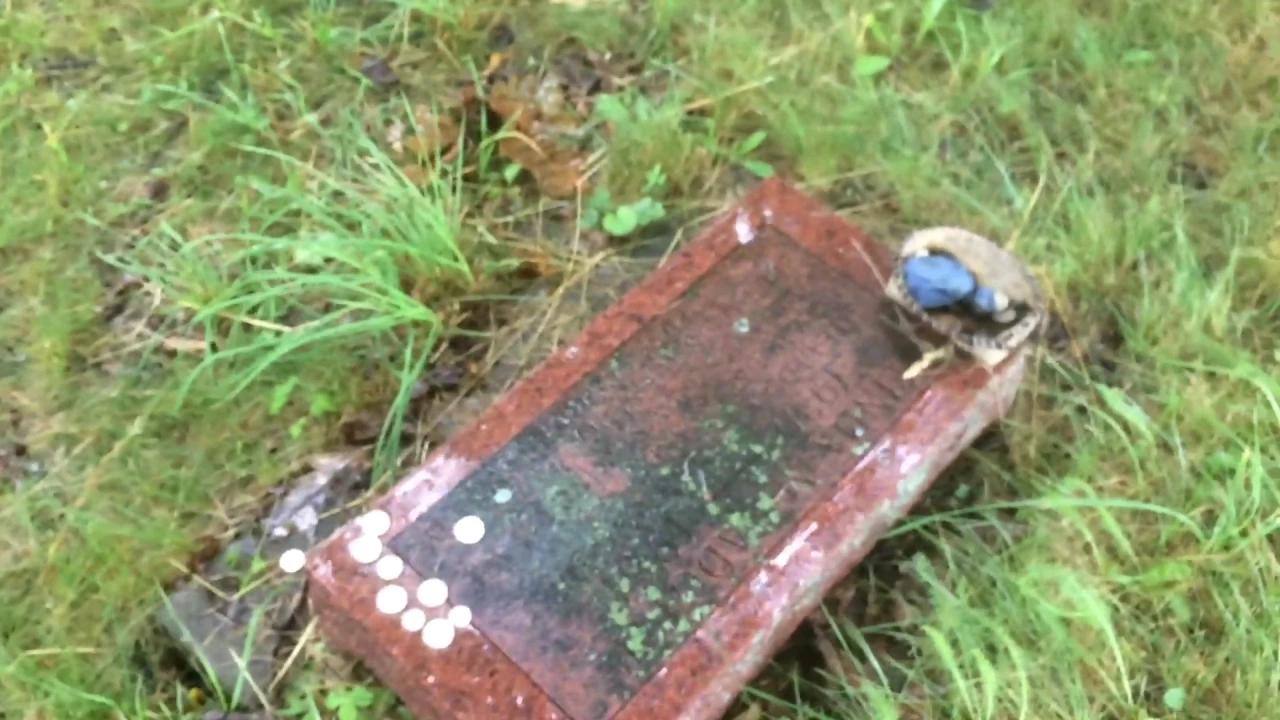
7:25
Anthropology
Indian Graveyard
JasonLovesLife
3K views•2017-08-05

1:38:35
Anthropology
Inaugural Hocart Lecture Marshall Sahlins, SOAS University of London
soasuni
5K views•2016-05-31

15:30
Anthropology
Experience the vibrant energy of Panay The Sugidahon Jahaud Festival at Dinagyang 2023
PhilippinesTravelSite
133 views•2023-01-21

10:06
Anthropology
Are Louisiana Creoles Black?
nytn
33K views•2024-05-04
59:54
Anthropology
CLAAS Webinar – Adrián Oyaneder Rodríguez
claascanada4711
106 views•2025-03-28

3:45
Anthropology
Cultural Diversity in the Philippines: A Case Study of the T'boli Peoples
soulmusicph
427 views•2023-08-18

1:04
Anthropology
What if early Australians once shared land with ‘hobbits’
VaidsICSDelhi
2K views•2026-03-05
Trending

13:38
Law
WOW! Judge TURNS THE TABLES on Trump in His OWN $10B LAWSUIT!!!
MeidasTouch
197K views•2026-07-23

13:25
Business
Playstation NO DISC/NO BUY Fight Is Over...
DavidJaffeGames
4K views•2026-07-23

22:40
Business
Steam and Xbox Just Dropped The Hammer On PlayStation
OhNoItsAlexx
9K views•2026-07-23

16:52
Anthropology
Americans Confused in Australia for 17 Minutes Straight
IWrocker
17K views•2026-07-23