Neuroplasticity is the brain's ability to physically reorganize itself by forming new neural connections throughout life, meaning our thoughts, behaviors, and experiences literally reshape our brain structure; this means we can change our negative beliefs and habits by repeatedly practicing new behaviors, as the brain strengthens pathways we use frequently and weakens those we don't, making consistent action more important than intention for personal transformation.
Install our extension to search inside any video instantly.
Understanding neuroplasticity will change your entire life
Added:I grew up with a very strong belief about myself that there's something wrong with me. And one of the main reasons for sure was a health condition that I was born with which is called a slight paralysis on my right leg. And that meant that I had to have two surgeries while I was growing up and lots of recovery obviously and physiootherapy and I couldn't really do that many sports and the ones I could do I was really bad at them. was difficult also to walk properly and all these things and contributed so much to these very strong beliefs that I had about myself. I'm not worthy. I'm not good enough. I'm not normal. Really completely manifested in my brain and definitely also made me be super insecure and really really self-conscious about myself and my body.
And then in my early 20s was when I stepped into my first ever yoga class.
had never done it before. It was really, really difficult, especially I'm struggling super much with balance. So, that was really difficult, but just a general weakness on my right side. But anyways, took that class and realized, oh my god, this feels so right for my body. this feels exactly like what my body needs and what could really help me to regain strength and work on the balance and yeah help to decrease the huge imbalance between left and right and so and that's then where I decided okay I need to keep going with this I went from then on three times a week to a class in a studio additionally I also practice at home with YouTube yoga with Adrian was the videos I always did and just kept going. And let us fast forward around 10 years because I'm actually talking about this in a lot more detail in my very first podcast episode. But basically now 10 years later, I'm a yoga and Pilates teacher sharing my practice and my classes online on Instagram, Tik Tok, YouTube. I was able to quit my job.
Obviously, I was able to really really change my body a lot uh in the last year and really help heal my body a lot.
There's still a lot I need to work on still every single day and my body will never be, you know, normal, so to say, or my left and right side will never be the same. But it's crazy to see where I used to be and where I am now. But you know what's even crazier is how much my mind changed so much more actually than my body. Because again, as I mentioned in the beginning, I used to be so deeply insecure and holding all these very very negative beliefs about myself and being so convinced that that's just who I am and that's just how it is. There is nothing I can do about it. That's just it. That's just me. And I think we all tend to do that so much that we accept things as they are and think that's just how it is. I'm just an anxious person.
I'm just not disciplined. I'm just very insecure. I'm bad with money. That's just how I am. That's just my personality. And we know now with all the science we have that that's simply not true. We are lying to ourselves when we do that because we know now there is a thing called neuroplasticity which is our brain's ability to change.
We are able to change so crazy much. So so so much. And I know this sounds like a very bold statement, but if you understand how neuroplasticity works, you can change your entire life. And that's exactly what this podcast episode is about. So I want to explain to you in the simplest terms possible how neuroplasticity works and how we can use it to our benefit and to our advantage to change our life and to become who we want to be. Because the thing is your brain is changing right here, right now in this moment. Whether you want it to or not, it's happening. And the only question to ask ourselves is, are we the ones directing the change? Are we the ones kind of influencing and impacting that change in the brains or are we just, you know, letting the environment decide or our phones or our bad habits or are we the ones who are fully in control here? So, let's get into it.
When I'm saying your brain is changing right now, I mean that not in a metaphorical way, but in a real physical way. That our brains are physically changing, which can be seen in a scanner. And one of my favorite examples is um the taxi drivers in London because in order to become a cap driver for these black typical London caps, you need to pass this infamous test called the knowledge where the drivers need to memorize the entirety of London like all the streets and there are literally thousands of them. And so researchers scanned the brains of these cab drivers.
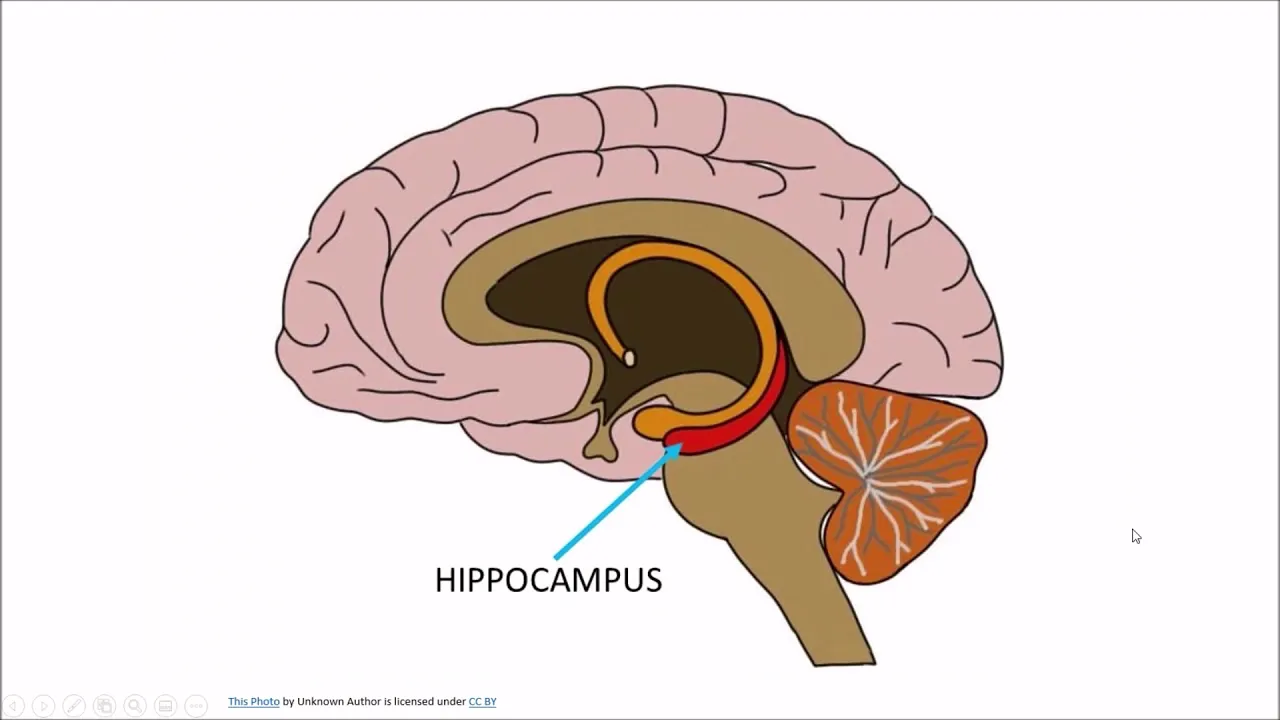
And what they found is that the hippocampus, which is the area for spatial memory that it's larger than in regular people. So that area literally grew because they used it so much and strengthened it so much compared to the normal person. And they also saw that the longer someone had been driving, the bigger that area was. So it kept growing over time. And there's also this really popular belief that our brains only change and wire and are kind of malleable when we're children. But that is also not true. It is easier in like a child brain, but it never stops. So it continues until the day we die. But so what is actually happening when we say neuroplasticity? Now I want you to imagine a rainforest. And now imagine, you know, you have this wild rainforest where there's no clear pathways or clear ways to walk. So you're just walking field in kind of like straight through it. And every day now you're going to take that exact same way. And over time you start to create a path because you take the same steps. The earth is changing, right? And you get these very, very clear pathways. It gets super easy over time to walk. On the first day, it was really tough. you had to kind of fight your way through, but then with time it's getting easier and easier and you create this really strong path.
That's the exact same that happens in our brain because the brain consists of billions of neurons that are connected through pathways. And the more we repeat a thought, a behavior, a certain pattern, the pathway in the brain that kind of is responsible for that exact thought or behavior is getting stronger and stronger every single time we repeat it. But also the more you don't use it, the more the wilderness kind of starts to grow back. So in the jungle, things start to grow over the path again if you don't use it. And so every time that I was telling myself and thinking to myself, there's something wrong with me and I'm not normal and something wrong with my body. Every time I did that, that um pathway and that connection in my brain got stronger and stronger until it really became my absolute default thought. It was the most natural way for me to think like that and to have that thought in my mind because I had strengthened that pathway so much that it was just also for my brain the easiest because what we always need to remember is that our brain loves efficiency. It loves for things to just be easy and to not take that much energy because our brain actually needs a lot of energy to uh keep working and it wants to use as little as possible of that. So it will always go back to our default through these pathways that are the strongest because they're just the easiest. There's really not much effort that is required by the brain. And that's exactly why these pathways are so so critical because they influence our behavior so so crazy much. And the really great news here are of course that we are able to change these pathways. We have neuroplasticity, the ability to change them, to build new ones, to let grass grow over the ones we don't want. But this doesn't happen based on what we wish for or what our goals are. Our brain couldn't care less about what intention we have or goals we have or our vision board. You know, the only thing that matters to the brain is what we do repeatedly. When I was younger, I of course wanted to feel more confident. I wanted to feel capable. But our brain cannot use wanting. It can only use repeating. And so me going to a yoga class every week even though it was really freaking hard and then repeating that. Or me putting myself out on social media even though that felt super crazy scary and doing it anyways and then repeating that for a long period of time. or teaching yoga to a room full of people right after I had just completed my teacher training and I felt like I had no idea what I was actually doing but doing it anyways and then doing it again and again and again and then of course over time it then got so much easier and teaching yoga started to feel like the most natural thing in the world or posting on Instagram started to feel so much less scary or practicing yoga got so much easier with time and in turn it changed the way I think about myself fundamentally because I started to believe that I am actually capable of doing things and most importantly probably that I am capable of change.
But again in order for our brain to change it comes down to what we are doing repeatedly. And this, my friends, obviously also works in the opposite way too, right? That the things that are maybe actually not serving us, like all the kind of bad habits and also all the negative beliefs we have about ourselves, the more we do them, the more we repeat them, the stronger they also get in our brain. And here's a super interesting example where researchers looked at what chronic stress physically does to the brain. And they found that under sustained stress, the brain remodels itself in the wrong direction.
The prefrontal cortex, which is our center for calm and deliberate thinking and also for regulating our emotions, it physically franks when we're under chronic stress. The branches on those neurons retract and at the same time the amygdala, which is our fear and threat center, physically grows more branches, more connections. So when we're under chronic stress, our brain reads that as like constant danger and makes us better at being stressed because again our brain just wants to be efficient. You know, it's this loyal thing that just looks at what we're doing and then adapts the brain accordingly to kind of make things easier. But what it then does essentially is it makes us yeah better at being stressed, better at overreacting, better at being anxious, all these things in order to be efficient basically. But again it works in both directions. So the plasticity that builds the anxiety brain can also unbuild it and our prefrontal cortex is actually able to regrow. But so now how can we kind of apply this to life and make all of this a little bit more tangible and practical? First thing that we've just basically discussed now is that action always comes first. We cannot think ourselves into a different identity or a different way of being. We have to act our way into it and we have to do the things that the person we would like to become does and we have to repeat them because then our brain goes like oh this is what we do now okay and then adjusts our identity accordingly.
So identity doesn't come first you are not a disciplined person first you act disciplined and then over time you become a disciplined person. So every single rep is literally a vote for the person you're becoming. But with everything, this is obviously a lot easier said than done cuz we would all be doing it if it was easy, right? So, I broke this down into six ingredients that I want to share with you now and that I hope are helpful to apply this into your daily life and really make use of neuroplasticity. And number one is to pick a very specific behavior and not the outcome. So, don't focus on the end goal, but focus on what do I have to do to get there. So we don't say I want to be fit because that's a wish that our brain can't really act on. We say I do this very specific workout every day for 20 minutes. So we're giving our brain something to act on because again remember our brain rewires around the doing. So we need to give it the doing.
Number two is actually something we discussed two episodes ago I think which is called an implementation intention.
So being so specific about when and where we're going to do the thing.
deciding on a specific time of the day attached to maybe a specific place or maybe another thing you're doing anyway.
So it could for example be after I brush my teeth I do X Y and Z or after I had my morning coffee I'm going to do the workout. So being really specific because that helps us to not rely on motivation which we don't want to do because we all know how fleeting motivation is but we have a system in place. We have this very specific clear plan of the behavior and when and where we're going to do it. Number three is to try to be as focused as you possibly can while you do the thing. So not distracting yourself by half being on your phone meanwhile or being somewhere completely else with your head. We want to be super super focused on the thing which makes the rewiring for the brain a lot easier and kind of like a lot stronger and more effective. And then we want to get rest also. That's so important for our brain to actually have lasting change. It needs to have sleep, have rest to do the work. It's the same with the all our muscles in the body, right? That the actual work is happening while we sleep and while we recover.
Number four is probably the most important and it's to not quit when it gets hard because that's unfortunately a tendency we tend to have that when things get hard, especially when we don't see results. I feel like that's such a critical point where we then also feel like okay, it's not really working anyways because I don't see any change or anything. That's when we're so so likely to give up. And it's so unfortunate because that's actually really oftentimes kind of like almost the breaking point after which it starts to get easier because when you have this sensation of frustration and that something feels really hard, it is actually a very very good sign of rewiring because when something does feel really hard, our brain flags those connections in the brain as okay this needs work because it feels so hard, right? So it registers that as okay apparently we need to get better with this because right now it feels really really difficult. And so while we then sleep it starts to work on those connections which is so fascinating and so crazy. I was actually so mind-b blown when I read about this. And so this by the way also means that it's really good to do things that are too hard for us or that feel a bit too challenging or maybe a little bit too advanced. That's actually amazing because it really really stimulates this uh rewiring and this neuroplasticity a lot and so do not give up when something feels hard but do even more of it. Number five is to remember what we talked about that the pathways can also disappear slowly. The less we use them, the more grass and the more rainforest will grow over them and they will slowly slowly start to become less easy and then hopefully at some point disappear completely which is what we of course want with all the bad habits and the negative thoughts and so on. And so I know this is basically a whole new topic of how to break bad habits and atomic habits is by far the best book to read on that for sure. And a few things that I think he also suggests is first of all of course our environment. So making our bad habits really really difficult in the first place. So if you for example have this habit of always snacking on chips or sweets or whatever in the evening to remove them out of sight and to put them somewhere else or another really kind of important strategy is to replace the habit so that it basically never works to just eliminate the habit but that you kind of need something else in place for it. And so thinking about what could be a better alternative um and what could I maybe do instead. But you know what? I actually feel like just knowing about this is so powerful because knowing that every time I do something that doesn't serve me and I repeat it that I make it easier for my brain and that it becomes more and more and more of a habit and more natural to do. And just knowing that in the moment then reminds me of like well I actually don't want that. I don't want that to be how my brain works or I alo also I don't want to become that kind of person and thinking about the person you actually do want to become and what is it that they are doing and then repeating that I think really that literally knowing that neuroplasticity works and that it works in every single moment is so powerful in itself and it actually brings me to point number six which I feel like it all comes down to then is having awareness, having a general awareness and noticing what is actually going on in my mind and how am I also behaving in my day because it puts you out of this autopilot moment because so many things we do during our day are just so automatic, right? Cuz it's our default and we don't even realize anymore that we're doing it. And I think the more awareness we can bring into our daily life and into every single moment, the more we're able to change because the more we're then able to adapt our behavior because we question certain things and really yeah very strongly connected to what I've just said of how much it changes that you know you can change how much it change how much what a big different what a big difference it what I just said what a big difference it makes what a big what a big difference it makes to just know how much you're able to change and how much every single action we take influences our brain and shapes our brain and changes it because again neuroplasticity is happening whether you like it or not and it's really up to you in which direction it's going. If you're using it to build a brain that supports the version you want to become and also then over time makes it so much more effortless and so much easier to act like the person you want to become or if it goes the exact opposite direction.
And there I think it's so powerful to picture these two versions of yourself in one year or two years from now and having this one version of the person you will be if you don't change anything and just continue and give in to immediate gratification and comfort and the bad habits. And then having that other version that's doing the hard things, even if it feels super hard, and challenges themselves and breaks out of their comfort and really explores what they're capable of, because what we're capable of is so much more than we know.
If you would have told me 10 years ago where I would be now and what my life would look like and how I would also think and feel about myself, I would have not believed it. And I would have not believed how much I would be able to change it. Just completely out of my imagination. And I think we also need to remember that there's so much more possible for us than we can see right now. And we need to trust that and show up as a version who will seek all of these opportunities and come into their full potential. And I really hope you enjoyed this episode. I hope that it helped you to kind of change your mindset around it and to understand neuroplasticity and to use it for yourself. Of course, by the way, if you're not following the Truly Well podcast on Instagram, do so because I'm posting a lot on there and I would love to see you there. And even more, I would love to see you next week. So, thank you so much for listening and see you soon.
Bye.
Related Videos
8:08
Neuroscience
What is neurodegeneration?
TheSheekeyScienceShow
3K views•2019-08-19

57:35
Neuroscience
IPL - Ruth Empson "Mind the Gap"
otagouniversity
251 views•2019-07-08
14:01
Neuroscience
How our body shapes our mind | Pancho Tolchinsky | TEDxNapoli
TEDx
2K views•2019-12-05
1:00:02
Neuroscience
Impact of Early Life Deprivation Danielle Stolzenberg Marcus Pembrey Bruce McEwen
uctv
4K views•2019-12-01
10:32
Neuroscience
β-Caryophyllene for Parkinson’s: Protecting Dopamine & Easing Symptoms
parkinsonsdiseaseeducation
6K views•2025-08-09
20:44
Neuroscience
New Insights from Inside the Brain with Rodrigo Braga, PhD
NUFeinbergMed
421 views•2025-04-14
9:57
Neuroscience
Highlights for dystonia • 2025 MDS Congress
movedisorder
145 views•2025-10-27
58:17
Neuroscience
Animal Welfare Synergy Series: Dr Tom Smulders on hippocampal neurogenesis
costactionlift
135 views•2025-07-14
Trending

13:38
Law
WOW! Judge TURNS THE TABLES on Trump in His OWN $10B LAWSUIT!!!
MeidasTouch
197K views•2026-07-23

13:25
Business
Playstation NO DISC/NO BUY Fight Is Over...
DavidJaffeGames
4K views•2026-07-23

22:40
Business
Steam and Xbox Just Dropped The Hammer On PlayStation
OhNoItsAlexx
9K views•2026-07-23

16:52
Anthropology
Americans Confused in Australia for 17 Minutes Straight
IWrocker
17K views•2026-07-23