Happiness is not a fixed trait but a result of brain wiring that can be rewired through neuroplasticity; specific habits like practicing gratitude (naming specific things and why they mattered), engaging in heart-rate-raising exercise (20-30 minutes daily), maintaining real social connections (face-to-face or voice calls), and prioritizing sleep can physically rewire the brain to notice good things more easily and improve emotional regulation.
Install our extension to search inside any video instantly.
Habits That Physically Rewire Your Brain For Happiness
Added:Happiness isn't something you either have or you don't. That's the lie you've been sold. What you actually have is a brain that got wired over years to notice threat before it notices good.
And here's the part nobody tells you.
That wiring isn't permanent. It's not your personality. It's a pattern. And patterns can be rebuilt. Let's talk about how. Your brain runs on something called neuroplasticity. Every time you repeat a thought, a reaction, or a behavior, you strengthen the neural pathway underneath it. Do it enough times and that pathway becomes the default setting, the path of least resistance. If you've spent years defaulting to stress, comparison, and numbness, that's not a character flaw.
That's just repetition. The good news is the same mechanism that wired you for flat and joyless can wire you for something better. You just have to feed it different repetition. So, let's get into the habits that actually do this.
Not vague ones, specific ones with a mechanism behind each. First, gratitude, [music] done properly. Actual, specific gratitude, where you name one thing and say exactly why it mattered. Research using brain imaging has found that consistent gratitude practice increases activity in the prefrontal cortex, the part of your brain responsible for decision-making and emotional regulation, while the amygdala, your brain's threat detector, calms down.
Over weeks, that [music] shift becomes measurable. You're not tricking yourself into positivity. You're training the exact circuit responsible for noticing good things to fire more easily. Here's the specificity trick. Instead of, "I'm grateful for my friends," try, "I'm grateful my friend picked up the phone at 11:00 at night without hesitating."
Vague gratitude barely moves the needle.
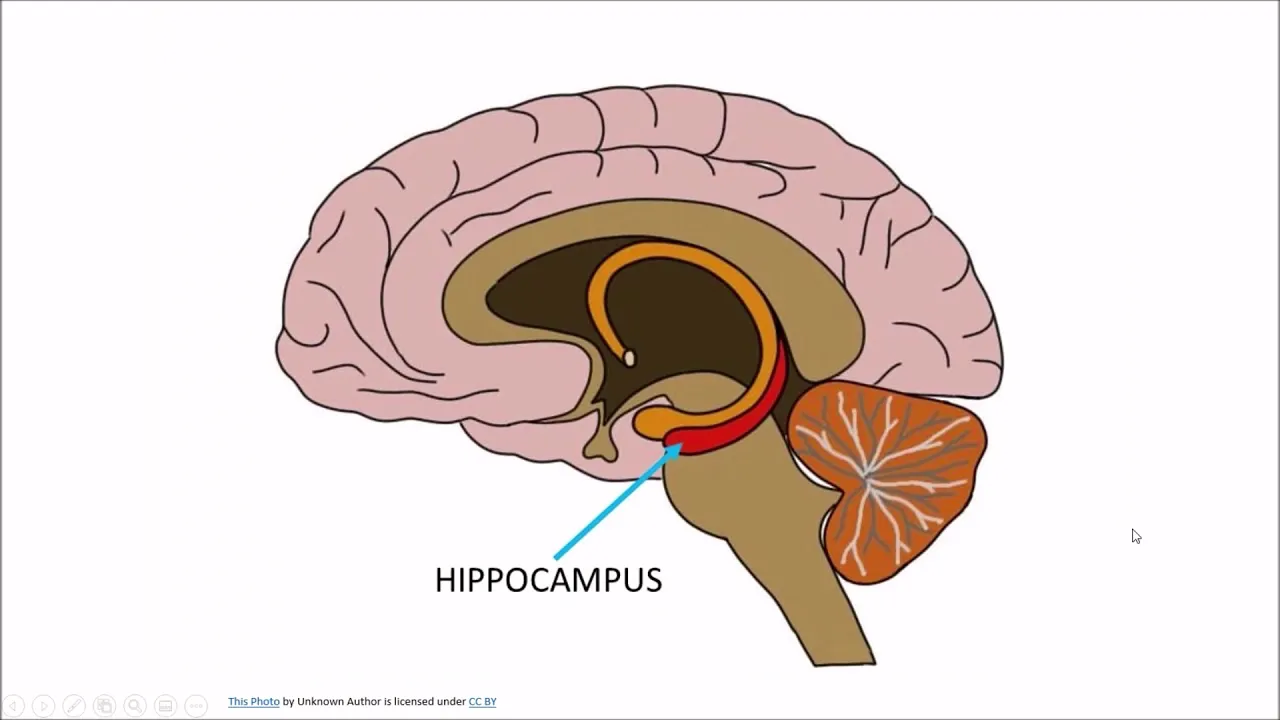
Specific gratitude gives your brain something concrete to lock onto. Second, movement, and I mean the kind that raises your heart rate, not a leisurely stroll to the fridge. Exercise increases a protein called BDNF, brain-derived neurotrophic factor, which supports the growth of new neural connections, particularly in the hippocampus and prefrontal cortex. Think of BDNF as fertilizer for your brain. It's part of why people who move consistently report better mood regulation and sharper focus, independent of weight loss or how they look. You don't need to become a gym rat. 20 to 30 minutes of something that gets your heart working most days is enough to start shifting this. The habit isn't punishment. It's maintenance for the organ that runs everything else in your life. Third, and this is the one most people skip, real social connection. Not texting, not liking a story, actual face-to-face time or at minimum a voice on the other end of a call. Social bonding triggers oxytocin release and oxytocin is linked to increased vagal tone, which is your nervous system's ability to shift out of stress mode and back into calm. People with stronger vagal tone recover from stress faster and report more sustained positive emotion day-to-day. Isolation does the opposite. It quietly disrupts that same system. If you've noticed you feel worse the longer you go without seeing people in person, that's not weakness. That's your nervous system telling you exactly what it needs. Now, here's the one that ties the other three together and it's the one nobody wants to hear. Sleep. You can do gratitude, movement, and connection perfectly and none of it sticks without sleep because sleep is when your brain consolidates everything you practice that day. It's physically strengthening the connections you built while you were awake. Skip sleep consistently and you're not just tired, you're actively undoing the wiring work. This is the multiplier. Get this wrong and the other three habits work at half capacity. If you found this video helpful, hit the like button and subscribe to the channel for more videos like this. You might also find this video helpful, too. Check it out.
Related Videos
8:08
Neuroscience
What is neurodegeneration?
TheSheekeyScienceShow
3K views•2019-08-19

57:35
Neuroscience
IPL - Ruth Empson "Mind the Gap"
otagouniversity
251 views•2019-07-08

14:01
Neuroscience
How our body shapes our mind | Pancho Tolchinsky | TEDxNapoli
TEDx
2K views•2019-12-05

1:00:02
Neuroscience
Impact of Early Life Deprivation Danielle Stolzenberg Marcus Pembrey Bruce McEwen
uctv
4K views•2019-12-01
10:32
Neuroscience
β-Caryophyllene for Parkinson’s: Protecting Dopamine & Easing Symptoms
parkinsonsdiseaseeducation
6K views•2025-08-09

20:44
Neuroscience
New Insights from Inside the Brain with Rodrigo Braga, PhD
NUFeinbergMed
421 views•2025-04-14
9:57
Neuroscience
Highlights for dystonia • 2025 MDS Congress
movedisorder
145 views•2025-10-27

58:17
Neuroscience
Animal Welfare Synergy Series: Dr Tom Smulders on hippocampal neurogenesis
costactionlift
135 views•2025-07-14
Trending
32:49
Engineering
we're almost finished the house (ep.125)
JennaPhipps
347K views•2026-07-22

21:29
Astronomy
We Finally Know Where Saturn’s Rings Came From
astrumspace
79K views•2026-07-22

12:13
Business
BIG BET: Cathie Wood goes ALL IN on Elon Musk
FoxBusiness
89K views•2026-07-22

13:55
History
MIC DROP: Smithsonian Director Called Out For Woke Propaganda
TheAmalaEkpunobi
37K views•2026-07-23