Kría masterfully transforms Iceland’s environmental chaos into a controlled engineering variable through high-fidelity simulation. This approach is essential for building resilient autonomous systems where the cost of real-world failure is as extreme as the terrain itself.
Install our extension to search inside any video instantly.
Kría - Simulation and Validation of Autonomous Systems for Extreme Icelandic ConditionsAdded:
Welcome to the explainer. Let's jump right into how we're prepping autonomous drones to survive extreme unforgiving conditions. Ever wonder why your standard off-the-shelf commercial drones completely fail in our wild Icelandic environments? While severe GPS signal drops, radio shadow zones, and brutal volcanic winds easily knock out regular navigation systems. That's exactly where we come in. Meet Project CREAD, our brand new initiative for building truly resilient autonomous robots. The problem is simple. Standard drones are built for sunny skies, not our harsh, unpredictable Icelandic realities. So, the big question, how do we actually test these systems without completely trashing incredibly expensive equipment?
We use a simulation first approach.
Basically, we let our drones crash virtually so they actually survive in reality. Using a staged method, we rely on advanced simulation tools like Gazebo to model those harsh environments beforehand. We're ditching closed commercial systems for fully auditable modular autonomy setups that we can actually look inside and understand. To build this out, we're using rocksolid foundations like ROS2 and Rust to thoroughly test those degraded control architectures. And to prove this works, we've already poured 700,000 Icelandic crona of our own money into this. That self-funding shows our absolute personal commitment to solving this massive problem. We definitely have skin in the game. Now to rapidly accelerate our development, we're going after a 2 million crona fry grant from Renise.
That grant directly funds essential validation hardware like LAR thermal sensors and a totally professional 3D printing setup. This initial 6-month phase is focused purely on technical feasibility and strict subsystem validation, not immediate operational rollouts. We're following a strict stage timeline designed to heavily reduce technical risks before we even build integrated prototypes. But why does all this matter? What's the real long-term impact for the safety and future of Iceland?
>> Eventually, our resilient drones will step in to protect human responders during incredibly dangerous search and rescue operations. Plus, our resilient robotics work directly supports the UN's sustainable development goals for better health and climate action. Imagine a future where autonomous rescuers literally never falter in a storm. Will you join us on this journey?
Related Videos
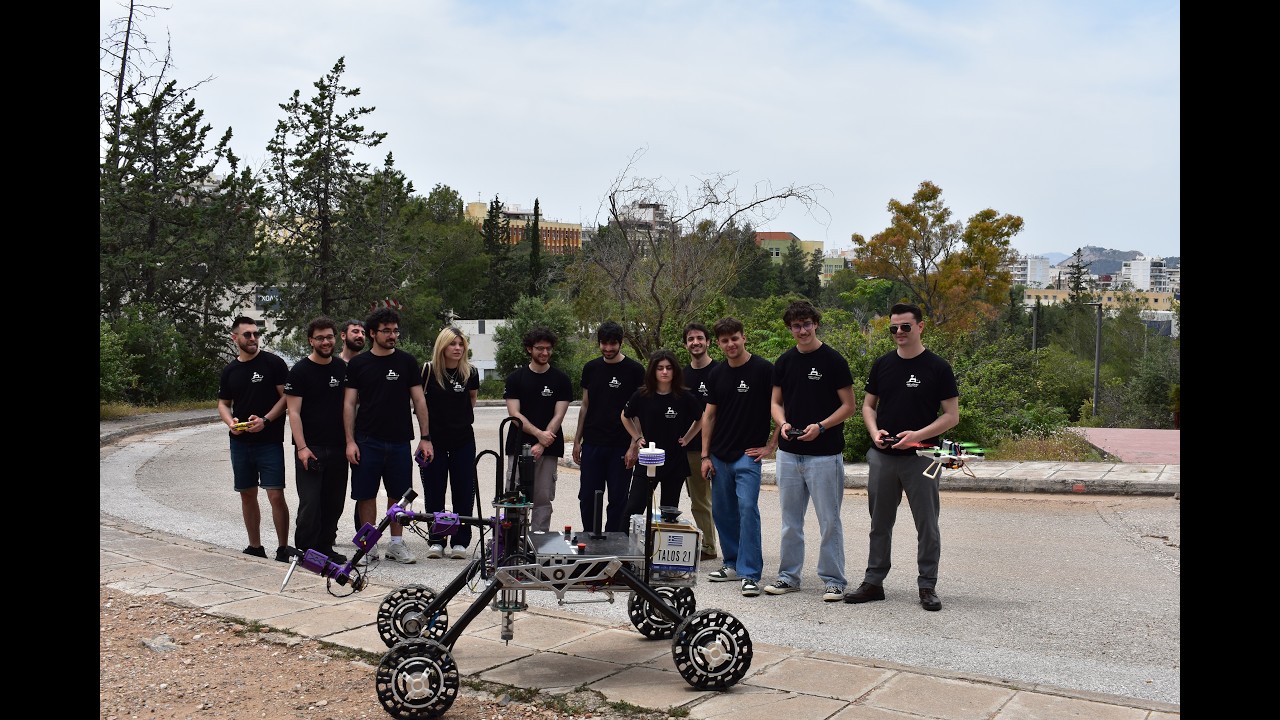
Beyond Robotics | European Rover Challenge 2026
beyondrobotics
189 views•2026-06-01

Beatbot Sora70: JetPulse Technology and AI obstacle avoidance and navigation!
DroidModderX
26K views•2026-06-02

Tesla FSD 14.3.3 Hits Phoenix Streets - FIRST LOOK
anthonystesla
114 views•2026-05-29

Elon Musk Just Revealed Fremont Line for Optimus Gen 3 Mass Production
TheAINexusOfficial
180 views•2026-05-30

人機一体「零式人機 ver.2」 子ども企画【おもしろ発見!モビリティー】 #乗り物 #automobile #robot #shorts
KyodoNews
1K views•2026-05-28

China’s New Luna AI Robot Looks Shockingly Human...
NextGenHumanoids
850 views•2026-05-28

Reachy Mini: the $300 open source robot you can actually hack — Andres Marafioti, Hugging Face
aiDotEngineer
662 views•2026-05-29

柔軟指×AI画像処理食品の仕分け作業システム!#柔軟指 #ロボット #自動化 #製造業をもっと盛り上げたい
KiQ_Robotics_Corp.
113 views•2026-05-28



