The mind operates through a navigational metaphor where attention serves as the compass that guides us through both external landscapes and internal mental terrain, with the hippocampus linking spatial navigation to cognitive processes like memory, imagination, and consciousness; this approach suggests that attention is not merely a resource to be managed but a fundamental force that shapes our experience of reality, connecting to care, love, and action through practices like meditation and embodied attention exercises such as haiku writing.
Install our extension to search inside any video instantly.
Landscapes of the Mind: Thoughts, Emotions, and Imagination with Andrea Hiott and Henry Kramer
Added:I'm joined here by Andrea Hyatt. Andrea is teaching a course with us starting next week on the 21st called Landscapes of the Mind at the Strut School of Radical Attention in in Dumbo in Brooklyn. At the Str of Radical Attention, we are dedicated to attention activism, which is the pushing back against the exploitation of our attention by big tech through both various means of uh um of attentional practice, but also through redefining how we understand attention, expanding and widening and deepening our understanding of attention as something that is not just a resource to be commodified. And so we have seminar programs that explore attention from a variety of different angles uh that are each in themselves a kind of attention.
Um and Andrea, I will let you introduce yourself and your background a little bit coming into this and then just a bit about what Yeah. which I imagine will kind of dovetail with your introduction of yourself, but what why landscapes of the mind?
>> Hi Henry. Hi everybody. It's great to be here and I'm Andrea Hyatt. I'm a philosopher. I've studied philosophy.
I've studied neuroscience. I have degrees in those for whatever that's worth. But I've also had a lot of other experience in life. That's very important, I think, for this course and for attention and for what we're doing here. So, it's always annoying a bit to lead with your degrees. But I am uh trained in neuroscience and philosophy also heritage. Um even technology a bit uh poetry. I did that too when I was even younger in New York. So I think the whole idea though is that I'm through all of this whether it's like city planning or it's neuroscience or it's philosophy I'm really trying to understand what is mind and I've been trying to understand that since I was a kid I think you know wandering around like in nature and talking to animals and trying to understand how they were different from me and stuff like that.
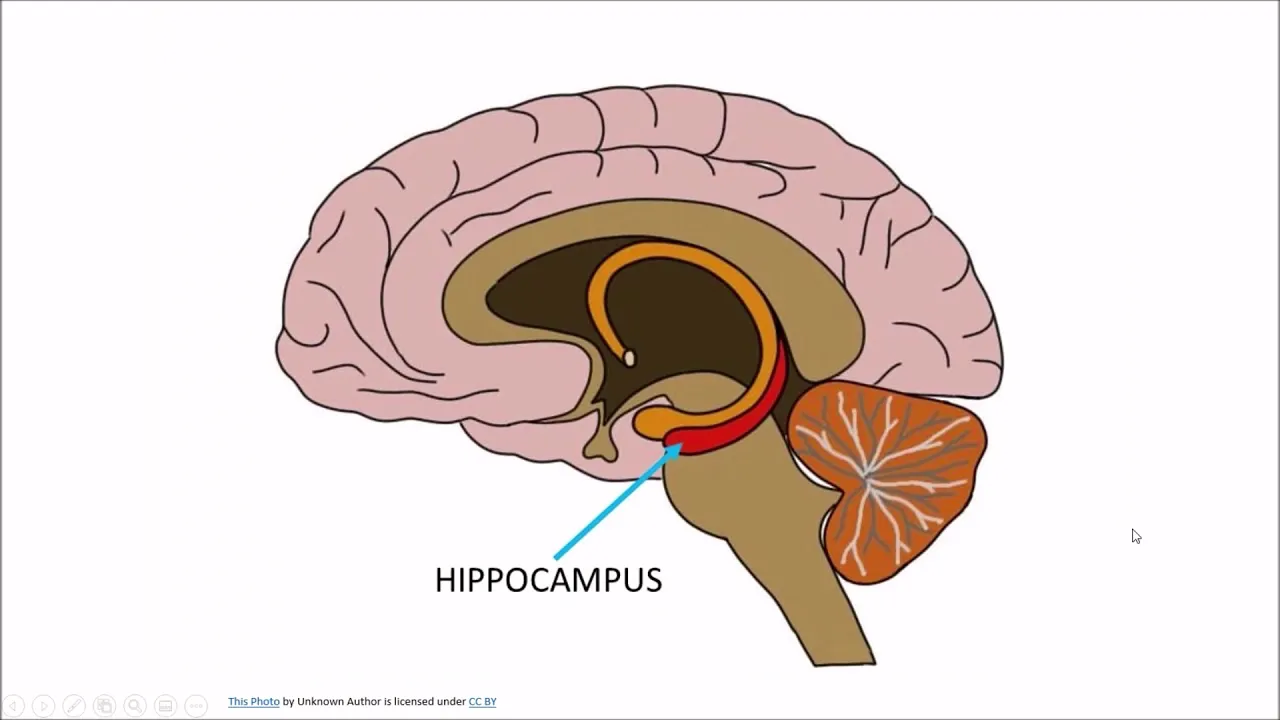
And I think all these things that I've done whether it's trying to be a poet or writing books or studying neuroscience has really been from that same place like how do we understand what this experience is that we are able to know that we are here and think you know all these things we call think have memories plan for the future imagine and attention as it turns out has a lot to do with that and through all these different ways that I've tried to study this question which is basically a philosophical question but it's also a question about meaning and you know all the things that matter in life um what motivates us uh how do we connect what is love I mean for me all that's connected to it but in all these different ways that I've studied it attention has been the word that comes up like a refrain and it's caused me to try to do things like meditate or do other sorts of practices to try to understand what that is and what that has to do with mind and the way I've really come into it with my work over the past 20 years and the reason I studied neuroscience is because I started finding that the best way for me at least to understand this and think about it was to orient through movement and landscape and ecologies and sort of this navigational metaphor which isn't really a metaphor it's more like an ontology once you really get deep into it but even just thinking of it as a metaphor because metaphor is so powerful so I I shouldn't say just metaphor but that's how I have been thinking about what mind is and what attention plays in it and I studied that part of neuroscience of like how we move through landscapes and what that means and way back like probably 10 years ago at least I started thinking well the way we move through the world is also the way we move through thoughts or through memories or the way we imagine this navigational metaphor maybe is is easier you know you can understand we already use it we already talk in those kind of terms like I'm going to get over this problem or whatever. I'll see you through it and and things like this. Um but what I found and is that actually in the neuroscience these are linked and there's a part of the brain called the hippocampus where for me they're especially linked and luckily about 10 years ago when I was thinking about all this a lot of new studies started to come out that were was doing exactly that linking to put it very generally the way we move through the world the way we find our way the way we make way way finding to how we also do that in conversations or in relationships.
or in our own thoughts or even through a book or you know something like that. So that's what I've been trying to do is, you know, think about those big questions, think of them through navigational metaphor.
And what I've really found is that attention is the kind of key to a lot of agency in that regard, which I guess relates to what you were saying, right, Henry, about Yeah. why attention is so important and how it's been fracked, you know, taken from us in a way or not even taken. we haven't even had the chance to realize how important it is and that we that we you know have this power of attention or I don't know how that fits with your ideas of attention but >> very well I mean the the attention liberation movement is what we call it that idea of attention's relationship to freedom um I'll add a couple little notes to your self- introduction also hosts love and philosophy which is a wonderful YouTube channel of some amazing interviews and is the author of holding paradox the navigational approach approach to mind. I don't know if you want to add anything about either of these, but you're welcome to.
>> That book is available. It will be available with Simon and Schustster coming pretty soon, and it's it's about what the navigational mind approach, understanding mind this way, and the story of the hippocampus, but it's really told as a narrative. So, it's really easy to read even though it does get a little bit philosophical and it is about neuroscience and love and philosophy. Yeah, that happened when I was doing a lot of research and someone was like, "Why don't you record these conversations?" Because, as you can already tell, I'm I'm really excited and interested about everything and I'm always trying to connect all the dots.
And part of the navigational approach is is trying to bring people who think they're on different sides of things into understanding they're actually just exploring a common landscape from completely different paths. and if they share that maybe they'll actually even like have more of an exciting experience of that landscape. So I started recording the conversations and that was how it started and now it's become a podcast. It's I don't know it what's exactly happening with it. It's also big on YouTube and things like this. But I'm trying to bring people in to actually have talks of their own that excite them in the way that I started it. So I don't want it to just be me hosting it. Other people have hosted it. There are other hosts. So, we're in this moment now where we're trying to open that project even up a bit a bit to love and philosophy. You can find that pretty easily as well. And it has to do with care. I think that's another word that's important to you too, right Henry? And to the school because that's one reason I found you is that, you know, I wanted that love and philosophy. It can sound like I'm almost like sentimental or something. And I wanted that because as a scientist or someone who's been in these scientific worlds, I'm I'm a philosopher, but I did train as a scientist. Then I realized we don't talk about what we care about. We we're almost afraid of it even though it's motivating our work. And so I was trying to kind of pick at that a little bit and bring that back in because that feels really connected to attention in so many ways. But yeah, I'm sure you have those connections too, right, with the work at Sora.
>> Yeah, I I feel that attention directly leads to care and care directly leads to love and love directly leads to action.
I really resonate with kind of I mean this this could be a whole tangent of of what motivates kind of the the actions we want to do that we're afraid of doing. And I I feel I I suspect it has something to do with whether or not we're doing what we love, but love being an a muscle that can be trained through care and care being a muscle that can be trained through attach through attention. Uh and so I I yeah, I really resonate with what you're saying. Um, I also >> I always wanted to know what you think is different between care and love, but we'll have to say that another time.
>> Sure. Sure. Um, they might be they might be close to synonyms, I suppose. Uh I I um I also resonate with the the kind of interest in everything from that interdicciplinary lens, but in a way where it feels like you are both interested in everything, but also razor focused in the sense that you are you're zeroing in on the vertical connections between all of these fields and what so many people are saying in so many different lingos and so many different vernaculars based on their specializations to bring that together into this this sort of layered conversation about navigation, about the mind, about how it is that we move through the world and understand ourselves in relationship to that world.
This really brings up the idea of metaphor because I think to a lot of people metaphor is just like figure, you know, you just think figurative speech.
You just think it's an image. It's a sort of a pretty way of saying something that could be said in a more like direct way. But I like this idea of metaphor as the structure of reality really. Like to say that something is metaphorically true means that there's an echoing between two things in the world. And I love the this quote by Jan Ziki who I know we both admire that those who think metaphorically are enabled to think truly because the shape of their thinking echoes the shape of the world.
And I'm curious about the yeah what you see as the role of metaphor in how the mind moves through the world, constructs worlds, relates to a world. Yeah. What is what are your feelings about metaphor?
Oh, I love I love that quote so much and the idea of resonance, you know, there would be so many things to go into there because even navigation, as I was saying before, is a kind of metaphor. People often think of it as metaphor in philosophy or neuroscience when I'm talking about mind as navigational, but it's really more than what that common idea of metaphor is. I mean the way that you just expressed it is very true to what I'm trying to say. But that's not what most people mean when they say, "Oh, it's just a metaphor." They think it's like a metaphor for understanding mind, but it's actually more like Janviki. It's like this ontological weight. I mean, one thing about her work that I love so much is you have to hold both things at the same time. I'm always talking about this, you know, that holding paradex, right, was the name of that of that book that you just talked about. And that's like you have to hold these two thoughts at once. You can't collapse them together. That idea that maybe it is helping us understand something we thought you know we understood from a kind of remove but at the same time that it's actually this like real orienting force that is us you know. So navigation is like that. It's like trying to understand two things that might seem impossible to put together and that you can't resolve and not trying to resolve them. That's the key. And I think in the metaphor, the idea of metaphor that Janviki gives us, you have that tension, right? That lets you then kind of open into a different sensuality and it's not just like representational, for example, it's about resonate resonating. You said something about my focus and that's really true because it's like you see these resonances that are part of life and that are occurring in so many different ways and you want to find ways to communicate about those and I think metaphor in the way that you just brought out is such is is the way to do that. It's almost like that's what we have to do and that's why we can't just be analytical in the old-fashioned way.
You know, there's a lyricism. There's a lyrical aspect to this that that isn't you can't get rid of it and it's not an eitheror. That's the way we often think of it. You're either poetic or you're a analytic philosopher and her work for example and you know a lot that motivates me is showing you can be both of those things and >> you don't resolve them into one another.
And that's very similar to what I'm trying to say too in the navigational mind. It's not that I'm saying that, you know, when you walk through a city or you walk through walk up the mountain that's the same thing as when you sit and remember your grandmother cooking for you or something very hard that happened. I'm not trying to say those are the same thing, but I'm trying to say in this metaphorical way that they're if we hold them together and understand the resonance is similar, a completely different way of understanding what mind is opens up for us. And >> so that's very close to her work. for me and you know and to until and to I think what you were saying about what metaphor really does and also what you were saying about care opening um through attention because that's kind of you know we don't why do we need a metaphor unless we've attended to something and we kind of care about it right metaphors really turn us on at least you know I mean that's like such rich stuff there and it's that's why the lyrical the poetry the music and all of that I think >> really needs to be held alongside something more analytic or scientific in that other worldview.
Does that make sense?
>> I mean, there's so many threads that I'm tempted to pull on there. With paradox, I'm really interested in the idea of negative capability. like Keats's notion of sitting with a question without resolving it into an easy answer and what power that brings or what sort of energy that kind of creates like it's sort of it's like an engine for creativity for spontaneous understanding that kind of floats above or goes beneath maybe is a better way to put it the more rational conceptual ways of answering a question. like when you kind of sidestep it by just sitting in that goo of these apparently only two options and that is that is itself a sort of deep attention that's like a kind of or quality of attention that requires like yeah not wanting to kind of subjugate your attention to like just whatever the easiest most gratifiable like thing is and I also when you were speaking about metaphor and about like image and and I mean this is very related to poetry I think another impression people have about metaphor and poetry is that they are these sophisticated like acculturated kind of these fancy things that get added on top of the world. Like you have the world of pure experience and sensation and then you have the objective descriptions or literal descriptions of that world which is like you know takes a little bit of reflection or stepping outside of your immediate experience to do that. So that's a little bit more sophisticated.
And then you have figurative language which is even more sophisticated where you're bringing in other kind of experiences and you're relating it through concepts and patterns and all these other things. And I just wonder if that linear stacking of how we're sort of thinking about these different world worlds and languages is really accurate because to me it feels that metaphor in being image is sensation which means it's actually closer to that more basic experiential reality than objective description might be which requires a sort of second order referencing like a like it creates a kind of derivative world of concept. s to say like, oh, this is the idea like when you're analyzing something like, you know, this is the idea of all these things or the model, right, the map, but not the territory.
>> And metaphor seems to get us back to the territory, to the land, to our bodies, to feel it, like you said, it's it turns us on. It like lights something up in us. And I I remember reading and I and I don't know you would probably know more about the the science behind this if this is really true but that there seems to be archaeological suggestions that maybe poetry developed earlier than prosaic speech than like descriptive speech in human evolution or or that that actually like language that resonates or that brings people in or together like music for instance was was more primordial in us then than just then describing things like that is a tiger or something like that. that this like speaking to the world rather than about the world is is that there's some way that that accesses a more profound us, a more profound relationship and not not necessarily saying better or worse, but I guess like when you're describing the navigational mind, I wonder how it it do you see it as a way as kind of aligned with this idea of like returning to ourselves, our experiences more fully, like more fully inhabiting the world and us like when we kind of attend to this. I know there was a lot of threads there, but I'm curious.
>> It's so exciting because >> Yeah. Well, let me start with the Keats.
That's where you started, I think. And that idea of sitting in the negative capability or or or sitt I like to think of it as sitting in the tension. And you were sort of bringing up some scaffolds there that were very linear about is it be beneath or is it above and >> a lot of the things you were talking about were linear and up and down and that's what we all do right that's like right now even we when we talk about mind and cognition is it minds all the way up and down when we talk about life right so I really that's been a very important way to think but one thing that I try to do in this so I went back and wrote a PhD that I didn't need to write but I needed to write to be held held accountable and one of and there's a lot of ideas in there but one of them and the reason this whole holding paradox thing sort of comes and this beyond dichotomy which actually the podcast is love and philosophy beyond dichotomy that's the actual name of it but it's because I'm not trying to dissolve two things but what I want to do is sit in that space you described that kitsen space but a lot of people talk about this I mean this is a a theme you find in in people like Blake or I mean so many people who who get into this kind of space you realize you have to sit with a tension where you can't resolve what you've been trying to resolve. That's what we're doing in philosophy. We're constantly trying to resolve mental into physical or physical into mental and and in science. We're constantly trying to resolve these opposites without realizing that we're using that scaffolding that's linear and without realizing that we're constantly just assuming a dualism that has to be resolved. So, there's something about sitting in that space of tension which is so hard. We really have to help each other with this. This is a very hard thing to do. But when you can do that, I try to think of it and the way I put it in that PhD is in is to constellate like consolatory is the word I use. I'm trying to find ways to reimagine beyond binary points and beyond an up and down thing and and constellations has been really helpful for me. It's just like right now we are sitting in a room and there's an opposite point and I there's always an opposite right wherever you are but also we could kind of zoom out and think of that as a constellation what other points are in relation to that >> and I think with these kind of opposites that we're trying to resolve we can do that too and it gives us a little >> like breathing room to reconsider without like it's still an opposite it's still intention but we also can realize there's so many other points also intention to whatever whatever those two points are. And it just I guess what I I'm trying to do is like kind of open up a little bit. Um and I think that relates to the other points you were making about metaphor and language and map is not the territory which is something so important I think to me and also you didn't really say sematic or bodily but a lot of what I'm doing is bringing like thinking of mind as bodily not I love the brain. and I studied it right but mind is re literally bodily I mean we have neurons in our stomach for goodness sake so if you just are fixated on neurons being somehow connected you can there's also neurons in your body but even beyond the cells that are neurons what we're doing when we're thinking is really bodily it really is and there's so much science that shows us that and not in a kind of like precious way not even in only a philosophical way but so I think once you start thinking of that sensuality that you were bringing up and and and how that's bodily and how that connects to how we get stuck in our mind and how we get stuck in those either or scaffolds and how we get stuck in trying to resolve things. I think there's a whole richness right that we if we can sit in that tension starts to open for us in terms of what we're what's possible actually to experience but also what we really are you know what other minds are actually co-creating our mind if we think of mind as bodily >> because there's no gap actually between you know all the stuff we're moving through even though there's different so again we have that that thing and I think What metaphor does is metaphor is action. It's we don't hold a metaphor. I mean a metaphor is always a communicative thing. You don't you know you can't like cut it out and say here's the metaphor. It's always a relation with a past and all the paths that kind of led to it and all the ones leading everywhere. But what it gives us is like we have this place where all those paths are obviously crossing because we're both understanding it, you know. So we have this experential kind of delight.
It can also be very difficult but that metaphor that word is actually what's kind of pointing to. So if we think of the map and the territory the metaphor is like the experience of mapping the territory in a way together you know it's like that action. It's that it's that interreation. Uh that's how I think of it and that relates a lot to what in navigational mind because when we talk about a memory or a plan or you know all these nouns we use we're mapping what actually is an active ongoing pretty much unmappable in a way. We bracket it and map it to understand it but there's no absolute map you know there's no absolute kind of bracket. So maps are important but again they're not that experiential remembering together or the metaphorical part I think is really there. So the map is not the territory. We make maps so we can communicate right. So but the communication part is the part that's actually where all the all the life is.
And I think that's the experential part of of the metaphor. And I think that that's when I say mind is in action, I'm really talking about it more like that, right? That it's it's this communicative process of our bodies with our bodies, our bodies with what we're, you know, surrounded by. So I guess that also connects really well with thinking metaphorically in the sense of Jan's Vicki at least. Yeah, it sounds and and tell me if this is an appropriate metaphor, but it sounds like you're describing metaphor as the lines that we draw to make the picture of the constellation. So you have like the constellation of all of these various things that are affecting you, affecting your attention that are these different points, these different possibilities, whether that's in thought or I was just having a conversation with Sophie Strand and we were like at the beginning of our talk, we were like I think I forget which of us asked, but it was like what what is sort of impacting your attention right now? And we started naming various like the like the Hudson River, the sun, like this thing over here that's like bringing other beings into the conversation that are in our our our territory in our worlds. So that it's not just that you know that that one and two that me and you as opposites kind of having this conversation as two binary minds but as like a whole field of influence that is sort of sifting together into this this thought well Sophie would say like compost heap that that then grows something new kind of spontaneously. And >> I um I also uh uh just returned from as you as you were speaking I I keep thinking about this retreat that I just came back from on haiku writing that um Sophie's dad Clark Strand actually um taught and he is a a haiku master in English. He's been teaching haiku teachers since like the 1980s. And so he's >> really and and he teaches haiku in this very particular way where it is a practice of sunmon or of greeting. Like every haiku has a season word that is that's either you know could be the seasons or it could be you know do for spring or the moon for autumn. There's like cold kind of encyclopedias of these season words that are like as he would say like fellow travelers along the year that you're that you greet and then you kind of do this mapping. Well, actually it's first it's bodily first it's like you you write a haik coup through tapping like you walk around like we did a lot of sort of walking around and tapping out the 575 which almost feels EMDR like like it does something kind of physiological to your to your perception and to your to your body state to be like tapping and looking and thinking in words but also paying deep attention and thinking with some other being in your field of awareness and and haikus also have a pivot in the third line. So some some kind of twist like there like haiku means humorous verse and it's always like this little like something happens at the end to surprise you. Like one of one of Clarks is a cumulus cloud weighs over 1 million pounds. The sky must be strong. It's this little moment, right, >> of of oh, I'm suddenly I'm thinking about this different suddenly something has flipped. Uh, and this feels and and and I was speaking to one of the other participants and I thought of you in this conversation because she comes from a family of scientists and she was describing how the field of biioinformatics has changed science because it allows people who would otherwise be kind of isolated in their hyper specializations to gain insights from other fields to kind of like open source the specialized insights from other like sub fields of chemistry or or biology and and integrate that into their own fields. I mean I'm just mirroring back what I know nothing about bioinformatics but that's my that's that's what I got from what she was saying that it sort of works as this this place of connection of of being able to kind of weave things together like like make a bigger map, make these bridges, sketch these constellations. She used the metaphor of biioinformatics to talk about haik coup as open-source spirituality was the term she used which spirituality here just means you know attention to the qualitative depth of our relationship to the world like not necessarily something supernatural but just this idea of haiku as this particular very accessible way of thinking with the body and with the world that blurs the sort of inner and outer and trains this relationship.
And I mean, yeah, whether or not haiku is something in particular that that interests you or just or just this idea of like tech. I mean what fascinated me I guess here in this context is is that that that it's there there being these techniques for for navigating both the outer world like deep attention to to nature which expands with this like deep attention to what's happening around you but also the inner world as you're looking constantly for those resonances and you're like training the poetic attunement towards those resonances that it feels >> yeah just it just reminded me of the way you describe the the landscape the navigation of the landscape of the inner and outer worlds.
>> Oh, that's so wonderful. I love what you're saying about the haiku and for me that connects on a lot of levels like the embodied the embodied way that I was talking about and the way words are representational but languaging using words like communicating is not representational representational in the sense of like analytic you know I mean it's it's it's living together it's like a living co-creation so that's another confusion I think that often happens with what you were saying about people thinking language and poetry and all of this is so kind of whatever offlimmits or or or becoming um because those are different than actually finding ways to communicate and to there's a playfulness I think that's a very important word in there and I think of like I don't know if you know the work of Lucius Burkheart it's more related to kind of urban studies side of my universe but he he would talk about you know going through cities and you and you have interventions. Basically, you just are noticing parts of the city in different ways than you would would normally. Just some kind of cra strange thing very much like what the way you describe that surprise in the haiku where you're you're you're going down one path of regularities. And so you're I'm trying to get too technical, but you're basically just you're aligning with the regularities. And so you're expecting to align with those regularities as a body the way you have before. But then the next word suddenly isn't in alignment.
And then therefore what happens? Your attention comes and you are present in a different way because you've been disrupted but in a playful way not a hurtful way. And so wow right that we can do that with something like a haiku.
To me that is an incredible I don't want to use the word technology but you know what technology is in a in a good way in a sense of like actually extending what is possible for us and helping us uh open into potentials we couldn't have known without that little intervention or or or surprise. Um, and I think that also relates to the paths that we're, you know, we've we've talked a lot about paths and and I'm talking about landscapes a lot. And I often think of like memory, your memories are, how could I put it? Your memories are are your life basically a map of of where your attention has been. I guess I could say it like that. It's not and I mean map in a way of if you tried to write them all down, right? because there's so much and it's so living that I wouldn't want to say that you can you know say what your life was just by your memories but but where your attention has been is what you remember and what is what has drawn your attention. A lot of hard things get our attention of course for very similar reasons. They're disruptive and they we're going along with the alignment to the regularities and something breaks them and we have to deal with it and that's hard. Um, and sometimes we can't even deal with it and and we have to help each other. Um, but also, you know, when you see an amazing play or somebody shares a poem with you that just absolutely crystallizes what you needed to hear or you go hear some music and it's just, oh, this exactly what I needed to kind of like tap into and release, you know, or something. These things when we look back at our life or love or what we cared about or people who cared for us could even be just somebody at the supermarket who said something really caring to you at some point and shifted your path. This happens all the time.
These are the things we remember. So it's I think very interesting to think of that through that model. No, I wouldn't say model, but that way of the embodied haiku of of of how we're sort of in a dance with the world and the extent to which we can be attentive to it is probably the extent to which we're going to open up the map of whatever landscapes are before us because it doesn't just go in the past. You know, imagination and memory are very linked in neuroscience.
Uh, and so that gets us into that constellatory thing too where it's not really linear. So really what you're doing is when you do something like that embodied practice and you think of it through maybe ways of shifting your attention and opening up new paths in your life then you're really extending kind of what ways you can explore this multi-layered multi-dimensional ongoing encounter which we can call a landscape but you know it's worlds and worlds and worlds of possibility. So yeah, I really like that. This is just a beautiful way to think about about haiku and and the embodied shift of it.
>> Yeah. And I I like just at the end there the way that you slightly complicated the the word landscape, which I think we have an association with of a background or a stage on which our lives take place, but that's not really a participant. That's just sort of like the the place where we're standing, right? And it sounds like in your descriptions of attention as this path through memory is it's it's yeah it's this sort of if attention is and maybe this is a sloppy metaphor. I haven't heard you use this metaphor so I'm I'm tentative about it but attention is like a kind of compass or or some some way of walking through that landscape. Then it is sort of the the process through which we create worlds like that like co-create worlds like there's there's all of these world seeds almost you can imagine on either side of you walking through life and it's like you keep plucking or planting or growing or expanding or entering into them and there's doorways and there's portals and there's all and it's like this that metaphor for moving through life is very enchanted also very you know freeing because you you have this ability it it I often think about attention as the world itself because without attention there is no world. So you shift your attention, you shift your world. I've never really thought about it through time though. What's really interesting about your description of it with memory is how it is as a path, right? It's not just your world now. through some change in the quality of your attention, you can enter a different world in this moment. But also that the worlds you have lived in or the path of navigation through the world of worlds is the path of your attention is a really I mean that is there's a lot there to chew on.
>> Yeah, it is it is really like that and and it's even I you know a couple things came to mind.
One one was I was thinking about when we go to a new city or something how a similar thing might happen and we might have a kind of new sort of attention and a new sort of world opens in the way that that you were saying and how that happens in conversation how that happens when we read books how that happens in the way that you were expressing which I didn't thank you for but with the other person who's teaching the class about the biometrics and stuff that in the way that that also makes possible right that you're opening up new possibilities for communication. And those communications are a bit like they're like opening. You know, a lot of times we're on a path and maybe there's all sorts of other paths connecting it, overlapping it in many different dimensions, but because of whatever our attention is on, we won't we'll only see what we're focused on.
So, that's a really hard thing to hold.
But I think it goes back to that metaphorical tension and all that we were talking about at the beginning where you're really trying to sit in this uncomfortable space because you're you're both the person who's on a path who has a kind of limited and by the way sometimes necessarily so because we have to survive but at the same time if you could sort of constillate that you would realize in so many other dimensions there's so many other possible paths I mean that can be overwhelming too. So this is something to be careful with, right? I think a lot of practices even tell us this, right? The more we start to realize our interconnectedness, we start to realize how paths form and co-create, how many worlds there are, there can be an overwhelming sense, too.
So you you do want to like take it easy.
And this is why it's important to have people on the path with you. But the point I guess is just that at any one moment there are a lot of options possible right for changing through your attention where your path is going to go. And what we're trying to figure out is how do we really fill into our bodily momentum because we do a kind of unique energy and momentum that's you have a different one than me and we therefore have different paths to create. So I don't want to just look at you and say, "Oh, Henry is doing such cool stuff. I want to be like that." And then try to make my path your path. Which is very easy to do, right? That we we we like someone or we like some work and we just want to like, "Oh, I want that path."
But I think with this sitting in the tension and this even this haiku kind of embodied practice, what we're really trying to do is feel into our own momentum and feel into our own energetic path because a path is an action. So we're laying down the path as we're walking it. So that's another thing.
We're not just like leaving something behind. This is even more this is even wilder than that. you know, we're we're constantly changing the path, which isn't just like in the past set or in the future set. So, it's even wilder than than we think. But but what we can do is study ourselves, orient ourselves, fill into that resonance. I think that Jan Zicki talks about that like you were saying, you you you you sense that this this is already in everything in different ways and our bodies are like the the the the grounding of that.
They're they're dynamic, but being okay with our bodies, being in our bodies, realizing our bodies are cognitive, they're mental, they're physical, they're sensual, they're all these words at once. And then also doing what you and Sophie did, which I have to listen to that because it sounds really beautiful. But also being able to kind of center into that and say, okay, what what is what is getting the the the attention of your body right now? Where are your senses? What what's uh what are the kind of webs um that they're drawn into?
starting to do that then you start to even realize okay yeah I'm this unique position in space and time you're right to bring in time and and you know not or but at the same time I'm also connected to all this other ongoing stimulation which is kind of here to co-create with me and for me to help co-create. So, I mean, I don't know if that kind of gets into what you were what you were mentioning, but that's just what was coming up as you were as you were talking.
Yeah. I mean, I have to say one of the things I really appreciate about metaphorical thinkers like you, like people who are weaving between all of these different worlds and these different fields, is that occasional like it just is the way that new vocabulary can get created that just awakens the understanding of something that is such a like a trope. Like for instance, I was really struck when you described following your bodily momentum through this path because it sounds like you're articulating something adjacent to what people mean when they say like be your authentic self or like do you know follow your truth or do what's do what's right for you. But to describe it as following your bodily momentum itself unlocks worlds like it opens up a way in that like hearing that I mean that's incredibly poetic and I'm hearing that and I'm already feeling into like ways that I could tune into myself differently that I would not have ever thought of if someone just said be authentic. you know, there's a lot of like uh and and yeah, um I I just want to right appreciate that like language there. I mean, that could lead into a question that I'm curious about your take on. What do you see the role of language in? And I know we've already been speaking about metaphor, but if we're talking about like, you know, you're you're in the world, you are you're aware of all of these possible paths. We're speaking here of lived exp like like you're living your experience that you're in your own phenomenology.
You're it's the direct experience of it is sort of what we're what we're referencing from that experience.
What role does language play does like articulating other experiences you've had to others or drawing these metaphors together or finding like what did what how do you see that in the the following of the path if that if that makes sense?
Yeah. Also, I didn't mention the word compass, which you brought up a little while ago, but that was what I was trying to kind of get at, too, is >> and I think I I just what you said is really important, not because of the way I articulated. I'm glad that that hit, but but >> that that sense that we are holding to we we are we are our contradictions, but we are our possibilities all at once.
And we often think that this kind of part of us that is aware of our body is our whole body and our whole cognition and it's not. And that is a really really hard thing to really get. I think you just got it in a way where where you understand that the part of you that's aware of your own momentum is not the momentum.
It can shift it. there's a kind of agency, but your body, your literal, cognitive, emotional, sensual self is always so much more than you can be aware of or handle. And that's really hard for us to kind of hold because you kind of have to go you have to learn from yourself, you know, >> you have to sort of understand that you're you're not just what your thoughts are. You're not your thoughts.
And you're not even just your feelings.
You're because you can't even feel everything that your body feels. I mean we can't feel like all the blood and all what all the cells are doing now but your body has a lot of knowledge and it does have a momentum and it's not just because it has a momentum the momentum is right but a lot of it is really who you are and there's a reason you are that and you have something to give just because you're a very unique dynamic movement. So when you said compass, I I I I I I was trying to kind of think, well, yeah, it is attention. It can be a compass, but you know, sometimes your body is the compass, and the attention is sort of like which path you're going to lay down in a way, if that makes sense. So you're using your attention to feel into your orienting body, you know, if that makes sense. But all of this gets to language and how important it is, especially right now, right, with all this technology because a lot of what we were talking about is how a lot of technology right now puts us at risk of giving away this amazing a power that we are. I think a lot of it more recently is really tied to language and how we mistake the use of language or our own way of talking to ourselves or talking to others in the world with the whole thing, you know, >> the whole body, the whole momentum. It's just the tip of the iceberg. And if we confuse that, we're really narrowing in a kind of way I was trying to talk about just a minute ago. And I really don't want to see that happen.
It really hurts me actually to see that happen, especially because language is so amazing and powerful too. And it's also lessening language because we think language is algorithmic and it's not.
Language is also about that haiku moment of disruption of opening into what you couldn't have even known before.
And so I really feel that language is something so important right now to really think about and to really understand it is not us in that map and territory way but also that when we're languaging when we're communicating that's where we're all the possibility is you know so we don't want to let something fully direct that even if it seems you know so powerful.
Yeah, I I you can't eat the menu, right?
Is one way I've heard it said. And or or the Dao that the Dao that can be named is not the eternal Dao or there's a Buddhist don't mistake the moon for the finger pointing at the moon. It's like the the what how we're referring to the world is not the world itself. My favorite metaphor of this comes from the Irish poet philosopher John Morardi who speaks about a kind of cartisian mindset that he calls the Medusa mindset. And I love the use of Medusa there because it expresses that we are as we look about the world kind of imposing our own schemata onto it that isn't the world itself. like just imposing like that's not a weird other strange being. That's a tree. It's just a tree. It's like this kind of box I can put it in. I can contain it totally in my concept of it that we're turning it to stone. And by turning it to stone, we're also limiting our care. We can't care for something or pay attention to something if it's just stone. If it's just I mean actually I shouldn't say that about stone because when you were speaking earlier when you were speaking earlier about about the unique movement that we are I thought of I think Thomas Nile who has this amazing book on geology like the philosophy of geology and seeing us all as geologic.
There's routes to go down, you know, keeping the metaphor limited of like Medusa turning, let's just say killing, deadening, petrifying, right?
>> Something with a boundary that's not >> something finished. Yeah. Exactly. In I I wrote my graduate philosophy thesis on wonder and talked about judgment as this judgment as the an absolute ruling on all something is or possibly could be was the way that I described it as like just this this boxing this like I I have decided that's that's that's just a tree. That's all it will ever be. That is my absolute ruling. Therefore, it completely cuts off the possibility of being surprised, of having attention, of having actually you would be probably interested in the three chapters in their titles, which is first is was judgment, the second was attention, and the third was metaphor because it's like kind of leading into right expanding into each.
>> I was just thinking I can totally see how you would have picked up on Jan's Vicki then because that's right, you know.
>> Yeah. in terms of what she did with the philosophy, you know, the analytic can't you can't it's is what you were just describing in a way. You can't just it's not just finished. Um yeah, but anyway, yeah, you go on please.
>> No, no, that was that was it. Just that just just agreeing with the limits of language here and like really getting us into our landscape.
>> What about that wonder? You said it was about wonder. So, I think that connects to what I've been trying to bring out, but I feel like I haven't fully kind of expressed. What do you or or or or maybe we could just explore that just a little bit like >> how do you not get overwhelmed with the wonder of the world and also keep the structure? I think language and thinking of things as finished is important too in a way but we have to realize we're just doing it we're just bracketing it to try to understand it. It never is finished. You know, I think that's why you brought up the Dao or that quote and I talk about way making which is this basically it's it's just everything all you know it's it waym making is a word for the Dao that in the Ames and Hall translation and the reason I always sort of start with that is because you can't bracket it. It's unbracketable. There's no beginning or end and we always think through beginnings and ends. So when I start talking about navigational mind, it's so easy to fall into you're going to solve it or like there's a beginning and an end. And I I said I thought I just have to start with like way making which can't be measured. So navigational mind is you know it's a bracketing but actually it can never be fully bracketed and I think that's what get lo gets lost when we do try to n like just see the tree or you know like there's this mindset and it relates a lot to Jan Jans Vickiy's work like Jan's Vickiy's work where we we want to name things and then we just put it away like we solved that one okay and now we solve that one now we solve that one >> the filing cabinet >> yeah and and maybe that mindset worked up to a point but I think now we are so sensitive and so kind of aware enough to know that actually there isn't anything that you can put away and say it's always going to be that way even in science.
>> But that doesn't mean that you don't find really really consistent helpful important rule-based law- based kinds of things. It's just you also have to realize you're we're always bracketing what is always changing. So we have to always reconsider it, you know.
Yeah, >> that's a hard mindset. Yeah, to your to your question about like you know how do we how do we not get overwhelmed or put into proper context you know that we do have to sort of navigate right I mean it's yeah like you're writing about the navigational mind like that requ navigating requires some sense of the territory you can't just be in a state of it could it all could be anything and being constantly surprised or you have no you only have the amorphous field of like you know sitting in the question you're not going anywhere um and maybe you do psychedelics all the time or even the psychedelics. You can't be in the psychedelic state all the time. You wouldn't even get the shopping done. You know, you'd be like amazed by the cauliflower for 5 hours.
>> The the the metaphor I like to use is like, you know, if you're if you're building like a shed, it's not if and you and you have the hammer and you're experiencing the hammer as this like, you know, like like a Martin Bubber kind of I vow encounter with this miraculous other. um you're never going to get the shed done. Like you're not Yeah. It's it's you're just going to right marvel over the cauliflower like you said. I really find helpful here separating like being from doing because I think this is a sort of trick where it allows at at least for me it works to kind of hold both at once. Like I think of Bertrren Russell speaking about physics and pointing out that physics does not describe what anything is only what everything does like only what something does. And Robin Wall Kimmer in Braiding Sweetgrass speaks about like how in Padawatami there's so many more verbs and there are nouns because you wouldn't say that something is a bay. You would say it's being a bay. And so this idea of like yeah, you can kind of take the world as what it's doing right now as something you're navigating around like similar to how if somebody's, you know, kickboxing in a room. All right, they're kickboxing. I'm gonna stay with like outside of a five foot radius of the kickboxing so I don't get like um you know uh injured, right? So it's like you're still it's still navigationally helpful, but it's not definitive. It's not that is a kickboxer and if I see him at the cafe, I'm going to like still keep a 5ft radius and still treat him like he's kickboxing and still like that's just my full definition of exactly everything that person could be.
You know that's that's that's also not practical in another way in that it mainly in that it limits your possible experiences because then you will be constantly in a in a very rigid relationship with the world that's not actually responsive to how that world changes and shifts and and grows in in its in its own dynamism. So I always >> have wonder I mean because that's where you can feel the wonder right when you are >> still open a little bit to the fact that you don't that you haven't solved everything or everything can't be solved.
>> Yeah. But I I do find it's really hard to especially when we talk about something like attention. It's really hard to sit in that kind of space. Right. I think a lot of us are trying to create ways for that to be easier and more helpful exploring these worlds together and and starting to because we do need we do need paths and scaffolds, right?
But how to make them such that we can they can be more flexible and they can shift with us and we can just acknowledge from the start that that it's not about finding the answer that's going to last forever, but it's about in this moment, how do we communicate better with ourselves and with one another? How do we do these verbs better together? How are we going to like do how do we do that in a way that's healthier or that helps us open up these other possibilities that we can't even sense yet? Because I feel like we're just as who we are. I don't you know the world is really amazing. Like you can be amazed by cauliflower for five hours if you really look at it. Like how can we help each other notice more of that wonder and and really really see this potential of what a body is and of what bodies interacting are and of what like oh I mean all this crazy life that's here all around us. People often say like oh it's just matter you know and I know what they they don't mean like something bad by that but I think oh my gosh like we don't even like what is matter? I mean, it's so there's amazing things all around us all the time that we can't handle for because we need new scaffolding, I think, to be able to notice it and attention and actually understanding attention in a different way and really thinking of it as like paths that we're laying for where we're going to go, where we want to go. And at the same time, you know, the paths create the landscapes or they create at least our experiences of them. And and so when you start to come back to that, I think like the kind of work that you know is being done throughout the school and places like this, it's for me it's one of those thresholds of possible shift into possibilities that we haven't considered yet. I don't know if that if if that if you think that that's connected to the wonder and the the things we're talking about, but I do think there's something about learning how to build together even as we understand that everything we're building is always in motion, right? And and connected and and dynamic and and a verb.
>> Yeah. Yeah. I I mean fully I'm in agreement with you. If if the you know mistake we get into through taking our own words too seriously is that we put things into boxes and then close those boxes. Attention is peeking in like attention is just like what like asking a question, right? you go up to that tree that you're saying it's just a tree >> and your attention is just saying like you know what I'm going to be open to you surprising me like show me something different like show me something and and some with things that we say like grab our attention that's usually when something surprises us despite our you know it breaks out of the box right like something can grab your attention if it if it defies you know the rock you're sitting next to suddenly sprouts legs and you realize it's a hermit crab that's like a you like that like pebble kind of coming to life. It's that's definitely going to leave you in a state of what is everything. But, you know, if if you're not just waiting for your like your judgments, your boxes, your labels to be like broken open, the only thing you can really do is to pay attention to the world and then like invite it into that that surprise, which is I think very similar to how you're describing laying a path. like it's laying this path for connection, for relationality, for some for entering into the world of the of that of of whatever world is outside of you that you're like looking towards opening up towards. I'm not sure how much time you have, but I'm seeing we've been we've been chatting for an hour.
I just want to make sure we we also talk a little bit about your class and I I'm really curious what you are in in a in a three-week seminar on like landscapes of the mind which I know it's you know given everything we've talked about so far this is like this could probably be a you know a program I was going to say like a like a semester long class this could probably be its own degree program but what are you Like in your ideal world, what is a student of coming to these classes like walking away with leaving with like understanding about themselves or their quality of attention to the world differently?
>> I mean, I think it it's what we've been talking about in a way. I want to come together and learn together and open worlds together. And I think that we can do that if we rethink mind just a little bit. I mean this is all very big stuff that we're talking about and the neuroscience can be very dense and stuff but there really are cracks haiku moments happening in the way we think about what mind is and it doesn't have to be like a scary thing. It doesn't have to be even that hard to understand.
We can look at it through some metaphors if we want which are actually onlogically kind of more than metaphors as we've been discussing. But I think just what I would really like to do is get a sense of how we're thinking about what mind is, feel it in our bodies a bit more, consider it relative to this ecology that is our technological world right now. Or it doesn't even have to be technology, but whatever we're dealing with, right? We're all encountering something right now. And together as people who care about attention and who care about we have certain cares that we share together. How can kind of letting this surprise or disruptive or slightly jarring moment that we're in? How can we actually think about that as a way to reimagine what it means to be cognitive creatures bodies in this world? Because maybe this is an opportunity for us to if we if we like like we've been talking about if you just see things a little differently. If you just have a very small shift of what you've been taking for granted, if you constillate just a little bit, actually entire other paths suddenly become clear. And so I would really love to see us take the power of this moment instead of being victims, which is what people want us to be maybe, right? Or or or right now there's this kind of sense of like, oh, everything is just so out of control and fast and like but maybe not. Maybe this is a kind of moment of cracking. And if we just can sit in that tension a little bit and just maybe rethink what this body is that we're in and how powerful it is as a mind, maybe something kind of that we didn't expect is is possible all around us. I would really love to feel how different people are feeling that and kind of what we can open together there in that landscape. And I know a lot of different ways to maybe help people start to kind of fill into that crack a little bit differently. And I'm sure that I'll also learn something too.
I mean, those are always the best classes, right? So, I guess what I would really like to do is just move together into more of this amazing agency that I think is possible now for all of us. if we rethink what mind is and we think of it ecologically.
>> Perfect. Really speaking to my heart with all of that. Um so that's very very exciting. Um yeah uh so again Andrea is teaching a class with us starting on Tuesday July 21st on landscapes of the mind. And thank you so much Andrea for joining me and for this conversation.
This has been incredible.
>> It's been great. Thank you so much. I really love talking to you.
>> Take care.
>> Bye.
Related Videos
8:08
Neuroscience
What is neurodegeneration?
TheSheekeyScienceShow
3K views•2019-08-19
57:35
Neuroscience
IPL - Ruth Empson "Mind the Gap"
otagouniversity
251 views•2019-07-08
14:01
Neuroscience
How our body shapes our mind | Pancho Tolchinsky | TEDxNapoli
TEDx
2K views•2019-12-05
1:00:02
Neuroscience
Impact of Early Life Deprivation Danielle Stolzenberg Marcus Pembrey Bruce McEwen
uctv
4K views•2019-12-01
10:32
Neuroscience
β-Caryophyllene for Parkinson’s: Protecting Dopamine & Easing Symptoms
parkinsonsdiseaseeducation
6K views•2025-08-09
20:44
Neuroscience
New Insights from Inside the Brain with Rodrigo Braga, PhD
NUFeinbergMed
421 views•2025-04-14
9:57
Neuroscience
Highlights for dystonia • 2025 MDS Congress
movedisorder
145 views•2025-10-27
58:17
Neuroscience
Animal Welfare Synergy Series: Dr Tom Smulders on hippocampal neurogenesis
costactionlift
135 views•2025-07-14
Trending

9:05
Artificial Intelligence
2.4 BILLION Records Got Leaked...
DeepHumor
15K views•2026-07-22

13:25
Business
Playstation NO DISC/NO BUY Fight Is Over...
DavidJaffeGames
4K views•2026-07-23

19:32
Business
Should I buy a Sawmill?
essentialcraftsman
29K views•2026-07-22

16:52
Anthropology
Americans Confused in Australia for 17 Minutes Straight
IWrocker
17K views•2026-07-23