Introducing non-native species like earthworms to ecosystems where they don't belong can cause severe ecological damage, as these organisms can disrupt soil structure, destroy leaf litter layers, and trigger cascading effects throughout the food chain, which is why many protected areas ban live bait fishing to prevent invasive species from entering sensitive environments.
Install our extension to search inside any video instantly.
This Invasive Worm Collapses Entire Ecosystems
Added:Most people think fishing is simple. You find a quiet lake. You dig a few worms from the ground. You place one on a hook, throw the line into the water, and wait for a fish to bite. That is exactly what one fisherman believed. One early morning, before the sun had fully risen, he walked through a forest carrying a fishing rod, a small bucket, and a box of hooks. The lake was completely still.
Mist floated above the water. Birds moved between the trees, and everything seemed peaceful.
Near the shoreline, he found a patch of soft, wet soil. He pushed a small shovel into the ground and began digging.
Within a few minutes, he found three large worms twisting through the dirt.
To him, they looked like perfect bait.
He placed them inside a container, sat beside the lake, and prepared his fishing line. He pushed one worm onto the hook. Then, he cast it into the water. The bait disappeared beneath the surface. Now, all he had to do was wait.
But, before any fish could bite, he heard footsteps behind him. A wildlife officer was walking toward him. The officer looked at the fisherman's bucket, then at the line in the water.
"Stop fishing," the officer said. The fisherman stared at him in confusion. He looked around trying to understand what he had done wrong. He was not using a net. He was not throwing rubbish into the lake. He was not catching too many fish. He was only using a worm. How could possibly be dangerous?
The officer asked him where the bait had come from. The fisherman pointed toward the forest. "I dug them up over there," he said. The officer shook his head. In that area, collecting and using worms as bait was not allowed. The fisherman laughed at first because he thought it was a joke. Worms lived in the ground.
Fish ate worms. People had been fishing with worms for generations. Why would anyone create a law against something so ordinary? But, the reason was more complicated than he expected.
In many places, fishing with worms is completely legal. However, around certain lakes, rivers, forests, and protected areas, live bait can be restricted or even banned, and there are several reasons why. The first problem begins inside the fish. When a fish sees a worm moving underwater, it often believes it has found an easy meal. It swims closer. It opens its mouth. And instead of lightly biting the bait, it may swallow the entire worm.
The hook can become trapped deep inside the fish's throat or stomach. This is known as deep hooking. A fisherman may still be able to pull the fish out of the water, but removing the hook can cause serious internal damage. Even if the fish is released and swims away, it may later die from bleeding, injury, or infection.
This becomes especially dangerous in places where fishermen are required to release certain fish.
A fisherman may believe he is protecting nature by putting the fish back into the water. But, if the hook has damaged the fish's organs, releasing it may not save it. Artificial lures are not always harmless, but they are often bitten closer to the mouth. This can make the hook easier to remove. That is why some protected fishing areas only allow artificial lures, barbless hooks, or specific types of bait. But, the danger does not end beneath the water.
The much larger problem can begin after the fishing trip is over. Imagine that the fisherman catches a few fish and decides to go home. He looks inside his bait container and sees two worms still moving around. He does not want to carry them back with him. So, he throws them onto the ground near the lake. To most people, this seems harmless. Worms belong in soil, right? But, not every worm belongs in every forest. Some species of earthworms are native to certain regions.
Others arrived from different countries through farming, imported plants, transported soil, gardening, and fishing bait. In some northern forests, large numbers of earthworms were absent for thousands of years after glaciers covered the land. During that time, the forest developed without them. Leaves fell from trees and slowly formed thick layers across the ground. These layers became an important part of the forest.
They held moisture. They protected seeds. They provided shelter for insects.
They allowed fungi to grow. They protected tree roots from temperature changes. The entire ecosystem adapted to life above that thick carpet of dead leaves. Then earthworms arrived. First, nobody noticed. The worms disappeared beneath the ground. They moved slowly through the soil and began feeding. But earthworms can consume fallen leaves very quickly. They pull leaves underground, break them apart, and transform the structure of the soil.
In a garden, people often see worms as helpful because they mix and loosen the earth. But inside a forest that developed without them, their presence can cause serious damage. The thick leaf layer begins to disappear. Young plants lose protection. Seeds dry out or are eaten before they can grow. Small roots become exposed. Insects that depend on leaf litter lose their homes. Some plants begin disappearing from the forest floor.
When those plants disappear, animals that depend on them may also disappear.
The change can spread through the entire food chain. One fisherman throwing away two worms may not seem important. But imagine hundreds of fishermen visiting the lake every year. Each person releases only a few unused worms. Soon, thousands of worms are living near the shoreline. They reproduce. They spread through the soil.
They may be carried on boots, fishing equipment, vehicle tires, plant roots, or transported dirt. Over time, they move farther into the forest. And once they become established, removing them is almost impossible. You cannot simply walk through a forest and collect every worm. They live underground, lay eggs, and spread slowly over large areas. By the time people notice that the forest is changing, it may already be too late.
That is why some places treat live bait very seriously.
Authorities may ban people from collecting worms near protected land.
They may stop fishermen from carrying bait between lakes. Some areas require live bait to come from approved sellers.
Other areas ban worms completely and only allow artificial bait. The goal is not to make fishing difficult. The goal is to stop invasive species from entering places where they do not belong. And worms are not the only problem.
Live bait can carry parasites, bacteria, diseases, plants, eggs, and tiny organisms that are almost impossible to see. A bucket of water from one lake may contain creatures that could damage another lake. A bait fish caught in one river may spread disease if released somewhere else. Even mud stuck to fishing boots or equipment can carry invasive species. This is why many wildlife tell fishermen to clean, drain, and dry their equipment before traveling to a new location.
Fishing rules can sometimes seem strange, but they often exist because ecosystems are extremely sensitive. One small action can create a chain reaction. A worm changes the soil. The changed soil affects plants. Fewer plants affect insects. Fewer insects affect birds and other animals.
Eventually, the entire forest may look different. The fisherman beside the lake was beginning to understand, but he was still worried. He asked the officer what would happen if he ignored the rule.
The answer depended on the area. In some places, a fisherman might only receive a warning. In others, he could receive a fine. His fishing equipment could be confiscated. He might lose his license.
If he knowingly released invasive bait into protected land, the punishment could be more serious. The fisherman looked at the worm still attached to his hook. He had never imagined that something so small could cause such a large problem. He asked the officer one final question.
How am I supposed to catch fish without worms? The officer opened his tackle box and showed him several alternatives.
There were artificial worms made from soft plastic, small lures shaped like insects, metal spinners that flashed underwater, artificial flies that floated on the surface, lures designed to move like injured fish. Different fish responded to different types of bait. Some lures worked better in deep water. Others worked near plants, rocks, or the shoreline.
The fisherman also learned about barbless hooks. A normal hook often has a small backward-facing point called a barb. The barb helps stop the fish from escaping, but it can also make the hook more difficult to remove. A barbless hook may allow some of fish to escape more easily, but it can reduce injury and make releasing fish faster. The officer explained that safe fishing was not only about catching fish.
It was also about knowing when to release them, how to handle them, what bait to use, and how to avoid damaging the surrounding environment. Before leaving, the fisherman carefully pulled his line out of the water. He removed the worm from the hook. He placed the remaining bait back into the container instead of throwing it onto the ground.
Then he chose a small artificial lure from the officer's box. He attached it to his line and cast it into the lake.
First, nothing happened.
The lure moved through the water, but no fish came near it. The fisherman tried again. He changed the speed. He changed the direction. He moved closer to a group of rocks. Then suddenly the line pulled tight. A fish had struck the lure. The fisherman lifted the rod and slowly brought the fish toward the shore. The hook was caught near the edge of its mouth. He removed it carefully.
For a moment, he held the fish above the water. His body moved in his hands.
Then he lowered it back into the lake.
The fish remained still for a second.
After that, it disappeared into the deep water. The forest remained quiet. The soil remained undisturbed. And the fisherman finally understood why the rule existed. Nature is not always damaged by huge machines, fires, or pollution. Sometimes the danger is much smaller. Can hide inside a bait container. Can move beneath fallen leaves. It can begin with one person thinking, "It is only a worm."
Protecting nature does not always require a heroic act. Sometimes it simply requires checking the local rules, cleaning your equipment, using the correct bait, and never releasing living creatures where they do not belong. Because in the natural world, even the smallest decision can leave a very large mark.
Related Videos

Weather Impact Alert live update
KHOU
1K views•2026-06-14

Half This Waterfall Disappears Forever (The famous "Devil's Kettle")
MysticMatrix_real
828 views•2026-06-18

Will This Major City Be The Deadliest Place In America By 2050?
TheOuterLayer-n2p
178 views•2026-06-15

Two sisters cave hellshire portmore,its a different experience
lot1boys144
2K views•2026-06-14

TVK அரசின் உடனடி நடவடிக்கை ! Arappor Iyakkam Jayaraman | Pallikaranai Ramsar Issue
ColorKannadiVoice
18K views•2026-06-18

You Can Make Lemonade From This Tree?! - Staghorn Sumac
TN-Nursery
203 views•2026-06-18
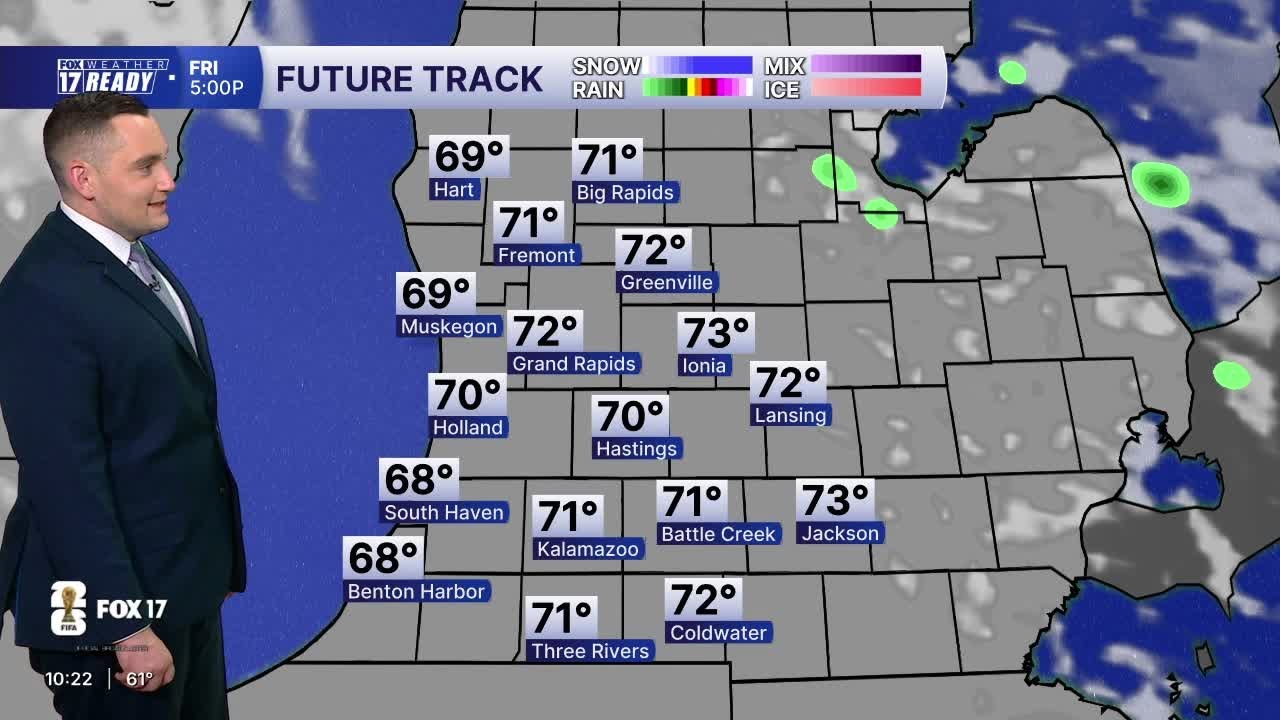
Tonight's Forecast: Staying cool heading into the weekend
FOX17WXMI
172 views•2026-06-19

California Weather: June 15th Update!
CaliforniaWeatherWatch
4K views•2026-06-15



