Dr. Khan successfully distills complex neuroplasticity into a practical lifestyle checklist for the general public. While it lacks deep scientific rigor, it provides an accessible entry point for anyone looking to build cognitive reserve.
Install our extension to search inside any video instantly.
Dr Amir: How To Make Your Brain Younger | Lorraine
Added:We're talking about how we can make our brains younger. Can I reversing the aging process of our brains? We can do this?
>> We we certainly can. And it's all about contributing to new brain cell growth.
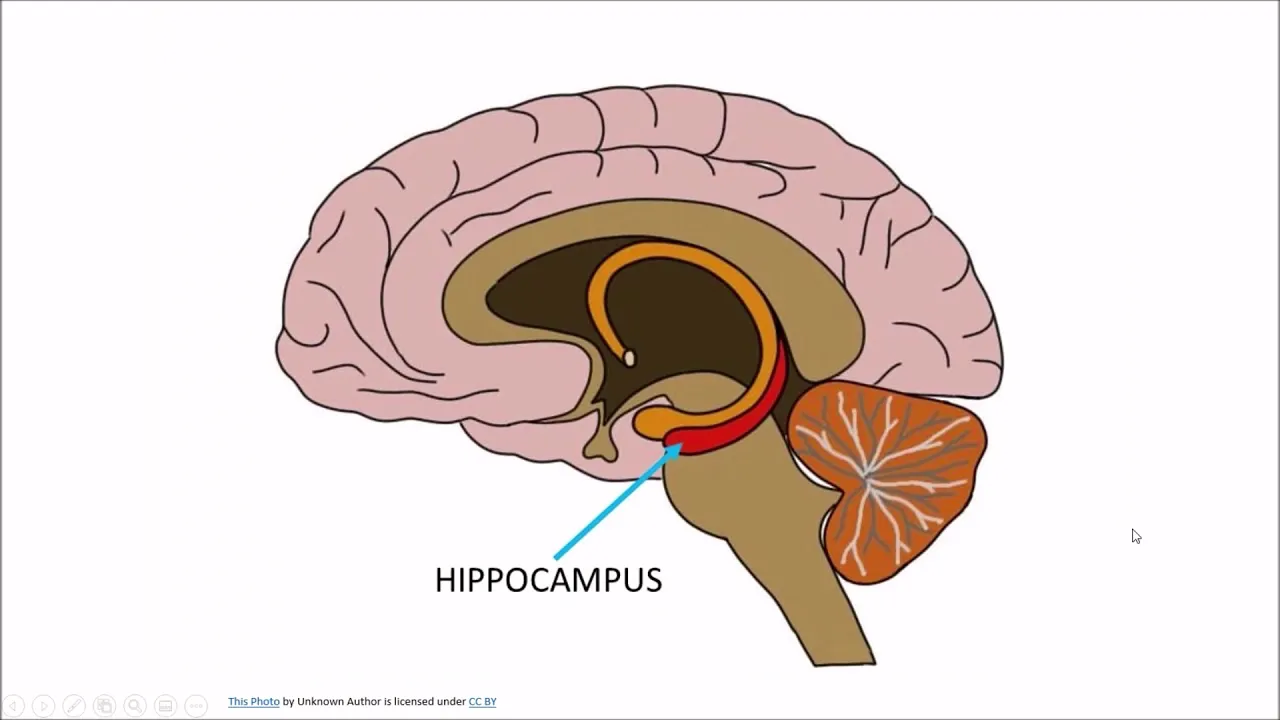
So for for years we thought as soon as you reach adulthood, the brain cells that you have in your brain, that was it. No more, thank you very much. But actually more recent research shows that there is a part of the brain called the hippocampus, which is responsible for learning new skills and storing memories, which can actually grow new brain cells, which is incredible. It's also the part of the brain that's first affected by Alzheimer's disease as well.
So keeping it healthy is key. Now, the molecule that is important in all of this is something called brain derived neurotrophic factor, BDNF. Think of it as fertilizer for your brain. It kind of goes around your brain, grows new brain cells, but really importantly, it's not the brain cells that store a lot of information, it's the connection between brain cells. And it makes those connections stronger and healthier. And what we know, the more BDNF you have, the stronger those connections are, the more resilient your brain is as you get older. So the kind of things that help, exercise, good nutrition of course, sleep, stress management, you know the drill.
>> [laughter] >> The usual suspects, but they're good for your brain as well.
>> they are. Sleep especially plays a really important role, doesn't it? Cuz you're kind of healing when you're sleeping, aren't you?
>> Yeah, yeah. So all through the day your brain is working really hard and debris and protein can build up on your brain.
When you sleep, particularly deep sleep, your brain cells actually shrink a little bit. So that allows fluid called glymphatic fluid to kind of flow through the gaps in the brain cells, a bit like a washing machine, and they pick up all that protein and debris and they flush it out. Two proteins in particular, beta amyloid and tau, those are associated with Alzheimer's dementia. So good quality sleep reduces those amount of proteins building up in your brain, potentially reducing your risk of Alzheimer's disease as well. So, think of a sleep as a deeply healing process.
>> Oh, that's really interesting, isn't it?
We don't know enough about the brain, do we? We're just beginning like you're saying, we're just beginning to find things out. You should get your healing checked. That's really important, isn't it?
>> Yes. And also oral hygiene >> Yeah.
>> is really important. Going to the hygienist, making sure you brush your teeth and all of that.
>> Absolutely. So, my top tips for keeping your brain healthy. My first thing is do work out your legs. Thicker thighs save lives, Lorraine.
>> I love that.
I'm going to get that printed on a t-shirt. [laughter] >> We're not here for the thigh gap anymore. We want thick, muscular legs.
>> Excellent.
>> Muscles anywhere in your body, skeletal muscle, lean muscle, releases something called myokines. These are important messengers, go up to the brain, reduce inflammation, improve brain health, cause that brain cell growth. All of that keeps your brain healthy. So, get your strength training in.
>> Always look after your teeth and gums, as you say. Inflammation in your gums can lead to inflammation in your brain, and that is not good. And bacteria can get in through broken gum lining into your brain as well. We don't want that.
>> Look after your hearing. Now, this is the key part of hearing. It's middle-age hearing loss, between the ages of 40 and 60, which is the most important. That's when you think your hearing's fine. It might not be. Get it tested. When you're losing your hearing, your brain has to work harder to process sound, and over time that can increase your risk of Alzheimer's, dementia as well. And the shingles vaccine, if you are eligible for it, get it, because it can reduce your risk of Alzheimer's, dementia by about 20 to 30%.
>> Wow.
>> More so in women than men, actually.
>> Really?
>> It reduces inflammation in the brain. It helps train your immune system to manage brain health better as well, and it improves the blood vessel health in your brain. All of those things combined can reduce your risk of dementia.
>> a brilliant thing to do. Now, what about this new research that we were talking about? And this really is just hot off the press. And handwriting can help?
>> Really?
>> I am here to tell everyone, adults and children, that we should be handwriting more. Now, when you're typing things on a computer, it's a repetitive kind of movement. You're just pressing keys.
There's very little thought process involved. When you're handwriting something, each letter is individual and different.
>> Right.
>> There's a lot of parts of your brain involved in the holding of the pen, the movement of each letter, recalling what each letter is shaped like, the movement of your wrist, your arm, and also your eye movement as you're writing things down on a line. All of those things improve connections between different parts of your brain. And what we know, there's a term in neurology called cognitive reserve. That refers to how resilient your brain is as you get older. And what we know is when you use different parts of your brain at the same time and they're all communicating with each other, that is what makes your brain healthier. Typing doesn't do that.
Handwriting does. So, we need to make handwriting a key part of every school lesson, I think. But also for us as older people, >> just thinking, when do we ever do that these days? Do we have to start writing letters again? It's at school, and of course on the computers, of course they are cuz it's considered to be easier.
>> Yes.
>> And but really they should be doing the old, like, you know, when you printed out A when you were a kid and there's lines of As and Bs and Cs.
>> There's this huge Norwegian study which is this is all based on and they made people handwrite the same things that they then typed.
And what they found when they looked at the brains, different parts of the brains lit up when people were handwriting or communicating with each other. Not so the case with typing. So, we've got the evidence, start handwriting, people.
>> interesting. And you talked then about food and what sort of food we can eat.
And actually we shouldn't shy away from fat, but good fat.
>> Yes, that's right. So, about 60% of the brain's dry weight is fat. Now, some people interpret that as eat more fat, it's good for your brain. That isn't necessarily true. It depends on the type of fat. Now, the fat fat lines the cells of each brain, it's really important, but it also lines the connections of the neuron, something called myelin sheath, and they help kind of transmit messages between brain cells.
>> Right.
>> The brain can make its own fat for the majority of the things it needs. The one type of fat it can't make is the one we talk about all the time, omega-3 fatty acids, particularly DHA, found in in oily fish, in nuts, walnuts, and and flax seeds and chia seeds, that kind of thing. Really, really important get that in your diet.
>> Right.
>> But, on the flip side, other fats aren't so good for your brain. So, trans fats in particular, found in ultra-processed foods, they can increase inflammation, not good for your brain. Saturated fats don't have the same beneficial effects on your brain that that omega-3 fatty acids have. So, if you're looking for fats for your brain, it's those omega-3 fatty acids. Try to get them from food rather than supplements, if you can.
>> think, "Oh, cod liver oil, we could take that." And it's not going to do you any harm, but you're better to actually eat the proper stuff.
>> Yes, but there is some new research about omega-3 fatty acid supplements.
High doses, not just the stuff you take over the counter, but high doses can increase your risk of a heart condition called atrial fibrillation. So, get it from food, that isn't the case there.
>> is better. And do some crosswords as well, which is really good
Related Videos
8:08
Neuroscience
What is neurodegeneration?
TheSheekeyScienceShow
3K views•2019-08-19

57:35
Neuroscience
IPL - Ruth Empson "Mind the Gap"
otagouniversity
251 views•2019-07-08

14:01
Neuroscience
How our body shapes our mind | Pancho Tolchinsky | TEDxNapoli
TEDx
2K views•2019-12-05

1:00:02
Neuroscience
Impact of Early Life Deprivation Danielle Stolzenberg Marcus Pembrey Bruce McEwen
uctv
4K views•2019-12-01
10:32
Neuroscience
β-Caryophyllene for Parkinson’s: Protecting Dopamine & Easing Symptoms
parkinsonsdiseaseeducation
6K views•2025-08-09
20:44
Neuroscience
New Insights from Inside the Brain with Rodrigo Braga, PhD
NUFeinbergMed
421 views•2025-04-14
9:57
Neuroscience
Highlights for dystonia • 2025 MDS Congress
movedisorder
145 views•2025-10-27
58:17
Neuroscience
Animal Welfare Synergy Series: Dr Tom Smulders on hippocampal neurogenesis
costactionlift
135 views•2025-07-14
Trending

9:05
Artificial Intelligence
2.4 BILLION Records Got Leaked...
DeepHumor
15K views•2026-07-22

13:25
Business
Playstation NO DISC/NO BUY Fight Is Over...
DavidJaffeGames
4K views•2026-07-23

19:32
Business
Should I buy a Sawmill?
essentialcraftsman
29K views•2026-07-22

16:52
Anthropology
Americans Confused in Australia for 17 Minutes Straight
IWrocker
17K views•2026-07-23