This perspective elevates physical movement from a pursuit of vanity to a sophisticated act of cognitive architecture. It provides a necessary intellectual framework that validates the frustration of being a beginner as essential neural growth.
Install our extension to search inside any video instantly.
Why Exercise Changes Your Brain More Than Your Body | The Science of Neuroplasticity
Added:Hello everybody. I think we're live.
Hello Jojo. Hello J. Jarm can girl.
[laughter] Hello everybody. Oh I think Jay Beerum can girl I think you are on Rumble. Um of course >> yeah I just figured out how to simoc cast from both YT and Rumble. And I was telling you, Paula, now sometimes when we're on StreamYard right now, we can I can only see really see what's coming through from YouTube. Sometimes we get comments from Rumble. So if you're watching from Rumble and you make a comment and we don't respond, we're not ignoring you. I'm still trying to learn how to simoc cast. So I might have not just seen your comment. Um, but I was telling you, Paula, my last Simo cast I did with Katherine, I had like a hundred people on YT and 700 over on Rumble.
Just shows you how shadowbanned I am on.
>> It's just mindblowing.
>> Wild, isn't it? So, so um and I know it's early though in the United States.
It's late where Paula is. She's 12 hours ahead. But I know us in the evening.
>> Yeah, it's almost bedtime for me.
[laughter] >> I know. We're just starting our day and it's like what where Jojo is. I think it's like 6 a.m. and then mountain time the hive and then 4 am over in California. So, we always expect to have lower numbers when we do these early um early shows. But the wonderful thing is you have replay. We have the replay crew. And so for the replay crew, hello.
And guys, make sure to do us a favor, especially if you're watching from YouTube, >> make sure to hit the like button and once we're done with the live to hype it. That helps with all of the algorithm stuff. Um because this episode that we're going to talk about today or this topic, I think is so important, Paula.
Um >> defin and not just for, you know, we're doing this in the veins of Fusion Body Studio. Um, which soon guys, we have a YouTube channel, Fusion Body Studio on YouTube, but we don't have enough people there yet to go live. That's why we're going live from my channel and I'll load it up to Fusion Body later. So, if you have not subscribed to Fusion Studio on YouTube, please go ahead and subscribe there because we're going to be putting a lot of little snippets up to help people. So, even if you're not a member of our Fusion Body community online, um, we still want to help people. We still want to be in a place to like inspire and help people. And so, um, >> yeah. Well, before we get into it, how you doing this morning, Paula? How's how's Australia? How's how's Tuesday?
Was Tuesday a good day? You're a time traveler. Was Tuesday a good day?
>> Yeah, I'm just coming from the future.
[laughter] >> No, um, good. Good. We actually had a beautiful day in Perf today. It was beautiful and sunny, but still freezing cold. Hence why I've got like a thick jacket on, [laughter] got my heater going. It's like freezing cold. Um, it's I was just thinking I was saying earlier today, I'm just like seriously they do not build houses in Perf for the cold. They do not insulate them very well because >> we're so used to like really hot days.
So I think like our 40°ree days, which is just so hot, is probably like your 100 Fahrenheit days. Like it's just insanely hot. So, when it comes to winter time, if we have a cold winter, and I do feel like this winter's a little bit colder than normal, and we've had a lot of rain this winter, which I'm happy about cuz Australia always needs more rain. Um, it's like we're not equipped. And I was like, even our clothes, like you go to the clothing store and our clothes are so thin. Yeah.
>> And it's like, seriously, if we went to England with this kind of clothing, we would not survive.
>> No, it's it's so funny. I I totally I've been giving a lot of our English friend English friends tips on how to stay cool because they're having a heat wave in the United Kingdom right now and it's just stuff that like like you I agree our houses here are built for for >> weather. We have high ceilings for warm weather, you know, to catch the breeze and yeah, your clothing matters and all that kind of stuff. So, you know, man versus nature. Nature always uh always wins, doesn't it? [laughter] So, thank God we live in modern times though where we have air conditioning and heating and all that kind of stuff.
But anyway, you know, Paula, with this neuroplasticity, the funny thing is is I think you don't know what you know until you until somebody starts to ask you questions about it. And you guys, I've known about neuroplasticity for a really long time. And we were doing I was doing a foundations. We have a couple of like workshops over on Fusion Buddy Studio that are that are not live. They're just me answering questions basically and neuroplasticity came up in one of my answers to somebody's question and as I was doing the recording of it Todd could hear me and of course Todd knows about neuroplasticity but he was like I really like the way that you explain that and so he actually added it into a manual we have at AYA as well but I was talking to you about Paula Paula had had you ever heard of neuroplasticity?
>> Yes. Um mainly because of like I've done a bit of research into different things and like I've read about like I've read um what's it now I've just forgotten his name um >> belief um by Bruce Lipton. That's right Bruce Lipton. And so they he talks along the similar lines about how we can actually change our brains with our thoughts and all that kind of thing. So, I'm a little bit familiar with it, but I'm definitely not as knowledgeable about it as you are.
>> Well, the funny thing about neuroplasticity is I think so many people once they actually understand what it is, I think it will help relieve a lot of stress from trying to work out or trying because to understand like what is actually going on between the mind body connection because that's what neuroplasticity is. It's the mind body connection. we we're going to leave the spirit out of it for a second because that the basic science that's what's going on and so I will with with with what he says of re retraining the way you think that's where neuroplasticity would say you actually have to engage action like you can't just change the way you think by thinking yourself into a new pattern there actually has to be an actual exercise involved which what yoga gets the point of yoga so you guys I think that's what we're going to talk about today and it kind of like it's it's a lot of science in my opinion is like keep it simple stupid like once you that kiss that saying keep it simple stupid it really it's really not super complicated when you when you really understand what is happening in the body so for those who don't know what neuroplasticity is so neuro and I have my notes to the side guys that's why I keep looking over to the side neuroplasticity is the brain's ability to recognize itself by creating new neural pathways >> that might sound cra like that might sound like what are you talking about so the brain is recog recognizing itself.
Um, so that's the yoga titi nuroda, right? That's like understanding you're not your thoughts. That's when you start to go aha using your brain to recognize that the brain is a separate entity from you and is has these thought patterns that have been created over time. So basically when we start there's a according to like neuroscience they have this saying that I found in research let me know if you're a neuroscience if this is true or not and they say the neurons that fire together wire together.
>> So there's actually a great example people use. So when you are going through a forest for the first time like no one's ever been in this forest.
You're having to cut down trees, whack away bush and and briars to get through the forest. But over time, the more you take that path, what happens? A trail develops.
>> Yeah.
>> That's neuroplasticity.
Okay. So, um so every time you you do a movement there is a com conversation is happening between the brain and the muscle fibers. Well, what is that telephone wire that's between the brain and the muscle fibers? That's your nervous system, right? And so your nervous system, that neuroplasticity is creating that it's learning a language.
So every time you do something new, you're learning a language, a new language. And I in our workshop foundations 2, which will be uploaded a little bit later this week, I actually refer to it as, and I'll ask uh Paul uh Paula, you're a mom. What do we call and a lot of our our viewers are moms or aunts and uncles, you've been around children that stage of a child's development like between your second their second year of life to like their third or fourth year of life. What stage is that called?
>> Oh, I don't know. What is it?
>> Toddler stage, right?
>> Oh, the toddler stage.
>> Yeah. So, it's a toddler. So, why is it called a toddler stage? Because they're toddling.
>> They're toddling, right? They're learning how to walk.
>> I thought it was a trick question.
>> No, as I said, I was like, she probably thinks I'm asking for some like Latin word like, >> YEAH, I'M LIKE, AM I SUPPOSED TO know something?
>> No, it's you're toddler stage, right?
It's it's it's [laughter] toddly. They're called toddlers because they toddle. Um they they I always laugh, Paula. I think toddlers are identical to drunk adults. Like there's no difference between >> And dogs, too. And dogs. Like I think dogs are like toddlers.
>> Yeah. So, but with the to if we look at human development now a little bit more is going on for toddlers because their brains are are growing at a rapid.
They're also working on proprioception which proprioception is your ability to understand yourself in in the space like you know walking down the hall and not whacking into a chair or table. That's propriception right understanding where you are in space which I still struggle with that as a vont.
But but todd so toddlers when they're learning how to walk as their muscles are developing and as their brains are developing and they start to get that communication between the brain and the body where you know first they come up and they crawl and they start to rock.
You see them like rocking sometimes they're they're starting to get that momentum up. They're figuring out that communication. This is all subconscious.
They're not actively doing this. This is just part of development where then they start to pull themselves up, right? They start to pull themselves up on a table and they start to slowly experiment with standing up on two legs versus being on the ground. And then over time they learn how to put one foot in front of the other. And at first again they toddle, they fall over, they get back up, you know, they bump their head.
Sometimes they have to learn like my youngest nephew likes to climb up things and he just falls off walls and you know he just turned two, right? He's, you know, they they have to learn those things. Well, part of that toddle phase is neuroplasticity.
So that the muscles start to develop, as the brain starts to develop, the communication between the brain and the muscles start to learn that language of walking. So I bring that up because when we look at like exercise for example, so many people I've noticed in my 20 years doing this, nobody wants to be a beginner. Everybody comes to a exercise class that they've never done before and they expect themselves to be just like identical to the person who's been doing that same class for 10 years.
>> But that's impossible. That's impossible because of neuroplasticity.
And when we start an exercise program or something new, we have to allow ourselves time to be in the toddler stage.
Because if you've never done yoga before, if you've never done a bar class before, you're learning new ways to move your body that you've never done before.
And so it's like learning a new language. And that's that's basically neuroplasticity is learning that language of the nervous system. So that the body the brain the first the first thing that exercise does is it works your brain. Your brain is having to figure out this new this new choreography, this new patterning. And then the brain once the brain has figured it out learns the different neurons and the pathways to the nervous system to trigger the appropriate muscle fibers to activate that sequence. And that takes time, right? That takes time.
So um yeah, and that's okay. There's it's a beautiful place to be to be in that toddler stage, right? Because, and I said this in the workout, you know, nobody wants to be a beginner, and that's wild to me because the beginning stage is the best because when you're a beginner, there's multiple possibilities. Like things are new.
>> It's exciting. There's there's endless possibilities, but the more experienced you become, those possibilities become more limited in your mind. So, I don't know why people rush to like and I think that's why a lot of people quit working out before they've even given themselves a chance. I think it's just a lot to do with people. There's a lot of pressure on people these days to perform a certain way and to and if people are already feeling like they're not doing good enough in their life and then they start a new exercise program and they're not doing good enough at that as well, it just kind of makes them feel even more just like, oh, you know, I'm just not that great. Um, but seriously, yeah, it's just with practice and then the more you practice it and especially doing the same. Yeah, that's so true, Jojo. [laughter] At least in Fusion Body Studio, you can be a toddler in your own home. Nobody needs to see you working out. And you know what? That's actually what I personally love about Fusion Body Studio. I have always been somebody that has worked out at home. Like even when I had my girls and I was pregnant, I actually bought these back in the day, like in the earlier earlier 2000s. Um I bought these Pilates CDs that were like for pregnancy and stuff so that I could practice at home because I never felt comfortable going to a class because I am a very self-conscious person. Yeah.
You can just laugh when you mess up.
>> Don't take yourself too seriously.
You're learning. You're still learning.
Yeah.
>> It's just your dog and your cat watching.
or your children. So, you don't have to don't have to worry. And and that's what I love about Fusion Body Studio is that I can work out from home because I'm not the most coordinated person, you know.
[laughter] So, at least nobody's laughing at me or judging me. But >> that coordination with neuroplasticity over time will get better. You know, people conceived notions that like I'm not athletic or I'm not flexible or I'm not strong. Well, the body is basically what the language your body speaks is basically the language you've taught it to speak through neuroplasticity. So, a lot of people I've seen this happen come into a yoga class and say they're not athletic, then over time they actually become very coordinated because they're they've learned that language. And um and I think that I think when people that's why I want you to you hit on something really really important Paula that people start to get like despondent or depressed because they're not evolving. They're not looking like the person they're watching on the workout video or the person in the class next to them. But if they understood that they're not supposed to look like that person right away because of neuroplasticity, it might take some pressure off the person's shoulders.
>> Absolutely.
>> Absolutely. How can you if if you've never taken a French class in your life, how are you expected to go to France and speak fluently?
>> Yeah, >> it's the same thing with exercise. It's the exact same thing. If you >> that repetition and I think what's also important to note is like especially with you Bryce with doing Ashtanga yoga, you're practicing the same movements every single day. And I think for people to gain confidence in exercise if they are new to it is even if you just pick one video or one class or one type of exercise and because I mean you do like you said Bryce you do repeat a lot of similar exercises in the classes but if you pick one and then you repeat that every day for a period of time you start to get really good at it and then you start to feel better and you feel more confident within yourself.
Absolutely. And that's really important.
That's why traditional yoga we don't like in these modernday yoga classes, what we call contemporary yoga, which would be like binyasa flow, they choreograph a different practice for every class. That's not what happens in India at all. In fact, doing that, choreographing a different class every day actually goes against what Patanelene is saying in the yoga sutras because even 5,000 years ago, they didn't have a word for neuroplasticity, but they did have another word for it.
They called it samscaras. So a samscara.
So in the yoga sutras patanelene tells us that the mind develops patterns called samscaras. Sam samscaras is like a groove in the mind created through repetition. And so every time you repeat something a deeper groove happens. Now samscaras sometimes are seen in the yoga world as being negative because sometimes they're associated with bad k like not bad karma but like bad patterning. You know, like if we have um >> a karmic lesson we need to learn and we we every life we're stuck on the same karmic lesson, it could become a deeply ingrained samscara. But what I think a lot of people are missing is that that that again comes from that escapism which is not spirituality. Like we're not here to escape our human experience and the human experience the way the mind is developed relies on patterning.
Our mind is developed subconsciously or consciously to pick up on patterns.
That's our survival, right? And so the the healthy way to look at a samscara is to try to undo bad patterning and replace it with good patterning, healthier patterning. And so what you're saying with the exercise poly Yeah. And so in like Ashtanga yoga, we start with the primary series and you're working through the primary series for like 10 years. same thing every day, six days a week for 10 years. And what happens is when the brain has learned the language of the primary series, >> you there's no thought that's involved in that action because the body is now a a a welloiled machine when it comes to experiencing the primary series. So when the the brain doesn't have to scramble and go into panic mode, you then have the ability to drop into meditation while you're moving because the brain is busy communicating, but it's not a a it's not a it's not a new communication.
It's an old communication. So the brain knows what it's doing. The body knows how to respond. And so then you can have that onepointed focus, as we call it, getting on the train. And that's meditation. So you have to go through that neuroplasticity that toddler phase in order to get to where you're trying to go which is actually meditation. Now what happens with Ashtanga yoga is when you start to learn say second series you don't just drop primary series. So when you start learning second series you do all of primary series and then you add the first posture of second series then you add the second posture. So you're doing all of primary series and half of second series before you actually remove primary series and only do second series and build up.
>> And this again comes from the Sam scar as we say it in yoga the pattern creation but in neuroscience this would be neuroplasticity that the two are the same and that's you know at at fusion body studio we we fuse ancient wisdom with modern movements. So, we're fusing this ancient idea, this theory with exercise science. So, it's crazy that exercise science actually backs everything that they said 5,000 years ago in the yoga sutras. It's all the same thing, right? And that's why seated meditation is one of, you know, like we have postmeditation workouts in our library, but as I've said in a few classes now, I don't want to confuse people. Those postmeditation workouts, they're not your meditation. They're the end of your meditation. They're the finalizing of your meditation because your actual meditation, the bulk of your meditation happened in the class. It happened in the class and then the end is just to reeregulate the parasy synthetic nervous system. So to integrate everything you just experienced in that meditation because in India that's why we don't do seated meditation. Seated meditation is a concoction of the west that's not done in India, right?
>> It's active. It's active because why?
Because of patterns of thought. The yoga chit of vatina roa. If you have bad patterning of thought, you're not going to be able to think yourself out of that bad patterning of thought. Right? How many people watching right now have has tried to get on like the positive thinking train and you've tried to think positively and it just ends up being like a show and a cluster and you're just like it it gets the it makes the negative thought even worse. That happens to people a lot. Well, that's because of neuroplasticity.
You are not. You have already created patterning in your brain around negative thoughts.
>> And now you're trying to come in and re rewire that. But you don't have the it's like trying to go into the forest to create a new trail without without a um my mind's gone blank. Without a >> Yeah. Right. that that >> I think that's where tapping is really powerful because you're taking action and you're tapping the different points as you're rewiring your brain and working on a subconscious level.
>> Yeah. So that's a very very powerful and that's why I'm really passionate about tapping because I've actually been using tapping for well over 10 years and I've gone through stages of when I'll use it a lot and then I'll kind of not use it as much depending on what I'm going through. But it's just been so powerful and um yeah and I've had a few of our lovely members commenting on the tapping videos I've shared in Fusion Body Studio about how they just feel it's really helping them and it's quite powerful and it's it's so lovely to see that that it's helping people with with their >> exercise. You're not just sitting still thinking you're actually >> no you're actually touching the acupressure points.
>> So that's the action that's causing the muscle fibers. So neuroplasticity deals with connecting the brain to the muscle fibers, but if you're not activating the muscle fibers, there's no communication that's happening. And so new thoughts are not going to just magically appear, you know, and so that's why so the tapping kind of falls in line with like the exercise science because you're actually moving the body while creating the new thoughts. Yeah. So that's the difference instead of sitting there going, I have a healthy body. I'm good.
I'm good. No, you're actually moving creating that m that movement of just using your hand to tap which is rew. So the brain is actually being asked to do something different which is creating a new connection. Does that make sense?
>> Yeah. And I think you know I still think that I don't believe in toxic positivity >> because I I don't believe in spiritual bypassing. I think we need to acknowledge and bring to light any traumas and pain that we have. like I can just share with you just quickly. Um I was lucky enough to go to this beautiful women's healing retreat a few weeks ago and it was just like this beautiful healing session and we had some sound healing and at the very beginning we had to share why we were here and what we wanted to what we wanted for our future self. And it's funny there was about 20 odd women there that I I didn't know any of them apart from the two ladies running running the show and um I get very socially anxious and it's actually quite funny that I'm on YouTube because not this is not the path that I'd ever ended up choosing for myself. But anyway, I went there and straight away I just felt like a little mouse and I I shared that with the ladies because I was one of the last people that spoke and I just thought, what have I got to lose? Okay, I'm here. I'm freaking out. I want to leave. I just want to hide right now because I'm I'm scared of everybody seeing me.
and my future self, I would like for myself is to feel comfortable being seen. And if I'm choosing to have a a career on YouTube, I need to be comfortable with being seen. So, it it's just it's quite funny that came up, but then later on that night, you know, I wasn't telling myself, I'm okay, I'm okay. No, I actually went in and tuned in with my inner child. And what came up for me was like a little six, sevenyear-old me that was terrified and felt unloved and appre un unappreciated and unseen and unheard. So I just sat with her and I visioned myself now holding little me and I cried for about 30 to 45 minutes. I'm not kidding. I actually cried for that long because I just felt so much grief. But I just sat with it. And then the next day I woke up and I felt quite a lot better. And then over the last few weeks, I just really genuinely feeling a lot more confident within myself.
>> Yeah.
>> And I'm not feeling as afraid to be seen. But that's not because I'm just telling myself >> I'm something other than what I felt. I acknowledged how I felt and I went back to the memory of where that started and I recognized that and I brought that to the light. But then I also didn't fit with that and use that as an excuse because people can use that as an excuse as well. And they can be like, "Oh, well, I was traumatized as a child or I've got this problem or I've got depression or anxiety and I can't do that." That's just using things as an excuse. Yeah, I do have have struggled with social anxiety and depression, but I'm working through that. And I acknowledged little me and I gave little me what I wish that I had received from my parents at the time. They couldn't give it to me and I'm not angry at them.
They just didn't have it to give to me.
So I'm giving that to me now. And that was enough for me to start feeling more confident within myself. And that's just so empowering because we can give ourselves what we wish that we had received from other people.
>> Yeah. We we have to first I want us to because you hit on something really important that is neuroplasticity. So when you were a child a a pattern of thought a groove >> was created in your brain >> that this is who you are.
>> Yeah. And that's not safe to be seen. I have to hide myself.
>> That is a thought pattern that was created. And so what you did is basically the yoga chitiva. you recognize that thought pattern as not necessarily being true, as not necessarily being who you are. And it's almost like going to aa the first thing you have to do is recognize that you have a problem.
>> Problem does isn't you you aren't the problem, but you have this problem. You have >> you have to bring it to the light. Own up to it. involved with deconstructing that trail through the forest in order to create a new healthier trail through the forest. So what you're talking about is literally neuroplasticity. So all of the false sense of of beliefs we have about ourselves have been repetitive thoughts that have created these grooves in our brain. And so, yeah, and agree just trying to think yourself like happy is toxic positivity because you're ignoring the fact that you already have this I like the forest analogy. You already have a trail in the forest to the creek of the life >> and you're and that might not be your belief but you adopted it from the brought it on you.
>> You need to responsibility. Yeah.
>> Acknowledge that trauma. you know, >> have to take the responsibility to recognize why that trail is not no longer safe for you to hike down >> and then create a new trail.
>> Um, and so that that trail can be have the weeds and the the the uh brush grow over it again >> and the new trail can a new pattern can exist. And so like even taking that time to cry all night was an action was an action and I think that's neuroplastic powerful release.
>> Yes. And that is what neuroplasticity understanding is asking for us. We it's not enough to sit there and say I have an anxiety disorder because my father was an No, we have to pull it up. We could that's the first step. But it's not it can't be our we have and it's so funny Paul before we got on I was reading some stuff about like modern science and it's it's it's you know anybody who st studies studies neuroscience the brain and like neur the nerves and how the nerves connect to the brain and um and I I'm going to say this allegedly and for entertainment purposes only strictly for YouTube even though these were scientists saying this a lot of scientists are saying for depression anxiety the number one way to correct That is exercise.
>> It's not medication because it and and this is why so movement changes the brain first.
>> So I I've got these notes here. Many people think exercise only changes muscles. Actually movement changes the brain first. Before a muscle becomes stronger, your nervous system has to become more efficient.
Um, this is why beginners often get dramatically stronger after they get through that first few weeks of exercise. It's because they're creating a new a new system of belief, a new system of of patterning in the body. The brain simply has to learn how to recruit more muscle fibers. The nervous system then becomes better organized. The brain becomes more efficient and movement is brain training. So, when your nervous system is more organized and there's more muscle fibers being included in your overall existence, it's going to cause the brain to naturally start to rewire itself away from depression and anxiety. Because I struggle with depression and anxiety, too. And I can tell you, >> exercise makes a huge difference. This is why people often feel a lot better once they're done, right after they're finished with their exercise. It's immediate feeling of of relief >> of peace because the brain has rewired itself. Um and so this is what again this is what the the yoga was teaching us. And also we talk about shadow work too. You know, when you're triggering the nervous system, which is the communication between the brain and the body, and I always tell my students all the time, like when feelings come up, when you're in the middle of working out, and all of a sudden you feel angry or you feel frustrated or you feel grief or you want to cry, please cry. Let yourself cry, but keep moving. Cry while you're doing it. Just crying while you're keep moving. And then people are always like, I don't I don't I don't know why I feel this way. I got to figure out why I feel this way. That's not important to know why you feel this way. Sometimes we do know. Sometimes we absolutely know where something came from. But the way the body takes in information, it takes it in. The emotion becomes the thought and the thought becomes the groove. So for some people it you're you don't need to know like what what happened to you to cause this aggression.
>> What you need to work with is the aggression and why the aggression is coming up. And usually that's because it's a fear of inadequacy or something and it doesn't it really has nothing to do with what triggered it, right? And so and even my trauma therapist when I went through trauma therapy and we did EMDR therapy which is following fingers. So, it's rewiring the nerve the nerve to the brain. Um, she, you know, for me there's was a lot of childhood essay, we'll say.
And there was some stuff I can kind of remember and some stuff I can't. And my therapist, my trauma therapist was like, well, the stuff you can't remember, we're not going to try to remember it because your brain has blocked it for a reason. We're just going to work with the side effects. So, even from a therapist, you don't have to remember.
Sometimes remembering what happened is going to cause even more more aggression, more karma because then you start to develop anger towards another person and that person most likely is not even in your life anyway. So it's about healing yourself. Um absolutely uh Kimmy exercises help me build confidence to replace my anxiety and my depression and um >> very good Kimmy. It's so and that's what scientists are actually saying now like wait a minute hold on obviously if you need medication you know you you do your body your choice but they're saying actually >> exercise is the number one that's going to start to correct over time >> and this is happens too Paula with neuroplasticity and why people get get um frustrated if you're stopping and starting an exercise program you're not giving yourself a chance to learn it right Yeah.
>> So this is one thing that neuroplasticity that we have to just continue. You have to continue stopping and starting the brain has not had that chance to really and that's why we were talking about it even with bar like when I first started doing bar like 10 years ago to recover my sacra because I was so used to doing ashtanga the same thing every day. I would do the same bar class for a month >> and that was that's what I was used to doing. And so you asked me that offline the other day, Paula, like do you suggest people picking an exercise one class?
>> Absolutely. You know, we have a variety of exercises on our on our platform, but especially for beginners, it's really not serving you to switch up an exercise every day. What's serving you is to find the workout that really affects you the most, whether that be bar or the cardio classes. pick one class there that you really like or that really usually it's the class you don't like that's the most beneficial [laughter] but the one that's really helping you and do it for you know try first for two weeks consistently doing that one video >> and how you feel now for me and again don't compare your chapter one to somebody's chapter 10 I am fluent now in the language of movement >> I'm fluent in it so what I do is I will like once a week I pick a workout that I don't pick typically do a lot of and I do that just to shock my body >> just my brain >> into having this and it wakes my muscles up in a different way.
>> Yeah.
>> Right. So when you get to that point like in the beginning it's all going to be shocking to the system. Right.
>> In the beginning it's all going to be like what is this? What is this? But when you get to that point where now now you know the language that's when you start throwing in different things like I will throw like once a week or once every two weeks I'll do a deadlifting class >> which is so different than what I typically do and it's shocking >> and that and that keeps your brain working and learning new things because often as people start to age you know if you're not doing things to keep your brain working and and developing those new neural pathways That's when we start to die off and lose our memory and lose certain things. And so I'm just so fascinated because Alzheimer's runs in my family and we've had I've had several family members die from Alzheimer's. Um I'm particularly fascinated by that and and the fact that having strong legs can reduce it by like 90% which is just mindblowing to me.
Yeah, it's it's just incredible. And I also find that um exercising helps with energy as well because energy, having enough energy is something I've struggled with a lot. And not only do you feel better after you've done an exercise, but you've got more energy.
You feel like, yes, I can take on the day now.
>> Yeah. Dan go or go Dan whatever he put post that a lot like you know people say I don't have enough energy for exercise.
Well, the funny thing is if you exercise, you will actually have enough energy.
>> You just got to do it. I love this.
Yeah, Joe. I can find that it really helps if you stick to a couple of same videos for a while and then you get it comfortable and that's when you shake it. Exactly. Because you're learning the language. You're learning the language.
And that's why I intentionally repeat a lot of the same things in different videos is to give your body that chance to de to develop a healthy samscara, healthy groove. You know, I have this here. You know, uh we do a lot of balancing stuff. So, one of the best examples of neuroplasticity is balance.
Standing on one leg isn't just strengthening your ankle. Your brain is processing thousands of piece of information every second. Your eyes, your inner ear, pressure sensors in your feet, your joints, your muscles, all sending information to the brain. The brain constantly updates your position and makes tiny corrections. Every balance exercise strengthens those communication pathways. That's why balance training becomes even more important as we age. We're training our nervous system.
So, um you know, it's it's you know, we do a lot like like dancers, you know, to stand toe and to extend your leg out and hold it on stage. You see every single muscle in a dancer is activated. They have a beautifully toned body. It's because they're they're they're in that receptor area of the brain is trying to keep that posture that you're asking it to do in precision, you know, and that's that's what's happening. You know, people that think they have bad balance, well, you might have bad balance because you haven't developed the neuroplasticity yet. It's this thing, you know, a lot of people, we've heard that whole saying, you can't teach an old dog new tricks, right? We've heard that saying. Well, science is saying actually that's not true.
>> Yeah. That's true.
>> I I can prove that. I mean, I had an old dog that was I think she was 11 or 12 years old and I took her to a a training camp and she certainly learned some new things. So, that's just yeah, not >> true as well. you and we're seeing that now like we shared a lot on our Instagram like of people over the age of 60 who are doing iron and >> you know >> people only get started at the age of like 40 or 50 or 60 they only just start their working out routine and they are incredible.
>> Yeah. You're you're always as long as you know how to as long as you understand that your brain is just going to constantly learn what you tell it to learn.
>> Yeah.
>> Um the what does they say? What is the saying that the brain is a terrible master but a wonderful servant?
You're instead of the brain being your master, you're making the brain your servant. And it's it's it's wild. The funny thing is in Ashtanga yoga. So to be authorized, usually you're in your like 30s and 40s when you get authorized because it takes that long to come to finish the work you need to do to be a teacher. But in in my lineage, the older the teacher, like the more experienced, the more respected they are. It's not the young teachers that have have the high ticket sales for workshops. It's the older teachers that sell out with high ticket because that value that goes that that groove gets deeper and deeper and deeper and more understood. Well, neuroplasticity guys is also why on Fusion Body Studio we suggest that you do everything barefoot, even the cardio classes, even the weightlifting classes.
Now, of course, if you have a medical condition where you need shoes, it's your choice. in your house. But um we train barefoot a lot. The sole of your foot contains thousands of sensory receptors. Every time your foot contacts the floor, those receptors send information directly to the brain. Um shoes often block much of that sensory feedback. Barefoot movement can increase awareness of foot position, improve balance, and help your brain build a more detailed map of your body. Okay.
So, that's also reflexology that we talk about a lot, which is a ancient Chinese method of using Robbie just pushed his paw into my shoulder.
So, um, so I didn't even realize he had gotten behind me and I was like, what's that feeling?
>> Doing his reflexology.
>> He's in his reflexology. Now he's going to do his little donuts. Um, so, you know, the brain the the your brain is your really your first personal trainer.
uh before you gain muscles, before you improve flexibility, before your posture even changes, your brain changes first.
Every workout is a conversation between your nervous system and your muscles.
The nervous system always leads, then the muscles follow. And that's also too why again, you're going to feel triggers intentionally. We want you to feel emotional triggers in your exercise >> because we're trying to flush it. We're trying to confront it and flush it and >> we want to bring it up and bring it to the surface so it can be released.
>> Absolutely. So also again uh neur neuroplasticity can actually rewire pain. So not all pain comes from damaged tissues. We know this not all pain in the body comes from damaged tissues. We know that as spiritual people. Sometimes the nervous system becomes overly protective and the brain learns to expect pain. That doesn't mean the pain isn't real, but it's more it's more um >> it's it's more it's not it's not real as in the sense you have a bruise there.
It's more a a thought up.
>> Yeah.
>> That makes sense. It's Mercury retrogra.
Okay, guys. You know what I'm saying?
>> No, no, no. Like even like or like I used to do this like my exartner he used to like kind of like tickle me and stuff like that or he'd like touch me or something and it's like I I used to have I don't have it anymore now but I used to like overreact before he even touched me. He hadn't even touched me yet and I reacted.
>> I hate being tickled too Paula. I hate it. So yeah >> yeah.
>> Well it's like I had to learn that in my in capotasa in second series which is a really extreme back bend. I punched a teacher coming out of it once like he kind of deserved it though. Um but um you know I had to learn in that posture because it triggered me so much. I had to learn how to breathe slowly and to really be present with the posture and not try to escape it because my flailing in it was me trying to like escape it.
>> Yeah.
>> Really I had to talk myself off the ledge. It's just a back bend. That's all it is is a back bend. You know, you're not going to die. It's just a back bend.
So, I had to um had to talk myself off the the ledge. So, you know, through appropriate movement, education, and gradual exposure, some people can help retrain how the nervous system responds.
That's why consistent movement is often more is often more effective than complete rest for many chronic uh muscular skeletal conditions. um individual situations vary. So persistence or severe pain should always be equated by a qualified health care professor professional. And let me explain that to to you guys what what what we're saying here. So I always tell my students like you should expect a fair amount of pain in your exercise program. Emotional issues are going to cause physical pain. The changing of body, the body changing is going to cause discomfort. Think about growing pains when you were a child and you got growing pains. Same thing is happening.
It's changing. So you should expect a level of discomfort and pain. Uh and pain is real, right? Pain brings you to a place of humility. And if we're doing something that's never painful, it always just feels good. And that's going to blow up the ego or the false sense of self. We want to come to a place of more humility and work. So, I tell my students to understand like if something is actually needs to be looked at because it's going to cause it's your body warning you that something's about to tear or break or whether it's a pain because something is shifting in a positive way. There's a simple way to tell this. Let's say my shoulder hurts.
If I say if my teacher comes up to me and says, "Bryce, where does your shoulder hurt?" And I say, "It hurts right here." I can point to a specific place where it hurts. That's when there's danger, danger. We need to look at your alignment. We need to abort.
Okay. But if my teacher says, "Bryce, where does your sho should shoulder hurt?" I say, "In this area, somewhere around here." That means it's a good pain. That something is changing in a positive way and it's just uncomfortable pain. Does that make sense?
>> Yes, it does.
>> I see that a lot with backs, too. Like, and I understand people get really, really stressed about their back.
>> As someone who has had back surgery, I totally understand.
Most people when their back hurts though, it's a general area. So, what is happening? You have these little muscles that run up your spine. And when you're a little kid, when you're a little child and you're out there running around and playing, little kids, all those muscles are very young, fresh, alive, and active. That's why kids can fall and get back up and be fine. They can run up trees and do back bends. But then as you get older and you start sitting at a desk driving, those little muscles go into atrophy.
>> You know, when you start exercising, >> the little back muscles are one of the first muscles that start to wake up again because of neuroplasticity. The brain's going, "Hey, I need you to wake up. You we're you're needed again." And when those muscles start to develop, they become sore. like biceps get sore, like quadriceps get sore. And so what people confuse as back pain is actually just sore muscle and they need to keep going.
>> Also, tight backs can be because your lower pelvic floor isn't strong enough.
It can be because your hips are tight.
So, um >> let's see here. Also get detox. Yeah, absolutely. Absolutely. The yoga fever.
We call it the yoga fever. Um so and and and I say the yoga fever happens for any exercise.
When you are when you are exercising you have you are bringing up um your you your body gets hot and sweaty. You're basically causing a fever in your own body if you want to call it that. You're making the body hot. You're boiling the body. You're you're getting the the sweats coming and it's detoxing. And after a while that detox it's kind of like a deep clean, right? Like you can lightly clean or you can deep clean.
Over time, you're cleaning deeper and deeper and deeper in the body. And so what happens sometimes is you get detox.
You might get a headache for a couple of days. You might get a a low-grade fever.
That's totally normal. Um and that's your body actually if you the only time you don't exercise is if you have a fever. That's when you rest because your body is creating that for itself. Uh, but Tabby Joyce um used to get really excited when people got the fever because it meant the practice was working, right? Um, so what are your thoughts on barefoot shoes for daily wear? I think barefoot shoes are kind of a gimmick to be honest with you.
Anything now in our society like there are there are some benefits to shoes, right? like in Atlanta, Georgia, I'm not going to go run without any shoes or I'm not going to run in a thin thin barefoot shoe on the streets of Atlanta, Georgia because I could step on a needle, you know, like we have [clears throat] to be realistic about our our world, but when you're inside of a yoga studio in your house, >> you can go bare barefoot because your your feet are safe. So, um so I um yeah, so that's Sorry, I'm looking at y'all's comments now. So, I would suggest like wear shoes when you have to wear shoes.
You know, that's that's your your life. You can't you can't like not go to your job because you don't want to wear shoes because that's part of your experience is being human and working with wearing those shoes, right? But when you're at home, I would say take your shoes off whenever you can.
>> I think I think there's just it's just ways of implementing. I mean, look, I wear sho shoes all day every day because I've got flat feet and I need that extra support in a lot of my shoes. But then when I'm doing my workout, I don't wear shoes. And then I'll purposely wear thongs when I take my dog down to the oval and I will take she'll go for a run on the oval and I will take my thongs off so I can walk on the grass and then that's my chance to do a bit of grounding, you know. So, I think, you know, and even if you're in the garden and you're doing some gardening on the weekend, you could do that barefoot. So, I think it's a it's a a balance of wearing shoes when you need to. Like Bryce is saying, if you're going to go jogging around the city, you know, you need to have some decent shoes on because you don't want to be stepping on something dodgy. But then, you know, like I know that my little oval down the road is pretty safe. I can wear my thongs and take them off and and get some grounding in. You know, it's just balancing it and and definitely if you're working out at home or in a yoga studio, then for sure don't wear your shoes. Absolutely.
>> Yoga studios don't even allow like we don't allow shoes in the practice room at all because everyone's barefoot in there and people's faces are on the ground and so we we we don't allow shoes in there at all. It's not necessarily a a sacred thing. It's more just a help thing that we don't want people walking in who've stepped on dog poo or something and then they, you know, their their face on the ground. But yeah, you just have to work with your environment that you're in. As Paula says, like I wear shoes, you know, and I but when I when I'm home, I rarely have shoes on when I'm filming. I I barefoot most of the day at home, but when I go out about town, I got shoes on, you know. That's just how we have to learn how to work with it. Work with it. But um you know so you were depending on your lifestyle and where you live and it's interesting Paula you said that you don't you you have flat feet because I know you submitted a question about core strength. Well do you know that a flat foot >> is indicative of weak cores.
>> Oh that's interesting. Wow.
>> Work on getting that that that arch to pull up more. So, as I strengthen my core more, then that would >> So, if you were my if I if I had you here in like in person, I would probably be watching your feet the whole practice and be on your alignment with your feet.
So every time I saw your feet flail out, I would come and put my hands or step on your feet to keep them in that right position to trigger that domino effect up your body to start course correcting the core because it's a it's a seessaw, right? So strengthen one, the other strengthens, strengthen the other, the other strengthens. And so sometimes I've learned for me as a teacher, it's easier for me to start course correcting the foot and then the core starts to change because once we start working on that core strength and that foot alignment hasn't changed, it's going to it's just going to kind of be like a broken record, right? It's not, you know, so pay attention. I would say for people who have flat feet, pay attention. And in our foundations 2 video workshop that is going to be released later this week on our on our platform, I talk a lot about foot alignment in things like our plea like to really watch where you're placing your foot because that's triggering a domino effect of the body.
So it's interesting you said that. I was like oh that makes sense because you >> so um it's all connected. It's all connected. So one thing about neuroplasticity again it helps grow the brain. So it doesn't just strengthen your brain, it actually grows your brain. So researchers have research shows it increases the production of brain deprive derived neurotrophic factors. The BDNF the brain derived neurotrophic factor. So it increases that production when you exercise. So it helps neurons grow, survive and make stronger connections. Regular movement has been associated with improvements in learning, memory, attention, mood, and cognitive function. So, this is another reason why people think very clearly after they've done they're finished working out, they've actually grown their brain derived neurotrophic factor.
It's funny. I had a friend um Yeah, mine are too. Mine are too, girl. My arches are I've always had really high arches.
Um, so and I noticed too when my stomach, like when I feel bloated or soft in my stomach, my feet go out of whack. Like they won't be hold be holding alignment anymore. So it's just recognize that everything's connected in your body. It's all connected. And when you learn how to read that, it's like the old game operation we used to play in the 90s, the 80s. It's like learning head, shoulders, knees, and toes. Um, so when you when you work out, you're literally like growing your brain. I had a friend her her son is now probably in his mid20s but like 10 15 years ago her son had been diagnosed with like ADHD like who hasn't we've we've all got it like join the club but instead I remember back then instead of medicating him she would get him up early in the morning and she would make him do like three laps run three laps around the house.
>> Interesting.
>> That helped him. that literally he would get up, he would run three laps around the house, take a shower, and go to school. And it totally changed the way that he was able to take in school.
>> Well, actually, that's something great that my girls school does, um, which is a Steiner school. And especially in year seven, I don't know if they do it in all of the high school years, but I know that in the younger years, they will take the class out first thing in the morning out into the oval or Yeah.
usually around an oval and the kids will do some kind of a physical activity and then they go in and start the lesson because the kids focus so much better once they have done some physical activity.
>> Well, I mean they used to when I was a kid in in elementary school we had two recesses, one in the morning and one in the we plus we had PE class. Well, what's the one thing these schools are starting to take away now?
>> Yeah. Well, yeah. Well, I I remember having two recesses as well, one in the morning and the afternoon, but they don't do the afternoon one anymore. They only do the morning one and the lunchtime one.
>> You need to have kids moving because of that. And especially when they're growing. And of course, I have my own conspiracies as to why they're taking away art and PE. But it's it's what's keeping kids it gives kids the ability to critically think. not just >> memorize and regurgitate but actually their brain starts to grow so they can actually naturally um critically think.
Now stress too. So stress also changes the brain chronic chronic stress can strengthen neural pathways associated with fear anxiet anxiety and react reacti reactivity. So reacting movement helps interrupt that cycle. So you're interrupting those cycles. When we breathe deeply, move rhythmically, and become present, we activate the parasympathetic nervous system. This is our rest and restore state. The nervous system becomes more receptive to learning and adaptation. So as I said, when we do the post-meditation workouts, those aren't your meditations. That's the end of your meditation. That's ending the meditation to really make sure that parasympathetic nervous system is able to adapt and reset itself. Okay.
Um, so again with the fusion body, um, just so you guys understand because we are combining that's that's our thing, right? That's our that's what makes us different from all other fitness.
There's millions of fitness online fitness boutiques out there, but we are different. I'm not interested. Listen, if you're going to the gym to get skinny and to look good in a bathing suit, that's great. I'm glad you're going to the gym. I'm glad you're doing it for that. You know, at least you're doing something healthy. You do you, boo. But personally as a teacher, I couldn't be more bored by that.
>> Yeah, we're doing the spiritual and healing reasons.
>> Absolutely. Like what Jojo um has said here, thank you for saying this, Jojo.
These shows are great reminders and motivators to keep going. Thank you ladies for helping Jess and I change our mindset on exercise. It's been a great help. 100% Jojo, because again, I will reiterate this. I am lucky in the sense that my mother exercised every single day as a kid. So I learned that pattern of just exercising every day from her.
But she did it because it was the 80s and the 90s and she wanted to look skinny.
>> So when I first started as an adult, I had in my mind that exercise was about burning calories.
>> And it didn't help that after school I lived in Los Angeles either. And it wasn't until I started studying yoga philosophy that I realized what was actually going on. There's another perception to this. There's another way of doing the same thing but from a healthier perspective and that is to find God. That's when I threw that's when I threw away my scales. I stopped weighing myself because when I go on the mat now it's interesting because I now have this little Apple Watch and I I we got it. Todd got it with a phone, but I'm I'm kind of against Apple Watches, but I've been using it in workouts because I want to start to like chart that just for Fusion Body Studio anyway to kind of get people who are having a hard time letting go of that to know like what's actually being burned.
Nonetheless, when you go on your mat, I don't want you thinking about like how many calories I'm burning. I want you to think feel that burn and I want you to connect that to karma that's being burned. Instead of feeling that deep muscle burn in your quads, like if you're doing a bar class and you're up on rebe on the tips of your toes, bending your knees, squeezing the hell out of that ball, and you're shaking, if you're shaking, that's that's brilliant.
That means your nerves, the muscle fibers are awake and they're working.
That's a be the shake is a beautiful thing. But when you're in that burn and your mind is going, "Oh oh oh abort, abort." Like, get out of this. You know, this is painful.
acknowledging that thought, but also going deeper and and being curious as to why. What is burning right now?
What where is that burn actually coming from? Can I find the source of that burn in my body as I'm squeezing the ball? As I'm moving up and down and sweating my butt off, what is actually coming up?
What is boiling up [clears throat] to the surface for me now? Um, yeah, girl, I still have ADHD, too. It's It's never I think ADHD my This is my conspiracy brain. I think ADHD is actually I think we're supposed to have it. I think it's an evolutionary um way of dealing with >> it. It seems to be that everybody seems to have something on some level of the spectrum. It just seems to be so common these days. So many people feel like >> neurodeiversity as they call it. I watched a guy on Tik Tok talk about this and I really agree with him that neurode diversion is actually you've actually evolved. Neurotypical is not they're not evolving. That's what this guy was saying.
>> Right. My neiologist said maybe for the people that don't have AD ADHD maybe they're the ones that aren't normal.
>> Exactly. Exactly. It's it's um um so the boredom. So with with that that come that's where soda comes in.
So that's normal to get bored with an extra I I mean listen I tell people all the time I've been doing this for 20 years every day I still I don't want to I mean every day I don't want to do it but I do it because first of all I've created that pattern right so regardless of whether I want to do it or not I'm going to do it because that that pattern has been created I just I don't even though I don't want to do it I do it right um and but with the boredom of doing the same workout that's where it becomes so motivation is a fickle mistress. I wouldn't mess with motivation. You want discipline.
Discipline is what's going to carry you through and that's sadena. That's called a sodena. Um so that's that's a Sanskrit word sadna is it becomes a spiritual practice at that point. So when you're doing you know when I do a bar class for example I dread there are parts of the bar practice that I dread. Even when I'm teaching it, I'm like, "Ah, I got to do, you know, like I I the the the pleaers I do it almost every class because it's so good for you, but I hate it so much. Even though I'm being positive and encouraging you, I'm hating it just as much as you are, you know.
But I I'm in that I'm disciplined now."
And that's what you got to get over, you know? I always I always tell people, you got to get over this idea of not being bored. Like, it's okay to be bored, you know? It's okay to be uncomfortable because boredom is uncomfortable, right?
I think boredom is a is a very positive thing. I mean, even with like my kids, I think it's important for them to get bored because then they have to use their brain and they have to use their imagination.
>> Exactly. It brings about mindfulness.
>> Mindfulness. We want that.
>> Yes. Uh because you're not being distracted. So sometimes when when you're not bored and you're being entertained, there's a distraction that's happening. And that's fine sometimes, but we want to have those moments where where we hate what we're doing. We're bored because it brings us into that present moment of sticking with it and being comfortable with being uncomfortable. I think that's the biggest lesson, one of the biggest lessons I learned my first trip to India was, holy most of the world is uncomfortable 90% of the day and they're fine with it. us in the west, we're so spoiled because our life is so comfortable that we all of a sudden think it's wrong to be uncomfortable and where we're uncomfortable, that's where change happens. Where we're bored, that's where change happens. And so, I would embrace that. Learn to embrace the boredom.
Learn to embrace the mundane. I mean, go Dan on Instagram talks about that all the time. The people that are the most fit and most spiritually attuned are the ones that eat the same meal every day, do the same workout every day, go to bed at the same time every day.
>> They're enough to think about it.
>> Yeah. And it's not they enjoy doing it.
It's just it's it's become part of their soda, part of their spiritual practice.
And I think that's too many people, Paula, it's like they use spirit they spiritually bypass bypass stuff by thinking they're being spiritual. Like they go to tarot card readers and that stuff is fine. Raiki healers. We love Raiki healers. That stuff is fine, but that's not the work. The work is really uncomfortable. And that's why I think people try to avoid actually doing the work and go they bypass by going to somebody else that's going to like bippity boppity boo them or tarot card reading to give them the answer when actually the answer just lies with doing the hard yourself.
Well, I I want to share what has completely transformed my life in the last few months and that has been I've mentioned it a few times that I've started learning more about Cabala and I've been following this guy called David Gam. And the reason why I like him particularly is because he just explains Cabala in a very like practical way that you can use in your everyday life. And he says that when you're uncomfortable, you say and or when you're in a situation that you normally get angry in or react to, he says to just pause and just say, "What a gift." Because he explains that when we're in the darkness, that is when the growth happens.
>> Absolutely. Yes.
>> Yeah. Because when when things are going well and when our life is easy and comfortable, that's a reward for what we've done six months on our the work we've done on ourselves six months ago.
But it's when we are uncomfortable and when we are in the darkness that is where we have the power to transform.
There is no growth and transformation in the light where things are easy. There is only growth and transformation in the darkness. And it is all up to us in that moment how we choose to respond. So instead of reacting, getting angry, getting anxious, um you know, panicking or choosing to message or post about something, instead you just pause and you just say, "Right, this is a gift.
There is something good in this dark moment right now." And then moving through it. And so it's the same when you're in the workout and it's uncomfortable and it's difficult and you don't want to be in it, but you just pause and say, "This is a gift because this is my chance to transform." Because he explains that we have different levels and if we just stay the same, we're going to stay on that same level.
But if we if we can get move past that and not react to the situation, we expand ourselves as a vessel and then we can move to higher levels of our consciousness and our growth and then we get rewarded later on. But there's just yeah there's just no growth in when things are easy.
>> Yeah, I like this too. Make it Yeah, we do over complicate things. It's not that as loose as all the time. Keep it simple, stupid. You know, what does Luc say all the time? Just exercise. And we like to over complicate it and like, oh, I don't, you know, I always say the biggest healer you're ever gonna have is your personal trainer or yoga teacher.
Personal trainers don't even know half the time they're spiritually healing you, but they are. You know, we love Raiki. Raiki is amazing, but Raiki should be something that's done accompanied with >> Yes.
>> with that, right?
>> Because the Reiki healer cannot carry that carry that responsibility of moving your for you. You have to move [clears throat] it. You have to be the one to go and actually pull it up and move it. And so and so, yeah, it's it's like we we talk about light and darkness, and I love this analogy. I think Marne Alton was the one that used it. You know, when um the sperm hits the egg, there's a flash of light, right?
But then once that flash spark of light happens and the fetus starts to grow, how is the fetus growing? It's growing in darkness of the womb.
>> Yeah.
>> Look at photosynthesis. It takes the light in and in darkness it works from the light of the sun. What happens when we're sleeping at night? Our body is cocooning and it's rebuilding and it's growing and improving. So you're that's correct. We can't I saw the greatest clip on Tik Tok or Instagram, one of the two one of the platforms where they were talking about they were show this picture of somebody with Sage like trying to get negativity away and they're like that's not that's not spirituality.
Spirituality is not just pushing negativity away all the time.
Spirituality is learning how to through it's learn it's learning how to move through negativity.
>> It's learning how to remain peace when the storm approaches you.
>> It's not avoiding the storm. And I think that's what a lot of people um misunderstand. I mean I sle we sage but we're also >> on the mat doing it every single day.
And so I think that's what that's what your teacher was saying too like don't avoid to to go through suffering to go through darkness is human that's why >> we need that we need that to grow >> you need it like we are in a polarized density >> right we can't escape it we have to have sun we have to have the moon we have to have night we have to have day we have to have food we have to have water there are things that have to we have to have to maintain And within that game of maintaining this existence, we find the spiritual work.
You know, as I say, you want to be spiritual, go sit in a carpool line and pick your kids up. That's you being spiritual. That's your h I always say too like I love I love Krishna Doss. And I am not a kon person guys, but Krishna Doss cracks me up because people often think, you know, Krishna Doss was a counterpart to Ram Doss. They were peers, colleagues, and they're sat sung.
They were in the same sat song with Bavan Doss. But Krishna Doss who spent all this time in India like myself like done all this work. When you see him he looks like Ned Flanders.
He looks like a dad. Like he doesn't wear any malab beads or first of all malabads are not jewelry. That drives me crazy. Malab beads are actually not supposed to be seen by anyone. You're supposed to keep them away and only use them for japa. So the fact that people wear malab beads, I'm like, tell me you don't understand spirituality without telling me you don't understand spirituality. You know the linen pants suits and airy outfits that people you see spiritual people wearing. Well, let me tell you where that comes from. That comes from India because in India it's so dusty and dirty. Those are the outfits that actually are easier to wear. It's not a spiritual statement. So be careful looking be be careful for people who wear spiritual costumes. the best teachers that I've ever experienced. Even my my teacher in India wore Nike shorts.
He rotated between the two Nike shorts even though he was the richest man in South India and he wore a Christmas shirt a lot like t-shirt, [laughter] right? Like they're not trying to he's not trying he's just >> crave anything. Yeah.
>> No. So, and that's what I love about like Cindy and Todd and all of our teachers, Paula, the people that come on our our platform is you're never going to see them like in a costume.
>> No, >> they're just there to teach you. Um, and so and so look out for that that that costume wearing. So, guys, um, just just final thoughts here. The ancient yogis believe transformation happened through consistent practice. Modern neuroscience agrees. Your brain is not fixed. If you're if you're still breathing, you're not fixed. Nothing is fixed. Your movement patterns are not permanent.
Your posture is not your destiny. Your balance is not set forever. Every time you move with intention, you're changing your brain. And when you change your brain, you change your body. All right.
So, Paula, any um Oh, yeah. So, if it's getting to be too much, my advice is you were going down the wrong path.
It should never be too go to the gym, do your workout, that's your spiritual practice.
>> If you're trying too hard, like like do not I'm telling you guys if if you take um if you take if you take anything from any teaching from the east, this is what I want you to take.
Stop doing seated meditation.
If you are trying to do seated meditation, you are causing neurosis, psychosis, your brain is not developed for that.
Right? That is something that was created by the west. That is not something that's from India. I personally believe it was created by the three-letter agency along with this whole new age which new age guys is not spirituality. It's not a part of eastern teaching. Actually, Eastern teaching is the exact opposite of the new age Let go of the new age Let go of do not do my teach I probably my teacher would get so mad if someone talked about seated meditation. My teacher was so cool, calm and collected, but he would get there few things that would make him angry. One was the yoga alliance, the teacher training courses that would make him angry and seated meditation.
>> But what [clears throat] about like the Tibetan monks and stuff like that?
>> What about them? They can't function in society, can they?
>> No, they can't. Um, but >> So, are they having So, are they having a human experience?
>> No. Well, I mean, I don't think that they are. But they still contributing to the vibration of the planet by what they're doing.
>> No, that's new age That is new age. Nope. Nope. It's you and you alone.
No one's going to be able to change your vibration for you.
>> Well, no, I 100% agree with that.
>> That is all. Actually, the more I learn about Bu so Buddhism is an offshoot of Hinduism >> and the more I learn about Buddhism, the more I'm like, God, this is so up. Like, this is [laughter] not this is definitely definitely um controlled opposite.
>> Yeah. So, monks monks meditating at a temple, in my opinion, they're they have escaped their life.
They're >> Well, yeah. I mean, that's how I've I've seen it as well. I mean, even like being a nun as well. I mean, okay, that they're choosing to live their life that way, and that's fine, but that what they're practicing and what they're doing is not helpful to the people that are living in the real world every day.
Absolutely. I'm very passionate about information that's going to help people in the everyday that have to deal with, you know, we got to deal with sitting in traffic and people being rude to us and getting our kids to school and packing lunches and, you know, we need tools to help us with that. And so, it's not it's not very helpful.
>> It's not these monks are not they're not more involved than you. They're not a higher they're actually less evolved than you are because they skipped out on their life in my opinion. these monks are developing more karma that they're going to have to come back. You can't you can't bypass this is not an escape room. You can't bypass your life. And that's what I see them doing is they're bypassing actually living their life, you know, within the Catholic, you know, and I have my feelings about religion, but with Catholicism, some num nuns or priests, they're a little bit more interactive with the world than like monks are in like Tibetan monks are.
like they actually go even though they're they're living in a monastery and they're not getting married and all that kind of stuff, they're not having that householder experience, they're still out in the world doing stuff and working with the public. A lot of monks in in certain eastern where I think they are wrong in certain eastern and they don't even communicate with the public sometimes, you know, often >> I mean I was just curious because they are sacrificing a lot to live that lifestyle. I mean they're missing with relationships and um having kids and you know eating >> are they sacrificing I mean they're they're sacrificing their true growth you know like being a householder like being in the world is where you're truly you're not going to grow if you're living in an ashram your whole life and everything's just given to you food sleep it's quiet where's the growth in that where's the >> yeah 100% that's what I think too I think um like I just said before there's no growth without the darkness. So, they're never experiencing the the trials and tribulations that you have in a relationship. I mean, having a child, they trigger every button that you have [laughter] traffic dealing with, you know, dealing with the world. I mean, our whole world right now is going through a huge dark night of the soul, dealing with what's in the world. Like, to to bypass that, that's not why your soul came here.
Yeah, you have to trust the wisdom of your soul that your soul is not a prison planet. You didn't get tr that doesn't happen in the spiritual world because in the spiritual world there is no veil.
There's only a veil when you come into human form. So you came here on purpose and you have to have faith in yourself that your soul picked this on purpose >> for a reason. Yeah. Yeah. Of course.
>> I guess I just I just wonder what what the thought process is for some reason.
It's just a lot of Hindu practice practitioners have a hard have issues with Buddhists and I get it now the more I study it because Buddhism does whereas Hinduism really confronts >> the life.
>> Interesting.
>> Buddhism doesn't Buddhism runs from it.
Right now we talk about ashrams like ashrams do have their like if you go to an astram for like a week.
>> Yes, my brother did.
>> That's okay. Yeah, that's okay because you're you're you're taking a week to like rest basically.
>> It's the same as going on vacation, right?
>> Right.
>> But you're not there to live and spend your life there. It's a pause. Yeah.
It's a week pause. But even when I go to India, we're not in an ashram. Like I live I I I have an apartment in India in the city. I have to go grocery shopping.
It's a school. You're going to class. My teacher is married with children. You know, people, that's another thing people I think especially when you're practicing at home, people have this, you know, we set up, not we as Infusion Body, but we generally speaking who film workouts, we set up like we set up AYA to be a nice like we film an AYA now.
It's a nice space. We try to make it look nice for your viewing pleasure. But when we're practicing at home, I'm practicing in my kitchen by the dog bowl.
>> I think people have this idea that it has to be like beautiful. Half the time I have bra, sports bra, my pants don't match.
>> Yeah, I'm in my pajamas on my bed.
>> I'll tell I'll tell you a really funny story. I had um I I had a student sign in sign in for for a Zoom class. It was uh I had in in in studio students and one that signed in from Zoom and she was a regular, but she had been out of town and so she signed in and she wasn't turning her camera on, which was fine for me. I'm like, you know what? If you're not comfortable, it's fine. I I know your practice anyway. But I I just reminded her in case she wanted to turn it on. I won't say her name. And I said, "Do you want to turn your camera on?"
She goes, "Um, I don't have a bra on." I was [laughter] like, "You know what?
>> I never do when I do my >> workout. Keep your camera turned off.
You're you're in your house. You don't have to have a bra on." So, um, so that's the thing, right? I think people, you know, to watch to watch your teacher practice, to watch to really practice, not just for not just for videos, not just for but in their own practice. It's not going to look pretty. It's gonna you're there's going to be dishes in the sink, dog bowl. You're gonna have a lot of my colleagues in Ashtanga who have children post little clippets of them like in a very advanced posture with a child hanging off their back like having to stop their practice and go break up a fight between their kids or get goldfish neck.
>> I love that because that's real life.
That's even what David Gim teaches as well. He's like you could you could become the most advanced spiritual teacher in the world, but that's still not your spiritual practice. your spiritual practice is when you come home and you deal with your kids or your wife or your husband, that's where the spiritual practice is. That's where you're going to have the growth is because it's it's in the darkness in the challenges that we have. It's not when things are easy and pretty and we seem like we're amazing doing so many great things for the world.
>> No. Abs. Yeah. And that's that's so even in India when when Sherro was alive, his son would come in with his like Nerf pew pew. I can't say the G word. and just start like like ner so you be like in like an advanced posture and you get whacked you know and trying to over stopped it because that's you know we would have one of my favorite stories is he would let you bring your little kids people who were traveling with kids and this little girl um from Miami was sitting on the corner and she had her iPad and headphones on on the iPad while her mom was practicing in this packed room and it was so quiet all you could hear was people breathing and Sherat kind of speaking to students all of a sudden she started singing not even realizing she was singing out loud. It was some Spanish song and just like on her iPad, everyone started to laugh. She didn't even notice. I was like, "She's fine. She's fine. She's got she's she's busy. She's fine." You know, that's just real life. That's how it is.
Yeah.
>> When you are at home and you think because because maybe >> your practice space isn't perfect or you know, neither is mine. You know, that's just how it is. That's not that's not the the point of it all. The point of it is that you're actually there in the moment. And so, um, so yeah, you guys, well, Paul, is there anything else you want to tell our students before we end this awesome episode? Our students, our audience?
Yeah. [laughter] Well, um, yeah, I've been off YouTube for a few weeks because I've just been working on a few things and I've had a few things to catch up and I was actually lucky enough to go to Bali for a week with my daughters, my big girls.
So, that was really amazing. Um, it's been a long time since I've been overseas, so that was just a really lovely experience. But I am getting back into everything this week and I'll be uploading my latest episode for the Anna series that I've been reading. So, um, yeah, I've had some YouTubers that have been very, very patient waiting for me and I really am grateful for that. But I'm excited to get back into the series and everything and yeah, just Yeah.
being >> Paula's YouTube channel in the description box below. So, make sure that you subscribe. That's awesome.
Yeah, I forgot. I meant to say this at the very beginning, but you guys, it is Mercury retrograde and man oh man, does Mercury retrograde has been a very interesting one to say the le. It's been a fun one. So, when we have switched to a new website and we're still kind of working on fine-tuning the website and we think you guys are being very patient with us. Todd and Paula are working to make it even easier to use and cleaner.
Um, but we had an issue with our Stripe.
Um, for those who don't know, Stripe is the billing system. It's a separate website. And I think Paul and I were under the impression that we could just unplug Stripe from one account and plug it up into a new account.
>> Create a whole new Stripe page for the new website. And there was a couple of weeks where a thank you. You're awesome, too. You were awesome, too. Um, there's a couple weeks where people weren't getting charged and if you if you if you so if you go to sign into your Fusion Body account and you no longer have an account and it's asking you to resign up, email Paula or me >> and we can it's not your fault. It was something that happened in our changing over with Stripe and I'm blaming it on Mercury retrograde. Um, and so it's not your fault that you did nothing wrong.
It was just a a a mess up on our end with changing websites. So, please just reach out to us, guys. Um, >> and we'll sort it out so that whatever you were paying before, you'll still be paying the same.
>> We're not going to ever, even though we're upping prices now. Anybody who was with us before. You're you're we're going to grandfather you and we're never going to raise your prices. So, um, so please though, if you notice that, please reach out to Paul. Any glitches you see with the website, reach out to us, which you guys have been awesome because we are constantly trying to refine our website and make it even better and even more accessible. even um Todd's been working really really hard on it as well and I also made some updates today to just make it even more user friendly. So we're constantly working on it and we're taking everybody's feedback and just trying to make it because and and like we are apol like we we are sorry that it's been a bit of a hiccup but kind of also not sorry because this new platform is just so awesome so worth it. It's so worth the hassle that it's been because it is so easy to use now. And it's like no matter what device you're on, whether you're on a computer, laptop, tablet, or a phone, you can download the little app to your home screen. And it's just so user friendly. And finding all of the workouts now and using them all. It's just Yeah, I just I'm in love with this new platform.
>> It's so much better. I mean, learn worlds was great when we were first starting, but we realized what's really guys is the videos. And so, this website really supports the videos. And also, I know people like Jojo had a question about the app. We we'll make like a little video to show you guys how to download the app and how to use the app as well. So, don't don't worry. Um, but please thank you guys for everyone who's given us feedback. If you notice anything wrong with your account, reach out to us as soon as possible so we can fix it as soon as possible. And and we do try and get back to you as soon as we can as well.
>> Yes. And I have like yesterday we had somebody who lost access to their account and when Paula was obviously because we're 12 hours apart, she was asleep. So I'd send a little temporary code to you so she could continue using the platform and working out while we work her account out. So we're always going to make sure that you are um able to use the the website even if while we're trying to figure out what happened with your account. So anyway, you guys, so thank you guys for being patient. We will live class with you guys at some Yes. Yeah, we do have actually we were actually thinking about also putting on the calendar um the moon days because in Ashanga we honor moon days and Todd does the year he finds all the moon days and so we were thinking about go ahead and doing that for you guys too which we'll talk to you guys about that more on the actual platform. We are going to be doing a live class with you guys on the platform soon. I thank you guys for being patient. We're just Oh, and what we wanted to do is Todd is now putting up a lot of aruvedic >> ways of cooking. So, he put a up. He put a video of how to use different spices um and all that kind of stuff from a health perspective. So, that's one live class we want to do soon is have Todd talk to you about that about the Aruba perspective of food and what that that actual course and playlist is going to be used for. But, we we're still trying to get everything really solid, too. So I thank you guys for being super patient and uh anyway. So all right you guys.
All right Paula I have one final say thank you everyone for joining us.
It's so lovely to have you all.
>> Yes. Yeah. So every movement is a vote for the person you're becoming. Every repetition is an opportunity to rewire your brain and reshape your body. So every movement is a vote for the person that you're becoming. So remember that even when it's hard that every every repetition, every squat, you're becoming a different person. And so it's worth it. And so we're going to be coming to with more videos like this where we talk about deep sciency stuff and bring it into a more practical perspective. I'm also going to bring my brother-in-law and at some point I got to talk to Pollock. We're going to talk about ultramarathon runners, which is wild. If you missed it, my brother-in-law actually did a bar class in Paulie's Island with us. Um, and he's an ultramarathon runner, meaning he runs like a hundred miles at a time for days at a time. And we're gonna actually even talk about the Barkley marathons, which is a huge topic here in the United States. Um, only the best of the best run the Barkclay because it's no there is no trail. It's like >> and and maybe the most crazy.
>> Yeah, the most crazy. Only one woman has ever finished it. And so we're gonna talk about that as well, just to see what certain people do to really challenge themselves because trust me y'all, you can get good health in three miles, but to run a marathon or to run longer, that's something totally different that people are doing. That's a spiritual experience that they're having. And so we're going to talk about that as well. So anyway, you guys. All right, Paula. Well, thank you.
>> Thanks everybody. Bye.
>> See you soon. Bye guys.
Related Videos
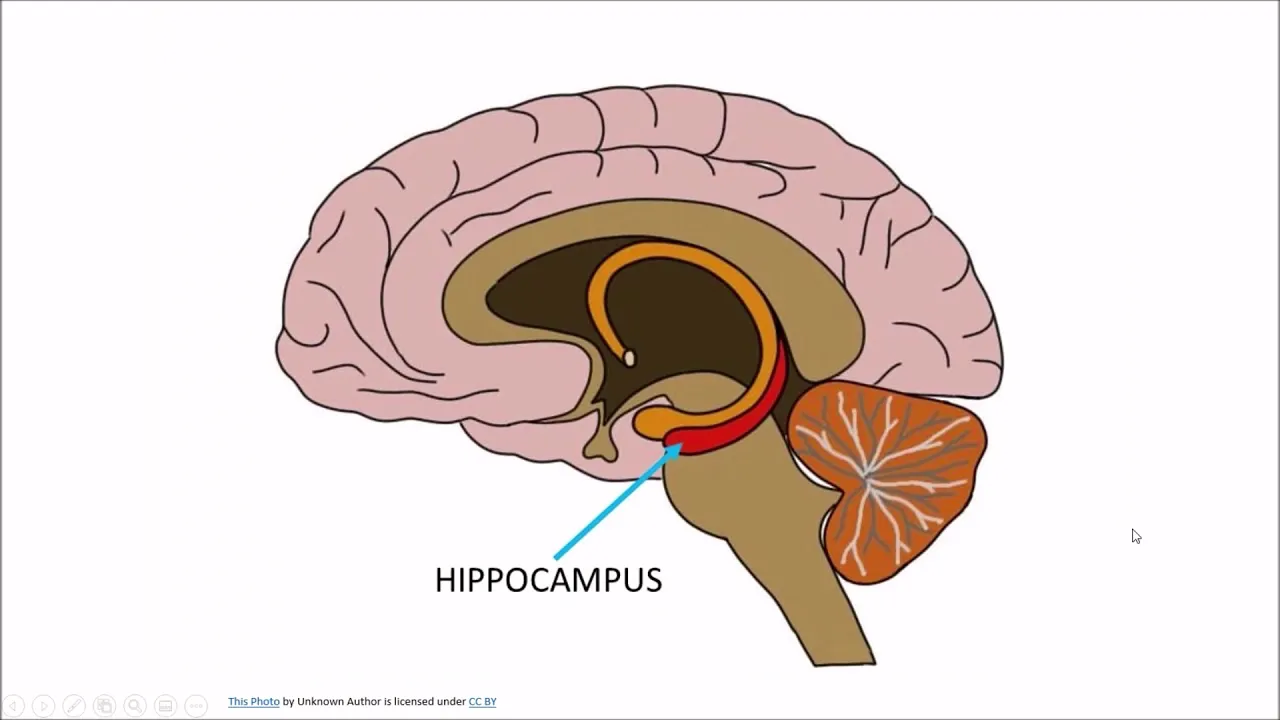
8:08
Neuroscience
What is neurodegeneration?
TheSheekeyScienceShow
3K views•2019-08-19

57:35
Neuroscience
IPL - Ruth Empson "Mind the Gap"
otagouniversity
251 views•2019-07-08

14:01
Neuroscience
How our body shapes our mind | Pancho Tolchinsky | TEDxNapoli
TEDx
2K views•2019-12-05
1:00:02
Neuroscience
Impact of Early Life Deprivation Danielle Stolzenberg Marcus Pembrey Bruce McEwen
uctv
4K views•2019-12-01
10:32
Neuroscience
β-Caryophyllene for Parkinson’s: Protecting Dopamine & Easing Symptoms
parkinsonsdiseaseeducation
6K views•2025-08-09

20:44
Neuroscience
New Insights from Inside the Brain with Rodrigo Braga, PhD
NUFeinbergMed
421 views•2025-04-14

9:57
Neuroscience
Highlights for dystonia • 2025 MDS Congress
movedisorder
145 views•2025-10-27

58:17
Neuroscience
Animal Welfare Synergy Series: Dr Tom Smulders on hippocampal neurogenesis
costactionlift
135 views•2025-07-14
Trending

13:38
Law
WOW! Judge TURNS THE TABLES on Trump in His OWN $10B LAWSUIT!!!
MeidasTouch
197K views•2026-07-23

13:25
Business
Playstation NO DISC/NO BUY Fight Is Over...
DavidJaffeGames
4K views•2026-07-23

22:40
Business
Steam and Xbox Just Dropped The Hammer On PlayStation
OhNoItsAlexx
9K views•2026-07-23

16:52
Anthropology
Americans Confused in Australia for 17 Minutes Straight
IWrocker
17K views•2026-07-23