The video effectively translates complex predictive processing into a practical guide for expanding "lived time" through physiological regulation. It successfully bridges the gap between neurobiology and daily experience, though it occasionally rebrands basic mindfulness as high-level science.
Install our extension to search inside any video instantly.
Why Time Moves Differently Depending on Your Energy
Added:There are entire weeks from this past year that have already stopped existing for the very people who lived through them. Not because those weeks were unimportant, because nothing happened inside them worth the brain's trouble of keeping them. The body was there. The calendar kept moving forward and somehow almost none of it got saved anywhere permanent. Ask a room full of adults to describe last March in detail and watch the room go quiet almost immediately.
Not because March never happened. It happened for every single one of them in full minute by minute. It happened. It simply never landed anywhere inside the nervous system responsible for keeping it. Now ask that same room about the 90 seconds right before a diagnosis, an accident, or a call that changed everything. Suddenly, the room is not quiet anymore. Every detail returns at once. The lighting, the smell, the exact words used. 90 seconds, fully alive, fully recorded, permanently available for replay, a 100 times shorter than March, and yet somehow it is the one that refuses to fade. This is the part almost nobody questions. The clock insists March and those 90 seconds were wildly unequal in length. Your own memory insists on the exact opposite.
And memory, it turns out, is not the one lying to you here. So, here is exactly what this video is going to do for you.
Starting right now, by the end of it, you will know precisely why some stretches of a life dissolve into fog while others stay etched in vivid detail for decades. And you will know the one internal shift, not more free time, not a better calendar, not stricter discipline that changes this permanently. The shift that lets you start living inside more of the very hours you already have without needing a single extra minute in the day. This is not another lecture about being present.
It is not another warning about distraction quietly draining your days.
Those explanations were never wrong.
They simply pointed at the symptom and stopped short of naming the actual mechanism underneath it. Neuroscience already has a name for what happens inside a nervous system during 90 unbearable seconds. It has an entirely different name for what happens during a month that vanishes without leaving a single mark behind. Both of those states are measurable in a laboratory. Neither one depends on how many minutes a clock happened to count while they occurred.
Which means duration, the real kind, the kind that is actually lived rather than merely survived, is not handed to you from outside. It is something your own physiology keeps generating moment by moment at a rate you were never taught to notice, let alone influence. There is a reason certain people seem to live inside more of their own years than everyone else moving through that exact same calendar. That reason is not mystical and it is not a poetic way of saying pay more attention. It is mechanical and it is measurable. It starts with a single question almost nobody thinks to ask usually because nobody around them has ever asked it either. What if the missing months, all those vanished stretches of an entire year were never actually taken from you at all? What if they were simply never generated in the first place? That one distinction is about to change everything else in this video. None of this comes down to importance or emotion or how much a person cared about what was happening in either stretch of time.
It comes down to something far more literal, something happening inside the skull in real time, whether anyone notices it or not. The brain does not experience time the way a clock measures it. As one smooth, continuous, evenly flowing line, it builds time the same way a camera builds motion out of individual still frames stitched together after the fact. Each frame is a distinct slice of perceived reality, a sound, a face, a shift in light, a feeling low in the chest. String enough of those frames together and the brain produces the illusion every person walks around quietly calling the present moment. The catch is that the brain does not capture frames at a fixed rate. It is not running at a constant number per second. Some stretches of life get recorded in extremely high density, frame after frame after frame, almost nothing skipped along the way. Other stretches get recorded in almost none.
Long gaps, entire scenes missing, the footage barely exists at all afterward.
This is the actual difference between 90 unbearable seconds and an entire month spent on autopilot. It was never about which one mattered more in the grand scheme of a life. It was about how many frames each one left behind in storage.
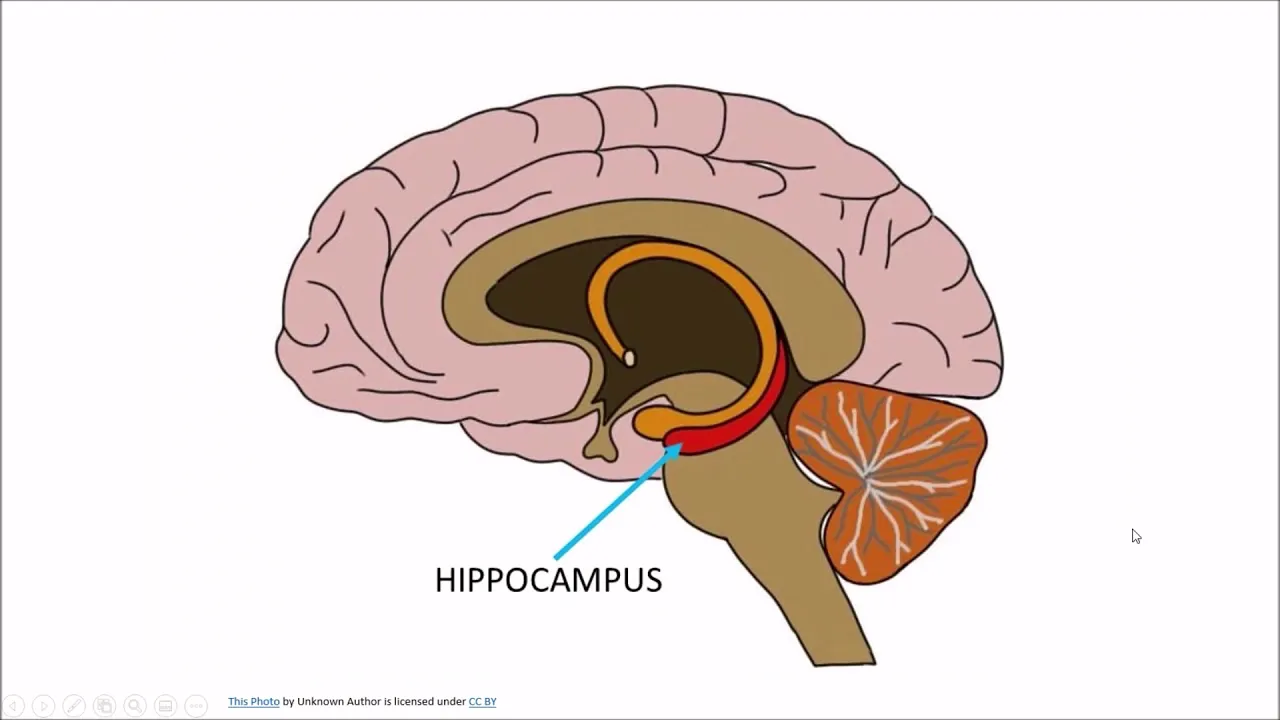
There is also a strange twist most people never think to question because they assume the dragging feeling and the vivid memory are one single thing. They are not. The reason 90 seconds refuses to end while it is happening is a separate mechanism from the reason it stays vivid decades later. In the moment, a threatened nervous system starts checking the clock constantly, monitoring the passage of time itself as part of scanning for danger. That constant checking is what makes seconds feel elongated in real time. The same way a watched pot famously refuses to boil on schedule afterward. Once the threat has passed, it is the sheer density of stored detail that makes the memory of it feel like it lasted so long. Two separate systems then, one for living through a moment, one for remembering it later, both distorting the exact same 90 seconds in the same direction. None of this requires bending a single law of physics anywhere in the process. The clock on the wall was never wrong about what it measured. It simply was never built to measure the thing this video is actually about, which is how much of that measured time ends up genuinely lived. Under a sudden threat, a small almond-shaped structure deep in the brain floods the system with signals that prioritize memory above everything else. It tells the hippocampus, the part responsible for filing experience into long-term storage, to stop being economical and start recording almost everything. Every detail earns a frame.
The color of the wall, the exact tone of a voice, the precise second a sentence landed and changed something. None of this happens because the moment actually lasted longer on any clock anywhere in the room. It happens because the brain, convinced this information might matter for survival, refuses to compress it the way it normally would without hesitation. Routine works by the opposite rule entirely. A brain encountering the same commute, the same desk, the same handful of conversations learns something quietly dangerous. It learns that none of it requires close attention because all of it has already been seen and filed away long before.
Once a pattern becomes predictable enough, the brain stops generating fresh frames for it and starts running on something closer to autopilot. It fills the gaps with a kind of default setting built out of yesterday and the day before, reused again without much notice. This is not laziness on the brain's part. It is efficiency. A system that recorded every commute in full detail would run out of storage by Thursday. But that efficiency carries a cost nobody bothers to mention. What never gets recorded in detail can never be remembered in any real detail either.
So an entire month can be lived technically hour by hour and still leave behind almost no usable footage to look back on. There is a name in cognitive science for what the brain is actually doing underneath both of these very different processes. It is called predictive processing and the basic idea is a little unsettling once it gets stated plainly in ordinary language. The brain is not a camera passively recording the world as it happens. It is constantly guessing what comes next, a fraction of a second ahead of it arriving. When the guess matches reality closely enough, almost no new information needs to be generated. So almost nothing new gets stored. When the guess fails, when reality surprises the system in some way, that mismatch itself becomes the trigger for a fresh detailed frame. Surprise, in other words, is not just an emotion happening to a person.
It is the actual currency the brain uses to decide what becomes memory. A predictable life, no matter how busy or full the calendar looks from the outside, generates very little surprise and therefore generates very little memory. A disrupted life, even for 90 frightening seconds, generates enormous surprise and therefore leaves behind enormous, richly detailed memory. This explains the footage problem cleanly enough. It does not yet explain why some people seem to generate rich footage out of ordinary uneventful days because that is genuinely what happens for a certain kind of person and it has nothing to do with luck or money. It is not about simply having more free hours in the day than everyone else moving through the exact same calendar. Their days are not more eventful than anyone else's on paper. Their nervous system is running a different setting underneath those days, generating detail most systems quietly skip. Contemplative traditions have pointed at something close to this for a very long time, usually without any of this language available to them. They described most of adult life as a kind of walking sleep. Not because people are unconscious, but because so little of what happens ever actually registers as new. open eyes, moving legs, a voice answering questions correctly at dinner, and underneath all of it, almost nothing being freshly perceived at all. None of this was ever meant as an insult to anyone living this way. It is simply the default setting of a brain trying to conserve energy, for whatever it assumes actually matters. This is worth being precise about because it is easy to hear this and assume the fix is simply doing more, seeing more, filling the calendar with novelty on purpose. That would miss the actual mechanism entirely, and it would explain why so many people chase new experiences and still feel their years compressing anyway. A packed schedule built entirely from familiar categories. Another commute, another meeting, another feed refreshed out of habit can still register as almost nothing at all. Meanwhile, an ordinary Tuesday perceived with enough openness can generate more usable footage than an entire vacation spent half distracted and half asleep. Picture two co-workers commuting the identical route every single morning. Same train, same platform, the same 15 minutes staring out the same window. One of them has run this commute so many times that the brain stopped generating anything new for it years ago, filling the gap with autopilot. The other, for reasons that have nothing to do with the route itself, is actually noticing it, the light, a stranger's shoes, the smell of the platform. On paper, their morning is identical down to the minute. In storage, one of them just lived 15 minutes, and the other lived almost none of it. The lever was never how many things happened. It was always how much of what happened actually got let in frame by frame without being filtered out in advance. And what determines how much gets let in moment to moment is not willpower and it is not a better planner or a longer vacation. It is the actual state of the nervous system running the whole operation underneath conscious awareness tightening or widening what gets treated as worth recording. A system running in chronic urgency narrows that intake severely, treating almost everything outside of immediate threat as background noise to be compressed and ignored. A system running in a calmer, steadier register does something very different with the exact same ordinary Tuesday. And that difference is where this goes next. That different register is not some vague mood or a nicer way of saying relaxed.
It is an actual operating setting the nervous system runs on. And the strange part is that this setting is not decided by how eventful or boring a day happens to be on paper. Consider a life packed with stimulation. Notifications firing constantly, inboxes refilling within minutes, a feed that never once looks the same twice. by the old logic from a moment ago that life should generate enormous footage, endless novelty, minute after minute, nothing predictable about any of it. And yet, ask someone living exactly that life to recall last Thursday, and the same fog rolls in the same blank stretch where a whole day should be. Constant novelty is producing the exact same thin unusable footage as total predictability once did. Which means predictability was never the whole story after all. Something else is filtering what gets in. And it has almost nothing to do with how much new information is technically available in any given hour. The brain runs on roughly two different settings for scanning the world. And only one of them was ever built for depth. The first setting is fast, narrow, and built entirely for one job, catching an immediate threat before it becomes fatal. Under this setting, the visual and cognitive field physically contracts. Peripheral detail gets discarded automatically because none of it matters if the threat is not handled first. A flood of one particular alerting chemical is largely responsible for this narrowing, sharpening focus onto the single object that matters most in that instant. It is remarkably good at its one job. It is remarkably bad at almost everything happening outside of that one narrow beam of attention. This is not a flaw. It is an old, extremely reliable survival reflex, the same one that once kept a body alive in front of a predator. The second setting is slower, wider, and built for something completely different, actually absorbing detail rather than just scanning for danger inside it. Under this setting, peripheral information stays available.
Texture returns. Sound separates into layers. Ordinary things regain the outlines that busyness usually erases.
Here is the uncomfortable part for anyone living inside a modern schedule.
Whether it looks calm or chaotic from the outside, the nervous system does not actually know the difference between a predator and a notification badge, a deadline, or an overdue reply sitting unread. All of it gets processed through the exact same narrow scanning setting because the body only has the one reflex available for anything that registers as urgent. So a person can spend an entire stimulating overstimulated day catching new information every few minutes and still run the whole day in narrow mode.
Every new input gets scanned just long enough to be filed as handled or not yet handled, then discarded to make room for the next one. Nothing gets absorbed.
Everything gets processed. Those are not the same action even though they feel identical from the inside while it is happening. Picture someone working with six tabs open. A phone lit up on the desk and a messaging app announcing itself every few minutes without pause.
Each ping gets a fast narrow scan, handled or not handled, then discarded to make room for whatever arrives next in that same rhythm. Now picture someone else. same job, same hours, working with one task open and every alert silenced until a chosen point later in the day.
The second version is not necessarily doing less work by the end of the day.
It is simply doing that work through a completely different aperture. This is why an afternoon full of activity can still evaporate by nightfall, leaving behind the specific exhaustion of having done a great deal and lived almost none of it. Meanwhile, a calmer nervous system, one that is not scanning for the next unhandled input, does something structurally different with the exact same environment. It is not doing less.
It is simply not treating everything as a threat that needs to be resolved before anything else can be noticed.
Detail gets let back in, not because the day became more special, but because the aperture through which the day gets perceived quietly widened. This is worth testing against actual memory rather than simply accept it on faith because it holds up remarkably well under that kind of scrutiny. Think of the busiest, most notificationheavy stretch of the last year and notice how little of it can actually be recalled in any real detail. Then think of a single slower afternoon, phone somewhere else entirely, spent doing one unhurried thing all the way through without interruption. One of those stretches almost certainly left behind more usable memory than the other, and it was very likely not the busier one. This is closer to what the word frequency has actually been pointing toward this entire video once it gets stripped of anything mystical. Not a vibration floating somewhere outside the body and not a metaphor borrowed loosely from physics to sound impressive. an actual physiological setting, narrow and scanning or wide and absorbing. Running underneath every single hour, whether anyone ever notices it or not. A life spent almost entirely in the narrow setting will always compress, no matter how many objectively interesting things get scheduled into it. A life that spends real hours in the wide setting will expand even on days that would look completely uneventful from the outside looking in. This is worth being careful about because a lazy version of this idea would suggest manufacturing crisis on purpose to force the aperture open.
That version is not only unsustainable, it is precisely the trap hiding inside this whole idea. The narrow setting was never meant to run for long. It is expensive and it was built for emergencies, not for decades. Living inside chronic urgency to manufacture a feeling of aliveness is simply trading one kind of compressed life for a faster, more exhausting version of the exact same compression. The wide setting was never accessed through emergency in the first place. It was accessed through safety, which is a completely different physiological signal. A threat narrows the field on purpose as a temporary protective measure. safety widens it back out as the nervous system's actual restful default. Older traditions had a phrase for this widened aperture long before anyone could measure attention in a laboratory. They called it being fully present and treated it as a discipline worth a lifetime rather than a simple byproduct of an overworked alert system.
Both descriptions turn out to be pointing at the same underlying event.
one in the language of practice, the other in the language of neurons. Most modern lives simply never get enough uninterrupted safety signal to let that default reassert itself, which is very different from being broken or unusually anxious. It is closer to a thermostat stuck slightly too high for years, quietly running warm in the background of every single day without ever fully registering as an emergency. Nobody consciously chooses this. It arrives gradually through inboxes, through deadlines, through the low hum of being one notification behind at almost every hour. And once that hum becomes the baseline, the narrow setting stops feeling like a state at all. It simply starts feeling like what being a person is supposed to feel like all day, every day. This reframes something stated earlier in a much bigger way than it might have first appeared. Time was never simply a fixed resource handed out in equal daily amounts and then spent well or spent poorly depending on discipline. It is closer to a byproduct generated in real time by whichever of these two settings happens to be running underneath a given hour. Two people can be handed the exact same number of years and one of them will have generated measurably more lived time out of it than the other. Not because one of them managed their calendar better because one of them spent more of those years with the aperture open, which raises a question worth sitting with before this goes any further into the mechanism itself. What has actually been keeping so many nervous systems locked in that narrow setting for years, sometimes for entire decades, without it ever once being named for what it is. Not a personal failing, not a character flaw, something closer to an environment nobody ever agreed to running quietly underneath every single one of those years. That environment is not abstract.
It is built out of very specific, very deliberate pieces, most of which nobody ever consciously agreed to install.
Start with the obvious one. Every red badge, every unread count, every notification sound is engineered around the exact same reflex described a moment ago. Uncertainty demands resolution. An unresolved cue reads to the nervous system as unfinished business, and unfinished business reads as something close to a low-grade threat. This was never an accident or a side effect nobody anticipated along the way.
systems built to hold attention learned deliberately that an unresolved cue keeps a person checking far more reliably than a resolved one ever could.
So the badge stays red a little longer than necessary. The feed refreshes with something slightly new every single time, never quite finishing, never quite resolving. The three small dots that appear when someone else is typing work through the exact same mechanism, holding attention open on a sentence that has not arrived yet. An autoplay countdown works through it, too, replacing a natural stopping point with a manufactured sense of something still unfinished, still pending, still owed attention. None of these features are evil in isolation. repeated hundreds of times a day. Together, they function as a low-grade, near constant rehearsal of the narrow setting. Each of those tiny unresolved loops asks the narrow scanning setting to switch back on dozens of times an hour for reasons that have nothing to do with actual danger.
But the technology is only half of what keeps this running for years instead of days. The other half lives much closer to identity and it rarely gets questioned because it rarely feels like a problem while it is happening.
Somewhere along the way, being busy quietly became evidence of being valuable. Exhaustion started reading as proof of a life being taken seriously.
Rest, on the other hand, started carrying a faint whiff of danger, as if slowing down for too long might reveal that nothing underneath the busyiness was actually that important. This did not arrive recently and it did not arrive by accident either. Entire cultural inheritances have equated stillness with idleness and idleness with a kind of quiet moral failure. For centuries, modern urgency simply inherited an old instinct and handed it a phone to run on, sharper and faster than anything earlier generations ever had to carry it. This is rarely a conscious belief anyone would say out loud. It operates lower than that, closer to a felt sense than a stated opinion. But felt senses shape a nervous system just as powerfully as stated beliefs do. Sometimes more powerfully, precisely because they never get examined directly. Once a person's sense of worth becomes quietly tied to urgency, the nervous system gains a second entirely internal reason to keep the narrow setting running. Not because a badge turned red somewhere, but because slowing down now threatens something that feels far more personal than a missed message. Here is where predictive processing mentioned earlier becomes genuinely useful in explaining why this loop is so difficult to simply opt out of. The brain does not wait passively for evidence before deciding how urgent a moment actually is. It predicts urgency in advance based on whatever story already runs underneath a person's own sense of self. A person who has come to believe at the identity level that they are always behind will interpret ambiguous moments through that exact lens before any real evidence arrives. An email sitting unread for 2 hours does not simply sit there neutral waiting to be read whenever convenient.
It gets pre-interpreted as proof of falling further behind which triggers the narrow setting which then makes the next few hours feel even more urgent than they actually are. This is a closed loop, not a single event that happens once and then resolves. The prediction creates the felt urgency. The felt urgency confirms the prediction. The whole thing repeats without ever needing new evidence. This explains something many people quietly notice but rarely say out loud, usually because it sounds strange until the mechanism underneath it gets named. A weekend away, phone left in another room, calendar completely empty, and the restlessness still shows up anyway, right on schedule, uninvited. The external triggers were removed. The internal prediction was not. And the internal prediction alone is enough to keep the narrow setting running with nothing left to scan. This shows up constantly in exactly the form it sounds like it would. Someone finally takes the vacation. Phone left behind on purpose.
Calendar wiped clean for a week. By the second day, an unmistakable restlessness arrives anyway. Quiet at first, then insistent, looking for something urgent to attach itself to. There is nothing left to check. So the mind starts checking anyway, scanning an empty room for a threat that was never really about the room in the first place. This is precisely why simply removing notifications, deleting an app, or booking a quiet vacation so often fails to produce the relief it seems like it should produce. The environment changed.
The identity running underneath it, the one quietly convinced that falling behind is always one unattended moment away, did not change at all. Real change, the kind this video is building toward, appears to require both pieces addressed together rather than either one handled in isolation. The external design of a life matters, but without a different internal prediction running underneath it, the nervous system will simply manufacture urgency out of whatever is left available. It is worth being precise here because this is easy to mishar as an argument against ambition, work, or taking anything seriously. It is not depth, mastery, and meaningful output have never required the narrow scanning setting to produce themselves. If anything, that setting actively worsens most of them. Work produced from a wide absorbing state tends to be more original, more accurate, and more genuinely satisfying to the person producing it. Work produced from a narrow scanning state tends to be faster in the moment and strangely forgettable afterward, indistinguishable from all the other narrow hours around it. Picture two people finishing the same report by the same deadline. One checking messages every few minutes throughout, the other fully absorbed for one uninterrupted stretch. Both reports get submitted right on time, indistinguishable to anyone else reading them. Only one of those two hours will still be remembered a year from now by the person who actually lived it. The busiest, most urgent version of a life is rarely the most productive one. It is simply the version that leaves behind the least memory of having happened at all. This is very likely already familiar as a lived pattern more than a new idea, a background unease of being perpetually behind no matter how much actually gets finished. That unease was never proof of an actual shortage of hours in the day.
It was the narrow setting, running quietly, interpreting an ordinary evening as unfinished business. This narrow setting rarely turns off cleanly at bedtime either, even once the day's actual tasks are finished and finally put away. A nervous system primed for urgency for 16 straight hours, does not simply drop the pattern the moment the lights get switched off. Sleep still happens technically. It just happens shallower, lighter, and more fragmented.
Which means even the hours meant to restore the wide setting often fail to do their job. This adds a quiet compounding cost across years, not only within any single overloaded day, and it explains why rest alone rarely feels like enough to undo it. Multiply this pattern across an entire decade and the arithmetic becomes something close to frightening to actually sit with directly. Not because life became any shorter on the calendar because so much less of it ever fully arrived in the first place. Which brings this to a specific uncomfortable question worth sitting with honestly rather than answering too quickly out of habit. If urgency has quietly become tied to a person's own sense of being worthwhile, that creates a strange problem. What exactly would safety have to prove first before the nervous system would ever agree to trust it? That question does not have a simple answer yet? But it points directly at the mechanism. Before this goes any further, one objection deserves to be addressed directly because skipping past it would be dishonest. Someone somewhere is thinking it right now. Time is physics. Seconds are fixed. A feeling cannot bend a clock no matter how convincing the feeling is.
That objection is completely correct.
And nothing in this video is actually arguing against it. The clock on the wall, the atomic clock inside a satellite, the physical seconds ticking past everyone in this room right now, none of that is in question here. What is in question is something physics was never built to measure in the first place. And modern physics has already quietly admitted as much. For most of history, time was pictured as one single master clock ticking at the exact same steady rate for everyone everywhere all at once. Relativity ended that picture permanently decades ago in a way most people absorbed as trivia rather than as the genuine shock it actually was. There is no single universal now shared identically by everyone in the universe.
Simultane depends on where an observer stands and how fast they are moving. Two clocks perfectly synchronized on the ground will disagree slightly after one of them takes a flight and comes back measurably, not theoretically. This is not a thought experiment left sitting inside a physics textbook somewhere.
Satellites orbiting the Earth carry clocks that run measurably faster than clocks fixed on the ground. That difference gets corrected directly inside the software running global positioning systems every single day for every phone quietly checking its location. Skip that correction and every device on the planet would drift out of accurate positioning within hours. Proof that differently moving clocks genuinely disagree, not just in theory. Physics itself at its most fundamental level does not describe one single universal clock running the same way everywhere for everyone. It describes something closer to a landscape where the rate of passing time depends on where you happen to be standing and how fast you are moving through it. Even the forward direction of time, the reason the past feels fixed and the future feels open does not come from time itself. In most modern accounts, it comes from entropy, from the universe steadily moving toward disorder, which happens to point in one consistent direction across the scale humans experience. A shattered glass never reassembles itself on a tabletop.
Not because physics forbids it outright, but because there are vastly more ways to be broken than to be whole. None of this was included to sound impressive.
It was included because it clears space for something important. If physics itself no longer insists on one uniform fixed universally shared flow of time, then the felt experience of duration was never contradicting physics to begin with. It was simply operating in a separate layer, one physics was never designed to measure, governed by entirely different rules running inside a nervous system instead of a particle.
This is where flow enters the picture because it is the clearest most common proof of that separate layer already available in ordinary experience. Almost everyone has touched it at some point usually by accident doing something that demanded complete attention and offered nothing else in return. A conversation that swallows an entire evening without anyone checking the time once. A task so absorbing that a glance at the clock produces genuine disbelief. A writer loses an entire afternoon inside a single paragraph, resurfacing only when hunger or darkness finally forces a return to the room. An athlete describes a decisive final minute unfolding almost in slow motion. Every movement legible, nothing rushed despite the actual clock barely moving at all. 2 hours gone, experienced as 20 minutes with no sense of having lost anything in between. This looks on the surface exactly like the compressed forgettable time from earlier in this video. Fast, gone, barely noticed while it happened. But it behaves in the opposite way once it is over. And this difference matters more than almost anything else covered so far. An afternoon lost to distraction leaves nothing behind. An afternoon lost to flow leaves behind something rich, specific, and strangely satisfying to recall. Fear stretches a moment while it is happening, then leaves behind dense vivid memory afterward. Flow compresses that same kind of moment while it is happening and still leaves behind dense vivid memory afterward. Two completely different feelings in the moment, arriving at the exact same outcome in storage. Distraction is the only one of the three that fails on both ends at once. This means the speed of a moment fast or slow while it is happening was never actually the thing that determined whether it survives. What both fear and flow share underneath their opposite in the- moment sensations is total undivided absorption in what is actually happening. No spare attention left over for checking a phone. No spare attention left over for narrating the moment to yourself while it unfolds. Fear forces that absorption through threat, which is why it cannot be sustained and should not be chased on purpose as a lifestyle.
Flow arrives through something else entirely. Full engagement freely chosen with a task that matches ability closely enough to demand everything without overwhelming it. Skill and challenge sit close enough together during flow that the task keeps generating small continuous surprises just below the threshold of overwhelm. Recall the earlier idea about the brain treating surprise as its actual currency for memory. Not importance, not emotion, simply mismatch between prediction and reality. A task perfectly matched to ability produces a steady stream of exactly that kind of mismatch. Small correction after small correction, moment after moment. That stream of tiny corrections is what floods the system with fresh material worth encoding. Even though nothing dramatic or threatening is happening anywhere in the room, this is genuinely hopeful once it gets stated plainly because it means the wide absorbing setting was never limited to emergencies in the first place. This does not require elite skill, high stakes, or an especially exciting task pulled from some short impressive list of approved activities. A close conversation, a focused walk, a simple task done without splitting attention across three other things at once can produce the exact same absorption. The requirement was never difficulty. It was undivided attention given fully to one single thing at a time without narrating it while it happens. It can be reached through ordinary tasks done with enough presence without needing an accident, a crisis, or a diagnosis to force the door open. Musicians describe it. Surgeons describe it. Someone fully absorbed in a difficult conversation that actually matters. Describes the exact same disappearance of the clock, which raises an obvious, slightly frustrating question for anyone who has felt this only rarely. usually by accident on days that seemed unremarkable in advance. If this state is available through ordinary engagement rather than emergency, why does it show up so rarely for most people, most weeks, most years? Why does it feel like something that happens to a person occasionally rather than something a person could actually access on purpose with any real reliability?
That question is not rhetorical. It has an actual answer. And the answer has almost nothing to do with finding the right hobby or the right task. This also explains something slightly discouraging worth naming honestly rather than skipping past it quickly. A nervous system already running the narrow scanning setting described earlier struggles to drop into this kind of absorption even during a task built to support it. Threat scanning and total absorption cannot fully coexist inside the same moment. One requires splitting attention across everything at once. The other requires attention to stop splitting entirely, which means the two failures described earlier in this video, the vanished month and the blocked flow state, may turn out to share the exact same root cause. It has everything to do with a specific measurable setting running underneath the nervous system. A setting that either allows this kind of absorption to happen or quietly blocks it before it ever gets the chance to begin. That setting has an actual name in physiology and it comes with a signature simple enough to measure with equipment sitting in most research labs. It shows up in the heart of all places which surprises people expecting something purely mental hidden somewhere behind the eyes instead. Most people assume a heartbeat works like a metronome ticking out identical intervals, one steady beat following the last at a fixed unchanging rate. It does not. The actual gap between one heartbeat and the next constantly shifts, speeding up slightly, slowing down slightly, moment to moment, beat to beat. This shifting gap has a name, heart rate variability. And the shape of that variability, not simply the average speed, turns out to carry real information. Under the narrow threat scanning setting described earlier, that rhythm becomes erratic and jagged, spiking and dropping with no clean readable pattern underneath it.
Under the wide absorbing setting, the same rhythm smooths into something closer to a clean rolling wave, rising and falling in a far more organized pattern. On a monitor, the difference is unmistakable even to someone with no training in physiology whatsoever. One line looks like static, spiking without any visible pattern, sharp and unpredictable from one beat to the next.
The other looks almost musical, a smooth repeating wave, easy enough to trace with a finger without ever losing the shape of it. Researchers call this second pattern coherence, and it is measurable in real time on a screen, independent of anything a person says about how they currently feel. This is worth sitting with directly because it finally gives the word frequency used loosely throughout this entire video something concrete to actually stand on.
Not a vague vibration borrowed from somewhere outside the body. An actual oscillating pattern generated by the heart shaped by the nervous system readable on an instrument. A jagged chaotic rhythm and a smooth coherent rhythm are quite literally two different frequencies in the same sense any physicist would recognize that word. And this rhythm does not stay fixed all day, locked into one setting from morning until night regardless of circumstance.
It shifts constantly in response to what a nervous system is currently interpreting as safe or unsafe, threatening or unremarkable, urgent or simply present. This pattern responds almost instantly to context, shifting within seconds rather than requiring hours or days to move at all. An unexpected criticism can jolt a smooth reading into a jagged one almost immediately, long before any conscious thought has caught up to explain why. A moment of genuine safety, a familiar voice, a settled breath can do the reverse just as quickly without any deliberate effort required to produce it. This creates an obvious tension with everything covered earlier about urgency, identity, and the narrow setting quietly getting treated as a kind of virtue. If coherence is genuinely available within seconds, yet a person's own identity still treats slowing down as unproductive, risky, or somehow undeserved. The shift rarely gets permission to actually happen. The mechanism was never the missing piece in any of this. permission, it turns out, was, which means the exact same person can move through jagged, narrow frequency for most of a morning and smooth, coherent frequency for a single afternoon walk. This lines up precisely with what Flo already demonstrated a moment ago without ever needing the word coherence to describe it at the time.
The absorbed timeless quality of flow and the coherent heart rhythm are not two separate phenomena loosely associated with each other by coincidence. They are, as far as current research can tell, the same underlying event observed through two completely different instruments. Two very different qualities of time generated by two different rhythms inside the same body on the exact same calendar day.
This is where the earlier claim about lived time finally earns its full weight rather than remaining an interesting idea floated without consequence.
Picture two lives each lasting exactly the same number of years down to the day with identical birthdays and identical death certificates. A human heart beats somewhere close to 2 and a half billion times across an average lifetime depending on how long that lifetime happens to run. That number sounds enormous. right up until it gets divided by how many of those beats actually occurred while something was genuinely being lived rather than merely endured.
One of those lives spends the overwhelming majority of its years running the jagged narrow frequency threat scanning through ordinary Tuesdays that never actually contained any real threat. The other spends a meaningfully larger share of the exact same years running the smooth coherent frequency absorbing far more of what those years actually offered. Same number of years, same number of heartbeats, give or take. Radically different amounts of life actually generated inside that identical span.
This is not a metaphor being stretched for effect. It follows directly from everything established so far about memory and coding and the density of stored experience. A year spent mostly in coherence produces vastly more usable, retrievable, felt life than a year spent mostly in jagged threat scanning. That holds regardless of how either year measured out daybyday on a calendar. which means two people can die at the exact same age having lived measurably different amounts of actual time. Different in the only sense of that word that ever genuinely mattered to either one of them. It also means a shorter life spent largely in coherence can contain more real lived time than a longer life spent largely in narrow jagged scanning. This is not a comforting slogan meant to soften the fear of dying young. It is a direct falsifiable consequence of the mechanism this entire video has been building. It is worth being completely honest about what is and is not being claimed here.
This is exactly the point where a claim like this tends to get twisted into something smaller than it actually is.
This is easy to mistake for another wellness trend promising something impossible. More hours, more energy, more of everything if only the right routine gets adopted. That is not the claim here, and it is worth repeating plainly one more time before this goes any further toward an actual answer.
Nothing here adds a single hour to anyone's calendar. No hidden hour appears from nowhere, and no actual minute gets manufactured that was not already there before. What changes is entirely the proportion. How much of an already fixed number of hours actually gets registered as consciously, vividly, retrievably lived. That distinction is not an abstract philosophical point floating somewhere outside verification.
It is something checkable directly in a person's own memory right now without needing to trust anyone else's word for it. Pull up last year in memory and notice how unevenly it distributes. Some weeks arrive instantly, richly detailed.
Entire months barely register at all.
This is not a trick of memory being unreliable or selective in some flawed, unscientific way that deserves suspicion. It is memory accurately reporting exactly what got encoded at the time, faithfully reflecting which weeks were run through a wide frequency and which were not. That unevenness was never random, and it was never simply about how interesting any particular week happened to be on paper. It was frequency, quietly determining which weeks got kept and which ones got quietly discarded, long before anyone consciously chose either outcome. Which leads directly to the only question that actually matters at this point, the one this entire video has been circling from the very first minute. If frequency can already be measured and clearly shifts throughout a single day depending on what a nervous system reads as safe or threatening, one question remains. Can that same frequency also be shifted on purpose? Not by accident, not by luck, but deliberately, not through a lucky afternoon or an absorbing task stumbled into by chance, repeatably as something closer to a skill than an accident. That is the actual question this video was always building toward and it deserves a real workable answer rather than another vague suggestion to simply relax more.
The answer turns out to be almost embarrassingly simple once it finally gets named. Though simple was never the same thing as easy in this particular case. It has nothing to do with breathing techniques, morning routines, or any of the usual toolkit handed out under the heading of self-improvement.
It starts with something covered earlier in this video. The exact detail that made an unresolved cue read to the nervous system as unfinished business.
If unresolved cues are what keep the narrow setting running, then the lever sitting right there hiding in plain sight is resolution itself. This might sound on the surface like another version of advice already heard many times before. Focus on one thing. Avoid multitasking. nothing especially new.
The difference is not the focusing part.
Plenty of advice already covers that ground reasonably well without needing this video to repeat it. The difference is the deliberate act of closing, marking a stretch of time as genuinely finished rather than simply moving attention elsewhere and quietly calling it done. Most single tasking advice stops at attention. It rarely addresses what happens the moment that attention shifts towards something else entirely.
Without a clear signal of closure, the nervous system often keeps a version of that task open anyway, quietly circling somewhere in the background, regardless of intention. Before going any further, if you have made it this far into the video, something in this is clearly landing and that is worth pausing to acknowledge for a moment. If that is the case, consider subscribing to this channel and following along because this exact kind of thinking, mechanism first, sentiment second, is what gets built here. While this is already on the table, an honest answer in the comments would genuinely help shape what comes next on this channel. Which one hits closer to home right now? The vanished weeks or the single hour that refuse to end? That answer matters more than it might first appear. It usually points directly at which of the two settings described earlier has been quietly running underneath a life the longest without ever once being named. Now, back to the actual mechanism because this is exactly where it finally gets practical.
Resolution in this context does not mean finishing every task on a list or reaching some mythical state of a permanently empty inbox. It means something much smaller and much more available several times over inside any ordinary unremarkable day. It means choosing one thing on purpose for a defined stretch of time and treating that stretch as genuinely complete the moment it ends. Not paused, not halfopen, waiting to be revisited the second something else demands attention.
Actually closed on purpose without exception. This sounds almost too small to matter, which is exactly why it gets skipped by nearly everyone chasing bigger, more dramatic interventions instead. But recall what an unresolved loop actually does to a nervous system established earlier in this video in careful detail before this moment arrived. An open loop reads as a low-grade threat, keeping the narrow, jagged scanning setting quietly switched on in the background, regardless of what is technically being done. A closed loop reads as safety, not exciting safety.
One thing is finished. Nothing is left circling underneath it anymore. Multiply one closed loop across an entire day, and something measurable starts to shift in the only rhythm that has mattered this entire video. The heart rhythm described earlier, jagged under threat, smooth under safety, responds directly to this kind of deliberate completion, often within minutes of it happening.
This is not a theory borrowed from somewhere distant and untested. It follows directly from everything already established about how that rhythm actually works. In practice, this looks almost suspiciously ordinary. One conversation, phone out of reach, given full attention until it naturally ends, then genuinely let go of. One task chosen deliberately, worked on without switching until a clear stopping point arrives, then actually set down rather than left circling in the background.
One walk without a podcast running underneath it, treated as its own complete event rather than a gap to be filled with something else. A closure does not need to be elaborate to work.
It only needs to be clear enough for a nervous system to register it as genuinely finished. Closing a notebook after a task counts. Standing up and stepping away from a desk counts. A single quiet sentence acknowledging that this part is done counts. What matters is consistency, not creativity. The same small signal used often enough eventually starts functioning as a cue the nervous system learns to actually trust. None of these examples require more free time than already exists inside a normal day. They require a different relationship with the time already there. Not every loop in a life can close. And this is not a suggestion that every responsibility gets tied into a neat resolved bow by nightfall. Some things stay open for good reason. a long project, a relationship still finding its shape, a genuine unresolved question worth sitting with honestly for a while.
The goal was never eliminating every open loop completely. It was making sure most ordinary hours are not spent inside several of them at once, unresolved, all simultaneously. This is the shift the whole video has been circling since the very first minute. not more hours, a different frequency running through the hours already available. Two people can be handed the exact same Tuesday, and one of them will generate three or four genuinely complete, closed, remembered hours out of it. The other will generate almost none, having spent the entire day in the narrow setting, half attending to a dozen things without ever fully finishing one. same clock, same number of hours, radically different amount of actual time produced by the end of that identical day. This is what it means to become the architect of a life instead of its passenger. A phrase that sounds grand until it gets reduced to this exact ordinary size. Not controlling outcomes, not manifesting anything into existence through belief alone, simply choosing which loops get opened and closing them on purpose once they are done. This reframes something uncomfortable mentioned earlier about two lives lasting the exact same number of years yet generating wildly different amounts of actual live time. The difference between those two lives was never one dramatic choice made once at a single defining moment somewhere along the way. It was thousands of small closed loops repeated quietly across years, each one unremarkable on its own.
None of them requiring anything close to heroism. Nobody arrives at a wide coherent life through a single decision.
They arrive at it through the accumulated weight of ordinary hours actually finished over and over again.
This does not require waiting for a slower season, a cleared calendar, or some ideal set of conditions that rarely arrives on schedule anyway. The very next task today already qualifies. One thing chosen on purpose, closed cleanly the moment it ends before starting whatever comes after it. That single closed loop will not transform anything by itself, but it is the first measurable instance of a different frequency running for one deliberate hour. This will not feel dramatic the first time it gets tried. And that is exactly the point rather than a flaw hiding somewhere inside the idea. A single closed loop will not undo years of jagged narrow running by itself in one afternoon through one deliberate conversation. But frequency remember was never measured in single events. It gets measured across the accumulated pattern of an entire life. One hour compounding into the next. Enough closed loops repeated often enough quietly retrain what a nervous system expects by default and therefore what it reaches for without being asked. Which changes something that sounded almost impossible at the very start of this video back when a single lost month first got mentioned in passing. A life does not need more hours added to it from somewhere outside. It needs fewer of its existing hours spent half open, scanning, waiting for permission to close. That permission was never anyone else's to give in the first place. There was a Tuesday mentioned earlier in this video, buried somewhere in last March, the kind that made an entire room go quiet when asked to describe it. It is still gone. That was never going to change in the space of one video. No matter how clearly the mechanism behind it gets explained, nothing here was ever going to reach backward and rescue that particular day. That was never the offer, and it would have been dishonest to pretend otherwise. But there is another Tuesday further along, not written yet, still sitting somewhere ahead on an ordinary week nobody has lived through. That one has not been decided yet. Not by circumstance, not by however much free time ends up on the calendar. It gets decided by something much smaller than any of that. Repeated quietly enough times that it eventually stops feeling like a decision at all.
One conversation given full attention then genuinely let go of one task closed cleanly before the next one gets permission to open. 90 seconds at the start of this video outlived an entire month without needing a single extra minute to accomplish it. That was never a trick of memory, and it was never simply a tragedy, either. However, it might have first sounded in the room. It was proof, hiding inside an unbearable moment, that duration was never really the point of any of this to begin with.
That unease of constantly running behind, never quite named directly until now, was never proof of an actual shortage stalking through anyone's calendar. It was a frequency, quietly narrow, mistaking an ordinary evening for unfinished business that was never really there in the first place. Density was how much of a given hour actually arrived rather than simply passing by unnoticed on its way toward whatever came next. The missing time from earlier in this video, all those vanished weeks and blurred, indistinguishable months, were never actually taken from anyone at all. They were never generated in the first place, which is a very different problem and a far more solvable one than the word missing usually implies. What was never generated can still starting with whatever hour comes directly after this one finally begin quietly without ceremony. Maybe that hour is already visible from here. A commute, a meal, a conversation with someone who has been waiting longer than they have said out loud. None of it needs to look different from the outside. It only needs one thing inside it, finished on purpose instead of left circling in the background. Two lives were mentioned earlier, identical in years, radically different in the amount of time either one of them actually lived inside those years. Nobody gets to choose the number of years handed to them. That decision was made somewhere else entirely, long before any of this started. But the frequency running through those years, jagged or coherent, scanning or absorbing, closed or endlessly left open, has never belonged to anyone but the person living it. That is either the most unsettling sentence in this entire video, or the most freeing one, depending entirely on which day it gets heard. Unsettling because nobody else was ever going to hand over more coherent hours as a gift unearned simply for waiting long enough. freeing because nothing external ever needed to change first. Not the job, not the schedule, not the number of years left on a calendar somewhere. This is not a call to redesign an entire life by tomorrow morning or to close every loop perfectly starting the moment this video ends. It is smaller than that and quieter than that, closer to a single closed loop chosen once, then chosen again the next ordinary day. not the passenger carried along by whatever felt most urgent in the moment. The architect deciding hour by hour what actually gets to count as lived. If this changed even slightly how a single ordinary hour gets treated going forward, that alone was worth the time spent here together. If it helped, consider sharing it with someone else who has been feeling their own weeks blur together lately without quite knowing why until now. Subscribe to this channel if this kind of thinking mechanism first feeling second is something worth returning to on a regular basis. And before leaving, say something in the comments. Which part of this actually landed or which question is still sitting there unresolved worth carrying into whatever comes next. While there, name a topic worth exploring in a future video. The next question worth answering this way often comes from someone reading this, not from anywhere else. That comment does more than it might seem to from where it gets typed.
It shapes what gets made next, and it helps this reach someone who needed it today. Somewhere out there, a version of this exact video is about to start playing for someone standing in the middle of their own blurred, disappearing year. Hopefully, it finds them in time to change what the next one looks like the way it may have already started changing this one. None of that requires anything dramatic from here.
Not a new schedule, not a cleared calendar, not a single grand decision made under pressure tonight. Just one hour somewhere ahead, treated differently than the ones that quietly disappeared before it. The clock was never lying. It was simply never measuring the thing that actually mattered. That part was always going to belong to something else entirely. Take care and see you soon.
Related Videos
8:08
Neuroscience
What is neurodegeneration?
TheSheekeyScienceShow
3K views•2019-08-19
57:35
Neuroscience
IPL - Ruth Empson "Mind the Gap"
otagouniversity
251 views•2019-07-08
14:01
Neuroscience
How our body shapes our mind | Pancho Tolchinsky | TEDxNapoli
TEDx
2K views•2019-12-05
1:00:02
Neuroscience
Impact of Early Life Deprivation Danielle Stolzenberg Marcus Pembrey Bruce McEwen
uctv
4K views•2019-12-01
10:32
Neuroscience
β-Caryophyllene for Parkinson’s: Protecting Dopamine & Easing Symptoms
parkinsonsdiseaseeducation
6K views•2025-08-09

20:44
Neuroscience
New Insights from Inside the Brain with Rodrigo Braga, PhD
NUFeinbergMed
421 views•2025-04-14
9:57
Neuroscience
Highlights for dystonia • 2025 MDS Congress
movedisorder
145 views•2025-10-27

58:17
Neuroscience
Animal Welfare Synergy Series: Dr Tom Smulders on hippocampal neurogenesis
costactionlift
135 views•2025-07-14
Trending

13:25
Business
Playstation NO DISC/NO BUY Fight Is Over...
DavidJaffeGames
4K views•2026-07-23

22:40
Business
Steam and Xbox Just Dropped The Hammer On PlayStation
OhNoItsAlexx
9K views•2026-07-23

16:52
Anthropology
Americans Confused in Australia for 17 Minutes Straight
IWrocker
17K views•2026-07-23

20:36
Business
SuperBike Factory Has Gone... What's Next for the Motorcycle Industry?
thatbikersimon
11K views•2026-07-22