This symposium provides a rigorous deep-dive into the molecular mechanics of neurodegeneration, rightly positioning DNA repair as the frontline of modern neuroscience. It is a high-caliber intellectual exchange that prioritizes fundamental scientific discovery over superficial clinical trends.
Install our extension to search inside any video instantly.
3 Day International Symposium On New Discoveries in Brain and Disorders !
Added:He was literally What's up?
Organo.
Hello.
What color?
What are you going to do?
Heat. Heat.
Hallelujah.
speakers, members and delegates and researchers and my dear students.
A very warm good morning to all and all.
It gives me immense pleasure to welcome you all to the 3 days international symposium of New day of discovery.
Excitements and opportunities.
Before we commence the scientific proceedings of this symposium, it is my privilege to introduce the imminent personalities who have graciously accepted our invitations and join forth this prestigious event.
This symposium has brought together renowned neuroscientists, clinicians, researchers, and academicians from India and abroad whose remarkable contributions are significantly advanced and understanding of brain disorders and neurological scientists.
May I now present our distinguished guest and Miners.
Professor Mina, Department of Neurosurgery, post method research institute from US is an internationally renowned neuroscientist recognized for pioneering research in neuro degeneration, junior mechanisms and algees.
Professor Masako Pinoa, Department of Neurology, National Hospital Organization, Rasoto, Japan. She is a distinguished neurologist whose research has greatly contributed to the understanding and management of neurological disorders and dementia.
Dr. Visha a neurologist from Super Specialist Hospital.
She's a highly respected patient dedicated to creating awareness of brain health and neurological disorders in the country. Dr. Anita, National Institute of Mental Health and Neuroscience, Bangalore. She's one of the India's leading neuropathyologist well known for her extensive work in neurodyenerative disases and research.
Dr. Dr. Khava Babu a professor from Indian Institute of Sciences Command.
She's an eminent researcher whose work focuses on neuroscience, molecular biology and innovative approaches to the understanding of brain disorders.
Dr. Casey a spine surgeon from hospital is a distinguished expert in spine surgery and the management of complex neurological and spinal nerves.
Dr. Sashik a professor from National Institute of Technology is an economist economician and researcher whose interdisiplinary work features engineering and biomedical sciences Dr. Bori a neurosurgeon from a neurosurgeon with extensive medical experience in the diagnosis and management of neurological diseases.
Dr. Sisha Shawi a neurologist from Hyderabad. She's a respected neurologist actively involved in advancing neurological case and promoting awareness of brain disorders.
Professor Kendadra science from K University Vijay. She's an eminent academic leader and visionary whose contributions to higher education and research have inspired countless problems.
Dr. Sam a neurologist from Him Hospital Mundi. She's a dedicated clinician committed to improving neurological care and patient outcomes.
Dr. Chella Zurish, director scientist of ICMR, National Institute of Nutrition from Hyderabad. He's a distinguished scientist whose research in nutrition and public health has significantly contributed to understanding factors affecting brain health and dis diseases.
We are deeply honored by the presence of these distinguished experts and we look forward to getting the valuable insights from their scientific develations during the next of this symposium and I'm confident that their insights and experiences will make this symposium intellectually and for all of us. Now I would like to briefly take you through our program schedule for the next 3 days so that all our delegates and participants can have an overview of the sessions and activities planned for this symposium.
Coming to the 3-day program schedule the day ends on 29th June 2026. The first day begins with inaugural ceremony making the official commencement of the art symposium. The inaugural ceremony includes a welcome dance, lightning of the lamp, release of the sage group and addresses by our distinguished guests.
Next, the scientific proceedings commence with the keynote lectures by our internationally renowned experts professor from USC and professor Masaku Inoshida from Japan who will share their initial insights into brain disorders and neuroscience research. The day also includes a public awareness talk by Dr. P. Asia focusing on brain health and neurological disorders followed by the family convocation ceremony celebrating the academic achievements of our graduates.
Coming to the day two scheduled on 30th June 2020 the second day is dedicated to scientific deliberations and knowledge exchange.
We are privileged to have the sessions by Dr. Dr. Anita from National Institute of Mental Health and Neural Sciences from Bangalore and Dr. Kalita Babu from Indian Institute of Sciences from Bangalore and Dr. Sri Krishna Chaitanya from King's Hospital.
The afternoon session is reserved for the host presentation sessions providing an excellent platform for the students and researchers to showcase their innovative research findings. The day concludes with the B for your brain rally, a public awareness initiative aimed at promoting brain health and emphasizing the importance of preventing neurological disorders.
Coming to the green schedule on 1st July 2026 the third day and the final feature scientific sessions by Indian experts including Dr. Shash and Dr. Sindrai Dr. Professors Janadra, Dr. Samata and Dr. Sish.
These sessions will provide a valuable insights in the recent advances in neuroscience, clinical practice and interdisciplinary research related to brain disorders.
The symposium will culminate with the end scientist award ceremony recognizing the outstanding research contributions followed by the validator function. The next three days promise an enriching journey of scientific discussions, keynote lectures, research presentations, public awareness activities and meaningful interactions among experts, faculty members, researchers and students. I request all the participants to actively engage every session and make the best use of this unique opportunity to learn, collaborate and exchange their ideas.
With this brief overview of the program schedule, let us now proceed with inaugural ceremony of 3 days international symposium on new discoveries in brain and disorders, excitements and opportunities. Thank you.
Good morning and a very warm welcome to all the distinguished dignitaries, eminent scientists, researchers, academicians, healthcare professionals, faculty members, students and participants gathered here for the inauguration of the 3-day international symposium on new discoveries in brain. and disorders, excitement and opportunities. On behalf of the organizing committee and our institution, I extend a heartfelt welcome to every participant who has joined us from different regions and disciplines.
>> The human brain, often regarded as the most complex structure in the known universe, continues to fascinate scientists, educators, healthcare professionals, and researchers. Recent advances in neuroscience, artificial intelligence, neuroimasing, cognitive science and mental health research have open new pathways for understanding how we brain functions, learns, adapts and heals practitioners to exchange ideas, discuss groundbreaking disco innovative approaches in addressing the challen challenges associated with brain health and neurological disorders. While scientific progress has been remarkable, many questions remain unanswered, making this field both exciting and challenging. Today we gather not only to celebrate scientific achievements but also to encourage interdisciplinary collaboration, inspire end researchers and promote meaningful discussions that may contribute to future breakthroughs in neuroscience and brain related studies. I'm confident that the presentations, panel discussions, and interactions scheduled throughout the symposium will enrich our understanding and stimulate new ideas for research and innovation.
>> I express my sincere gratitude to our keynote speakers, invited experts, sponsors, organizing committee members, faculty and volunteers whose dedication has made this event possible. With great enthusiasm and optimism, I request the welcome dance team of AMC to officially welcome the esteemed guests on 3-day international symposium on new discoveries in brain and disorders, excitement and opportunities. Let's invite them with big round of applause.
Not seem like Why is it I'll be home.
[music] >> [music] [singing] [music] >> Christishna.
>> [music] >> I'll be shaking. [music] [music] [music] Hallelujah. [music] Hallelujah.
[singing] [music] somethingless. [music] [music] [music] [music and singing] [music and singing] Oh, in the morning.
[music] [singing] [music] [music] [music] >> [music] [music] [music] [music] >> Hallelujah.
[music] Hallelujah.
>> [singing] >> Oh my [music] [music] shore.
[music] [music] Christy [singing] [music] [music] >> [music] >> She [music] Tell me.
[music] [music] >> [music] >> I don't [music] know.
[music] [music] >> [music] [music] >> DJ [music] [singing] [music] [singing] >> [music] [music] [music] [music] [music] >> We are just making [music] [music] >> [music] [music] >> Father, [music] the Lord of the Lord.
>> [music] [music] >> No.
[music] [music] Hallelujah.
>> [music] >> Hey, >> thank you for your beautiful, graceful, outstanding and gruesome performance which indicate the traction and rich heritage of Andhra Pradesh. Let us all appreciate them with great round of applause.
Look at that.
Just It is my privilege and honor to welcome our esteemed dignitaries to the DAS.
May I now humbly request our esteemed dean of academics to kindly gra with her presence. Ladies and gentlemen, let us welcome home with a resulting round of applause.
>> [music] >> Thank you ma'am.
>> On behalf of Memorial College [music] of Pharmacy, it's our privilege to extend a heartfelt welcome to Dr. K. principal of everyday memorial college of diploma to come forward and raise the chair with your estim Let us know.
Thank you sir.
May I [music] now respectfully invite Dr. Principal of MIT Memorial College in Technology with your presence. Ladies and gentlemen, We go and round of applause.
Thank you sir. May I now Dr. [cheering] And with a welldeserved round of applause.
Thank you sir.
Now I humbly request Dr. Jes [music] principal University College of Pharmacy University.
[applause] >> Thank you sir.
Representing the next generation of the AM group of educational institutions, Mr. Manasi brings with him a global perspective of the United States with a vision that brings international exposure with a deep commitment to be humbly with your presence. Ladies and gentlemen, please give a round of applause.
Thank you sir life has dedicated herself to the noble idea through her unable commitment and humanity and dedication. Her service in society far beyond the boundaries of our institution.
The force of providing food to the needy, extending support [music] groups to orphans and unclean diseased persons to ensure they receive dignified last right. standing beside people living with HIV, helping children and families affected by pania and offering scholarships and educational support to deserve students from rural and economically background.
>> Despite her remarkable achievements, Dr. Shanti is admired for her humility, simplicity and down to earth nature. She treats everyone with respect, encourag students and faculty with kindness and leads by example through her warm compassion and unwilling [music] dedication. Her inspiring leadership has transformed not only institutions but also countless lives.
>> Madam your vision, generosity and tireless efforts continues to inspire us all. On behalf of a lady memorial college of pharmacy, it's our greatest honor to extend our heartfelt welcome to you. May I now humbly request our respective Dr. Shi.
Thank you. [cheering] >> Thank you, ma'am.
I respectfully invite today's guest of honor professor K Jaganad pro chancellor K to the university for your outstanding contribution to the academics you have inspired countless researchers and practitioners to make great thank you sir thanks for being here please give your big round of applause the newer Beautifully signifies the period of the clothes. A reward name of Lord Krishna symbolizing wisdom, harmony, compassion and divine guidance.
True to the essence of his name professor Hag department of neurosurgery master research institution USA scientist so has inspired countless students and researchers through his outstanding contribution of neurosciences and academic excellency on behalf of memorial college of pharmacy it's our privilege to extend a heartfelt welcome to professor Murita left-handed.
Sir, may I humbly request with your gracious?
>> Let us welcome you.
>> Thank you, sir.
Distinguished guests, respected colleagues, eminent scientists, faculty members, researchers and dear students. It is now my singular honor to welcome a distinguished scholar from the land of rising, Japan in nation admired for its innovation, discipline and pioneering contributions to science and technology.
No presence. I ask questions for new service in bra and disorders. Now may >> Adam thank you ma'am.
Welcome to India.
>> Thank you all the dignitaries for praising the gas.
The lightning of the lamb is a chest preparation that symbolizes the triumph of knowledge over ignorance, wisdom over darkness and hopey and explore the remarkable in time and universal desert. This ceremony reminds us of all collective commitment to enlightenment, discovery and innovation. May I now respectfully invite our esteemed and the chief guest, guest of honor, distinguished speakers, principal and organizing secretary to kindly come forward and participate in the ceremonial lighting of the lab.
Please come forward.
[music] Let's [music] [music] do that.
>> [music] [music] >> about [music] [music] James.
[music] Thank you. I request all the dignitaries to reach your respective chairs and let us all join in prayers of withstanding oation.
Sun.
[music] [music] [music] >> [music] >> Shore.
>> [singing and music] [music] [music] >> I am.
[singing] [music] [music] [music] >> Thank you all. Please be seated.
>> So is more than a publication. It is the lasting reflection of an institute's vision, achievements and cherished memories. It captures the essence of this international symposium showcasing the scientific contributions, messages from eminent personalities and the collective efforts of everyone who made this event a grand success.
>> It is now my great privilege to invite our students to officially release the international symposium on new discoveries in brain and disorders. May this serve as a source of knowledge, inspiration and lasting memory for this remarkable scientific gathering.
>> Ladies and gentlemen, I request our dignitaries.
>> Now I request Mr. aturi manusi global secretary of group of educational institutions to give his welcome address ladies and gentlemen distinguish distinguished web guest and esteemed keynote speakers a very warm welcome Welcome to all of you. I am Abdur Manis, the global network director of the AMR education foundation. It is my great honor to welcome you to the international conference on new discoveries in the human brain on behalf of the organizing committee. I sincerely thank each of you for joining us from around the world for this important scientific gathering.
The human brain remains one of the greatest frontiers in modern science.
Although neurosciences have made remarkable progress, we're only beginning to understand how billions of neurons work together to shape perception, memory, emotion, intelligence, creativity, and decision making. Every new discovery helps us better understand not only human behavior but also the forces that influence our societies, econ economies and overall well-being. Today, neuroeconomics is emerging as an exciting interdisciplinary field that brings together neurosciences, psychology, economics, um artificial intelligence, and behavioral science to understand how the brain make decisions under cons under under conditions of uncertainty, risk, reward, and social interaction. Modern neuroscience has shown that our choices are influenced not only by logic but also by emotion, learning, memory, and social cognition.
Over the next three days, we'll hear from internationally renowned experts who will share their latest research on brain function, decision neuroscience, computational neuroeconomics, neuroiming, artificial intelligence, and neuroscience.
um as as well as including behavioral finance, cognitive psychology and translation brain research. We extend our sincere gratitude to our distinguished keynote speakers, invited experts for sharing the time, knowledge and expertise. Your presence enriches this conference and advances the global exchange of scientific ideas. I hope this conference inspires new discoveries, meaningful collaborations, and innovative solutions that will shape the future of neuroscience and neuroeconomics. It is my great honor to officially welcome you to the international conference on new discoveries in the human brain. Thank you.
Thank you Manis for addressing the international symposium and introducing mysterious aspects of neuron and nervous system. And now I respectfully invite Dr. Atlantis ma'am secretary of group of educational institutions to give us the welcoming words. Please come forward ma'am.
Very good morning and respected guests and both from India and abroad my most beloved faculty and non-eing and my love students a very good morning to everyone.
Yeah, with the AMA group of institutions, we believe that education is the most powerful tool for social transformation and rural development. Our vision is to create an institution where quality education is accessible to every deserving student regardless of their geographical location, economic background, circumstances.
We are we are particularly committed to empowering students from rural and tribal communities by providing them from opportunities.
At every one group of institutions, we view these challenges not as obstacles but as a opportunities to make a meaningful impact through education, innovation and community engagement. We recognize that the future demands that graduates who are not only academically prominent but also skilled, innovative and adaptable. We build the institution with the same honor. Scientific research remains central to our institutional mission. We envision developing centers for excellence that address diseases and health challenges affecting under serve populations particularly those in rural and tribal regions. The vision of MR group of institutions aligns with the national priorities of of equitable education, rural development and innovation as well as the aspirations of the national educational policy 2020. We are looking for collaborations to transform our institutions into a global model through a global network. In the future, every group of institutions seeks not only the to educate students but also to emphasize to the all the students to learn the what's going on and you need to learn the new things and uh um uh like uh whoever coming from abroad and they can use you can use their gain their knowledge and uh feel free to ask the questions whatever the questions you have like whatever the uh topics they are giving and you can ask those questions also and u uh everybody please use this opportunity and u Um thank you.
Thank you very much to everybody. Thank you.
Thank you very much ma'am for your key insights and in delivering how the rural education has to be reached to all the areas in and around the world and explaining the vision and vision of the institute towards the quality education.
Thank you very much ma'am.
Now I request Dr. P. Barbara Bushra, principal of AMD Memorial College of Pharmacy to give his speech regarding 3-day international symposium on new discoveries in brain and disorders.
Please sir.
It gives me immense pleasure to welcome all the distinguished delegates, eminent scientists, clinicians, academicians, researchers, industry professionals and students to the 3-day international sympo symphism on new discoveries in brain disorders. excitement and opportunities.
The human brain often described as the most complex structure in the known universe. It continues to fascinate and challenge us. Recent advances in neuroscience, artificial intelligence, neuroiming, and cognitive science and mental health research have opened new pathways for understanding how the brain functions, learns, and teaches.
So this seminar serves serves as a catalyst for exchanging ideas and discussing groundbreaking discoveries.
Exploring innovative approaches to address challenges in brain health and neurological disorders. Encouraging inter interdisciplinary collaboration and inspiring researchers. Promoting meaningful dialogue that can contribute to future breakthroughs. This prestigious scientific gallery reflects our institution's unwavering commitment to advancing knowledge, promoting innovation and fostering excellence in pharmaceutical education and research.
So, AM ready Memorial College of Pharmacy is the first pharmacy college in South India to receive a grant, a proud milestone worth celebrating.
To address this achievement, AMR group of educational institutions is launching the international award series beginning in 2026 honoring exceptional scientists and doctors for globally recognized discoveries. We are the first organization in India to establish such international awards presented by across fields to those making outstanding contributions to the society. So the inaugural 2026 award the Alimus research award focused on brain research and mental health and was presented during the international conference. So mental health was chosen as the first theme due to its growing global impact projected to be a leading health concern by 2050.
Over the course of 3 days, participants will have the opportunity to engage with cutting edge research, exchange ideas with leading experts and establish meaningful academic and professional collaborations that will contribute to the future advancements in neural neural research and patient care. I sincerely congratulate the organizing committee, faculty members, student volunteers and all the supporting staff whose dedication and meticulous planning have made this international symposium possible. I also express my heartfelt gratitude to our esteemed keynote speakers, invited experts, sponsors and collaborating organizations and participants for their valuable contributions and enthusiastic support.
I extend my warmest wishes to the grand success of this symposium and hope that every participant enjoys an enriching intellectual stimulating and memorable experience. Thank you. Thank you one and all. [clears throat] Thank you very much sir for your key insights regarding this 3 days international symposium and your vision towards the importance of the collaboration towards this academic excellence. Thank you very much sir.
>> Now I hand out the session to Dr. Powi ma'am dean of academics to proceed the award presenting sermon. Please ma'am.
Respected dignitaries on the DAS from the dynamic lady secretary madam aturis sanity model of amar group of educational institutions, global secretary Atli Manusi and the esteemed guests from US professor Mural Heagaru from Zapar Dr. Masaka advisor AMD group of educational institutions professor Jaganadu principles engineering college Dr. Malikaru diploma Dr. Krishna pharmacy Dr. Baba Busharu Acharin University principal sir and the esteemed guests on the das of the invited faculty members from other colleges parents and most importantly dynamic and vibrant lovable students. A very good morning >> [cheering] >> And dear students and ladies in England, it's a PROFOUND MILESTONE THAT OUR college air research awards to the two leading neuroscientists whose work is changing the world. Dr. Mural He from the USA and Madame Masaka Kinoa from Zapon. Dr. He day holds the prestigious Emirate E and Rani Kernel Continial Endor chair at the neurological institute. He is a professor of neurosurgery and the inaugural director of the division of DNA repair research at the Hen Methodist Research Institute in Texas, Texas University. Dr. Redes lab integrates the cuttingedge approaches to uncover clinical link between defective DNA repair pathways and neuronal dysfunctions identifying them as the vital new targets for drug discovery by developing novel cell lines on a globally unique ALS animal model. His brilliant contributions have vastly deepened our understanding of neurodeenerative disorders.
Coming to Madame Dr. Masakab Kinoshita from Japan. chief of uh serves serving as the chief neurologist at the national hospital organization UNO national hospital and he is an agent professor at the Nara medical university school of medicine Dr. Kinoshuta has made outstanding contributions to the understanding of neurodedevelopmental and neuro degenerative disorders.
her pioneering work in the EEG analysis of scissors, sleep medicine and molecular pathways of Parkinson's disease has profoundly impacted global mental health research.
She is an esteemed member of neurological societies worldwide and we are honored to recognize her today.
Furthermore, we deeply honored to share that both Madame Kinoshita as well as Dr. He have been sponsored as global speakers by the international brain research organization that is IRO in France. They were competitively selected for their remarkable contributions to brain research. Notably, our AD memorial college of pharmacy is one of 2 institutions globally and second institution in India as one of the institutions to receive the prestigious Ibra speaker support grant for the year 2026.
We now arrive at the most anticipated moment of our program, the formal conferral of awards. Upon our esteemed guests, it's now my distinct privilege to commence the awards ceremony. As we formally recognize and honor the extraordinary achievements of our distinguished guests, we shall now proceed to the most auspicious segment of our gathering. Let's invite this accolade. Now I I request uh our secretary madam advisor sir and principals to honor the guests with Amar aimas researcher awards 2026 man I request Dr. Muridaru to receive the allar aim award for the year 2026 with a round of applause please I humbly request Secretary Mar global secretary advisor the principles to confer the award of music staff Please have a minute.
Huh?
No.
We request this and children also to join our foreign.
It's a Please give your round of applause.
This record is reserved for those has fundamentally shifted our understanding of the human brain for it is unparalleled. contributions to the neuro regeneration and this distinguished presence as Albra sponsored speaker.
It's really our great honor to confer this award to Dr. Thank you very much sir. Thank you >> Dr. He confer this award upon you with our deepest admiration and gratitude.
We are immensely proud to have your name forever associated with this inaugural AMR researcher award for the year 2026.
Thank you very much.
unfounded excellence in brain. We shall now proceed to honor Madame Madaka from Zapl.
[cheering] Please Sir.
Okay. Ready. Ready.
It is very proud of the recognition of her transformative discoveries and her unprecedented selection as a negro speaker. The AMR group of education institutions is proud to honor man Dr. with our all the research award for the year 2026.
as a received speaker and a pioneer in her field. Ladies and gentlemen, could you please join me in welcoming and clapping along with all together to honor and this award.
I request all the faculty members to join under the dance to confer the award to the guest please.
Once again I request all the respected faculty members to join all please sir please.
Okay. Sorry. Turn sir.
>> Stay.
Don't let it go.
The group of education institutions and particularly a memorial college of pharmacy celebrates this milestone with profound joy. We hope this gathering serves as a powerful source of inspiration for our faculty and the younger generation. May it encourage all of us to contribute to the brain research to ensure better mental health for tomorrow.
Thank you both of you for your unwavering dedication to the future of neuroscience is a true beacon of inspiration for everyone in this symposium especially to our student community. It is our absolute privilege to celebrate your monumental contributions today. Madame Hinoshita and Muri.
Once again I would like to thank the dynamic lady secretary Madame Chantalu for providing and providing this grand platform and thank you once again over to Majay and Mrs. Gita. Thank you very My request Dr. Ravishankar Indian College of Pharmacy. So please raise the D for this please.
The story is more than a publication. It is the lasting reflection of an institute's vision, achievements and cherished memories. It captures the essence of the international symposium showcasing the scientific contributions, messages from eminent personalities and recollective efforts of everyone who make this event a grand success.
>> It's my great privilege to invite our esteemed digest to officially release the ceremony of the international symposium on new discoveries in brain and disorders. Please join with us.
Ladies and gentlemen, I request all gingers to kindly give the sovereign followed by warm round of applause.
Hey, hey, Hey.
[music] >> [music] >> Oops.
Dead.
Heat. Heat.
>> [music] >> Hello again.
Hallelujah.
I don't want It is now my privilege and honor to introduce our estate desktop for this gallery. Professor Kari is an distinguished international researcher and visionary leader who contributed to the field of academics with an countless scholars and professionals. On behalf of organizing committee and all the participants here I respectfully request you to deliver the address. Please sir, thank you.
>> Good morning to all of you.
>> I have three things to start with.
First all of you stand give a big clap to your secretary madam who is a woman running an institution both in Telangana and that's what okay how to activate your Hold one no more. All of you hold one no more.
Take a bre 10 seconds.
Breathe slowly.
Do the same thing with the second.
Hold 10 seconds.
This is a very Now you can see this is one important aspect in life that meeting is a very important company.
The third one all AMR students faculty and all the citizens of Nasra also Andhra Pradesh should feel proud of AMR group of institution because today is making a remarkable challenge because in all over the world out of 22 institutions game college is one of the globally recognized institution which has one international preaching organization conference speaker support we really thank Dr. and Dr. for being a part of this game because they have been selected because of their contributions and their impact in the world. They only recognize world leaders in meeting and the fourth important aspect is you all should feel proud because your institution is the first institution in the country to start international awards for the outstanding people who have contributed for wellbeing of the nature that's very important Dr. and Dr. Masago have done extraordinary contribution in understanding mental health.
Do anybody know that 2050 what is the biggest problem in the world?
Your brain, not your heart, not your cancer. So this these days is very important. These three days you got a good opportunity to really understand this process.
Before I say few words I should congratulate pick two women first who have really played a very significant role in getting the grant. One is Dr. Nasumay.
These two people are the one which got the grand and I should congratulate all the faculty of under leadership of Ahava and also Sati madam did excellent job for making today this you know the grandness of this function is very important and you all should feel proud because you have people coming from all over the country not only from abroad but also you have the people from human and neuroscience top institution Indian science Bangalore top institution and you or hospitals or experienced clinicians are going to tell the problem to you all because every one of us remember every one of us in our lifetime will go through some mental stress.
Maybe you call it as anity, maybe you call it as depression, you call it as anger, you call it something else. And some people also say my hand is shaking you know because of this condition. But you have to understand you have to learn lot of new things about the brain because you know brain is 1.5 kg. No matter you are 80 kg or 100 kg or 30 kg your brain is only 1.5 8 kg and 1.5 kg and all of you know that we only know 10% of the brain 90% brain is alone imagine you get to a problem of your brain looks angry simple depression simple suicid thought simple and shaking hand is simple Correct. But connecting them is a big challenge for Indianologist.
Madame Masato is going to explain a lot of other speakers is going to add. So I want to tell all of you two things.
How to keep mentally happy.
Okay.
You have the word already happy. If you want to keep mentally happy, first you have to be happy.
How to be happy? How I say you are happy? You are smiling.
The day you stop smiling, you better meet a psychiatrist or a neurologist because some of the something wrong you know. So you always keep smiling is the biggest you know idea for keeping us mentally happy. Number one. Number two be active. Like I said one exercise of breathing breathing meanings your brain requires lot of oxygen because one day you breathe 80% of your oxygen is going to brain rest to 20% your body imagine only 20% in your body 80% your brain is taking that's why tomorrow you're all working it's not work for your brain no matter you go do gym all kinds of Importantly you walk with a happiness.
You walk with a pride that you are an AMR student that makes your brain highly active. If you are giving enough oxalate to your brain that means you are most happiest person. So you need to understand that if you keep your healthy brain you are you're going to age very good and if you always look young even if you are 60 you look young you can see our speakers mak you can't predict their age correct they look young because they have fashion love you do things if you do anything with the how you really become true because you understand you are enjoying the divinity of that work that's very important for all of you to keep I always tell many of the students you all know Abdul Kala everybody says Abdul Khal has a dream he asked us to dream what do you mean by dream so you can dream I want to become something is that but how to become you need a plan your plan never should gave you a stress because many of you when I talk to you you want some infected also they say I'm already stressed I said body stress what happens in your body see really stress there something happens in your body your body responds know that many of you young people you are all less than 28 years correct many of you all of you know that if I say many of You should raise your hand.
Ma'am, we are all less than 28 years.
Correct?
Your brain start aging only after 28.
You age first year, second year, third year, fourth year, fifth year, 10 years.
But your brain really start aging at age of 28. That why when you become old, your brain is already young.
You know that. See many of us to should to should to should to should to should to should to should to should to should to should to understand that there is nothing retirement for your brain.
Okay there no stress for your brain.
Brain is doing lot of activity for you.
So you need to understand this and the reason why we are organizing this conference. We want to inspire lot of students from pharmacy lot of students from engineering to become our leaders of research.
That's the dream we are having that you become our researchers and you become extraordinary things you do in the world and you become a global leader. That's what we are looking for next generation of students because by 2050 mental health is a major problem. Imagine and once you have that problem lifelong you have a disease. Treatment is very different. That's why I suggest to all the students three things. Be happy all the time. Be smile all the time. Never say you are stressed in life.
Keep yourself happy, healthy, never makes you stressed. Stress is only word you use because you want to escape. That is the one. And when you feel disturbed in your mind the exercise I told you doing 25 times you do up or down you get two sleep and you'll be very happy you don't need to do any more medication nothing you do because that's very important as a preventive measure. So please next 3 days you have a clinicians are speaking you have a scientist speaking you have a lot of you know you have poster session you're working for your brain so many activities and today by your doctor speaking about brain awareness because there are so many questions you don't know because you are half you left right side brain you don't know what is impact the brain to heart you don't know what you see how it is influencing your brain that microbio brain is also we don't know there are many things before I close you know I I have a biggest respect for Dr. when I came I think 8 months back sometime as a you know person to give closing far thing I was so inspired maybe many of you don't know there's only one lady who is handling a college substantially independent the whole earth is many colleges take any college is all run by men your college is the only one.
So that that's the credential I always believe respect that woman taking so much of responsibility in handling very complex problem is a complex problem. So that's one part I have a big respect. The second I always have a dream that one of the AP college student should go abroad for internship. Okay.
So I'm going to give a special praise for that 26 and 27 that this year how it's getting over next year that is full next year if any one of you will help you we want this energy enthusiasm you know that if any one of you will go up okay from my side I'm going to give 10,000 rupees as a cash any two of us that very important for me that one of you take charge you have to take my 10,000 don't save my 10,000 okay that's very important and you know I have also seen lot of students encouraging to become [clears throat] part of internships all over the country we have lot of internship and I have seen one girl you know trying to push into that see we have a national leadership program which power will explain in very short time this girl is one among 14 girls 14 you know people got selected from so out of 14 a college one imagine out of 22 globally you are already one out of 14 students you have one third of pharmacy went And I would like to give a small appreciation from this girl and a small gift. I request to explain and before that I I would like to say few words. I congratulate all the department faculty students of pharmacy for excellent work today. This is this is your success.
Second you have Dr. Dr. Masako always traveling from Japan, USA to college is a contraction that's where you work hard. You have people coming from demands coming from different science one top institution. I request all the student faculty please interact with them and then get the internships. lot of internships in the country we have some are paid some we don't pay so depending on your the way you do it you get the money okay I want all of you to do that make the hard work efforts dedication sincerity of Dr. into reality. Thank you very much. Call me please.
Uh dear students as uh you know as said thank you very much sir for inspiring and to speak about the internship grabbed by gyria.
Uh yes is one of the girls who selected out of all the 14 students who were selected were kasit wreck bar for the year 2026.
She is the district and out of the 14.
So now I call upon widely welcome to receive a cash prize from the hands of our honorable advisor of group of Indian security and dear students this is a program where it runs for 8 days and all the first match run by government the government of India sponsored around 40,000 rupees kicked to the students who participated in that they participated in cultural They participated in admission programs. They participated in cultural exchange as well as they participated in knowing the rural background of the law that is why the state government. So she is the girl who got selected by undergoing of three. The first one is the second one is and the THIRD ONE IS INTERVIEW. ALL THE THREE she could achieve and participate and achieve and made the vibrant program and she made our flag of MD in the room. LET US GIVE A BIG ROUND OF APPLAUSE.
Congratulations Di and of course the behind the scenes none other than the lady and as said really we are respecting the efforts and her efforts which really are motivating inspiring to all of us ma'am Santiman thank you very much signing off moving to thank Heat. Heat.
[music] Heat.
[music] Heat.
[music] >> [cheering] [music] >> We are I >> [music] >> Oh yeah.
[cheering and music] Oh yeah.
[music] Heat.
[cheering] [music] Heat.
[music] Yeah. [cheering] [music] Heat.
[music] Yeah. Heat. [music] [music] Heat. Heat.
[music] [music] >> [music] [cheering] [music] >> out.
My [music] I keep my >> [music] [cheering] [music] >> Oh yeah.
[music] Super [music] [music] >> [music and singing] >> Yeah.
[music] [music] Heat.
Heat. Heat.
[music and singing] Hallelujah. [music] [cheering] [music] We don't [music] mind.
[music] [music] [cheering] [music] I love you.
[music] [music] Heat. Heat.
[music] >> [music] >> My [music] name [music] I need [music] [music] [cheering] you.
[music] Heat. Heat.
[music] >> [music] [music] >> You know, [singing] you know, [music] [music] you >> [music] >> I need everyone know [music] [music] I am >> [music] >> I am my name.
[music] >> Thank you. It's a wonderful energetic explan.
Please with your big round of applause.
>> Now we came to the influence segment of day one of 3day international symposium on new discoveries in brain and joints.
We shall now begin the dinner session by introducing the chairperson Dr. Tja principal University College of Pharmacy University.
Sai is a distinguished academician, researcher and administrator with nearly 25 years of professional experience in pharmaceutical education, research and academic administration and institutional leadership. He holds a PhD in pharmaceutical analysis and an M4 in pharmaceutical analysis with first class in his future.
I also introduce Dr. Ramisha, professor department of pharmaceutical analysis with college, Guadlami who has contributed his services in the field of pharmaceutical analysis from past 32 years.
So please chair beside me.
I request Dr. TJ Mortaru to moderate Dr. Neru with fleeting insights of his career profile.
Good morning everyone. It gives me immense pleasure to be a part of this international symposium on brain disorder. First of all, I would like to congratulate team AI for organizing this wonderful symposium.
It's my privilege to introduce an esteemed speaker from USA, Professor Mulan Hector.
Dr. Hector earned his PhD in biochemistry and neuroscientist from the University of India in 2006. He performed his graduate research at the Max Plank Institute of Biohysical Chemistry Montigan Germany as a DST jist and at the Indian Institute of Science Bangalore, India. He worked as an assistant professor at the University of Texas Medical Branch at Galston, Texas, USA before becoming a member of the host method research institute in 2013. Dr. Abd as a member of the research institute cancer and neuroscience research programs. He directs a research program focusing on understanding the role of genome damage repair in cell death and cell proliferation.
Dr. Dr. Hegbe has also been a member of grant review boards for the alimir association USA Netherlands organization for scientific research French scientific grants and the motor neuron disease association UK. He's a deputy chief editor for the Springer Journal Metabolic Brain Disease and associate editor for the journal of Alzheimer disease and serves on the editorial boards of the American journal of neurodeenerative diseases journal of radiation oncology and research journal neuroscience research and therapeutics. The Chinese journal of the biology and eper and lot more serve has hi index of 38 citations of 4,246.
His laboratory is interested in amotropic natural sclerosis, Parkinson disease and stroke. These studies were conducted by American Parkinson disease association. His current studies focus on characterizing the role of ALS linked RNA binding protein TDP 43 in DNA double strand break repair and test testing the hypothesis that TDP 43's nuclear clearance and aggregation in ALS cost efficient DNA double strand repair and contributes significantly to cell death in collaboration with Dr. Shankra Shankar Nitra is also exploring the potential of genome repair inhabitations inhibitions in cancer therapeutics. Dr. Hegday research program is supported by NIH NDS RO1 musculardrophe association ALS association Alzheimer Association and Melan Foundation. It is a great privilege to have you here sir on this conference. Let us welcome our esteemed speaker.
Please welcome him.
>> Hi everyone.
Can you hear me now? Okay.
Voice is okay.
Yeah. It's my honor to be part of this wonderful occasion and I want to thank the leadership as well as the organizers of the conference for inviting me and giving me the opportunity to present our recept and thank you so much for the wonderful hospitality ever since we landed yesterday in the in the airport.
So um today I'm going to present on both the new frontiers in brain health and disease primarily focused on DNA repair primarily focused on DNA repair as a target for stroke and neurodeeneratory diseases.
So the brief outline of my talk is in the first half I'm going to talk about some fundamental mechanistic discoveries in ALS and Parkinson disease and you know therapeutic aspects guided by these mechanism in the second half of the talk evolving strategies for DNA repair targeted therapies and in the last part I'm going to present some exciting new research on DNA response and its role in transient Cinessence which is a new aspect of you know cellular dysfunction in new you know brain hemorrhage or stroke as well as stroke associated neurodeenerative diseases.
So a kind of brief background about my academic journey. So this is a special occasion for me because I'm going to present in front of my first mentor Dr. Jalanatra. So I started my research with Dr. CFK in 2000 in the year 2000 on the field of Parkinson disease and my first mentor is your lifetime mentor. So Dr. I was in my guide and mentor and during the PhD uh I got an opportunity to visit Germany uh to to complete part of my PhD in Maxplant Institute with Thomas Jo and my PhD work was on kind of looking into the pathological aspects in Parkinson's disease like about genome stability and what happens and so on and once I completed my PhD I got an opportunity to work with professor Shank Mitra who is one of the authorities in DNA repair. So during my PhD we looked into how DNA is avered, how DNA is damaged, what are the types of genome instability in these disases and then I got an opportunity to look into how DNA is referred in a fundamental basic way not related to any disease and Dr. Ma is actually regarded as one of you know four or five scientists who took the DNA repair forward after Roxson and discovered DNA structure in one of the leading scientists. In fact in this laboratory about 20 new DNA referred proteins have been discovered and characterization and once I joined this lab I got an opportunity to you know look into couple of newly discovered DNA referred proteins and their mechanisms and so on and after my initial post talk for five years I became a faculty in UTM this was in Galveston and then I moved to an hour distance from Galveastston which is called Houston Texas Medical Center I became an assistant professor player in 2013 and ever since I have been trained there.
So this is our institute a brief uh information detail about Houston research institute. This is one of the largest medical institute or hospital in Texas and uh this is kind of culturally organized number nine in the whole United States in in many specialities and in Houston itself they have like you know centers across the region but our medical center has like nine huge towers which are all linked in in the second floor. So they're all connected and research institute is kind of a new from the hospital started about 10 to 15 years back it was part of college of medicine you must have heard of one of the famous medical colleges around and then you know methodist became affiliated to corner university uh just before I joined around 2010.
So we have a PhD program as I mentioned we are affiliated to Cornell University or Cornell Medical College in New York and Cornell has started a PhD program located in Meth about 5 years where we have choose two specialities and one unique aspect of this program is it allows international students. So uh in the first two patches at least 75% of the students are international students in Northern and this year we have a student from IIT Bombay joining us and we also have a American government funded T32 postdoctoral training program this is for after PhD research and there are limited number like quarter five students but this also about 25 to 50% of the international postal fellows so I'll be able to provide more information later on if anyone is interested.
And this is our laboratory currently.
You know the new new members are not added. So I have to you know the re research I'm going to present is mostly done by the people in the lab and you can see my wife who is also serving as a lab manager and research associate in our lab. So one of the philosophies of our research is balancing protective versus pathological neuron and cell responses. And this is extremely important and as I speak as I show my data I'm going to come back and emphasize on this. So because whenever there is a pathology you know as you know we as Dr. Ra mentioned we know about 10 to 20% of the brain even what we know has not transformed into therapies. We still do not have effective therapies for most of these neurological diseases and there is a reason for that.
So one of the reasons why I want to highlight is that whenever there is a pathology or pathology appearing phenomenon people have jumped into you know targeting that or preventing that but as you know in the last few years as we recognize and many other labs recognize as well is for every pathological response our body tries to repair itself. You know there is a continuous effort from our cells and our body to repair them and many times because these are higher organisms with a you know broad range of plasticity. So they even use pathology looking pathways to repair itself. So it's important to understand what is our body or what is our cell particularly affected cell is trying to do to repair itself and facilitate that rather than preventing everything we observe and that and that comes from mechanistic and in-depth molecular investigation. So I'm trying to underscore why in you know doing more in-depth research before jumping into therapy is extremely important. Why fundamental research is extremely important and that's the reason our laboratory has been focused on prioritizing mechanism guided approaches rather than symptotomatic approaches. You know you observe some phenomena and you know try to prevent them. We try to understand what is going on in multiple levels. And I'm going to you know highlight couple of quotes here. So as you know genome damage is one of the kind of consistent aspects of brain disases and for that matter for many disases but for several years maybe you know before the turn of the century people knew that there is DNA damage everywhere you take postmodern tissues from you know patients who die of this disease DNA is broken you know into pieces in a jail you see like fragments of DNA but most of the researchers people thought this is like a secondary phenomenon you know there are other aspects going on and then finally cells die fragmented but Dr. Jal you know when I was working in his lab you know this is the philosophy he's introduced that genome instability is a key driver of aging it's not just the secondary phenomenon it actually drives the genome you know aging as well as neuro degenerative phenomenon because the amount of especially Dr. Ra and one of his collaborator Dr. Kaduri Subra who was working in central Indian they proposed that the level of you know the level of neuro degeneration or level of cell death is kind of directly proportional to the level of genome damage you have in those cells. So that suggests that genome damage is a key driver of the cell death. It may not be a driver of the symptoms in a neurodyen because many times depending on the lifestyle and other aspects. So you may have like 50% cells are dying but the patient may also have symptoms but sometimes you have small you know fraction of such dying affected but you still have the symptoms. But the serial dysfunction is kind of correlated to genome death. And William B scientist in NIH, he proposed that we have a critical opportunity to intervene or delay age related diseases by enhancing DNA repair. So if you boost DNA repair and maintain the DNA integrity and stability for as long as possible so you can delay age associated diseases and these are you know critical fundamental aspects of you know rational which kind of warrants studying DNA damage and repair in these diseases.
So kind of you know um uh in in line with that I want to make couple of highlight couple of statements here that understanding brain health and disease requires collaboration mechanistic insert and uh you know kind of relevant models I think Dr. elevated to um in in his you know in pre so brain is an organ where we have not understood even 10 to 20% of this and there is a reason for that because you know you don't know what is going on in the brain unless unlike other organs of the body you know you only see what is the pathology once the patient die because we have limited you know detection tools we have limited you know imaging techniques so we can see during you know with imaging function MRIs and so on how many cells are affected and what you know whether cells are dying but we don't know which protein is affected you know we have some uh like amoid beta and to some of them we have we can detect using tracers with the mRNA and so on to some extent but there are several other proteins like T343 alpha we still do not have a tracer so when patients comes with symptoms we don't know whether he has a cyanob pathology so unless they have a strong lab body you know deposition which comes in really late stage of the life we don't know what which pathology the patient has except there are symptoms so unless we can detect what is going on in the cell so you cannot you know treat the cell death itself so you can only treat the symptoms so for this reason it's important for all of us to recognize that new brain research cannot be done by one group of people the basic researchers alone they cannot Good. So I think has inculcated in last year or even like 20 years back that brain research requires a you know in integrated collaboration between basic researchers, clinicians because you know you want to make sure to what you observe is relevant to the patient conditions or you know how they treat the patients and you need to have appropriate mouse models, appropriate animal models or appropriate cell line models that closely mimic the human condition not the aggressive ones you know like there are several models where if a is affected you know people express amalgia and mice model because you want to you know replicate that in a very short period of time but most of these diseases after like in 20 to 30 years these are chronic diseases I can give you an example of sclerosis which is observed in Guam islands a spotic disease so this comes from their diet you know their in islands there as root and that fixes an unnatural amino acid. But those people who move from Gu to make United States about 30 years back they still have higher incidence of the disease. So that suggest that you know even this dietary contribution last like you know the effect last 20 to 30 years before the patient show symptoms. So when the patient show symptoms probably he has the business for 20 to 30 years.
So for this reason those chronic models are required. You have to mimic those age associated disease phenomenon and the inducible models because it does not occur in other parts of the body. So when you have a model it has to be you know induced in the brain in an age related fashion.
And the third aspect is you know because it's a you know you are pharmacy and engineering students here it's extremely important that all levels we can contribute for brain health and disease because you know for example I later on I will present some of our nanotechnology research and so on. So as researchers and as you know nanotechnologist so we can develop the material we can test them in models that it works but to translate it into patient you need to ensure that there is no what is the toxicity what is the pharmaccoinetics what is the pharmacodnamics what is the dosage which is you know least toxic and that's so you know pharmacist can bridge the gap between you know basic researchers and taking it to the clinics. So your role becomes crucial to quickly translate it into the patients and as far as engineers are concerned you know this has become in the last 5 to 10 years. So the role of engineers in medicine and research has immensely increased. So we have a new program medical program called engineering medicine because there lot of robotics you know AI introduced to medicine which traditional clinicians do not know how they operate never works you know they work in acute mouse models or animal models which are based on that particular pathology but when this is the reason many of the discoveries which worked in animal models and in the laboratory have not been translated effectively to humans.
in in brain diseases. So it's important to understand that you know addressing these diseases for a long period of time probably requires like a multi hypothe multi target and that's what we are trying to do and as Dr. I mentioned C and brain is just you know studying brain health and this is a challenge. So it consumes most of the oxygen which we breathe every day and more importantly so most of the neurons we have so we have them at the age of 3 years. So neurons never replicate you have a very small fraction maybe 1 to 2% replicate. So we have most of our brain neurons they are there when we are 3 years of age and they keep learning you know they accumulate all the knowledge till we are 20 to 30 and then they start aging. So it's important to keep them healthy as long as possible and for this reason they also live as long as we live. So any you know stress or any environmental aspects we accumulate they all accumulate in those neurons and that's how they they kind of appear later in the life.
So the very fact that they consume most of the oxygen which also leads to reactive oxygen species right you know more oxygen leads to more oxidative byproducts and so on. This is the reason brain cells are always exposed to you know oxidative stress and other endogenous as well as exogenous toxicants and they damage the brain cells continuously. So as per an estimate actually 10 to the^ of eight such damages occur in a cell and cell every day that suggests that you know these damages have to be continuously repair and coming back to brain disases as I mentioned these are multiffactorial diseases there are about 200 different types of neurodeenerative diseases they are known in humans and most of them involve progressive degeneration of neurons and most of them are sporadic We do not know a single cause. We cannot pinpoint a single cause. About 5 to 10% could be genetic where you have a known gene which is affected.
And coming to the mutological factors and they have former mutualis. If you look at all these disases their macro toxicity and oxidative stress and protein disposing and aggregation protein affect could be distinct like to alpha and parkinson 43 and other RNA binding proteins in amotropic but one common aspect among all of them is accumulation of DNA damage and what we don't know although this these pathologies are there in all the diseases what we don't No is cross talk among these utilization factors like which comes first and which comes later or whether they interact and whether these pathologist can be coorbid to in promoting this idea and also relative contribution of these factors uh to this idea and the mentioned diseases are some of the ones which we are studying in our lab.
So as I mentioned lack of understanding of specific DNA repair units in these disases you know basically a mechanistic understanding of what is going on is a roadblock for exploring DNA repair therapies and how and why a particular group of neurons are vulnerable in this research. For example, memory responsible neurons in Alzheimer's, movement responsible neurons in Parkinson's or spinal cord neurons in ALS. These are not complete student.
During my talk, I will try to you know answer some of these questions at least partially.
So I just mentioned about the hydro because we consume most of the oxygen B is continuously exposed to oxidation by product and we continuously observe multiple types of BN that could be like single strand R or double strand R when both strands are damaged or there could be base is oxidized sugar can oxidize there could be cross links and so on and this occurs continuously in a N whatever and as per an estimate for Thomas Linda who got a Nobel Prize for this so that could like 10,000 DNA breaks occurring in a single cell every day and they repaired and this would still be an underestimate although this number looks large it could be an underestimate because these damages are being continuously repaired you cannot measure the exact damage so what I want to emphasize emphasize here is in spite of that level of DNA damage our neurons remain healthy for 70 to 80 years that suggest that we have an effective way to repair them. In fact, we have developed like multiple repair pathways for every single damage not just one pathway. We have a predominant pathway and we have multiple backup pathway. That's how we know neuron here. Now the genome is you know integrating maintain so when I started my postal career in United States I got an opportunity to work in Hindra to understand basic aspects of biology. So for example I'll give an example of an oxidized base just a DNA base which is oxidized which can be repaired by a simple pathway like base is removed and a new ends are cleaned and a new base is added by a polymerase and it can be repaired if it's a single base maybe single base is repaired and sometimes it can be a stretch of the inside and repaired. So this looks simple and in a test tube if you want to replicate this you need just four or five proteins and it's like two to three minutes process it's very simple but when you look at the DNA repair in human cells in higher organ and this exact process happens in in a lower organ like bacteria you need like four or five proteins to repair them but when it comes to human uh or mamalian cells so when you if you do a live cell imaging at the DNA site it is a growing list but we know about 30 to 40 different proteins over there and these are all non-canonical proteins they are not required to classicalally DNF in so and functions of those proteins was not known so one of my early efforts was to understand the complexity of higher you know higher order DNA why you have so many proteins going there in the set of DNA and one group of published a bunch of paper 30 to 30 was understanding you know Multiple proteins are required and one group of proteins we identified was like H&R which is an RNA binding protein and what happens is you know these additional proteins have unique functions like instead of a simple damage think that DNA is damaged at the site with multiple damages. For example like if you have a radiation or radiootic drug it can hit a DNA with a brain and it can also because of oxid local oxidation can create some other breaks or other oxidization bases in close proximity. So now you have three or four damage in a short span of DNA.
So what happens is if you start all the DNA repair at the same time an oxidizer base keeps the DNA intact base is oxidized but DNA strand is intact and now you have a DNA break and an oxidizer base. So but oxidized based repair requires removing the base and cleaning the DNA. So rather than the damage the repair introduces a highly lethal intermediate and that's the reason once you initiate that repair it has to be completed in a protective fashion. So for that reason our cells have evolved a path where most form of stands are repaired first and then the other damages offer other damage repair initiation. So there's a hierarchal way which refers and H&R plays a role like a molecular switch between this you know preferred DNL versus other DN so I'm just mentioning about some of the role of the proteins which are so sophisticated way developed in human cells and around this time um and I also want to mention one of the papers of Pam who is here so which suggested that these multip Multiple proteins go there because of the interaction because early proteins have to interact with all the proteins and one of the early proteins need one has a disorder CN like you know flexible tail and it it can interact with multiple partners as well as DNA and this interaction is extremely critical in vitro you can remove this tail and the repair still occurs but in human cells if you remove the tail the whole repair and this is you know one of the ways you can target the repellent and cancer cells and so on if you want to block the DNA repair. So this was one of the early work which suggested that DNA repair can be modified or can be targeted in a subtle way for therapy in boosting DN as well as inhibiting DNA and double strain drugs are the most legal form of damage and I mentioned that some of them have preferred pathway and then you know backup pathways NHG is a preferred pathway because it requires very less energy that's a development rate to squeeze up and lie If this cannot be done in a dividing cell, it can go to homologous re combination where DNA is duplicated and it can use the duplicated DNA as a template to repair the other DNA because DNA refer is always templated right you know if you remove one strand if there is no other strand you don't know which base to put so it requires a template for folder if you don't have a template it can introduce error and if both of them do not occur then cell finally goes to this error prone. So still want to integrate DNA with error. So when it's this part and in neurons especially when there are you know chronic oxidative stress sometimes this damages this repairs alone and other people believe that this introduces error and mutations. I believe that you know this the cells have evolved this for a reason. Maybe this introduces that you know variation and plasticity in the brain so that they can brain cells can evolve into new to new techniques and they can learn some new new insights with the new gene modifications.
So quickly going back to neurodeenerative diseases. So our main bread and butter research in the lab for the last 10 years is amotropic later sclerosis. This is a spinal cord disease and although this is not as common as Alzheimer's and Parkinson's disease, this is a very severe form of disease.
What happens is when the spinal motor neurons are affected, so patients cannot breathe, right? The muscle control in the lungs cannot function. So most of the time patients are put on ventilator and they die because of breathing defects and so on. So the patients die within two to three years of diagnosis.
It's a very severe form of disease and they lose speech and so on. So there are very rare cases like Steven Hopkins as you know he lived with ALS for several years. In his case only lower motor lower spinal cord were affected upper spinal motor neurons which control the lungs were not affected. Very rare for common disease otherwise most of the ALS is like both spinal cord affected.
And when we started working on this disease so we this was around 2010 and the reason I looked at this disease I'll come back to it later because you know I was working on that H&R and protein which is involved in DNA and that was the time a protein called TDP43 was shown to be the major culprit in this disease and TDP 43 and HNRP I was studying are same family proteins like protein and there was one group which showed that TDP 43 also b to DNA repair protein. And that's so I was wondering whether these proteins also have a DNA repair and DNA damage could be a major contributor to this and I got into this field. So but when I started this work I worked on Parkinson's and before they were complex but nothing compared to ALS. So you can see here this is a smaller list of protein about 10 to 15 genes are affected and some of them and this can show some of them can overlap and plus ALS can also have you know ubiquitin 2 but first ALS will not have BCP. So this some patients will have one or two pathies other patient with ALS may have completely different pathology.
So all those symptoms are same and we cannot detect any one of them till you have the postmodern tissue or postmodern brain. We don't have you know tracers.
We don't have image in testment to detect which pathology is occurring. And there's a huge research investment going on in Europe and US for developing detection techniques for this protein.
And when we started this research as you know this collaborative work with which we did about 5 to 10 years back we thought it was such a popular it's important to kind of decimate this research respect the knowledge people.
So we initially wrote a review on all these aspect like which are the pathologies what are the functions are the you know overlife and so and I also edited a book on neurotropic 306 which are several chapters on complexity of these diseases.
So as I mentioned around 2006 uh TDP43 was first implicated in the LS by the group of Virginia in University of Pennsylvania and TDP43 as an RNA binding protein primarily binds to RNA but we and others show that it also binds to DNA. In fact there are about 30 members of RNA binding proteins mostly studied for you know gene expression microRNA processing and so on. So if you down that protein about 10,000 genes are affected that kind of you know these proteins change the nature of the cell itself. These are kind of fundamental proteins. If you have this protein or don't have the protein whole cell status changes a small group of those proteins also bind to DNA we call them RNA DNA binding protein and TDP43 IP which was done by Taylor from St. they he showed that with a protein history and it contained a DNA repair protein pool and that kind of problem to look into these disases but ever since in this integrated ins about 40 to 50% of all neurody disases were known to have titular pathology this is kind of a hot in brain health disase for the last five years so even in a disease now about 50% of postmortm a brain has TDP43 pathology and recent studies have found that people who have those TDP 43 pathology have more aggressive form of a disease. So we don't know whether it process or initiate but once you have this pathology really contributes to you know how the disease occurs and how the treatment is received and that's what I mentioned here. So we published now ever since we started looking into that we did a real in-depth study on TDP43 and we published a public paper on in BNS which showed that TDP43 actually plays a role in DNA diver and this was and ever since we published this there are several other groups which replicated this we also showed that you know some of the familial mutation contribute to DNA repair defects and I just mentioned here so We just looked into TDP43 it interaction with several DNA double time repair proteins and uh you can see here this is for proximity action the spot shows interaction and when you introduce DNA repair this spots increase DNA damage this spots increases so TDP43 in all the DNA repair proteins in double strand repair in a damage dependent manner and this is called proximity lation where if your two proteins are in close proximity We use two antibodies which bind to these proteins in proximity and these antibodies have two short oligos DNA oligos with complimentary sequences. If proteins of interest are in close proximity then oligos are close enough to bind that and if they're now you can amplify with the polymerase by rolling circle mechanism and you can detect it with the chloropone red chlor.
So it can bind to that repeat polymerized sequence and you can detect it. So proteins are not in the close proximity then this binding does not occur. So this is a very specific compared to traditional imopllorosense very specific techn if we use it extensively and these spots are like this force detecting those interactions and then we introduced using a laser we introduced DNA damage in neuron cells and we have TDP protein as a tag protein that go tag protein red or green to you can see here so when we introduce when you hit with the laser TDP 43 immediately goes on the DNA track. This laser cuts the DNA. This are like double time expressing and within like 1 to 5 seconds TDP43 lines up on the damaged DNA and it association is as fast as classical DNA development protein 2 and it dissociation also follows similar magnetics. So this was the first evidence to show that GDP43 in fact goes to the set of DNA damage as soon as you hit the DNA damage and then you know to look into what it does in the DNA damage find that it goes to the DNA damage site immediately and as the DNA is repaired comes out of it.
So what is its role? So to find that out we down regulated TDP 43 or knock down TDP 43. So when we knock down TDP 43 cell started dying. So within two to three days after that it's an essential program. So to overcome that we used you must have heard of whisper casta a gene editing technique developed about 5 to 6 years back. So we use it you know this is like complete knockout and cell started dying. So to overcome that we did a conditional knockoff like conditional respion where you can gradually down regulate TDP 43. You can see here 2 4 6 days there a gradual reduction in TP43 and this reduction leads to accumulation of DNA markers in a proportional way like part one let's say 7 days at least 6 days but before that you have significant accumulation of DNA damage and this is commentation where you run the damage cells through electroorosis electricity and you damage the DNA because it's broken it runs faster and you can see the damage here in alkaline compat single strand braids and neutral double stand in the single strand because conditions.
So in this essay both the essay showing simil similar level of damage suggest that these are double standard. So loss of 3343 creates complete break in the DNA and then we looked at okay so the DNA damage which accumulates in TP43 is it because of loss of TP 43 or because the repair does not occur. damage occurs for some reason and repair does not occur because of difficulty. So we did a dementing using a reported plasma. So in this case we use a restriction site to cle GFP breance proteins in the middle and if it is repaired then the protein becomes intact and it expresses. So you can see here if you don't have TDP 43 and this is the in the control cell this is the brain cell expression. If you don't have TD43 that kind of completely suppresses so that suggest that TDP43 is actually required for repairing the DNA and then then we have multiple assess to complimentary techniques to prove this.
So these are the human brain tissue affected with ALS. You can see ALS patients have significant level of TDP43 pathology. You can see the TDP 43 monomer is uh reducing and oras are increasing or fragmented proteins are increasing and there's a significant increase in DNA and mi and cell markers compared to control and and then looking into the mechanism in more inepth we found that TDP43 is really is crucially required for digesting the DNA. So what happens is if you have a DNA break completely broken, right? It keeps moving, right? It's vibrating. So DNA lies seal the DNA. But this vibration creates a bottleneck to seal the DNA. So TDP43 and several RNAs kind of acts as a glue wraps around the bra to stabilize this broken DNA and then so that that's the reason then they facilitate repair of the DNA breaks and that's that's how TDP43 is actually required for DNA liation activity or break sealing activity and this was critical because this lies can be a target for therapy path and we also found that mutation in TD43 in a small fraction of patients actually traps the digest in the cytool and it's not not available in the nucleus. So there's a loss of DNA in the nucleus or loss of DNA sealing enzyme in the nucleus and this is l4 required for this part. So human cells have three lases li and one. So li four actually sees double strands. Lace 3 is mostly single strands and oxidiz and so on.
Lace one only expresses in dividing cells. This is in a cycling cell that does not express in the neurons. So we thought of like because that gene is there. We thought of invoking the expression of that one to see what happens and then show the data like that.
So just shifting here. So I mentioned that our data shows that loss of TDP43 leads to DNA repair defect and that leads to accumulation of DNA. To kind of comprehensively prove that because TDP43 has a nuclear clearance and it also accumulates in the cytool there loss of protein in the nucleus protein aggregates in the cytool just to ensure that this loss of protein is responsible for DNA element. What we did was we engineered mutations where GDP43 can be expressed only outside the nucleus or only inside the nucleus with NLS nuclear localization sequence and nuclear export sequence mutation. You can see here loss of TDP 43 specifically in the nucleus leads to DNA not specific depletion. This suggests that nuclear 3D43 is required for DNA repair and this was important for for one reason to develop our models and so on.
So as I mentioned one of the challenges in brain diseases you know this is all binder we understand the mechanisms we understand what is going on what is the function of TDP 43 we don't have to be that tight with our models right you can knock down TDP 43 50%. That may not happen in human diseases but we want to know what happens when there is loss of TD43 but you may not have a 50% loss of TD3 in human patients or you may not have this mutants expressing 10 codes in human patients. So the problem comes or the challenge comes when you want to target the therapy you want to mimic human conditions as far as possible because if you completely not sure this this works as a therapy it cannot work in humans. So to overcome that we developed our own mouse models because there are several animal models available which were all like aggressive models you express a protein and isome that is the spinal cord neurons also brain neurology whatever you express it will affect the cells so that the disease model so we developed a model where we introduced a mutant T43 in the gene in the inron region and we used a combination of restriction site. So what happens is when you cross the mice with the three restriction enzyme expressing so the vital nuclear localization sequence is deleted and the nutrient comes in the right orientation. So this is completely individual model the mice does not show any phenotype till you add a drug to delete that normal uh GDP 43 and replace mutant fragment. So and this re combination is also not 100% efficient. So depending on level of drug and timing you use it can be like 30% 40% re combination. So that's exactly how it occurs in human patients right.
So you know they have a partial loss of those neurons. So when you have when you introduce this you can see that exactly as you see in patients dro starts coming out of the nucleus in many cells. So I think you know I believe that this is one of the best models available and we replicate everything what we observed in in vitro system in this nice model and in fact we published this recently and also make it available to you know all the research com and so on and it replicates most of the ALS phenotype with this conditional mouse model. The big advantage of this mouse model is this is an inducible system. So you can specifically delete potentially any neurons or lies or just in a particular region with a restriction as expressing you know mice like the restriction GF it's only deleted in the nucleus and so on. It's a very versatile model to study these disases.
So in summary for this research TD343 is required for optimal double stand repair and its loss leads to double standard defect and this can be targeted for therapy.
So one of the aspects for therapies are that when we dig further deeper so as I mentioned for double stand repair that's a predominant pathway there are some backup pathways. So in case of TDP43 the backup pathways are not affected. We look at the expression of those backup parters. You still have those machinery but the repair is not occurring. And we actually compared TDP43 knockout versus a classical double strand repair NHL and knock out and NHL knockout cells have a slower repair but ultimately DNA is repaired in case of treating prote.
So what happens is when for this backup pathway to be employed so there is a molecular switch you know the preferred pathway has a protein which goes there ensures that this pathway occurs so that pathway does not occur that protein has to come out and the backup pathway has to be entered so this switching factor is regulated at the RNA level by TD 43 so you don't have T43 this pathway switch is completely disturbed that's called BRCA1 So what I mentioned here is that you know this is the NG pathway. So 3D43 and 53 BB1 is a key factor which drives this to this NG pathway. If this does not occur like it happens in 3D3 pathology. Now this 53 BB1 has to be kicked out. It has to be kicked out with BRCA1 which comes here and employs the back path. So but BRCA1 is affected during pathology. So the switch does not happen. So to overcome this actually what we did was now we have to keep 53 BP1. So we identified a small peptide which kind of dominated actually affects 531 binding to DNA. So we identified 531 binding region and introduced a small 53 amino and this is the 53 amino and its expression actually restores DNA. So you can see here and we this is an ongoing study. So when you introduce like um the MC I53 DNA integrity significantly improves and DNA.
So this can be you know used for invoking DNA boosting DNA. So now we are trying this in animal models with a virus mediation or RNA mediated delivery to see whether it is an effective And very briefly in couple of slides I have to mention some of the new discoveries in Parkinson disease. So we have several years of research on Parkinson disease as you know my PhD was on Parkinson and we one of the challenges was available cell line models because you take patient cells IPSC cells and then you differentiate into neurons. So similar is actually required for differentiation. Even the patient cells are not ideal models for Parkinson's because if you have an existing mutant you cannot differentiate them properly. So for that reason we developed some cell line models which can be induced mutation can be induced after differentiation and this cell line became very popular like you know we got like at least some 2,000 from all over the world we made it available to sigma and so on so on nonprofit basis. So this became an attractive model and more recently can be reality. So we now introduced a nano particle in collaboration with university. This is a carbon nanop particle developed from coconut charcoal and this has an antioxidant system as well as an iron pier that was strapped to this and when we added this so it not only cyanop aggregation it prevents it mitochondrial localization as well as push DNA repair.
So we recently got a really good score for this plant to you know take it further into animal models and clinical trials.
So how many more minutes do I have?
>> So very briefly I will not go into the you know data that much in the next slides but you can ask me questions later conceptually. So there is a related another subset of ALS which is which is responsible for causing the same disease but through a different gene called first ALS and we published a backto-back nature communication papers on this. This simple fact plays a role in DNA single strand repair unlike TDP and this was important because you know two subsets of ALS same symptoms but the proteins are different DNA diction is different and man to show his picture he's from this he's from area so he has been working in our lab for the last 8 years and recently he got a 3% grant score with me to study this aspect of the disease. he has been doing really well in our lab. So, and he has a really good future in in you know becoming factory and so on. So and he recently showed that first actually plays a critical role in mitochondrial repair because the liess it affects is only is the only liess in mitochondria and that's the reason we look into mitochondrial DNA repair and that's the primary cause of this particular subset of and you can see here so this protein this protein actually that's so this protein actually so we use some protein patient cells we have first mutations and that is a DNA lagation effect you can see first mutation DNA does not lag this is the damaging DNA and this is the in control it is this much and in the patient has a significant reduction to ensure that this this defect from that mutation so we corrected the mutation like crisper cast iration and once you reverse the mutation it will cause isogenic control the nation defect is gone. So like this saying that this particular defect comes from this mutation and this is the grant we got the you know good score. So we introduced that we can you know express one which does not normally express in in neuron or cells and actually repair the mitochondrial DNA using this dates and we have a very promising data on increasing mitochondrial integrity mitochondrial function as well as nuclear with these guys and we have this you know proposed theme where we want to introduce smallox model using a vector and so on and we already have some promising data where you know your DNA damage aspects are completely gone and protein aggregation is reversed and so on.
So in summary, TDP43 and bus are two RNA binding proteins which play an important role in DNA repair and both of them function in specific lias functions and targeting them through DNA liability and contribute to you know neuro degeneration or repair neureneration.
And finally in the last few minutes you know one of the most exciting topic which recently came up in our laboratory about brain hemorrhage. And as you know brain hemorrhage is one of the most common um or lethal form of brain dysfunction. It can be eskemia where you know oxygen does not go to the brain or brain hemorrhage could be a smaller fraction of the patient but more severe because they could be bleeding in the brain. And now we know that this actually occurs very routinely like you know micro bleeds occurs you know if you kind of image the do the MRI in the normal aged person you always have some blood spots and they kind of disappear present but the more and more macro can damage the small areas in the brain and that can lead to long-term neuro degenerative decision and this hemorrhage or bleeding in the brain could be common in sports during sports injury.
fall injury and so on and patients may not know if it's like sublethal but they always contribute to long-term neurogenerative diseases and one reason we got into this was like when I was working with Dr. Janata we were really interested in metadatity and how metals affect brain dysfunction and so on and Alzheimer's Parkinson all these are metadaters in the field have worked on developing metalation therapies for all these diseases they all worked well up to animal models and work with the humans and actually we had several hypothesis on that because metals are like charged particles right depending on your bio and your child and so forth for our cells these are like charged particles and one charge increases cells try to get rid of other charges so it's never like one metroxy it's never a single mettoxity it's metal dissome like once one metal is like 100 metals are affected there so it's very challenging to you know understand this metroxy and on On top of it, we also showed in a we also showed in a publication that these metals can bind to several metal binding proteins. There are several DNA binding proteins which have zinc as a co-actor and that iron and copper other transition metals can you know have higher affinity then zinc can bind to that zinc pocket and kick out zinc from there. So that's how they can inhibit the require and several other pathways.
And once but what what we found in this study is more important. So if you remove metal I will not offer from that spot. So you still you know metal comes out but the damage still there you know the inhibition inhibitory role still the remains. The reason is these are redox metals they also oxidize some of the residues in the protein. So you remove metal and reverse the oxidation. So you can reverse the process. So I'm trying to emphasize here that understanding the sub mechanistic role of this toxic functions are important to help travel and this was the reason I got into stroke because when there is blood toxicity there's a hemoglobin right hemoglobin is rich in iron when the bleeding occurs hemoglobin breaks down into hem and then he turns into iron there's a huge increase in iron in that particular spot so this is a simple case of iron and oxidative and this is the reason that the people suspected that there will be oxidative damage RO and so on but what we found was completely unexpected so this is a collaborative study with several groups in US so what we found was when this hemina blood toxity occurs DNA dust occurs it's not just oxidative damage debates because the hem the hemoglobin product acts like almost cancer therapeutic carriers like zeroin It forms a diamond and sits in the DNA major group and leaves DNA on both sides and that level of acute level of DNA damage when it occurs in the brain it creates a shock to the cell. So what happens is that brain cells you know initially I mentioned brain cells live as long as we live the reason is they don't die for every small stress. So you know preing concept was like bra could be sensitive because you know they die they don't recover but they're very resilient that's why we don't have them for 70 to 80 years the one way one mechanism why they don't die is as soon as there is a stress they go into a dormant state I actually give an example of hibernation in crops and so on you know when the weather is not good they suppress all their activity and go into hibernation so brain cells when there is a huge DNA break they go to hibernation.
Those cells which are affected suppress all those activities and they we call them senessence. So this gives them a window to repair and recover rather than exactly what occurs in hemorrhagic condition. We see a significant increase in the senence and in fact this dant stage was observed by other groups but it was considered as a pathological phenomenon and that was the time people have observed this kind of DM stage which was you know initially observed in cancer cells and so on. But then people started preventing them you know like senolytics or removing those cells and dormant cells using several therapies. But these are neurons you know we cannot recover them. If they are important then you have to make sure that you save them rather than removing them. And what we found to us in that followup paper that this actually this kind of government is transient and it occurs as a protective phenomenon to you know give a larger window for the news to repair and all of them are reversible. So if you promote repair the sessence disappears. So instead of eliminating those dormant cells you need to facilitate repair and regeneration so that the neurons recover back and that's exactly what we observe. So what happens is in this case the the way we discovered this is we kind of um we used like a nanoparticle antioxidant nanoparticle which was already in therapy and that prevent this kind of antioxidant function that prevents the senence. If you prevent sinence now we are not talking about removal prevent sinosence we occur more cell death that suggested that the sinence could be protective and then we investigated the nature of the cell death and that's all like iron medated soptosis so the iron accumulation was killing those cells but it was not killing sin cells the government cell was resistant to iron iron so what we did was we added an iron killer for ouric agent Okay. So now with an iron chilator you can prevent sinence because the iron is hel.
So this is how there is a window for this. Initially there is a senence and those senosense cells break down hem into iron and now the sinosence are tolerate iron and they can so a hierarchal induction of those cells and this particular and then we tried this in you know most models and so on for both injury related hemorrhage can occur during injury or just you know spontaneous hemorrhage.
You can see when we introduce this nanop particle the blood spot itself disappeared. You know you can see with the nano nanop particle within 3 days the hematoma or blood spot disappears.
And we see exactly same thing in a hemorrhage model. You can see that this is you know intracellular hemorrhage and with nanop particles the blood spot itself disappears. And this kind of this was surprising you know we are looking into probably island and so on. This suggest that there is kind of immune activation of you know maybe fagocytosis or blood clearance mechanism is also promoted by nanoparticle and we are currently looking into the mechanisms by which these processes occur and I am working in the neurosurgery department and my chair neurosurgery chair actually you know treats hemorrhag kind of two to three projects yesterday could be a little prick and went little faster. So if anything is not clear, I'll be happy to take any questions.
So will this be a game changer for many other chronic diseases? I really believe so because the blood toxicity would be extremely important in many other places right even this is just I'm showing hemorrhage and injury you know one example I can give you that whenever you know people talk about stem cell therapy or cell therapy whenever you introduce cell generally the injury to other tissue can lead to bleeding and the bleeding is the major problem for cell therapy to work so we or nanoparticle can clear or take care of the blood toxity. So along with the cellular therapy or any other injections you know drug delivery where require some invasive procedures blood toxity begins real big challenge and our nanoparticle could be you know four introduced with those subjects. So I think this is a really promising aspect. We are still looking into the mechanism.
>> Dear students, dear students, you can raise your quaries and you can interact with the question.
>> Yes. Yes.
>> It's your time.
Thank you.
So my question is obser without affecting healthy cells.
>> That's a very good question.
You you got it right. So this is a unique aspect of TDP43 compared to you know other neuro degeneration associated proteins like amaloid beta or even sinoplane. So amaloid beta probably does not have any essential functions in the adult brain. So you can target you can remove it issue is more syopine has some functions but you can remove cyopine or eliminate cyop cells and cells don't die. So it has probably more crucial essential function including development it may have some roles but may not it's an essential protein the norm in the embryo it's a protein in the normal cell so this is the reason it's an extreme important challenge to target associated So what happens in this condition is because this function is essential the protein kind of migrates to cytool and it will accumulate.
I think I did not mention this. So what we believe is that it's a stress response. So when our cells are under stress, so what cells do stress that oxygen external oxygen Actually these compartments are on newly discovered cell organ called stress gates. So whenever you stress the cells these important proteins kind of accumulate in some spots in the cell cytool and once the cell stress is released these proteins come in those spots and if the stress is not resolved they stay longer in the concentrated and they aggregate some proteins because they cannot recover and I think this is the major issue with associated major I think as mentioned the 20 years I think it's like treatment much stress, frequent trauma. These things may take small fractions of these proteins aggregating the cell. But with that, what happens is this is an essential protein. You have some proteins aggregating. So you have less functional protein, right? So you have a loss of protein, functional protein and on top of it you have a gain of toxic protein like so. So you can call it like a double or a double. So that's the reason I mentioned initially that you need a multi hint of hypnosis.
So one aspect I skipped in between because of the time. So along with this DNA repair rescue we are targeting those aggregated protein with another aspect another this protein is possible with modification validation. proteins add sugar groups and the sugar just kind of accumulates those proteins. So that mechanism if you disrupt that then this proteins can be dissolved more quickly before they aggregate. And if you combine the DNA repair a question on TD43.
So if we could prevent TD4 from leaving the nucleus, could be stopped before the symptoms actually appears?
>> I think so. But how to do that is a key question because TDP43 is predominantly a nuclear protein about 90 to 95% protein let's say in nucleus but about 5 to 10% continuously shutters between nucleus and cytoplasm in a normal cell. So it precise function is not known but people have found that you know transports RNA you know from the nucleus to cytool in a productive way.
So that shuttling or cytoolic localation would be a crucial process. So if you prevent it in a cytoolic completely I think it will not be good for the cell and as I mentioned it could be stress protein to protect the cellular components in the cytool. I think what we need to do is that we don't want it to aggregate in the cytool. We still want nuclear and satisfaction genes and proteins can uh cure the diseases like Alzheimer's and Parkinson disease damages can we arrange the different type of proteins we can treat the park disase but they are treated disease no sir majority of they are depends upon genetics we are treating they are alating the genetic material or gene expressions or anything else age related diseases can at most be about the 50 or 60 70 uh these can implement the changes in the gene expressions.
Yeah. Uh good question. So uh one correction majority of them are actually not you know genetic disases. So about 5 to 10% who have a genetic connection or at least what is known about those. It could be possible that we don't know the genetic component. But in spite of that when you take an a initial patient there are several same mutations occurring in those brain cells which are not in the whole body it's the mutational hotspots which occur in bra as they age. So for your question although these are age associated diseases like you know this case Parkinson or patients are 55 to 60 years of age. So whenever they have familiar disease we see patients in 20 years 25 years with a strong mutation pathological mutation we see patients patients at 30 years of age very young age so more than correcting the genetic aspect for these disases one thing is extremely important like compared to I think Dr. Ra mentioned initially uh all diseases are you know bad but compared to cancer or many other diseases you know the know treatment occurs you know works or treatment does not occur you will know exam one but these diseases are more severe on the family members or caretakers than the patients themselves because in most cases we know that patient is not going to come back if we dis remembering anything and still you have to take care of the patient for at least 15 years of time. So any disease intervening mechanisms we develop which can delay the symptoms appearance of symptoms or delay the severity of those symptoms for 5 years 10 years all of them are important. So even rather than targeting for 70% approximately these and this is maybe 60 to 80% 60 to 80 related patients >> you can see in the hospitals but gene express that's the reason like the therapeutic aspect targeting the affected pathway rather than correcting the mutation could be crucial for just delaying those symptoms, delaying the pathology in university at 2017.
We can we can eliminate the symptoms by using deep sound waves deeper sound waves etc. the researchers and they successful and like the treatment.
>> Yeah, that's a that's a good point.
Because these are that's a completely different field you know in our department in our institute there are different groups which are working on neurom modulation and neuro stimulation and they are going in further and they all work again for you know two to three years and they stop working you know and we still do not know how they work and one aspect we are looking into I mentioned about government stage like sessence I think they activate those government cells back into activity so just you know you activate those damages cells for a period of time but if you don't tack up the underlying pathology ultimately it's going to come back. So all of them have challenges but neuron stimulation or you know even non invasive modulations these have some benefits in a limited time frame decrease the symptoms or eliminate the disease of both of the gene and Um if you talk about you know that completely familiar disease where one genetic mutation is there then you have to you know fix the mutation or correct that pathway in a downstream pathway.
But if it's a completely sporadic disease with a multiffactorial I think decrease in symptom as an immediate value. So as researchers and as people in our disease so we have to contribute in all aspects like as I mentioned is caregiver even for caregivers is crucial family members is crucial um patients is crucial even if you delay this income for one year so the world will benefit so much so I mean both aspects are important I think different groups have to give you know effort provide efforts on both aspects So you know I I want to mention one thing that one of the early algema stories are that when the patient first ale patient was um you know kind of named the patient actually the patient's wife came with like he stopped recognizing um her and at some point the the patient suspected that there's somebody else in my house and he suspected that his wife is having an affair because he could not recognize his wife and he thinks there is because This forgetness is not continuous right maybe for half an hour 1 hour in a day the patient will forget and then he will remember and he was like blaming his wife that there's somebody else in the house and you know it's not his wife and that's how that patient and these are very severe for the patients and caregiver even like if you delay the symptoms completely symptomatic way without going into mechanism that still has a lot of benefit still we have till we have somewhere to treat them >> last question sir sorry for the how do you think the TDP 43 will show the more 95% in the geneation >> what was that question >> you said that 95% of gene protein how you feel the DDP will show the more effect in uh >> no uh this was not our discovery actually. So ALS people initially thought like an anti you know oxidative stress disease with sodium and so on.
This was in 2006 uh by the group of Virginia. She was analyzing this ALS patient. It's you know it's good that you ask this question. It's amazing that 2006 you don't know what cause and one of the reasons is probably we cannot detect this pathology right you know in a severe disease you have everything you have you have everything what can happen is there. So she was the one who identified that this is a protein which is a cult disease and ever since that discovery then in a large scale analysis was done in like hundreds of thousands of patients and about 90 to 95% of patients show positive pathology and we still do not know whether that's positive pathology because these are all postmodern patients right you know dead patients so at least in a se more 90% patients have 43 pathology whether or not gene itself is affected in most of the cases before the gene was normal there was no mutation it was not the gene affecting it's as I mentioned it's a stress response where the proteins try to do its function but you know it's a threshold right when it cannot do the function a small fraction of them becomes path it's like it's like working harder and then becomes then everything is not about gene problem is at the protein level. Thank you for >> Thank you for the introduction. And here is a small announcement that there is a best question award for the session and this award goes to Praiba of Porti and will be awarded by John Hi.
Good day. Good day.
And thank you Dr. H for giving enormous insights regarding DNA repairing the importance of TDP43 and neurodeenerative disorders. Now I request Dr. S to give his closing remarks. [applause] H.
Thank you so much for presentation sir.
You know I recognize that distance we have come over here. So you have come out you have to come over here very long distance. Uh I I really love your presentation every minute right thank you. Um so has explained so many things right over here. psychological self responses guided mechanism based inites and also DNA damage and also clarify and understanding the brain health and um she elaborate he elaborated to multi therapeutic approach that's he explored and discussions regarding complexity out about DNA with their population and DSP. Most of the things sir has talked about PDP participate pathology and mutations related that and eventually S has talked about you know um new discoveries in Parkinson's disease research and and also humor also. Okay.
um we sincerely appreciate your random thoughts.
I really love your presentation.
presentation is very nice and I want to say one thing if you want to find the next project discover the next breakthrough code the next role to amilarate the um you know lives of millions of people you have to work on that as it was uh research is required and students researchers Innovators, leaders, entrepreneurs and dreamers who never give up. Never abandon your aspirations.
Okay. along this along and in fact the place where we can interact or each other is the beauty of the college. Hello we can say together we can discuss alone we can smile together we can love alone we can enjoy together we can celebrate this is the real celebration of thank Thank you.
Okay.
successful.
Are you sure?
Okay.
force man. Sounds something like reliance.
Okay.
Okay. Our college opportunity to intermingle with each other. It is the beauty of the college. Alone we can say, together we can talk, alone we can smile, together we can love, alone we can enjoy, together we can celebrate.
This is the real celebration of you.
He is my close friend long time.
>> [cheering] >> simplicity.
Okay.
Madam, thank you. Thanks a lot for giving me this honorable opportunity.
Thank you.
Thank you sir for the keen observation of the session and dropping a good poetry on the bottom of your heart. And now I request Dr. Muridan Hagday and the degree to join in moment of presentation to both the chairs. I request please come on to the dance Dr. Deja Morti sir principal University College of Pharmaceutical Sciences Achara University and Dr. Professor Department of Pharmaceutical.
Sorry, don't change.
Thank you.
Thank you all.
As we conclude this session, it is now time for a welldeserved lunch break. On behalf of the organizing committee, I extend my sincere gratitude to all our distinguished speakers, guests, delegates and participants for your valuable contribution and active engagement and lunch follows and during this small announcement in the afternoon session the session will be taken by Dr. Masabo Kinoa and there will be attractive best question award in that session also.
Please pay your attention and gather here at 2:00. Thank you.
Yeah.
Ready?
Take a little forget.
Oh my god.
Kinoshima, an eminent neurologist, researcher, educator and a globally respected expert in the field of neurology. Her remarkable contributions to neuroscience and neurological research have inspired countless clinicians, academicians and egg researchers across the world. Those of it is a pleasure and honor to have you.
to open the comicious vision I respectfully invite our esteemed chairman Dr. Period invite our esteemed chair person Dr. Ramishanker.
Dr. Ramshanker Dr. is a distinguished technician with 32 years of experience in teaching and researching. He works as a chief pharmacist at ministry of health in Musk. He currently serves as a professor head of department of pharmaceutical analysis and chemistry at college of policy where he continues to inspire in the advancement of fundamental education. Dr. Dr. Asher began his economic journey in 1989 where he earned his BA degree from VIA college of pharmacy university. He continued his studies at the same university obtaining an degree in 1991 where he proudly secured the secondary in the university. Following his academic first he worked as a chief pharmacy in the ministry of heritage at my family of for 15 years upon the children to India to join the college of pharmacy now I request Dr. I am the coaching chronic harm from his department of pharmarmacology at general institute of pharmaceutical sciences college and moderate the proceedings of the scientific session. I request everyone to join your hands and give a warm round of applause.
Good afternoon.
It's my great privilege to introduce our speakers, chief physician, department of neurology, national hospital organization, United Hospital, Japan.
Dr. PhD from the department of neurology graduate school of medicine Kyoto University and has been serving the faculty of medicine at Kyoto University since 1996. She is a distinguished neurologist with extensive experience in epilepsy neurohysiology and neuroiming.
She serves as a associate editor and editorial board member of several prestigious international journals including EMC neurology, clinical neurology and and other sessions like neuroiming.
Pinoita has received numerous national and international honors including the distinguished fellowship of the American epilepsy society 2023 fellow of the association of biotechnology and pharmacy India 2025 the n investigator award from international epilepsy congress the excellent teacher award from Japanese society of neurology and the prestigious John Society. She has 248 science publications, received over 1,800 citations and has been supported by competitive research grants from the Japanese society on the promotion.
She is also active member of several renowned professional societies, United States. We have to professional scientist and clinician with us. Ladies and gentlemen, please join me warmly welcome Mr. Please give a big round of applause.
Good afternoon everybody.
And it's very nice to meet you all and my great pleasure to be here in the opportunity to share my experience my experiences in this field and let me introduce I am the clinician neurologist. Okay.
integrating in clinical practice and and also I'm very interested in update basic researches to promote to improve their patient care and and neurological therapies worldwide.
And uh today my role is to to share the clinical point of view to how the how the new findings new basic findings changing the clinical field patient management itself and the next example Because the recently the Alzheimer's disease management very rapidly changing with the caused by the newly coming therapeutic therapeutics and the things bringing a new challenges in clinical field and also a science field. So I'd like to mention that and uh and if I if I have the time I'd like to uh talk about the role of the area every area every area every area every area every area every area every area every area every area every area every local areas local development epidemiological data to to improve the management of this each individual areas to in the medical system.
Please go ahead.
Please first I'd like to uh introduce myself and and how the uh how my relationship how my activities in India began back to 2020 when the covid pandmic in pandmic when uh we produce what paper about the co disease vaccination in this is a kind of epidemiological study and and at that time it's a very first day of this publication uh professor balandering who was at the at the balach university at that time and now he's in central university of and gen department of zoology and the working for a genetics team had contacted me and we started working together and we have the mutual exchange problems and the mutual collaboration collaboration work and publish more than 30 publication and and more now And also as a clinician and to be and the we are very very aware of the importance of the police importance of the uh sharing knowledge and the exchange problems. So we uh started in the Indojapanological workshops and to reach the basic and clinical researchers and uh this is the healthy and uh with the support of JPS and some private plans and the family has ended now. So we are searching for the coming opportunities and uh for organizing the for members to uh to successfully doing this kind of then my topic is about dementia and especially in Alzheimer's disease and global dementia has a very big impact and WH is also promoting the awareness and promoting scientific research to prevent and manage these kind of patients. Next please. And now and now people 55 million people living with dementia and and this is the seventh top cause of the death worldwide. It is has a very big impact.
>> Next please.
And we have this is already known that the disease flies itself begin far very early than the uh clinical presentation. The pathological process of neurogen degenerative neuro development of this disorders begins many years before the clinical production. That means that when the patient come to clinic complaining of something it's already the generally process very progress.
Okay. testing please.
So logical process begins before the clinical testation. It's already known but nobody can uh insert in clinical situations we cannot do anything without the effective therapeutics.
next and then at that time.
So the when the patient start the declining of the co cognition we have to manage just to support it.
But uh recently we have a new new coming called an anti and that target and remove the droid.
So that means so the disease progression during disease progression the patient with the only mild cognitive impairment can be the uh therapeutic target. So that mean that intervention time of intervention is becoming earlier than before. So the Then making making it possible maybe possible to lower the progression and start producing the new new problems. So one the first one is we have to um select the patient who who who will have the disease problem and who who really have the Alzheimer disease from other patient with cognitive dysfunction or coming other diseases.
So next so uh in % of my this is per topic that the Alzheimer's association define that to the biological process that begins with the appearance of the neuropathological changes while people are symptomatic and proposed criteria and staging writing.
challenge is that what was diagnosed other than Alzheimer disease at the early level or early dementia level one field is the autoimmune and sephilitis. This is a And as politis have been mediated by email and other things and the uh clinical presentation is very variable and poor symptoms are known for variable among patient and patient and some patient present with the psychosis like income and seizures, movement service and others and and this kind of presentation can be diff should have to be should be differentiated from their time and so uh their uh studies the already known uh doing some kind of epidemiological studies and social many kinds of neurological disorders and this is example we published recently and uh this is the prediction of late seizures and the cell for infection stroke It's a a very important field and and uh let's find interventional the improvement of interventional studies survivors including that means postro complication of stroke we have to manage and uh the seers are one of one of them who is which means management. So we trying to uh and find predict who have the repeated seizures after st. So this is still small but one institute in the server of NA prefecture. This is a little bit thousand to Kyoto and we included about 200 uh patients and we interested is function. So, and we do the cognitive information and the examination of then and we check the cognitive function after the acute cell infection within one week and uh some kind of we call it but sometimes kind of the cognitive the evaluation can predict seizures. So it is a can be used for clinical and we have to do more prevent developing and we also need molecular basis to develop this kind of intervention.
So this is the example that have the communical management according to the newly coming therapies and and the Alzheimer disease and most one of the most important and developing field and this is modifying therapies enable intervention of the patient and and pro changing it diagnosia.
So we and our need more precise biopsies and also we have to do the group investigation to the clinical investigation and find the differential diagnosis that can be treated with the early stage of the immune disorders and genetic disorders and conditions are also important. and epidemiological studies and important important to manage the regional regional health care system. Thank you so much.
>> Thank you ma'am. [applause] And now if any of you have any queries regarding the session, it is now your chance to ask.
You can raise your hand.
Hello ma'am. I'm so I have a question.
Based on your research suggest that the immune system can both protect and harm the brain. How do they combine that immune activation is beneficial and then it becomes a driver of neuron regeneration.
Sorry. Can I cannot hear much so please repeat >> so your research suggests that the immune system can both protect and harm the brain. How do we determine that naturation is beneficial and it becomes a driver of neuro degeneration?
Your question is even immune system can be beneficial and and also the harm and immune system can of course immune itself have the very complicated branches and theologies and focusing newis antibodies attacking the neurons that your surface antid Yes. So and in general yes the uh besides system the login system that can be protected but also It can be eliminated by the situation like this. This can be associated with the post.
So yes very Any other questions from anyone of you?
So you have mentioned the biomorphite in the present portion. So are these aus biomarkers are estimated in wet or sweet?
>> Actually technical instrument is used for analyzing the biomarkers.
Yes.
You are in life.
I get value because they have no detectable using.
So uh what approach and one approach that we try to find very small amount using can we use for identifying the >> yeah no for biom are we using hrms or western It's not a selfish notation.
That means worth doing.
It's based on the already known established fighting.
What do the researchers have to do?
because they can be associated with the clinical outcome. So good partnership with the clinical field.
Thank you.
>> Hi ma'am.
Which is the more reversible identification of Alzheimer disease?
Seriously general this drug we cannot reverse the patient the clinical stage already when the patient already have the uh symptoms. So uh that means the earn information could be important. This is one and uh if you have to find something new to reverse the clinical process. This is also big important thing and uh third one is uh difference can combine with progressive disease progression. So it can be modified.
>> You say biomarkers have major role in this population.
How did you study biomarkers?
>> I don't know.
Please find something.
So ma'am could train immunity regard therapic strategy for dementia in the future.
>> Yes.
One of the enzyme 10 years back nobody knows that kind of diseases. So very still very similar in some dementia can be so for some patients that can be beneficial. So uh the Not not yet.
Yeah, we can find somebody at least easily as professor deas.
Autoimmune encyclopathy can easily masquerade as can easily mas you can easily masquerade The new and untreated non treated will show the progress and there is based on your experience. What red flags should prompt a researcher to have a standard understand?
>> Yes.
I like to share this information with many researchers.
The addition was additional disorders can very excess.
Any more questions for anyone? Any more questions?
Then what are the optin source of biomark?
Sorry, >> what are the absent source of biomark?
>> Yeah, this is brain imaging.
Ask me what are the options behavior behavior markers behavior presentation subtitles presentation discussion with the clinicians.
and you ask to others.
Any more questions?
professionally answering all the questions asked by the students. Thank you ma'am for answering all the questions. [applause] And now the moment is here we are eagerly waiting for is the best asking question award.
The best question asking student about most award is given by your advising.
Hey The conservation prize goes to Vashi and Mavani to kindly come forward.
>> I request everyone to give a round of applause.
Join your hands and give a warm round of applause.
>> I request J and Shia and to come to come on to the D for receiving their prize. The prize will be given by our advisor Sandi forward.
Okay. The prize will be given by our sugar man.
Come on, General.
Now I request Dr. Aaron Kumar professor department of pharmacology at chala institute of pharmaceutical sciences to kindly go forwards of the session. I request everyone to give a warm round of applause.
for the valuable information updated income management of all and delicious and also give the valuable information regarding the impact of BCG vaccinations on also global and also pathological role of pathological roles especially amoid beta amoid proteins as well as proteins and also drugs for Next one is that is the anti- anti-oid bet. Normally for the normally for the Alzheimer's disorders nowadays we are using that is the poly technique. This is the m therapy.
Next one is also in some valuable information regarding the different case of different case of polymers especially alpha and also he has conducted the clinical trial regarding the clinical tri especially auto especially in the autoimmune cancer changes in the their cognitive behavior and also she has conducted the roll of premium in various various concerns. Next one is and also she has given the valuable information regarding the stroke and stroke group and post. Thank you madam. Thank you for the giving the Thank you for giving the valuable information.
Okay.
And also thank you for the giving the opportunity opportunity for the for and thank you for everyone.
As we come to the conclusion of this insightful plane session, it is our privilege to express our heartfelt gratitude to the esteem chair Dr. CH Arinda sir.
Now I request guest distingu ma'am advisor sir global secretary sir and electronics ma'am instances and faculty members to come forward for the presentation of the chair Dr. Alum sir, please [music] [music] sir.
[music] >> [music] >> I got a big on my mind.
[music] [music] Heat.
[music] [music] Heat. [music] >> [music] >> Man is a is a pr prolific researcher and principal investigator for numerous landmark smoke prize. She also organized more than 60 scientific publications, contributed four book chapters and presented her work at various national international scientific conferences.
Her recent recent original research received the prestigious Paul Woody White International Scholar Award at the International Stroke Conference held in 2025. Further highlighting her impact on global stroke research.
Among her many extroverts, she has received the Times Health Excellence Award 2023 legend in neurology and stroke advocacy. Recognizing her lifelong dedication to advancing neurological sciences and stroke death.
Beyond her professional accomplishments, Dr. Nij is actively involved in philanthropic initiatives and is a passionate promoter of arts and music.
Her unrivaling commitment to patient care, education, research and community service has established her as one of India's most respected urologist and stroke specialist and Dr. P. Madam remarkable journey exemplifies excellence in medicine, leadership, in healthcare and education in improving the lives of patients through intervention, education and compassionate service. So it's a great privilege to have you here madam on uh during this conference. Thank you very very much madam for giving me this opportunity.
Now over to Vijay.
[applause] Thank you very much sir for the kind introduction. First of all, I would like to congratulate the a memorial college and pharmacy the administrators madam so much over the years the dedicated educational um passion and all the faculty and advisers as well as the students of college for this very very prestigious conference that you are doing it in way the national level conference.
And I it's it's my pleasure to share the stage today Madame Masako and Roid H sir and of course my very favorite uh sir and each and everyone thank you so much I think today we'll go briefly madam has covered the most burning topic now which is the dementia and now I will be taking over due to the stroke palan which is the very common problem worldwide and is increasing. Do you see why it is so?
Thank you. Can I have the slides please?
>> So I think all of you can hear me if I can have a now tell me brain dis diseases.
Just tell me five important brain diseases. Children madam claps for you.
Parkinson. Yes.
>> April. Excellent.
Stroke. Yes, please.
>> What about headache?
>> Headaches. So, we all have headaches.
So, there goes the importance of brain.
The brain is the and the nervous system is the most complex and important organ of our body. You know why? Because all other organs are there in every species but developed brain is there only for human beings. We are what we are because of our brain. I am you are he is somebody. How do we identify them not just the names your personality your speech your intelligence your compassion all these things are determined by our brain. So identity is brain in one word I keep telling everybody and every poster in my room your brain is your present and your future. So you should know to take care of your brain. It is also important to know unfortunately all over the world the diseases can do you can you name some important diseases which kill human beings the commonest cause of death which disease is commonest cause of death >> worldwide? Yes, heart attack, cardiovascular diseases, cancer. But the leading cause of disability, what do you mean by disability? Lifelong disability is neurological disorders. That is the importance of neurological drugs. They are common. They are the number one cause of disability.
However, 80% of them are preventable.
This is the gap. That's the purpose of this symposium is to be aware of these neurological disorders. Which one is the pointer?
This is the point. Done. Great. Let's go for so awareness about brain is important for all of us. Not just from doctors, not just students, from students, but each and every human being. brain health for all ages because brain disorders will affect from birth in fact I will say infant brain life to till the last days so it's brain health is important for our mental social and physical wellbeing not just physical if brain is good everything else will be good loss of related disorders account for more than 100 cr people worldwide leading cause of disability and second leading loss of death after heart attacks. Brain disases can occur at any age. Heart attack will come after 40, 50, 60 years of age. But for brain disease, it starts from the intro and from birth and can uh the common as I already mentioned the dementia, strokes, headaches. In children you are also should remember about the tempopathy which is a preventable disaster and you should also remember infections and also of course I said neuropathy the most in adults is neuropathy and the diabet which is very painful very very disable brain tumor still it's important for you to learn about the traumatic brain injury because all of for driving driving rashly without helmets and unnecessarily injury your brains. So now we go back to the brace which is my passion and speciality. It comes like a tsunami. All of you know what tsunami is it suddenly you are not aware you are not on this field you are struck down by the next minute that's why I call it tsunami of the brain. So and then in India unfortunately in most of the Asian countries I think we are affected earlier 40s we have stroke in west it is 70s 80s but in India it is 40s and sometimes even 30s unfortunately and that is once it comes it is disaster the brain is damaged irreversibly and every year 15 million people worldwide and suffer but what is important is only six and five how much is 40% survive to near otherwise either they die or they become disabled permanently. It can happen at any age and the most important thing is education to recognize stroke so that it is prevent the Bast is a famous acronym the balance size face arms speech and time where you can if you have any of these symptoms it is a symptom can be of the brain stroke immediately you react and then treat it. What is the cause of brain stroke?
Tell me.
>> Old age and stress and so these are the common risk factors not just for brain stroke but is the risk factors for heart attack the risk factors for diseases risk factor for PVD risk factor for pregnancy and everything. So if you can control the risk factors not only you can prevent brain stroke but also you can prevent many of the serious diseases. So that is the importance of knowing the risk factors and of course headache 40 to 50% of headache population suffer from headache at some time of their life and especially during their time before your exams before the some interviews and in your classrooms. Headache is a common disability disorder which is not well managed. People think it is stress. It is not just stress. Many times is the migraine type disorder which is a disease by itself. You have to understand the type of headache. So it is preventive then it's a common cause of brain problems and almost 50% of the people have headaches and almost 5% have traumatic brain headache partic of their life and nowadays we have advances are also part of this symposium uh we have lot of new molecules the mono mon monocone antibbody the headache is a specific disease it targets the CG so if you have the artery uh blockers you can prevent the headache. So the scientific research as Dr. is here. So research gave us the better physiology and the clinical pharmacy developed the specific drug that is scientific method. So if there is a problem in the CGRP you have a molecule that blocks the CGP and your treatment of headache is stopped. So that's an exciting time nowadays for brain diseases because though they are very lot of power and serious a lot of developments in the form of biomarkers diagnostics as well as the therapeutics.
So all these important basic results giving to the clinical pharmacy medical leading to the medical cure are the controls we need of course and epilepsy. The epilepsy importance is children are affected more almost 1 to three 100 they have epilepsy and many of the causes are preventable as I was telling you the diseases start at birth. Can you tell me the common cause of epilepsy in newborn?
Any of you? Yes.
Anybody?
Then you say something. What is the cause of seizures in the newborn? Just then he was born but is having a reason.
Fever immediately as soon as they come out they not have fever but hypoxia difficult labor uned labor home no deliveries which were very common till recently. Luckily by the government policies of mother and child health have become so good in our country. We can proudly say we have prevented the maternal properties and the hypoxic damage to a great extent for MMR has really drastically reduced to less than five times after what it was before. So this is a preventable problem and is a childhood disorder meaning life they will have discrimination. Other problem with neurological disord know if you have heart attack nobody will know you see you but if you have a neurological disease like Caesars like stroke everybody will know then they will not be the social discrimination the financial disadvantage and the cultural things all these are very important for developers they have extra problems in the medical problems so similarly patients children with epilepsy will have discrimination at school where they grow up about marriages. I know many great intelligent boys and girls who are wonderful otherwise they may have the well control but just because they had history of epilepsy many times they are disappointed nobody wants to marry them nobody wants to give them a job nobody wants to sometimes even in schools to be friends with them all these things are complex things the responsibility of not just the neurologist or the doctor the responsibility of the society at large to understand the disease to accept them and to make them part of our not to have discrimination. All this needs education. So the seiz can be they start in the brain. It can be generalized epilepsies. It can be vocal epilepsies because it affects children, adults and older people. Anybody can get but the causes will be different at every age.
In old age it may be brain stroke or tumor. In young age it can be head injury. In in children it can be infections. The vaccinations are very important. The one thing that has changed in the human disease profile is vaccination. That starting from the small pox way back then to polio. We are proudly just yesterday.
We are still polio free. India is mandating polio free status despite the huge population and all the logistics that are involved in it. So the best way to prevent a disease in some of these are vaccinations. Now we have adult vaccination also in now in India also we are doing health vaccination the flu vaccination all these things are available and you should know that they're available and available to protect yourself and your family members and of course when children are affected sometimes they not even detect that they see the teacher may scold the child they make them stand on the bench that you are not you are sleeping in my class what are you doing so unless you understanding laps and squeezes which may just become raised like this. They stop for a few seconds and then they'll again start they may not be recognized unless you know about it. So these are some important points and of course the infections. So can you tell me an infection which caused devastation recently?
>> Yes.
>> Covid. So COVID is a famous disease because everybody talks about it but not so famous diseases are many like when summer comes we have lot of medicine like this Japanese all the things. So you know now we know we have a better idea because co has taught us good lessons how to have hand hygiene how to have protect yourself all these people can be afraid for other infectious diseases as well for children.
So multiple scerosis this is another disease which affects the young people in their life but university graduates and and when you just married everybody most commonly the age group is once thought India didn't have 30 years now we know is as common as this thing even in India and many luck is a very devastating disease with proper awareness educations, there are investigations, there are treatments and people are living near normal lives. So you should know about it.
Can you tell me anything about my senior? Yes. Have you heard about myia?
Excellent. What are the features of big supposed to have this control? Can anybody tell me what are the features?
Main thing is fatigue and looping of eyelids, weakness. You cannot lift up your hands. So myia is a muscle disorder, neuromuscular disorder.
So which will cause weakness of the lips but again it is treatable either withtomy or now.
How many diabetics are there?
sugar.
I see some general public sugar.
So, how many of you had So, it's a very common problem and it's very painful sometimes. It's literally on the fire.
When you have a diabet you pour oil on it and the the nerves will just burn causing severe burning painful and of course these are your nerves which are nicely like they are looking like gold bars and you damage them with your habits and your uncontrolled diabetes. Okay. Try to preserve that cell. This is very important because children become suffering like wrong. If they have a different or some problem at birth 3 minutes I keep telling if the child brain doesn't receive oxygen for 3 minutes permanently they will be defective and the child will be one the the responsibility of the parents of the occasion as well as the social workers are to have enual safeguard for all children children born so that's very important What is the preventable cause of disability like of course our favorite Parkinson dis what is the important discovery in Parkinson tell me if you have heard her lecture you tell me what is the important discovery in Parkinson we know it is brain disorder we know it is in the substantial Genetics. Now we know the genetic markers of Parkinson and disease. To understand a disease, we should know why it is happening. Whom all of us are when we are born. Why some people are getting affected by certain disases. That's the main thing where our researchers are working. What is the good? So we know how to correct that. So genetics is a very important discovery in the Parkinson disease which is going to be a long way. Again I told you evidence based in medicine once you know the treatment you can correct it in the future. Not now in the future like you have treatments for SMA if you have treatments for certain diseases you can treat it correct the gene go and the can so that's the future of medicine where there is a genetics cause and we develop a treatment to correct the genetic cause this is all good that our researchers will help us but what about the environmental causes of diseases that is the responsibility of the society it is not just the genetics For example, at one time we never bo I come to that later. Yes. So this is the cell disease where there is a dementia and then later the brain will shrink to one third and you will be dependent. You will not remember your own wife or husband or your children very very becoming increasing because of the longevity. We used to be very happy about people living 100 years plus. But we also worried that we are going to have a society with so many old people where you have to take care rest of the generation have to take care of these old people and strokes.
Brain tumors we just did a brain awareness day in the last month. Brain tumors can happen in children in adults in old age. Most of them are not visible with precision medicine. The technology is high microscope. You have navigation systems. You have precision medicine.
You can treat most of these tumors.
And the traumatic brain injury. How to prevent this? Tell me three things.
How to prevent the trauma? Head trauma.
Tell me.
Helmet. Excellent. So, how many of you are wearing helmets during your Tell me truthfully. How many people are wearing helmet? 1 2 3 four in 400 or 500 people only four people are wearing habits. So please make sure you protect your head not just avoid diagn now coming to the negative things are all over. So what about positive brain health? What do you mean by brain health? Like I told you all of us are born the same. Some people achieve more they become stars. Some people are average. Some people are very poor. What is this difference? Same brain. God has given us the same brain. So that is the difference of the brain health. So we all try to optimize our own brain health. How to make the most of it. How to become the the best achiever.
Achievement doesn't mean prices first.
No, that's not achievement. To achieve your full potential. How to utilize your brain. the lord's given gift to become the best in your age in your stage in your own place that is the positive brain health can we improve our brain health yes we can how to do it I just tell you a few so anyways you done all I given the clue already so now I go back now you tell me how to improve your brain health tell me health is any health what is principles principles.
>> Meditation. Yes.
>> Hydration. Yes.
>> Huh?
>> Sleep. Excellent. Sleep.
>> Huh?
Exercise. Excellent.
>> Balance. Right.
Balance. like pizza you can have once in a while but not every day. So these are simple principles that they go a long way healthy foods and now we'll go to the this one. So seven nutrition balanced right less salt less oil and less fats and more fiber more nuts the whole way physical activity 30 minutes every day is enough to make your life comfortable just 30 minutes in 24 hours of our day then can't you spend 30 minutes for brisk walking how many 30 minutes walk better 10 10 15 better than the the other one. So I'm happy but all of us should do till 90 years of age. They know age but 95 is okay without calling you here and walk 30 minutes a day every day. every day that is the goal of course stress management three social interaction so lot of research in US of course Asian countries have the advantage of we are all together always families are together friends are together so we have we love groups unlike western societies where people live in isolation that causes lot of health problems health problems especially dementias so one treatment for dementia is to with friends and your relatives interact every day. Not simple interaction, not the WhatsApp interaction, physical interaction. Please stop the your your onscreen time and make it as a physical interaction. Go with your friend. She'll be sitting next to you texting. I know this. So everybody sitting in one room and please stop this. You have to interact directly with people not just for the brain health for local health.
It has been proven scientifically. If you have a community uh engagement they will have less dementias less strokes and overall better brain health sleep. How many of you have undisturbed 8 hours sleep?
You tell me how many of you have undisturbed 8 hours sleep every day.
10 people again I I'm happy that you are truthful. I'm happy that you agreed all of us are having sleep problems. More than 50% adults have sleep problems.
Sleep is not just for sleep body recovers especially the brain.
Memory problems are due to sleep directly.
If you want to have good memory, you should have a good sleep because during that time the long-term memory things the material will be from the immediate memory will be shifted to the that part of the brain where it is stays forever like that is called mus memory. If you learn cycle you learn it you remember that is called m. So that's how you have to make your memory stronger by utilizing your good sleep.
Social reflection hobies of course good diet. So how many people eat home food or mother don't eat home food?
Don't eat home.
Huh? Both. Both means it's a diplomatic answer. Diplomatic answer. How much out of the foot? to go for home food. I advise all the mothers to cook at home and make children eat at home except maybe also diet physical exercise. So you tell me how much physical exercise not just walking you can do what dos sports. So make sure your children have at least one sports any game is fine but that game will give you all the advantage throughout your life. Just metabolism.
Many of us did the yoga day. So if it is useful to you, you can do yoga. If it's not useful, you can do something not necessary that everybody should do yoga.
If you do your meditation, you can do your walking or anything that suits you to decrease your stress. Yoga and protect your brain from stress. Yoga health. The last but not the least, the most important thing is people don't think that they have any question.
It is good but you should always remember it's always important to check for the risk factors. The most important risk factor for brain hemorrhage is hypertension. So hypertension, how do you know whether the blood pressure, high blood pressure or not?
Tell me. Huh?
Okay. So all of them can be there but none of them can be there. So accord one in four people in India have hypertension and only 50% know about it and of them only 50% take treatment and of them only 50% are controlled. These are the hard facts that is out of 100 patient people of hypertension only 50 people know about it 25 people take the treatment of the 12 people or 10 people are controlled so the rest of the people are at risk for brain hemorrhage heart strokes heart failure it's a very simple thing if you have to adopt one policy India have adop one policy let's s check your BP control your BP to less than 40 that is the not always should be all the time. So after 30 years you have to check your GP once in a year and if it is high start your bike control for walking and stress management. It is still high you take drugs simple drugs which are given free by the government in 104 and primary health centers all our hypertension drugs diabetic drugs as in static everything is given free for everybody continuously by the government of India and so you should know you should learn you should take care of it is very important know your numbers how many of you check your very other I will not know if I have condition unless I check myself even though I so please check your B your sugar your weight your BMI your moisture these are called know your numbers that's what I tell you know your numbers so that you can add very simple all these things I'm talking is like it's important information from doctors to education to common lay man BMI, weight, sugar, blood pressure should be checked and kept it good. So sleep and relaxation what is the one one advice you want to give to yourself and to me to have a good sleep?
What is the advice you want to give to yourself? Huh? screen time. I keep telling all the children that come to my OP to keep your phone outside in a lock it and give that to somebody that is the only way to stop yourself in once you get control that is fine. The sleep the digital thing has become lot of trouble from the sleep that the LED blue light is called the blue light which will cause stimulation to your brain. It is good for some time but not nights. Nights you are supposed to have your balconies high. You sleep peacefully, have good dreams, happy dreams and all those romantic things.
People forgot about romantis these days.
They only know about so the the romantic way of living life.
Okay.
Tips for healthy sleep. These are one of the few things that we are doing. The most important thing is to cut down your screen time.
always not talking about you. I know housewives who who text for 10 hours. I know old people who looking at their phones now it's universal problem. All of us should learn to control our uh screen time and also have a good sleep.
So social interaction this I already mentioned social if you have so many friends good friends so many relatives whom you interact every day that's good for great hobbies and great games of course including uh I think in I don't know do it in Japan I when I went to China for some tourist visit people in the evening when they go go back from offices they all come to a place and they put the music they all start dancing for 15 minutes and they all go back.
This is such a nice simple simple things in life. Not just always exams.
You should know how to be simple in life. The simplicity in life will go a long way for your health. Learn to enjoy small context. That is the main.
So brain conditions can be prevented, treated and rehabed. These are all about prevention.
I have 5 minutes 10 minutes time madam.
>> Yes, >> no problem. Okay. So now we talked about the prevention disases. What are the prevention? Now next big thing in medicine that happened is that so many treatments have come to most of the diseases. For example, once it was not not treatable now we know.
Uh do we have the other slides? Yes.
Okay. So now we talk briefly about the treatments for diseases. How can what is the best way to go for a disease is prevention not to get it at all. But unfortunately because of our genetics or because of other disease we have the stroke brain stroke. What is the next best? Tell me if somebody has a brain stroke with your defa what is the best way to manage that anybody any disuse what is the best next best prevention to get the proper treatment the universally accepted and it should be the equitable treatment that is the catch in low countries like ours there is the best treatment but how many people will get the best treatment less than 5% less than 5% get the best treatment. 95% of the people cannot get the treatment because of so many issues. First of all, awareness. Second of all, financial issues. Third of all, wrong information.
They think many many people even now they think I treat is the only treatment for breakthrough even though there is a good injection by that.
So these are all misconceptions.
All these things are having the barriers. Once you get any problem, you recognize it early. Get the best possible treatment irrespective of your age, gender or the place or your financial or economic or social status.
That is ideal situation even in US. Even in they don't have this but towards it.
And of course we going back to the brain a statement. So bra is the most and important and I tell something about you just say what are your whatever you reminded of anybody who see in the sky in the night.
Yes. All the milky ways all the stars.
Our brain is just like that. Such complex, such a huge 100 billion nerve cells with trillions of connections.
Such one brain we have trillions of connections. Just like stars are there in the sky that many connections. All the connections are important for our brain functioning. And when they get damaged, you get your memory loss, your strokes and all these things. 10 trillion connections, 100 billion neurons. Amazing brain and irreplaceable. Once one n cell is lost you will not get it again. It cannot regenerate you cannot transplant. Heart also you can transplant but brain there is no transplant. You cannot. So learn and preserve your brain.
So can you recognize which is milky way?
Which is brain?
Which is milky way? Which is brain? Left one.
>> Milky way. Right side.
>> Brain. Yes. No, they look similar.
That's the whole the beauty and the time of the brain. The decade of the brain.
So now I'm talking about the developments how we how we conquer this brain disease. The decade of brain forever used to be in the bed with 5 years like that. But no more everything has now treatment of the mind.
How common is the brain disorders? One in three people in the month one in three people will have brain problem during their time from childhood to all of you learn about brain and learn to correct it. We already spoke about it and 70% of the diseases are in the lower because our population is here. 70% of world population in our Asian countries and African countries the diseases are also here. What is the problem with them? The doctors are there in the western country and the patients are there in the poorer countries the disparity. So for example in our country one neurologist for one lakh patients 50 there 10 to 100 neurologist for one lakh that's dispatch so unfortunately all these things we are working on it the province and we don't the role of clinical scientist and are doing a great job and making our lives better it is final by even now I Just take one folic acid of folic acid. This can be prevented.
That's the whole issue about the gap because we don't we're not making it everybody should take a policy as simple as that and we are working with the government of India also to make this a policy weifying our things but people don't know wheat spoke about it but this is enome things we should having clean drinking water. Everybody should be drinking clean water.
Everybody used to have spine and they used to have weakness of that is now and then the brain stroke. Brain stroke can happen for many many causes which we know including the heart and what are the advances? We don't have brain diagnostics. We can look into our brain.
You can look into our blood and every part of the brain we know what is how how it is functioning. We have so many diagnostic things excellent diagnostics including functional neurology to know about the disease. You know about the blood I got in my so brain health you can just get MR for example every diabetic should have know this block we can use the blood and stop the brake as simple as that but because people don't understand don't know they don't get this all everywhere is everywhere a diagnostics rapid artificial ingredients. Artificial ingredients is going to be there. It is going to enhance all of it in every aspect properly. So brain 10 seconds this patient is having MCAST and MCO go for this one.
When properly used, we are having all this diagnostic and lot of excitement for the future. And as I was telling you once upon a time there was no treatment for brain stroke permanently disabled.
Now we have treatment according to 1995 just 25 years 30 years probably now it's 30 years now we have the treatment when I was reading only 95 the treatment has come and now everybody knows that I of course stroke unit stroke unit ICUs with monitoring and nursing care these are all the things which will be useful for everybody even in government hospital we have a stroke here I'm proud to say that our government college neurology department had a stroke for a long time so even I put a suggestion to the government and health in to start a stroke at every district hospital it's very simple these are the things which can be done at everywhere and of course and we have missed one of the good tour as you can Here is Dur.
We have done the first work as has been mentioned in the international stroke therapies. One of the few centers in Southeast Asia which has started the international stroke therapies and our 2005 and it has become established in 2015. 10 years before that we have started the treatment and we have presented the our work in various international conferences like this is VI 2008 and this is San Diego in 2009 where I presented our original research one stroke and a lot of many again one of the centers at the most experienced centers here in India hospital which we do a lot of these works and of course of technology we have papers in and public education has been my passion from the beginning. This is way back in 2010 where we did this public education about smoke stroke in the Hindu college and with all the very very senior doctors and other people in the society. It was a huge success and all the students at that time Hindu college coming from stroke qualities. It went on for two three years very nicely and of course we keep doing this public education every year. Every year we do it of 2009 onwards and uh time matters minutes matter one neuron is gone foreverion you should always remember time is brain and time matters and this is one of I want to keep you all in South Korea for doing this public education programs about brainstorm and of course we have been mutur has been mentioned in the editorials of the stroke journal which is a very very great honor and proud moment for us and of course complex stroke center these are the things he can bring down the clock together one way is to use the clot buster where you do the injection 4 and half hours and then it rises. The second treatment is where the protein it will not be with the blood. So we have to use the this something called set retriever and then we go all the way to the brain catch that clock and then bring it out. So all these things may started very early.
2015 you may have received accreditation for this.
Um okay. So these are the other things we have received many uh awards and we rehab.
Third part once you get disease you should not think like when I go there are so many in the rehabilitation part this is called neuro rehabilitation robotic assisted therapy and view and this is our centeration and India anti centeration center that's very important that we have thank you and of course the New thing is stroke ambulance started next US and other places now they're working on the economics of the stroke ambulance patient from home in the ambulance itself.
So that is called stroke ambulance. This is a very recent thing which has been adopted all over the world because of the logistics it is difficult and just risk meter. So as I was saying again the best way to manage a disease is to prevent it. Now we have the digital learn these things also. There's risk of being around app where you can download it and check your father's health or your grandfather's health they are grown for stroke and if the risk is more how to prevent it as I was telling see checking your BP and it will you will stop the 50% of the stroke and digital revolution is not just for entertainment but is also for health use it properly how many steps how many will check your step count every day 1 2 3 4 5 6 7 8 9 10 11 Okay. So, how is your step count?
8,000 difficult at least 5,000.
Everybody should have 5,000 can have 8 10,000 5,000 steps.
So how how cycling I don't see any cyclist such a great thing will give us so much advantage.
So these are all the misunderstandings which we should have epilepsy with a lot of thing going on in intersectoral global action plan I gap this is called IAP they g31 how to control the development disorders every country especially focus on epilepsy I gap is a big development where we are all and of Of course and the advances in epilepsy we have lot of drugs many drugs but people are not aware that the drugs can control they think it is some again mystery or some god's channel areas for epilepsy we have very good drugs 70% of kids can be controlled with hful drugs 30% will need some saries and higher those sies are also available in India now with this one of the latest This is the stimulation of things neurom modulation. This is called neurom modulation development digital health. So many things please use for wearable devices and then I artificial intelligence robots will read ours and all our job will be used.
Now everything has become distrad after the records of the pat from the PHC to district hospital to the main. So these records are important for everybody.
So we know for headaches I already told you we have maps and this is the latest and there 25,000 rupees injection is there for migraine headache. Now once a month for 3 months for people who can afford it but it is there the neurom modulation devices and lessensive devices for dementia madam already spoken 40% of dementias can be prevented I never thought that there's no treatment there's no prevention but 40% of dementias can be prevented so all these things are simple things in life which we and the world is living longer 100 years, 80 years, 90 years and all have. So how to deal with this? We have to have a good uh so this is how you they say healthy brain from childhood healthy habits healthy brain will prevent the dementious amoid scans already mentioned and therapies we have got therapy is coming also available also next month we have the patient that advances in neuroraiology as I was telling you we can see every part of our brain with the tragraphy hospital advanced MRI is there along with all these trackies and the best possible and required for the surgeries they all useful to prey now we know we know how to do it this is not Christian medicine so these are all the new medicine that are useful. You see this car which are required for your motor there can be identified and preserved.
So dementia risk factors and dementia prevention these are not only dementia prevention prevention for most of the brain diseases as we all know healthy diet social engagement and I forgot to mention about the alcohol smoking drugs and talk. So these are all not uncommon and unfortunately the drugs have come to India which we don't want and it came to not only metros now it has come from colleges I collect which is a very very sad thing from drugs a very important thing which we should not we cannot ignore the drugs we should alcohol smoking drugs stress management, blood pressure management, sleep proper medication and once you have a disease is a liong it's not fasting you take your regular you check your sugar regular you do your exercise 30 minutes of exercise medson Now these are all the genes and so we study the mechanism of disease we can know how to prevent it treat it that's the whole importance of the basic research everything is available now but better is to go for a treatment now more every specialy has become part of other special. This is called translational research. Now genetics are part of the basic research is part of we are part of. So this is a very good thing happening academically. All the scientists are working together across the world from basic scientist to the rehabilitation specialist to physicians to academicians to make the humankind healthier and to lead a better healthy life. That is the whole and last but not the least is the mental health. Word is not bad neurology.
We should have anxiety, depression is very very common and very recognized and untreated.
arm is the signs of depression which is a disease they don't get depression by itself it's a disease like headache like my head you have recognized it especially the faculty members are very very about this to look at the children and counseling is very important for schools and if there is any pressure please you can prevent those unh what is this you tell me what did you So it becomes don't just ignore it. You treat it. Okay.
Okay.
We know and this is not problem of the way is we know the bio for we know the car is in the brain not in the car and we know how to treat it. And so I looked into the future connections as I told you we know about the brain clinical relevance and lab human brain organiz you do research on rats and mice and these things but brain is not repet but exciting thing is there is something called arthoids we are developing we need brains scientists and they're working on them to learn about the brain this is another very exciting advance Assist thousands of years back they told us this is our crash.
Now they came back to the same brain.
We have destroyed our guts.
That is called gut brain access. Another important scientific breakthrough in not only for brain diseases for many diseases. So protect your stomach, protect your brain by not contaminating or damaging it. Okay. So this is the whole thing already. Now we can map the genome of every person. It is coming also.
And we can also treat them using the the next level of things. We have all these things in the marketing gene therapy and of course rehabilitation. As I told you the rehabilitation also neuroplasticity after this is that is another exciting thing in research of brain where we can see and move the neurons and externally and brain mapping mapping to understand the brain. This is one trillion 10 trillion connections. That's what makes us great as human beings.
This is actual brain electronic microscope of electronic actual brain picture. Of course is the now the trending thing and we have to use it judiciously and of course we should always be happy that future great things but we should always be grounded simple things in life at the same time we should start with the simple life now we conclude we say what is this clear ma last I think this one is not there. This is the future cinema you know 360. So you know the future if you don't observe your present he will have don't have the future.
What was this?
So what is happening all the connection not just the so so we know what is brain synchronous so we have our saints we can read your mind it is possible it is not fiction it is not movies we can read other person's mind by what is called weight equity.
Our weights can be there basis for this.
So so many exciting things are coming and of course and everything is in the neuron that is the neuron brain cell.
So learn to take care of your bra your Thank you all for your patient.
[applause] >> Thank you ma'am for your valuable brain session.
>> Thank you ma'am. Thank you very much for this session. And now it is a great opportunity to all the students who have here to ask any questions regarding to the session given by Dr. Pa.
>> Any questions?
>> We have a question from Mr. Please. Super >> good evening ma'am. How does neuroplasticity difference between the children and adults and can be enhanced with our brains?
>> Great question. Neuroplasticity is maximum in children because our brains after some time they stop doing as I told you about neuron it has thousand legs when small diamond shaped brain the more connections you have the better your intelligence or your recovery is in children if you train them early the connections can increase and then they improve that is called neuroplasticity Very good question.
the neuroplastic.
>> Okay, thank you. One more question. Why do some stroke patients recover almost completely? Why other have permanent neurological deficits even when the stroke appears similar?
Excellent question. Brain is a complex.
The importance is the blood supply.
There's something called for some people the we have prayed. Lord has given a circle of will where the each artery is connected to the other artery. So immediately the block along other side is those body that is best in these people who recover. They are called very fast recovering people. Slow recovering people those are less treatment recovery will be less. Each brain is different. So in particular patient we cannot really predict but if they come early within 1 hour of stroke definitely most of the people will recover to normaly the more it is the more damage it will be every minute 20 lakhs you lost that is the reason thank you good evening ma'am migrate acute migr.
The other one is chronic migraine where it continues almost more than 15 days in a month. If you have that comes to definition of chronic migraine. Both the things are migraine more difficult to treat. Chronic migraine like any other disease if you have any headaches evalities but Anything you should Good one.
Correct. Correct. They say what we say is not just headache. It is a systemic disease with so many components. Many times you have nausea and wobbling.
Sometimes you have intolerance to light and sounds. Sometimes you have abdominal symptoms. Sometimes you will even have weakness of one side of the body that is called neurologic migraine present. So migraine is not just headache it is headache plus other systems is genetic disease very much grown for genetics and is also modified by the environment. Correct.
Any more questions?
Give me one since you have already mentioned that 1/5 of the stroke cases are under the age of 40. How come the treatment approach is different from treating a patient or stroke in young when compared to the uh patients that are treated in I mean who have uh had stroke in their states. very good again because stroke can happen at any age as I mentioned at every age the causes are little different common causes are hyperction diabetes but in young age especially for ladies and girls pregnancy and delivery is a big risk factor for stroke hyperl CBT is something special for postpartum ladies.
If you ignore that they land up into serious brain stroke. So depending on the underlying cause of stroke we have to treat that is why the diagnostics I showed you once a patient comes with the brain stroke. First CT scan brain hemorrhage is there is there is whether it come from or whe the underlying cause that is called evaluation diagnosis. Specific treatment we can give each each type of stroke there is a specific treatment. Luckily we have all of them. It is just that patient has to come in with 24 hours after 24 hours are different. Treatments are also different.
I thank madam and all the faculty and our dear students and public who have been given this opportunity. It's always my passion because A passion of prevention is there always.
We have solution for everything starting from prevention to acute care to recovery. Everything is possible with science. Now it's just that you should know about it and then you protect yourself and your loved ones. Thank you once again for all this. [applause] >> Thank you madam and thank all the from our students. And now we are going to award a student for asking the best question. The best asking question award goes to Biranji Nay from BMC and the award will be given by Dr. PJ Madam and our advisor is I request to come forward.
Give me a round of applause.
Ma'am and faculty members, >> please join me. Big round of applause.
Thank you Dr. Vijam for inspiring us with your expertise and dedication. We deeply value your contribution to this program.
Ma'am, >> thank you.
very good evening everyone.
Yeah.
April students guidance solutions.
like practical knowledge just theoretical we are very active madam on behalf of the a education institutions We very proudly say like we are the one of the like we have special and I really happy to see you in our organization. Thank you. Thank you very much man and thank you.
Thank you very excuse me.
>> Ladies and gentlemen, we have now reached the schedule refreshment plate.
Tea and snacks have been arranged for all the participants at the designated refreshment area at the launch. I take >> We invite you to take this opportunity to relax, refresh yourselves and continue your interactions with fellow delegates and expert.
The next session will begin from the inate. Kindly ensure that you return to the seminar hall before the commencement of this session. Thank you for your active participation and cooperation.
Thank you.
My family.
Raj Best time.
Come on, G.
I request all the dignitaries, students, parents, please gather here in the seminar hall for the convocation ceremony.
in the Now I like it.
Take a photo.
Come on. Smell.
A very grand and pleasant greeting to all the respected guests, corner management, distinguished faculty members, proud parents and above all the style of today's ceremony, the graduating among these students.
It gives me immense pleasure and privilege to welcome you all to this momentous occasion. The family convocation ceremony.
Today is more than a ceremony of awarding degree. It is the celebration of years of dedication, preservation and academic excellence. It made the successful completion of a remarkable journey that has transformed our students into skilled and compassionate healthcare professionals.
On behalf of Memorial College of Pharmacy, I extend a warm and heartfelt welcome to our esteemed dignitaries honorable guest faculty members to this graduation day of our students. Let us now begin this memorial event.
I request our esteemed guest, chief guest, advisory sir, secretary madam, principal, dean of academics and chief guest of previous international conference Dr. Buridan and Masabu Kinoshika and to the DA to present momentous certificates to the convocation ceremony of family students.
Please join join leading the manas.
Please welcome. Let us welcome them with the round of applause.
>> Graduates, as you call out your name, please proceed on the stage with the dignity to receive your hard earned degree certificate. After receiving your certificate, kindly pass for the official photograph.
Number 123 03 0 by your call.
>> [music] [music] >> Y20 PHP 032 SK Hisha.
>> Thank you.
Row number three, C and [music] done. Ready, sir.
[music] Okay.
Round number 304, please be ready.
[music] >> [music] >> Hello.
[music] [music] >> Row number four, Char.
[music] Number [music] [music] [music] five, please [music] number five, Please, [music] please [music] [music] 08. [singing] >> [music] [music] >> Do you need a car?
[music] [music] Turn [music] your hand up.
[music] [music] [music] >> [music] >> Don't forget [music] to [music and singing] lose me there.
>> [music] >> Next one. Y1,000.
[music and singing] 10,000.
Huh? [music] >> [music] >> Game [music] of [music] >> [music] >> K and you are [music] [music] [music] happy you >> [music] >> MJ Shambi [singing] wearing the road 0314 MJ Shambi [music] [music] >> [music] >> 315 wise to be 315. [music] [music] [music] >> [music] >> We are dark.
[music] [music] [music] >> [music] [music] >> Briiana 36018.
[music] [music] Okay, I'm ready.
>> [music] [music] [music] >> Around 380 [music] SP 320 2020.
[music] [music] [music] Last, please. Y 23 0 21 [music] >> [music] [music] [music] [music] >> need.
Please [music] [music] don't.
[music] [music] >> [music] >> I thank all the people foring the salvation and thank you. Thank you so much and to each and >> [music] [cheering] >> Thank you. Congratulations on the TV.
Please make up [music] as we come forward.
>> [music] [music] [music] [music] >> Look how I love >> [music] [music] >> is not only a medication expert patient advocate, clinical decision maker and lifelong learner committed to [music] improving patient care with professionalism and integrity.
>> [music] >> This occasion is also introduced to the parents, faculty members and clinical [music] and clinicals who unveiling support the guidance and encouragement have [music] made this event very grand successful.
On behalf of every group of educational institutions, once again I extended my heart congratulations [music] to all the family graduating batch.
[music] >> [music] [music] >> We wish all the blessing all throughout your life [music] after after departing from the college as part of strong of college and give your support continuously to the [music] institution.
Is it [music] good?
[music] >> [music] [music] [music] [music] >> Okay. Okay. Ready, madam. Ready. Ready.
[music] >> [music] >> We wish all success in all walks of your life. Here allies, scientists, faculty members and scientists. With this we came we came to the successful closing of day one of 3-day international symposium [music] on new discoveries on brain and with the dynamic research output of Dr. Mako Kino and the experiences of life queen of neurology Dr. >> [music] >> Okay. Ready.
[music] Whatever. [music] [music] >> Thank you everyone. We wish you all good luck.
>> [music] [music] >> With this we can successfully close day one of three-day improvement on new discoveries on rain and disorders with the dynamic research output of Dr. Nolinda insight field of Dr. Mutakino [music] and with the experiences of life for co of neurology Dr. Fijia we will meet tomorrow with a new insight [music] and approaches with expert speakers designated for this conference. Thank you all. See you tomorrow. Thank you.
[music] Heat. Heat.
[music] Yeah.
Heat. [music] [music] Thank you.
Related Videos
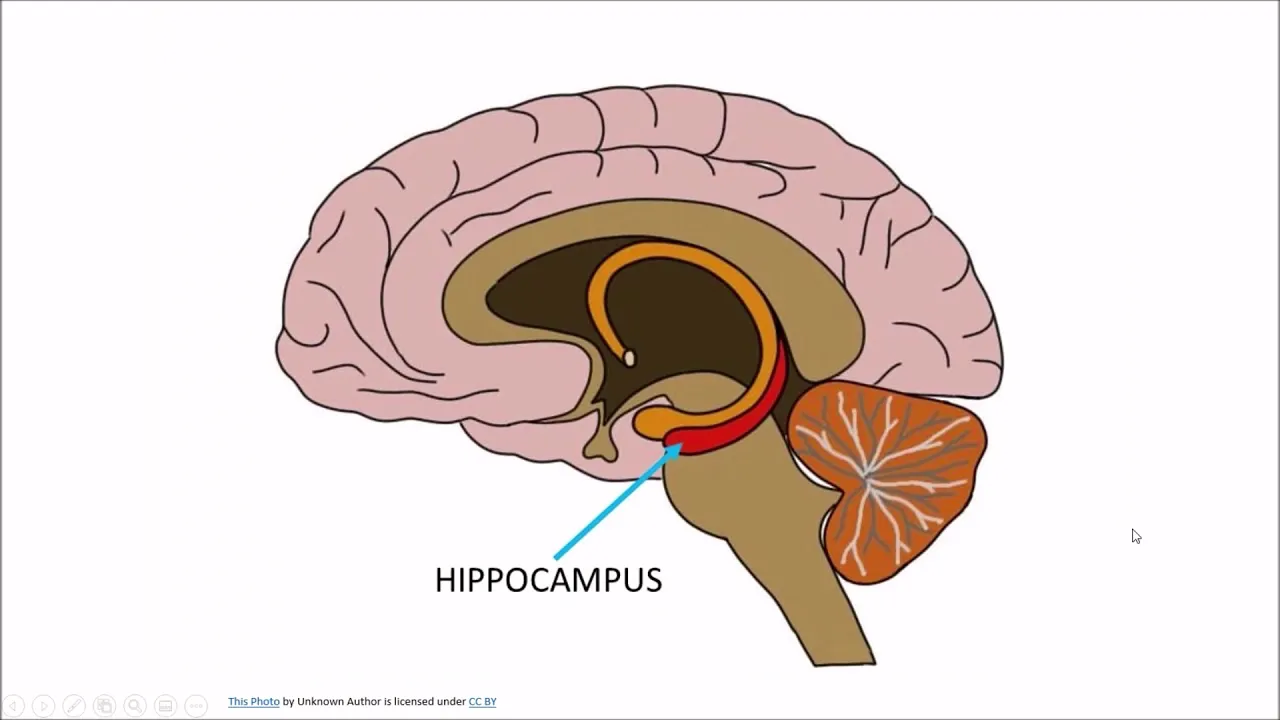
8:08
Neuroscience
What is neurodegeneration?
TheSheekeyScienceShow
3K views•2019-08-19
57:35
Neuroscience
IPL - Ruth Empson "Mind the Gap"
otagouniversity
251 views•2019-07-08
14:01
Neuroscience
How our body shapes our mind | Pancho Tolchinsky | TEDxNapoli
TEDx
2K views•2019-12-05
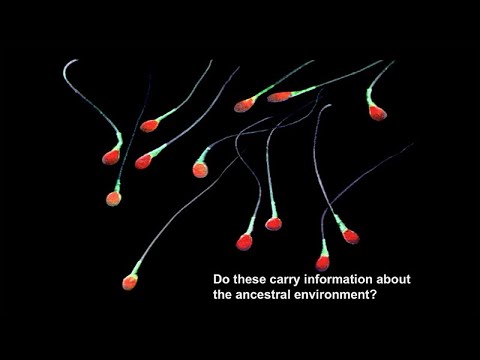
1:00:02
Neuroscience
Impact of Early Life Deprivation Danielle Stolzenberg Marcus Pembrey Bruce McEwen
uctv
4K views•2019-12-01
10:32
Neuroscience
β-Caryophyllene for Parkinson’s: Protecting Dopamine & Easing Symptoms
parkinsonsdiseaseeducation
6K views•2025-08-09
20:44
Neuroscience
New Insights from Inside the Brain with Rodrigo Braga, PhD
NUFeinbergMed
421 views•2025-04-14
9:57
Neuroscience
Highlights for dystonia • 2025 MDS Congress
movedisorder
145 views•2025-10-27
58:17
Neuroscience
Animal Welfare Synergy Series: Dr Tom Smulders on hippocampal neurogenesis
costactionlift
135 views•2025-07-14
Trending

13:25
Business
Playstation NO DISC/NO BUY Fight Is Over...
DavidJaffeGames
4K views•2026-07-23

22:40
Business
Steam and Xbox Just Dropped The Hammer On PlayStation
OhNoItsAlexx
9K views•2026-07-23

16:52
Anthropology
Americans Confused in Australia for 17 Minutes Straight
IWrocker
17K views•2026-07-23

20:36
Business
SuperBike Factory Has Gone... What's Next for the Motorcycle Industry?
thatbikersimon
11K views•2026-07-22