Margaret offers a sophisticated meditation on color as a vessel for memory and identity, moving beyond mere aesthetics to explore the profound spiritual resonance of our visual world. It is a poignant reminder that the hues we embrace are not just decorations, but the silent, vibrant language of a life lived with purpose.
拡張機能をインストールして、あらゆる動画内を即座に検索しましょう
Why We Are Drawn to Color - Memory, Meaning and the Soul追加:
Hi everyone, it's Margaret here with Sixty and Me. So, what is your favorite color?
Color. Now, I would immediately say pink because um that that is the color that I tend to wear most often and I really do like pinky peach colors. I like turquoise and there are a few others, but color is to me one of the most fascinating things um and but I think there's certain colors that have stayed with you throughout your life and that you've really found resonate with you.
Um and and I think that for many many years I thought I you know I would want to be an artist or do something with paints because I was absolutely fascinated by watercolors and paints and color and you know it just in general.
But there's something about color that's bigger than the actual physical thing that we see. There's something about feeling it, not noticing it. And I it's really funny what I remember I my friend Maureen and I would go shopping together when I lived in Seattle and we would go up and down the aisles and and she would pull out something and it'd be yellow and I would literally have a visceral reaction to to yellow. Like it was like no, thank you. And she actually did it on purpose just to tease me because she knew that I didn't like yellow. I have never owned a single piece of yellow clothing.
I Well, I I can see it in certain maybe a scarf, but I do not like the color yellow. Are there any colors that you're like that that you do not like? But I think that color for me anyway is more than just decoration. It carries a memory, it carries emotion, um maybe cultural um connections and identity. For me to wear something yellow would not be aligned to my identity, to who I think I am. I know that sounds ridiculous, doesn't it? But I think it's really really cool. Now, this all came kind of back to me recently because I was um talking to someone about natural colors and about how you know people in you know other cultures used uh plants and different things to make color. And how difficult color was before the age of you know sort of technology and machines that could make any color under the sun. But um for example, did you know that if you take an avocado, you remove the um inside flesh and then you just put the skin in and the seed into water, boiling water, guess what color it turns?
Pink.
Pink. I did not know that. Um of course there's turmeric which is which is yellow. We've got indigo blue. Um there's so many plants that you know have it like cabbages and uh the the purp- the purple colors. But there's that's where people used to go for color. That's where they got their inspiration and the the clothes were were dyed naturally. When I went to India, I remember we went to a factory where they were making um uh block printing, Indian block printing and they they had um an indigo dye that they were making that they were dyeing the cloth in. But it's like made from the plants.
It's really really fascinating. And so I went back to a book that I had read years ago. It was by a woman called Hmm, what was her name? I can't think of it.
I'll put it in the in the in the um description. But it was called color.
C O L O U R, color. And she talked about the human story behind color and how the certain painters and artists, you know, had to find different ways to actually make these colors last because you [clears throat] know that these plants are not always going to be long-lasting.
But like for example, she does blue. The color blue um was once rarer than gold.
So like lapis lazuli was the stone that that they used to get the color from, I guess. Um red was well and you're not going to like this one because it's actually just a part of the cosmetic industry challenge is that red was made from crushed insects.
Cochineal? Is that what they're called?
But you know they they actually do were like taking the life of a little bug. So when people talk about vegan uh makeup, they're talking about makeup that for example does not use that red in its lipsticks of all all shades, not just red lipstick, but that is how lipsticks were made. Um indigo is you know it's of course got a history tied to to trade and labor and craft traditions. This is really um you know a very powerful um color that's been used like in India, places like that for their very distinct colors. Um and I think that the goal with color was always to keep it human. It wasn't had didn't really had anything to have anything to do with the color like whether you like red, you're this type of person and whatever. And color acc- according to the way she outlined it in this book was always precious. Like it was never something the artist took for granted that they would you know they would go to all ends to find the right colors. And um you know sometimes there was like wars and battles amongst it because you know transportation, spices and and all that kind of thing was very a dangerous business and people saw the value of dye and of color. So I think it's really really um important that you know we see that color was not always like a tube that we got at the shop or you know that we could buy as it's just not that simple. So for me um I love photographing doors, right? So we know that I love doors.
>> [laughter] >> And um you know but the thing about doors that's so fascinating is that the colors are different in different parts of the world. When I went to Malta for example, Malta blue blue doors, blue doors everywhere. It was really really um you know amazing. Uh when I went to Edinburgh, um Edinburgh tends to be more vibrant colors like pinks even and yellow and purple. Um in the UK, I think also black and white are very good for doors. Um but you know certain colors pull me in and as soon as I see a door, a turquoise door, that would be my favorite door. Um where did I see some beautiful turquoise doors? Um Mm mm mm mm mm. So North Berwick. Because places by the sea tend to use blue a lot and maybe it is just a reflection of the of the of the love of the sea that that that that they're placing bodies. Um in uh let's see in the United States, what kind of what color doors do you have in the States? Somebody tell me.
I I It's been a long time since I've been there. I think that it's mostly the whites and um black maybe red. Maybe you could help me with that so I would have my knowledge kind of you know enhanced there because I think that um uh you know doors can have a subtle reflection of the owner. Like when you move into a house, you might want to paint your door. I know some Oh, what was it in Bright in Bath in the UK, uh they this gentleman built this place called the Crescent which is this row of houses, gorgeous houses and the doors had to be painted a certain color. In fact, the whole place had to be to be kept to a standard. But one person painted a yellow door.
I don't know how they got away with it.
Maybe they were just challenging authority and they just decided to do it and it's still there, this yellow door.
So um it's just color has actually had a connection to emotion and to like personal expression uh you know going going way way back. So um I think when you're [clears throat] little you don't really care like you colors don't match like you put things together that are you know who cares. But as you get a bit older you start to see the social construct of color.
For example, you wouldn't normally see a person um a man say walking down the street with a bright turquoise suit or or bright purple or or maroon colored suit. There's certain colors are associated with different you know with genders.
I I don't know whether that makes any sense at all. But the textures also are important and this you know whether you have a bright color on or a muted color, that says something about whether you want to be noticed. If you look at those ladies that do is it advanced style? They're always wearing really bright colorful um outfits and that says something about them. It's you know a kind of emotional a reminder that sometimes a a color can take you back somewhere where you felt Now I I put this on today, this brown because I have a memory when I moved to the United States, no to Canada, excuse me, when I was 8 years old, I wore a brown skirt and a brown um scarf. I remember this super super clearly and it made me feel like it was on an adventure like and so I've always associated brown and black and and white with that kind of that journey. And also blue because of the sea. But I don't know, color color speaks to us. I really do believe this that color talks to us and it encourages us to pay attention to what ones we're drawn to and says something about our personalities. So, what color has stayed with you throughout your life?
Is there like a color that feels like home to you? Like when you wear it, you are home.
And do you have any like emotional responses like I had to yellow that you absolutely will not wear ever?
>> [laughter] >> I'm really curious. But anyway, if you know anything about [clears throat] dyes and and you can share anything with us like in terms of what makes what color, that would be super interesting.
[clears throat] But um thanks for being here. Hope you enjoyed this today, my little chat about color. It's not just sort of the normal way that you approach a conversation about colors. But um if you would like to give us a little check mark like if you if you enjoyed this video, please check out our other channels. I ask you this every time, but it's important that we you know that we have a Facebook page. Sixty and Me. We have an Instagram place piece called place called um Sixty and Me Official. Someone else took Sixty and Me years ago. Um we have a TikTok account, not a bad place to hang out if you want to just get the exposure to a different world. Um we've got um Facebook I said.
Pinterest I think Yeah, we're on Pinterest for sure. And a website. We've got the website which is full of color, full of different uh stories and adventures. So, please uh check those all out for me. Um I would appreciate it. What's your favorite? Where do you mostly go to see Sixty and Me um other than here on YouTube of course?
So, thanks everybody for being here.
Lots and lots of love. Have a fabulous day wherever you are. We'll see you again soon. Bye.
関連おすすめ

Futurism: The Radical Art Revolution That Predicted the Modern World
HENITalks
154 views•2026-05-29

Jack Levine, Witches' Sabbath
smarthistory-art-history
471 views•2026-05-29

고가 중국도자기 경매
고가古家고도자기경매
203 views•2026-05-29

क्या भगवान शिव हारिती की नकल हैं? झूठे दावे का पर्दाफाश | हारिती बौद्ध देवी बनाम भगवान शिव
sanatansamiksha
1K views•2026-05-30

This is one of the biggest street art exhibitions in London but there’s a twist 👀 Danish
ExploringLondonCity
1K views•2026-05-30
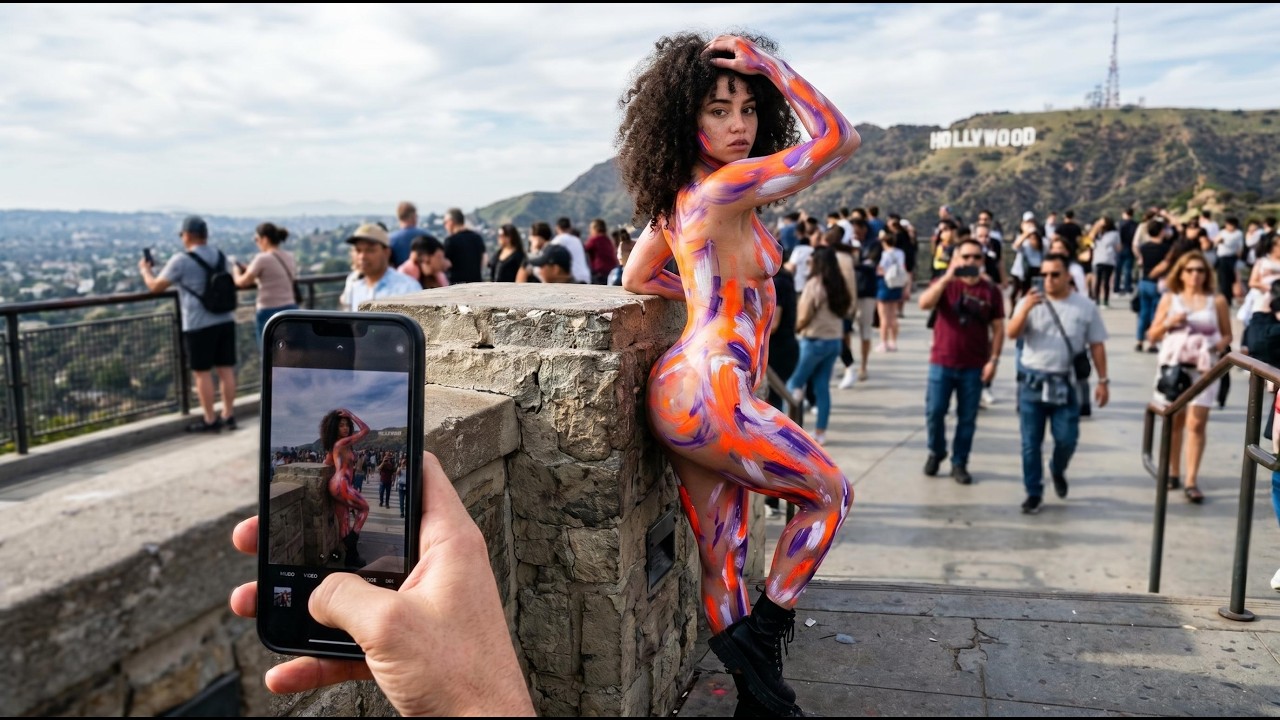
How Hollywood Body Art Changed the Way America Sees the Human Body Forever
Ink_and_Instinct
213 views•2026-06-02

Gudok Bull #4 #gudok #instruments #russia #russian #ancient #ancienthistory #sunoai #suno
aimechanicalbull
289 views•2026-05-29

Michelangelo Knew the Right Answer. They Ignored Him for 400 Years. | VERSO
VersoArt
123 views•2026-05-29



