Ramcharita masterfully demystifies the mechanics of mental health by blending intuitive metaphors with foundational neuroscience. This video provides a pragmatic roadmap for breaking destructive behavioral cycles through self-awareness and intentional recovery.
Install our extension to search inside any video instantly.
Kevin Ramcharita. Mental health and wellbeing
Added:So, good afternoon everyone.
Good evening. Good evening.
We live from the Caboose here.
And with me is Mr. Kevin Ramcharita.
We have been hearing a lot about this gentleman for the last couple of days.
And he's here to deal with us in mental health and wellness.
And he has been doing videos with Dad.
He has four episodes already.
All right. So, we have six people in the house. Good.
You all hearing me?
Let me just find my chat.
Right.
Yes.
So, Kevin is here to do a recap on the videos that he did with Dad and Mom.
And um Yes, he will be today discussing the new road map. So, Kevin, welcome to the Caboose, man.
>> Welcome. Thank you very much. Let's >> Yes. Yes. Yes. Yes.
So, feel free to ask any questions as we go along, right? Remember to add your ques- um insert your question mark so we know it's a question, right? We would love to answer all questions. So, listen carefully. Hope all enjoy this segment as Kevin delivers us mental health.
Yes, Kevin.
>> Well, um Lester, it's been it's been a while and this has been um a really nice uh progression through this series that, you know, this is the the final episode.
And um you know, hopefully today we can uh bring it all together, uh summarize, and um entertain some discussion as well. I think that's the most exciting part of it for me to actually entertain discussion because I do enjoy sharing information. I do enjoy teaching people and I am very passionate about educating people in terms of their personal well-being and uh you know, how much they can be in control if they want to be in control.
>> Right.
>> Yeah.
And I know you, for example, would have um enjoyed this series.
>> Yes, I did.
>> And um you made some quite interesting um observations and >> Yeah, yeah.
>> And I appreciate that, okay? I do. I honestly appreciate that. I think um we owe it to each other uh from a humanistic perspective to to help each other. And so uh people people need to understand that sometimes it's good to talk, but it's also good to care as well.
And we need to care. We need to care about each other because if you if you do not care about each other, then things fall apart. And for example, a family unit, things can fall apart really quickly.
>> Right.
>> And that's where the problems start. So can we take time? Can we make the effort? Can we slow it down a bit and understand what the other party has to say, whether it is your spouse or your child or your relative or even the workplace, as I often point out, in the workplace you get issues as well, right?
So it takes effort, okay? You need to be invested. And as as much as I am passionate and invested, I can only do so much. I personally, I can't change anyone.
>> Right.
>> Okay? I I That was never my intention and it will never be my intention to try to change people. And it might sound ironic to some to some people uh hearing me say that, but such is the nature of behavior. People have to want to change.
And if you don't want to change, then I can I can get more gray than I already am trying to change you, and it will never work. So, in other words, what I will be doing is frustrating myself.
And that's how it goes. It is literally as simple as that. So, what did you find maybe Maybe you can share with me today what what you found useful in terms of the last episodes that we did. Was there anything that stood out for you?
>> Yes. What really stood out to me is the roundabout.
>> Right. Yeah.
>> Being stuck in a cycle.
>> Mhm.
>> Yeah.
>> So, as Yeah, and you know, in me in me calling at um calling the uh series um you know, the roundabout, uh it was an analogy that I decided to use because I really wanted it to be um really simple to to any and every one.
Everyone knows what a roundabout is, okay? So, here it is I was trying to apply the roundabout analogy to life and life experience. So, with that in mind, sometimes you get into a roundabout and you're only going in circles. Yeah, we could even use a merry-go-round as well.
You're going in circles, okay? So, you're not getting off. You are there, and you're just going around and around and around. And when you think about it in terms of behavior, what does that mean for your behavior?
It means your behavior means the same.
Okay? Whatever that behavior might be.
Right? And so, is it that you intend to carry on with this behavior forever?
Or is it that you are willing now to do something about it? Make a change.
>> Mhm.
>> So, are we going to remain stuck in a roundabout, or are we going to get off?
Are we going to find the exit we need to get off at and move forward in life?
>> Right.
>> Yeah?
So, uh with that, we started to unpack the whole series in terms of the the roundabout the crap.
We good?
>> I'm going to make sure this is already That it's supposed to be on but I'm not.
Check one, check two.
Right.
Okay, sorry about that guys.
Yeah, sorry Kevin.
>> That's okay. That's okay.
And I saw a couple of people saying hello. I just want to say hello as well to everyone, to all the viewers, and thank you for being here to share this experience with us today.
Right? It's our honor and a privilege.
So, hopefully um you know, that that kind of summarizes the first episode, right? Then from there we moved on to what is called the human cost. So, as with everything in life, there's always going to be consequence for behaviors. And so, if you remain stuck with a certain mode of behavior, then there will be consequences for that, all right? Sooner or later, it is going to catch up with you. And how I um how I actually summarize that was was was quite simply I said, your body keeps receipts. It's like when you buy something in a shop, you get a receipt. That's proof >> Right.
>> Okay, so your body also keeps receipts as well, right?
And if you don't pick a day to rest, your body will pick a day to break down.
>> Mhm.
>> Right? If you don't decide to press pause, to make a change, then your body, one way or the other, it's going to make a change for you. And the thing is, at that time, it might not be the change you were looking for.
>> Right.
>> So, it could >> be something quite bad.
So, this also speaks to us being responsible with self.
It speaks to being responsible with um with behavior. It speaks to being uh responsible with lifestyle as well. Okay?
>> I see somebody saying, "Preach, Kevin."
>> [laughter] >> Well, okay.
Um This is indeed a form of preaching, okay? This this type of preaching is about wellness. That's all it is. And um you know, yeah, like I said, I I enjoy I enjoy sharing this message, right? But I sincerely hope that having shared this message message, people do take it on board.
>> Right.
>> And they do go away with something of substance that they could learn from and they could indeed also share with other people as well.
>> Right.
>> that comment.
All right?
So, what are the real triggers, yeah?
Um You cannot deal with a situation if you do not understand what the situation is.
You you really must try to figure it out. Sometimes we have the ability to figure it out on our own, but sometimes we need help.
Okay? And you know, nothing is wrong with seeking help sometimes. No one is perfect. I am not perfect. I haven't met the perfect person yet. I'm still looking for them.
>> Mhm.
>> And um for that individual.
And sometimes it takes someone else in your life. It could be somebody close. It could be a professional, you know, to point something out to you that you weren't actually quite aware of.
>> Right.
>> It is literally as simple as that.
All right?
But what are the triggers, okay? The triggers could be uh a lifestyle that you were living. The triggers could be what you were eating.
The triggers could be some sort of substance abuse or some sort of habit that is not too healthy, okay?
>> Right.
>> These are the things that would cause you to maybe get ill one day.
>> Mhm.
>> The thing about that though is these things usually do not happen overnight.
When it comes to mental health, there's usually a process involved of leading up to a breakdown or a crisis.
And it doesn't really necessarily have to happen over overnight. That doesn't mean to say it can't, okay?
So, in the same way as we can identify that, we also need to accept that. Why do we need to accept that? It's because we also need to accept that is it it it will not go away overnight. We don't need to treat with it.
And that might take time as well.
>> Right. I see I see somebody saying that your environment as well could be a trigger.
>> Absolutely. Absolutely. Your environment Okay, that's a very good point. Um Fran- Fran- >> Franciscan.
>> Franciscan, yes.
Um why that is a very good point is because, for example, let us use the example of a somebody who is dealing with substance abuse, okay?
So, you were struggling with this, but but you know, you're always on the block.
And you know, you're smoking and drinking.
And you had a a breakdown. You went You got your treatment.
And then you came out of treatment. So, you're back home now, but what do you do? You go right back there.
So, that environment have a change, okay?
>> Right.
>> You changed.
But now you're going back there now.
And what do you think is going to happen? There's a very strong likelihood that you're going to go right back into that cycle, right back into that roundabout.
>> Into the roundabout.
>> Back again into the roundabout.
>> Yeah, everything tied up in >> So, environment environment is key. It is indeed one of the key things that one has to be very mindful of as it relates to anything getting better when dealing with a a mental health issues. It's It's It's It's an integral part of of your recovery process.
>> Right.
And of course, somebody could also have more than one trigger.
>> Yes, for sure. Um You have to be Let's say that um In dealing with somebody dealing with an issue as it relates to their wellness and their mental state, there has to be a proper assessment uh to understand fully what is the challenges that individual is dealing with because you could get it wrong.
>> Mhm.
>> You could get it wrong. And then you could end up treating something you don't need to treat. Or your treatment plan could be the wrong treatment plan or the most or the not the most appropriate one at that.
Right?
Um So it can't just be necessary that it could be one thing that is making this individual uh behave in a particular way. Sometimes it can be a multitude of things as you rightly said. So, for example, there might be relationship issues with that individual.
>> Mhm.
>> Okay? A young man in home at home with his parents and you know, they they're strict.
>> Right.
>> And they expect him to do what is the right thing. But in his mind, you know what? I'm good. I'm I'm I'm I I can I'm a man. I can live my life.
>> Right.
>> And there's conflict there. Because of that conflict, so that's one trigger.
Okay? He's going out there. He's keeping the wrong company.
So then he's going to find himself that doing things he shouldn't be doing.
And again more than likely there might be a a negative consequence there.
>> Mhm.
>> So, it has to be that a proper assessment of any situation has to be done so as to fully understand what you are dealing with. If you do not understand fully what you are dealing with, you're going to find yourself Again, one of the terms we used was spinning top in mud.
>> Right.
>> Right? Um because we never got to the root cause of what the problem. was.
Yeah.
>> Do you think that sometimes um a person might need help to get the triggers pointed out to you?
>> Yes.
Usually, if someone is ill, um they might not necessarily fully understand why they are ill. They might not necessarily understand why they became ill, how it happened, what led up to it.
>> Right.
>> Sometimes it is important to to talk through the process of becoming ill with someone.
Because you didn't just wake up ill with a mental health issue one day.
>> Right.
>> Um it may require professional intervention.
It could be to the point where you end up having to be admitted to an uh institution or hospital >> Mhm.
>> to get treatment, okay? And in that process of treatment, you know, the the conversation takes place as to this is why you're here.
>> Right.
>> Because in your mind, I don't need to be here.
>> Okay. Well, this is one of the things I could talk from experience, right? Like when a when a person experiences a breakdown, the point in time that you you're admitted into the the hospital, you are already in a in a way that you can't really comprehend much.
But what I found is that after coming out of the institution, after being medicated, that kind of thing, this is where now, you know, like you get back some sanity, so to speak.
And now, one of the things they recommended to me when I came out of St. Ann's is they have counseling available, but of course, the system is jammed back.
Right? And that number here off.
I forget what they what they call it, but they will teach you like coping mechanism skills and that kind of thing, right?
But being in the institution itself, there is nothing really that could be done there because your mind is so How do I put that boy?
At that point in time, you you're really not in in your correct mind.
You're not in your correct mind. So, you really can't deal with with much counseling and that kind of thing, which I found it I found that coming out of sentence, the best thing that one could do after that is to seek counsel.
Right?
So, do you think that a counselor could help you identify your triggers?
>> For sure.
You know, part part of actual treatment is that's what's one of the roles of a counselor.
The role of a counselor, in my opinion, how I like to approach counseling is that I'm not here to solve your problems. I'm here to facilitate you in coming to terms with your problems so you now can resolve them with assistance.
>> Mhm.
>> Okay. Why? Because it's about empowering people. It's about giving you that responsibility and trusting you to take control and be mindful as to what you're dealing with.
Mhm. What you're dealing with. Why you have to do that.
Okay. So, in other words, how did I get here in the first place?
>> Right.
>> Uh can I now accept where I am?
Because if you can't, then we can't move forward.
>> Right.
>> If someone cannot accept the situation shall I say they have become then you're going to be in a state of denial and as such, well then, so far as you are concerned, there's not a problem. We don't have a problem here.
I don't need your help. So, this is why this is why if you're not careful in counseling, it can become quite frustrating for the counselor because in so much as yeah, I'm getting paid to do something and that is all well and good, you know, that is that goes without saying, but I I need to deliver something of substance. I need to ensure that you know, I am literally making an efforts, the right interventions to help.
Okay? Um but it's not comfortable >> it calls for a real honesty and the person is not >> Yeah, definitely. Uh counseling requires full disclosure, which is quite That's a very good point. Which is quite it can become quite uncomfortable for people to want to talk about their issues, their problems because it opens you up to shall I say criticism.
But in the confidence of a good counselor that that should go out the window because you need to be yourself and you are allowed that uh environment to be yourself. It allows you to share, it allows you to to talk about those little issues that you may might be be feeling ashamed of or embarrassed about or think that you could become um stigmatized about.
>> Mhm.
>> Okay?
Stereotype people as uh you know, people tend to be a bit prejudiced >> Right.
>> to people dealing with stuff like uh stress you know uh having a breakdown, something like that. No one wants to talk about it.
Okay, it's it's very it's very awkward at times. And, um, listen, that this is in a racist society, going folks, this is how it is. But, we must rise above that if we want to properly deal with these situations. If we do not rise above it, if we then we will never actually be able to resolve anything.
It just wouldn't work.
>> Mhm.
>> work.
Right?
>> Yeah.
>> So, >> So, that was triggers.
>> Yeah, yeah.
Um, the the last episode we did was episode four, and this talked it talked about actually, um, the solution, which was, um, breaking the loop. So, what we meant by breaking the loop was actually coming out of the roundabout. Can we Can we indeed do that? It is possible. It is always going to be possible to to come out of your roundabout. Listen, uh, in life, we all have to deal with roundabout situations in context of what we're speaking about, okay, the analogy.
It is always going to be the you will be met with a roundabout at some point in your life. Uh, it doesn't be It doesn't mean to say that it's going to cause you a lot of problems.
>> Mhm.
>> We do it all the time. It's just we don't think about it.
>> Right.
>> We find ourselves in a situation, we we have a problem, we have a challenge, something to deal with, and we deal with it.
Okay? And life goes on.
>> Right.
>> Okay?
>> I see we have a question here. So, don't want to be commenting on it, right?
Kevin, can a person who has fell into a very deep depression get help?
My student is on the streets like a zombie with his depression.
>> Yes. Um, help help is always available, but like I said earlier, the individual has to want to be helped because everyone has rights, okay? And so, as a result, unless somebody is at the point where they are actually uh wanting to self-harm, there it's going to be quite awkward to give them the treatment that they might they they they might actually need.
Um so, in any case, in this instance, you would want to communicate with that individual as to would you like would you like to address what it is you're dealing with, okay?
Depression is a thing that it is treatable. There is There is definitely uh ways to treat with depression, okay? And when it gets to you, I'm saying that somebody is to the point whereby they're like a zombie on the streets, well, that sounds to me rather severe, and definitely it needs intervention, and I would say you know, you said students, I'm assuming that is I'm assuming that that is a teenager we're talking about, maybe?
I don't know, but even if it is a youngster, well, it it should be that it should be sooner than later that some sort of intervention needs to take place, okay?
Because there's a lot of uh issues you're talking about in that little statement there. You're on the street, that means to say you're vulnerable, maybe you're not eating well, you have nowhere to sleep, your safety is at risk, okay? You might even end up being a safety risk to others as a result. All of these things take a uh take up take up part in the situation, in the scenario. So, urgent help is definitely um the way forward. How do you do that? You could go to your nearest outpatient clinic, uh psychiatric outpatient clinic, and um usually they are walk-in for a crisis situation, and get help there. If it is there's a doctor, a local your your own private doctor, immediately they might be able to help you in terms of um making a referral.
And of course, there would always be the accident and emergency uh in the hospitals, whether it's in the north or the south or wherever, you can walk into them, the casualty departments as well with the with the person and um they will be assessed. Okay? Now, that is how the system is supposed to work and and these would be options available to you as well.
>> I had to laugh there a little bit because I actually tried to carry someone already to Mount Hope.
Right?
But it's very difficult to actually get a person to go with you.
>> It it yes. Yeah.
>> Right?
>> And that's a good point because I've seen that she actually Dolly, she uh she's talking a lot more about this individual as to his his his mental state. And from what I'm seeing there, that doesn't look too too healthy.
Um And this is where I again, like I say, there has to be responsible family members maybe that this person has and they would then meet need to get the relevant authorities involved in in having some sort of intervention take place to get this young man off the street.
>> Okay.
Let me Let me Let me put something to you, right, Kevin?
>> Yeah.
>> Because I had experience with this recently.
This is how the system works the last time that I actually had to deal with a situation like this.
This boy was on drugs >> Mhm.
>> and was giving the parents a lot of trouble.
>> Mhm.
>> Right? So, they reach out to me to ask me if I could help them.
So, I went and when the ambulance came, I thought that we were going to to the boy directly to St. Ann's.
It does not work like that.
>> Right.
>> He was taken instead to Mount Hope.
>> Right.
>> Right?
>> Yeah.
>> Where they performed that CT scan on him.
>> Right.
>> Right? And then they referred him to his clinic.
>> Uh-huh.
>> The clinic closest to him.
>> Uh-huh.
>> Right? So, if somebody is behaving erratic on the streets, it's not St. Ann's that they carry you to.
You have to actually be a patient of St. Ann's to be taken to St. Ann's. Because the first time I had an episode, I was behaving very violent, and it's not St. Ann's they took me to. They took me with handcuffs to Mount Hope.
>> Uh-huh.
>> Where they assessed me in Mount Hope, and then from Mount Hope I was transferred to St. Ann's.
>> Uh-huh.
>> At a later date.
Right? So, Dolly here now, this boy is actually sleeping in front of her house on the pavement.
Doesn't have anywhere to go. Doesn't have anywhere to sleep.
He's depressed. He's like a zombie.
Is Is this system that we in, could Could he Could he actually really get help?
>> You see, she did mention that she mentioned depression. Now, look, um depression is an illness in itself, but there are other illnesses someone could have in terms of mental health illness, uh that could land them on the street having them live that lifestyle, that presentation you are seeing. Okay? I would not want to um I would not want to speculate as to what exactly this this this individual is dealing with, all right? Um Nevertheless, just as you mentioned earlier, Alister, there is a process in terms of getting help, okay?
Yes, you would have to go to the more than likely you would have to go to the local E&D department, which is closest, then they will take it from there. They will they will make an assessment having you know, you came into casualty, and they would they would assess you, and then they would understand what exactly they're dealing with. Mason certain investigations and interviewing that would take place at that time.
>> Right.
>> Okay?
Uh then a decision will be made as to this person needs specialized input, specialized help, and so we're going to send it to St. Ann's or uh a psychiatric institution for >> Right.
>> further further investigations and or treatment. Okay?
Street For someone that is on the street uh in Trinidad and Tobago, I could speak to that.
Now, look, there are laws in place as it relates to people and human rights. And this might again sound very ironic, but it is what it is.
Um the relevant authorities cannot just willingly take somebody off the street just because they're on the street. That is just the law.
>> Correct. Correct.
>> Uh however, if somebody is on the streets and they are posing a danger to self or others, that gives the relevant authorities the the the right to remove you to a place of safety.
>> Right.
>> That place of safety is the hospital.
Okay? That is how it works.
But you would have to call, say for example, the police and tell them, "Look, this is what is happening, and this is what I think needs to be done because this this person is is is looking to harm themselves, or they're making me feel uncomfortable. I feel threatened >> Mhm.
>> in some way or form." And there's where the relevant authorities are then forced to respond.
>> Mhm.
>> Okay? Because that's a serious issue you're you're talking about there.
Right?
Uh the system in Trinidad and Tobago have what you call the mental health officers. Now, they they work in the community.
And they also have the the legal authority as well to intervene in situations like that.
>> What do you call them? Mental health officers.
So, they they could intervene on the streets?
>> Yes.
>> Okay, because I've seen um Patricia Jones now asking, is there street outreach teams who can intervene?
>> Right, good question. And also, there is um there's also in social in the in the Ministry of Social Development, there's the um there's a socially displaced unit as well for people who are actually street dwellers.
And you know, the the irony again, there's so many ironies in this uh is in so much as there there is this unit that handles or addresses the issue of homelessness on the streets, believe it or not, a lot of people living on the streets choose to do that.
>> Mhm.
>> And [clears throat] they are quite happy to continue doing that.
I'm telling you this from my professional experience working in in in these services, okay, in the past.
And it's like, yeah, but we can offer you a place where you could have a shelter and you can get a a bath every day, you'll get something to eat, you know, and we could maybe help you to get get into a better quality of life, but for some people, they're not going to change.
They are quite happy with living like that. And you know, you would you would see them and you would recognize them every time because they come like the um you know, they're permanently resident on the streets.
>> Right.
>> Yeah. That does not mean to say that they are not dealing with mental health issues or they might not have substance abuse issues, you know. They they they they they More than likely they do.
But because they are they they manage, okay, they are not a harm to anyone or themselves for that matter, they're surviving, right?
So, as so far as they are concerned, I'm good.
I'm okay. I don't need help.
>> Right.
>> It's a It's a It's what you call street culture. Street culture is a is a global thing. It's not just a trendy thing.
Anywhere in the world you go, I've lived abroad. I've lived in foreign countries and you see it and in your mind it's like, "But wait, here I am in this first world country and yet these people living on the streets." But they choose to do that.
>> Right.
>> Yeah? So, there's not much you can do.
You might want to and it's good. It's good, you know, it's good to think that look, maybe I can offer you something better, but in so much as I can offer you something better, do you want it?
Because if you don't want it, then my offer is in vain.
>> Mhm.
Well, that is it because all I personally have to say like if Dolly was to walk in front and say, "Listen, would you like to get some help?"
>> Yeah. Yeah.
>> Nine out of 10 he's would have say, "No."
>> Well, maybe. I I am not going to presume as to how the individual is going to respond, okay?
Again, it's very easy to make assumptions in situations like this. It's It's always easy to make assumptions, but we should not. We should try. We should try to intervene. But having having intervened, one should also feel comfortable that I in themselves that they would have done their best.
>> Right.
>> Okay? So, you don't need to beat up yourself because, you know, it didn't work or he doesn't want my help. The individual doesn't want my help for whatever reason I offered it. Okay?
You tried.
You mean well. Okay? And you were sincere in in in your intervention.
>> Right.
>> Okay?
>> Good man. Well, that's what I know we have 47 people in the house. That is online viewers.
And I'm sure we have about 600 people watching on the television.
>> Yeah. Great.
>> Right?
>> Yeah.
>> So, we going good.
>> Yeah.
>> So, I see Patricia is saying there that that is so true. People actually Some people actually prefer to Yes, they prefer to live on the streets.
And they are Yeah, they they they sometimes don't feel safe in shelters because um they have become so accustomed to their own being their own boss, if you like.
Um you know, they get to decide what they do, when they do it, how they do it. But when you're in a shelter, now you need to conform. You need to conform to rules. There's regulations.
Um there's there's ways to do things.
There's acceptable behavior and unacceptable behavior.
Right? And that now becomes a problem.
So, again, the choice is You know what?
I'm good. I'm going to stay where I am.
>> And then if you have a substance problem, you no longer have access to substance.
>> There you go.
>> Yeah.
>> Exactly. So, on the street street life, you get what you want.
>> I could tell I could tell you from experience.
>> Yes.
>> Right?
Substance was more important than than getting help, eh?
That has been my personal experience.
>> And And this is something I will I will speak to a bit later, all right? But But yes, for sure. They For some people, look, what is What is most important is maybe getting that fix.
>> Yeah.
>> Never Never mind the consequence of that and what the you know, the the lengths I might have to go to to to achieve that, but that is the focus.
>> Yeah.
>> That is the focus.
>> So, don't even answer that question.
Interesting. Interesting um topic there.
>> So, in in our in part four last Saturday, what what what we talked about was actually, like I said, breaking the loop. And there was a four-part uh four-step approach that um I described at that time as it relates to how one can do that. And this was for It was a very simple approach. I like to keep things very simple, okay? Because um I find learning is easier when we keep it simple.
Uh there was a a handout which I had made available and I think I told I told you that to to put the link up. But maybe on this live stream on this channel we could do that.
And it could be that anyone who wants to download it, they will it will be available for you to download. It's only one page, it's very simple.
And it gives you an opportunity to when next you're dealing with a stressful situation or something that is causing you some anxiety, you can maybe try this approach and gain some clarity from having used it. Right?
Um >> What is it? Like a questionnaire?
>> It's it's it's a very simple form that just has to be filled out.
>> You want to run through it a little bit?
>> Well, I don't know if I brought a copy with me today. Um let's see.
But for sure, I can run through it.
All right. If I don't have it in black and white, I'll I'll talk about it from the from the computer.
So, yeah. So, what I'll do is I'll try to describe it from this um Let me just pull up the the actual document, yeah?
>> You get my drink of water?
>> A water would be nice, yes.
>> When you're ready.
>> Thanks. Appreciate that.
>> You good now, ready, yeah?
>> Yeah.
>> So, this is what can I assess your your mental health status?
>> Well, okay, so there there's a It's called my personal wellness checklist.
Okay?
>> A wellness checklist?
>> A checklist, yeah.
>> Okay.
>> And um I'll describe it.
>> I'll describe it to everyone. So, the first step is actually to So, if I go there, stop watching the symptoms, start healing the system.
>> Mhm.
>> Stop putting plasters on sores. Let's let's deal with that infection and and let us cure it, okay?
First step is actually to define the root cause. What is causing you concern?
What is causing that stress? What is causing you to feel anxious? What is Why are you having these sleepless nights?
Okay?
We need to define the root cause.
So, are you actually physically unwell? Is it something that, you know, your GP could your physician could help you with?
>> Mhm.
>> Okay? Then maybe you need to go to your doctor and have a word with him, right?
What is the source of this stress? What is it You know, is it your work? Is it a a family relationship? Is it a money issue? Are your kids stressing you out?
All right? So, my root driver is dot dot dot.
That's your root cause. So, now you Now you know, you would have identified what is causing you concern.
The second one now is then to what I say, protect your peace.
So, what is it What do you do?
You create a strict structured transition between your high stress responsibilities and your personal recovery time. In other words, you give yourself the necessary time and space to deal with what you are dealing with.
>> Mhm.
>> Okay? This is very important. And why this is important is because if you try to fix something that needs time in an instant, you are going to fail.
>> Mhm.
>> All right? You need to give yourself time to deal with situations. It is not everything that you can just at the snap of a finger resolve.
Because more than likely that situation did not just happen in the snap of a finger in the first place. It could have been weeks. It could have been months before that it led up to what is presenting at at this time.
We need to give things time sometimes, okay?
So, let's let's use a very simple example for the workplace, for example.
In the workplace, you're having an issue in the workplace, okay?
You can, for example, decide, you know what, when I'm on work, I am going to give myself, let's say 20 minutes.
I'm going to isolate myself. I'm going to shut down. I'm going to just want that total privacy. You go somewhere, I don't know where, in your job, your staff room, you know, outside, car park, wherever. But you're going to allow yourself to have some personal time to just switch off.
>> Mhm.
>> And just relax.
Okay?
>> I don't know a lot of people do that.
>> It works. It sounds very simple, but it works. You know, in in in the workplace, you have breaks. There's a reason for that.
>> Mhm.
>> Okay? There's a reason for that. But do we use our breaks as breaks? Or do we use our breaks to on the phone?
>> Mhm.
>> Okay?
So, protect your peace at all times protect your peace. Okay, only you can do that. No one can do that for you.
No one can do that for you.
I can tell you how to do it. Okay, but I I still can't do it for you.
>> Right.
>> In the same way I can't I can't be responsible for you from a diet perspective. I can tell you all the good stuff to eat, but I can't eat it for you. You have to eat it.
Right. Okay, you have to drink enough fluids every day so that you don't become dehydrated.
Okay.
>> Somebody is asking so how can you tell if your mental health is declining cuz you will be going about your day normal normal.
>> Okay, Anthony that that's like this. Let me I'll answer you by giving you a definition of what mental health is.
This is this is a very very very simple definition of what mental health is. So think about it like this. It is your ability to cope with life's daily changes. That's it.
>> Let's repeat that one more time. We got an interruption in the feed. Okay. Go ahead.
>> It's your it's your ability to cope with life's daily challenges.
Your ability to cope with life's daily challenges. That is basically what mental health is about. Okay, so it varies on a daily basis. You're going to have good days. We all do. This applies to all of us including myself.
You have good days. You have bad days.
All right.
So with good days and bad days what happens? Your emotions change.
Your emotions fluctuate.
>> Right.
>> I would have said in one of the parts we did. I said you know mental health is like a continuum. There's there's good and there's bad.
One end to the other. We are all somewhere in between.
So on some days we're closer to the good side. On some days we're may be to the bad side.
All right?
That changes on a daily basis, moment to moment. That's why you have sometimes people say, "You know what? I'm living life one moment at a time."
Or then people say, "I live life one day at a time."
>> Right.
>> Good. Excellent.
All right?
So, with mental health, you know, um it changes every day and it affects how you handle stress, uh how you make choices, your decisions, your decisions making. So, for example, it is it's it's a it's common practice to not make hasty decisions if you're you're you're angry.
>> Right.
>> Okay?
Take time out. Again, we talked about protecting your peace. Take time out.
Think about what it is you want to do or what or what it is you want to say and then respond.
Okay?
Uh a mental health issues can can affect your relationships, which is the most common one, actually. Yeah? So, good mental health is not about being happy all the time.
>> Right.
>> Stop. It's just not about being happy all the time.
I don't know anyone that is be that is happy all the I don't.
I don't.
Right? Again, it's your ability to cope with your life's daily changes. So, again, going back to what Anthony asked, you're going to have good days, you're going to have bad days. But if you're having continuously bad days, then we have a problem. So, we need to think about that.
>> Right.
>> We need to inter we need to have an intervention.
>> So, is the frequency of which it occur?
>> Absolutely. Abs- Good. Good. Yeah. All right.
The frequency.
Is it affecting our daily life? Is it affecting our daily uh routine? [clears throat] Is it affecting our relationships? Then then something isn't right. So, we need to to to investigate. We need to look deeper.
Yeah?
>> Excellent. Yeah, man.
>> Um yeah, so what I want to At as far as my session five, we talked about um it would have been about what it looks like when we know when we succeed. So, when we are able to exit, when we are able to exit the roundabout with confidence, we would have succeeded.
>> Mhm.
>> with confidence.
Okay?
Why I say with confidence is sometimes you exit the roundabout prematurely.
As such, you didn't really get off where you needed to get off. You got off at the wrong exit.
Okay? You went down that road and it didn't work out for you. You had to turn around and go back the way you came from.
>> Mhm.
>> You ended up right back at that roundabout.
And so, you're still stuck there now.
>> Right.
>> Your issue wasn't resolved.
Right?
What success looks like when you exit at the correct exit, let me give you an example of that. Let's Let's use a uh a social example for that. So, for example you know, life is made up systems, okay?
Everything is about systems. Your body's a system, your family's a system, your workplace is a system, okay? It relies on different things to be happening uh smoothly so that uh you know there are no hiccups.
We've all been to government offices before. You know, you go into a government office in Trinidad and um things don't go too well, okay?
>> [clears throat] >> Excuse me.
>> You didn't walk with enough information or there was not enough staff, or somebody's out to lunch, you know, so many different things. And so, you you instead of going there with your bestest of intentions to deal with what you needed to deal with, you came away frustrated and you still didn't resolve anything. You have to go back.
And even then, it wasn't a nice experience because even the people there might not have been too nice to you.
Okay?
It it happens.
Ideally, the Well, mind you, when it happens, how do you feel? You feel frustrated, you feel angry, you feel stressed, you feel as though you wasted your time and your resources because it took your time, it took your money, you know, your day might have been wasted and nothing was resolved, okay? So, you go you're going away with all of this baggage.
Ideally, you want to go to a government office, you want to have the best experience customer service experience you could ever have. Your people were nice to you, they were cordial, they dealt with you in a timely manner, your your situation was resolved, you know, you got the necessary forms or you got the necessary treatment that was needed.
And you left there and, you know, they they were they were the best people that you would have ever dealt with in your life in a government office.
Is it possible? I think so. I think it is absolutely possible.
Um That is what it looks That is what it feels like. You you came away feeling positive from that experience. So, you exited at the right exit, you went down the right road, and you were able to get to where you wanted to go. You went to your you were able to get to your destination and the best possible experience ever.
>> Mhm.
>> So, I'm using that social example to say this is what it feels like when things go your way. You came away feeling great.
>> Right.
>> You [clears throat] came away feeling as though you would have accomplished something.
And you achieved something as well.
In the same way Now, this is where the whole thing about feelings come in to play, right? In the same way Yeah, personal example in the home and the family unit. So, you were dealing with a situation with a Let's use a parent-child as a example. You were dealing with a situation with your your child and um you felt confident to approach them, to talk to them to share your concerns with them to educate them on the issue you were dealing with with them and they were quite disciplined in how they responded to you. They were obedient.
They accepted what you had to say. They even expressed remorse as to where they would have possibly gotten it wrong. And so, learning would have taken place.
Yeah?
What would that have done? It would have strengthened that parent-child relationship.
Okay? Even though part of that discussion would have been a disciplinary one.
Experience. A disciplinary experience, okay? But true discipline doesn't mean you chastise. True discipline means that uh the individual, the child in this case, would have um accepted what you had to say and they would have appreciated what you had to say.
So, learning learning took place.
>> Right.
>> Okay?
And And so, these are just two examples of what I'm saying. Uh if we approach a situation in the right This is what it looks like. This is what it feels like. If we do not do that, then we continue to be stressed. Okay?
We continue to be frustrated. And we continue you be stuck. We still, as we said earlier spinning top in mud.
>> Right.
>> Okay?
>> So, when you face our situation and and and it goes well, it come like you exit the roundabout in a efficient manner.
>> Absolutely.
>> Right.
>> Absolutely.
Now, one of the things I want to talk about today Lessonna is well of course we we talked about so what is mental health, okay? So, what is mental health means what is mental wellness, okay? And I think >> [clears throat] >> Let me let's find out something, eh?
Guys, are you all hearing us clearly?
Because I noticed that we the stream being interrupted sometimes.
You see how it speed up there?
>> Right.
>> Kashmaraj, good night, good night.
Can you all hear us clearly?
And I want to thank everybody for staying on and listening.
I appreciate the questions being asked and feel free to ask more questions.
Yes, clearly. Mulisa Jagasar, how you going? You all right?
Right.
>> Okay.
>> Nice. So, we going to continue.
All right, Kevin.
>> So, I want to Lessonna, what what I want to also do today is I want to briefly talk about some of the issues people deal with when it comes to the whole uh concept of what is mental health.
>> Right.
>> And problems that could arise, okay? So, the most common ones if you like.
So, first of all is depression or what we call clinical depression. What is clinical depression, okay? Now guys, um I'm going to try and keep these things very user-friendly. There's no need to be clinical as it relates to this discussion today at all, okay? That happens usually more when it's one-to-one.
Um but my my my real intention, my aim is to get some understanding. Okay?
Now, when you feel drained of energy and motivation and you feel constantly sad, that is basically what depression uh presents like. Okay?
Low energy, low motivation, sadness.
Right?
It affects you in how you think, your eating, your sleeping. Right? Uh and it can last for weeks. It can last for months. Okay? It varies. It varies depending on the situation, the circumstances, the individual. Right?
So, normal things you would normally do don't seem to matter anymore. So, you were an athlete who you enjoyed running, but you know what? I don't want to go there and run. I don't even want to walk.
Okay?
It does require medical intervention for it to be resolved.
And for the mood to become elevated.
Mhm. Now, medical intervention usually means medication. Okay? And this is certainly one part of it. But again, with depression, something something caused that. So, we need to understand what caused that. And with that, we we treat in the first instance with medication, but we also need to resolve what what was the positive factors >> Right.
>> that brought us to that place in the first place.
In the first instance, okay?
Right. So, that is basically in a nutshell what depression is about. Okay?
So, these are our little nuggets, if you like. Okay?
The next thing I want to talk about is it's it's a a fancy word, but nevertheless, let's have a go. It's called schizophrenia.
What is this? What is schizophrenia? So, schizophrenia, this affects a person's normal way of thinking feeling and perceptions. Okay? So, what are your perceptions? Perceptions is what what you what you think and feel. So, uh we perceive things in terms of what we see, what we hear, what we taste, touch, smell, okay?
Uh our thoughts as well, okay? Uh you might think that you're you're a king.
>> Mhm.
>> But you're not. [clears throat] Okay? You might be convinced that uh you know, somebody's after you, but they aren't.
Somebody is out to get you.
Okay?
>> Right. [snorts] >> But but that's that's not the truth. So, it's an alternative it's not it's an alternate reality that you are dealing with, okay?
>> I can tell you that it feel real, uh.
>> Yes, absolutely. Very real.
>> real in the moment.
>> You're right. You're absolutely right.
In that moment, there's not a lot that someone can tell you to to to pacify you to convince you otherwise, you know.
>> Yeah.
>> Yeah.
It can present with what you call hallucinations. So, you're seeing things, you might be seeing things, you might be hearing voices.
But only you are hearing those voices.
Only you are seeing those things, and no one else.
>> Right.
>> That's a hallucination, okay? Uh delusions, those are the thoughts that I just mentioned. You you might think things that are not true.
>> Right.
>> Uh and you could be uh confused as well in how you are thinking. So, you're thinking, "Well, you know what? This sun is hot." But guess what? It's 7:00 p.m.
>> Right.
>> how can the sun be hot?
>> Right.
>> Okay?
So, what are the symptoms okay? It could be that you are low in energy, you're withdrawn, you lack emotions.
Okay? You lack emotions, so you're you're somewhat flat in how you present yourself.
>> Mhm.
>> You don't you're not animated. People could be telling jokes, and you could just be like >> Right.
>> Right?
So, it is best treated through a combination of medication again, as well as therapy. Everything we talk about today is basically a combination in terms of intervention of medication and therapy.
Okay?
What is anxiety? Anxiety is a very common one as well. Okay? It is an overreaction. Okay? Anxiety is a normal reaction.
>> Right.
>> When dealing with stress.
It becomes problematic when the response does not go away.
Okay?
And when the stressful situation of what not have been resolved, then is when anxiety becomes a problem.
All right?
Think about feeling frightened. Okay? We We sometimes can feel frightened in a situation. That's an anxiety type reaction.
>> Mhm.
>> Or being nervous. Have you ever felt being nervous? A good example is let's say you had an interview. You're going for a job interview. You're going to feel a bit nervous, right? Um or dreading having to face a situation.
So, your kid now, he um he got into trouble at school today.
Okay? Because I don't know. He got into trouble at school today. And the teacher sent a note that he wants to see the parents in school tomorrow. Now, that kid is going to be very, very nervous. He's going to be going to dread having to come down on that note.
>> Mhm.
>> Because I did something wrong now and there's going to be some follow up and it might not be too nice.
>> Right.
>> So, feelings of dread, yeah?
So, what ends up constantly worrying and um they With that constant worrying, you get for example, experience a Yeah, racing heartbeat.
Yeah?
Or even in a severe case, you could have hyperventilating as well.
>> Yes.
>> Right? These are anxiety type reactions.
Okay?
So, that is anxiety in a nutshell.
Stress.
Now, >> [clears throat] >> stress is actually how your body reacts to a threat, a challenge, or a demand.
Now, stress in itself, too, is not a good necessarily a bad thing. We We all experience stress. All of us, we experience stress on a daily basis, okay?
Uh the fight-or-flight syndrome, whether you stand up and fight or whether you run, is an example of a stress response, okay?
Long-term stress can become problematic, uh but short short-term stress is quite normal.
Quite normal.
Uh hormones, yeah, hormones attached to why you feel stressed, why you experience stress. I'll talk more about those in a minute, all right?
But they serve different purposes, as well. So, if you don't understand what is happening with our body, we will not understand stress.
>> Right.
>> So, stress is in the first instance, it it's short-term survival, and in the other, it is long-term survival, right?
And how our body manages those two is where the the the manage- ment of the chemicals in our bodies uh come into play. Well, like I said, I'll talk about it a bit more, but in a nutshell, I want to just compare and contrast stress versus anxiety, okay? So, what is the cause of our stress? Stress is usually caused by environment, by an external problem.
Somebody's causing me stress. You hear that before? Right? Or the traffic, you know, the drivers on the road stressing me out, yeah? Okay.
Anxiety is usually an internalized problem. It's something that you're thinking and feeling that is causing you to feel anxious.
Okay? That's the difference between stress and anxiety. Duration, now.
Um once a situation is resolved, the stress goes away, okay?
But anxiety can remain after the problem has ended.
Feelings, how does it feel? For stress, it feels quite overwhelming. You're overwhelmed, okay? As you just mentioned, it's stressing me out. That That that is basically describing that overwhelming feeling, okay?
With anxiety, it is persistently overwhelmed. Like you feel persistently overwhelmed. So, something is wrong and it is not being resolved. So, then they we are now in an state of anxiety.
And um it's not going to be getting better, it's going to be getting worse.
>> Right.
>> Okay?
The focus when it comes to stress is that of an immediate threat. And see what fight or flight.
Okay, do I stand up or do I run away?
Do I deal with it or do I ignore it?
Yeah?
Fight or flight.
Anxiety, the focus is more long-term unease.
Long-term unease.
Physical symptoms of stress are headaches, uh muscle tension, tiredness.
Okay? Stress. When you have a headache, that is stress.
>> Right.
>> Okay?
Uh with anxiety, you have like a racing heartbeat, um sweating, dizziness, and you may be shaking as well. Okay? All anxiety type responses in trying to deal with an anxious situation.
>> Right.
>> Um Now, physical activity can definitely help when it comes to managing stress.
This is why exercise is so important in terms of my lifestyle and managing lifestyle. Exercise is so often overlooked as such a simple intervention that could cost you nothing in terms of expense that will help you to manage stress. Well, breathing exercises, physical exercises, relaxation, these are all things that can help. Going for a walk.
Simple as going for a walk. Go and take a walk. 20-minute walk every day in the nice sunshine. We we we are so blessed to be in the Caribbean.
Uh we have sun all year long and sun is good. Sunlight is very good for you.
>> [clears throat] >> Take a walk.
Take your mind off, okay?
Uh mental habits can help uh manage anxiety, okay? So, stress is easily dealt with from maybe a physical perspective, but anxiety, we need to more focus on your mental habits.
Okay? So, distraction.
Look at a a movie, uh listen to some music, uh find a hobby.
>> [clears throat] >> Okay?
Uh take time out. Remember I spoke about time out earlier today? Take time out to to to switch off.
Okay? And and and make that conscious effort to not not have to think about anything.
Okay?
Think of it how just your personal selfish time that is all for you.
>> Right.
>> Switch off.
And challenge thoughts. Now, challenging thoughts is is is a very This is why, for example, I talked about that checklist, which we will make available. Challenge your thoughts.
When you challenge thoughts and you actually write it down, uh it gives you something to work with, something you look at, something you think about, and something you can uh >> [clears throat] >> approach in a more systematic way because this is the focus.
That thought is the focus. So, what is the thought? Uh let's see. Let's try and use an example. So, I am thinking that I am stressed out because of a work-related issue. So, you're thinking your your work environment, okay?
It's causing you problems. What can you do about it?
Well, you could talk to your superiors about it. Hopefully, they will see your perspective. They will They will recognize why you feel the way you feel.
Uh they could help you in terms of uh resolving the situation. They might be able to maybe make your work space a more conducive environment, more comfortable environment. Right?
Okay.
Let us assume that was the the situation and that was how it was dealt with. So, okay. It happened over a period of time.
Let's say in 1 month's time, the situation came to a head. It was resolved. And you are much happier now. Can you pick up that piece of paper where you wrote down those issues and look at it now and say to yourself, "Yeah, it's resolved. I I was able to to work through this. It was a process. And now I am happy. I am comfortable. I feel confident. I can go and focus properly when I go to work now."
>> Right.
>> Okay.
So, writing your thoughts, writing your problems, journaling, having a diary, and talking about it with yourself goes a long way.
>> Mhm.
>> Okay.
It helps.
Now, a common one that I'm hearing about more in the news, actually, is um suicide.
Okay.
Suicide.
What is suicide? It is self-inflicted harm that results in deliberate death.
So, when someone is suicidal, it is because they are they are heavily focused and invested in ending their life.
Right?
There's a harsh reality with suicide, eh, which is that if somebody is intent on killing themselves, there's not a lot you can do about it.
I've actually worked in clinical areas, not Trinidad, and in in the UK, where I've dealt with with suicidal patients one-to-one, and um in some insta- I remember in one instance, um that individual, although they were in the best of care, they still ended their life.
There was nothing we could have done.
Nothing.
That is how intent they were on committing suicide.
Now, suicide, um Okay, someone is it Francis?
Francis Ann?
>> Yeah.
>> Francis Ann is saying that uh she did journal before. Yeah, by all means, listen, you need to do that. It helps.
Keeping a diary can It's an amazing thing. You'll be amazed as to when you take that time out to reflect on on on the month or the year before, and you go through that, and you see where you were today as to where you were then, how your life would have changed, and where you made strides, and maybe where you fell short, for example. So, I I strongly recommend journaling, writing, keeping a record. It's It's a healthy practice. By all means, keep it up.
Yeah. So, suicidal thoughts, uh attempts, uh Suicide comprises of uh suicidal thoughts. Okay, so you think about it.
Okay, you attempt it, so attempts as well, and it can eventually result in success.
It can eventually. Doesn't mean that it will, but it can get there. Now, the the the the the weird thing the ironic thing about suicide is that suicide is a cry for help.
That That is basically what suicide is about. It's a cry for help.
And usually people who are suicidal do not want to end their lives.
But in trying to get that attention by self-harming it may be that they actually succeed in killing themselves.
So, before they actually got that help that they were crying out for that they didn't know how else to express it other than self-harm.
They ended up succeeding in killing themselves.
>> Mhm.
>> Right?
It's It's a very sensitive issue. It's a very sensitive thing to talk about and you know, it it it requires the right intervention with the right people because you have to be so sensitive in understanding what that person is dealing with. Um so as to not push them away.
But instead give them that space, give them that time, give them that environment whereby they can feel supported to want to address whatever that situation is that is causing them to feel how they feel.
Yeah?
>> [clears throat] >> Mhm.
Let me see if I could just check how much battery life I have.
>> Yeah.
>> Because if the live stream end with with the if the battery die we will lose the live stream now.
>> Okay.
>> How much more we have to cover so?
>> Not much. What we doing for time?
>> We on 68 minutes.
>> Okay. Um how much was your battery life?
>> I I'm unable to tell, but we should we should be we should be okay.
>> All right. So, in dealing with uh mental health Yeah, mental in dealing with mental wellness uh what I'll I'll I'll uh talk about here now is um Okay, before I do that actually, um I just want to talk about one more issue si- uh clinical um issue, which is that of addictions.
This is a big one.
And you'll find we talked about street dwellers earlier.
A lot of street dwellers are actually struggling with addiction issues as well. That is why they end up on the street. That is why I said earlier with that guy that is supposedly dealing with depression, maybe there's there's something else he's dealing with as well. We don't know. Okay, and I'm not assuming anything.
But a lot of street dwellers, they have addiction issues as well as mental health issues. Hence, they end up on the street and they are quite happy to stay there.
Right. It's not normal to just want to live on the streets.
Right?
So, what is an addiction? It is a strong, uncontrollable need or a habit, yeah, to to use a substance.
Strong, uncontrollable need.
Even though uh we know what that individual knows that it is going to harm them.
All right?
It harms their life, their quality of life. Uh it affects their health.
And it also affects their relationships.
So, they are quite aware of the consequences, but they are also quite aware of the fact that I'm not going to stop this.
Okay?
Addictions um it it tricks your brain into treating a bad habit or or substance as though it was like food or water.
Okay?
>> Mhm.
>> That is how you perceive an addiction. I need that as much as I need food every day, I need to drink water, I need to do that habit.
Okay, you are you are absolutely convinced of the fact that you need that.
You see it for the addict, they actually see it as a means of survival.
It's a means of survival.
All right?
There are two main types of addictions, okay? There is what you call the substance type addiction, so this is the uh the alcohol, the drugs, etc. And then there is there is also a behavioral addictions as well. So, you could think of any behavioral addiction?
>> Gambling.
>> Gambling.
>> There you go, excellent. That is one.
Okay, now another one is quite common in society now and a lot of people are guilty of it, but we don't want to recognize it, which is the amount of time we actually spend on our devices.
All right? That has become quite a common addiction in all our societies now, all societies, okay? If you look at the hours spent per day on a device, it's quite alarming as opposed to how much time did I take to do our work as opposed to how much time I spent on YouTube or social media, Facebook.
Yeah?
>> But you know but you know what? There's something I I'm looking at today, substance addiction and behavioral addiction.
But these both types of addictions could lead to death, you know?
>> Yeah, yeah. In one way or the other, it could eventually lead to that.
>> Yeah, because if a man if a man exactly if a man gamble all his money, right?
>> Yeah.
>> Yeah.
>> So, that is an excellent point, okay?
And it just goes to show you uh how all these behaviors could tie into each other.
>> Mhm.
>> And what could be the ultimate consequence of as well.
>> Yeah.
>> For that. Yeah?
Good point, very good point.
So, what are the core features though of an addiction, right? There's what? The loss of control. So, you do not have the the ability to stop. You don't know when enough is enough.
You've lost control of that. It's gone It's gone that far.
>> Mhm.
>> Okay?
What is enough?
Your tolerance levels.
So far let's let's use a simple one is let's use somebody with alcohol issues. So when they were drinking two beers at that was enough.
Now it's gone to four. But now having had four beers now that's still not enough. So now it's gone to six. And so you keep increasing and increasing and increasing. Someone is using drugs it's the same thing. Okay? The tolerance goes up. The more you use a substance the more your body becomes tolerant to it.
The more tolerant you are to it you are not going to experience that feeling that euphoria you were getting with the previous dose. So now you increase your dose.
Okay? To get that same fix that same feeling.
>> Mhm.
>> Okay? And that is how it goes and it becomes hence the addiction um experience.
For somebody that is dealing with an addiction when they withdrawal can be quite severe. So it's not usually a good thing to just stop sometimes with some some uh some addictions because you could experience things like uh uh anxiety uh cold sweating um your sleep could be uh severely affected. You could become quite irritable. There's a process in dealing with addiction and it has to be approached from a process perspective otherwise the short-term effects could could be quite negative.
All right?
For somebody that is dealing with addictions to uh you neglect life.
You you actually neglect your well-being. Okay? And those of the others. So your hobbies you no longer care to do your hobbies. Okay? Your relationships well that don't matter.
All right?
Hence you find people break up.
Uh children become neglected. Okay?
Um Work responsibilities, you get fired.
Because you weren't turning up or you weren't performing or you were a risk to yourself and others in the workplace.
So, you they let you go. Okay? You neglect life.
Doesn't matter. You don't care. What really All All that matters and what you care about is getting that fix that you would have become so accustomed to. Okay?
So, that in in a nutshell, that is what is what what addiction is about. Okay?
Now, I'll I'll end off today by giving you guys some insight into some of the actual chemicals that we as human beings function with and what directly affects our mental wellness. Okay? First of all, uh maybe some of you are accustomed with these terms, maybe not, but do not be put off by these uh chemicals, these these hormones. It's just for information and for understanding. Okay?
So, we are One of One of the chemicals we we produce in our bodies is called dopamine, right?
Uh dopamine can be termed uh the reward chemical. Okay? So, it's that feeling you get when something good happens.
All right?
Uh you feel good.
The dopamine is the cause of that.
Now, low dopamine uh affects your ability to feel pleasure. It um You You could feel empty.
Uh your motivation could be low and uh your ability to enjoy things suffers as well. Okay?
This could lead to um experience of depression.
All right?
Another uh chemical is called serotonin.
Uh this is a mood stabilizer. So, this is what keeps our mood within our range, which is acceptable, right?
Uh low when your serotonin is too low, you could it could manifest as um sadness and irritability, as well as um it can affect your sleep, as well as um it can lead to clinical depression.
All right?
Endorphins are what you would call the pain relievers. Okay? So, this is how your body regulates pain and discomfort by releasing endorphins into your system.
All right?
Oxytocin, this is what some some some call it actually the um the love hormone. What oxytocin is is it lowers stress, it reduces anxiety, and it helps you feel safe and connected to people with it it it it makes you feel comfortable. It makes you feel loved, okay? Oxytocin does that, right?
Two others uh want to touch on is uh what is called uh cortisol.
Now, prolonged stress uh elevates your cortisol levels, okay? Resulting in a low mood, you feel tired, and you could be anxious.
Now, cortisol takes over from uh the adrenaline rush you get when you have to deal with a situation, okay? In a crisis. In a crisis, let's say you are faced with danger, you have to run away.
That when you get all that strength to run, okay? Because you're faced with harm.
Um adrenaline is what kicks in and gives you that strength to do what you need to do in a situation. After the adrenaline rush, okay? Cortisol takes over. So, it's a longer-term management, okay?
Um So, you could think of cortisol then as managing your long-term stress. Now, >> [clears throat] >> it can become problematic, okay? And if it is that the situation has not been resolved, your cortisol response is still there, and it's going to cause you problems. For example, it could be uh a lack of sleep. It could cause um a lack of sleep could be causing that to happen. Is it that your your demands in your workplace is too much? Is causing you to have your elevated cortisol levels? Is it that you are dealing with a financial issue? Is it that you are stressing that relationship you have that is causing you to feel how you're feeling? It's going to affect your cortisol levels, okay? Um So, cortisol it manages how your body uses your energy, right? And how can I put this? Um The downside is that if cortisol stays too high for too long, then it becomes chronic stress.
Okay?
And there can be much more that can be said about that, but I don't want to get too much into it, like I said. The last one I want to talk about today is melatonin.
Now, melatonin is actually uh what controls our sleep cycle. So, usually when we do not have uh sufficient sleep or irregular sleep, it's because uh there there could be an issue there as it relates to melatonin imbalance.
Okay?
Um Now, melatonin the body produces that uh through sunlight.
Okay? So, that's why it's good to walk.
That's why you find uh especially a nice early morning walk could be quite healthy, right? And um This allows your body to to to to to produce enough melatonin and it helps you to regularize your sleep cycle as well.
Okay?
So, we talked about some of the uh uh the main the main important uh chemicals our body use in terms of how it how it manages self, how we manage self, how we manage mood, how we manage behavior.
As you think about it, okay?
Um when these chemicals are not regulated in the right ways, hold on 1 second, uh a call was coming in. So, I just want to make sure that Right.
>> Okay.
>> Yeah. Sorry about that.
>> Okay.
Right. So, as I was saying, you know, when when our bodies do not regulate these chemicals, then is where we have problems, we have issues.
Uh it affects us in terms of our emotional states. It affects us in terms of our moods. It it affects us in terms of how we behave. It can become quite severe whereby it becomes problematic to self and maybe others as well. The symptoms can be to the point where uh it affects your daily routine. You can't do work. Your relationship suffers because maybe for husband and wife, you know, there's the the the marital relationship is going to have issues because we're quarreling, you know, we're not understanding each other. We don't understand why you're so irritable. And uh because of the lack of information, because of the lack of education, because of the lack of uh uh knowing what you are dealing with, you know, the gap just widens. Um So, things get from bad to worse.
>> All right.
>> Right.
>> We are you know, we are created in such a way that it's just amazing. The human body is is is just amazing, okay? But, we need to understand the human body. We need to understand how delicate we are and how easy it is to go wrong.
And how what are the most common ways in which we go wrong? We we don't exercise enough. We do not eat the right things.
We uh we entertain inappropriate lifestyles.
>> Right.
>> And and these are the issues where we get our problems with our mental health and cause Is everything okay?
>> Yeah.
>> And and cause things to to affect us.
Okay?
There is always going to be problems in life. That does That doesn't change, okay? There is always going to be times when you have to deal with situations. That doesn't change.
All right?
What can change is you.
You owe it to yourself to deal with life on a daily basis and best way that you can. How do you do that? You do that first of all by understanding yourself.
You need to educate yourself. You need to learn. You need to understand. You need to Listen, there's no excuse today for knowledge not being available.
All right? You just have to go on your phone that you spend all that time browsing, entertaining stuff and instead educate yourself.
Okay?
Um Get into a healthy lifestyle. Get into a healthy routine.
Uh your social life, you know, uh Align yourself with people that are going to be a positive influence instead of people that negatively uh affect you. Okay? Um Think about what you are eating. Think about your diet. Think Are you drinking enough of water? This is We live in the West Indies where it's very Okay, we need 2 to 3 L a day. How many of us actually do that?
All right, it's it's it's quite challenging, you know, 2 to 3 L a day.
But if you get it right, you'll soon realize you actually start to feel better when you are hydrated as opposed to being uh dehydrated. Right? These are very simple things. Very simple things, and there's so much more that we can talk about, okay? But life doesn't have to be complicated.
Relationships doesn't have to be complicated. Mental health doesn't have to be complicated. There are solutions, and I'll I'll be so bold as to say it's not just a tablet that you need to rely on. Okay, you don't you don't take uh Panadol because you suffer uh with headaches all the time, okay? You You take Panadol to deal with a headache, and in a moment, the headache goes away. Okay, but that didn't mean that you were deficient in Panadol. Okay? It was used to treat the headache. All right?
But that was it. That was the end. In the same way, when you deal with physical illnesses, there are medical interventions that you will need at that time.
But then that stops. Okay? In the same way uh with mental health issues, you might very well need medication to deal with a mental health issue, but then it should stop. It should be that the you you were you were you got well.
And that, you know, your life went on.
You moved on. And you appreciated why you became ill, what caused the illness, how you treated the illness, what was the outcome, and that you no longer need to go back there.
Right?
Now, mental well-being is a very personal thing, yeah?
It can't be that someone needs to do it for you. It can't be that you must rely and depend on a prescription to be mentally well to to to experience wellness.
>> Mhm.
>> It's a it's a personal effort. It's a personal experience. And it's a very very um It takes a lot of responsibility.
No one can do it for you. Okay?
So, become invested in yourself. I want to encourage everybody today who has spent all this time with us to become invested in yourself. Learn learn more about yourself. Learn what your weaknesses are. Learn learn what your challenges are.
Okay? Learn what those weak spots are and address them. Okay? Because if you don't, it's going to address you.
One way or the other, it's going to address you.
Okay? Like I said earlier, your body will decide when to break down and you it might surprise you when it does decide to break down.
>> Mhm.
>> So, don't wait until it breaks down and then think, "Okay, now is the time I need to get help." It might just be a little too late. All right?
So, anyway, I think um I would have shared as much as uh I uh I can today in this time.
And um I do appreciate the fact that some people would have actually felt um com- to a question and to maybe make a comment as well. I do appreciate that. I will look over this again and um you know, review. I'm sure I would have missed out quite a lot because I'm not actually looking too much at the comments. Yeah?
>> Well, what we could do is we could take a minute or two and you could look at the comments and you know, you could hear out some of these people.
>> Mhm.
>> L- look, Lance and Louise something in that.
>> E- Educational and informative. I do appreciate that, guys. And yes, that is the purpose at the end of the day. Um we must educate. Okay? I'm I'm I'm I'm very passionate about that. I'm very passionate about educating people as it relates to self. Because if you are if you are well educated in that regard then you are well positioned to deal with the hurdles, the challenges life is going to throw at you. Not my channel is it's going to come your way sooner or later. So you need to be prepared.
Thank you all Patricia for for that remark. I do appreciate that very much.
>> Also Melissa Jagasar.
>> Melissa Um thanks Anthony.
Yeah, okay Natalie um It's been my pleasure Natalie to to be here today and to to share.
So in the future if anyone uh need any of you guys need help you can of course reach out to me um Lasana knows how to contact me and um even if you know people as well that might be dealing with situations and they you know they >> You can call out the number.
>> intervention.
Um they can they can um they can reach out to me through you or whoever you know um >> [clears throat] >> Help is available not just with me. I mean there's so much help available but people have to want to access that. Okay? You have to want to access that. Because once you commit to that intervention it's it's usually going to be something that might be medium term at least medium term if not long term.
Okay? In mental health I don't like to say that they are quick fixes. I I do not agree with that. There are no quick fixes.
>> Mhm.
>> Takes time.
Takes effort.
>> Thanks Francine.
>> Yeah, let's see um saying it's it's it's very Yes, it is very interesting. In fact, you know what? Human behavior is fascinating. What system getting into?
You're welcome, Tara. I appreciate that.
deal >> Diamond rings >> Okay, yeah, okay.
What positive thing would happen if the person become violent?
Well, it depends. That's a good question. Um There is always going to be a possibility of aggression based on on the diagnosis of that person. Um Not all mental health That does not apply to all mental health Not all mental health situation or mental illness situation manifest as violence, but in severe cases it can be. Okay? And that's just a reaction and usually quite interestingly it could be because of a a survival instinct of the individual that they are thinking that they need to protect themselves. They feel threatened. Okay? And they want to to protect themselves and as such it's going to be a violent reaction because as far as I'm concerned, look, I You You had to hurt me cuz I was defend myself.
It's not a deliberately out to hurt someone else. Okay? They need help.
And that is just one of the issues one of the ways that they are manifesting their illness at the moment. So, it has to be understood. It's not nice. I understand. I appreciate that cuz someone could get hurt, but at the same time it's a situation that has to be dealt with that, it's a very delicate one at that because you you don't want to you don't want to hurt anyone, and you don't want to uh create any situations where injury can take place for that individual, as well. Okay?
>> Uh I could agree with you 100% on that answer there, Kevin.
>> Yeah.
>> You're welcome, Francis Anguille.
>> Thank you, Melissa. I I'm glad to hear that you did uh look at this series with with Lance and Louise, and that you enjoyed it.
And it has indeed been a pleasure. I I enjoy doing this.
Are there games that can help mental health patients? I'm sure there are.
Look, games is a way of destruction, which is always a good thing, because we cannot touch on that today, as well.
Uh playing games, doing activities is a means of distracting someone, and it takes their mind off It's a recreation, it's fun, okay? Um so it is indeed It can There's merit in it in terms of uh using it as part of a treatment plan, all right? Even at home, as well, you know, for someone that is dealing with a situation. By all means, the games, any games, okay?
>> Mhm.
>> Uh this could be board games, it could be physical games. Physical is is even better, because it it allows the person to focus, and to concentrate, and to expend energy, and uh that helps to release some of those happy hormones we talked about, as well.
>> The endorphins that >> Yeah, absolutely.
>> All right, so guys, Kevin, I want to thank you for gracing my channel with your presence, right? I would have liked to go a little longer, but I'm not too sure if the battery has enough life in it. But we covered quite a lot.
>> Quite a lot, yeah.
>> And it really was indeed a pleasure. I have been reading the comments while it was going on, and people enjoying the topic.
So thank you, my brother.
>> You're welcome, sir.
>> Right?
>> Yeah. And I could see you back in the caboose here and everything. [laughter] >> Well, maybe, you know, never say never, right?
>> Yeah, right.
>> So, thank you for having me. I did appreciate uh you know, the um the offer and uh this has been a very good experience. I totally enjoyed today.
>> Nice.
>> My my main uh thing is uh hopefully I would have been able to impart some knowledge and share something with with everyone here today that would have um enhanced them in terms of their quality of life.
>> Right? And I see the biggest number we had in on the live chat was 53 persons.
So, that was quite a good um number to have been here today.
I'm not sure we have quite a couple hundred looking at it on the television.
>> Yeah.
>> Right?
So, thanks, Kevin.
>> Yeah.
>> So, guys, see you guys maybe tomorrow. I might go live. We never could tell.
So, enjoy yourself and I hope that you all enjoyed this segment. We gone.
We out.
>> Should I just answer this one >> Yeah, sure.
>> Okay, so Gita is asking a question. I'll I'll just quickly answer this, okay? Let me try and address this. So, good uh have someone with severe anxiety, can't get out, dizzy, and stores, etc. What can be done? Okay, so, listen, um seek help, okay? Um get get That dizziness, you need to understand what is causing that, okay?
And it doesn't necessarily Of course, a dizzy situation can cause an anxiety type reaction, but it could be that there's something physically going on with that person. So, that must not be discounted. So, in by all means, talk to your doctor.
Um talk to your doctor, and get the investigations done, any physical investigations. I would recommend that as the first course of action.
And if it is due to some sort of anxiety type release uh issue relating to the mental well-being of that person, then of course, there are also the avenues to explore there as well. Which could include counseling, okay? And possibly medication as well.
Okay? Hope that helps.
>> Yeah, man. Thanks, Kevin.
All right. So, guys, enjoy. Tomorrow is Labor Day. So, enjoy the long weekend.
Right, Kevin? You enjoy your long weekend, too, brother.
Right? Nice.
Related Videos
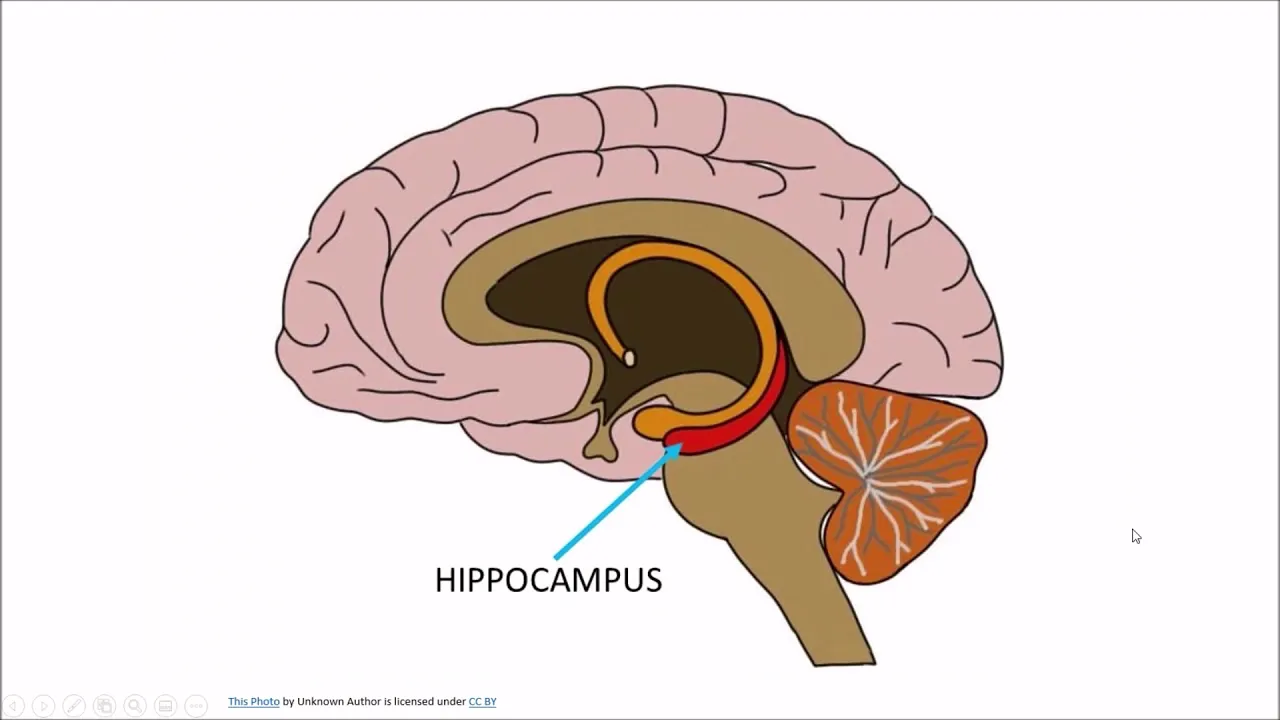
8:08
Neuroscience
What is neurodegeneration?
TheSheekeyScienceShow
3K views•2019-08-19
57:35
Neuroscience
IPL - Ruth Empson "Mind the Gap"
otagouniversity
251 views•2019-07-08

14:01
Neuroscience
How our body shapes our mind | Pancho Tolchinsky | TEDxNapoli
TEDx
2K views•2019-12-05
1:00:02
Neuroscience
Impact of Early Life Deprivation Danielle Stolzenberg Marcus Pembrey Bruce McEwen
uctv
4K views•2019-12-01
10:32
Neuroscience
β-Caryophyllene for Parkinson’s: Protecting Dopamine & Easing Symptoms
parkinsonsdiseaseeducation
6K views•2025-08-09
20:44
Neuroscience
New Insights from Inside the Brain with Rodrigo Braga, PhD
NUFeinbergMed
421 views•2025-04-14
9:57
Neuroscience
Highlights for dystonia • 2025 MDS Congress
movedisorder
145 views•2025-10-27

58:17
Neuroscience
Animal Welfare Synergy Series: Dr Tom Smulders on hippocampal neurogenesis
costactionlift
135 views•2025-07-14
Trending

13:25
Business
Playstation NO DISC/NO BUY Fight Is Over...
DavidJaffeGames
4K views•2026-07-23

22:40
Business
Steam and Xbox Just Dropped The Hammer On PlayStation
OhNoItsAlexx
9K views•2026-07-23

16:52
Anthropology
Americans Confused in Australia for 17 Minutes Straight
IWrocker
17K views•2026-07-23

20:36
Business
SuperBike Factory Has Gone... What's Next for the Motorcycle Industry?
thatbikersimon
11K views•2026-07-22