A sophisticated deconstruction of the "baby doll" trope that masterfully navigates the tension between subversive agency and the commodification of girlhood. It exposes how pop culture continuously repackages vulnerability as a calculated performance of power.
Install our extension to search inside any video instantly.
Re-Emergence of Baby Doll Aesthetic in Pop CultureAdded:
Sabrina Carpenter and Olivia Rodrigo's latest albums and music videos have definitely brought back the sexy baby doll aesthetic. But what exactly is the baby doll aesthetic? The baby doll aesthetic refers to a stylized performance of femininity built around the visual language of innocence, delicacy, and youthful charm often bordering on theatrical pretense. Its recognizable visual markers include bows, lace, ruffles, pastel palettes, doll motifs, Mary Jane shoes, and lingerie-inspired silhouettes that merge childlike adornment with adult sensuality. The baby doll aesthetic appears through behavior of coyness, naivety, softness, flirtatious positivity, and a little girl effect. It moves uneasily between innocence and erotization. What appears playful or sweet simultaneously participate in the sexualization of youth. It invites debate over empowerment versus objectification. For some performers and artists, the aesthetic can be a mode of self-fashioning that reclaims innocence and hyperfemininity as power. For others, it reproduces patriarchal fantasies that reduce femininity to decorative vulnerability. Is the baby doll aesthetic a consciously adopted masquerade, or does it reflect socially prescribed ideals of womanhood? Let's discuss. The baby doll style started during World War II when an American lingerie designer Sylvia Pedlar is often said to have made one of the first baby doll nightie styles in the 1940s. The name became popular after a 1956 movie called Baby Doll. In the film, the main character wears a short provocative nightdress and acts very childlike. Like she sleeps in a crib and sucks her thumb. After that, people started calling similar short and cute nightdresses baby dolls. In the 1960s, Twiggy and Bridget Bardot helped make it a popular. Around this time, wearing lingerie-style clothes as regular outfits also started becoming more common, and people saw it as confident and fashionable. Today, baby doll outfits can be made of lace, satin, or soft fabrics and often has bows, ruffles, and pastel colors. The baby doll look is a mix of cute, soft, playful sensuality, and slightly flirty energy. The baby doll aesthetic in music and pop performances of the 1960s and 1990s emerged as a provocative performance approach. Brigitte Bardot helped establish the broquette template through super voluminous teased hair, fluffy locks styled with headbands, messy buns, baby doll trousers, ribbons, and a deliberately careless sensuality visible in her works. This aesthetic was radicalized by Madonna, whose performances in Material Girl, Like a Virgin, and The Blond Ambition Tour fused girlish iconography like corsets, bows, bridal costumes, doll-like styling with oversexual agency, turning infantilized imagery into provocation and away from submission. By the 1990s, a more confrontational turn in the kinderwhore aesthetic associated with Courtney Love, who wore torn baby doll dresses, smeared makeup, and schoolgirl references in performances of songs like Doll Parts by the rock band Hole, reclaimed infantilization as aggression, exposing the violence in the commodification hidden within ideals of feminine innocence. Millennial pop intensified the baby doll aesthetic by transforming hyper-feminine innocence into a mass-mediated spectacle, nowhere more visible than in the Princess Pop era. Britney Spears became a defining icon, especially through Baby One More Time, whose schoolgirl uniform, pleated skirt, pigtails, knee socks turned adolescent iconography into one of pop's most recognizable aestheticized images.
But, the performance also exemplified manufactured innocence, where youthfulness was carefully stylized and commodified rather than natural. This continued in performances such as Oops, I Did It Again, where latex clad doll-like artificiality plays schoolgirl innocence with playful hyper femininity.
Early Christina Aguilera participated in a similar visual economy through videos like Genie in a Bottle and What a Girl Wants, where pastel styling, flirtatious softness, and teen pop sweetness aligned with a baby doll aesthetic. In both cases, femininity appeared as performance marketed through innocence while also saturated with adult sexual coding. In later pop culture, the doll ceased to be an imposed image and became a cultivated persona. Lana Del Rey worked the styling into what might be called doomed girlhood, drawing on vintage paper doll dresses, ripped and torn Americana glamour, and blank girl performances in songs like Born to Die and Video Games, where her aesthetic cast the doll as a tragic theatrical myth. Ariana Grande blended ponytail, oversized baby doll silhouettes, pastel costumes, knee-high boots, lollipops, and coy test vocal stylization and into a highly controlled hyper persona.
Performances tied to songs such as 7 Rings, Positions, and her dollhouse-like stage visuals often oscillated between softness and dominance, suggesting that a doll figure can function simultaneously as commodity and fantasy.
Now, the hyper feminine doll evolved from manufactured innocence into a consciously inhabited pop persona.
Sabrina Carpenter often flirts with retro pin-up and baby doll styling through corseted mini dresses, ribbons, heart motifs, country corduroy streetwear, and a deliberately coy performance. Persona that blends old Hollywood glamour with hyper feminine parody. Songs and performances associated with Express Yourself, Juno, and her recent tour visuals often play with flirtatious theater, using exaggerated sweetness almost campily.
But, her Rolling Stone cover and Skims photo shoot are clear indicators of heavily leaning into the sexy baby doll aesthetic. The controversial man's best friend album imagery where her kneeling pose, smiling toward the camera while a man pulls her hair, provoked backlash precisely because it appeared to blend playful submission into the visual language of eroticized power imbalance.
Her loyal fan base read the image as a satirical over performance of male fantasy. While we can see it as reproducing the very regressive Lolita-like trope it might claim to mock. In the music video for "drop dead", Olivia Rodrigo's dress styling with frilly bloomers, knee-high socks, and polished clean girl makeup can be seen as evoking a sexy baby aesthetic but without ugliness and the messiness that once made the style feel critical or subversive. Unlike the grungy, damaged baby doll look associated with Courtney Love, this version feels overly softened and too polished. Some of that impression also comes from the camera work and her poses.
Sitting cross-legged on a bed with frilly white sheets may seem harmless on its own, but moments like the swing pose with her hands behind her back introduces a childlike quality that feels uncomfortable. The dim, intentionally amateur lighting and the sense of sneaking around in a private space add a slightly eerie atmosphere.
But she maintains direct eye contact with the camera throughout. The camera angle suggesting she is looking up at someone taller or positioned lower to the ground merges childlike clothing with sexual suggestion.
The outfit, mannerisms, makeup, and nostalgic styling associated with childhood combined to make the imagery feel troubling. The baby doll aesthetic remains contested because it can appear subversive and regressive simultaneously. In its exaggerated forms, it may parody patriarchal ideals of femininity and weaponize cute aesthetics as performance or resistance.
But it often reinforces youth fetishization, commodifies vulnerability, and erotizes innocence.
Make me swear.
>> [music and singing] >> Make me harder.
Related Videos

Futurism: The Radical Art Revolution That Predicted the Modern World
HENITalks
154 views•2026-05-29

Jack Levine, Witches' Sabbath
smarthistory-art-history
471 views•2026-05-29

고가 중국도자기 경매
고가古家고도자기경매
203 views•2026-05-29

क्या भगवान शिव हारिती की नकल हैं? झूठे दावे का पर्दाफाश | हारिती बौद्ध देवी बनाम भगवान शिव
sanatansamiksha
1K views•2026-05-30

This is one of the biggest street art exhibitions in London but there’s a twist 👀 Danish
ExploringLondonCity
1K views•2026-05-30
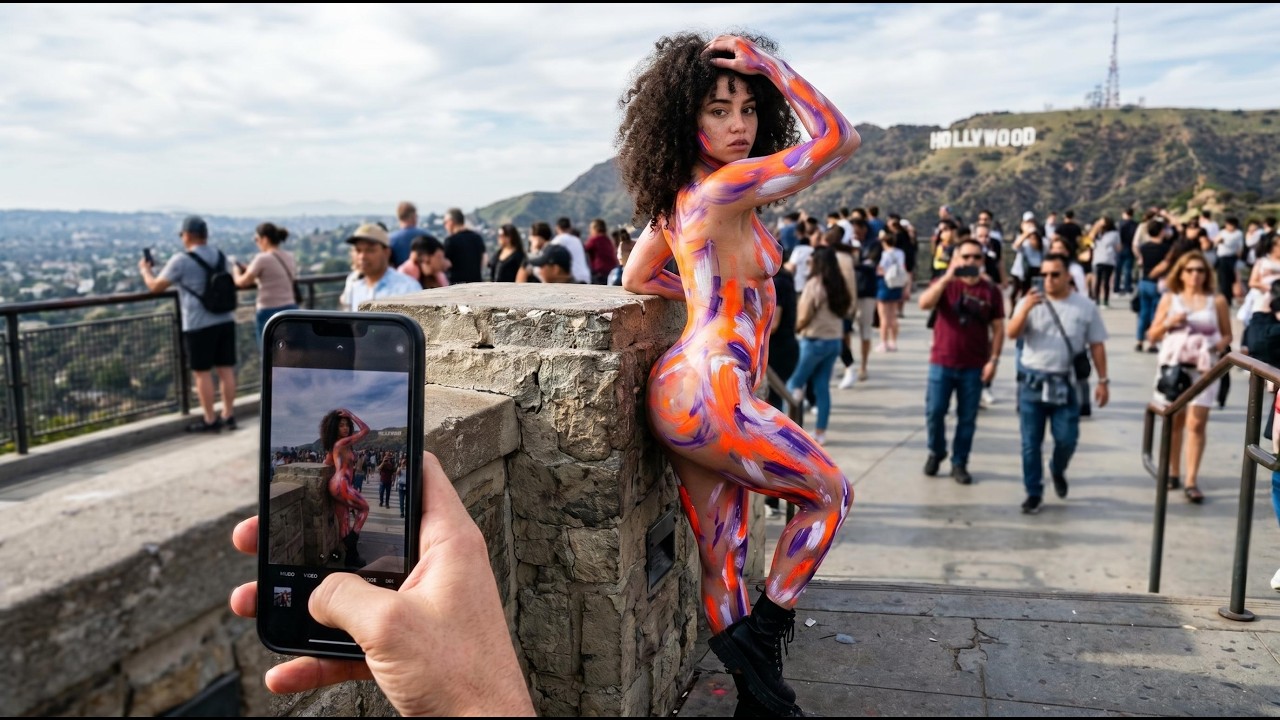
How Hollywood Body Art Changed the Way America Sees the Human Body Forever
Ink_and_Instinct
213 views•2026-06-02

Gudok Bull #4 #gudok #instruments #russia #russian #ancient #ancienthistory #sunoai #suno
aimechanicalbull
289 views•2026-05-29

Michelangelo Knew the Right Answer. They Ignored Him for 400 Years. | VERSO
VersoArt
123 views•2026-05-29



