Astronomers have observed massive stars like N6946-BH1 that vanish without producing a supernova explosion, suggesting they may collapse directly into black holes through a 'failed supernova' process where the star simply disappears into darkness without the expected dramatic explosion.
Install our extension to search inside any video instantly.
Star vanished without a supernova. Did it quietly become a black hole?#Space #Astronomy #BlackHoleAdded:
Imagine looking at a star millions of times brighter than the sun, and then one day it's just gone. No explosion, no warning, nothing.
In a galaxy about 75 million light-years away, astronomers observed a massive star. It was estimated to be around 25 times the mass of our sun. Stars this large usually have one dramatic ending.
A supernova, an enormous explosion that can outshine entire galaxies. But this star had other plans. When scientists checked on it years later, they expected to see evidence of a supernova. Instead, they found something much stranger. The star had vanished. No brilliant explosion, no glowing debris cloud, just darkness. It was as if the star had been erased from the universe. So, what happened? One possibility is that the star collapsed directly into a black hole. Normally, dying stars explode before becoming black holes, but some scientists believe extremely massive stars can skip the explosion entirely.
They simply collapse under their own gravity and disappear. If that's true, the star didn't die with a bang.
It died in silence.
Astronomers call these events failed supernovae, and they may be happening more often than we thought. Meaning some stars across the universe could be vanishing right now without anyone noticing. A star lived for millions of years, and when it died, the universe barely made a sound. The universe still has secrets. Like, share, and subscribe for more amazing space mysteries.
Related Videos

NOAA Warning! Massive Double Cannibal CME Impacting Earth: G4 Storm Watch!
worldnewsreporttoday
1K views•2026-06-04
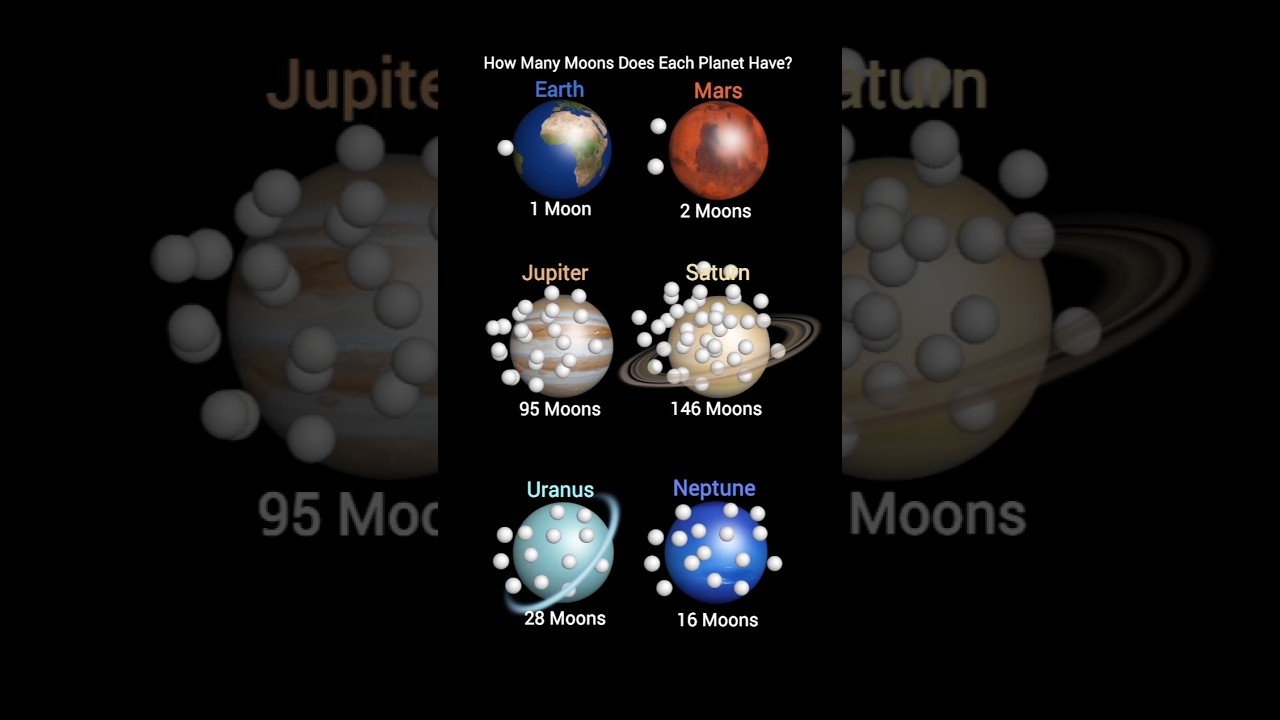
How Many Moons Does Each Planet Have?
ངངངངངང
88K views•2026-06-04

Nova Eruption — Stellar Astrophysics in 60 Seconds #Shorts
UnseelAstronomy
1K views•2026-06-07

How the Sun Pushes Space Weather Toward Earth
heavybrainspace
1K views•2026-06-04
NASA's bizarre discovery on an object from another star system #space #astronomy
InfiniteScienceLab
473 views•2026-06-05

The Scariest Thing NASA Has Ever Seen | The Cosmic Void Explained #Shorts #NASA #CosmicVoid
UnknownUniverseHub
104 views•2026-06-08

The Closest Planet To The Sun Has Ice #Shorts
FactReactor-d2q
2K views•2026-06-06

NASA Finds Salt Water Volcano in the Asteroid Belt. Nobody Talk Is Talking About It
guess_what_i_found_out
1K views•2026-06-04