Landing on celestial bodies with negligible gravity, such as Phobos, presents extreme challenges because the spacecraft lacks gravitational control and could bounce off into space, requiring precise mathematical calculations and careful navigation to avoid destruction from unpredictable terrain.
拡張機能をインストールして、あらゆる動画内を即座に検索しましょう
A *DESPERATE* gamble for Martian dust追加:
Landing on a tumbling space rock is like trying to catch a bullet with a magnet.
Japan's MMX mission is currently attempting the impossible at Phobos, a moon so small its gravity is practically non-existent. This means our lander could literally bounce off and drift into the endless void. There is zero control once the descent begins, leaving the spacecraft to fight against unpredictable dust and jagged craters.
It is a high-stakes gamble against physics where the slightest miscalculation leads to total destruction. Yet, through sheer mathematical genius and human courage, we are finally touching a world that shouldn't exist. It proves that daring to touch the unknown because
関連おすすめ

Is dark matter real? - Why can't we find it? - physicist explains | Don Lincoln and Lex Fridman
LexClips
1K views•2026-05-30
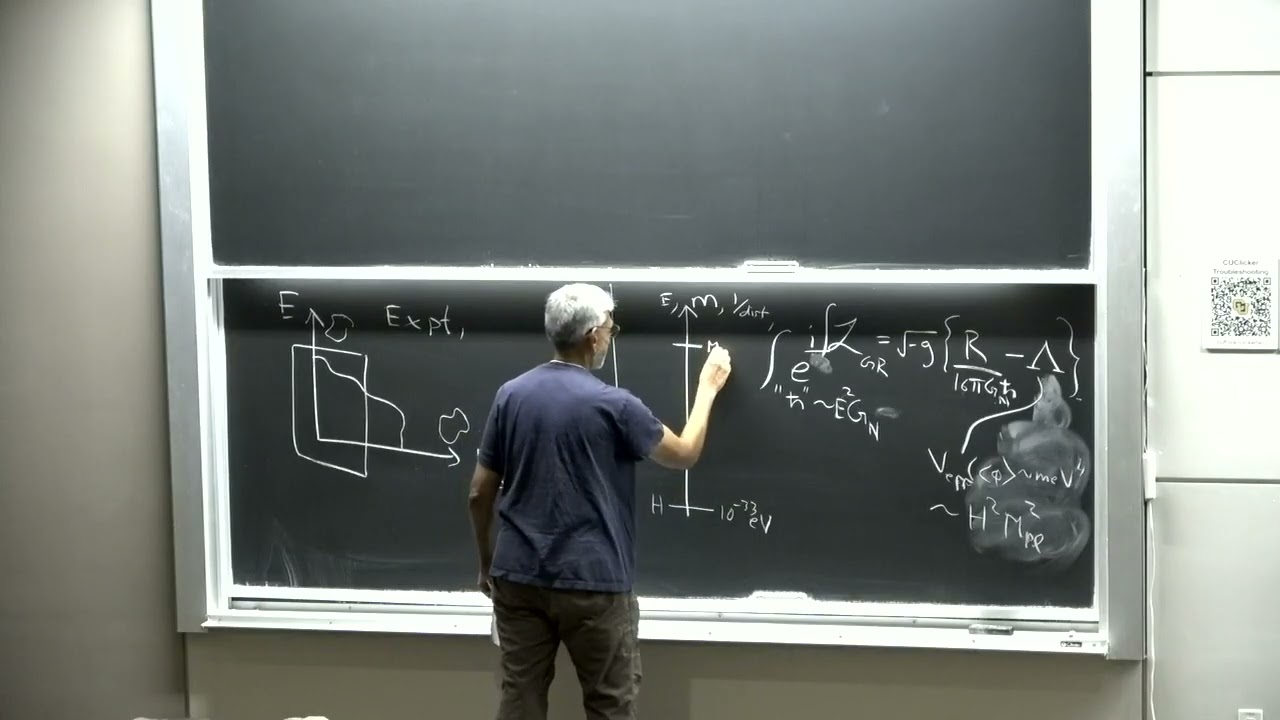
Raman Sundrum Lecture 1 on SUSY and BSM Physics in 2026
tasivideos4735
152 views•2026-06-03

Saptarshi Basu - Spectacular Voyage of Droplets: A Multiscale Journey to Extreme Flow Conditions
DAlembert-SU-CNRS
152 views•2026-06-02

A 6.0 Just Hit Hawaii — And It Came From The Wrong Place
TerraWatchHQ
115 views•2026-06-03

The Split-Second Mistake That Made Bouncing Bettys So Deadly
NoMansLandChannel
253 views•2026-06-02

Nobody Expected This Lava Reaction 🤯 #faits #facts
TendzDora
28K views•2026-05-30

The Difference In Charged And Neutral Particles
heavybrainspace
959 views•2026-05-29

The Silent Memory of Glass
UnchartedScienceworld
146 views•2026-05-30


