Miki’s transformation of fearsome yokai into tactile sculptures brilliantly subverts the concept of the "other" into a medium for empathy. This reinterpretation bridges ancient heritage with contemporary identity through a disarmingly soft aesthetic.
拡張機能をインストールして、あらゆる動画内を即座に検索しましょう
Artist Masako Miki crafts modern take on ancient Japanese folklore追加:
Well, what's known as the night parade of 100 demons is an ancient Japanese folk tale about supernatural beings taking over the night at an art museum in Boston, Artist Masako Niki is bringing the tale into a colorful and even cuddly present day. Jared Bowen of GBH Boston takes us there for our arts and culture series Canvas.
In the silvery hue of night, a gathering of characters. At first glance, their curvy forms standing on their own and dappled with rainbow colors. Look longer and the shapes come into being like an all-knowing oak tree. The trees, they're transparent, they've witnessed everything that has happened and that we have done, and I feel like this is a uh the character who observed everything in our histories.
Each of these needle felted sculptures here at the Mass Art Art Museum in Boston has a reason for being, says artist Masako Miki. They are characters she has conjured and crafted to take their place in her own contemporary mythology. It's a human nature to make stories and narratives, and, you know, if you believe in the same story, there's a sense of trust, and we actually believe in that stories and we act on it. In creating what she now calls midnight march, Mikey was prompted by a Japanese tale more than 1000 years old. It tells the frightening story of the night parade of 100 demons, where paranormal beings called Yochai who range from the monstrous to the mischievous rampage through the streets in the wee hours of the morning as villagers hide in their homes. They're very upset. There have been discarded by humans and they want to reclaim their existence, but as Miki returned to the tale in her adult life, she began to dissect the demonization of the yokai, thinking they were less perpetrator and more misunderstood, vilified because people couldn't look beyond the yokaiss otherness.
Think of first thing in a human sort of reaction is they're not like me. We come from different places and different cultures, but we always just seeking for a new home, which is safe. So in her telling Mi ki ' s Yokai are shape shifters. Discarded things like an umbrella or a string of prayer beads that become all things adorable and inviting.
You don't rationally understand what they are, but they're drawn by the colors and patterns and the shape. They're very important that people feel invited and have this affinity. I think affinity leads into the empathy. When I first saw these wonderful colorful creatures. I thought this is amazing. Everyone's going to love them and they do, but then you start to dig in a little deeper. Lisa Tung is artistic director of the Mass Art Art Museum and says beyond their huggable charm, Mikey's characters represent an intersection many have navigated, especially immigrants. Mosako is trying to figure out her background, her culture, um, how does that fit with this new culture that she's come to and being a child of immigrants, my parents came here. I've been living here for the past 50 years. There's always that, you know, what is the culture? Mickey was raised in Japan and came to the United States as a young adult to study art.
She cherishes her Japanese heritage, she says, but embraces, especially as a woman, the independence life in the US has afforded her. I really felt like I had to choose um, you know, do I have to become more like Americans or you know, like how, what, what is, but you know, but then I'm Japanese. I became almost obsessed with these characters because here I am trying to figure out how I live my life. Giving the Yochai life requires a rigorous, even painful process of needle felting where she repeatedly stabs, mounds of rubbing wool covering armature.
I just have a love and hate relationship with. It's so labor intensive because you can only felt so much because it hurts your shoulders and your arms also, I love that part of art making.
You can't have a shortcut. The repetition of making is akin to prayer, Miki says, so that by the time each sculpture is finished, a transformation occurs beyond the act of creation. You repeat the same thing for so long, and then like you're like so focused and intense, and you had and at the end, it becomes like a uh it's own thing. It has its own spirit. Like these yokai finding their way to a new dawn. For the PBS Newshour, I'm Jared Bowen in Boston.
関連おすすめ

Futurism: The Radical Art Revolution That Predicted the Modern World
HENITalks
154 views•2026-05-29

Jack Levine, Witches' Sabbath
smarthistory-art-history
471 views•2026-05-29

고가 중국도자기 경매
고가古家고도자기경매
203 views•2026-05-29

क्या भगवान शिव हारिती की नकल हैं? झूठे दावे का पर्दाफाश | हारिती बौद्ध देवी बनाम भगवान शिव
sanatansamiksha
1K views•2026-05-30

This is one of the biggest street art exhibitions in London but there’s a twist 👀 Danish
ExploringLondonCity
1K views•2026-05-30
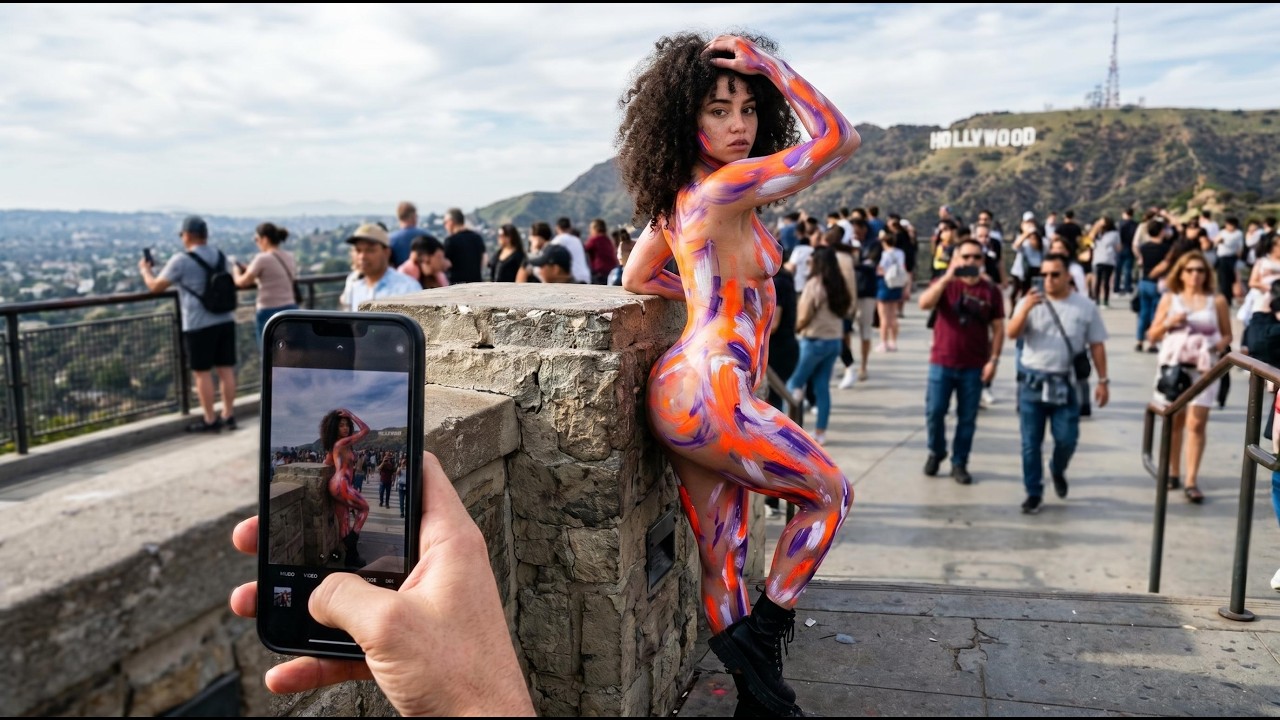
How Hollywood Body Art Changed the Way America Sees the Human Body Forever
Ink_and_Instinct
213 views•2026-06-02

Gudok Bull #4 #gudok #instruments #russia #russian #ancient #ancienthistory #sunoai #suno
aimechanicalbull
289 views•2026-05-29

Michelangelo Knew the Right Answer. They Ignored Him for 400 Years. | VERSO
VersoArt
123 views•2026-05-29



