This visual synthesis masterfully frames the evolution of the silhouette as a primary record of expanding social agency. It successfully distills three centuries of complex cultural history into a compelling narrative of liberation.
Install our extension to search inside any video instantly.
300 Years of American Fashion | Wedding, Hollywood & Vintage Style Evolution CompilationAdded:
This period marked the liberation of the body from heavy restrictive garments.
1800 Shemmese dress, Shmese gown, a white dress made of lightweight muslin featuring a high waist just under the bust, empire waist and a straight flowing silhouette. Considered the first rebellious dress due to its sheer lightness compared to earlier styles.
1805 Spencer jacket. A very short cropped jacket ending just under the bust with long sleeves and a high collar. A typical outer layer paired with high-waisted dresses for warmth.
1812 Husair style walking dress influenced by the War of 1812. Dresses began featuring braided frogging and decorative cords across the front inspired by military uniforms.
1820 transition gown. The waistline gradually dropped lower and skirts shifted from straight lines to a subtle bell shape.
This period emphasized femininity, voluminous sleeves, and a defined waist.
1830 jiggo sleeve dress characterized by extremely puffed shoulders that taper tightly toward the wrists. The waist is cinched at the natural position.
1836 calico day dress made from printed cotton fabric. Calico widely popular in America reflecting the everyday life of middle class and rural women.
1840 dropped shoulder dress, shoulder seams extended down the arm, restricting movement but creating a delicate, fragile appearance. This was also the year Queen Victoria popularized the white wedding dress.
The period of the widest skirts in American history closely associated with the Civil War. 1851 bloomer costume consisted of a kneelength dress worn over loose trousers gathered at the ankles.
Pantiletes. This was the first attempt to introduce pants into women's wardrobes in America. 1856 cage krenolin. Instead of layering multiple pett coats, women used a lightweight steel frame to create an extremely wide, perfectly circular skirt.
1863 Civil War ball gown featured deep off-the-shoulder necklines, low bodesses, and skirts spanning 5 to 6 m in width decorated with lace and silk flowers.
Volume shifted from surrounding the body to concentrating at the back. 1872 early bustel dress fabric was gathered entirely at the back forming a large U shape while the front remained flat.
1878 Quass bodice dress. The bodice extended down over the hips fitting tightly like armor narrowing the skirt a precursor to the mermaid silhouette.
1885 late bustel dress shelf bustle back volume returned in a more structured shelf-like form creating one of the most exaggerated silhouettes of the 19th century.
The emergence of the modern woman's image. 1893.
Shirtw waist blouse. A white blouse styled after men's shirts, marking a revolution that enabled American women to confidently work in offices.
1895.
Cycling suit. Skirts were shortened or split skirted trousers to allow women to participate in the cycling craze sweeping America.
1898 Gibson girl style. A combination of puffed sleeve blouses and bell-shaped skirts with hair styled in a high bun forming the ideal image of the active independent American woman.
The final phase of restriction before entering the modern age. 1903 S-bend corset gown designed to push the bust forward and the hips backward creating an extreme S-shaped silhouette.
1908 New Empire style directtoir gown.
The waistline was raised again. Excess ornamentation reduced drawing inspiration from Greek attire.
1912 Hobble skirt, a long skirt that was extremely narrow at the ankles, forcing women to take very small steps, a symbol of impractical elegance.
A rebellion of American women after World War I, 1924. Flapper dress, beaded shmese. A straight, loose silhouette with a dropped waist at the hips. No corset decorated with beads and fringe for dancing the Charleston.
1926 little black dress LBD introduced by Chanel. Transforming black from a morning color into a symbol of minimalist elegance.
1928 women's swimsuit. Wool swimsuit.
The emergence of fitted wool swimsuits marking greater bodily freedom for women on American beaches.
The return of curves, but softer and more natural. 1932 bias cut gown. A diagonal cutting technique that allowed fabric to cling to the body's curves sensually without restrictive structure.
1935 widelegg trousers, beach pajamas.
American women began wearing extremely widelegg pants at the beach, sparking a revolution in women's trousers.
1938 padded shoulder dress influenced by military style. Shoulders were lightly padded to create a stronger, more powerful look.
Practical during war, luxurious after peace. 1942 utility suit, victory suit, kneelength skirts and boxy jackets designed to conserve fabric due to wartime restrictions.
1947, the new look. Full wide skirts requiring large amounts of fabric and sharply cinched waists restoring feminine luxury after years of austerity.
1948 capri pants calflength trousers that introduced a youthful dynamic style for American women.
The era of stylish housewives.
1953. Poodle skirt. A wide felt skirt featuring embroidered poodle motifs. An icon of American school culture.
1955. Sheath dress. A slim, form fitting, elegant dress often worn by Marilyn Monroe, highlighting the hourglass figure.
1958 strapless ball gown. Glamorous evening gowns without straps exposing the shoulders for elite ballroom events.
The rise of the minikrt and mod style.
1965.
Minikrt heml lines above the thigh completely redefining ideas of modesty.
1966 Mandrean dress shift dress. A straight silhouette featuring geometric color block patterns merging fashion with art.
1969 hippie style boho floor length maxi dresses with floral prints and natural fabrics symbolizing peace and freedom.
An era of synthetic fabrics and expressive style.
1974 wrap dress designed by Diane von Fenberg featuring no zippers, fastened simply by wrapping and tying at the waist. A symbol of the modern working woman.
1977 jumpsuit. A one-piece outfit made of shiny fabrics popular for disco dancing.
1978 bell bottoms. Pants fitted at the thighs and flaring out at the hems worn by both men and women.
The bigger, brighter, the better. 1983 aerobic wear leg warmers and leotards.
Tight fitting neon stretch outfits paired with leg warmers.
1985 power suit. Women's suits with dramatically padded shoulders representing authority in the workplace.
1987 bubble skirt. A skirt with a tucked under hem creating a rounded balloon-like shape.
A reaction against the excess of the previous decade. 1992 grunge style flannel plaid shirts, ripped jeans, and heavy leather boots.
1995 slip dress. A thin silk dress resembling lingerie representing minimalist fashion.
1998 cargo pants. Loose pants with multiple pockets inspired by military wear. Popular in hip hop culture.
The explosion of pop culture velour fabrics and ultra low-rise pants. 2001 velour tracksuit popularized by brands like Juicy Couture. A matching set with a zip-up jacket and slightly flared pants in bright velour fabrics, pink, baby blue. It became the uniform of celebrities such as Paris Hilton. 2003 low-rise jeans, pants with a waistband sitting below the hips, often paired with crop tops to reveal the waistline and naval piercings.
2005 baby doll dress. A short dress with a high waist just under the bust and a flared silhouette creating a youthful look, often styled with knee high boots for an edgy contrast.
The rise of sportsware and refined street style. 2012 leggings and skinny jeans, form-fitting pants became everyday essentials. American women began wearing yoga pants in public as a mainstream fashion style. Athleisure 2014 cutout dress. Evening and party dresses featuring bold cutouts at the waist, shoulders, or back highlighting a toned physique.
2016 off-the-shoulder style tops and dresses exposing the shoulders became widespread from runways to street wear offering a feminine and relaxed look.
Fashion reflecting comfort and the rise of Tik Tok culture. 2020 luxury loungewear sets. Due to the pandemic, coordinated sweat sets in neutral tones became dominant as people worked from home.
2023 quiet luxury silk dresses and sharply tailored blazers in neutral colors free of logos focusing on premium materials such as cashmere and silk became symbols of understated status.
2024 Coette style dresses. Highly feminine trends featuring bows, lace, sheer fabrics, and pastel tones romanticizing everyday life.
2026 quiet luxury. A perfect combination of a structured teal blazer and a cream white outfit underneath.
Colonial and pre-industrial era 1700 to 1790.
During this period, wedding dresses were not necessarily white. Brides typically chose their finest best dress to reflect wealth, status, and practicality.
1720 floral brocade manua gown. A gown with a long flowing train attached to the bodice draped over the hips to reveal the richly colored petticoat beneath usually made of silk brocade embroidered with roses often in deep red or blue tones. 1755 pier gown designed with dramatically widened hips extending to the sides while remaining flat at the front and rear. This was the most aristocratic bridal style worn by upper class colonial American brides.
1785 deep purple.
Best dress. Middle-class brides often selected dark colored wool or silk dresses, purple or brown, so the gown could be reworn for future formal occasions, making it both elegant and practical.
Neocclassical era and white muslin 1800 to 1840. The rise of Greek inspired fashion gradually established white as the color of bridal elegance.
1810 White Empire wedding dress Regency bride. A high-waisted gown gathered just beneath the bust made from lightweight white muslin with a straight flowing skirt that created an ethereal Grecian inspired silhouette.
1830 jiggo sleeve wedding dress featuring a natural waistline and dramatically oversized puffed sleeves at the shoulders. This was also the period when veils began to emerge as an essential bridal accessory. 1840 Queen Victoria's wedding dress, an off-the-shoulder white satin gown with a pointed V-shaped waistline trimmed with delicate honan lace. This became the defining moment that established white as the traditional bridal color in America.
Krenolin era and grandeur 1850 to 1890.
An era defined by extravagant displays of status through enormous amounts of fabric, structure, and lace. 1860 krenolin wedding dress Civil War era. A bell-shaped skirt supported by a steel cage frame trimmed with layered ruffles and handmade fabric flowers. 1878 natural form wedding dress. The wide krenolin frame disappeared and the gown fitted closely along the front of the body while all excess fabric was gathered at the back into an elaborate trailing silhouette.
1885 bustel wedding dress shelf bustle.
The back bustle was elevated into a structured shelf-like shape. Heavy silk taffida produced a distinctive rustling sound as the bride walked.
Eduwardian era and transition 1900 to 1914. An age of refined aristocratic beauty defined by high collars, delicate lace, and elegant silhouettes.
1904 espend lace wedding gown. A high-neck lace gown with a tightly cinched waist and the signature pigeon breast silhouette. Intricate lace insertion made these gowns exceptionally luxurious and expensive.
1909 New Empire wedding dress lingerie dress featuring a slimmer skirt and a raised waistline once again layered with sheer chiffon fabrics to create a soft ethereal appearance.
1912 Hobble wedding gown. A gown narrow at the ankles paired with a long silk stole draped across the shoulders creating a fragile yet aristocratic appearance.
1920s the flapper era the rebellion of the modern bride abandoning corsets and shortening traditional hemlines. 1924 dropped waist wedding dress. Flapper bride. A straight silhouette with no defined waistline lowered to the hips and decorated with shimmering bead work.
Brides wore a Juliet cap veil that framed and covered the forehead. 1926 handkerchief hem wedding dress. The hemline was cut into uneven pointed layers resembling handkerchief edges, shorter in the front to reveal silk heels and glimpses of the ankles.
1928 Cathedral Veil. Although bridal gowns became shorter, veils grew dramatically longer, balancing modern fashion with traditional bridal formality.
1930s and 1940s, elegance and wartime, an era where Hollywood glamour met wartime practicality.
1934 bias cut satin wedding dress crafted from glossy satin cut on the bias. These gowns skimmed the bride's figure with a soft, sensual silhouette requiring little to no excessive embellishment.
1942 utility wedding dress wartime bride. Due to fabric shortages, brides often wore simple blue or ivory suits with kneelength skirts that could later be reused for work or formal occasions.
1947 luxurious new look wedding dress.
After the war, bridal fashion returned to extravagance with dramatically full skirts layered with tulle, sharply cinched waists, and a revival of feminine luxury.
1950s and 1960s, princess glamour and youth revolution, an era where classic romance collided with youthful rebellion and bold modern fashion.
1953 Grace Kelly wedding dress featuring a rose pattern lace bodice, high neckline, and a voluminous silk taffida skirt. It became one of the most replicated wedding gowns in bridal history.
1965 mini wedding dress mod bride. A short a-line wedding dress above the knee paired with white boots capturing the youthful rebellion of the mod generation.
1968 space age wedding dress designed with synthetic fabrics, astronaut inspired headpieces or veils attached to structured metallic headbands reflecting America's fascination with the space age. 1970s and 1980s boho and exaggerated volume. The return of puffed sleeves and ruffles in dramatic oversized proportions, followed by the rise of strapless bridal glamour. 1974 hippie style wedding dress, a floorlength maxi gown with bell sleeves and natural floral embroidery. Brides often wore fresh flowers in their hair instead of traditional veils, embracing a free-spirited bohemian aesthetic. 1981 Diana's style wedding dress featuring dramatically oversized puffed sleeves, ruffles around the neckline, and an exceptionally long train. American brides of the 1980s dreamed of looking like royalty.
1988 sweetheart neckline wedding dress marked the growing popularity of strapless bridal gowns, often paired with the teased voluminous hairstyles characteristic of the decade.
1990s and 2000s, minimalism and mermaid silhouettes. A period where minimalist fashion celebrated and enhanced the natural female figure. 1995 slip dress wedding gown, minimalist bride. A delicate silk spaghetti strap gown resembling lingerie representing the refined minimalism of the 1990s.
2004 mermaid wedding gown fitted closely through the bust, waist, and hips before dramatically flaring out at the knees.
Designed to emphasize the hourglass silhouette.
2009 ruffled wedding gown skirts constructed from hundreds of cascading layers of tulle resembling ocean waves, creating a sense of dramatic modern elegance.
2010 to 2026, diversity and biotech inspired fashion. An era where refined minimalism coexists with romance, innovation, and sustainable luxury.
2018 Megan effect wedding dress. A clean white gown with a batau neckline and no embellishment. Focusing entirely on precise tailoring and understated elegance.
2024 Coette Bow Wedding Dress. A sheer tulle gown adorned with dozens of delicate silk bows throughout the dress, embodying a new wave of romantic American bridal fashion.
2026 modern royal core wedding gown.
Featuring a structured corset with a deep V-shaped waistline, soft off-the-shoulder sleeves, and layered ivory satin with sheer tulle overlays.
The defining details are an ultra-long cathedral veil and handcrafted 3D floral appliques, blending classic princess glamour with modern minimalist luxury, the defining symbol of the American bride in the era of AI and luxury minimalism.
1924, the Lanva robe to style. 1924 marked the height of the robe to style. Unlike the straight flapper dress, this silhouette used silk taffida and side piers to create a romantic wide-hipped look, bridging the gap between historical royalty and jazz age rebellion.
1926, the Chanel little black dress, LBD.
In 1926, Chanel revolutionized fashion with the first little black dress.
Crafted from simple wool crepe, this design stripped away class markers, proving that a single perfect line was the ultimate statement of modern chic.
1930, the bias cut satin siren gown.
1930 introduced the revolutionary bias cut. By cutting silk satin at a 45° angle, designers allowed the fabric to cling to the body like liquid gold, defining the siren look that saved Hollywood during the Great Depression.
1932, the Letty Linton butterfly dress.
1932 saw the Lety Linton craze. With its massive ruffled shoulders made of stiff orurgundy, this dress was so popular that it became the first major example of a movie costume influencing global retail fashion.
1934, the neocclassical column gown. In 1934, Hollywood embraced the neocclassical movement.
This column gown in matte rayon crepe features intricate draping mimicking the timeless strength and elegance of a Greek statue on the silver screen. 1937 The ostrich feather spin dress 1937 was about movement and cinematic magic. This silk chiffon gown weighted with ostrich feathers was engineered to float perfectly during a spin, turning every dance into a visual masterpiece.
1939, the Gone with the Wind Velvet Gown. On the eve of World War II, 1939 saw a massive revival of the 1860s hoop skirt. Using yards of heavy silk velvet, this silhouette provided an escapist fantasy of southern grandeur that captivated the world.
1942, the L85 Victory Suit. 1942 fashion was defined by limitation order L85.
This wool gabarddine suit features a narrow skirt and sharp shoulders reflecting a patriotic disciplined elegance during the height of the war effort.
1946 the Gilda black satin. Postwar 1946 introduced the fem fatal. Crafted from heavy duchess satin, this strapless construction symbolized a dangerous and powerful new femininity in American film noir.
1947, the Dior New Look Baruit. 1947 revolutionized fashion with the new look. After years of rationing, this silhouette shocked the world with its cinched waist and nearly 20 yards of fabric, signaling the return of unapologetic luxury.
1950, the asymmetric winged gown. As 1950 began, Hollywood embraced architectural asymmetry. This silk velvet gown features a bold structural wing at the hip, a testament to the sculptural precision that defined high fashion cinema.
1953, the diamond's pink satin. 1953 gave us the shocking pink icon. Made from stiff silk to hold its bold shape, this strapless gown became the definitive symbol of midcentury bombshell glamour and star power.
1954, the Grace Kelly rear window dress.
1954 favored the Parisian chic look.
This combination of a simple black jersey bodice and an explosion of white tulle epitomized Grace Kelly's refined and sophisticated grace.
1955. The white sunray pleated dress.
1955 created the most famous dress in cinema. The sunray pleated acetate crepe allowed the skirt to fly perfectly, defining American summer fashion and breezy iconic cinematic charm.
1956, the high society wedding lace. In 1956, royalty met Hollywood. This rose point lace and taffida gown created a look of regal modesty that would influence bridal fashion for the next 50 years.
1957, the funny face red satin 1957 captured the peak of the collaboration between Giovenoni and Audrey Hepburn.
This red satin gown paired with a floating shawl is the definition of high fashion cinematic art.
1958.
The cat white slip dress. 1958 popularized the slip dress as elegant evening wear. This white chiffon gown combined domestic intimacy with red carpet grace, highlighting a new, softer femininity.
1959. The suburban rose print party dress. Closing the decade in 1959. The polished cotton party dress represented the American dream. Bold floral prints and a full skirt defined the optimistic aesthetic of the late50s.
1961.
The breakfast at Tiffany's LBD. 1961 redefined the little black dress. This architectural silk gown proved that a single perfect line and a string of pearls were all a woman needed to conquer the world.
1962 the Happy Birthday nude dress 1962 pushed the boundaries of glamour. This sheer silk gown shimmering with thousands of crystals created a legendary second skin effect that remains the most famous naked dress in history.
1963 the wool boulay pillbox suit 1963 was defined by the power suit. This wool boulay ensemble with its signature pillbox hat represented a new era of structured professional femininity in the early60s.
1964 the girl a-ine mini 1964 saw the birth of the space age look. This structured wool mini dress used primary colors and geometric cuts to signal a future defined by youth, technology, and liberation.
1965, the Mandrean grid dress. In 1965, art and fashion collided. This wool jersey shift dress used bold color blocking to create a walking masterpiece, proving that fashion was a form of modern wearable art.
1966 the lm smoking tuxedo 1966 broke the ultimate gender barrier. The introduction of l smoking a tuxedo for women offered a radical new version of power that challenged the centuries old tradition of the evening gown.
1968 the safari shirt dress. By 1968, the safari look brought high fashion into the wild. Made from durable cotton, this functional shirt dress celebrated the spirit of adventure and the rise of the independent modern woman.
1970 the suede fringe western. 1970 embraced a return to American roots.
This suede fringe dress combined western ruggedness with Hollywood glamour, marking the transition into the earthy, freespirited aesthetic of the 70s.
1971, the liquid halter gown. 1971 ushered in the Holston era. This liquid silk jersey gown featuring a daring halterneck relied entirely on the natural drape of the fabric, defining the minimalist glamour of the disco years.
1972, the Palazzo jumpsuit. In 1972, the jumpsuit became a nightlife essential.
Crafted from shiny jersey, the palazzo style legs created a dramatic flowing movement that dominated the dance floors of the early '7s.
1974, the original wrap dress. 1974 saw the birth of a feminist icon, the wrap dress. Its functional design and figure flattering jersey fabric empowered women, becoming a universal symbol of 70s independence and style.
1975, the gypsy peasant gown. 1975 embraced the gypsy or peasant look using light cotton gauze and multiple tiers.
This silhouette reflected a global trend toward ethnic inspired comfortable clothing that felt both rustic and feminine.
1977, the spandex disco tube. 1977 was the year of high shine. This strapless tube dress used new elastic materials to celebrate the athletic body, becoming the definitive look of the American Disco Fever.
1978, the high-waisted satin pants suit.
By 1978, Disco Fever reached its height.
Shimmering high-waisted pants allowed for maximum movement and became a staple of the American nightlife uniform.
1981, the dynasty power suit. The early8s were defined by power dressing. This suit with its aggressive shoulder pads allowed women to project authority and confidence in the corporate world.
1982, the polka dot princess dress. 1982 brought back playful patterns and royal influence. This polka dot dress with puffed sleeves became a global favorite, blending 80s volume with a sense of traditional charm.
1983, the one-shoulder origami gown 1983 favored bold asymmetry. This one-shoulder gown used stiff taffida to create architectural volume, embodying the decad's love for theatrical evening wear.
1984, the like a virgin lace set. 1984 saw the rise of street style glamour.
Combining traditional lace with rebellious accessories, this look moved from the stage to the streets, defining a generation.
1985, the King of Cling bandage dress.
By 1985, the bodycon movement took over.
This bandage dress used high tension fabric to mold and celebrate the female form, reflecting the decade's obsession with fitness.
1986, the oversized blazer dress. 1986 merged masculine tailoring with feminine allure. The oversized blazer worn as a dress became a bold statement of modern chic for the fast-paced 80s woman.
1988, the poof bubble dress. 1988 embraced the poof dress. Combining 18th century inspiration with 80s excess. This bubble skirted silhouette was a theatrical celebration of color and volume.
1990. The minimalist slip dress. As the '90s began, the excess vanished. This simple silk slip dress introduced minimalism, focusing on the pure silhouette and the natural grace of the wearer.
1991, the Pretty Woman polka dot. 1991 immortalized the brown polka dot dress.
This sleeveless silk design became the ultimate symbol of classy casual, a look that remains a summer staple today.
1992. The safety pin neopunk gown 1992 pushed boundaries with neopunk luxury.
This dress used oversized safety pins to hold together a daring silhouette, proving that '90s fashion was about being bold.
1993, the velvet vamp gown. 1993 saw a return to gothic romance. This crushed velvet gown offered a narrow, tall silhouette that defined the dark, moody elegance of the early9s.
1994, the revenge cocktail dress. 1994 gave us the revenge dress. This black velvet cocktail dress was a masterclass in using fashion to make a personal statement, becoming one of the most famous dresses in history.
1995, the high gloss satin column. 1995 was the peak of '90s red carpet minimalism. These heavy satin column gowns relied on perfect fit and vibrant color, defining the sleek, polished look of the decade.
1996, the sheer layered slip. Closing our series in 1996, the layered slip dress represented the ultimate '90s cool. It achieved a delicate barely there elegance that ended the century's fashion journey.
1997, the cyberchic metallic dress. 1997 looked toward the new millennium. This metallic lame gown turned the female body into a futuristic sculpture blending technology with high fashion glamour.
1998 the new glamour sequin sheath. 1998 introduced new glamour. By using matte sequins on a minimalist silhouette, fashion found a way to be both incredibly sparkling and incredibly understated.
1999, the pink Oscar gown. Closing the decade, 1999 saw a revival of the classic ball gown. This bubblegum pink taffida gown was a nostalgic nod to old Hollywood, ending the 20th century with a touch of magic.
2000, the digital print silk wrap. The year 2000 marked the birth of the digital era. This sheer jungle print gown became a global sensation, proving that in the new millennium, fashion would be bold, viral, and boundary breaking.
This elegant 1912 ivory dinner dress showcases a structured two-layer silhouette featuring a dramatic lampshade tunic of hand embroidered lace over a narrow flowing silk skirt capturing the sophisticated hobble trend.
A quintessential Titanic era dinner gown, this piece balances dramatic crimson satin with intricate black lace.
The defined high empire waist and wide satin ribbon tie highlight this practical yet opulent 1913 New York style.
Vibrant gold chiffon defines this opulent dinner dress, showcasing a beautiful hand embroidered lace tunic that elegantly extends to the knee. A central satin bow adds a perfect finish for a high society American affair.
This romantic mid-1910s pink gown is crafted from flowing chiffon adorned with elaborate hand embroidered lace motifs. A floral detailed high satin waist belt creates a refined and distinctively feminine silhouette perfect for sophisticated dinners. This elegant teal silk dinner dress captures the lampshade influence. Featuring a striking high contrast ivory lace tunic over a narrow skirt, the beautiful detailed ribbon waist accent emphasizes the late 1913 to 1914 practical high fashion aesthetic.
This stunning 1920s emerald green dinner dress defines the jazz age with its tubular silhouette and intricate geometric bead work. The dropped waist and flutter sleeves offer perfect freedom for an elegant evening of dance.
A classic 1922 to 1924 flapper silhouette, this ivory crepe gown features exquisite vertical beading and a dropped waistline. Its calflength hem and delicate sheer sleeves epitomize the liberated spirit of the modern American woman.
Rich burgundy fabric meets art deco glamour in this sophisticated dinner dress. Featuring a deep V-neck and heavy sequined embellishments at the hem, it perfectly captures the opulent yet rebellious energy of the early 1920s.
This 1925 sky blue masterpiece showcases a striking art deco geometric pattern fully embellished with silver beads. Its sleeveless tubular shape and fringed hem embody the vibrant energy of the jazz age. Radiating luxury, this champagne gold dinner dress features a classic dropped waist and exquisite sunburst beading. The light georgette fabric and kneelength cut represent the ultimate freedom and glamour of late 1920s America.
Deep navy silk meets opulent gold embroidery in this quintessential 1927 flapper gown. The intricate bead work and playful fringe at the hem were designed to shimmer and move during a night of Charleston dancing.
This 1928 white silk dinner dress features the iconic hanky hem. Shorter in front and longer in back, its silver geometric beading and feathered headband epitomize the high glamour New York skyline aesthetic.
Dynamic and sophisticated, this royal blue geette gown showcases an asymmetrical pointed hemline. The dense art deco beadwork reflects 1929's peak fashion. Designed to flow beautifully with every step and jazz movement.
Deep purple silk and intricate silver sequins define this late 1920s masterpiece. The dramatic layered hanky hem creates a feminine flaring silhouette, capturing the rebellious yet refined spirit of the American jazz age finale.
This vibrant 1928 sky blue gown features detailed art deco beading and a striking multi-layered asymmetric hemline. Its light georgette fabric creates wonderful movement, epitomizing late 1920s high society fashion in America.
Embracing 1930s Hollywood glamour, this vibrant red satin gown features a sophisticated cowl neck and bias cut fabric that hugs the silhouette, finished with delicate ruffled sleeves for a dramatic evening look.
This 1932 inspired emerald dinner dress showcases the return of the natural waistline. Its flowing silk satin and layered flutter sleeves perfectly illustrate the feminine elegance and refined luxury of the early30s.
Luxurious ivory silk satin defines this quintessential 1933 gown. Utilizing the iconic bias cut for a liquid-like drape, it features a deep cowl neckline and shoulder ruffles. Capturing the essence of silver screen stardom, this 1934 aquamarine satin gown epitomizes the siren style. The deep cowl neck and expert bias cut flow into a subtle fishtail hem, creating a liquid-like silhouette that defines Hollywood's golden age.
Radiating pure luxury, this 1936 gold satin dinner dress features a dramatic draped neckline and a body sculpting bias cut. The flared fishtail bottom adds a majestic touch to this sophisticated cinematic evening ensemble.
Soft champagne silk meets the refined 1939 siren silhouette. With a natural waistline and flutter sleeves, the skirt flares gracefully at the hem, capturing the ultimate feminine elegance before the turn of the decade.
Ivory silk with puff sleeves and a grand silk bow define the perfect indoor birthday celebration. A youthful, elegant look for a new century of American style.
Ruby red fabrics brought a vibrant energy to outdoor tea parties. Notice the high-waisted sash and delicate lace ruffles capturing the joy of a sunny afternoon.
Sky blue silk with silver floral embroidery was the height of festive fashion. A graceful floorlength silhouette perfect for a grand estate birthday gala.
Golden champagne tones symbolized warmth and luxury. This dress, adorned with intricate sunray patterns, radiated elegance in the soft glow of a garden setting.
Deep emerald silk with golden filigree made a commanding statement at evening parties. A sophisticated look paired with a matching tiara for the ultimate celebration.
Dusty rose fabrics offered a softer romantic aesthetic for outdoor birthdays. The delicate floral applique and silk sash reflected the artistic craftsmanship of the era.
Mint green silk with silver lace ruffles brought a refreshing vibe to the ballroom. A playful yet elegant choice for a young American woman's special day.
Cream colored silk adorned with handpainted wild flowers became a favorite for estate parties. A masterpiece of embroidery that celebrated nature and youth.
Lime green satin offered a fresh, modern alternative for city celebrations. This look featured a structured bodice and a charming matching hat for a chic cafe outing.
Garnet red silk with oversized bow details made a bold festive statement. A flamboyant and unforgettable look to close a decade of American party style.
Cornflower blue floral prints with a matching lace parasol define the ultimate outdoor birthday elegance. A graceful layered silhouette that captured the essence of Edwardian garden parties.
Lavender silk adorned with delicate white bows brought a sweet festive charm to indoor celebrations. This tealength dress featured intricate floral embroidery perfect for a young socialite's party.
Navy blue satin with a striking striped bow offered a more sophisticated modern look for evening birthdays. The contrast of white floral applique added a touch of starllet glamour.
Rich violet fabrics with golden embroidery made a bold statement at estate garden celebrations. Notice the structured bodice and matching floral headpiece. Closing the decade with regal flare.
This elegant dusty blue silk gown with cream lace inserts celebrated a joyous milestone. A chic high collared look that defined the transition toward a more tailored American style.
Ivory silk and delicate lace define high society glamour. This exquisite gown features intricate silver embroidery and the iconic S-ben silhouette of the era.
Bold crimson velvet brought drama to the ballroom. Notice the stunning black lace overlays and the magnificent feathered headpiece completing this regal look.
Golden satin radiated warmth and luxury.
The high lace neck and tiered skirt with floral applique captured the sophisticated essence of Eduwardian evening wear.
Deep emerald velvet symbolized wealth and prestige. This structured gown adorned with gold filigree and sheer sleeves stood out in every prestigious American gala.
Dusty rose silk offered a softer romantic aesthetic.
Detailed with peacock inspired embroidery, this layered gown reflected the artistic craftsmanship of the mid decade.
Sapphire blue became a favorite for formal nights. The dramatic contrast of silver threadwork and a matching tiara showcased pure aristocratic splendor.
Amethyst purple was the height of fashion. This gown combines heavy black lace with rich silk, creating a mysterious and commanding presence.
Turquoise silk offered a fresh, vibrant alternative. Flowing lace panels and a delicate train highlighted the graceful movement required for the grand ballroom.
The contrast of ruby velvet and cream silk created a timeless masterpiece. The heavy embroidery and structured bodice signaled a shift toward more tailored elegance.
Bright canary yellow and oversized hats made a bold statement. With puffed sleeves and floral lace, this look closed the decade with unforgettable sunshine.
Ceruan blue silk offered a vibrant pop of color. Adorned with heavy cream lace panels and a flowing bustleback, this gown epitomized the grandeur of American high society balls.
Soft sage green satin brought a refreshing natural elegance. Featuring a structured bodice, delicate floral embroidery, and a long graceful train, it marked a sophisticated end to the decade.
Soft lavender silk and layered lace offered a romantic aesthetic. Notice the delicate floral embroidery and the dramatic feathered headpiece.
This sophisticated slate blue gown made a commanding statement detailed with silver thread work and an elegant matching hat defining Eduwardian poise.
Ivory silk with striking blue accents showcased pure aristocratic splendor.
The intricate embroidery and sweeping train marked a grand end to the decade.
Heat. Heat.
Hallelujah.
Heat. Heat.
Hallelujah.
Heat.
Heat.
Heat. Heat.
Heat. Heat.
Heat.
Heat.
Heat.
Heat.
Heat. Heat.
An elegant ivory wool walking suit defined by a severe hobble skirt. This tailored ensemble constricts the legs, forcing the distinctive short shuffling steps of early 1910s high fashion.
A bold crimson tailored walking suit makes a dramatic statement with its extreme hobble skirt. Notice how the narrow hemline drastically limits movement, trading practical mobility for a sleek column-like silhouette.
This sophisticated sapphire blue walking suit showcases the vertical ideal of the hobble skirt era. Severely tapered below the knees, it constricts the afternoon stroll into a slow, polite procession.
A cheerful golden yellow wool walking suit captures the polite daring of the restrictive hobble skirt, forcing a delicate, almost challenging walk. It defined pre-war American high society glamour.
Deep ceruan blue creates a commanding tailored walking suit featuring the iconic hobble skirt. The extremely tight column line showcases a woman's disciplined movement allowing only the shortest refined steps.
A luxurious velvet and wool walking suit in rich burgundy and green. This tailored ensemble emphasizes a severe hobble skirt, constricting the wearer to a graceful yet highly goured park prominade.
Sophisticated teal blue forms this modern tailored walking suit with a demanding hobble skirt. Tapered severely at the ankles, it defined the era's fashionable, highly restrictive female profile.
A refined violet suit closes the hobbles skirt walking suit era. Notice the severe column profile that constricts the legs, making a final elegant statement of this challenging high gourd trend.
Transitioning to the war kinoline era, this crimson walking suit features a shorter flared skirt. Replacing the restrictive hobble silhouette, it allowed American women unprecedented freedom of movement during the Great War.
An elegant ivory walking suit showcasing the practical war krenoline style.
Notice the calflength hemline and wider skirt designed for an active lifestyle as women took on new roles in society.
This sturdy heather gray walking suit emphasizes wartime utility. The flared skirt provides comfort for walking while the structured buttoned up jacket maintains a disciplined professional appearance for the modern woman.
Deep navy blue wool defines this essential wartime walking suit. The wider krenoline silhouette and sturdy leather boots reflect a shift toward functional fashion. Prioritizing mobility over the era's previous restrictions.
A soft rosewood walking suit blending femininity with wartime resilience. The flared a-line skirt allowed for a brisk pace, signaling a permanent departure from the narrow shuffling steps of the past.
Vibrant sky blue brings optimism to this functional walking suit. Featuring the signature wide skirt of the late 1910s, it provided the physical freedom necessary for women's increasing presence in the workforce.
This rich amethyst purple walking suit combines elegance with post-war practicality. The generous skirt width and tailored bodice represent a woman who is both sophisticated and ready for action. Closing the decade, this ochre yellow walking suit perfects the war krenoline look.
Simple, durable, and freemoving, it paved the way for the even more radical fashion changes of the 1920s.
Related Videos

Futurism: The Radical Art Revolution That Predicted the Modern World
HENITalks
154 views•2026-05-29

Jack Levine, Witches' Sabbath
smarthistory-art-history
471 views•2026-05-29

고가 중국도자기 경매
고가古家고도자기경매
203 views•2026-05-29

क्या भगवान शिव हारिती की नकल हैं? झूठे दावे का पर्दाफाश | हारिती बौद्ध देवी बनाम भगवान शिव
sanatansamiksha
1K views•2026-05-30

This is one of the biggest street art exhibitions in London but there’s a twist 👀 Danish
ExploringLondonCity
1K views•2026-05-30
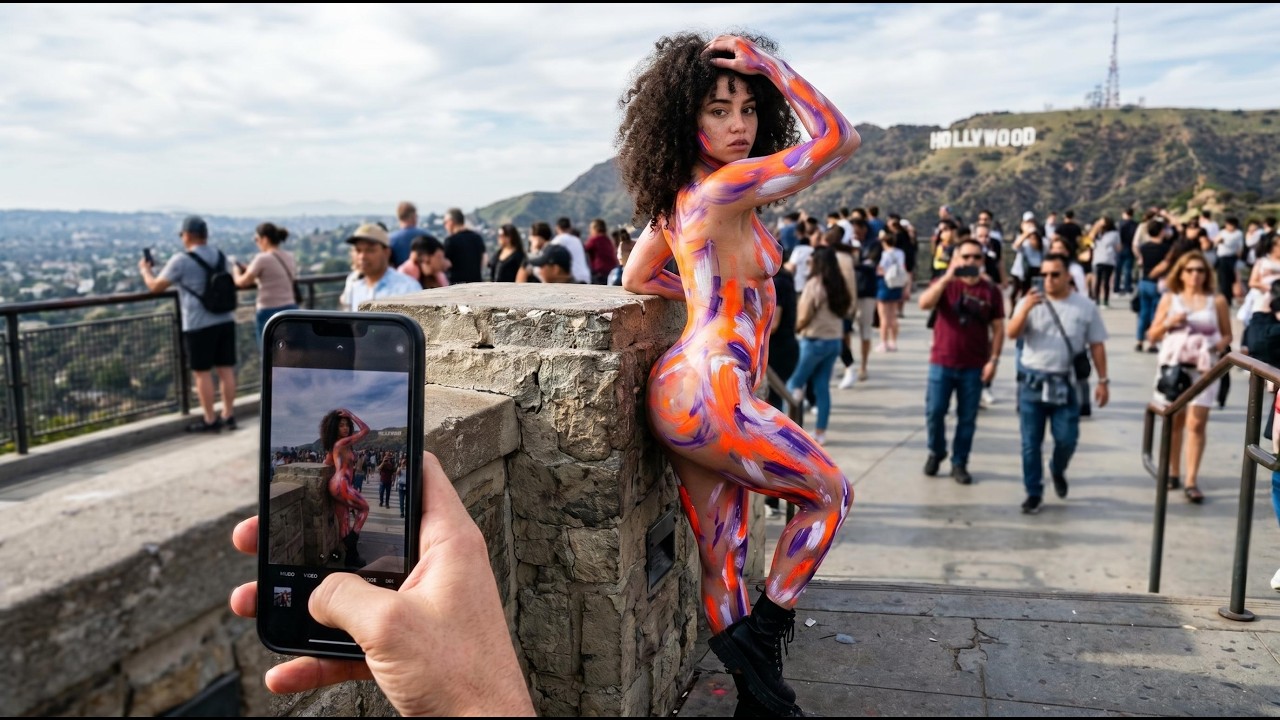
How Hollywood Body Art Changed the Way America Sees the Human Body Forever
Ink_and_Instinct
213 views•2026-06-02

Gudok Bull #4 #gudok #instruments #russia #russian #ancient #ancienthistory #sunoai #suno
aimechanicalbull
289 views•2026-05-29

Michelangelo Knew the Right Answer. They Ignored Him for 400 Years. | VERSO
VersoArt
123 views•2026-05-29



